
Inactive· since Apr 8, 2026
- 21
- days it ran
- 0
- relaunches
Ad copy
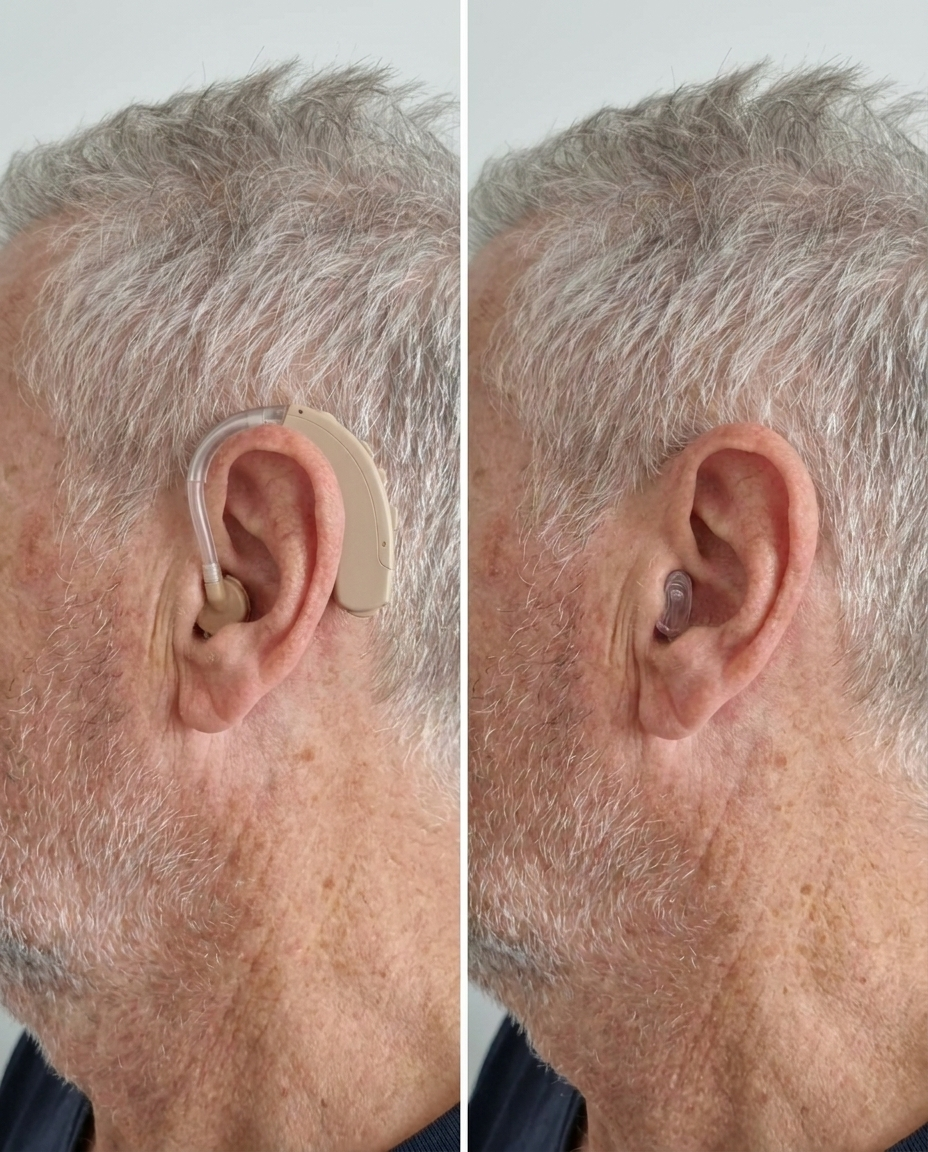
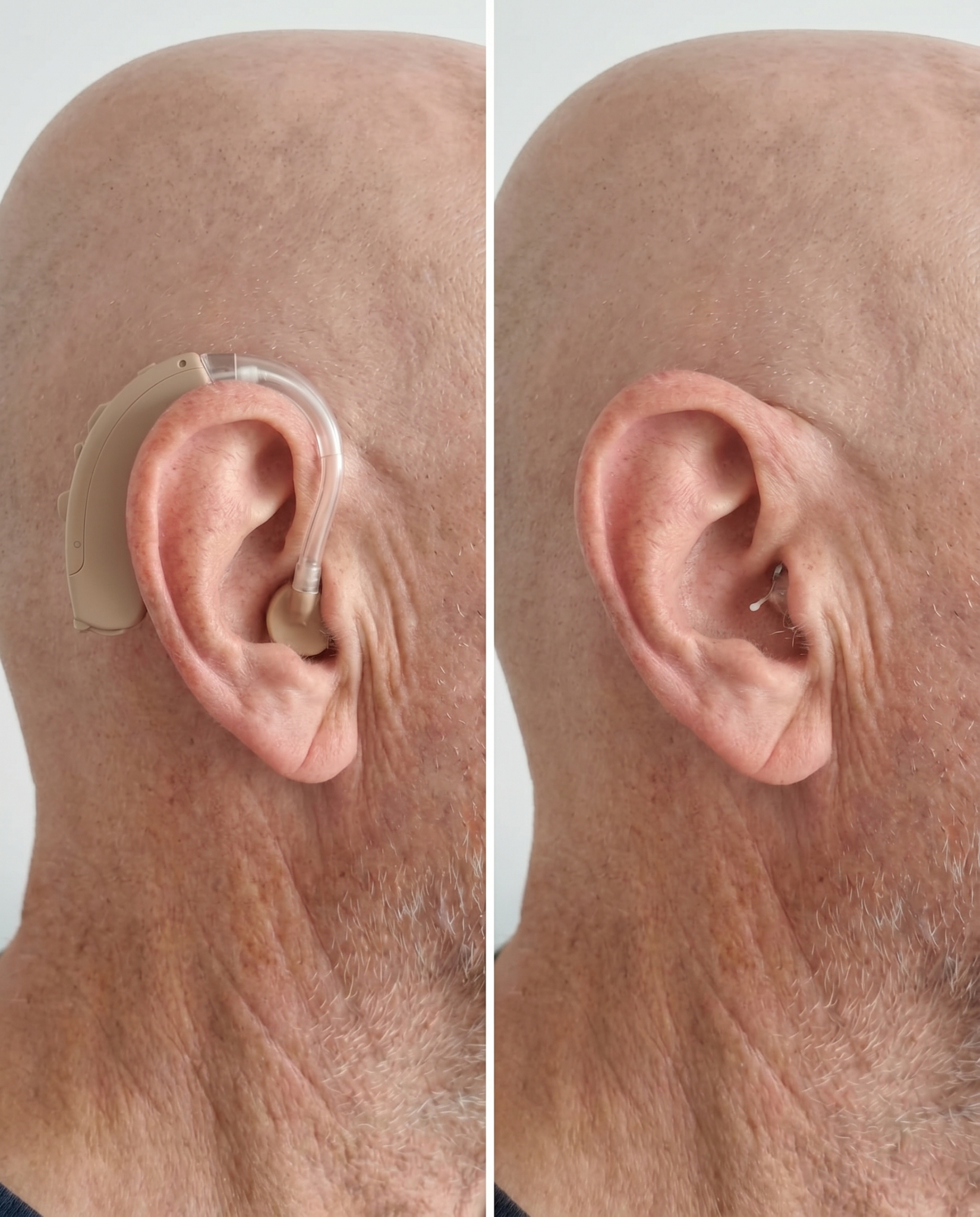
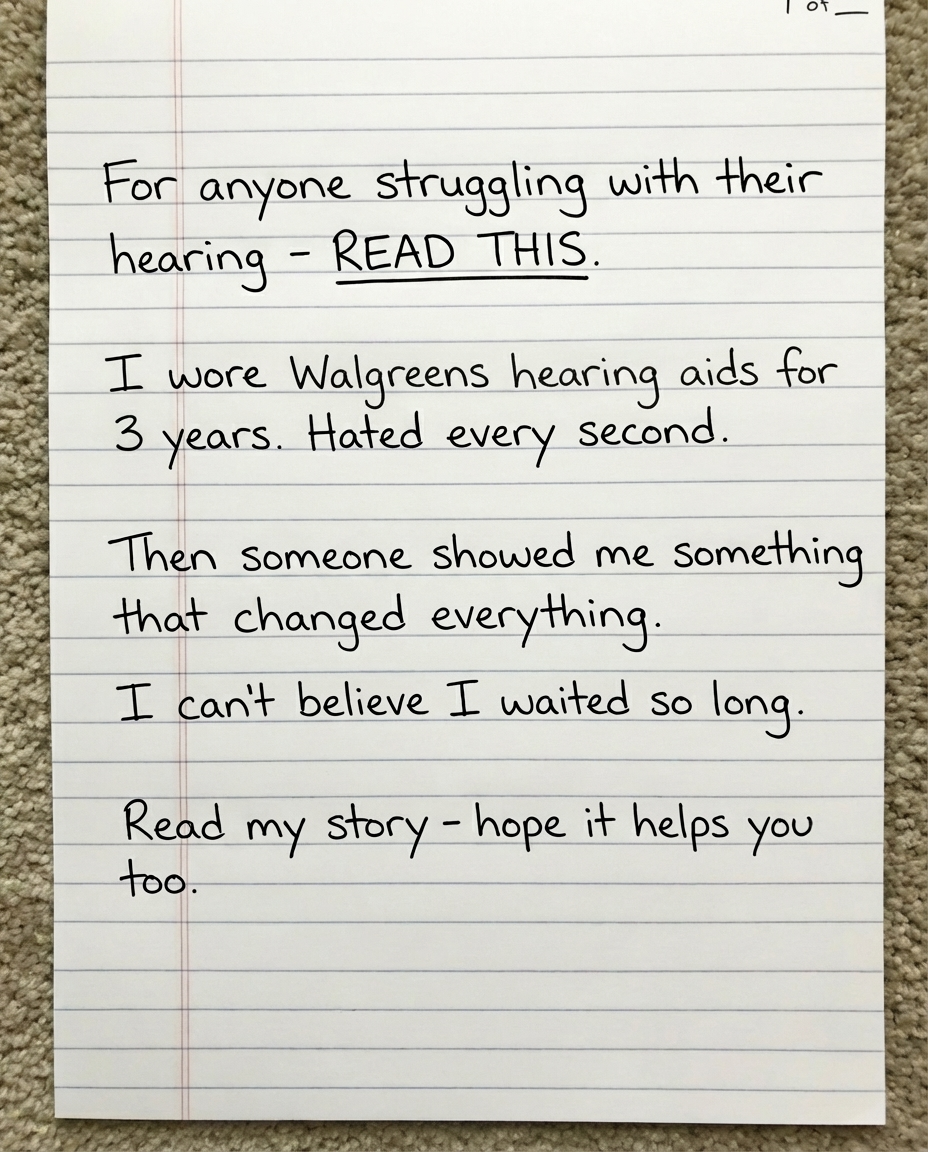
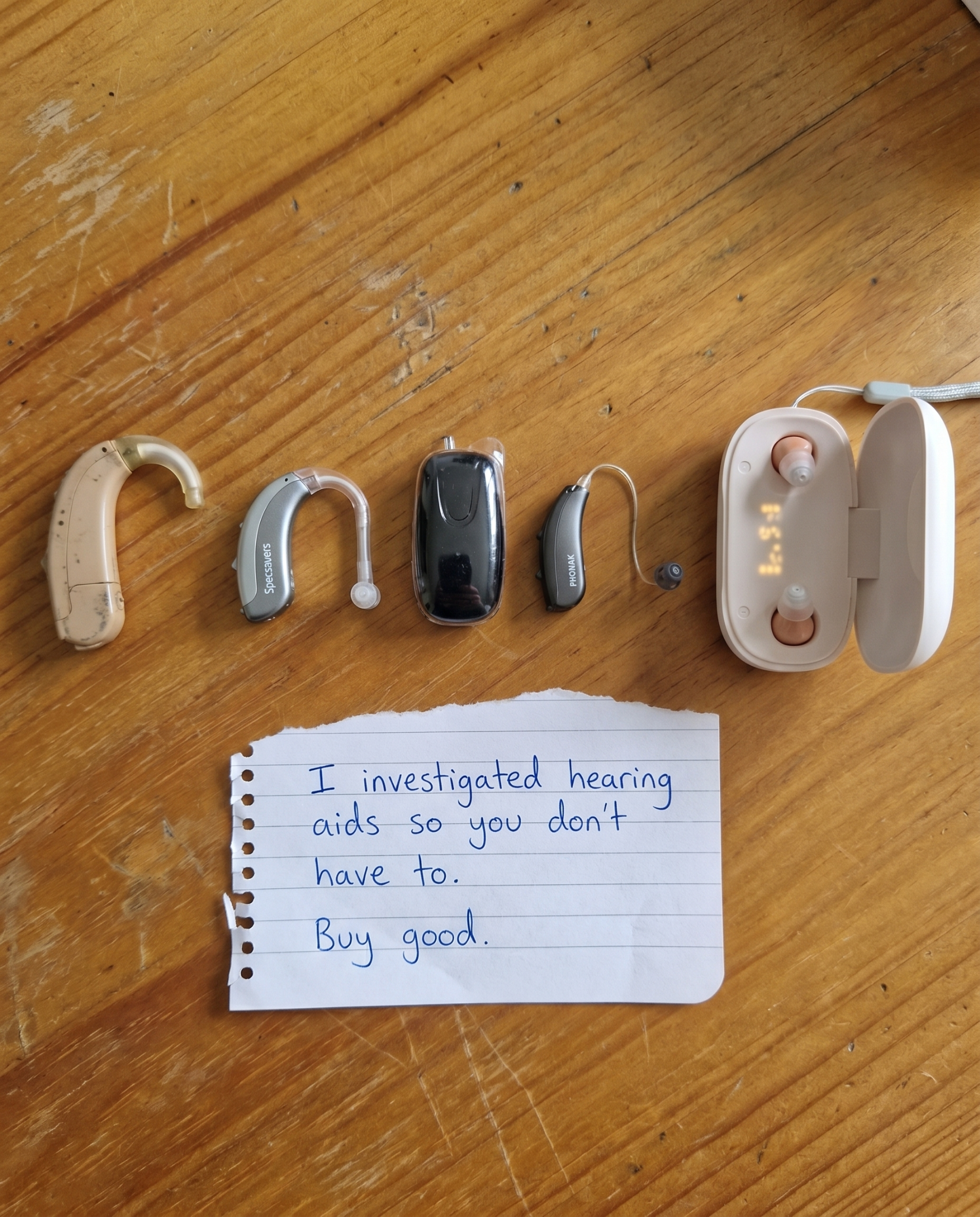
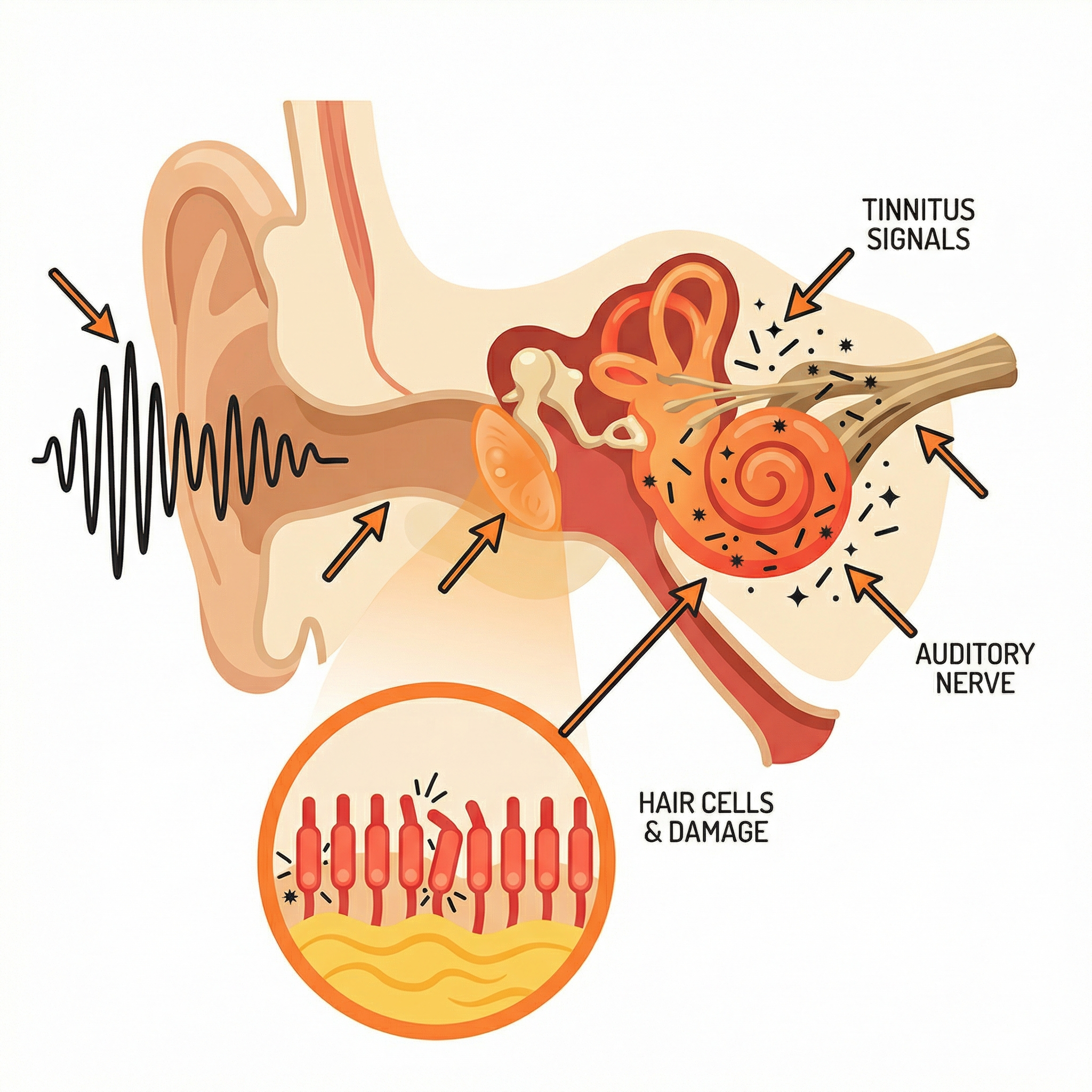
I have tinnitus for four years. My audiologist said hearing aids would help — then handed me a quote for £2,700. I went home and started reading. Let me explain what tinnitus actually does to you, because I think people who don't have it assume it's just a minor annoyance. It isn't. It's a permanent sound. In my case a high-pitched ringing, always there, always in the left ear, louder when the room is quiet, louder when I'm tired, louder when I'm trying to sleep. You never fully habituate to it. You just get better at not thinking about it — until you're in a quiet room, or a conversation has lulled, or you've woken at three in the morning, and there it is again. And alongside the tinnitus, the hearing loss. That's the part most people don't know. Tinnitus and hearing loss frequently come together. The same damage to the hair cells in the inner ear that causes the ringing also affects how clearly you process sound. Particularly the high frequencies. Consonants. The sounds that put definition on words. So you're managing a constant background noise in one ear while simultaneously missing the edges of what people are saying. Every conversation is a little harder than it should be. Every noisy room is exhausting. Every phone call is something to get through rather than enjoy. I'd been managing it for four years before I did anything about it. Partly stubbornness. Partly the assumption that nothing would really help. Partly because I'd looked at hearing aids online once and seen the prices and quietly closed the tab. My partner Chris finally said what he'd presumably been thinking for a while: just go and get it properly assessed. So I did. Private audiologist. Thorough assessment. Full hearing test, tinnitus evaluation, the lot. She was good — patient, clear, didn't make me feel like a hypochondriac for listing every symptom. The verdict: mild to moderate hearing loss, most pronounced in the higher frequencies. Consistent with the tinnitus. The hearing aids, she explained, would serve two purposes. First, amplifying and clarifying speech so my brain wasn't working so hard to fill in the gaps. Second — and this was the part I hadn't expected — providing gentle ambient sound enrichment that can reduce the perceived volume of tinnitus for a lot of people. The brain, when it has more real sound to process, pays less attention to the phantom sound. That made complete sense to me. And made me genuinely want to try hearing aids for the first time. Then she showed me the options. Starting at £1,800. Her recommendation: £2,700 for the pair. I took the brochure. Thanked her. Went home. I want to be clear — she wasn't overcharging. That's simply what hearing aids cost at a private clinic. That's the industry. But I'm 54, I've worked for everything I have, and £2,700 is £2,700. I don't spend that on anything without understanding what I'm actually paying for. So I spent a week finding out. What I learned was both straightforward and, once I'd understood it, fairly maddening. The components that matter inside a hearing aid — the digital processing chip, the microphone, the receiver — are manufactured by a small number of specialist companies. The same core technology ends up inside devices across a wide range of price points. What changes as the price goes up isn't always the fundamental capability. It's the brand. The clinic. The high street address. When you pay £2,700 at a private clinic, a significant portion of that isn't paying for the technology. It's paying for the room you're sitting in. The receptionist. The audiologist on commission — and yes, commission structures are standard in private hearing aid sales, which is why the premium range almost always gets recommended first. The practice manager. The building lease. The advertising that made you trust the name. The device itself costs a fraction of what you're quoted. I found Smart Hearing through a long thread on a tinnitus forum. Someone had shared an article written by a former NHS audiologist who'd tested five different options properly — NHS aids, Boots, Specsavers, Amazon devices, and Smart Hearing. Side by side. Real patients. Every price listed. No brand paid for the article. British company. No shops. Sells direct from a warehouse. The logic I'd already worked out for myself: remove the retail infrastructure, remove the commission, pass the saving to the customer. The technology: 16-channel digital sound processing. This matters specifically for tinnitus sufferers, and I want to explain why. A basic amplifier makes everything louder — which means background noise gets louder too, which can actually make tinnitus worse by raising the overall sound floor. Multi-channel processing is different. It separates and prioritises speech. It manages background noise without amplifying it indiscriminately. For someone managing tinnitus, that distinction isn't cosmetic. It's the whole point. Rechargeable. Fully in-ear. Nothing visible. UKCA-certified. £149. I was sceptical in both directions. Sceptical that £2,700 was necessary. Sceptical that £149 could deliver what I needed. I spent time looking for the catch. Read every review I could find. Read specifically about tinnitus experiences. The main thing people mentioned: an adjustment period. Your brain needs time to recalibrate. The first few days can feel like a lot. Expected and normal, apparently. Worth knowing going in. I ordered on a Monday. Arrived Wednesday. Put them in that evening at the kitchen table. The first thing I noticed was the quiet. That sounds strange, so let me explain. The tinnitus was still there — I hadn't expected a miracle. But the ratio had changed. There was more real sound present, which pushed the ringing further into the background. The way a conversation in the room makes it easier to ignore a sound outside the window. The brain has something to engage with and the phantom sound loses some of its dominance. Chris said something from the other room. I heard it. Clearly. First time. Not "I think he said something" — the actual words. I answered without asking him to repeat himself. He came through and looked at me. "Did you just hear me from in there?" "Yes." He sat down. Didn't say much. Just looked at me for a moment. He'd been repeating himself for four years. He'd stopped mentioning it because I got frustrated when he mentioned it. We'd both quietly adjusted to a version of conversation that was smaller than it needed to be. Six weeks on. The tinnitus hasn't disappeared. I want to be honest about that. Hearing aids aren't a cure and anyone who suggests otherwise isn't being straight with you. But it is quieter, relatively. More manageable. The proportion of my day I spend consciously aware of it has reduced. That's not nothing. That's actually quite a lot. The conversations are easier. The phone calls are easier. I went to a friend's birthday last weekend — a house full of people, multiple conversations happening at once, exactly the kind of environment I'd been finding draining — and I wasn't as tired afterwards as I expected to be. I kept the clinic brochure. It's in the drawer next to my desk. Not because I might still go back. I won't. But it reminds me of what I nearly spent, and what I nearly didn't do at all. If you have tinnitus and hearing loss and you've been quoted thousands at a clinic and come home not quite sure what to do next — do the reading before you decide. The article that changed the numbers for me is here: https://healthylivingdigest.news/pages/healthy-living-digest-we-tested-the-actual-cost-of-5-top-hearing-aids-for-tinnitus Former NHS audiologist. Five brands tested. Every price listed. Written honestly with no brand paying for it. And if you want to go straight to Smart Hearing: www.trysmarthearing.com/products/smart-hearing-tinnitus £149. Delivered to your door. No clinic, no waiting list, no markup. 45-day trial. Don't get on with them, send them back. The ringing in my ear hasn't gone. But everything else is clearer. That turns out to be enough. Sandra Okafor, 54 Graphic Designer Manchester P.S. I mentioned Smart Hearing in the tinnitus forum thread where I'd originally found the article. Three people messaged me within a day. All of them had been quoted over £2,000 at private clinics. All of them had been putting it off. Two of them have since ordered. One messaged me last week to say the first morning she woke up and didn't immediately think about the ringing was the first time that had happened in two years. I'm not saying that's typical. But I'm not saying it isn't either.
Like this ad? Make it yours.
Crush rebuilds this exact creative around your product — your brand, your colors, your offer — in about a minute.