Bonnie May
Bonnie May Facebook ad: “How I saved my smile”
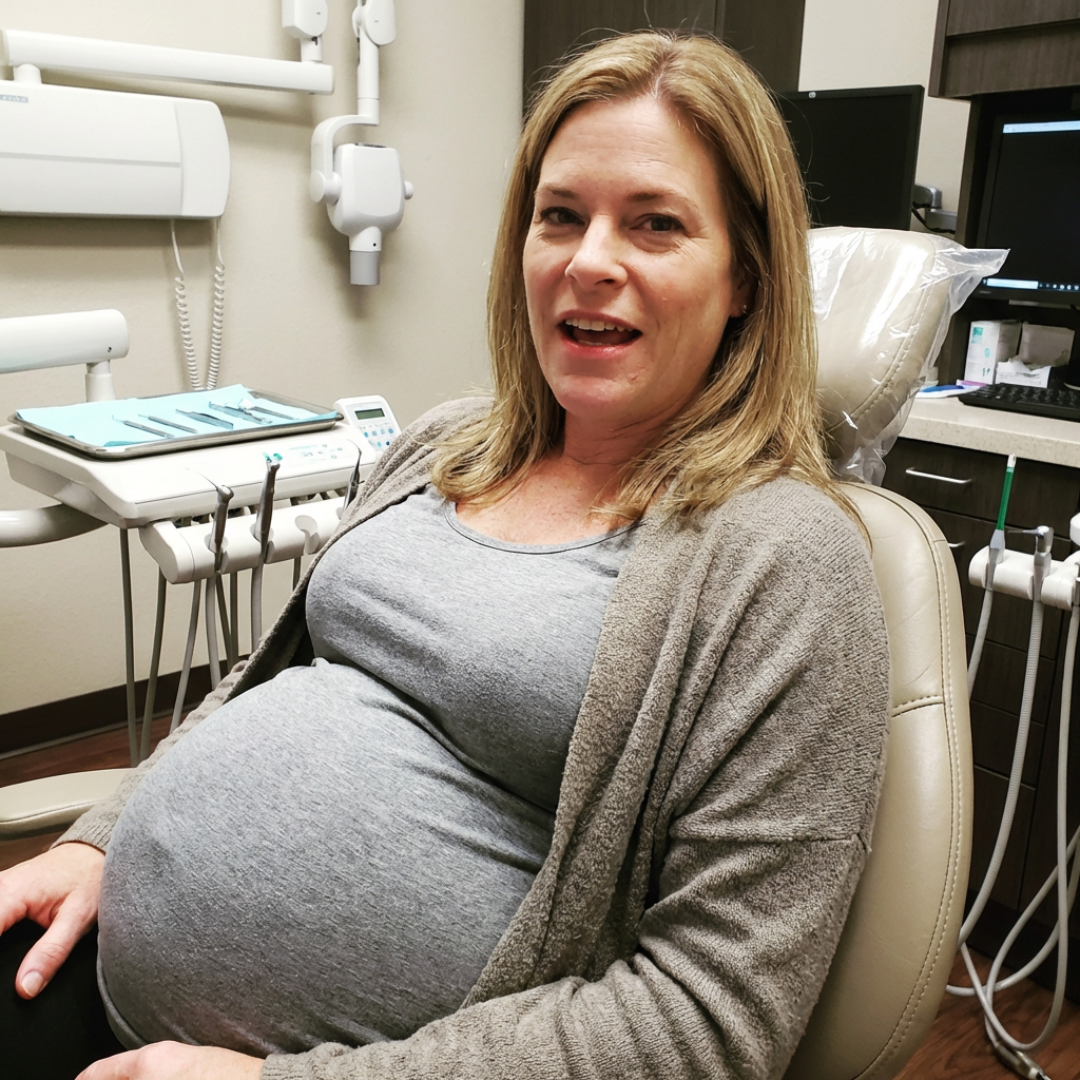
Ran for 2 days, from February 17 to February 19, 2026, the last day Crush saw it.
Run by Bonnie May on Facebook. Crush is not the advertiser and does not verify its claims. See this ad in Meta's Ad Library(opens in a new tab)
Want an ad like this for your product?
Crush makes new ad images for your product from this ad: your logo, your product photo, your offer.
Trials from $19.95 USD, then $79.95 USD a month. Cancel anytime.
About this ad
- Meta Ad Library ID
- 2071728496973689
- Platforms
- Facebook, Instagram, Audience Network, Messenger and Threads
- Relaunches
- 0
- Niche
- Food & Beverage
Ad text
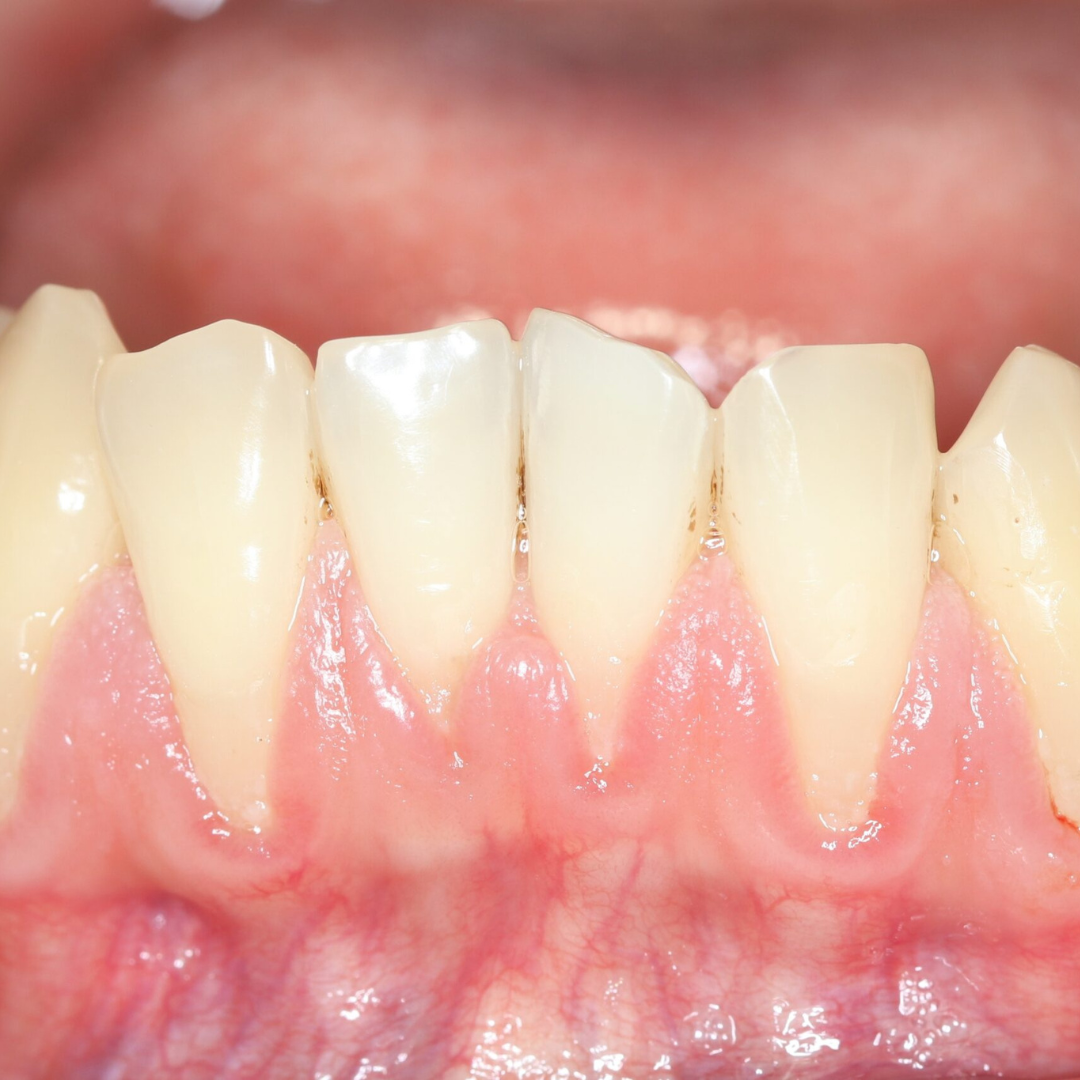
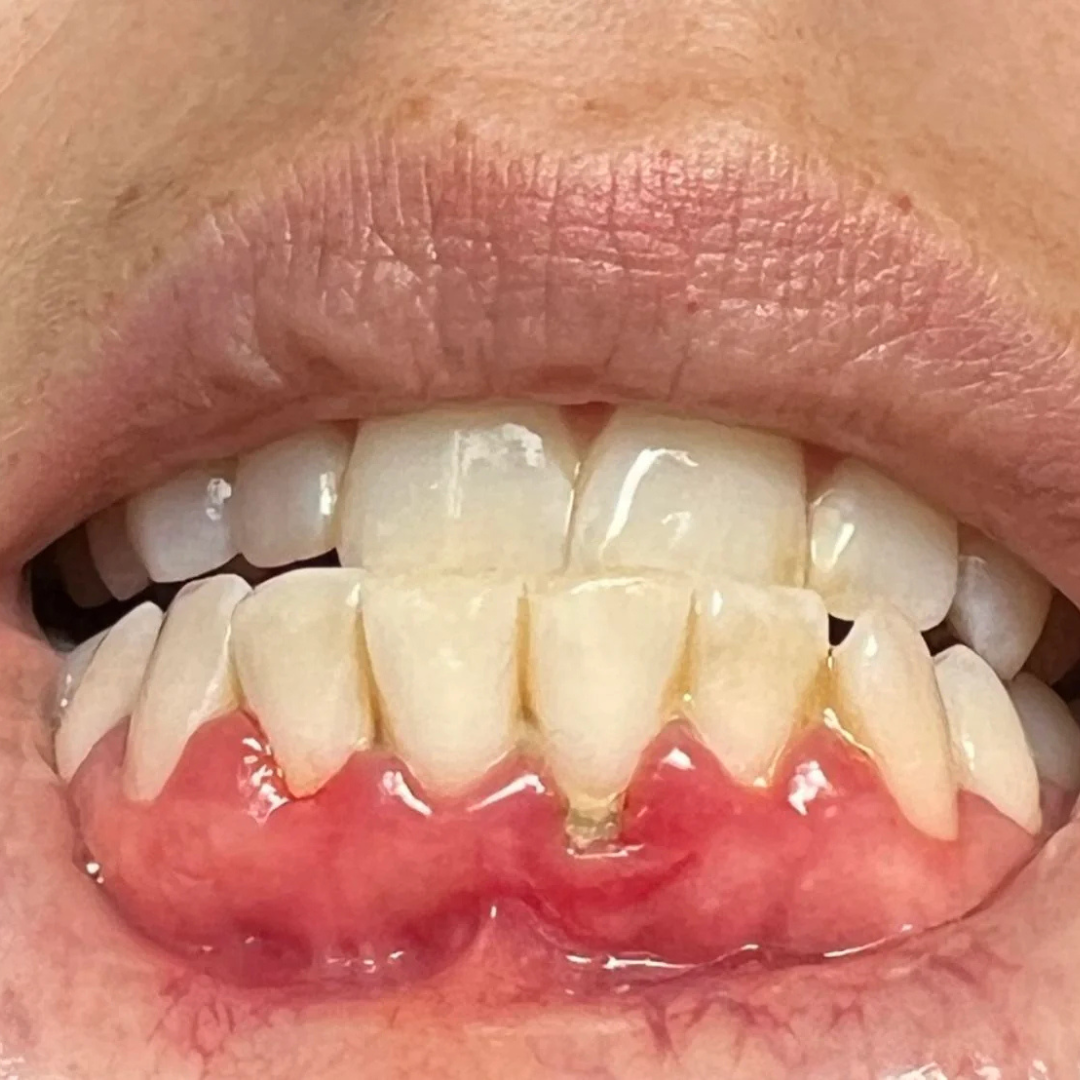
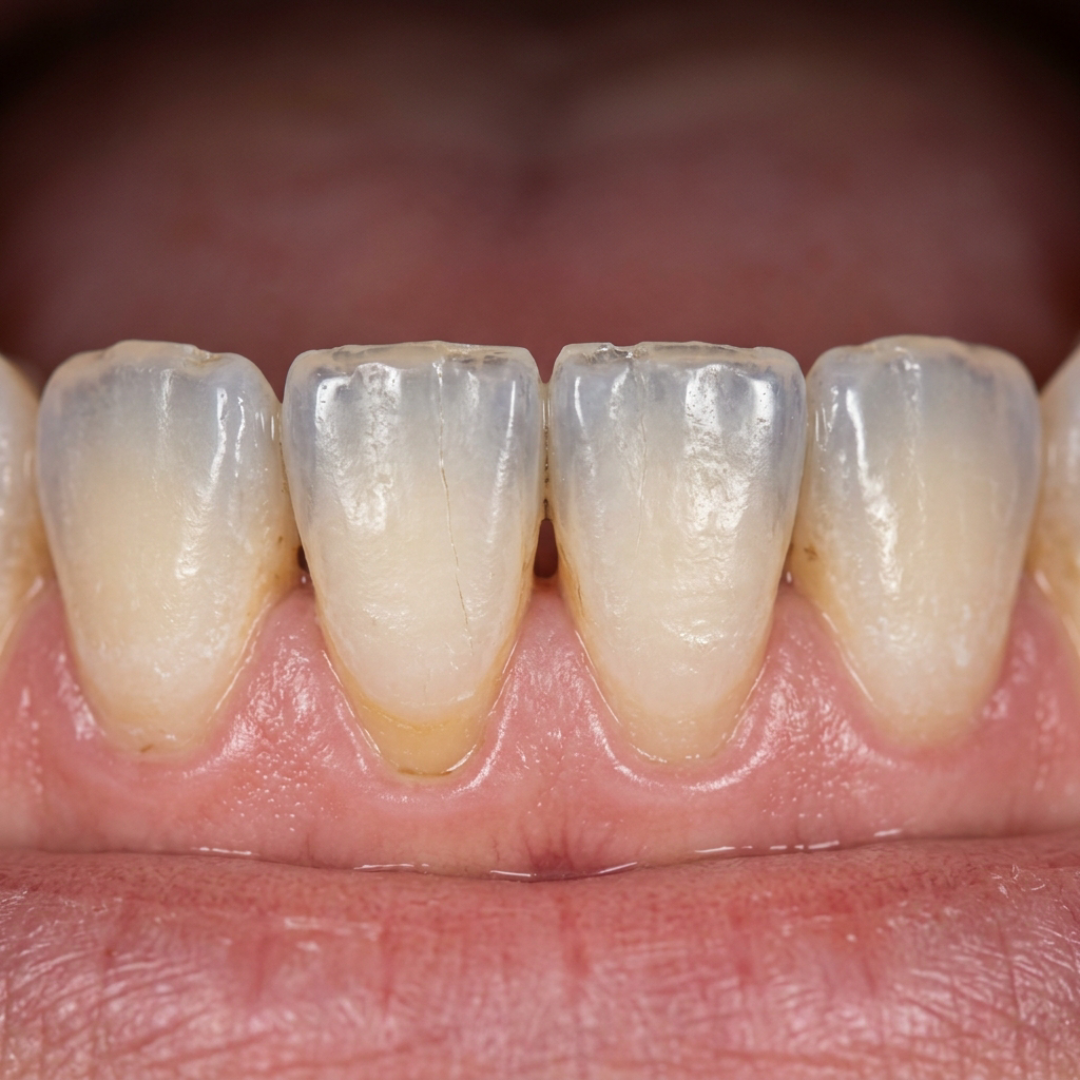
My teeth were perfect before I had my kids. Two pregnancies later, my teeth are dull, painful, and riddled with cavities. I'm 49 years old and my smile looks ten years older than the rest of my face. Before I got pregnant with my first, my teeth were fine. Better than fine. I'd never had a cavity as an adult. Never had sensitivity. My smile was the one thing I never worried about — weight, skin, hair, sure. But teeth? Not once. Then I had my daughter in 2018. My son in 2021. And somewhere between those two pregnancies, my teeth quietly fell apart. It didn't happen all at once. It was slow. So slow I didn't connect it to the pregnancies for years. First it was yellowing. Subtle at first — I barely noticed. I figured I was drinking too much coffee. Started whitening. Strips at first, then professional treatments. They'd work for a few weeks. Then the yellow would come back. Faster each time. Then came the sensitivity. Cold water. Ice cream with my kids. Iced coffee in the summer. Sharp pain, out of nowhere, in teeth that had never hurt before. I switched to Sensodyne. It took the edge off. For a while. Then — the cavities. Three in one year. After going my entire adult life without a single one. My dentist shrugged. "Hormones. Pregnancy is tough on teeth. Just brush more and use fluoride rinse." That was his answer. Brush more. I was already brushing twice a day. Flossing every night. Using an electric toothbrush. I hadn't missed a cleaning in ten years. I didn't need to brush MORE. I needed someone to tell me WHY. I went home that night and Googled "teeth falling apart after pregnancy." And I found thousands of women saying the exact same thing. "My teeth were perfect until I had my kids." "I've had six cavities since giving birth and my dentist acts like it's normal." "Nobody warned me about this. I thought pregnancy only affected my body — not my teeth." "Has anyone else's teeth completely changed after breastfeeding? I don't understand what happened." It wasn't just me. It was everywhere. And nobody had a real answer. Just "pregnancy is hard on your body" and "make sure you're getting enough calcium." I WAS getting enough calcium. I took prenatals. I ate well. I did everything my OB told me to do. And my teeth were still falling apart. I found Dr. Brennan through a mom group. Someone posted about him — said he was the first dentist who actually explained what pregnancy does to teeth instead of just shrugging it off. At my first appointment, he pulled up my X-rays and compared them to a set from six years ago — before my first pregnancy. The difference was obvious. Even to me. My enamel from six years ago looked thick. Solid. Dense. The current X-rays looked thinner. Worn. Like something had been slowly stripping it away from the inside. "What happened?" He looked at me. "Your pregnancies started it. But it didn't stop when your pregnancies ended." He sat forward. "Your enamel is made of a mineral called hydroxyapatite. It makes up 97% of your enamel's structure. It's what keeps your teeth hard, strong, and naturally bright." I nodded. "When you're pregnant, your baby needs massive amounts of calcium to build its skeleton. If your diet doesn't supply enough — and it almost never does, even with prenatals — your body pulls that calcium from YOU. From your bones. And from your teeth." "My teeth gave calcium to my babies?" "Your enamel gave hydroxyapatite to your babies. The exact mineral that makes your teeth strong was being redirected to build their bones. For nine months, each pregnancy. Then breastfeeding continued the drain — your body kept pulling minerals to produce milk. And on top of that, pregnancy hormones increase oral acidity, which dissolves enamel minerals faster. Morning sickness bathes your teeth in stomach acid. Reduced saliva production during pregnancy means less natural mineral delivery back to your enamel." He paused. "So across two pregnancies and breastfeeding, your enamel lost years' worth of mineral density. In a very short window." I felt sick. "But that was years ago. Why is it still getting worse NOW?" "Because your body never replaced what was lost. Enamel can't regenerate on its own. Once that mineral is gone, it's gone — unless you replace it externally. And nothing you've been using does that." He continued. "On top of the pregnancy drain, your enamel is still losing minerals every single day. From chewing. From grinding — most people grind at night without knowing. From coffee, wine, acidic foods. And as you move through your 40s, hormonal changes continue to make your body worse at retaining calcium-based minerals. Saliva production keeps dropping." "So the pregnancies created a deficit I never recovered from..." "And daily life keeps making that deficit worse. Every year. Brushing prevents bacteria. Fluoride hardens the outer surface. But neither one replaces the mineral that was lost. You've been running on depleted enamel for years, and it's finally reaching a point where the damage is visible." "The yellowing?" "Your enamel is getting thinner and more porous. Beneath it is dentin — naturally yellow. As enamel loses density, the yellow shows through. And porous enamel traps stains from coffee, wine, tea deep inside where brushing can't reach. That's not surface staining. That's structural transparency." "But I've been whitening—" His jaw tightened. "Whitening accelerates the damage. Hydrogen peroxide chemically strips hydroxyapatite from enamel. Every session makes it more porous. More pores trap more pigments. Yellowing returns faster. You whiten again. The cycle gets worse every round. You've been stripping the exact mineral your teeth desperately need more of." "And the sensitivity?" "Porous enamel exposes nerve endings through microscopic channels in the dentin. Every cold drink, every breath of cold air goes straight to the nerve. Sensodyne numbs that nerve temporarily. It doesn't rebuild a single molecule of enamel. Doesn't fix a single pore. The structure stays broken. Pain comes back." "And the cavities?" "Same cause. The enamel got so weak in those spots that it couldn't hold together anymore. The structure failed. Not because of bacteria. Because the mineral that holds enamel together wasn't there anymore." I was shaking. "So the yellowing, the sensitivity, the cavities — it all goes back to mineral loss that started with my pregnancies and never stopped?" "One cause. Three symptoms. Pregnancy created the deficit. Daily life deepened it. Nothing you've used has ever addressed it. Your enamel has been slowly starving for years." "Why didn't ANYONE tell me this? Not my OB. Not my dentist. Not my pediatrician." "Because there's no recurring revenue in prevention. Your dentist makes $200 to $400 per filling. $1,200 to $3,000 per crown. $600 per whitening package. If he tells you to replace your minerals at home for $25 a month, he loses all of that." "Here's what you need to know," he said. "Those cavities are early stage. The mineral density dropped below a critical threshold, but they haven't become holes yet. Early-stage cavities can remineralize — the enamel can actually rebuild over them — if you give it back the mineral that was lost." "Cavities can reverse?" "Early ones. With hydroxyapatite delivered directly to your teeth in a form that stays long enough to absorb. Toothpaste can't do this — rinses away in seconds." He showed me his phone. "SmileGuard Oral Defense Chews. Created by Dr. Ophelia Blue — a dentist for 26 years who got tired of watching women lose their teeth to the same mineral depletion nobody was treating." He scrolled. "One chewable tablet daily. Chew 30 seconds, let it dissolve. Pharmaceutical-grade hydroxyapatite coats your teeth and stays 12 to 24 hours. Long enough to actually penetrate porous enamel and rebuild density." "How is it different from everything else?" "Three things." He counted on his fingers. "Hydroxyapatite — the exact mineral your enamel lost. Fills pores. Rebuilds structure. Reverses early-stage damage." "Xylitol — clears bacterial film that traps stains. Balances pH so the mineral bonds faster. Naturally brightens teeth without stripping anything." "Three-strain oral probiotic blend — promotes saliva production and stops acid-producing bacteria from destroying enamel faster than you can rebuild." He put the phone down. "One rebuilds. One optimizes absorption. One protects what you've rebuilt. Mineral replacement — not symptom management." He wrote on a sticky note. SmileGuard Oral Defense Chews. One daily. "Start now. While these cavities are still reversible. I've watched this timeline play out hundreds of times — fillings, then crowns, then extractions. You don't have to follow it." That was four months ago. I started SmileGuard the day it arrived. One tablet after brushing. 30 seconds of chewing, then let it dissolve. First week, nothing dramatic. But by day 8: I drank a full glass of ice water. Didn't wince. Not once. Two weeks in, my husband asked if I'd whitened again. I hadn't. "They just look... better. Less yellow?" I didn't tell him I'd bought SmileGuard yet. I needed to know it was real. But I'd noticed too. My teeth didn't look dull. Translucent edges weren't as pronounced. They looked like MY teeth again. Six weeks later, at lunch with friends, I laughed — really laughed — without covering my mouth. "Wait, when did you get your teeth fixed? They look amazing." "I didn't. I've just been taking a supplement." "A supplement made them whiter?" "Not whiter. Stronger." That's when it hit me: I wasn't embarrassed anymore. Not avoiding photos. Not smiling with lips pressed tight. For the first time in years, I felt like myself. Last month, Dr. Brennan took new X-rays. "Your enamel density has improved. Measurably. You're not in crisis anymore." "So I'm not going to lose my teeth?" "Not if you keep doing what you're doing. You caught it in time." I sat in my car afterward and cried. Not because I was scared. Because I wasn't scared anymore. What I've Learned: I'm not back to where I was before my kids. But I'm not on a path to crowns and dentures either. My teeth feel solid. Look healthy. I can drink iced coffee without wincing. I can eat ice cream with my kids. The constant worry that sat in my chest since my first pregnancy? Gone. Maybe you're thinking: "What if I just stop whitening?" I tried that. Stopped for three months. My teeth got MORE yellow. Because the enamel was already porous. It kept trapping stains. Stopping whitening doesn't reverse mineral loss. "What about remineralizing toothpastes?" Toothpaste rinses away within seconds. No time for minerals to absorb. You need extended contact time. That's why a chewable works. "What about veneers?" Veneers cost $15,000-$25,000. Crowns? $20,000-$40,000. They require shaving down your natural teeth. Replacements every 10-15 years. It's not a fix. It's a permanent dependency. The Truth: There's only one way to rebuild enamel density: supply hydroxyapatite in a form that stays in contact long enough to absorb. Everything else masks symptoms or waits until you need surgery. Your teeth are yellowing. Getting more sensitive. Looking duller. You've tried whitening. It worked temporarily. Then made it worse. You've tried sensitivity toothpaste. It numbed the pain. Didn't fix the problem. And you're wondering: "Is this just what happens after kids?" No. But if you wait, enamel keeps thinning. Sensitivity gets worse. Yellowing accelerates. By 50, you're looking at $20,000-$40,000 in dental work. This is fixable. Right now. SmileGuard Oral Defense Chews work with whatever toothpaste you're already using. One tablet daily. 30 seconds of chewing. Let it dissolve. Most people notice reduced sensitivity within 2-3 weeks. Yellowing starts to fade by week 6-8. Teeth feel noticeably stronger by week 10-12. And if it doesn't work? 90-day money-back guarantee. Full refund. No questions asked. You'll know it's working in two weeks. Sensitivity fades. Teeth feel smoother. By week six, people notice. You gave your body to your kids. Your teeth paid the price. Now it's time to take them back. Don't wait until it's fillings, crowns, and bills that make you sick. → https://smileguard.store/products/dental-oral-health-chewables P.S. If your teeth changed after pregnancy — yellowing, sensitivity, cavities that never happened before — that's not "hormones" or "normal aging." That's mineral depletion that started when your body built your baby and never recovered. Most see improvement within 6-8 weeks. Every week without mineral replacement, the damage compounds. P.P.S. I don't work for SmileGuard. I'm not paid to write this. Four months ago, I was sitting in a dentist's chair being told "pregnancy is tough on teeth" like that was supposed to be an answer. Dr. Brennan gave me the real answer. SmileGuard reversed three cavities. Your teeth are worth $25 a month. You know that.
Where the ad sends people
smileguard.store
How I saved my smile 👉
Get 1 month FREE
Learn more: smileguard.store(opens in a new tab)