
Inactive· since Jul 7, 2026
- 8
- days it ran
- 3
- relaunches
Ad copy
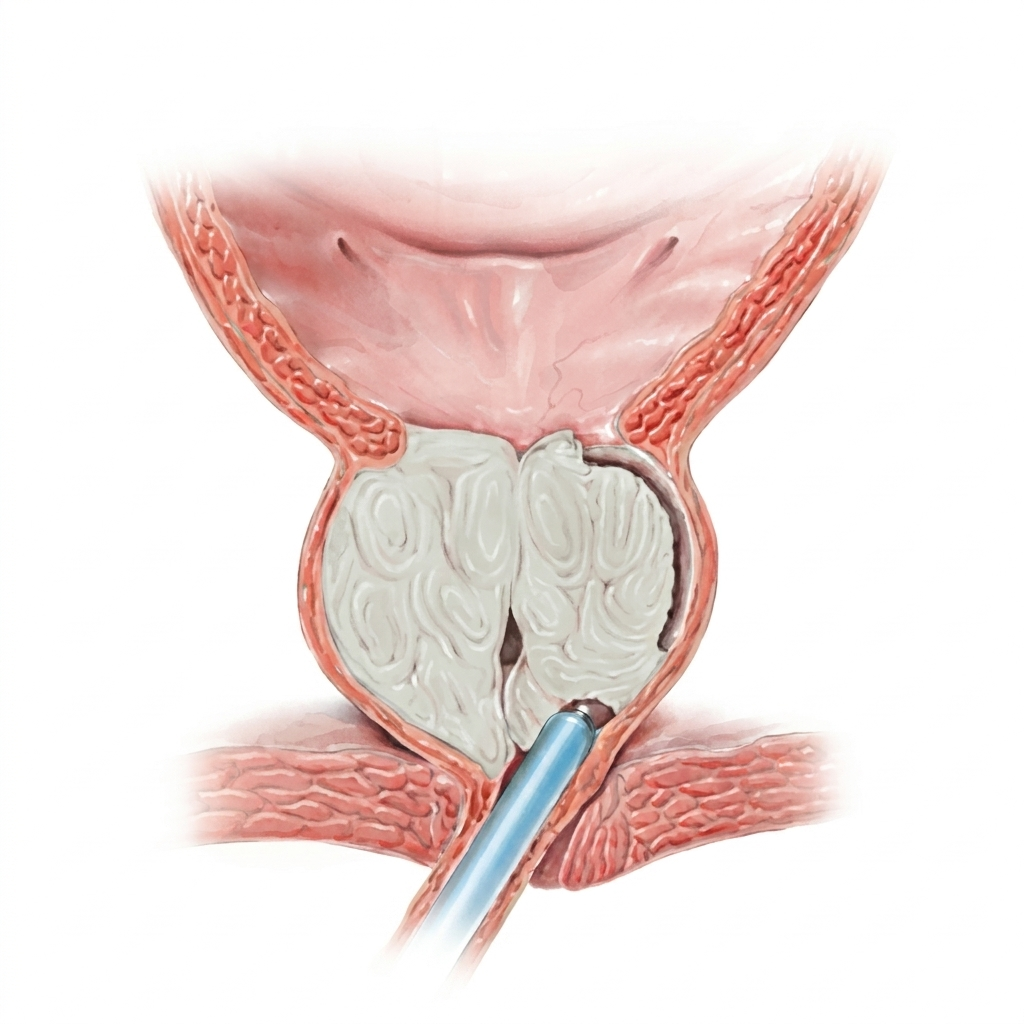
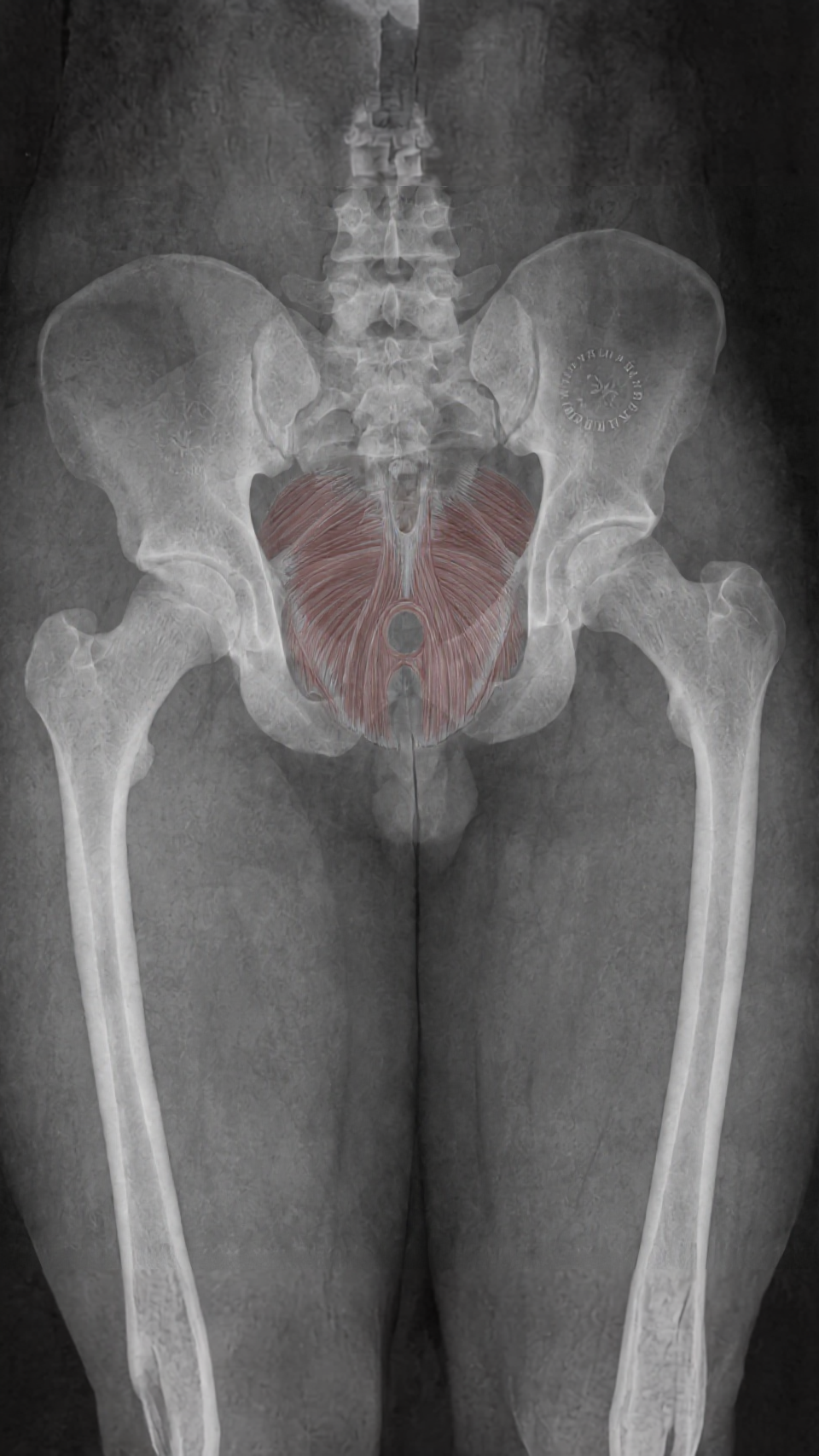
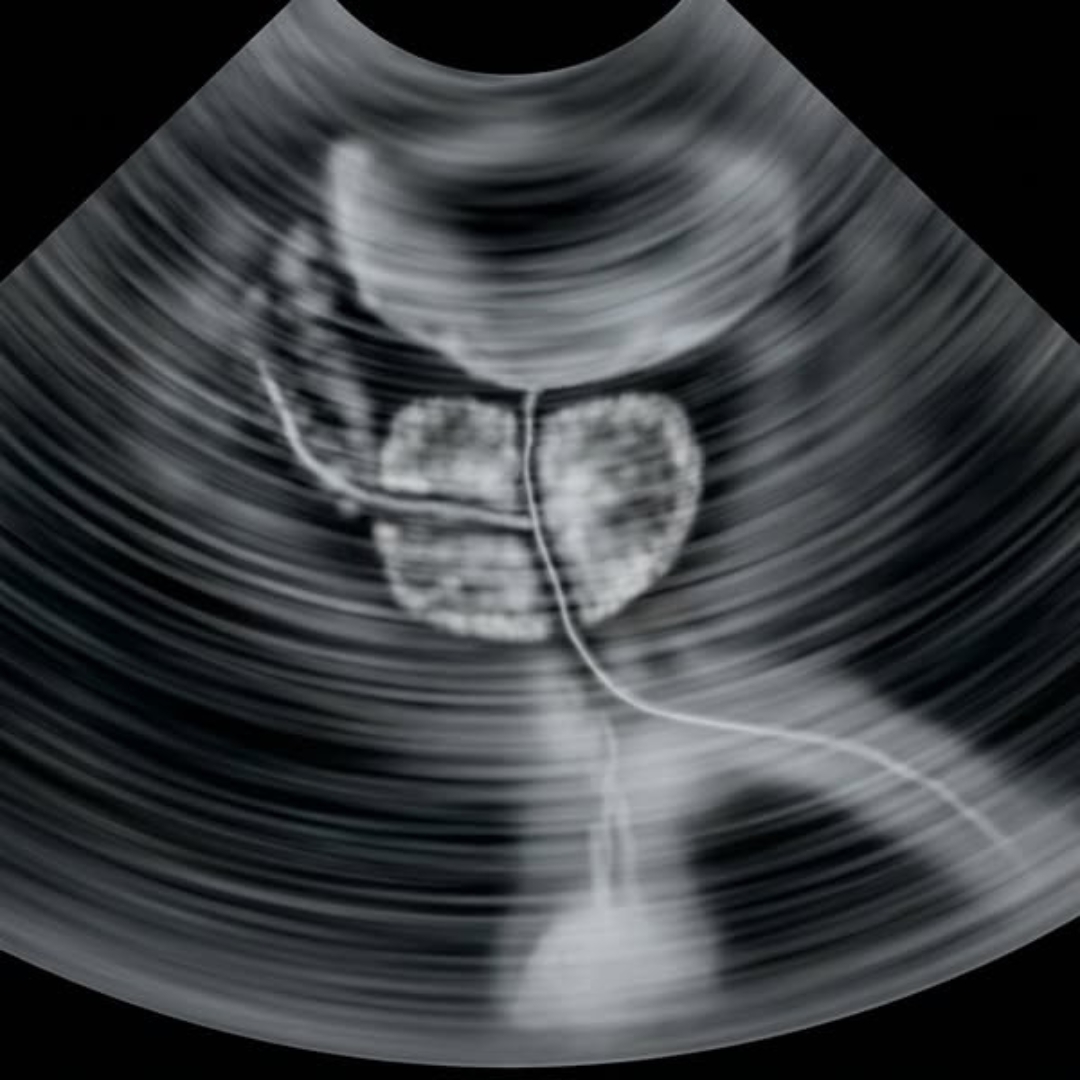
My father had prostate surgery at 55. Never got hard again. I'm 53 now. Same symptoms starting to show up. I swore I'd find another way. His name was Raymond Whitaker. Retired electrician. Married to my mother for 34 years. He had the TURP because his urologist told him it would fix everything. The getting up 6 times a night to pee. The weak stream. The feeling like he could never fully empty his bladder. The urologist called it routine. Simple. Said most men are back to normal in a few weeks. My father trusted him. Three days before the surgery, my parents drove up to a lake house in the Adirondacks. Just the two of them. Their last attempt to reconnect before the procedure. When they came home, my mother looked lighter. Happier. Like something had shifted between them. My father pulled me aside in the garage that Sunday evening. "We had a good weekend, son," he said. "Really good." He didn't say more. He didn't need to. Two days later, he checked into the hospital for the TURP. The surgery went fine. No complications. The urologist called it textbook. My father came home four days later. Catheter in. Told to rest. Told everything would heal up in a couple weeks. Six weeks later, the catheter came out. The urgency to pee was gone. The weak stream was better. He could sleep through most of the night again. But something else was gone too. My father never got hard again. Not once in 18 years. The urologist called it retrograde ejaculation. A known risk of TURP that's been well documented in a majority of men who have the procedure. "It's a small trade off," the doctor said. "You can urinate normally now. That was the goal." My father nodded. Thanked him. Walked out of that office and never said another word about it. But I watched what it did to him. I watched him and my mother drift apart. Slowly. Quietly. Like two people living in the same house but on different planets. They never fought. They were never cruel to each other. But the closeness died. The spark was gone. And my father carried a sadness he never talked about. He lived another 18 years like that. At his funeral, my mother held my hand during the service. She cried quietly. Later, at the house, she pulled me into the kitchen. "Your father was a good man," she said. "He loved me. I loved him." She paused. "But something broke after that surgery. And it never came back." Her voice cracked. "Don't let them tell you it's a small trade off. It isn't." I was 35 when my father died. For the next 18 years, I carried his story with me like a warning. Every time I noticed my stream getting weaker. Every time I woke up twice in one night to pee. Every time I felt that incomplete emptying feeling. I thought about my father. And I swore I would never let it happen to me. I exercised. Watched what I ate. Avoided alcohol before bed. Took zinc supplements. Tried saw palmetto from the drugstore. For years, I managed to keep things under control. But two years ago, things started getting worse. I was waking up 3 times a night. Then 4. Then 5. My stream was weaker. It took longer to start. I felt like I could never fully empty. And worst of all, my erections were changing. Not gone. Not yet. But softer. Harder to maintain. I could get to maybe 80 percent on a good night. My wife, Diane, never said anything. But I could see it in her face. The shift from desire to patience to something that looked like sadness. We had sex less often. Partly because of performance anxiety. Partly because I was exhausted from not sleeping. I told myself it was stress. Work. Age. But I knew what it really was. Six months ago, I finally went to a urologist. Dr. Aaron Whitcombe. Almost 19 years in practice. Recommended by two friends. He did the exam. Ran the PSA test. Checked my prostate. "Enlarged," he said. "Not uncommon for your age. Benign prostatic hyperplasia. BPH." He pulled up a diagram. Showed me how the swollen prostate was pressing on my urethra. Restricting the flow. "That's why you're having the urinary symptoms," he said. "What about the erection issues?" I asked. He nodded slowly. "There's research pointing to a connection there too. The nerves and blood vessels involved in normal erectile function run right alongside the prostate. When that tissue swells, it can put pressure on the whole area." He wrote a prescription. "I'm going to start you on tamsulosin. Brand name Flomax. It relaxes the muscles in your bladder neck and prostate. Should improve your flow and cut down the nighttime trips." "Will it help with the erections?" "Possibly. That's not really its job, though. If the ED persists, we can talk about tadalafil, or other options down the road." "Including TURP?" He looked up. "Eventually, maybe. If the conservative approach doesn't hold." My throat tightened. "My father had that surgery. Never had a functional sex life again." Dr. Whitcombe's tone softened. "I'm sorry to hear that. Retrograde ejaculation is a documented risk. But let's not get ahead of ourselves. Start here. We'll reassess in a few months." I took the prescription and left. That night I sat at my kitchen table staring at the bottle. Tamsulosin. The same drug I'd seen mentioned in forum after forum, men saying it worked for a while and then stopped mattering. I thought about my father. About the surgery that was supposed to fix everything and cost him everything else instead. I made a decision. I'd take the tamsulosin. But I wasn't going to stop there. I needed to understand why the prostate swells in the first place. Why the medication doesn't touch the root of it. Why the surgery so often trades one problem for another. That night I barely slept. Not just from getting up to pee. From reading. Why does the prostate enlarge in the first place? Why do ED and BPH show up together so often? Why doesn't tamsulosin fix the root problem? The mainstream answer was always the same. BPH is a normal part of aging. Take tamsulosin. If that stops working, try tadalafil. If that stops working, consider surgery. My father followed that exact path. And I watched what it cost him. I kept digging anyway. And I found research explaining why prostate enlargement doesn't only affect urine flow. Prostate tissue grows in response to DHT, a hormone your body converts from testosterone. As men age, more testosterone gets converted, DHT builds up in prostate tissue, and the gland grows. That growth is what presses on the urethra. Based on what I read, it may also help explain the pressure some men describe near that same neurovascular area, the nerves and vessels tied to normal sexual response. Tamsulosin doesn't touch DHT. It just relaxes the muscles around the bladder neck. Temporarily. While the drug is active in your system. The swelling keeps going underneath it. TURP removes tissue, but it operates in that same crowded space, which is likely why the nerve related side effects show up as often as they do. Nerve tissue doesn't reliably grow back once it's damaged. My father was in that unlucky majority. I stared at that screen for a long time. Everything the doctors told him was technically true. The surgery improved his urinary symptoms. But nobody warned him what the trade off would cost him. Nobody told him there might be another way. If medications and surgery don't touch the root cause, what does? I kept reading, and I found something researchers have studied for a long time. Plant compounds called phytosterols, especially beta-sitosterol found in pumpkin seed oil, along with the fatty acids in standardized saw palmetto extract, have been studied for their role in supporting normal DHT balance and a normal, healthy prostate as men age. This isn't fringe stuff. It's the kind of research you'll find referenced in urology literature and on patient education sites like Mayo Clinic's. I ordered pumpkin seed oil and saw palmetto that same night. A highly rated one, thousands of reviews. I took it every day for nine weeks. Nothing changed. Still getting up 4 times a night. Still soft erections. Still that incomplete feeling after peeing. I tried a second brand, a well known name with a big marketing budget you'll find in just about any pharmacy chain. Seven weeks. Never missed a dose. Still nothing. I was ready to give up. Maybe this was just genetics. Maybe I was headed down the same path as my father no matter what I did. Then I found out why it wasn't working. I ran into an old friend at the gym, Nate. Former college roommate, now a clinical nutritionist. We grabbed coffee after our workout. "How's life?" he asked. "Honestly? Not great. Prostate issues. My urologist put me on tamsulosin. I've been trying supplements too. Nothing's working." He set down his cup. "What supplements?" "Pumpkin seed oil. Saw palmetto. Tried two different brands. Took them for months. Didn't do anything." He shook his head. "Most pumpkin seed oil supplements are pretty much worthless, and it's not really the brands' fault. It's the processing." "What do you mean?" "The active compound, beta-sitosterol, breaks down under heat. Most manufacturers use high heat extraction because it's cheap and fast. That burns off a lot of it before it ever reaches a capsule." I thought about the months I'd wasted. "Saw palmetto has the same problem," he said. "A lot of products use low grade powder instead of a standardized extract, so you're not actually getting a meaningful dose of the fatty acids that matter." "So what I've been taking..." "Was probably a pretty expensive placebo." He pulled out his phone and showed me a few pages comparing extraction methods. "Cold pressed, kept below around 104 degrees Fahrenheit. That's the ceiling that keeps the beta-sitosterol intact instead of cooking it off. And the saw palmetto needs to be a real standardized extract, not the cheap stuff." "Is there anything out there that actually does it right?" He nodded. "There's one brand I point clients toward. Cold pressed pumpkin seed oil, standardized saw palmetto, dosed properly, no fillers. Lumex Nutrition." I ordered it that afternoon. The capsules arrived two days later. Cold pressed pumpkin seed oil with standardized saw palmetto. No heat processing. No fillers. I started taking it that week. By the end of the first week, something already felt different. A little more settled. A little less on edge about the next bathroom trip. That first week I was up twice most nights instead of four or five times. I slept better than I had in months. Here's roughly how the following weeks went, based on my own notes. Not a promise of what anyone else will experience. Week 2. Up once or twice a night. Stream noticeably stronger. One morning erection, the first in over a year. Week 3. Sleeping through most nights. Stream strong and steady. Morning erections several days that week. Diane noticed I had more energy and asked what had changed. Week 4. Slept through the night a few times that week. Stream felt normal again. Week 5. Diane and I were intimate again. I was nervous, terrified it wouldn't work. It did. Afterward I just lay there, trying not to let her see how much it meant to me. She touched my face. "You're back," she said. Week 8. Sleeping through the night most nights. Stream completely normal. No performance anxiety hanging over everything. Just consistent function, most of the time, like it used to be. For the first time in two years I felt like myself again. Three months in, I went back to see Dr. Whitcombe and told him everything, including that I'd cut back on the tamsulosin gradually, with his sign off, to see where I actually stood without it. He ran the exam. "Your prostate feels smaller than it did," he said, checking his notes from my last visit. "Noticeably." "And the urinary symptoms?" "Basically resolved. PSA is stable." "The erectile function?" "Fully back, from what you're describing." He closed his laptop. "Whatever you're doing, keep doing it. No need for anything more aggressive right now." No need for anything more aggressive right now. I sat in the parking lot afterward and called Diane. "I'm not going to end up like my father." She was quiet for a second. "I know," she said. "I already knew that." Last month, Diane and I drove up to a lake house in the Adirondacks. The same kind of weekend my parents once had, three days before everything changed for them. We spent it reconnecting. Laughing. Talking. Close in a way we hadn't been in years. Sunday morning I woke up before her, sunlight coming through the window, her head on my shoulder. I thought about my father. About that last good weekend he had with my mother before the surgery took something from both of them that never came back. And I thought about the choice I'd made instead. To keep digging past the first prescription. To not settle for something that just manages symptoms while the real cause keeps advancing underneath. I didn't just avoid my father's fate. I broke the pattern entirely. If you're reading this, some part of my story probably sounds familiar. You're waking up multiple times a night to pee. Your stream is weaker. You feel like you can never fully empty. Your erections are softer than they used to be. Maybe 80 percent on a good night, not 100. Or you can get hard but can't stay hard. You're on tamsulosin, or your doctor's mentioned it. Maybe your urologist has brought up TURP as the next step down the road. You've tried the pumpkin seed oil or saw palmetto from the drugstore. Nothing happened. Every option in this category seems to come with a catch. Side effects. Cost. Or surgery. You want the root cause, not another band-aid. You're watching yourself decline, month by month, and you have a pretty good guess where it's headed. Maybe you've watched a father or an uncle go through TURP. Seen what it actually cost them, past whatever anyone warned them about. Here's what I wish someone had told me. What I wish someone had told my father before his surgery. Tamsulosin manages the symptom while it's active in your system. It doesn't touch DHT. It doesn't change the underlying growth. The swelling keeps going in the background. TURP works in that same crowded space as the nerves involved in normal sexual function, which is likely why the side effect shows up as often as it does, and why it doesn't reliably reverse once it happens. The root cause getting the most attention in the research is DHT, the hormone driving prostate growth as men age. Phytosterols, especially beta-sitosterol from pumpkin seed oil, along with the fatty acids in standardized saw palmetto, have been studied for supporting normal DHT balance and a normal, healthy prostate. But only if you're actually getting a version that survived the manufacturing process intact. Most supplements on a drugstore shelf are heat processed, and heat is exactly what destroys beta-sitosterol. You can take them every day for months and never get a meaningful dose of the one thing that matters. Lumex Nutrition is different. ✨ 3,000mg of cold pressed pumpkin seed oil per serving, kept below 104°F (40°C) so the beta-sitosterol stays intact instead of being cooked off during extraction ✨ 320mg of standardized saw palmetto extract, at a real, meaningful dose rather than a trace amount of low grade powder ✨ Bioavailable zinc and magnesium added to round out the formula ✨ Manufactured in the UK under strict GMP standards, third-party tested, with no fillers or unnecessary additives ✨ Backed by a 90 day money back guarantee, no complicated conditions attached I felt a shift within the first week. Your timeline may look different. That's exactly why the guarantee exists. Track it for yourself. Nighttime trips. Stream strength. How you actually feel, day to day and night to night. If you don't notice real improvement within 90 days, for any reason, you can request a full refund. No hurdles, no fine print designed to trip you up. Insurance will cover the tamsulosin. Insurance will cover the procedure if it eventually comes to that. What it won't do is ask whether either one actually gets you your life back. You're at a crossroads right now. One path is the one my father walked. Manage the symptom, watch it slowly get worse, eventually face a procedure that may fix your flow while taking something else you can't get back. The other path is doing what I did. Give your body a version of this that was actually built to reach your prostate intact, and give it a real, honest 90 day trial instead of writing it off after two rushed weeks. I chose the second path. It got me off needing tamsulosin day to day. It brought back function I thought I'd lost for good. It gave me back nights of real sleep, and it gave me back something with Diane I didn't think I'd get back either. My father never had this option in front of him. The only path anyone offered him was medication, then a procedure, then learning to live with what the procedure took. You have an option he didn't have. 👉 https://lumexnutrition.com/products/pumpkin-seed-oil-soft-capsules-edible Even if you're skeptical. Especially if you're skeptical. Get one pack. Take it for the full 90 days. Track your symptoms. If it doesn't work, you get your money back. If it does work, you get your life back. Don't wait until you're sitting in a urologist's office with a surgery date on the calendar. My father waited for someone to offer him an alternative. Nobody did. I'm not making that same mistake. David Whitaker **P.S.** My nighttime trips started dropping in the first week. Morning erections came back around week two. Real intimacy came back by week five. Your timeline might look completely different. The only way to know is to actually try it, and track it, for the full 90 days. **P.P.S.** Every month you wait is another month of the same underlying process continuing quietly in the background. My father never got a second chance at this. You still have yours. Order today, before this becomes one more thing you tell yourself you'll get to eventually.
He never got hard again. Not once, for 19 years.
Pumpkin seed oil capsules deliver the concentrated benefits of nutrient-rich pumpkin seed oil in a convenient, easy-to-take form. Each capsule contains pure pumpkin seed oil, extracted from high-quality pumpkin seeds and encapsulated to preserve its potency. Key Benefits Pumpkin seed oil is traditio...
SEE DETAILSLike this ad? Make it yours.
Crush rebuilds this exact creative around your product — your brand, your colors, your offer — in about a minute.