
Active· since May 27, 2026
- 114
- days running
- 0
- relaunches
Ad copy
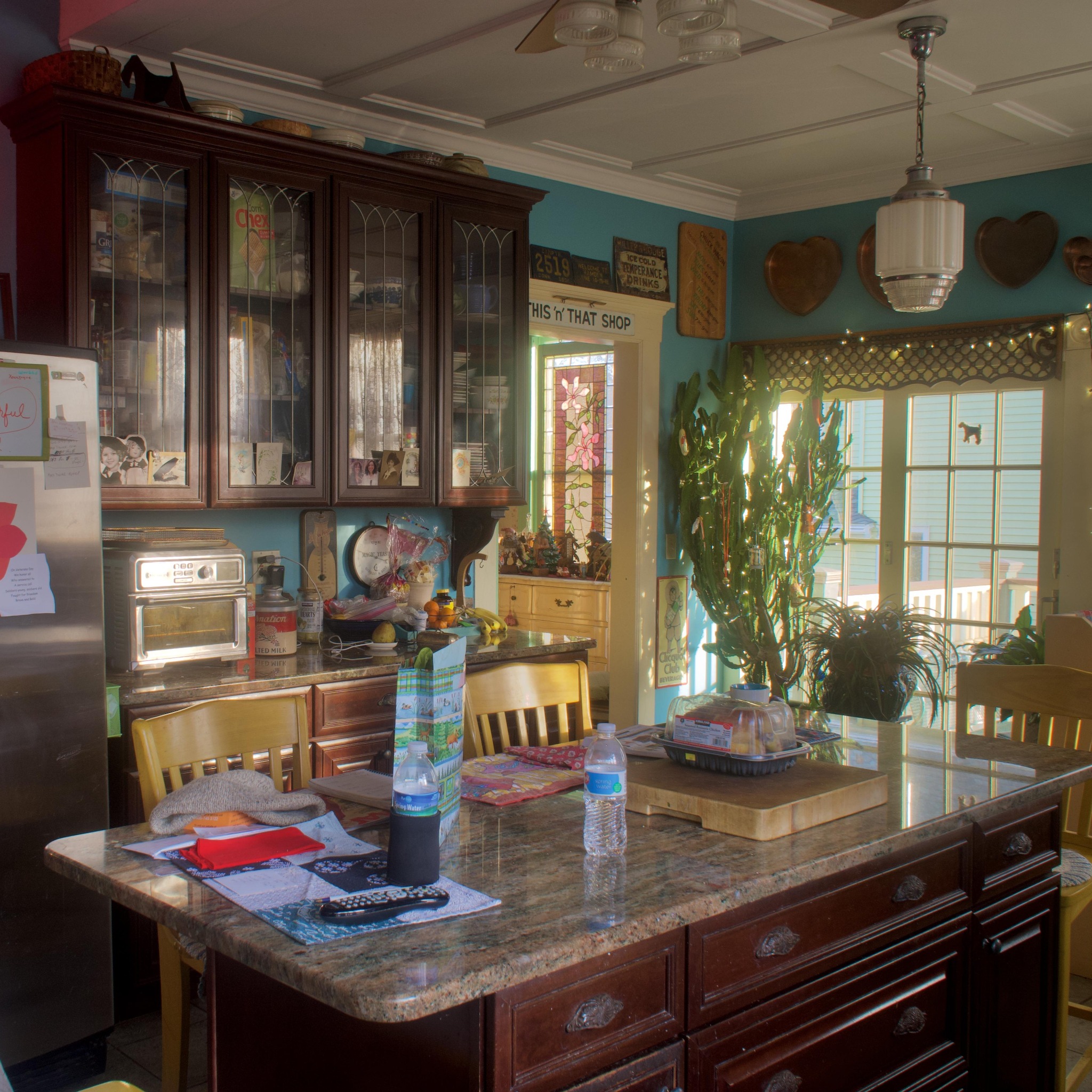
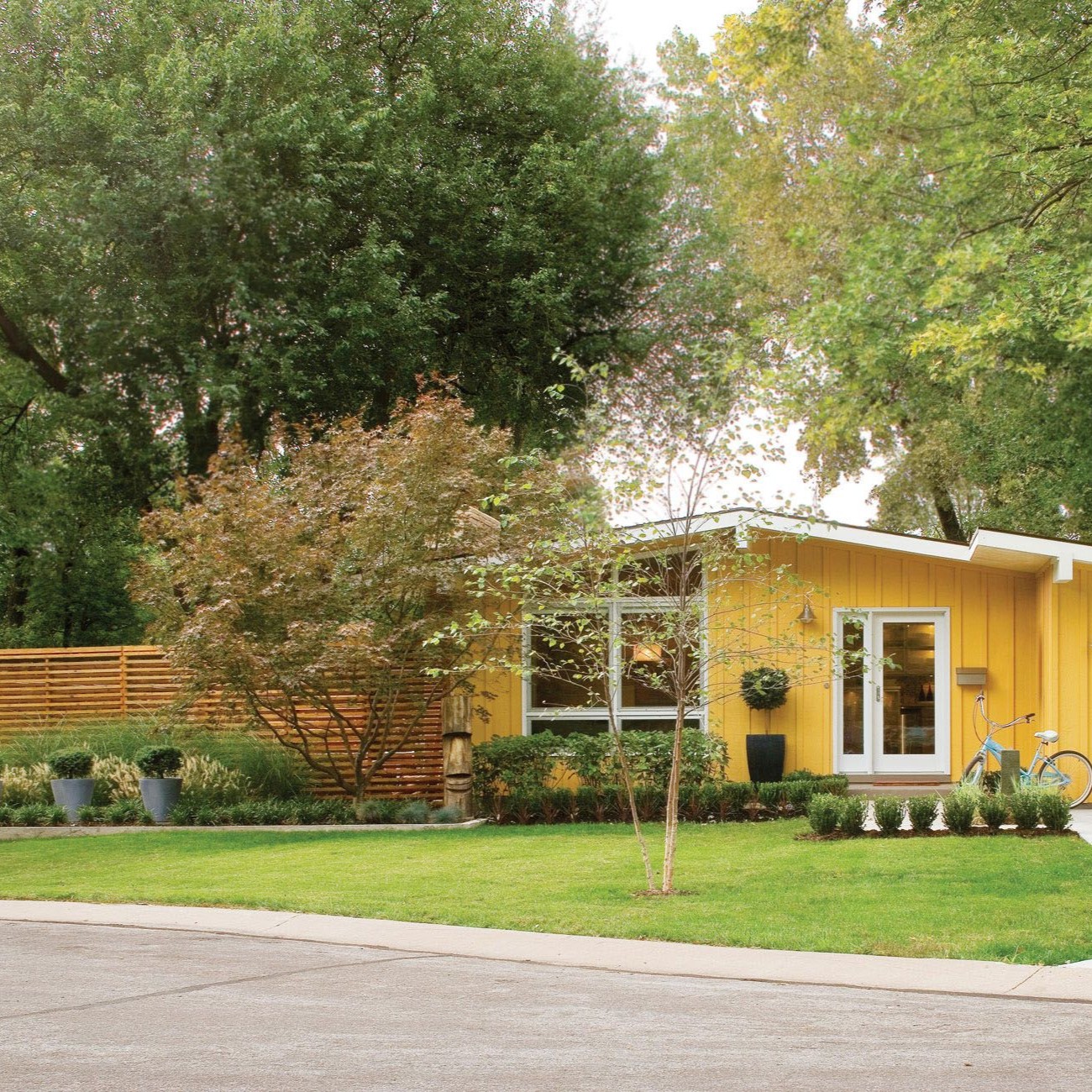
I found a piece of dried blueberry on my kitchen floor on a Sunday morning and I sat down on the linoleum and cried for 20 minutes. That's where this story starts. Not in a doctor's office. Not at a hospital. On the floor of my kitchen in Springfield, Missouri, in my robe, at 7:14 in the morning, holding a piece of dried fruit that had rolled under the cabinet two days earlier and missed the broom. My name is Patty. I'm 62 years old. I live in a yellow ranch house on Linwood Avenue that my husband Don and I bought in 1991 when our oldest was still in a stroller. Don passed in 2019. The house is too big for one person and I know it, but I'm not going anywhere because my granddaughter Wren lives 11 minutes away in a duplex with her mom (my daughter Rachel) and Wren has been coming over for Saturday morning blueberry pancakes since she was 4 years old. She's 7 now. That tradition is the one thing I have not let slip in three years of widowhood. I make the batter from scratch. I use the cast iron my mother gave me when I got married. I cut the pancakes into shapes with cookie cutters because Wren still wants stars and hearts even though she'll tell you she's "too old" for that. I let her stand on a step stool and crack the eggs and she gets shell in the bowl every time and I pretend not to notice. We eat at the round oak table by the window. Two stacks. Maple syrup that I warm in a little pitcher because Don used to do it that way and I don't know how to do it any other way now. That's what Saturdays are. Or were. Because something has been happening on those Saturdays for the last 14 months that I haven't told anybody. Not Rachel. Not my sister Donna. Not my friend Carol from the church group. Not even my doctor, who I saw in February and let me believe whatever I wanted to believe about how I was doing. Here it is. The thing I haven't said out loud. About 35 to 40 minutes after we finish eating those pancakes, I start to feel like someone is letting the air out of me. Like a slow leak. My hands get heavy. My head gets light. My vision goes a little soft at the edges, like the corners of the kitchen are dimming. And there's a specific kind of trembling that starts in my forearms and works its way down to my fingertips, the kind that makes you put down whatever you're holding because you don't trust yourself. The first time it happened I was washing dishes and I dropped a glass into the sink. Just dropped it. My hand opened and let go. The glass didn't break, thank God, but Wren came running because she heard the sound and I told her grandma's just being clumsy and she went back to her cartoons. The second time I was wiping down the table and my legs went underneath me and I had to sit down right there on the kitchen chair and breathe for about 4 minutes before I felt right again. The third time I went to lay down on the couch and Wren followed me with her stuffed rabbit and laid down next to me and patted my arm with her little hand and said, "Are you sick, Grandma?" I said, "No, honey. Just a little tired." She said, "You're always tired after pancakes." I closed my eyes so she wouldn't see them well up. Because she was right. I am always tired after pancakes. I'm always tired after waffles. I'm always tired after oatmeal with brown sugar. I'm always tired after the sweet potato casserole at Thanksgiving and the fruit salad Rachel brings to Easter and the angel food cake my neighbor Bev sends over on my birthday with the strawberries on top. I had been blaming a lot of things. I had been blaming "getting older." That was the big one. Anytime my body did something I didn't understand, I'd whisper to myself, well, you're 62, what do you expect. As if 62 was a death sentence. As if my own mother hadn't been mowing her own lawn at 74. As if I hadn't watched Don's father chop wood at 81. I had been blaming the pollen, because Springfield in the spring is a war zone and the cedar makes your face feel like it's filled with cement. I had been blaming poor sleep, because I have not slept a full 7 hours since Don died and I have made peace with that. I had been blaming the heat. I had been blaming carrying too many bags in from the car. I had been blaming a long list of things that did not have anything to do with pancakes. But there was a small voice in the back of my head that knew. That voice had been getting louder. And then, on a Saturday in late March, Wren was helping me wash the syrup off her sticky fingers at the kitchen sink, and she looked up at me with those big brown eyes and she said: "Grandma. Why do your hands shake after we eat?" I froze with the dishrag in my hand. She wasn't accusing me of anything. She wasn't worried, exactly. She was 7 years old, asking the way 7 year olds ask. Curious. Observant. The way she'd ask me why the moon looks bigger some nights or why dogs tilt their heads. But it landed in me like a stone dropped down a well. A 7 year old. Noticing. Not just noticing once. Noticing as a pattern. Noticing enough to ask the question out loud. Which meant she'd been watching me for weeks. Maybe months. Storing it up. Wondering about her grandma. I told her, "Oh, sweetie, it's just the syrup. Sugar makes some grown-ups a little wobbly." She nodded the way she nods when she doesn't really believe you but she's too polite to push. Then she said, "Does that mean you can't eat pancakes anymore?" And I tell you what. That sentence wrecked me. Because it wasn't about pancakes. It was about her understanding, in her own 7 year old way, that her grandma was breaking down. That something was wrong. That the woman who'd been her safe place since she was a baby in a stroller was not as solid as she'd believed. I made it through the rest of breakfast. I drove her home at 11:30. I came back. I went into the kitchen to clean up. And that's when I sat down on the floor and cried over a piece of dried blueberry that had missed the broom. I sat there for a long time. Long enough for the sun to move across the kitchen and the light on the linoleum to shift. And I made a decision that morning. Not a dramatic one. Just a quiet one. I was going to figure out what was wrong with me. Not because I was scared of dying. I'm not. I've made my peace with what comes. I was scared of disappearing while I was still alive. I was scared of the version of me that Wren was going to remember. The one who shook. The one who had to lay down. The one who said "grandma's just a little tired, sweetie" 400 more times before the girl turned 12 and figured out grandma was lying. I wanted to be the grandma she remembered the way I remembered my own grandmother, Ada, who lived to 89 and could thread a needle until the week she died. That was the goal. That was the line in the sand. I went to see my doctor that Tuesday. I told her about the shaking. The lightheadedness. The way it always seemed to hit after meals. I left out the part about Wren, because I couldn't say it out loud without crying and I didn't want to cry in the office. She did bloodwork. She did the standard panels. When she called me back into the office a week later, she said my numbers were "borderline." That word. Borderline. My fasting blood sugar was higher than she'd like. My A1c was creeping. Nothing red-line, she said. Nothing she was ready to medicate. But she used the word "pre-diabetic" and she used it carefully, the way you use a word when you're trying to scare someone just enough to take it seriously. She said, "We need to watch this." I said, "What do I do?" She said, "Cut back on carbs. Walk more. Lose 10 or 15 pounds if you can." That was the appointment. That was what I got. I drove home and I sat in the driveway with the car off for a while. I'd been eating the same way for 40 years. The same pancakes. The same casseroles. The same coffee with two sugars. And somewhere along the line my body had stopped being able to handle it. Not all at once. Slowly. The way a faucet starts dripping before the pipe gives out. But here's the thing that bothered me about that doctor's visit. She'd told me what to subtract. She hadn't told me what was actually going on underneath the surface. She hadn't told me why a 62 year old grandmother in a yellow house on Linwood Avenue could eat a stack of pancakes she'd been eating her whole life and have her hands shake 40 minutes later. She hadn't told me why my body had changed. She hadn't told me what was happening at the level of cells and biology and the systems that had been running quietly in the background since I was a baby. She'd told me to eat less and walk more. And every woman my age reading this knows that "eat less and walk more" is the answer doctors give when they don't have time for the real answer, or when the real answer is something the appointment doesn't have room for. I went home that night and did something I had not done since 1998. I opened my husband Don's old desktop computer. The one I'd been meaning to get rid of for three years. It still works. It just takes a while. And I started reading. I read for 5 nights straight after dinner. I made tea. I put on my reading glasses. I sat in Don's old chair because the screen was at the right height there. And I read. I read about something called the glycemic response. The way your body turns food into sugar and then has to deal with that sugar. I read about how, when you're younger, that whole process runs smooth. Food comes in. Your body breaks it down at a pace it can handle. Sugar trickles into your blood. Your body keeps up. You feel fine. You feel normal. You feel like a person. But over time, that system gets worn down. It gets worn down by stress. By processed food. By environmental toxins. By depleted soil that doesn't grow food the way it used to. By aging itself. By 40 years of pancakes and casseroles and coffee with two sugars. A little bit at a time. Year after year. Until one day the pathway can't control the speed the way it used to. And then food turns into sugar much faster than your body is built to handle. That's the spike. That's the crash. That's the trembling hands at the kitchen sink while your granddaughter watches. The food, I realized, wasn't the problem. The food had been the same food my whole life. The problem was the pathway that was supposed to control the speed of how my body handled it. That pathway had been worn down. And every year that had gone by, it had worn down a little more. That alone was a relief. To put words to it. To understand that my body wasn't betraying me out of nowhere. To understand there was a system in there that had been doing its job for 60-something years and was just tired. But then I kept reading. And on the third night, I read something that stopped me cold. I was reading an article on a website I'd never heard of, written by a researcher I'd never heard of, about a fruit my grandmother Ada used to keep on the kitchen counter every winter when I was a little girl. Pomegranate. I had not thought about pomegranates in 50 years. My grandmother used to crack them open with her thumbs and eat the seeds one at a time, sitting at her own kitchen table with a glass of water. She called it the "fruit of life." I thought she was being dramatic. She wasn't being dramatic. That's what ancient healers called it. For thousands of years. The article said pomegranate contains compounds called punicalagins. Some of the most studied antioxidant compounds in nature. And researchers had been looking at what those compounds do for the very pathway I'd just spent 5 nights reading about. The pathway that controls how fast carbohydrates break down into sugar. The pathway that had been worn down in me. The article didn't say pomegranate cured anything. It didn't make any wild promises. What it said, in plain language I could understand, was that pomegranate has been studied for its role in supporting that pathway. That when the pathway is better supported, sugar can enter your blood more gradually, the way it did when you were younger. I read that sentence three times. The way it did when you were younger. Not because something forced it. Because the system was getting a little of its support back. The spikes could ease. The crashes could soften. Same meals. Same food. Just a body that handled them more like it used to. I sat in Don's chair for a long time after I read that. I thought about Ada. About her cracking those pomegranates open in her kitchen in Branson when she was 78 and her hands were steadier than mine are now. About the way she ate them slow. About the way she lived to 89 with a clear head and steady hands. I thought about the women in the supplement aisle at Walgreens, my age, holding bottles, squinting at labels, trying to figure out which of the 14 things on the shelf might actually do something. I thought about how many of them had been told to "eat less and walk more" and sent home with no real explanation. I kept reading. I learned that pomegranate has one of the highest antioxidant profiles ever measured in a food. That's the part that handles the oxidative stress. The "rust" that builds up in your system over the years. The thing that wears down all those pathways in the first place. Pomegranate doesn't just help the pathway run smoother. It also helps protect the system from the wear that got it here. Two things at once. The pathway gets supported. The wear gets eased. I want to tell you what I did next, but I want to be honest about the path I took, because I know some of you are going to recognize yourselves in it. I did not order anything that night. I'm a skeptic. I've watched my friends throw $400 a month at supplements for 15 years and I have watched none of them get better. I have a cabinet over the stove with three bottles of stuff Carol from church convinced me to buy in 2021 and I haven't taken a single capsule from any of them. I'm not the audience for online supplement ads. I never have been. So I closed the laptop. I went to bed. I lay there in the dark. And I thought about Wren. I thought about her at the sink with the syrup on her fingers asking me why my hands shake after we eat. I thought about her at 11. At 14. At 17. About what she was going to remember. I thought about my grandma Ada. About her hands. I got out of bed at 1:47 in the morning. I went back to the computer. And I read for another 2 hours. I read about a brand called Alevia. I'm not the kind of woman who falls for a brand. I want you to know that. But what I liked about Alevia, when I dug into them, was that they didn't promise me anything. They didn't tell me my life was going to be transformed in 30 days. They didn't have a doctor in a white coat pointing at a chart. They explained pomegranate. They explained punicalagins. They explained what the research suggested and didn't suggest. They were careful about it. And they backed the bottle with a 90 day guarantee, which meant if it didn't work for me, I could send it back and get my money back. That last part mattered. Because I had been burned before. We all have. Anybody over 55 reading this has bought something that didn't work and felt stupid about it for a year. The guarantee meant I wasn't going to feel stupid this time. I was going to feel like a woman trying something with a clear way out if it wasn't right. I ordered one bottle. It came in the mail 4 days later, on a Wednesday. I started taking it that Thursday morning. One capsule with a glass of water. I want to tell you that everything changed in a week. It didn't. The first week, I felt nothing. I'll be honest. I almost stopped. I almost decided it was another one of Carol's miracle bottles and I'd been a fool to spend the money. The second week, something small happened. It was a Tuesday. I'd had toast and jam at 7 AM, which is usually a guaranteed crash by 8. I was wiping down the bathroom counter at 8:22 AM and I realized I felt fine. I stopped. Stood there with the spray bottle in my hand. Took an inventory. No shaky forearms. No light head. No fog at the edges. I thought, well, maybe today's just a good day. But the next day it happened again. Oatmeal. Brown sugar. The kind of breakfast that usually had me on the couch by 9. And at 9, I was on my knees pulling weeds out of the flower bed in the front yard. By the end of week 3, I noticed I was not thinking about the crash anymore. I wasn't bracing for it. I wasn't planning my mornings around when I might need to sit down. By week 5, my afternoon energy had come back. The 3 PM wall I'd been hitting for years, the one where I'd sit on the couch and watch reruns because I couldn't muster the energy to do anything else, had moved. I was doing things at 3 PM. Folding laundry. Calling my sister. Walking around the block. I want to be careful here, because I'm not telling you pomegranate did anything magic. I'm telling you what I noticed. Some people notice nothing. Some people notice a little. I happened to notice a lot, and I think that's because my pathway had been worn down for a long time and it had a lot of room to come back. And then, week 7. A Saturday. Wren came over for pancakes. I made the batter from scratch. I used the cast iron. I cut them into stars. I warmed the syrup in the little pitcher because Don used to do it that way. We ate at the round oak table by the window. Two stacks. She told me about a boy at school named Brody who eats glue. I told her glue is not a food and she should not eat glue. She agreed but said Brody seemed to be doing fine on it. After breakfast, I cleaned up. I washed the dishes. I wiped down the table. I sat with her on the couch and we read three chapters of a Junie B. Jones book. And about 40 minutes after we finished eating, I realized something. Nothing had happened. My hands were steady. My head was clear. I was not on the couch. I was not laying down. I was not telling her I was a little tired. I was 62 years old and I was reading a children's book to my granddaughter on a Saturday morning with my whole self present in the room. I cannot tell you what that felt like. There is not a word in English for the feeling of getting back something you didn't realize you were grieving until it came home. She left at 11:30. Her mom came to pick her up. Wren hugged me at the door, her little arms around my waist, and she said, "Bye, Grandma." She didn't say anything about my hands. She didn't ask if I was sick. She didn't follow me to the couch with her rabbit. She just hugged me like a grandma is supposed to be hugged and she ran out to the car. I closed the door. I leaned against it. And I cried a different kind of cry than the one I'd cried on the kitchen floor 9 weeks earlier. I've been on Alevia Pomegranate for 6 months now. I take one capsule every morning with a glass of water before breakfast. That's it. I haven't changed my diet. I haven't started running marathons. I'm still 62 and I still have all the things 62 year old women have. But the spikes have eased. The crashes have softened. The shaking after meals is gone. My energy has come back, especially in the afternoons. I went back to my doctor in September and my fasting numbers had come down enough that she stopped using the word "pre-diabetic" and started using the word "improved." She asked me what I was doing. I told her. She wrote something on a piece of paper and didn't say much. I don't know what she wrote. I don't care. What I care about is that Wren is 8 next month. She is having a princess party at the bowling alley. I am going to be there. I am going to bowl with her. I am going to hold the giant rolling chicken thing they let little kids use so the ball doesn't go in the gutter. I am going to be present. I am going to be the grandma she remembers. And next Saturday, I'm making pancakes. Stars and hearts. Warm syrup in the little pitcher. She and I, at the round oak table by the window, in a yellow ranch house on Linwood Avenue, in Springfield, Missouri. If you've read this far, I'm not going to make you a big pitch. I'm not going to tell you Alevia Pomegranate is going to do for you what it did for me. Everybody's body is different and everybody's pathway is worn down in its own way. What I will tell you is that for the price of one of those fancy lunches I can't eat anymore, you can try a bottle. You take one capsule a day. You give it 8 weeks. If you feel something, you keep going. If you don't, you ship it back within 90 days and they refund every penny. That's the deal. That's how Alevia does it. You don't have to gamble. You don't have to wonder. You just try. The website is below. If you're a 60-something woman somewhere reading this on your phone at 11 at night, wondering why your body is doing things it didn't used to do, wondering if "you're just getting older" is really the whole answer, wondering if there's a Saturday morning you've been missing without knowing it, I want you to know there might be more to the story than your doctor had time for in a 15 minute appointment. There was more for me. There might be more for you. P.S. The 90 day guarantee is the part that made me click the button. If it doesn't work for you, you send the bottle back and they refund you. That's the whole deal. You're not stuck with a cabinet full of stuff that didn't do anything. You try it for up to 90 days, and if it's not for you, send it back for a full refund. P.P.S. The pancakes thing was the easy part of the story to tell. The hard part is everything else that came back with the steady hands. The afternoon walks. The energy to call Rachel on the phone without dreading the 20 minute conversation. The cleaning out of the spare bedroom that's been sitting half-done for two years. The version of me that's still in here. I didn't know how much I missed her until she came back. P.P.P.S. Wren asked me last week if Grandma Ada was the one who used to eat the red fruit. I said yes, honey, she was. Wren said, "Maybe I'll try one." I cracked one open at the kitchen counter the next day and we sat at the round oak table and ate the seeds one at a time, just like Ada did. Some things you don't lose. You just forget. And then you remember. 👉 https://alevia.com/pom/5
Like this ad? Make it yours.
Crush rebuilds this exact creative around your product — your brand, your colors, your offer — in about a minute.