
Inactive· since Jun 30, 2026
- 68
- days it ran
- 1
- relaunches
Ad copy
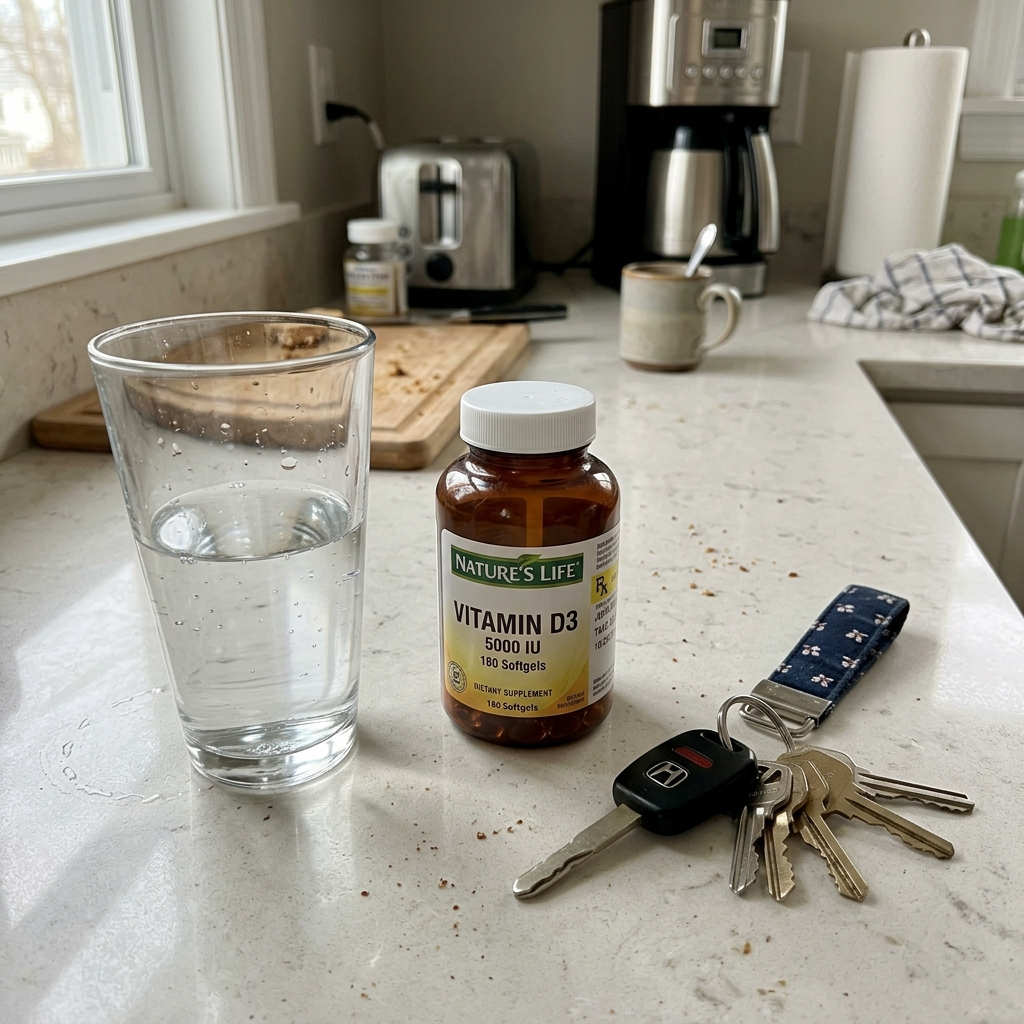
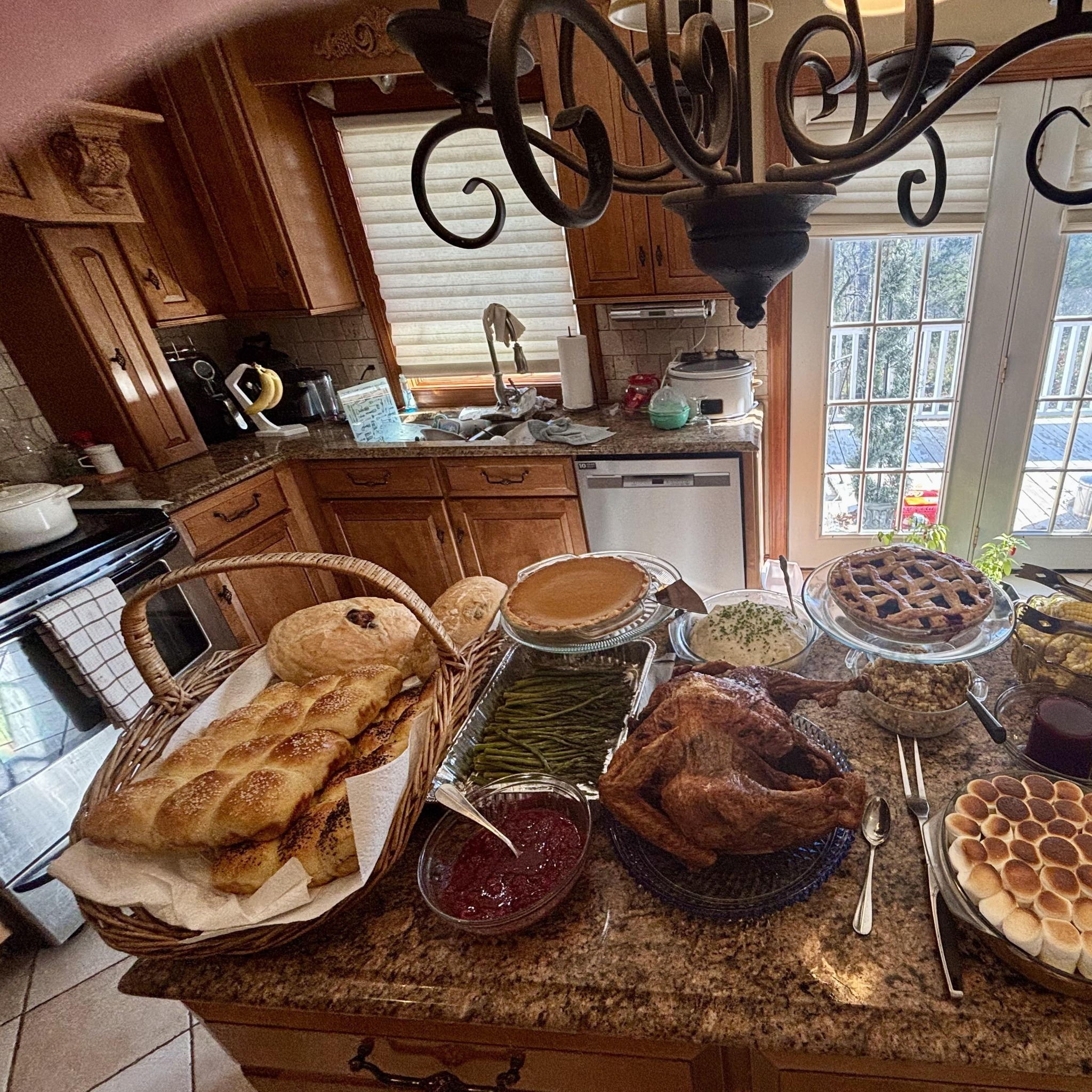
My husband Paul came home from a 3-hour drive on a Saturday afternoon in November and I noticed something was wrong. Not wrong bad. Wrong different. He walked through the back door and he looked like himself. The version of himself I hadn't seen in a while. He set his keys on the counter and started talking. Not the quiet, one-word answers I'd been getting for two years. Talking. He told me about the drive. He talked about stopping for gas outside of Clanton and getting into a conversation with a guy whose truck had a Crimson Tide sticker the size of a cutting board, and how they stood there debating bowl games for 15 minutes like they'd known each other for years. That was the old Paul. I stood at the stove pretending to stir something and I thought: what is different right now? He grabbed a glass of water. Sat down at the kitchen table. Started flipping through the mail without squinting or rubbing his eyes first. And it hit me. He didn't fall asleep on the couch at 4:30. That's what he'd been doing for the better part of two years. Getting home from anything, a drive, a grocery run, a long morning out in the yard, and going horizontal in the living room within an hour. Eyes shut, TV on, gone. We'd started calling it "the wall." Not meanly. But it was a real thing. He hit it every single day and when he hit it there was nothing to do but wait for it to pass. Today he was sitting at the kitchen table at 6:30 PM, alert, asking me what I wanted to do for dinner. I didn't say anything about it right away. I was afraid to. Like if I pointed at it, it would disappear. We had leftovers. Watched something on TV. He stayed awake for all of it. I waited until he was in the kitchen getting a glass of water before bed and then I asked. "You seem really good today." He looked at me. Smiled a little. "Tommy gave me something at Thanksgiving." I leaned against the counter. "Tommy gave you something." "His wife's been giving it to him since summer. He said to just try it and stop overthinking it." That sounded exactly like Tommy. "What is it?" He was already walking down the hall. "I'll find you the bottle." Let me back up. My name is Carol. I'm 58, and I've lived in Tuscaloosa for most of my adult life. I coordinate administrative work for a small property management office downtown, which sounds more organized than it is. We're 4 people in a building that smells like the 1990s, and I love it. I've been there for 16 years. I know where everything is, including the things nobody else knows they've lost yet. Paul is 61. He drove trucks for almost two decades and then got out and started doing regional hauls, shorter runs, less time away. That transition was supposed to make things easier. And in a lot of ways it did. But somewhere in the middle of all that settling down, Paul himself seemed to settle in ways I hadn't expected. He'd always been a big eater. Hearty food. Meat and potatoes. Biscuits from a can on Sunday. We're both from the same town and neither of us grew up in a house where anyone thought twice about what they ate. You ate what was on the table and you were grateful. That was the culture. That was the reality. For years, Paul didn't seem to have any consequences from it. He was one of those men who could eat a plate of food that would level me and then go out and work in the yard for 3 hours without blinking. I used to watch him and genuinely feel like we were built differently. Then he turned about 57 and something shifted. It wasn't one thing. It crept in. He started needing to sit down after lunch. Not a quick rest. A real sit. An hour sometimes. At first I thought it was just tiredness from long hauls, just recovery, and he probably did too. But the hauls got shorter and the sit still happened. Then the cravings started. He'd have a full dinner and be in the pantry an hour later looking for something sweet. Standing in front of the open door like the answer was in there somewhere. I'd come downstairs and find him in the kitchen at 10:30 at night eating crackers or whatever he could find, looking almost confused about why he was standing there. He wasn't a snacker. Paul had never been a snacker. That was one of the things I always admired about the man. He ate meals. Real ones. And then he stopped. The swings bothered me more than anything. He'd be fine in the morning. Alert, moving around, himself. Then lunch would hit and it was like someone reached over and turned a dial. By 2 PM he was foggy. By 3 he was either on the couch or doing that thing where he's watching TV but not really watching it, just staring at the screen with his eyes half open. By 5 he'd rally slightly. By 8 he was done again. I mentioned it to him enough times that he stopped finding it funny and started getting quiet when I brought it up. He went to his doctor. Got his usual bloodwork done. Numbers came back and his doctor said the thing doctors always say when they're not alarmed but not telling you everything's fine either. "We'll keep an eye on it." Which means nothing. Which means come back in a year and we'll see if it got worse. Paul drove home from that appointment and sat in the truck in the driveway for a few minutes before coming inside. I watched him from the kitchen window. He wasn't on his phone. He was just sitting there. He came in and I asked him how it went. "About like I expected," he said. And that was it. That was the whole conversation. He tried things on his own. I'll give him that. He cut back on bread for about 3 weeks. He started drinking more water because somebody at work told him that helped with the afternoon crashes. He tried those energy drink packets you mix into a bottle, the kind that look like they were designed for someone 25 years younger, with names like "Focus Blast" or whatever. None of it touched the wall. The crash still came. Every day. Regular as weather. I started adjusting my life around it. I stopped scheduling anything for us on weekend afternoons because I knew he'd be fading by 2 and gone by 3. I took over the yard work that needed doing in the afternoon hours. I figured out which errands I could run alone and which ones we needed to do together, and I made sure the together ones were morning. It sounds like I resented him for it. I didn't. That's important to say. I just worried. Because Paul before this was a different man. Paul before this drove 8 hours and came home and grilled dinner and stayed up until 11. Paul before this could eat a plate of food that would have had me facedown on the couch and then go change the oil on both our vehicles. Whatever was happening had been getting worse by slow degrees for two years. And nobody seemed to have a name for it except "getting older." I've never fully accepted that answer. Not for myself. Not for Paul. Thanksgiving was at his brother's place in Northport that year. Tommy is Paul's younger brother by 4 years. Louder, funnier, the kind of man who has an opinion about everything and delivers all of them with the confidence of someone who has never once been wrong about anything in his entire life and doesn't plan to start. He and his wife Sheri had us over with a handful of other family. Big table. Too much food. The way it's supposed to be. I noticed partway through that Paul and Tommy had been outside together on the deck for a while. Not unusual. They usually peel off at some point to talk football or give each other a hard time about something. I didn't think anything of it. When Paul came back in he had a small dark bottle in his hand. Tommy had followed him in. "I told him to just take them," Tommy said. "He's going to stand there and read the label for 20 minutes otherwise." "I'm reading the label," Paul said. "You're stalling. Same thing." Sheri came over and touched my arm. She said, "I know it sounds weird. I thought so too. But just trust it." That was all she said. And something about the way she said it, quiet and certain and not salesy at all, made me actually listen. I found out more over dinner. Sheri had started taking it in the summer. She'd read something about pomegranate extract and how the compound inside it, something called punicalagins, had been studied for its effect on the process your body uses to break down food into sugar. I'll be honest. My first reaction was skepticism. Not unfriendly skepticism. Just the kind that accumulates when you've spent enough years watching supplement commercials make promises that don't pan out. But Sheri wasn't the type to push things. She was a registered veterinary technician with 22 years of experience, which I mention only because the woman is not credulous. She looks things up. She reads the actual studies, not the blog posts about the studies. She said what caught her attention was the mechanism. Not the marketing. The actual thing the research described happening inside the body. I asked her to explain it. She set down her fork. "Okay. So your body has a process that controls how fast what you eat turns into sugar in your blood. When you're young and healthy and your system is running clean, food breaks down gradually. Sugar enters the blood at a pace your body can keep up with easily. You feel steady. You feel full. You feel like yourself after you eat." "But that process is fragile. Stress wears it down. Years of processed food wear it down. Just getting older wears it down. And it doesn't happen all at once. It's slow. So slow you don't notice it until one day you're sitting on the couch at 2 PM completely knocked out by a meal you've been eating your whole life." I thought about Paul on the drive home from doctors appointments. Paul in the pantry at 10:30. "The spike," I said. She pointed at me. "Exactly. The food hits your blood too fast. Your body races to catch up. And then the overcompensation happens, and you crash. Hard. And your body thinks it needs more sugar to get back up. So you crave. And the cycle runs every single day." "So what does pomegranate do?" She picked her fork back up. "The punicalagins in the peel extract have been studied for how they interact with the enzymes that control how fast carbohydrates break down into sugar. They seem to support those enzymes working at the right pace, the slower pace, the one that lets your body process the food more gradually. The spike can ease. The crash can soften. Your body gets a chance to handle food the way it's supposed to." She said it like it was a simple thing. Not a miracle. Just a mechanism. "Same meals?" I asked. "Same meals. Paul just has to take 2 capsules a day and give it some time." I looked across the table at Paul, who was eating pie and looking more awake than he'd looked at 7 PM in two years. Tommy saw me looking. Grinned. Said, "I've been on it since August. Watch." He pushed his chair back, stood up, and did a little two-step shuffle in the kitchen that made everyone groan and laugh. "That's what 8 months of not hitting a wall every afternoon looks like." Paul started the next day. I didn't hound him about it. I put the bottle on his side of the counter where he keeps his vitamins and let him handle it. Week 1, I didn't notice much. He mentioned the first few days that he felt about the same. I told him Sheri said to give it time. Week 2, he ate lunch on a Saturday and then went outside and cleaned out the gutters. Not the whole way through without stopping. But he did the front of the house and most of the back before coming in for water. That was something. I didn't say anything. Still afraid to point at it. Week 3 was when I first noticed the pantry thing had stopped. I realized I hadn't seen him in there at 10 PM in a while. I went back and tried to think of the last time I'd come downstairs and found him in the kitchen looking for something sweet and I couldn't place it. That was new. Week 4 he drove to his buddy Ray's house out past Moundville and back, which is about an hour each way, and came home and wanted to know if I wanted to go to dinner. Not the couch. Dinner. Out. We went to a place we hadn't been to in almost a year because going out in the evenings had just sort of stopped feeling worth the effort when you're watching the clock to get home before he runs out of steam. He stayed sharp the whole night. Talked to the waiter about the Auburn game. Made me laugh twice. On the way home he said, "I keep waiting for the wall." "Does it come?" He thought about it. "Not the way it was." By month 2, the cravings were mostly gone. That was the one I hadn't expected to notice because I'd stopped thinking of them as a symptom. I'd just absorbed them as part of how Paul was now. The late-night kitchen runs had become so normal that their absence felt almost eerie. He still ate plenty. He still liked his food. But the need that used to come after the meal, that restless searching feeling he'd have about an hour after dinner, had quieted down. He'd eat, feel done, and stay done. He told me one morning, out of nowhere, that he didn't feel like he was fighting himself all day anymore. I didn't entirely know what he meant and I didn't ask. But I wrote it down. Because it sounded important. His energy was steadier. Not elevated, not wired. Steady. The kind of steady that's invisible when you have it but glaring when you don't. He'd wake up and stay up. He'd eat lunch and keep going. The afternoon didn't disappear anymore. I noticed I'd stopped planning around his wall. I didn't realize I'd started doing it again until I realized I'd stopped. We went to his nephew's kid's birthday party on a Sunday afternoon in late January. It started at 1 and ran until almost 5. Backyard. Cold. Kids running in every direction. The kind of event where you're standing on concrete the whole time making conversation with people you see twice a year. Paul stayed for all of it. He held his grandnephew on his hip for 45 minutes and talked to Paul's sister's husband about bass fishing and never once gave me the look that meant he was running low. His sister pulled me aside at one point. "What's going on with Paul? He looks good." I told her. She pulled out her phone and made me spell the website. I've been taking it myself since February. I started because what Sheri described made sense for me too. Not the same dramatic wall that Paul had. But my own version of it. The 3 PM pull. The way I'd eat lunch and need something sweet by 2 and then feel heavy and foggy and slow until about 4. I'd spent years assuming that was just how afternoons worked when you got older. The first few weeks I felt about the same. Then one afternoon I was at my desk at work and I looked at the clock and it was 3:47 and I realized I hadn't thought about food once since lunch and I wasn't tired. Not one of those dramatic revelations. Just a quiet thing. A nothing thing. An absence where there used to be something. I sat there for a minute and thought: oh. That's all. Just oh. But that's the thing about this. It's not dramatic. It doesn't announce itself. You just start noticing all the things that aren't happening anymore. The crash that isn't coming. The craving that doesn't arrive. The fog that used to roll in around 2:30 that's just not there. It's the absence of a problem you'd gotten so used to that you stopped calling it a problem. I've been at this about 4 months now and I don't think about the afternoon the way I used to. I know some of you reading this are probably where I was 6 months ago. Not a dramatic health crisis. Just a slow, grinding thing that the doctor doesn't have a name for except "it's probably just your age." Your husband sitting in the truck in the driveway for a few minutes before he comes inside. The pantry at 10:30. The couch at 3. The doctor saying "we'll keep an eye on it" like that's the same as an answer. Maybe it's you that's hitting the wall every afternoon and not your husband. Maybe you've just accepted it as the price of getting older. I accepted it for two years. Paul accepted it longer than that. And all it was, was a worn-down process that hadn't gotten the support it needed. Alevia Pomegranate is organic concentrated pomegranate peel extract. Made in the USA. 2 capsules a day. That's it. The punicalagins in the extract are the compounds Sheri was talking about, the ones that have been studied for how they support the carbohydrate pathway, the one that controls how fast food turns into sugar in your blood. There's a 90-day money-back guarantee. If it's not working for you after 90 days, return the bottle and you'll get every dollar back. Paul doesn't hit the wall anymore. I don't hit the 3 o'clock fog anymore. Same meals. Same life. Just a body that seems to be handling it the way it used to. If that sounds like something you or your husband has been living with, it's worth trying. 👉 https://alevia.com/pom/5 P.S. Sheri told me she went looking for this after months of just chalking the afternoon crashes up to eating too many carbs. She tried cutting carbs. Tried every version of it. The crash still came. Because the food was never really the problem. The pathway that handles the food was the problem. The carbs didn't need to go away. The system just needed support. That's a different solution than anything she'd been told to try before. P.P.S. Paul's sister ordered 2 bottles at the birthday party before we even got back to the car. She texted me last week. She said her husband told her he feels like he got a decade back. I don't know about a decade. But I know what it looks like when a man sits at the kitchen table at 6:30 PM and actually wants to talk. That's enough for me. P.P.S. The 90-day guarantee is real. Try it for up to 90 days. If it's not the right fit, ship the bottle back and they'll refund every penny. No risk except the time. And the time is going to pass anyway. 👉 https://alevia.com/pom/5
Like this ad? Make it yours.
Crush rebuilds this exact creative around your product — your brand, your colors, your offer — in about a minute.