
Inactive· since Mar 26, 2026
- 9
- days it ran
- 0
- relaunches
Ad copy
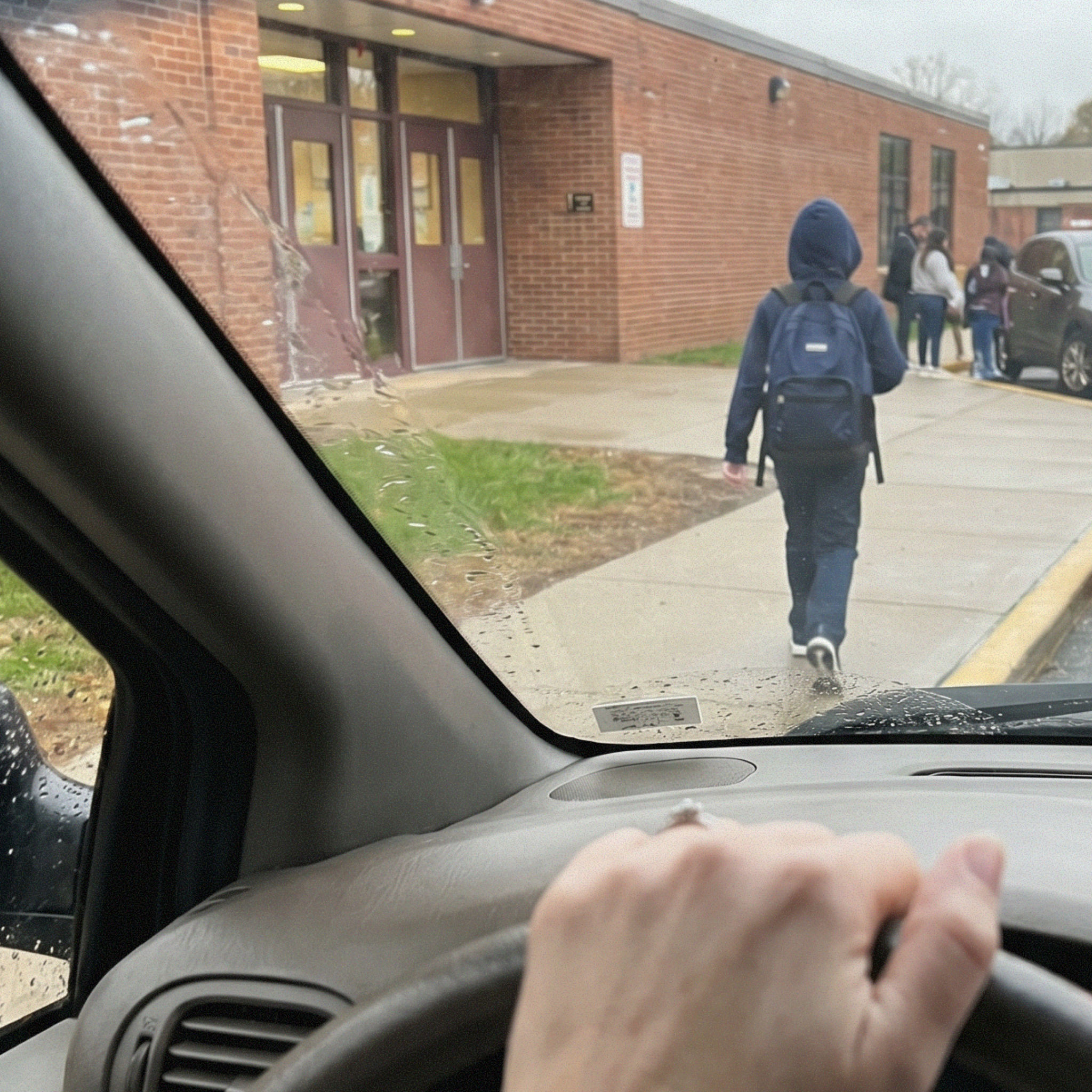
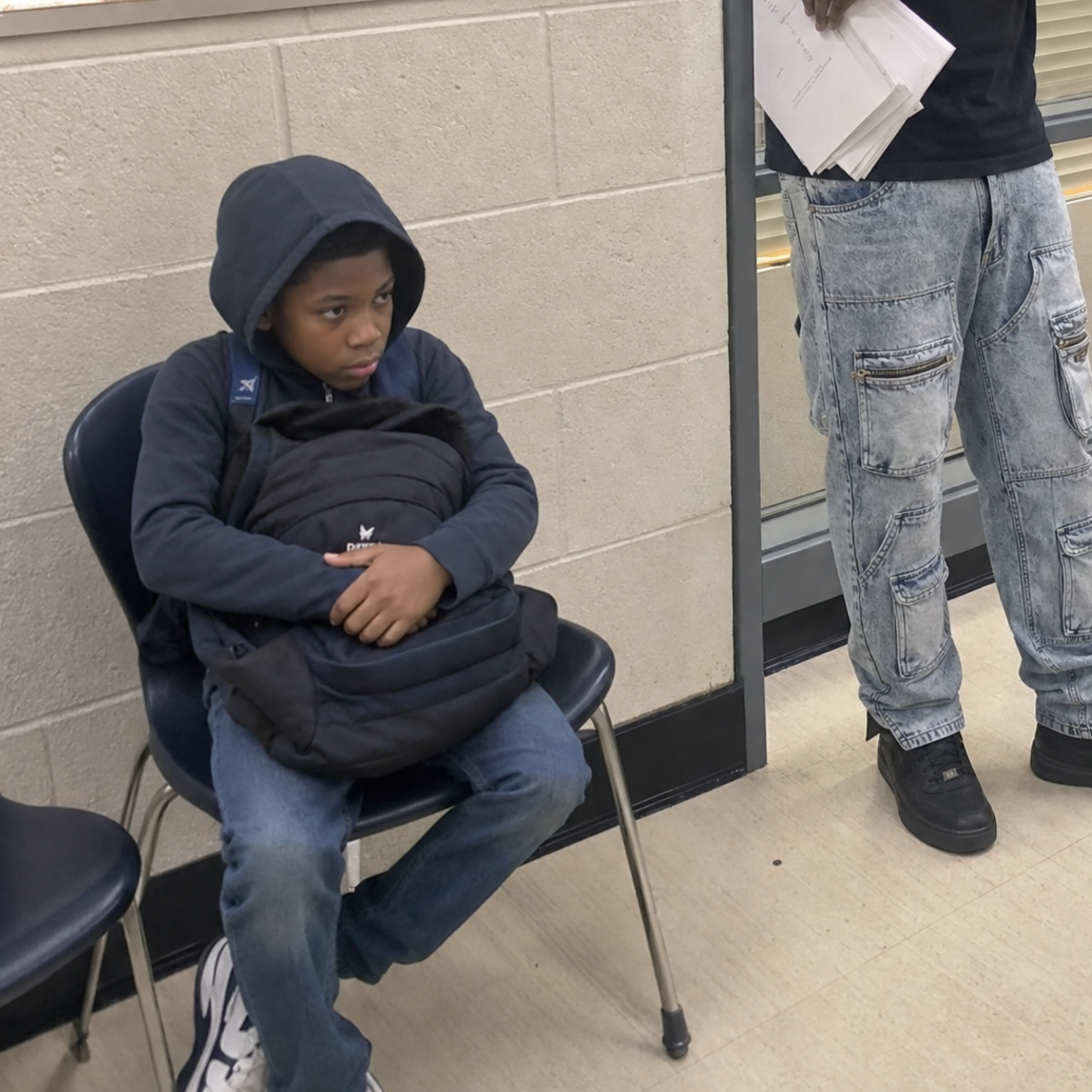
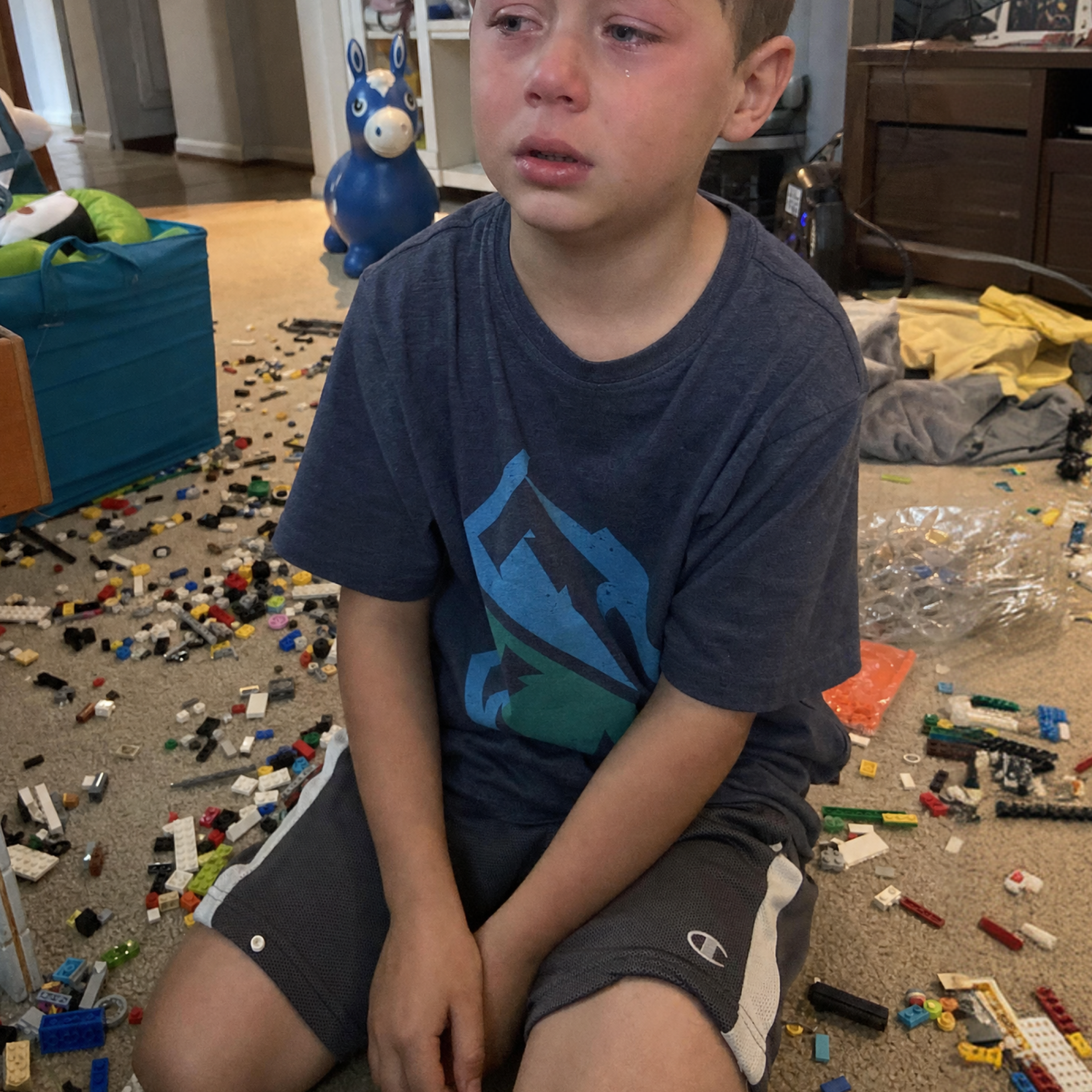
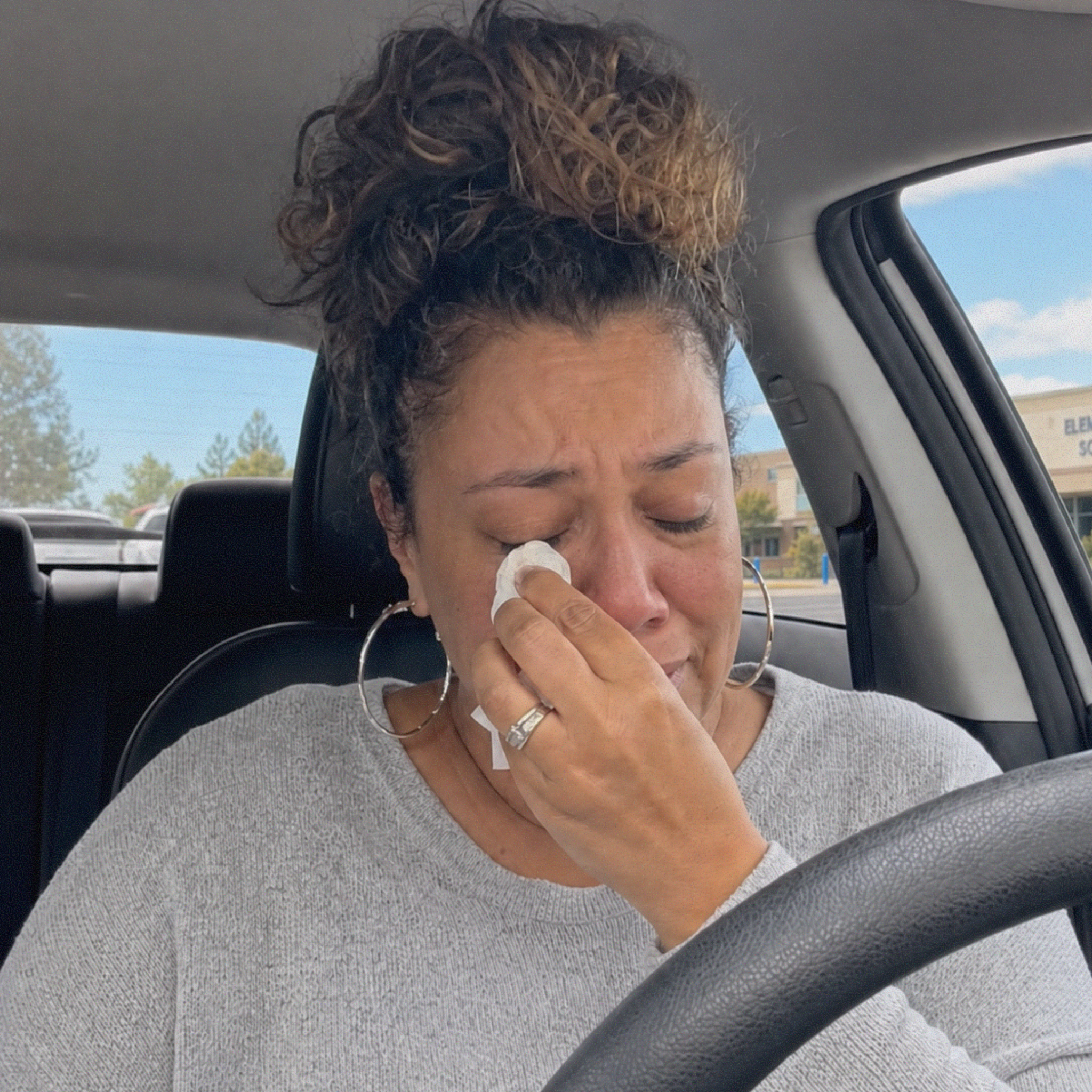
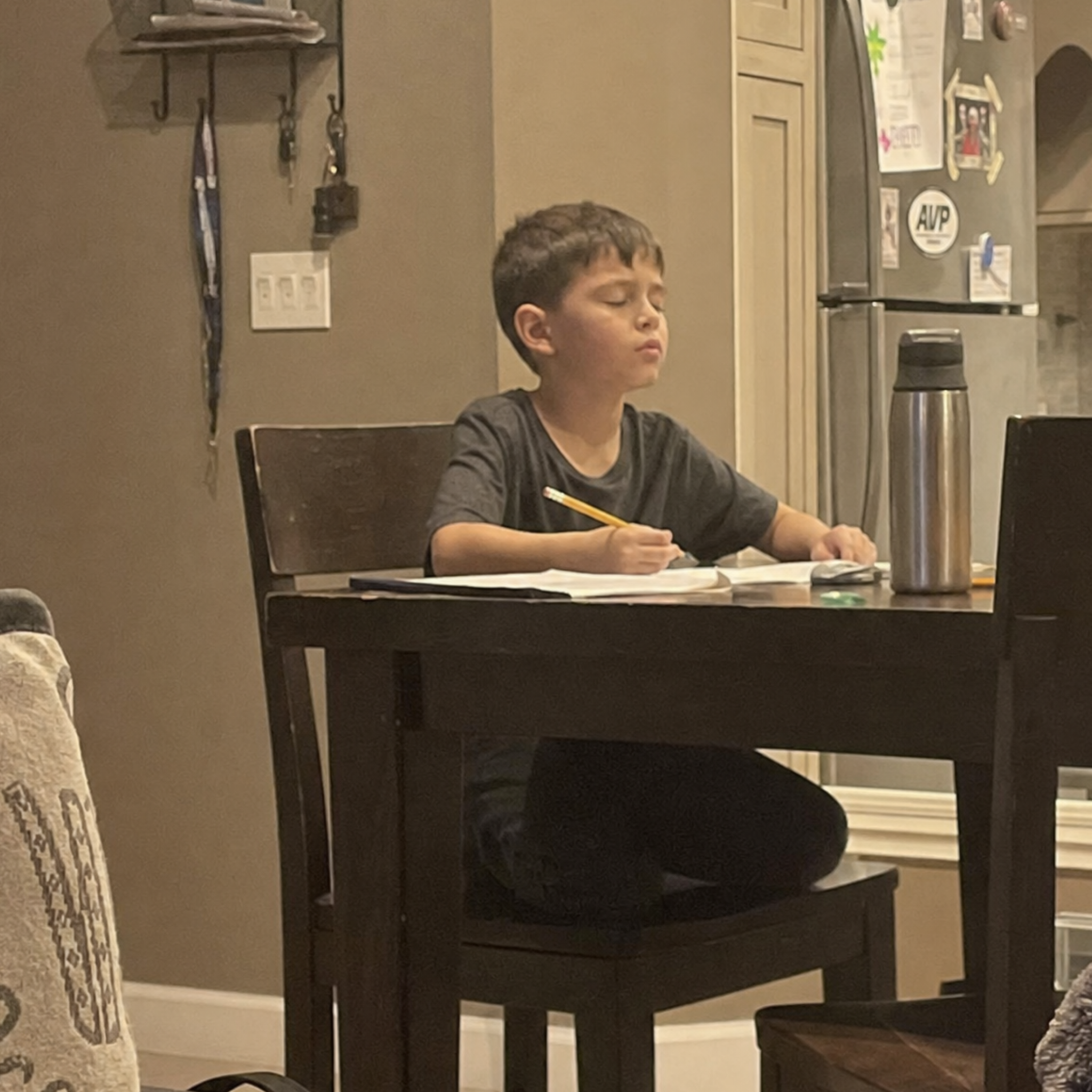
I stopped pretending everything was "ok" when this happened… A kid walked up to my son at the playground on Saturday and asked if he wanted to play. My son took a step back. Hands came up. Face went flat. Like he was bracing for something to hurt. The other kid just wanted to play. He was being kind. And my son's body treated it like a threat. That's when I understood how bad it had gotten. I sat on that bench and didn't move for a long time. The other kid had already run back to his friends. My son had already found his corner — the one near the fence, half behind the slide, where he goes when he needs to disappear without actually leaving. He knows that corner the way you know your own kitchen in the dark. I've been watching him find it for two years. It started in first grade. A few kids who thought it was funny to take his snack. Then the boy who would wait until recess to tell him nobody wanted him there. Then the group that turned inviting him places into a joke he didn't understand until he showed up and everyone laughed. He stopped showing up. To things, to people. To the idea that trying was worth it. And I told myself the story that a lot of moms tell themselves. He's sensitive. He just needs time. He'll find his people. I kept telling myself that story while my son was quietly building a life designed around not needing anyone. He stopped asking to go to birthday parties. Stopped mentioning kids from school. Stopped talking about the playground at all — not because nothing happened there, but because he'd accepted what happened there as just… the way things were. The silence was the part that got me. Not the crying — there wasn't much crying anymore. Just this quiet, careful way he moved through the world. Like he'd done the math and decided that wanting things from people wasn't worth what it cost. He's eight. On the drive home from the playground that Saturday, I asked him if he wanted to go back next weekend. He shrugged. Looked out the window. "It's okay," he said. "I don't really need to." So I did what every normal parent would do. I found him a therapist. It wasn't easy, and it definitely wasn't cheap. But she was good. Warm, patient, kind. She specialized in kids with social anxiety. Every Tuesday at 4:30, they'd sit together in a room full of fidget toys and talk about feelings and practice conversations. She taught him scripts. What to say when you want to join a game. How to introduce yourself. What to do if someone says something mean. He memorized all of it. Could recite it back to me word for word on the drive home every week. And then we'd get to the playground. And a kid would walk over. And his hands would come up. Eight months. Thirty-two sessions. He knew every line. His body didn't care. That's the thing nobody tells you about talk therapy for a kid like mine. It builds knowledge. It does not build safety. And what my son needed — what he'd been missing for two years of being the kid nobody picked — wasn't more words. It was evidence. Evidence, somewhere deep in his nervous system, that the world wasn't always out to get him. No script was going to give him that. I remember sitting in the therapist's waiting room after our last session, writing the check, and thinking: we have spent thousands of dollars teaching my son how to act unafraid. And he is still afraid. I didn't know what came next. I just knew this wasn't it. That night I fell down a rabbit hole I wasn't even looking for. I was in a parenting group — one of those Facebook groups with 40,000 members where everyone is exhausted and nobody judges you. A mom had posted about her son. Same story. The isolation. The flinching. The way hurt had become so familiar that kindness had started to look like a trick. She mentioned something called Asynchronous Development. I'd never heard the term. But what she described stopped me cold. She said her son's brain had developed in two speeds at once — his mind racing ahead, his emotional wiring lagging behind. That the gap between what he could think and what he could feel created a nervous system that was permanently braced for impact. Not because anything was wrong with him. Because his brain was building itself on two different timelines. I read it three times. Because it was the first explanation that fit. My son isn't broken. He isn't damaged. His nervous system learned to protect him — and it got so good at the job that it couldn't tell the difference between a threat and a Tuesday afternoon at the park. The therapy had been trying to teach him new thoughts. But his nervous system wasn't listening to thoughts. It was running on a pattern that had been written over two years of being hurt, excluded, and let down. You can't talk a nervous system out of a pattern it built to keep a child alive. What he needed wasn't more scripts. He needed daily repetitions — small, consistent, safe experiences — that would slowly write a new pattern. One that said: the world isn't always dangerous. You are someone worth knowing. Connection is something you can survive. That wasn't therapy. That was training. That's when I found Legends. It's a five-minute daily program — parent and child together — built specifically to train the emotional foundations that kids like my son never got the chance to build. Not a therapy app. Not a meditation app. Confidence training. The kind that works in the body, not just the head. Five minutes. That's it. We do it at night, after dinner, before the day closes. He curls up next to me and we go through it together. And here's the thing I didn't expect — those five minutes became the best part of our day. Not because of what the program was doing. Because it was us. Just us. No stress, no agenda, no me trying to fix him. Just sitting together, doing something that felt good. The program is built on research from Harvard, Yale, and Duke. Not the kind of trendy breathing-exercise content that disappears after a week. The kind of deep, daily work that actually rewires how a child sees themselves and the world around them. And for the first time since this all started, I wasn't outsourcing my son's healing to a stranger in a room full of fidget toys. I was the one doing it. With him. Every night. It didn't feel like a program. It felt like getting my son back. Unlike everything else we'd tried, this was something that was actually working. I could feel it. And within a few weeks, I started to see it. Here's what the next two months looked like. Week 2: He started finishing the sessions and saying "that was actually fun." Which sounds small. But this is a kid who approached everything new like it was designed to hurt him. Week 4: His teacher sent home a note. Said he'd raised his hand in class to answer a question. First time all year. I held the note in the kitchen and didn't know what to do with myself. Week 7: We went back to the playground. I didn't tell him that's where we were going. Just drove there. Parked. He looked out the window and his jaw went tight the way it always does. We got out. He walked toward the equipment. Slowed down the way he always slows down. And then a kid called out from the top of the slide — "hey, you want to play?" My son's hands came up. Old reflex. Old pattern. But then something different happened. He looked at his hands. Looked at the kid. And lowered them. "Yeah," he said. "Okay." I stood by the car. I didn't move. I didn't breathe wrong. I just watched my son walk toward someone who wanted to know him. He played for an hour. Came back with grass on his knees and someone else's name in his mouth, talking about a game they'd made up. I cried on the drive home. The good kind. The kind you've been saving up for a long time. For a moment I wondered if we'd just gotten lucky. If this was a good week, a good phase, the kind of thing that looks like progress until it quietly disappears. So I went looking. I pulled up the Legends community and started reading. I wasn't the only one. A dad named Brandon had posted about his son — a kid who told him he felt scared talking to other kids at school, like he could never find his way into the conversation. After 30 days of Legends: "He's running around giving his buddies fist bumps and saying 'Dad, I had a great day.' There was this switch that flipped on him. Our self-doubts can run wild — and he's learning to regulate that." A mom who'd tried every book, every workbook, every program on the market before this one wrote: "I set a reminder to do this and I never need it — because my boys ask to do it every day. I see my children learning how to take every thought captive with each fun interactive lesson." A single mom of 8-year-old twins who described them as negative about most things, always looking to be offended, tried Legends when nothing else was helping: "This program is AMAZING. I can't express enough how much my boys LOVE LEGENDS. You've given me hope." A mom whose son had ADHD and confidence struggles wrote about the moment he finished day one: "He actually cried at the end of it and told me how happy he was that I bought this for him. He said he really talks to himself in a negative way and wants to stop." A dad who'd been doing Legends with his kids for just one week: "It's the most impactful, meaningful time we spend together every day. The change after one week is seriously crazy good." Thousands of parents. All of them done waiting for a therapist, a school counselor, or a specialist to fix what only daily training — done together, at home — could actually build. Right now you're standing at a fork in the road. Path one: you close this page. You go back to watching your son find his corner. Back to the practiced shrug, the "I don't really need to," the hands that come up every time someone gets too close. You already know where that road leads. You've been walking it. Path two: you give him five minutes a day. And the chance to finally build the thing nobody else thought to train — the deep, body-level belief that he is safe, that he is worth knowing, that connection is something he can survive. Five minutes. That's less than one therapy session. Less than one Tuesday at 4:30 that changes nothing. Less than the time you spend lying awake wondering if the window is closing. And here's what makes this easy: Legends comes with a full money-back guarantee. Try it with your son. Do it together, every night. Watch what happens over the next few weeks — in the way he carries himself, in the way he responds when someone gets close, in the small moments you almost miss because you've been bracing for the worst for so long. If you don't see the shift, you get every penny back. No questions. No hoops. No guilt. You risk nothing. He gains everything. Start your son's first session today: https://try.buildlegends.com/listicle1/giftedKids P.S. — I keep thinking about that moment on the bench. My son backing away from a kid who just wanted to play. The hands coming up. That flat, guarded face that had learned — somewhere along the way — that kindness was just cruelty wearing a different mask. He didn't learn that because something was wrong with him. He learned it because nobody gave him the daily reps that would teach him otherwise. That's what Legends builds. Not scripts. Not coping strategies. The quiet, unshakable evidence — written into his nervous system, one five-minute session at a time — that the world has good things in it. And that he's allowed to reach for them.
Like this ad? Make it yours.
Crush rebuilds this exact creative around your product — your brand, your colors, your offer — in about a minute.