Alex Morgan
Alex Morgan Facebook ad: “Think your produce is clean? Read this”
Ran for 5 days, from February 12 to February 17, 2026, the last day Crush saw it.
Run by Alex Morgan on Facebook. Crush is not the advertiser and does not verify its claims. See this ad in Meta's Ad Library(opens in a new tab)
Want an ad like this for your product?
Crush makes new ad images for your product from this ad: your logo, your product photo, your offer.
Trials from $19.95 USD, then $79.95 USD a month. Cancel anytime.
About this ad
- Meta Ad Library ID
- 2090393621755633
- Platforms
- Facebook, Instagram, Audience Network and Messenger
- Relaunches
- 0
- Niche
- Food & Beverage
Ad text
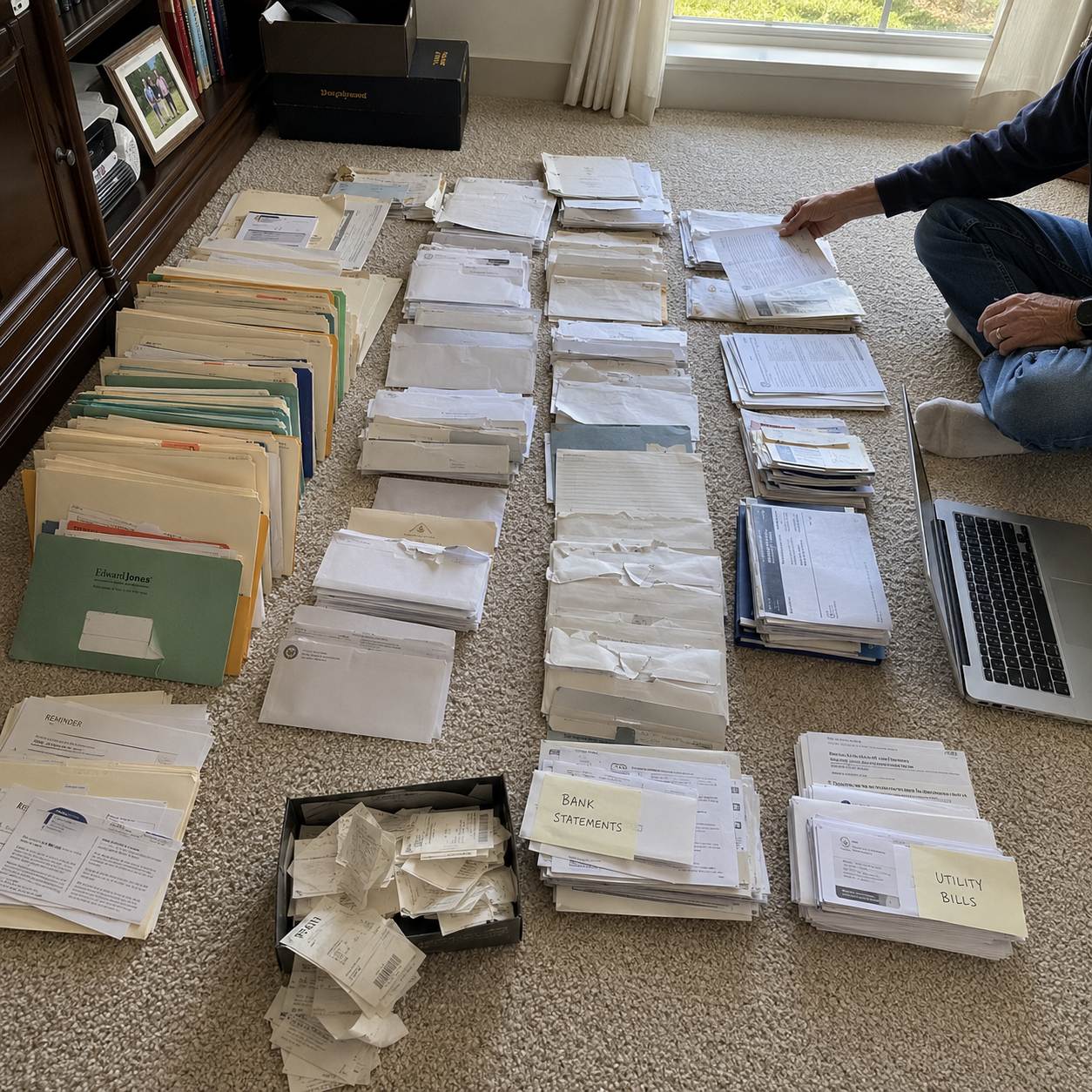
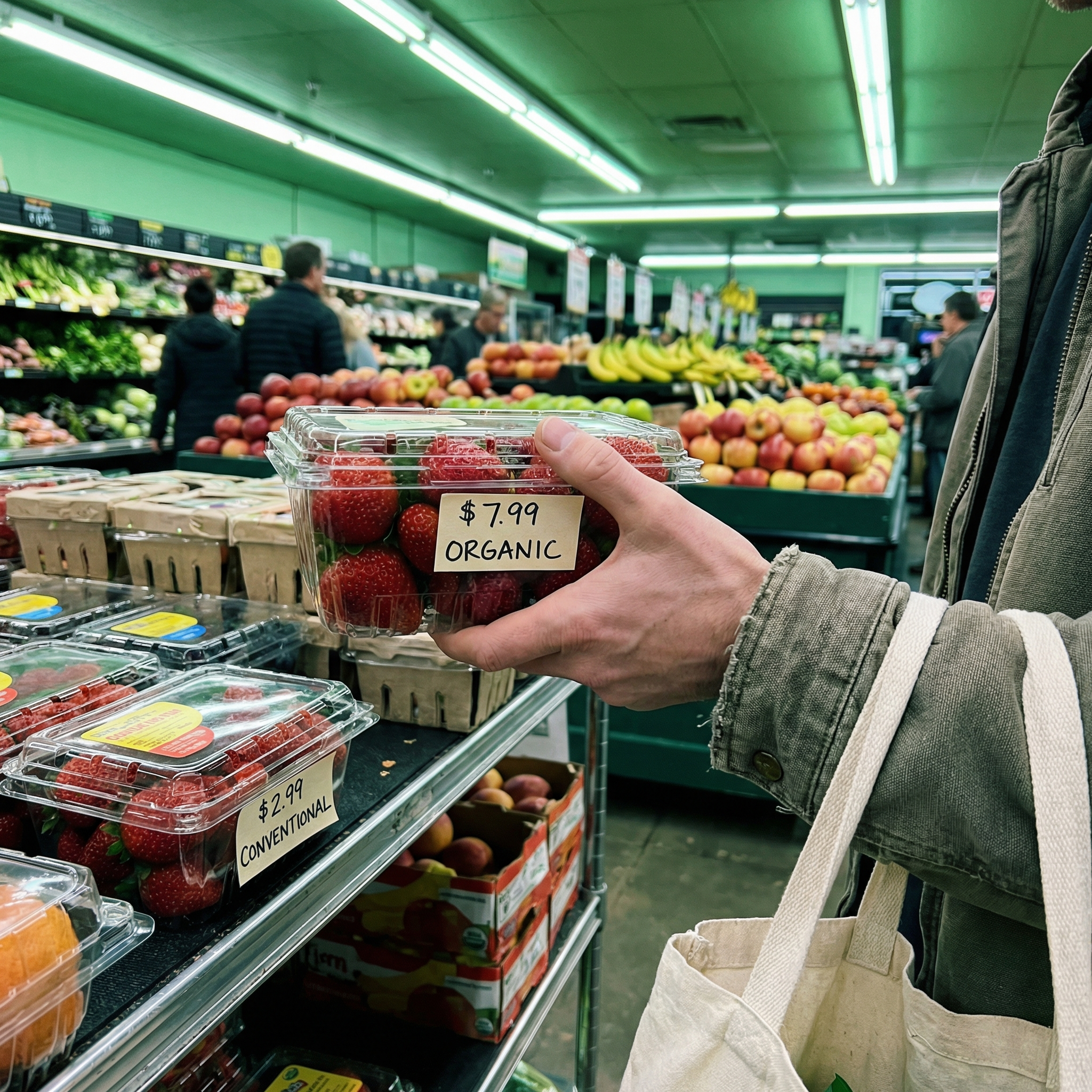
I used to think the hardest part would be the chemo. Nobody warned me about the part where you become a stranger in your own house, afraid to touch your own mail. My wife Sarah was diagnosed with breast cancer last March. Stage II. The oncologist said the word "treatable" three times in one sentence, like if she repeated it enough, it would soften the blow. It didn't. But we did what everyone does. We made a plan. We showed up. We fought. The chemo started in April. Taxol, then Carboplatin. I learned words I never wanted to learn. Neutropenia. Myelosuppression. Absolute Neutrophil Count. That last one became the number that ran our entire life. When it dropped below 500, Sarah's immune system was essentially gone. Not weakened. Gone. Her body had no soldiers left to fight off even the most basic infection. That's when everything changed. Not in the dramatic, movie-scene way. In the slow, suffocating way where your life shrinks a little more each day until you look around and realize you're both living inside a box you built out of fear. The first thing I did was cancel our dinner plans with family. Then I stopped letting the kids have friends over. Then I started wiping down the mail with disinfectant before bringing it inside. Then the groceries. Then the doorknobs. Then every single surface a human hand might have touched in the past 48 hours. I became the person who interrogated our own parents about whether they had a cough before they could visit. I made my mother-in-law cry once because I told her she couldn't hold Sarah's hand until she washed hers for a full twenty seconds. With soap. Not that soap. The unscented one. The scented one made Sarah throw up. That was the other thing nobody tells you about. Chemo doesn't just kill cancer cells and white blood cells. It rewires the brain's relationship with smell and taste. Sarah described water as tasting like rusty pennies. Coffee smelled like burning rubber. The Lysol I was using to keep our house "safe" sent her running to the bathroom to dry heave. The bleach was worse. She said walking into the kitchen after I cleaned it felt like walking into the chemo infusion room all over again. Same sharp chemical smell. Same wave of nausea. Same panic. So now I had a new problem layered on top of all the old ones. The cleaning products I needed to protect her were the same ones making her sick. I couldn't win. Clean the house and trigger her nausea, or don't clean it and risk a bacterial infection that could put her in the ICU. Some nights I'd wait until she fell asleep, then sneak around the house cleaning like some kind of paranoid janitor, opening all the windows in January so the fumes would clear before she woke up. But the worst part, the thing that broke something inside me, was the food. Sarah's oncology team told us she needed fresh fruits and vegetables. Antioxidants. Fiber. Vitamins. All the things that help the body recover between rounds. But then the same team handed us a pamphlet about the "neutropenic diet" that basically said don't eat anything raw. No fresh salads. No berries. No grapes. Nothing that couldn't be peeled or cooked to mush. Sarah sat in the car after that appointment and just stared out the window. She didn't cry. She was past crying by then. She just said, "So I can't even eat a strawberry now." And she was right. That's what it came down to. A strawberry. Something so small and stupid and ordinary that it shouldn't matter. But when your entire life has been reduced to treatment schedules and blood counts and not being allowed to hug your kids when they come home from school because they're walking petri dishes, a strawberry isn't just a strawberry anymore. It's the last tiny piece of normal you're holding onto. And they took that too. I tried everything. I soaked her produce in vinegar for twenty minutes like someone on a cancer forum told me to. The berries turned to mush and the smell made her gag. I tried baking soda. Fifteen minutes of soaking, then scrubbing each grape individually like I was performing surgery. By the time I was done, I was exhausted and Sarah didn't even want them anymore because they tasted salty and the texture was off. I bought one of those expensive veggie wash sprays from the health food store. It left a soapy film that Sarah could taste immediately. She spit out the first bite and looked at me like I'd betrayed her. I tried just water. Lots of water. Scrubbing under the faucet for minutes at a time. But I knew. I knew from everything I'd read that modern pesticides are literally engineered to not wash off in the rain. That bacteria burrow into the tiny pores of a strawberry's skin where no amount of scrubbing can reach. I knew that water was basically a hope-and-pray strategy, and when your wife's immune system is at zero, hope and pray isn't a strategy. So we stopped. We just stopped buying fresh produce. Sarah ate canned fruit and overcooked vegetables and protein shakes. She lost eleven pounds in six weeks. Not from the cancer. From not being able to eat food that tasted like food. From the depression of being trapped in a life where everything good had been systematically removed. She stopped coming downstairs for meals. She'd eat a few bites in bed and push the plate away. The kids started asking me why Mom was always in her room. I didn't have an answer that wouldn't scare them. That's when I started looking for something different. Not a better wash. Not a fancier soap. Something that actually worked on a level that would let me sleep at night knowing I wasn't gambling with her life every time I put a plate in front of her. I spent weeks reading. Medical journals. Chemistry forums. Food safety research papers. I learned about electrolyzed water, which is a technology hospitals and commercial food processing plants have used for decades. The basic concept is that you run a small electrical current through water and it generates something called hypochlorous acid. Which, and this is the part that stopped me cold, is the exact same molecule that human white blood cells produce to kill bacteria. The same molecule Sarah's body could no longer make on its own. It also generates hydroxyl radicals, which are these short-lived reactive particles that don't just wash pesticides off the surface. They actually break apart the molecular structure of the pesticide itself. They shatter the chemical bonds. The pesticide doesn't get rinsed away. It gets dismantled into water, carbon dioxide, and harmless salts. Then the whole solution reverts back to regular water. No residue. No smell. No taste. I found a company called Lorastia that made a home version of this technology. The FreshGuard. It was a small device you drop into a bowl of water with your produce. You press a button and it runs for a few minutes. That's it. No vinegar smell. No soapy residue. No twenty-minute soak that turns everything to mush. The company cited independent lab reports from SGS, which is one of the most respected testing organizations in the world, showing it eliminated the vast majority of common pesticide residues and bacteria. I ordered one. It arrived three days later. That evening, I put a bowl of strawberries in water, dropped the device in, and pressed the button. The water got a little cloudy. After five minutes, I rinsed the berries and brought them upstairs to Sarah. She looked at me like I was crazy. "Just try one," I said. She did. Then she ate another. Then three more. She said they tasted clean. Not like vinegar. Not like soap. Not like chemicals. Just clean, like how a strawberry is supposed to taste. She came downstairs for dinner that night for the first time in two weeks. I'd made a salad. An actual salad with raw spinach and cucumber and cherry tomatoes. All of it run through the FreshGuard first. She sat at the table with the kids and ate the whole thing. My daughter looked at me across the table with this expression like she'd just gotten her mom back. I want to be careful here because I'm not saying this device cured anything. Sarah still has cancer. She's still in treatment. Her neutrophil counts still terrify me every two weeks. But something shifted when fresh food came back into our house. She started eating more. She gained back four pounds. She started coming downstairs again. She asked me to buy watermelon last Tuesday, which is something she hadn't asked for in months. It's not a miracle. It's a bowl of water and a small device that uses the same chemistry hospitals have trusted for years. But for us, it was the thing that cracked open the door of the prison we'd been living in. It gave Sarah permission to eat the foods she'd been grieving. It gave me permission to stop being terrified every time I made her a plate. I still worry. I don't think that ever stops when someone you love is going through this. But I don't lie awake anymore wondering if tonight's dinner is going to send her to the emergency room. That specific fear, the one that sat on my chest like a concrete block every single evening, is quieter now. If any of this sounds familiar to you, if you're living in that same shrinking box where everything good gets taken away one thing at a time, I'd look into the Lorastia FreshGuard. Not because I'm telling you to buy anything. But because I spent months living in that box, and I wish someone had told me sooner that there was a way to make it a little bigger. Even if it starts with just a strawberry.
Where the ad sends people
lorastia.com
Think your produce is clean? Read this ☝️
Lorastia™ FreshGuard
Shop now: lorastia.com(opens in a new tab)