Artery Plaque Reset
 Facebook ad: “The #1 Cayenne for Blood Flow”
Ran for 9 days, from October 6 to October 15, 2026, the last day Crush saw it.
Run by Artery Plaque Reset on Facebook. Crush is not the advertiser and does not verify its claims. See this ad in Meta's Ad Library(opens in a new tab)
Make your own version of this ad
Crush makes it, launches it in your own Meta ad account, scales the winners and pauses the losers.
About this ad
- Meta Ad Library ID
- 2092486558030901
- Platforms
- Facebook, Instagram, Audience Network, WhatsApp and Threads
- Relaunches
- 1
Ad text
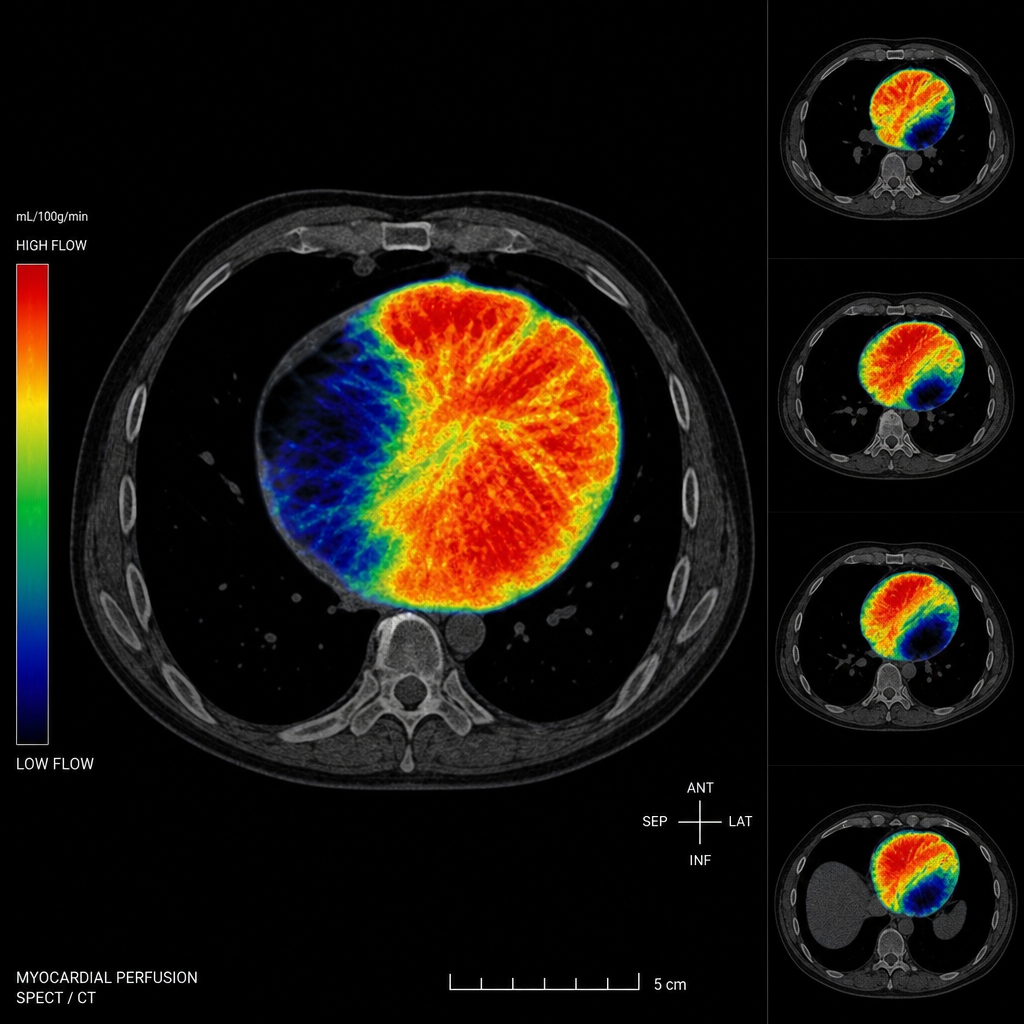
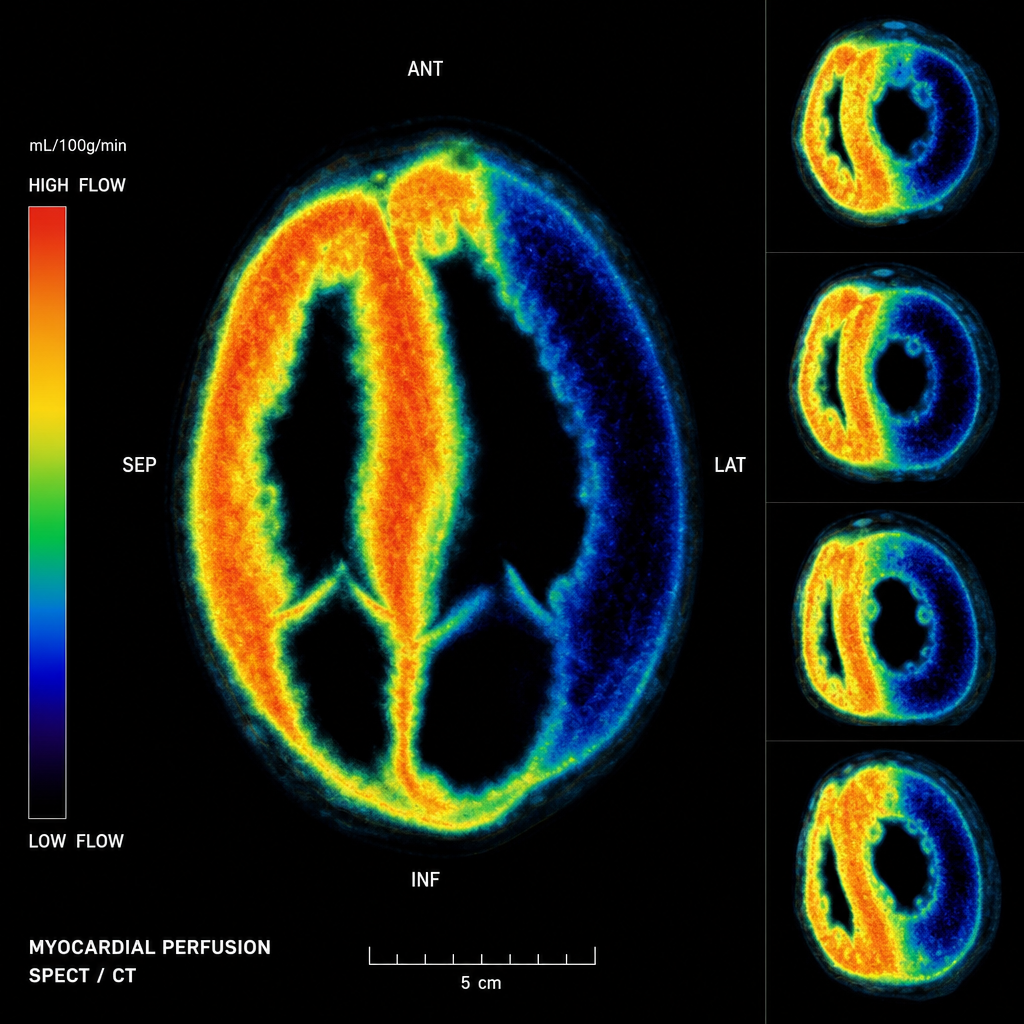
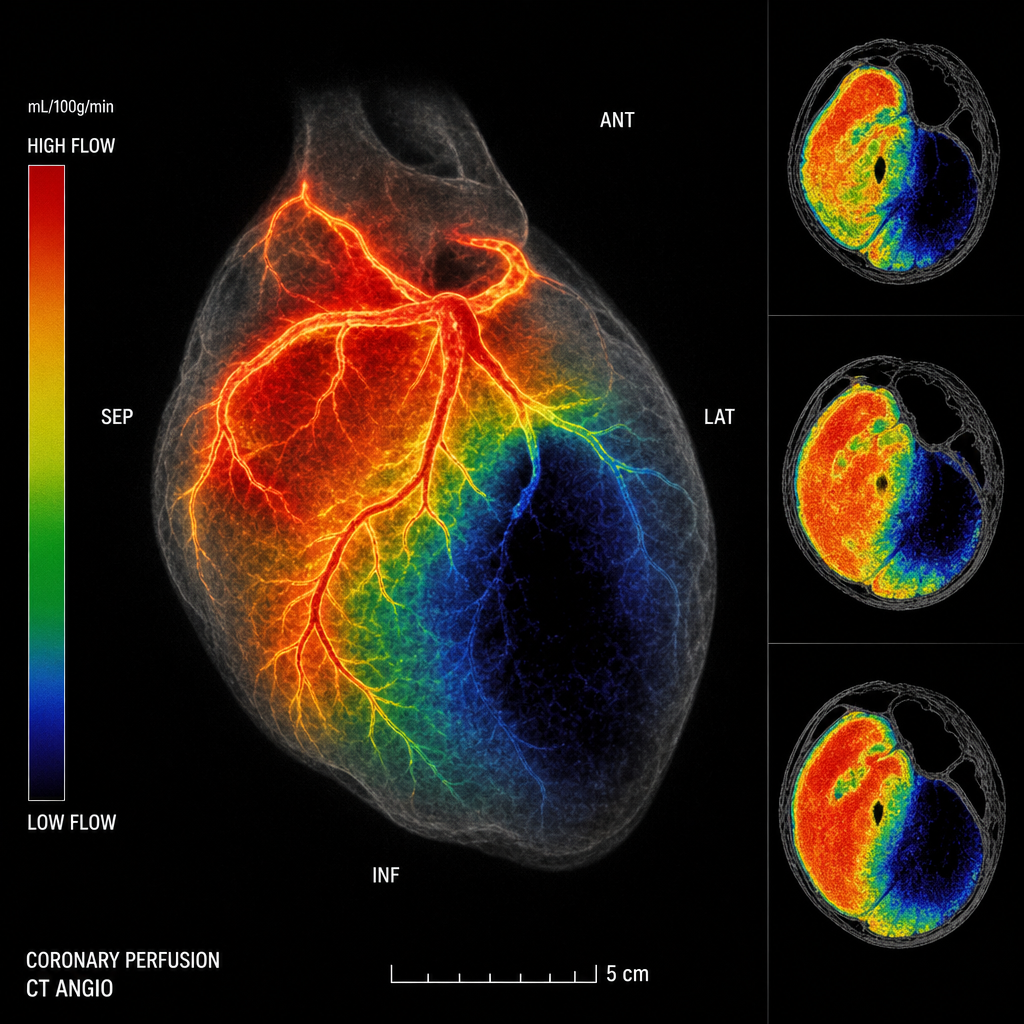
If you stop halfway up the stairs because your chest goes tight... that's blood not reaching the muscle under load. If you carry a bag to the tailgate and have to set it down before you make it... that's blood not reaching the muscle under load. If you step out into cold air and your chest clamps like a fist that won't open... that's blood not reaching the muscle under load. If you close your eyes to rinse in the shower and your balance slides out from under you... that's also blood not reaching the muscle under load. And if any of this is happening more often than it was a year ago... more often than it was six months ago... more often than it was last month... That's not your age. That's a pattern. And it has a cause. And nobody is telling you what it is. Here's what I learned after two years of bogging down under load after my stent, three doctors who told me I was "fixed, give it time," and one night at 2 AM when I found the answer that none of them had ever mentioned. I'm Terry Mercer. I'm 64 years old. I ran the yard at a builders' merchants for 27 years. I managed a crew that covered three counties. Loaded every truck, threw every bag, moved every pallet by hand, knew the weight of a thing before I lifted it. No forklift. No help. Just my back. That back was my living. It was how men trusted me. Show up to a job site and throw the heaviest bag on my shoulder before anyone asked, and the foreman's face would change. That's not a boss standing there. That's a man who still works. A man who pulls his weight. I retired at 61. Voluntarily. Good terms, good pension. A year later the chest pain started, and then came the stent that was supposed to hand me my life back. The plan after that was fishing, grandkids, and the old truck I'd been meaning to fix for a decade. Within six months I knew something was wrong. It started with the stairs. I'd climb a flight and have to stop at the top to catch my breath. Not rushing. Not out of shape. I was pacing myself. Taking it slow. One step at a time. But by the top of the stairs, my chest was tight and my breath was gone. Like the air had been let out of me. I thought I was tired. Climbed earlier in the day. Same thing. Then it moved to carrying. My wife Diane would ask me to bring something in from the car. A bag of groceries. A case of water. Something for the grandkids. I'd reach for it. I'd lift it. And halfway to the door I'd have to set it down and breathe. "Let me get that," she'd say. "I've got it." "Terry. You set it down on the step. You said you just needed a second." Stopped. Dead stopped. Not winded. Not a little tired. Finished. Then the simple jobs started stopping me. I'd be out mowing a strip of the garden. Ordinary morning. And I'd have to stop over a job I'd done ten thousand times and my chest wouldn't let me finish. Not a hard job. Simple jobs. The mower. The hose. The bins. I'd stop. My hand would go to my chest. My heart would race like an engine with no road under it. "Just... give me a second. Just a second here..." And I'd lean on the mower. And he'd offer to finish it. And I'd wave him off and keep going and pretend it didn't terrify me. But it terrified me. Because I knew what this looked like. I'd watched it happen. My father. He had his first bypass at 66. By 68 he was stopping to rest on the way to the postbox. By 70 he couldn't climb his own porch steps without gripping the rail with both hands. By 72 my mother was helping him out of a chair. By 74 he sat in a recliner he couldn't get out of alone. He didn't die until he was 79. Five years of a man who built his life on his back, trapped in a chair. Five years of my mother watching the strongest man she knew unable to cross a room. I was 42 when it started with him. I'm 64 now. And I was stopping to catch my breath in my own back garden. I didn't tell Diane. Not at first. You don't say that out loud. You don't say "I think I'm going where my father went." Because once you say it, it becomes possible. And the fear of it is already so heavy you can barely function under the weight. But she noticed. Of course she noticed. "You stopped on the stairs again." "Did I?" "Twice this week, Terry." The look on her face. Not frustration. Fear. She was doing the same maths I was doing. Watching the same timeline unfold. My father's timeline. She made me go back to the cardiologist. He ran a stress test. Treadmill, wires on my chest. The stent was open. "Everything looks good for a man your age." "But I can't do things I did a year ago." "Some loss of stamina is expected after 60. It doesn't mean anything is wrong with the repair." Expected. Normal. Age-appropriate. The three words they use when they don't have an answer and want you to stop asking questions. A second doctor ordered an angiogram. Looked at the images. The stent was clear. No new narrowing beyond what's "normal for your age group." No fresh blockage at the site. No fault in the repair. "Everything looks good, Mr. Mercer." "Then why do I have to stop halfway up my own stairs?" "Stress. Sleep quality. Have you considered that deconditioning itself can do this? The body needs movement." He suggested cardiac rehab. And a sleep study. I did the sleep study. My sleep was fine. I did the rehab I could get into. I couldn't finish a session because I'd gas out on the bike before the others had broken a sweat. A third doctor tested my cholesterol, my thyroid, and my blood sugar. Everything came back managed. "Your numbers are excellent," she said. "I don't see anything to explain it. This may simply be age-related decline. Some supplements may help. Fish oil. Citrus bergamot." I tried citrus bergamot for four months. High-dose. The expensive kind. Nothing. Nattokinase for three months. The kind with the enzyme that was supposed to dissolve the cement. Nothing I could measure. Nothing Diane could see. Garlic capsules. Fish oil. A "heart health" supplement stack that cost £90 a month and came in four different bottles. Three months. Not one change. I was standing in the shower one morning and my balance slid out from under me when I closed my eyes to rinse. Not in a dizzy, head-rush way. I genuinely had to grab the wall. I looked at my hands, looked at the tile. My heart was going like I'd run a mile standing still. I stood there with the water running and felt something I hadn't felt since my father's last year in that chair. Dread. Not fear. Dread. The deep, cold, settled kind that doesn't spike and fade. It moves in. It takes a room in your chest and it stays. Diane found me sitting on the edge of the tub afterward. Wet hair. Towel around my shoulders. Staring at the floor. "What happened?" "My balance went in the shower and I had to hold the wall." She sat down next to me. Took my hand. Said nothing for a long time. Then: "We're going to figure this out." "What if there's nothing to figure out? What if this is just how it goes now?" She squeezed my hand. Hard. "Then we figure that out too. But not today. Today we look." That night I couldn't sleep. 1 AM. Kitchen table. Laptop open. I wasn't searching for supplements. I'd been down that road for a year and a half. Nothing worked. Nothing moved. I changed the search. I stopped asking what helps stamina. I started asking why the fix hadn't held. And I found something that made me close my laptop and sit in the dark for ten minutes before opening it again. Your heart is a muscle about the size of your fist. It makes up less than one percent of your body weight. But it never once rests, from before you are born until the day you die. Never resting. One muscle. Pumping every second. For seventy, eighty, ninety years without a break. No other muscle in your body works like that. Not your legs. Not your back. Not your arms. Nothing comes close. And it can't store blood. It can't bank it. It can't save a reserve for the moment you need more. It needs a continuous, real-time, moment-to-moment supply delivered through your arteries. Every second. Without interruption. Your heart, and every muscle you load, is completely dependent on blood flow for survival. And not just the big arteries the stent reached. The deep network of your heart and your legs, the thousands of small branches that feed the muscle when it's working, the fine channels that carry oxygen out to the tissue under load, this network is fed by tiny vessels. Microvessels. Capillaries so small that red blood cells have to pass through them single file. If blood flow through that network drops even slightly, the muscle doesn't get enough oxygen. And the first things to suffer are the things that demand the most of it. Climbing stairs. Carrying weight. Sustained effort. The ability to work long enough to finish the job. The exact things I was losing. I searched deeper. Why does blood flow through the network decline? And everything pointed to one place. The endothelium. Every blood vessel in your body is lined with a thin layer of cells called the endothelium. Those cells produce a molecule called nitric oxide. Nitric oxide is the signal that tells your vessel walls to relax and open. That's what keeps blood flowing smoothly. Through the large arteries. Through the small ones. Through the microvessels that feed the muscle the moment you ask it to work. After 40, nitric oxide production starts to decline. The endothelium gets less efficient. The enzyme that produces nitric oxide, called eNOS, slows down. Vessels stiffen. They lose flexibility. They don't open as wide. Blood flow drops. Not dramatically. Not enough to show up on an angiogram or close a stent. Gradually. Over years. A slow, steady reduction in the volume of blood reaching the muscle the moment it needs more. By 60, most people have lost a significant share of the nitric oxide production they had at 30. And here's the sentence that made me stop breathing for a moment. Published research has documented that reduced blood flow through the vessel network, the flow that answers demand, falls behind long before the symptoms show. Not alongside them. Before them. The flow fails first. The breathlessness and the stopping come after. The standard model treats this as a plumbing problem at one spot. The stent. The bypass. The single narrowed artery. Those are real. But they are only one spot. The research increasingly shows that the network, the whole web of vessels no procedure touches, is where the flow quietly fails. The muscle doesn't give out and then lose blood flow. It loses blood flow and then gives out. I sat at the table at 2 AM and thought about my father. Nobody ever checked the network no procedure reached. Nobody ever measured his nitric oxide. Nobody ever asked whether the thousands of small vessels feeding his heart were delivering enough blood to keep the muscle working. They fixed the one spot and called it handled. They opened the big artery and wrote the prescriptions and adjusted the doses and watched him fade anyway. What if the muscle gave out because the network was starving? What if the very first domino wasn't at the one spot they fixed at all? What if it was in all the vessels they never touched? I closed my eyes for a long time. Then I opened them and typed: "What supports nitric oxide production naturally?" And one compound kept appearing. Study after study. Journal after journal. A depth of published data I hadn't seen on anything else in eighteen months of searching. Capsaicin, the heat in cayenne pepper. I almost didn't click. Cayenne. That's a spice. I'd spent £90 a month on a four-bottle heart stack and now I was reading about hot peppers at 2 AM. But this wasn't a spice rack. Cayenne pepper, the raw fruit, carries the compound that gives it its heat. It's called capsaicin. Published studies have documented that capsaicin acts on a receptor called TRPV1 right on the vessel wall, and the wall releases its own nitric oxide. The exact molecule that produces vascular relaxation. The exact signal that controls whether your blood vessels open or close. More TRPV1 activation. More nitric oxide. More vascular relaxation. More blood flow. And here's what the circulation research showed. Capsaicin has been documented to support blood flow through the vessel wall. Not theoretically. Measured. On the lining itself. Researchers found that activating TRPV1 prompts the wall to release nitric oxide and the vessel to open, right where the flow is needed. The big arteries. The microvessels. The same network I'd been reading about at 1 AM. The same network that was failing me every day. And when the wall opens on demand, the muscle finally gets what it was asking for. Stairs. Carrying. Stamina. Real change in the exact things I was losing. Not by forcing the heart with a drug. Not by thinning the blood or pushing a number down. By opening the vessels that feed it. By giving the muscle the blood it was starving for. I sat at the kitchen table in the dark and felt something I hadn't felt in two years. Clarity. Not in my body. In my head. The understanding of what was happening to me and why everything I'd tried had missed it. Every fix I'd had targeted the one spot. Open the artery. Lower the number. Add another pill. But my heart muscle wasn't dead. My stent wasn't failing. The repair was intact. Three doctors confirmed it. The angiogram confirmed it. The repair was intact and I was still starving under load. The blood wasn't getting through the network. The oxygen wasn't arriving when I asked for it. And every pill I'd swallowed travelled past the one fixed spot and left the rest of the web untouched. You can't power a muscle with blood that never arrives. None of them touched the network. None of them addressed the endothelium. None of them supported the nitric oxide production that had been declining for twenty years. I searched for a cayenne product that matched the research. And immediately found the catch. Almost every cayenne product on the market is in a form that never reaches the wall. A dry capsule or a loose powder sits in your stomach and burns before it ever reaches a single artery. Standard cheap cayenne. Every supermarket capsule. Every spice jar. Every "cayenne is good for your heart" article that sends you to the shelf for a dry pill that does nothing. Dry powder. Pressed tablets. The forms that are cheap to make and easy to shelve. They never dissolve into the bloodstream the way the wall needs. Fillers. Binders. Chalk. Dust. By the time a dry cayenne pill reaches your stomach, almost none of it ever reaches the vessel wall. The compound the studies were built on. The compound that flips TRPV1. The compound that opens the vessels and feeds the muscle. Stuck in your gut before it ever got close. The dry cayenne capsules I'd choked down years ago and felt nothing from? A delivery truck with the cargo dumped at the gate. The cayenne that matches the research has to be liquid. In a softgel. Never a dry pill. Never a pressed powder. Pressed from fresh cayenne peppers, the fruit people have grown for over six thousand years. The dose printed right on the label. Capsaicin that reaches the bloodstream. No fillers. No chalk. No binders. I spent another hour looking. Most products failed on the first requirement. Dry. Done. One company met every specification. I found it in forums where men were tracking their own results. Not wellness blogs. Not supplement review sites with affiliate links. Real men posting real experiences. Guys with stents. Guys after bypass. Guys who were tired of six pills a day. Monthly updates comparing before and after with a specificity that told me they'd done the same 2 AM research I was doing. GetJacked Cayenne Pepper Softgels. https://get-jacked.co/products/cayenne-pepper-softgels Liquid softgels, not dry pills. Three hundred milligrams of cayenne per serving, pressed from thirty thousand fresh peppers. Twelve botanicals in one. Grape seed. Cold-processed beetroot to hold the vessels open. No chalk. No binders. No dry powder. No pressed tablets. I ordered it at 3:15 AM. Didn't tell Diane. She'd watched me cycle through four supplements and a heart stack over eighteen months. I couldn't show her another bag. Not yet. Not without results. The bag arrived on a Thursday. Red. Heavy. A zip-seal pouch of liquid softgels. I turned it over and read the back the way I'd been reading everything for two years. Skeptically. Line by line. Looking for the gap between what the research requires and what the product delivers. There was no gap. I took my first three that Friday morning. A glass of water. Swallowed them at the counter. Felt a slow warmth spread. Like the pepper was actually in me. Steady. Deep. Real. Nothing like the dry capsules. Nothing like the burning spice pills I'd choked down years ago and quit. I took them at the kitchen counter. Same spot I'd stood every morning for decades. Looking out at the garden. Didn't expect anything. Eighteen months of nothing had burned the expectation out of me. I noticed the first change on day three. Not in my stamina. In my hands. The cold in my hands was gone. Warm. All the way to the fingertips. Like heat had reached a place that had been cold for years. My feet weren't ice in my shoes. The chill that lived in my hands every morning. The ache in my fingers in the cool kitchen. Things I'd stopped noticing because they never left. I didn't say anything to Diane. Could have been anything. Warm morning. Better sleep. Placebo. But I noticed. End of week one. I climbed the stairs after dinner and didn't stop. Not slowly. Steadily. No hand on the rail. No pause at the landing. No chest tightening at the top. I got to the top and realised I hadn't thought about it once. I couldn't do that six months ago. I couldn't do that three months ago. I stood there at the top of my own stairs and felt my throat tighten. Week two. I ran into my old foreman Dale at the DIY store. He was wrestling a pallet of bags into his truck bed. I grabbed one end. Lifted my share. Carried the load to his tailgate without setting it down once. Dale laughed. "How are you doing that?" I didn't tell him that two months ago I couldn't carry a sack of mulch from the car to the porch. "Just feeling good lately," I said. But I hadn't been feeling good. Nothing had felt good. And now it did. Week two, Saturday. Diane and I were at our daughter's house. My grandson wanted to play out in the garden. He asked me to chase him. I got down on the grass with him for forty-five minutes. Ran the length of the garden. Got up and down off the ground. Carried him on my shoulders to the back fence and back without stopping. My daughter watched from the kitchen doorway. Later, when the kids were in bed, she pulled Diane aside. "Is Dad... better? He seems stronger." Diane told me that in the car on the way home. I gripped the steering wheel and didn't say anything for a minute. "I've been taking something," I said. "Cayenne. The real kind. Liquid softgels. The real dose." "The red bag on the counter?" "You noticed." "I notice everything, Terry." Week three. I mowed the whole yard. Did the whole thing in one go. Front and back. Could have kept going after. First time I'd finished it without stopping in over a year. I was carrying the bins to the kerb and realised I'd done it without a thought. Just walked them out. Both at once. The way I had for thirty years before the stent. The chore I'd been dreading all week. It was easy again. And not just that chore. Others. The ladder. The mower. The feed bags. Jobs from my working life. Jobs from my whole life. Coming back like lights coming on in a house you thought had been abandoned. Week four. I drove out to the feed merchants. Didn't tell anyone. I wanted to see something concrete. I couldn't measure the network inside me objectively. But I could measure what I could carry. The 25kg bag of feed had been my hard limit for three years. The last time, I couldn't get it to the tailgate. I hoisted the bag off the cart. Settled it on my shoulder. Started walking. Straight to the tailgate. I set it down and stopped. "Did I just do that?" I lifted it again. All the way, no stop. I drove home and sat in the driveway for five minutes. I hadn't carried that bag without stopping in three years. The blood was moving. Week six. I went back to the doctor who'd told me my loss of stamina was "age-appropriate" and suggested I give it time. He put me on the treadmill again. Same test. Same protocol. He looked at how long I lasted. Looked at the last time. Looked at me. "You went noticeably longer before you had to stop." "I started supporting my circulation. Specifically nitric oxide production. Cayenne, the capsaicin." He looked up from the chart. "I believe the mechanism is blood flow through the network," I said. "The muscle isn't dead. It was starving under load. The capsaicin flips TRPV1 on the vessel wall. More nitric oxide. Better vascular flexibility. Better flow through the vessels no stent ever reached. The research is published." Long pause. "There is real literature on capsaicin and blood flow," he said carefully. "I'm not in a position to attribute your improvement to a specific supplement. But you clearly went longer today." That's how they talk. Clinical hedging. Can't attribute. Can't confirm. Can't connect the dots out loud even when the dots are connected on the page. But I went longer. And he knew it. And I knew it. And that was enough. Week eight. Diane and I hosted dinner. Our daughter and her husband. Our son and his wife. Both grandkids. I stood at the grill for an hour. Never had to sit. Carried the heavy platter out. Hauled the full cooler up from the garage. The grandkids wanted to be lifted onto my shoulders. I did all of it without stopping once. At the table, I told a story about a job site back in 2016. The whole thing. The crane that showed up to the wrong address. The foreman who sent us to a cattle lot by mistake and the day we spent chasing the delivery across the county. Everyone was laughing. My son looked at me across the table with an expression I hadn't seen in two years. Recognition. He was seeing his father again. After everyone left, Diane and I cleaned up. She was rinsing plates. I was wrapping leftovers. She stopped. "Terry." "Yeah?" "You carried the cooler up the stairs tonight." "It wasn't that heavy." "I know how heavy it is. You made me carry it the last three times. I did it so you wouldn't have to stop and hold your chest." I stood there holding a piece of aluminium foil. She was right. I had stopped. Three times. And she'd quietly carried it each time without saying anything to me. And tonight I'd carried it. She turned back to the sink. I saw her shoulders shake once. Just once. Then she kept rinsing. That was four months ago. Last week I split and stacked a cord of firewood. Did the whole thing over two mornings. Carried every armload to the porch without once setting it down to breathe. At my last checkup I lasted longer on that treadmill than I had in years. My doctor looked at the chart, looked at the trend, and said, "Whatever you're doing, continue." I wake up at 6. Warm. Loose. The weight that had been sitting on my chest under load for two years is gone. Not reduced. Not managed. Gone. Like it was never there. I carry my grandson on my shoulders around the garden again. He's eight. He's getting heavy. And I can go the whole loop to the fence and back without stopping. I couldn't do that a year ago. I'd have to put him down halfway and tell him grandpa needs a minute. Last month I ran into my old coworker Ron at a café. Hadn't seen him in three years. I helped him carry a case of water to his car and jogged back across the lot to grab the door for a lady with a stroller. Walked back in without my chest saying a word about any of it. Ron stared at me. "You're moving like that now?" I can move like that again. Diane doesn't carry the heavy things for me anymore. Doesn't take the bag out of my hands at the door. Doesn't do the quick, careful glance at my chest on the stairs to see how I'm doing today. She just walks beside me. The way she used to. The way you walk beside someone who can keep up. If you're reading this, you're watching it happen. Maybe to yourself. Maybe to your husband. Maybe to your father. The stairs that stop him. The jobs left half done. The hand that goes to the chest. The look in his eyes when he realises he has to sit down again. And you're terrified. Because you've seen where this goes. Everyone has seen where this goes. And the fear of it is so enormous that you push it down and call it stress, call it ageing, call it "just one of those things." It's not one of those things. Here's what I learned. Your heart and your muscles run entirely on the blood that reaches them. They can't store it. They need continuous delivery through your arteries. Every second. Without interruption. The vessels that feed the deepest part of the network, the thousands of small branches no stent reaches, the fine channels that answer the moment you load the muscle, are tiny. Microscopic. Completely dependent on healthy blood flow to deliver oxygen. That blood flow is controlled by nitric oxide. A molecule produced by the endothelium that lines every vessel in your body. After 40, nitric oxide production declines. Year by year. Decade by decade. By 60, your muscles are getting measurably less blood under load than they did at 30. Not because your heart stopped working. Not because your blood changed. Because the vessels that deliver it aren't opening the way they used to. The muscle doesn't know why the blood stopped coming. It just responds. Climbing slows. Carrying fails. Stamina falters. The exertion ceiling drops. And everyone calls it ageing. It's not ageing. It's blood flow. Every fix I had targeted the one spot. Open the artery. Lower the number. Add the pill. None of them opened the network. None of them addressed the delivery system. None of them supported the nitric oxide production that was declining year after year while my muscle slowly starved under load. GetJacked Cayenne Pepper Softgels work at the delivery level. Capsaicin flips TRPV1 on the wall. The wall produces nitric oxide. Nitric oxide opens the vessels. Blood flow through the network increases. Oxygen arrives under load. The muscle that was starving gets fed. Not by forcing the heart. By feeding the muscle. By opening the supply line that every other fix ignored. My stairs came back. My carrying came back. My stamina came back. The weight came off my chest under load. My doctor saw me go longer and told me to continue. Three softgels. Every morning. Standing at the counter. Looking out the window with a body that works again because the blood that feeds it is finally arriving. If you're losing your strength. If the stairs are getting longer. If you're terrified of the road you won't name out loud because your mother or your father went down it and you can see the first mile markers. Give this 30 days. Order GetJacked Cayenne Pepper Softgels. Three softgels every morning. Support the nitric oxide production your body has been losing for decades. Track it yourself. You'll feel the difference before any test confirms it. The stairs you climb without stopping. The bag you carry without setting it down. The morning your hands aren't cold. Then go to your doctor. Do the stress test again. Show up with the version of yourself they said was "age-appropriate decline." Let them measure the difference. GetJacked is a small company. Pressed into liquid softgels in small batches because that's the only way to get the capsaicin into the bloodstream. They sell out. I've had to reorder early because I will not go a single morning without it. Not now. Not after I've seen what happens when my body gets what it needs. 120-day money-back guarantee. If nothing changes, full refund. You risk nothing. https://get-jacked.co/products/cayenne-pepper-softgels But the supply line doesn't open itself while you think about it. Every morning without support is another morning your muscle gets less blood than it needs under load. The network doesn't wait. You've been told it's normal long enough. Now find out what happens when the blood comes back. Terry Mercer P.S. I noticed the cold leave my hands by day three. My stairs came back by week two. I went long enough on the treadmill for my doctor to notice it. The weight came off my chest under load. Your timeline may move differently. But 30 days is the window, and the guarantee covers every penny. P.P.S. Diane doesn't watch my chest on the stairs anymore. She used to. Every morning. That quick glance. How is he today? Will he have to stop halfway? She stopped doing it around week three. That's the result I care about more than any number on any test. The woman I love stopped bracing for the day I couldn't get back up. I'm still here. https://get-jacked.co/products/cayenne-pepper-softgels
Where the ad sends people
get-jacked.co
The #1 Cayenne for Blood Flow
Controversial "artery blood-flow breakthrough" is making nattokinase and fish oil look obsolete and may soon be pulled from shelves, men over 55 who've discovered it after their stent are REFUSING to share their secret
Learn more: get-jacked.co(opens in a new tab)