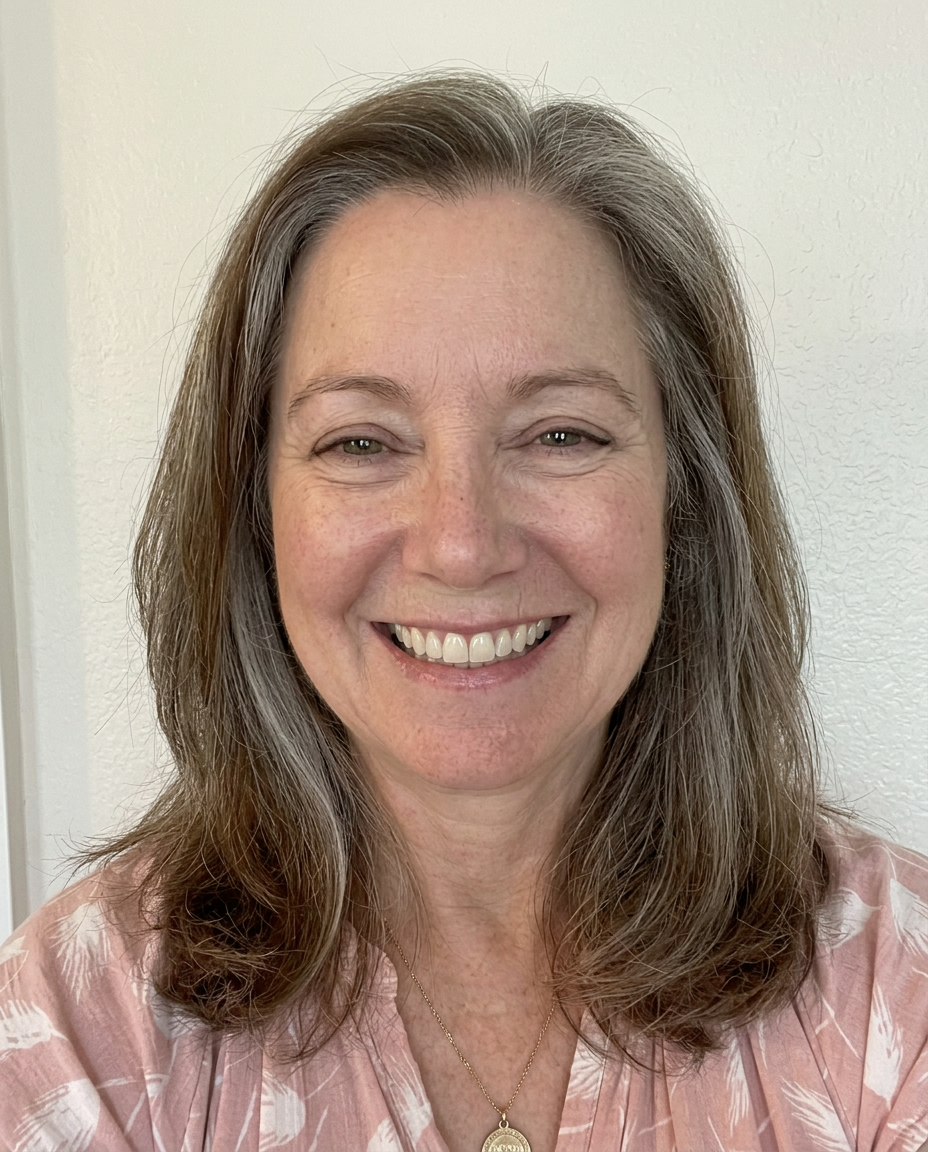
Cheryl Lee Anthony
Cheryl Lee Anthony Facebook ad: “Read this if your outside stopped matching your inside.”
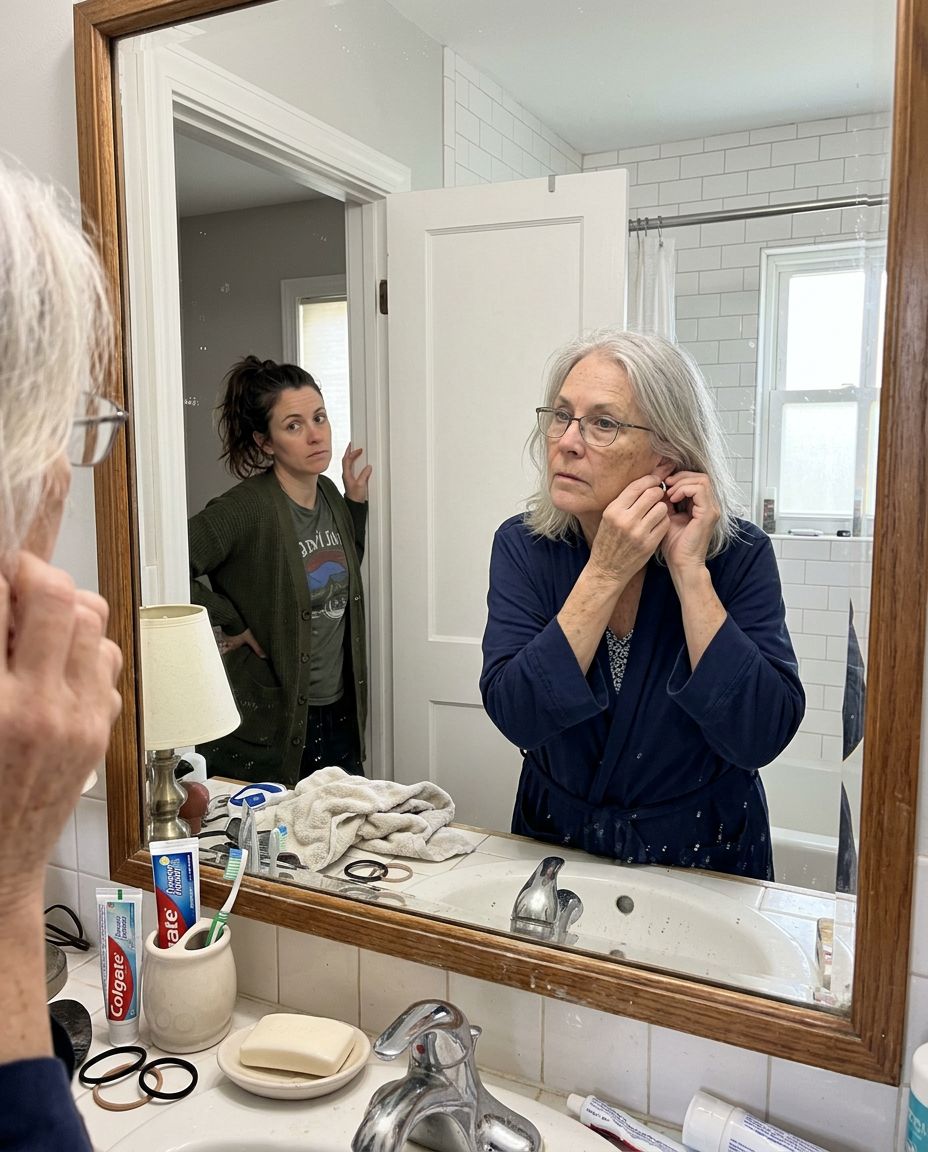
Ran for 2 days, from March 18 to March 20, 2026, the last day Crush saw it.
Run by Cheryl Lee Anthony on Facebook. Crush is not the advertiser and does not verify its claims. See this ad in Meta's Ad Library(opens in a new tab)
Want an ad like this for your product?
Crush makes new ad images for your product from this ad: your logo, your product photo, your offer.
Trials from $19.95 USD, then $79.95 USD a month. Cancel anytime.
About this ad
- Meta Ad Library ID
- 2097446841043201
- Platforms
- Facebook, Instagram, Messenger and Threads
- Relaunches
- 0
Ad text
My esthetician put down her tools mid-treatment, looked at me, and said: "What are you taking? Because whatever it is, your skin is doing something I can't explain." I'm 61. I'd spent the last four years convinced I was past the point where anything internal could make a difference. Let me back up. Eighteen months ago, I was lying in bed at 2:47 AM with my phone six inches from my face. Trying to understand why everything I was doing wasn't working. Not failing a little. Failing completely. I had a skincare routine that cost me $280 a month. Retinol. Vitamin C. A peptide serum my daughter called "the $90 water." I was doing everything right. Everything the magazines said. Everything my dermatologist recommended. And my skin kept changing in ways I couldn't stop. Not just the surface stuff. The texture. The way it had started to feel thinner. Less substantial. Like something underneath had quietly shifted. My jawline. The skin along my neck. The way the light caught my face in photos and showed me something I didn't recognize. I wasn't vain about it. That's not what kept me up at night. What kept me up was the feeling that I was doing everything right. And none of it was reaching whatever was actually wrong. The crepiness had started around 57. First on my hands. Then the inside of my arms. By 59 it had moved to my face in ways that no moisturizer could touch for more than a few hours. I tried the obvious things. More water. Better sleep. I doubled down on the retinol. I bought a NuFace device and used it faithfully for four months. The results faded the moment I stopped. Into the drawer it went. With everything else that had almost worked. I tried a collagen powder. The one that gets talked about everywhere. Mixed it every morning for three months. I want to be honest. I'm not sure it did nothing. But I'm also not sure it did anything. What nobody told me was that the type of collagen matters enormously. Most of what's sold is too large for your body to actually absorb. You could be doing everything right and still giving your cells something they can't work with. I didn't know that at 2:47 AM. I was just a 61-year-old woman who couldn't sleep. Looking for a reason why. The thing that finally cracked it open wasn't a forum post or a wellness influencer. It was my own blood work. I'd asked my GP to run a comprehensive panel. She humored me. And when the results came back, she said something offhand that I've thought about almost every day since. After menopause, you lose roughly 30% of your skin's collagen in the first five years. Not gradually. Rapidly. And your body stops producing new collagen the way it used to. Unless you give it the specific building blocks it can actually absorb. I asked her to say that again. Thirty percent. In five years. And my body had been trying to rebuild using tools that couldn't get to the job site. That's what the creams couldn't fix. They were working on the outside of a structure that was changing from the inside. Like repainting a house while the foundation shifts. I went home and spent three weeks reading everything I could find. Not the marketing language. The actual mechanism. Here's what I eventually understood. Regular collagen — the kind in most powders and pills — is a large protein. Your digestive system breaks it down into amino acids. Those amino acids go wherever your body needs protein most. Which might be your skin. Or might be your muscles. Your organs. There's no guarantee. Hydrolyzed collagen peptides are different. They're pre-broken down into smaller fragments. Small enough to survive digestion intact. Small enough to actually circulate in your bloodstream. Studies show these fragments reach the dermis. They signal your fibroblast cells — the cells responsible for producing collagen — to start working. Your skin doesn't just receive collagen. It gets the signal to make its own. That one distinction changed everything I thought I understood. I started looking for a marine collagen specifically. Marine peptides have smaller molecules than bovine. Even higher bioavailability. Even better absorption. I wanted something hydrolyzed. Third-party tested. No proprietary blends. I found Halo Labs. The dose was 2,500mg per serving. That mattered. Because the clinical studies that showed real results used doses in that range. Not the 100 or 200mg hiding in most gummies on the shelf. I want to be honest about the first four weeks. Because I think this is where most people give up. I noticed my nails first. Faster growth. Less peeling at the tips. Small. But real. And it told me something was happening. Week six, my joints. The morning stiffness I'd learned to expect got quieter. Not gone. Quieter. By week ten, my skin. Not a dramatic before-and-after. But something I noticed in the mirror on a Tuesday morning. When the light came through the window at a particular angle. A quality I can only describe as resilience. The skin along my jaw. The texture on my cheekbones. Something had come back that I'd stopped expecting to see. That's when I went back to my esthetician for my quarterly facial. She picked up her tool, started her assessment, put it down. "What are you taking?" I told her. She wrote it down. I'm not writing this because it worked perfectly. Or because I look the way I looked at 40. I don't. I'm not trying to. I'm writing this because I spent four years working on the wrong layer. Because nobody — not my dermatologist, not the brands I trusted — ever explained that after menopause, skin changes structurally. It's a collagen production problem. And it can't be solved from the outside. It has to be solved from the inside. With the right peptides. At the right dose. Consistently, over months. If you've been doing everything right and still feeling like something underneath isn't keeping up — there's a reason for it. The reason isn't you. And it isn't your age. It's that nobody told you which layer was changing. Or how to actually reach it. I wish someone had told me sooner.
Where the ad sends people
gethalolabs.com
Read this if your outside stopped matching your inside.
Gethalolabs
Shop now: gethalolabs.com(opens in a new tab)