
Active· since May 15, 2026
- 126
- days running
- 0
- relaunches
Ad copy
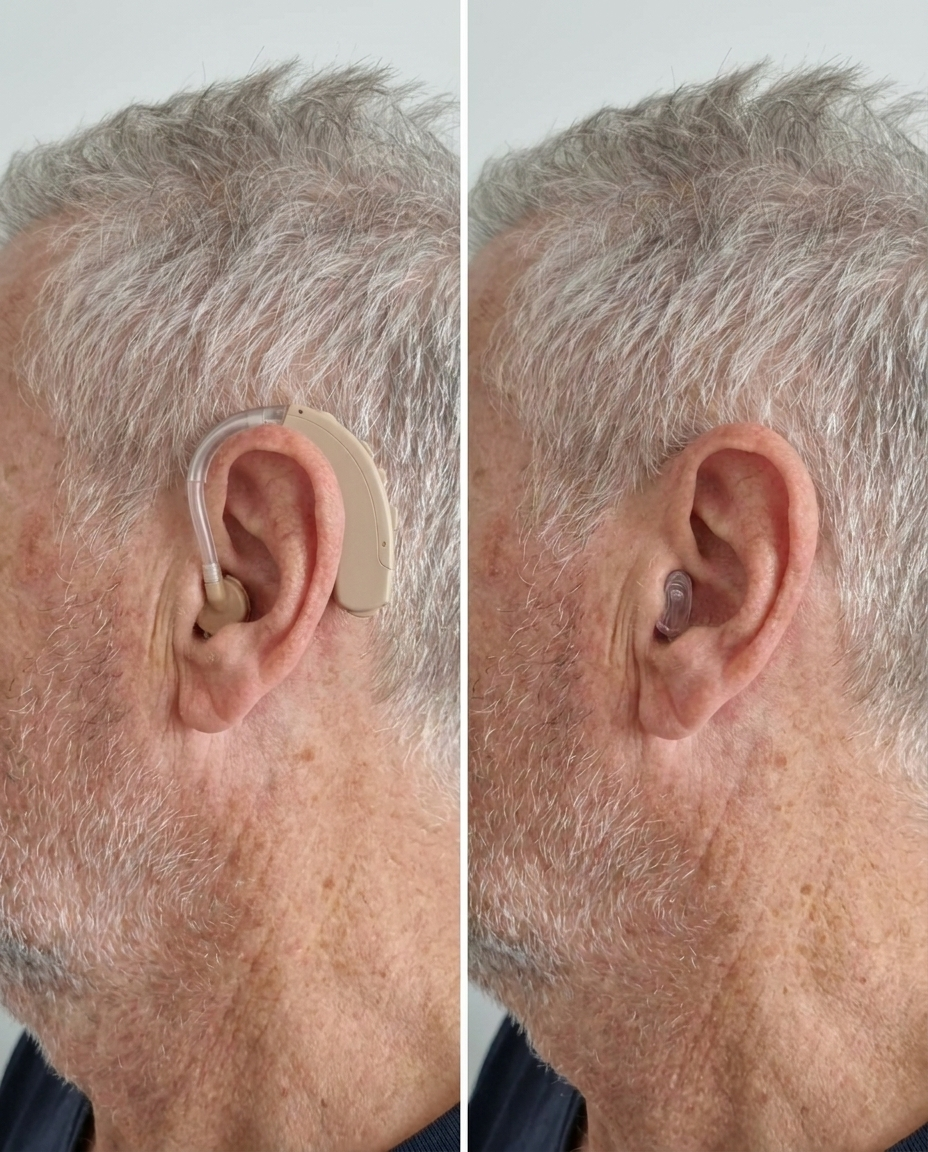
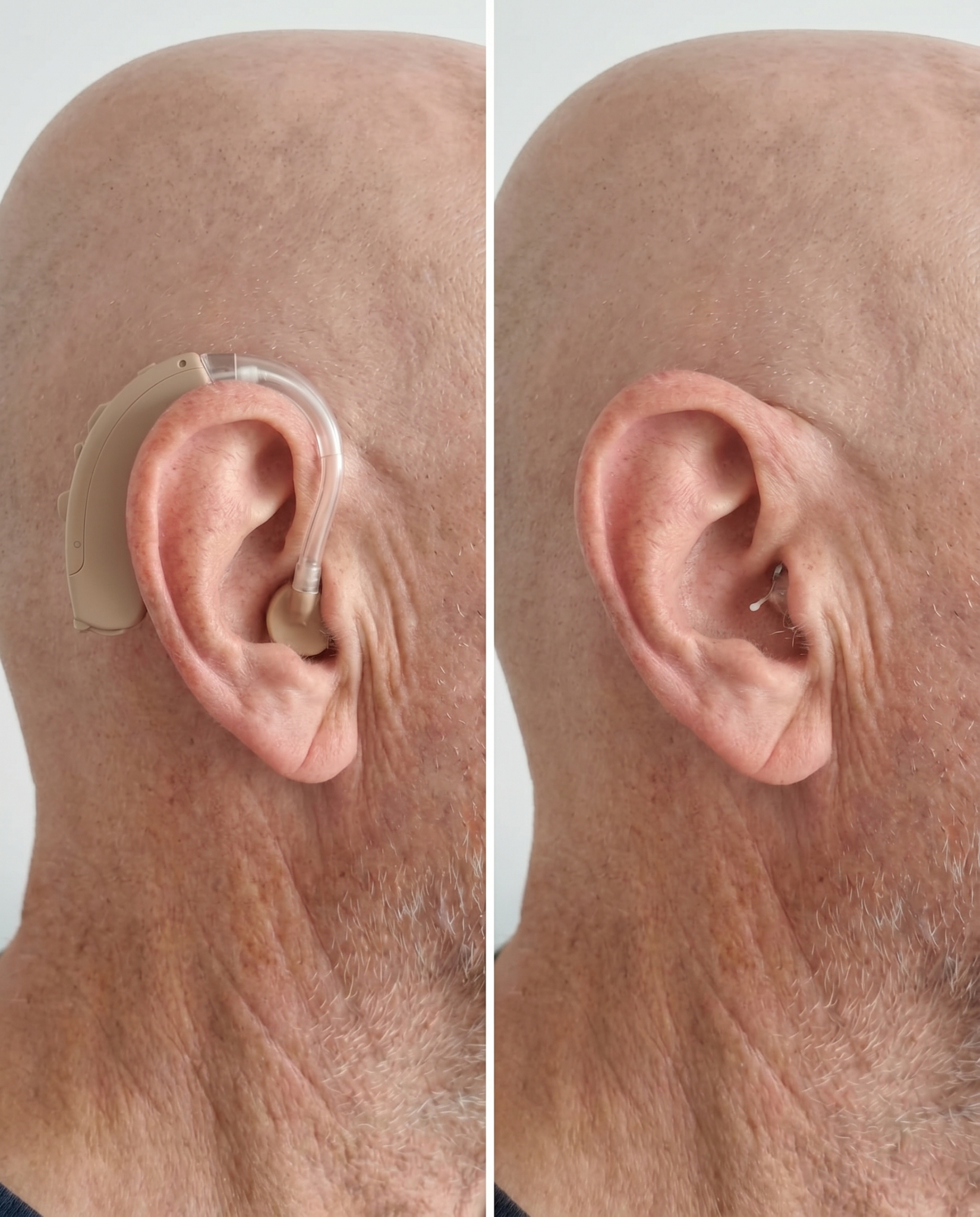
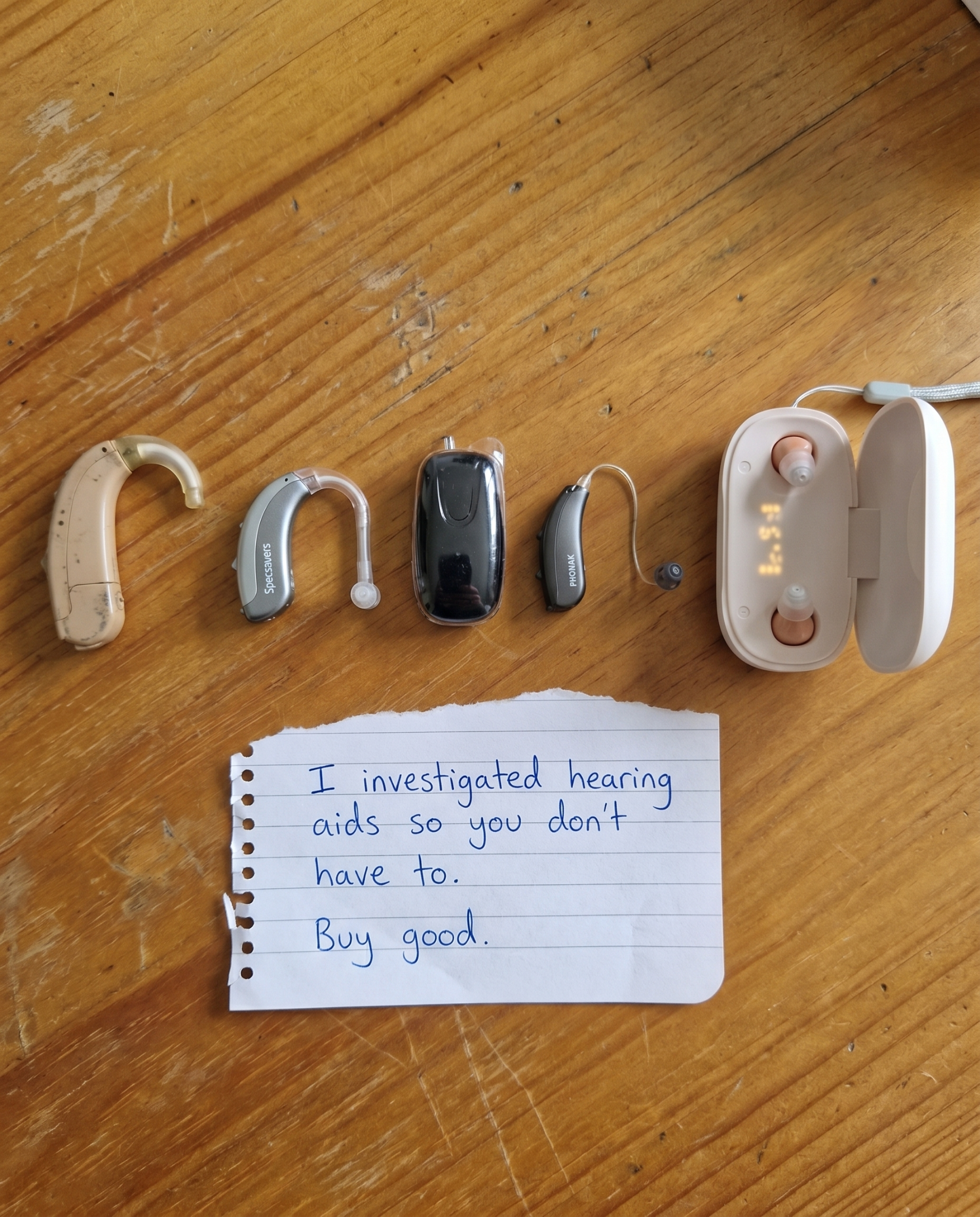
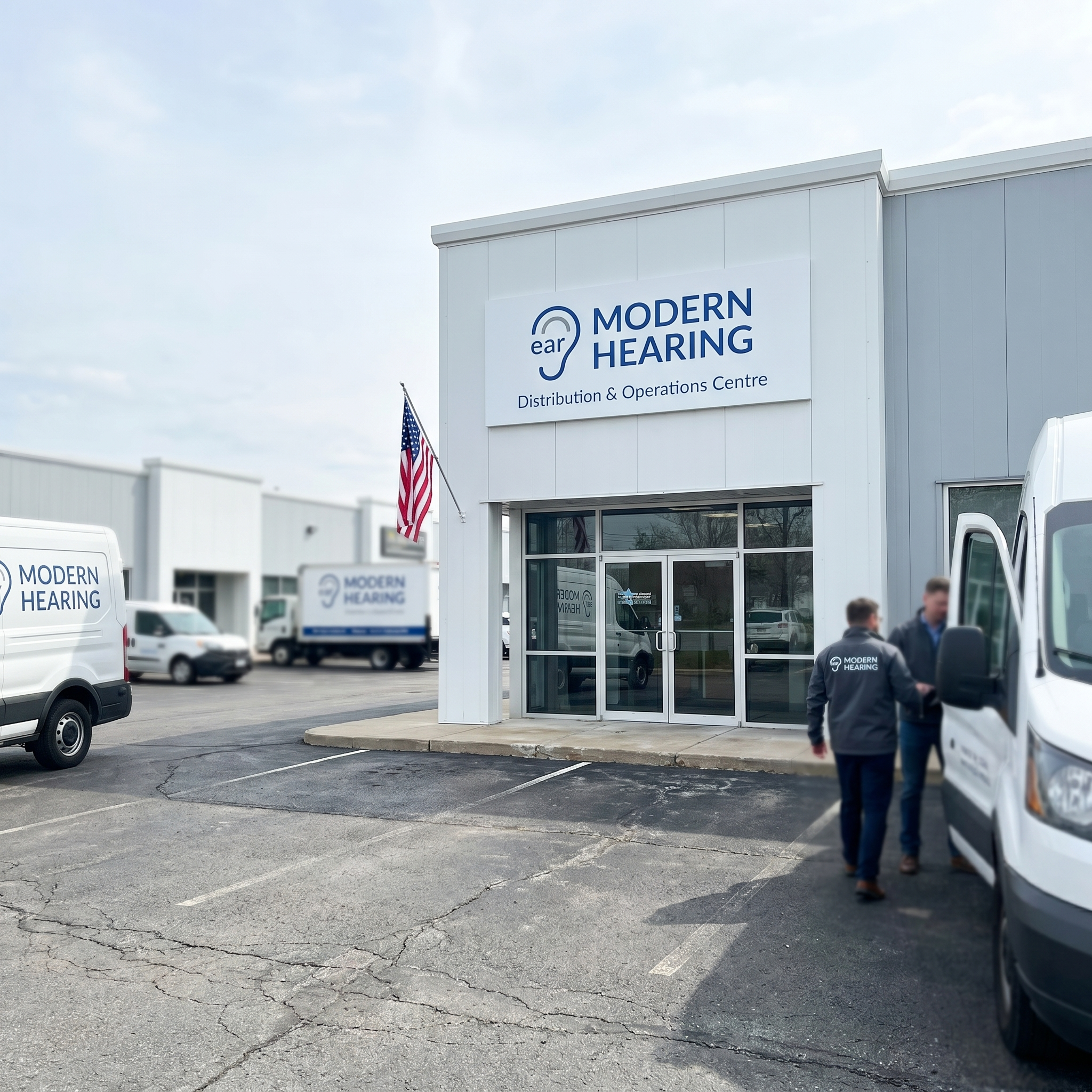
Miracle-Ear quoted me $4,995. I spent three weeks investigating every hearing aid option in America. Then I asked Modern Hearing if I could see the operation myself. They said yes. What I saw inside that warehouse changed everything. I spent three weeks investigating every hearing aid option available in the United States. I compared the technology, the pricing, the markup, and the components. I visited private clinics, tested OTC devices, mapped supply chains, and spoke to former audiologists who confirmed what the numbers were already telling me. And then I did something most people don't do. I asked Modern Hearing if I could come in and see the operation myself. They said yes. I'm Jim. 73. Retired railroad engineer from Pennsylvania. Forty-five years building infrastructure. I know what things cost to make. I know what supply chains look like when they're run honestly. And I know when a company is comfortable being looked at and when it isn't. Let me start with the investigation. Then I'll tell you what I saw inside that warehouse. The US hearing aid market offers seniors two main options. Private audiology clinics — Miracle-Ear, HearingLife, Starkey — charging $3,000 to $6,000 for a pair. The components that do the actual work inside those devices — the digital processing chip, the microphone, the receiver — cost the manufacturer approximately $100 to $150 to produce. The rest of the price is the building. The clinic lease. The audiologist on commission. The area manager. The regional director. The national advertising campaign that made you trust the name enough to book the appointment. I confirmed this with three former private audiologists during my investigation. All three confirmed the commission structure. All three said the premium range was always presented first because that's where the commission was highest. OTC devices from the drugstore or Amazon. $30 to $999. Most of the cheap ones are not hearing aids. They are amplifiers — microphones connected to speakers, making everything louder without processing any of it. If a complete device sells for $39 and the core components cost $100 to manufacture properly, the components are not inside it. I tested two Amazon devices. Both went back within a week. Then Modern Hearing at $249. A former military audiologist — twenty-six years fitting hearing aids in VA facilities and private practice — had published a comparative test of five options. Real patients. Side-by-side performance data. Every specification documented. Every price listed. No brand paid for its position. Modern Hearing. Same Knowles components as the premium clinic devices. 16-channel digital processing. Rechargeable. In-ear. FDA registered. No retail locations. No commissioned sales staff. No area manager. No advertising budget built into the price. Direct from a US warehouse. $249. I read the report. I cross-referenced the component specifications myself. The Knowles sourcing checked out. The processing architecture checked out. And I was still skeptical. Because I've seen good reports before. I've seen polished websites before. I've seen pricing that looked right on paper and products that didn't match when they arrived. I've been burned enough times by things that looked legitimate at a distance to know that distance is where the gap tends to hide. So I called Modern Hearing and asked if I could come in. I told them I was writing about the hearing aid industry. I told them I'd done the supply chain research and the price analysis. And I told them that before I recommended anything to anyone, I needed to see the operation myself. They said: come in. That is not a small thing. In my experience, companies that have something to hide don't say come in. Here is what I saw. The warehouse is in Austin, Texas. Clean. Organised. Smaller than I expected and better run than most facilities twice its size that I visited during forty-five years in infrastructure. The team is small. Every person I spoke to knew exactly what they were doing and why. The first thing they showed me was the quality assurance station. Every device that arrives from the component facility goes through a full clinical test before it enters inventory. Frequency response. Output levels. Processing performance across multiple channels. A technician sits at a workbench with a testing rig and runs each device against a documented specification. If it passes, it goes to shelving. If it doesn't, it goes to a rejected tray that gets sent back to the supplier with documentation. I stood there and watched for about forty minutes. The rejection rate that morning was around four percent. Those devices were set aside and returned. Not quietly discounted. Not shipped out with a note hoping nobody noticed. Returned. I asked the quality manager what happens if a customer receives a device that develops a fault after shipping. She walked me to the customer service station. Three people. Phones and laptops. I sat nearby for about an hour and listened to how they handled incoming calls. The calls I heard were from customers with questions about fit, about volume settings, about the adjustment period. Some were from people who'd had their devices for a few days and were finding the experience overwhelming — sounds they hadn't heard properly in years coming back all at once, the brain adjusting to a full signal after years of reduced input. Every call I heard was handled with patience and specific knowledge. Not a script. Not a call center reading from a decision tree. People who understood the product, understood the audiological process, and understood that the person on the other end of the line was 70 years old and had probably been struggling for a long time before they made the purchase. One call lasted 23 minutes. The customer had been about to send the devices back after three days because they felt overwhelming. The customer service representative explained the adjustment period, walked through the settings, and suggested the customer give it to day seven before making a decision. I wanted to follow up on that call. Modern Hearing checked. The customer kept the devices. Wrote in two weeks later to say day five had been the turning point. I asked the founder what would happen if a customer ordered Modern Hearing, wore them for 44 days, and decided they weren't right. He said: "Full refund. No questions. That's the deal." I asked what percentage of customers sent them back. He showed me the number. I'm not going to print it because it's proprietary. But I will say it was lower than I expected from a direct-to-consumer hearing aid company with no in-person fitting. Significantly lower. Then I asked the question I'd come to ask. The Knowles components. The same ones used by Miracle-Ear and HearingLife and the other private clinic brands. How does a $249 company maintain access to the same component specification as a $4,800 clinic device? He walked me through the supply model. Volume commitments to Knowles in exchange for held pricing. Long-term supply agreements that allow Modern Hearing to guarantee the component specification without cutting corners. Every morning he makes a call to the supplier. Same conversation. Same goal. Hold the price. Because every dollar above $249 is a dollar that prices out the person who walked away from a clinic once already. I went home and ordered a pair that evening. Not because the warehouse visit converted a skeptic. The investigation had already done that. I ordered them because after three weeks of looking at this industry from the outside and one day looking at it from the inside, I had no remaining reason not to. Five days. FDA registered packaging. Charging case. Six ear tip sizes. Put them in at the kitchen table. Carol was in the other room. "Any good?" she called. Heard every word. Not louder. Clearer. The Knowles chip separating her voice from the background noise of the house. Same chip. Same processing. $4,746 less than the Miracle-Ear quote. Three months now. No returns. No issues. One email to customer service about a volume setting question. Answered within two hours. Correctly. By a person who clearly knew what they were talking about. Here is what three weeks of investigation and one warehouse visit concluded. The American hearing aid market charges seniors thousands of dollars for technology that costs a fraction of that to produce. There is no law that stops them. There is no regulator watching the invoices. The only thing standing between a pensioner and a $4,800 quote is the information to know there is another option. Modern Hearing is that option. Same Knowles components. Same 16-channel digital processing. FDA registered. $249. Shipped from Austin, Texas to your door by a team that actually picks up the phone when you call. The audiologist's report that first led me to Modern Hearing is here: healthylivingdigest.news/pages/healthy-living-digest-we-tested-the-actual-cost-of-5-top-hearing-aids-us Twenty-six years in audiology. Five options tested. Every price listed. No brand paid for it. And if you want to go straight to Modern Hearing: trymodernhearing.com/products/modern-hearing-comfort $249. 45-day trial. Send them back if they're not right. Jim Henderson, 73 Retired Railroad Engineer Pennsylvania Three weeks investigating the industry. One day inside the warehouse. Same conclusion. P.S. I asked the founder before I left if he ever worried that the big clinic brands would find a way to push back against what Modern Hearing is doing. He said: "They can push back all they want. The chip costs $100 to make. We sell the device for $249. Those are the numbers. Nobody can argue with the numbers." He was right. Nobody can.
Like this ad? Make it yours.
Crush rebuilds this exact creative around your product — your brand, your colors, your offer — in about a minute.