Eczema Mom
Eczema Mom Facebook ad: “The honey-based cream with National Eczema Association…”

Ran for 6 days, from February 14 to February 19, 2026, the last day Crush saw it.
Run by Eczema Mom on Facebook. Crush is not the advertiser and does not verify its claims. See this ad in Meta's Ad Library(opens in a new tab)
Want an ad like this for your product?
Crush makes new ad images for your product from this ad: your logo, your product photo, your offer.
Trials from $19.95 USD, then $79.95 USD a month. Cancel anytime.
About this ad
- Meta Ad Library ID
- 2100778854009125
- Platforms
- Facebook, Instagram, Audience Network, Messenger and Threads
- Relaunches
- 0
- Niche
- Parenting & Kids
Ad text
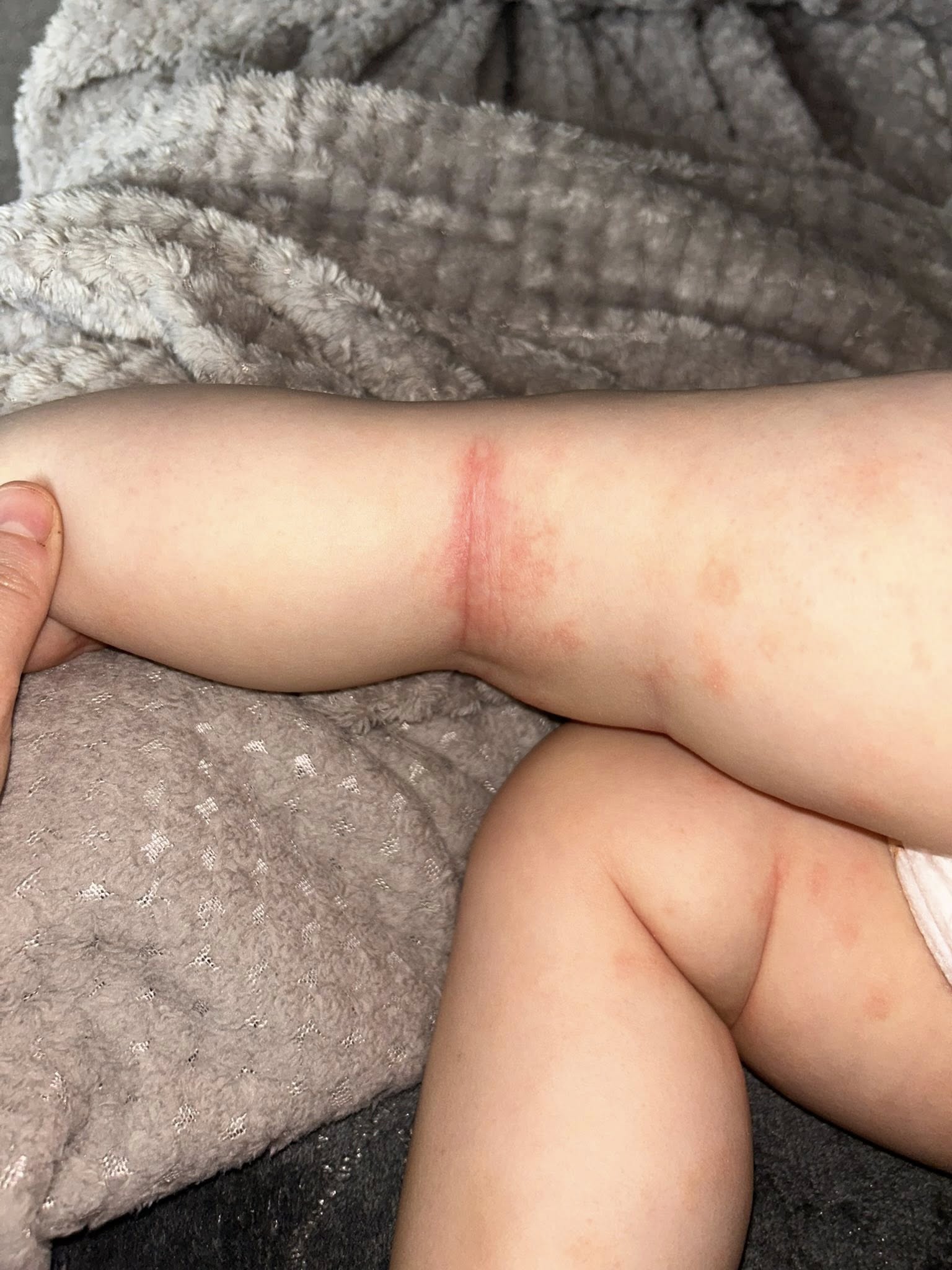
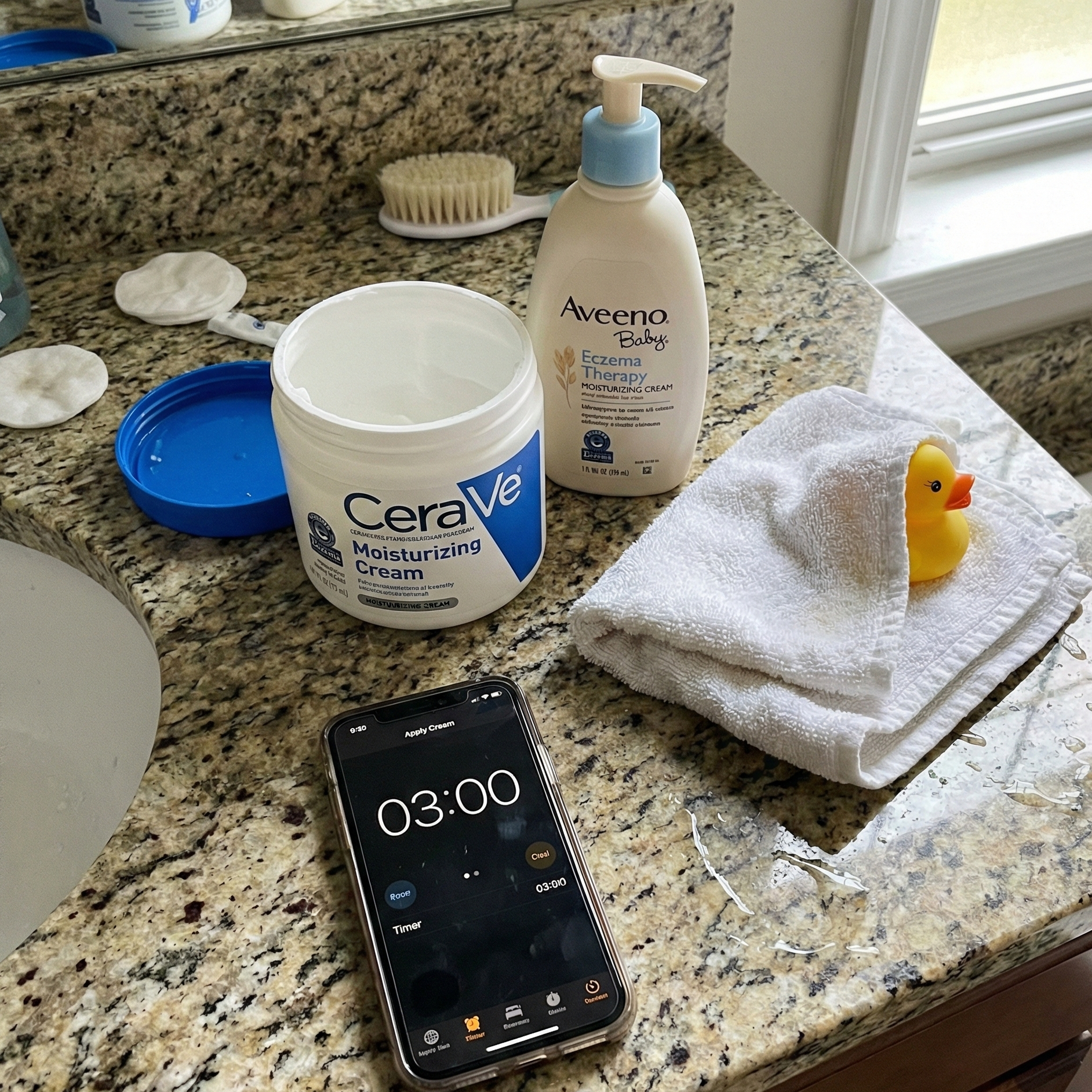
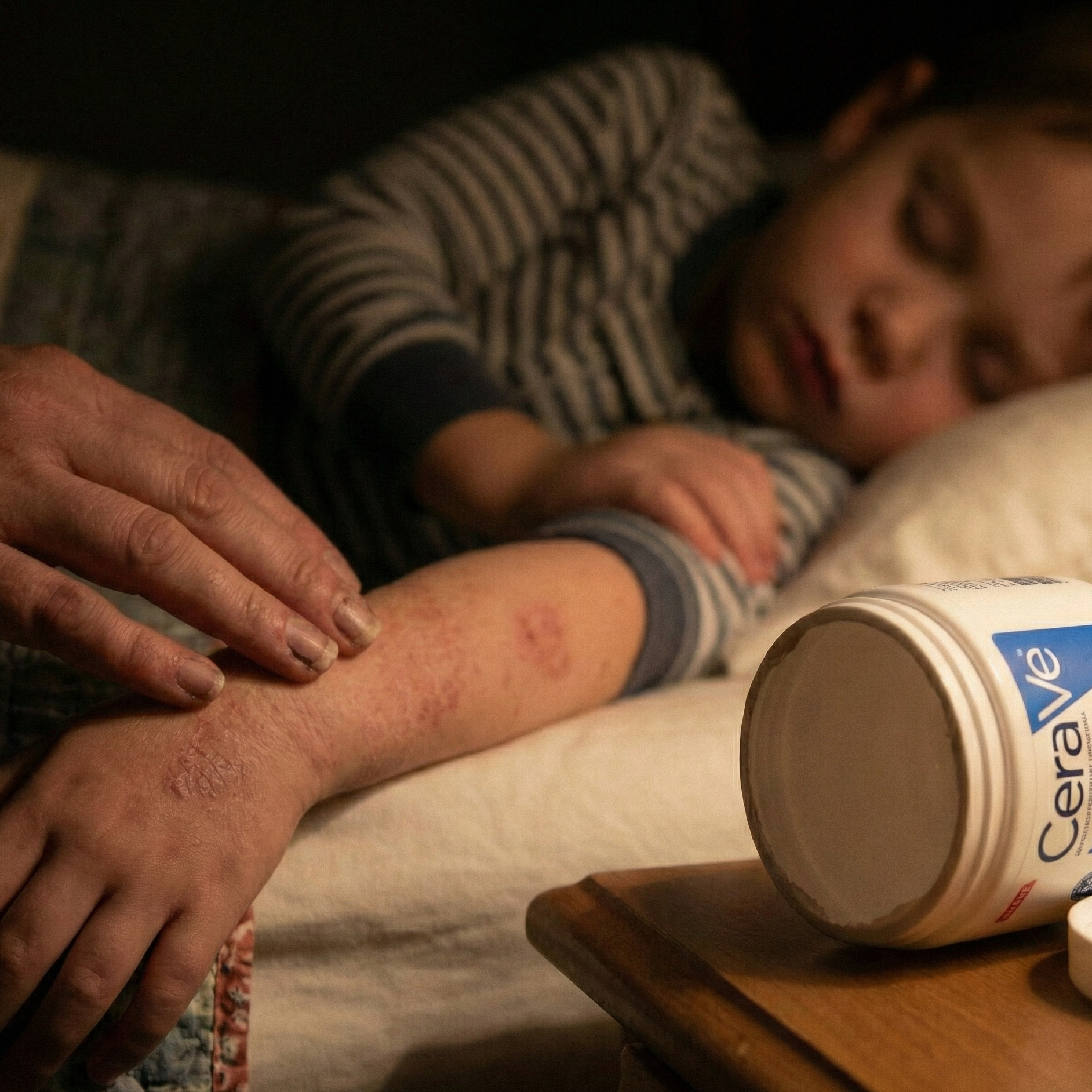
I tried CeraVe first. The pediatrician recommended it. "It's what we use for all our eczema babies," she said. National Eczema Association seal. Dermatologist-tested. The whole nine yards. I applied it three times that first day. My son's cheeks looked better. Smoother. Less red. For about forty-five minutes. Then he started scratching again. Same intensity. Same desperate clawing at his face that made my stomach drop every time I saw it. Okay. Maybe CeraVe wasn't thick enough. I switched to Aquaphor. The big tub. The one every mom in my Facebook group swore by. "It's like Vaseline but better," they said. "Locks in moisture." It worked. For maybe thirty minutes. Then his little hands were back at his face, scratching until his skin turned bright red. By week three, I'd tried Aveeno Eczema Therapy, Eucerin, Cetaphil, Tubby Todd All Over Ointment, and two different prescription creams from the dermatologist. Every single one followed the same pattern. Apply cream. Baby calms down. Skin looks better. Twenty to forty-five minutes later: scratching starts again. I thought I was doing something wrong. Maybe I wasn't applying enough. Maybe I needed to reapply more frequently. Maybe I needed an even thicker formula. So I started applying cream every hour. Then every forty-five minutes. I carried sample sizes in my purse, my diaper bag, my car. I set timers on my phone. Nothing changed. He still scratched. I still felt helpless. And I hadn't slept more than three hours straight in two months because the nighttime scratching was even worse. Maybe you're in this exact place right now. Reapplying cream four, five, six times a day. Watching your baby calm down temporarily, then start scratching again like clockwork. Googling "why does eczema cream stop working" at 2 AM while your baby screams and claws at their skin. Wondering if you're just not finding the right product, or if you need to apply more, or if maybe your baby's case is just too severe for over-the-counter solutions. I know that exhaustion. That guilt. That crushing feeling when you're doing everything the doctors recommend and your baby is still suffering. It's not you. And it's not that you haven't found the "right" cream yet. But it is the creams. Let me explain what I discovered that finally changed everything. I was talking to another mom in an eczema support group. Her daughter had severe eczema. The kind with weeping, crusted patches that looked painful just to see. She'd been through the same cycle I had. Every cream worked temporarily, then stopped. Then she mentioned something her dermatologist told her that mine had never said. "The bacteria build shields." I thought she was talking about some metaphor. But she sent me a medical research article about Staphylococcus aureus. The bacteria that colonizes eczema skin. And that's when everything clicked. Here's what's actually happening on your baby's skin that no one tells you about. When eczema creates those dry, cracked patches, bacteria move in. Specifically, Staphylococcus aureus. About 90% of eczema patches are colonized by this bacteria. That part, some pediatricians mention. What they don't tell you is what happens next. Within 24 to 48 hours of colonizing your baby's skin, these bacteria don't just sit there exposed. They start building protective structures called biofilms. Think of it like a microscopic fortress made of sticky polysaccharides, proteins, and DNA. A slime shield that bacteria hide inside. This biofilm is incredibly resilient. It protects the bacteria from your baby's immune system. From topical treatments. From everything you're putting on the skin. Here's the mechanism that explained everything I'd been experiencing: When you apply CeraVe, Aquaphor, Aveeno, Tubby Todd... any standard moisturizer... it sits on top of the skin. On top of the biofilm layer. For twenty to forty-five minutes, the surface looks better. Feels smoother. Your baby seems calmer because that surface moisture creates a temporary barrier. But underneath that surface layer? The bacteria are still there. Still safely protected inside their biofilm fortress. Still multiplying. And here's the critical part: still releasing something called Delta-toxin into the surrounding tissue. Delta-toxin triggers your baby's mast cells. Those cells release histamine and cytokines. And that sends the itch signal firing again. Within thirty to sixty minutes, the toxin concentration builds back up. The itch returns. The scratching starts. The cream didn't "wear off." It never reached the bacteria in the first place. That's why you can reapply six times a day and get the exact same result every single time. That's why thicker creams don't work better than thinner ones. That's why even prescription-strength moisturizers follow the same thirty-minute pattern. That's why Tubby Todd, despite being a "clean" brand that all the mom groups recommend, follows the exact same cycle as CeraVe and Aquaphor. You're not fighting dry skin. You're fighting a protected bacterial fortress with products designed only to hydrate the surface. I realized I'd been solving the wrong problem for three months. I thought the issue was moisture. Finding the right level of thickness. The right combination of ingredients to "lock it in." But the actual problem was that I needed something that could get through the biofilm. Something that could reach the bacteria underneath. Standard moisturizers can't do that. They're not built to penetrate bacterial shields. They're built to sit on skin and provide a moisture barrier. Which is why they all fail the same way. I started researching what actually disrupts biofilms. Most of what I found was about antibiotics. But I'd already seen what happened when we tried prescription antibiotic creams. They burned on his broken skin so badly that he screamed when I applied them. And the dermatologist had warned me about antibiotic resistance if we used them long-term. Then I came across research on medical-grade honey. Not the honey you buy at the grocery store. Manuka honey, specifically, which contains something called Methylglyoxal. MGO for short. MGO is one of the few natural compounds small enough to penetrate biofilm matrix. The studies showed that MGO can slip through those bacterial shields, disrupt the bacterial communication that holds the biofilm together, and create an acidic environment that dissolves the biofilm structure itself. It exposes the bacteria. Makes them vulnerable to your baby's immune system and to the natural antimicrobial properties in the honey. I was skeptical. I'd tried "natural" remedies before. Coconut oil helped moisturize but didn't stop the itch. Oatmeal baths provided maybe twenty minutes of relief. But the research was from actual medical journals. Studies on MRSA biofilms. Studies specifically on Staph aureus. The exact bacteria colonizing eczema skin. That's when I found WildRoot Eczema Honey-Soothing Cream. It wasn't just manuka honey. It combined medical-grade manuka honey with colloidal oatmeal and beeswax. But here's what made it different from every other "natural" product I'd tried: The formulation was anhydrous. No water base. That matters because here's another thing I learned: water-based lotions need preservatives. Phenoxyethanol. Parabens. Alcohols. On healthy skin, those are fine. But on eczema skin with all those micro-cracks and exposed nerve endings? Those preservatives penetrate directly to the nerve tissue. That's what causes the stinging and burning that makes babies scream when you apply lotion. That's why my son would fight me every time I tried to put cream on his face. An anhydrous formula doesn't need those preservatives. No water means bacteria can't grow in the product itself. No preservatives needed. No sting. The beeswax creates what the research called "breathable occlusion." It's not like petroleum jelly that creates a solid seal and traps heat. It forms a lattice structure that holds moisture in but lets heat and air exchange. That matters because heat makes eczema itch worse. Petroleum-based products can actually increase itching because they trap heat against the skin. And the colloidal oatmeal? It contains avenanthramides. Compounds that block the inflammatory pathway at the cellular level. They work on the nerves themselves to quiet the itch signal. It was a completely different mechanism than anything I'd tried. Not just another moisturizer. Not just a thicker formula. Something that actually addressed what was causing the itch to come back every thirty minutes. I ordered it with zero expectations. I'd been burned too many times by products that promised to be "different." It arrived on a Thursday. I applied it to my son's cheeks that night before bed. Warmed it between my palms first like the instructions said. He didn't scream. That was the first thing I noticed. No crying. No pulling away. He just let me apply it. Second thing I noticed: forty-five minutes later, he was still calm. I kept checking. One hour. Still no scratching. Two hours. I put him down for bed, waiting for the scratching to start. He slept for four hours straight. Four hours. I hadn't seen him sleep longer than ninety minutes without waking up scratching in over two months. I thought it was a fluke. But the next night, same thing. Applied the cream. No screaming. He slept. By day three, the raw patches on his cheeks that had been constantly weeping and re-opening? They were starting to heal. Actually heal, not just look temporarily smoother. By week two, his skin looked better than it had in six months. But here's what really convinced me this was different: I didn't have to reapply every hour. I applied it twice a day. Morning and night. That's it. Because the itch actually stopped. Not for thirty minutes. Not for an hour. It stopped. And when itch stopped, the scratching stopped. When the scratching stopped, the skin could finally heal instead of constantly being torn open again. That itch-scratch-damage cycle that had been running on repeat for months finally broke. I could breathe again. I wasn't constantly watching him, waiting for the scratching to start. I wasn't carrying cream everywhere and setting timers. I wasn't Googling at 2 AM in desperation. I was sleeping. He was sleeping. That crushing guilt... the feeling that I couldn't stop my baby's suffering no matter what I did... finally lifted. Because he wasn't suffering anymore You can get WildRoot right now. What you get: Medical-grade manuka honey with biofilm-disrupting MGO, colloidal oatmeal with anti-inflammatory avenanthramides, and breathable beeswax barrier in an anhydrous formula that won't sting broken skin. 60-day money-back guarantee. If your baby's scratching doesn't decrease within two weeks, full refund. If the itch keeps coming back every thirty minutes like it does with CeraVe, Aquaphor, and Tubby Todd, full refund. If it stings on broken skin, full refund. They even cover return shipping. Why? Because if medical-grade honey penetrates biofilms the way the research shows it does, your baby's scratching will decrease. The thirty-minute cycle will break. And if it doesn't work, you shouldn't pay. You can keep trying different moisturizers. Keep reapplying every hour, hoping the next one will be different. Keep watching your baby suffer through that same thirty-minute cycle. Keep losing sleep while the bacteria stay protected in their biofilm fortress. But now you know why those creams keep failing. They can't reach the bacteria. They can't disrupt the biofilm. They can't stop the source of the itch. They're designed to moisturize the surface. That's all they'll ever do. Or you can try the one thing that addresses what's actually causing the itch to come back. Biofilm disruption. No preservatives to sting. Breathable barrier that doesn't trap heat. $24.95. Sixty-day guarantee. If the scratching doesn't stop, you don't pay. The moment when your baby finally stops scratching... when you can finally breathe again... is worth trying. Here's the link. https://wildrootco.shop/products/wildroot-eczema-honey-soothing-cream P.S. - The sixty-day guarantee means zero risk. Apply it for two weeks. Watch the pattern. If your baby still follows that same thirty-minute scratch cycle, if the itch keeps coming back like it does with every other cream, get every penny back. But if the research on MGO and biofilm disruption is right (and it is), you'll see what I saw. The scratching decreases. The cycle breaks. You both finally sleep. And that moment when you realize your baby isn't suffering anymore? That's everything.
Where the ad sends people
wildrootco.shop
The honey-based cream with National Eczema Association approval
After trying CeraVe, Aquaphor layering, Tubby Todd, and DIY beeswax salves - this is what finally worked. Honey-based. National Eczema Association Seal of Acceptance. Professional formulation of the ingredients that almost worked. 60-day guarantee.
Learn more: wildrootco.shop(opens in a new tab)