Susan Parker
 Facebook ad: “Sleep connected to the Earth, all night”

Ran for 17 days, from October 11 to October 28, 2026, the last day Crush saw it.
Run by Susan Parker on Facebook. Crush is not the advertiser and does not verify its claims. See this ad in Meta's Ad Library(opens in a new tab)
Make your own version of this ad
Crush makes it, launches it in your own Meta ad account, scales the winners and pauses the losers.
About this ad
- Meta Ad Library ID
- 2106677333322649
- Platforms
- Relaunches
- 0
- EU reach
- 8,250
Ad text
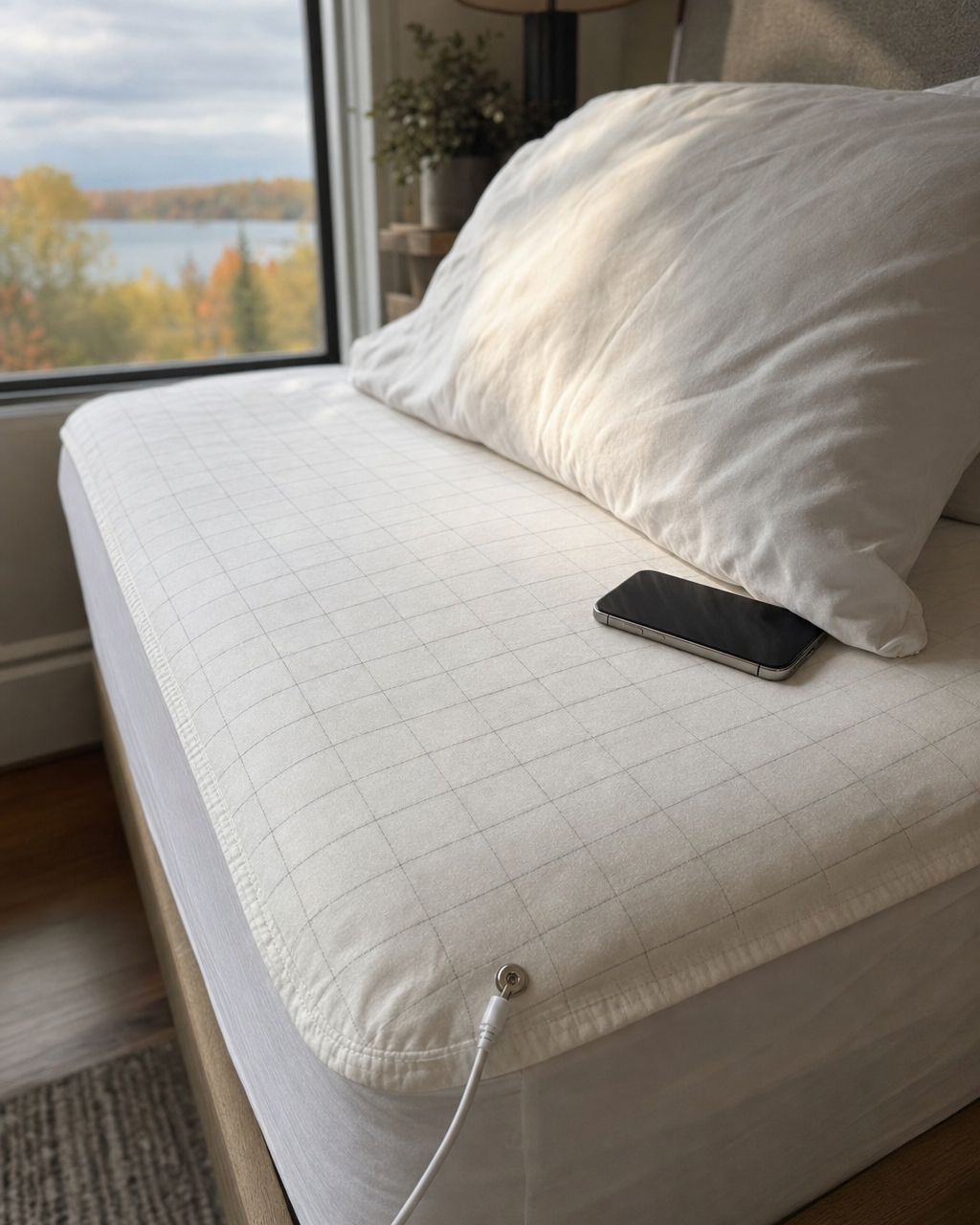
I found a wallet in a shopping trolley at SuperValu last Tuesday. Brown leather. A little worn at the edges. Slipped under one of the reusable bags someone had forgotten behind. I almost didn’t see it. I was carrying my basket back to the trolley bay, because that’s the way I am — I’m the person who puts it back where it belongs instead of leaving it in the middle of the car park as if nothing had happened. My husband teases me about it. He says I’m the last honest person in Ireland. I tell him somebody has to be. The wallet was light. No credit cards. No debit cards. Just a driver’s licence and €380 in cash. A bundle of notes, folded tight, held together with an elastic. The kind of money someone had counted carefully before leaving home. The driver’s licence showed the face of a woman. Small. White hair. Born in 1947. The photo was a little old — she looked younger than her birth date suggested. The address was a country road in an area I had heard of, but had never been to. I looked her up on my mobile. Thirty-one minutes away. I stood there, in the SuperValu car park, with this woman’s wallet, having a conversation with myself that I’m not especially proud of. Thirty-one minutes is a long time. I could have handed it in to customer service. They would probably call her. She would probably come back to get it. Probably. But €380 in cash, with no cards, means this woman maybe doesn’t have a bank account. Or she doesn’t trust them. Or she can’t get one. And if she comes back to SuperValu to look for her wallet and it’s gone — even if it’s behind the customer service counter — she’ll go all the way home believing she’ll never get her money back. I know how that feels. Not the money part — the part where you lose something and the uncertainty gnaws at you inside. Those hours between the loss and the moment you find out whether everything is okay. I wouldn’t want anyone to put me through that if they could avoid it. And besides, I had nothing else to do. It was Tuesday. My day off. I had gone to SuperValu to buy laundry detergent and bin bags. Not exactly a packed schedule. I got in the car and went. The GPS had me leave the motorway after about twenty minutes and sent me onto a two-lane road that got narrower the farther I drove. I passed a little shop. A church with a gravel car park. A farm shop closed for the season. The house was small. White. Set back from the road, with a wire fence and a clean but tired garden — the kind of garden someone once took great care of, and was still trying to maintain without quite managing. There was a flower bed out front with stakes in it, but nothing was growing there. A birdbath with no water. A van in the driveway that hadn’t moved in a while — you could tell from the leaves gathered around the tyres, which no one had swept away. I sat in my car for one minute. I looked at the house. I looked at the wallet. If I had known what was waiting for me on the other side of that door — not just a woman, but a story that would change my life — I would have stayed sitting there a little longer. I would have taken a deep breath. I would have prepared myself. But I knew none of that. So I just walked up and knocked. It took a moment. I heard movement inside — slow, careful steps. The sound of a chain being removed. The door opened about four inches, and a face appeared in the crack. Small. White hair, just like on the licence. But older now. Thinner. Lively, but tired eyes. “ Yes? ” “ Madam, my name is Susan. I found this in a trolley at SuperValu. ” I held up the wallet. “ I think it’s yours. ” She looked at it. Looked at me. Looked at the wallet again. She opened the door all the way. Her hands shook as she took it. She opened it right away — she didn’t check the licence or anything else — she went straight to the money. She counted it. Every note. It was all there. Then she pressed the wallet to her chest with both hands and closed her eyes. “ Dear God, thank you. ” “ Is everything there? ” “ Down to the last euro. ” Her voice broke on the second word. “ Down to the last euro. ” She looked up at me. Her eyes were full of tears. “ It’s for my husband’s headstone. He’s been buried without a name for eight months. I’ve been paying for it bit by bit, €40, €60 at a time. Cash. Every month I go to the stonemason and give him what I can. This was the last payment. €380. I took it from my jar this morning, put it in my wallet, and went to SuperValu to buy a few things before making the final payment. ” Her voice grew stronger, then broke again. “ His grave hasn’t had a name for eight months. Every time I go to see him, I stand in front of a patch of grass that could belong to anyone. There is no name. No dates. Nothing that says he was here. That he existed. That he mattered. ” “ This money was going to fix that. Today. And then I came home and the wallet was gone, and I thought… I thought he was going to remain invisible. ” She tried to hand me a note. “ No, Madam. I don’t want your money. ” “ Please. You came all this way. ” “ I’ll tell you what. If you have coffee, I’d be happy to take a cup. The drive back is long. ” She smiled. For the first time. And that smile changed her whole face — you could see the woman she had been. A warm person. Someone who welcomed people. Someone whose house had once been full. “ I have coffee. Come in. ” Her name was Mary. She was 78 years old. The kitchen was small and clean, the particular cleanliness a kitchen has when only one person uses it. One cup in the drying rack. One plate. One set of cutlery. The table had two chairs, but you could tell right away that only one had been used recently — the other held a stack of post. Envelopes. Medical bills. A lot of them. She made coffee in a percolator on the cooker. Not a pod machine. Not a drip coffee maker. A percolator. The kind that takes ten minutes and fills the whole house with its smell. While it heated, she talked. She didn’t start with the sad part. She started with the happy part. That’s how you recognise someone who has truly loved — you don’t start with the loss. You start with what came before. “ Declan was a plumber. Forty-one years. The kind of plumber you called at two in the morning, on Christmas Eve, when a pipe burst, because you knew he would come. And he always came. No matter the time. No matter the day. He put on his boots and went. ” She poured the coffee. Put the cup in front of me. Sat down on the other side of the table. “ He was strong. That was what always struck me about him — even when we were young. He had hands… ” She lifted her own, small and thin. “ His hands were twice the size of mine. He held a pipe wrench like it weighed nothing. He could carry a hot water cylinder up a flight of stairs by himself. That man could fix anything. ” She said “fix” the way you say a word that means more than the word itself. “ We were married for 52 years. Fifty-two. People say it as if it’s just a number. It is not a number. It is every Tuesday morning, for 52 years, when he made coffee before I woke up. Every time. It is a man who put winter tyres on my car every November without me having to ask. It is someone who knew how I take my coffee and never forgot. Two sugars. A little cream. Every time. ” She looked at the chair in front of her. The one with the post. “ That was his chair. ” I said nothing. You don’t say anything in a moment like that. You just let the person be there. “ His doctor prescribed Lipitor when he was 61. His cholesterol was high — 258, I remember the number because Declan had written it on the back of a business card and stuck it to the fridge. He did that with everything. Numbers. Appointments. Reminders. The fridge was covered in his handwriting. ” She smiled again, but this time it was the kind of smile that hurts. “ The doctor told him to take this pill every night and come back in three months. Declan took it every night. He was like that — when a doctor told him to do something, he did it. He didn’t question. He trusted the system. He trusted the man in the white coat. ” “ Three months later, his cholesterol had gone down. The doctor was pleased. Declan was pleased. So was I. We thought we had solved the problem. ” She wrapped both hands around her cup. “ He took it for 14 years. Not a single dose missed. Every time he had blood tests, the doctor smiled and repeated the same sentence: ‘Your numbers are excellent, Declan. Keep doing what you’re doing.’ ” “ And for 14 years, Declan kept doing what he was doing. He took the pill. He went to his appointments. He got his little pat on the shoulder. ” She put the cup down. “ But he was not well. And I saw it coming so slowly that I didn’t understand what I was seeing until it was too late. ” “ The first thing was his energy. Declan was a man who got up at five in the morning. Up before the sun. Coffee ready. Boots on. Out the door. For 41 years he was like that. Around the third year on this medication, I was the one making the coffee. He stayed in bed until six. Then six-thirty. Some mornings I was dressed and ready, and he was still under the blankets. He wasn’t sleeping. He just wasn’t getting up. ” “ I told myself he was getting older. That was what I told myself. He was 64. He was 65. Men slow down. ” “ Then his hands. ” She looked down at her own when she said it. “ Declan could hold a pipe wrench for eight hours. He could solder a joint in a place so tight you couldn’t even get your head in. His hands were his whole career. His whole identity. ” “ Around the fifth year, he started dropping his tools. Wrenches slipped out of his grip. He’d be under a sink, and you’d hear the metallic sound of something hitting the floor, followed by a word my mother would have forbidden him to say. ” “ He came home with his hands closed. Not clenched fists of anger — locked fists. His fingers would seize up, and he couldn’t open them. He held them under hot water in the kitchen sink, right here, right where I’m sitting, and opened them one finger at a time. I watched him from the doorway, and he said to me: ‘Don’t worry, Mary. It’s just stiffness.’ ” “ ‘Just stiffness.’ He said that for three years. ” “ By the eighth year, he had gone from four jobs a day to two. He told me work had slowed down. Work had not slowed down. His hands were slower. His legs were slower. Everything was slower. The man who installed hot water cylinders on staircases could no longer climb the steps to our porch without holding the railing with both hands. ” “ I asked him to talk to the doctor. He did. Do you know what the doctor said to him? ” I knew. But I let her say it. “ ‘Your numbers are excellent, Declan. Keep doing what you’re doing.’ ” She said it as if she had played it over and over in her head a thousand times. As if it was the sentence she could not forgive. “ Declan’s numbers were EXCELLENT. Declan had trouble getting out of bed. Declan’s hands — the hands that fixed everything, that held mine every night for 52 years, that could solder a copper joint in a space the size of a shoebox — those hands could no longer open a jar of peanut butter. But his NUMBERS were excellent. ” “ The mental fog came around the ninth or tenth year. He would tell me something, then stop in the middle of a sentence. Just like that. Nothing more. He would look at me as if he were trying to remember not just the word, but the entire thought. As if someone had pulled the plug for a moment, and he had to start again. ” “ One evening he looked at me at the table and said: ‘Mary, what did I do today?’ It was 6 p.m. He had worked all day. He remembered nothing. ” “ I strongly urged him to talk to the doctor again. He did. The doctor ordered tests. ” “ ‘Excellent results, Declan. Some cognitive changes are normal at your age.’ ” “ Normal for his age. He was 71. My sister is 74, and she does crosswords every morning in pen. At 71, you don’t lose your mind like that. Not unless something is taking it from you. ” She was quiet for a moment. She drank her coffee. Set it down carefully. “ His last year was hard. He stopped taking plumbing jobs completely. He told people he was retired. He wasn’t retired — he was exhausted. He sat in that chair — ” she pointed to the chair covered in post “ — and looked out the window. Sometimes he talked about fixing the back fence. Or replacing the bathroom tap. Things he would have done in an hour, ten years earlier. He talked about them like expeditions. As if they required planning and courage just to attempt. ” “ I said to him: ‘Declan, let me call someone.’ And he answered: ‘I’ll take care of it, Mary. Just give me a day or two.’ ” “ He never took care of it. Not the fence. Not the tap. Not anything else. ” “ The plumber who could fix everything couldn’t fix anything anymore. Not even himself. ” She looked out the window. The window Declan used to look out of. “ February 12. A Tuesday. I was at the shop. Gone maybe 45 minutes. When I came back, the front door was open. Not wide open — ajar. As if he had gone out to get the post and couldn’t make it back in. ” “ He was lying in the hallway. On the floor. Face down. His hand was resting on the wall — as if he had tried to hold on, but couldn’t. ” “ I called 999. I already knew. When you have lived 52 years with a man, you know. But you call anyway because that is what you do. You call. You wait. You hope you are wrong. ” “ I was not wrong. ” “ Massive heart attack. They explained all of it to me at the hospital. I asked how it was possible when his cholesterol had been controlled for 14 years. Do you know what they said to me? ” “ They said: ‘Cholesterol control reduces risk. It does not eliminate it.’ ” “ Reduces risk. Fourteen years. Thousands of euros. A body that broke down. A brain that went dark. Hands that could no longer hold tools. And it REDUCED RISK. ” “ It eliminated nothing, except my husband. ” Mary looked at me across her kitchen table. A woman I had known for twenty minutes. A stranger I had driven thirty-one minutes to return a wallet to. And she said something to me that I still carry every day: “ They made us believe the numbers told the whole story. They didn’t. The numbers were the book cover. No one ever read what was inside. ” I drove home in silence. No radio. No phone calls. Just the road, and Mary’s voice in my head. Declan’s numbers were good. Declan is dead. Declan took his statin every night for 14 years. Declan is dead. Declan’s doctor said “excellent results” while Declan forgot what he had done that very morning, could not open a jar of peanut butter, stopped working, stopped moving, stopped being the man who put winter tyres on his wife’s car every November. And Declan is dead. I came into my hallway at 4:15 p.m. The lights were on inside. Through the kitchen window I saw my husband, Seán, sitting at the table. He was looking at something on his tablet. His reading glasses sat on the tip of his nose. He had a glass of water beside him that he had probably had there for an hour, because that’s how he is — he gets a glass, and then forgets it. He looked tired. These days he always looks tired. Seán is 61. He has taken atorvastatin for seven years. His doctor prescribed it when his total cholesterol rose and his LDL was too high. The medication made the numbers go down. The doctor is satisfied. Seán is… obedient. That is the right word. Not happy. Not reassured. Obedient. I came in, and he looked up. “ Where were you? ” “ It’s a long story. I’ll tell you over dinner. ” I kissed the top of his head, as I always do, then went upstairs to change. And there, in our bedroom, I saw what I had refused to see for years. Seán’s atorvastatin on the bedside table. Same family of drug. Same mechanism. Same pill taken every night by a man whose wife watches him with hope. Seán used to coach our son’s football team. He was the dad who ran down the line during parent-child matches. He made things in the garage — shelves, planter boxes, a pergola on the back deck that the neighbours still compliment. He has not built anything in three years. There is still sawdust on the workbench from the last project he finished, and nothing has been touched since. I used to ask him when he was going to start the next one. I stopped asking two years ago, because the answer was always the same: “ One day, Susan. I’m just tired. ” He is always tired. That is the heart of the problem. Not tired like when you’re sick. Not tired like with the flu. Just... dimmed. As if someone had turned his intensity down to 60% and left it there. He comes home from work and sits down. He gets up on Saturday and sits down. The man who built a pergola with his own hands now sits under it and watches the garden grow because pushing the lawnmower for an hour makes him sore for two days. His hands. I have noticed his hands. The grip he used to have — the grip that could tighten a bolt or hold my hand strongly enough to say “I love you” without a word — is weaker. Now he uses both hands to open jars. He thinks I don’t see it. I see everything. The stiffness in the morning. He thinks I’m asleep when he sits on the edge of the bed at 5:30 and flexes his fingers. I’m not asleep. I have watched him do it for two years. Open. Close. Open. Close. As if he is negotiating with his own hands so they will work for one more day. Mental fog. Last month he forgot his nephew’s birthday. Not because he didn’t want to go — but because he forgot. It was in the calendar. We had talked about it that same morning. At 4 p.m. he was sitting on the couch, and when I said: “We have to leave in an hour,” he looked at me as if I were speaking a foreign language. “Leave where?” He is 61. He is not old. He is not sick. He takes a medication his doctor says is protective. And he is becoming someone I don’t fully recognise anymore. I sat there, in our bedroom, that Tuesday evening, and I saw Declan. I saw the hands that no longer held tools. The brain that emptied. The energy that disappeared. The chair that became a life sentence. The doctor watching a number while the man attached to that number vanished. And I saw the hallway. Declan on the floor. His hand on the wall. Searching for something to hold on to. That night, after Seán had gone to bed, I sat at the kitchen table with my mobile. I didn’t sit down to relax. I sat down because my husband had just said he was fine, because his doctor said he was fine, and because a man named Declan had been told he was fine for 14 years before he died on the floor of his own hallway. If Seán was not going to fight for himself, and if his doctor was not going to look beyond a number, I was going to find the answer myself. I started reading. For a long time. For several evenings. And what I discovered brought me here: https://journal.bedground.com/ie This was what seven years of appointments for Seán had never explained to us — and what 14 years of statins for Declan had never solved: Statins lower cholesterol levels by forcing the liver to produce less. The number on the blood test goes down. The doctor says: “Perfect.” The chart looks good. But the medication does not explain WHY cholesterol was high in the first place. That was the part that stopped me cold. The body does not produce more cholesterol randomly. It does it for a reason. When cells are under pressure — inflammation, diet, ageing, accumulated oxidative damage — the liver produces more as a defence mechanism. It is trying to repair. It is trying to protect. The statin slows this response. It does not repair the damage. It only prevents the body from responding to it. Like disconnecting a smoke alarm instead of putting out the fire. For 14 years, Declan’s medication disconnected the alarm. The fire kept burning. And I discovered what was driving that fire — what was causing the damage that made Declan’s body produce more cholesterol in the first place. Free radicals. Free radicals are unstable molecules. They steal electrons from healthy cells. That is the damage. That is the fire. The body needs a constant supply of antioxidants to neutralise these free radicals before they damage cells and oxidise the body further. But the modern body gets too little. So it remains in a state of almost permanent oxidative stress. The liver keeps producing cholesterol to try to patch the damage. The statin keeps blocking the cholesterol. But the DAMAGE never stops. And what made me angry was that this is not some hidden secret. It is basic science. Yet people look at a number, write a prescription, and say: “Your numbers are excellent” while the body wears out from the inside. Declan’s doctor did not look further than that. For 14 years. Neither did Seán’s doctor. For seven years. And there was something else — something that explained all the symptoms I saw in Declan and Seán. When free radicals are not neutralised year after year, the body does the only thing it can: it becomes inflamed. A chronic, discreet, low-grade inflammation — not the kind that gives you a fever or a rash, but the kind that smoulders in joints, muscles, blood vessels, the brain. It is the immune system trying to fight a fire it can never put out. And inflammation signals the body to slow down. Repair less. Save strength. When the body is inflamed for years — exactly what happens when the damage never stops — everything gets worse. Not spectacularly. Slowly. Slowly enough to look like ageing. Slowly enough to turn a man who gets up at five in the morning into a man who can’t get out of bed. Slowly enough to make a plumber’s hands stop working. Declan’s energy disappearing around the third year. His hands no longer holding a pipe wrench. His brain going blank at dinner. Seán’s fingers bending at 5:30. The fog that makes him forget events. The fatigue that turned a man who built a pergola into a man who sits under it. Same kind of medication. Same smouldering fire. Same slow erasure of everything that makes a man functional. It is not just “age.” Then, through my reading, I came across something that made me sit up straight. Researchers have long talked about a source of antioxidants the human body has always known. And it is not something you swallow. It is something you touch. The surface of the Earth — the ground under our feet — is charged with free electrons. And these electrons are among the most powerful natural antioxidants that exist. Remember what I just said about free radicals — those molecules missing electrons that steal them from cells? The Earth’s electrons can neutralise them before they cause more damage. They help reduce oxidative stress. They help calm the inflammation that has been smouldering for years — the very fire the medication did not solve. But here is the problem: When was the last time your skin truly touched the ground? For thousands of years, human beings lived in constant contact with the Earth. Today we sleep in raised beds. We wear insulated soles. We live on upper floors. We have completely cut ourselves off from this contact. And at the same time, we have surrounded ourselves with something our grandparents did not have: phones, Wi-Fi, laptops, electricity in the walls. Day after day, the body absorbs this load. Some researchers call it “dirty electricity.” And this can contribute to oxidative stress that attacks the body — including at night, exactly when it should be repairing itself. In other words, we are being attacked from all sides, while being cut off from the very thing that naturally helped the body neutralise them. When the body receives these electrons again — when it is connected to the Earth again — something happens at the cellular level. Free radicals are neutralised better. Oxidative stress is reduced. Inflammation can begin to calm down. And the accumulated load finally finds a way to discharge. Not a medication. Not a supplement. A sheet. That was when I discovered the Bedground grounding sheet: https://journal.bedground.com/ie And before you think about buying just any grounding sheet, I have to tell you what I learned afterwards, because I almost made a mistake. Most of them are not worth much. I’m serious. I spent another evening reading about the differences between them, and it made me angry. Much of what is sold as “grounding sheets” on the Internet is poor quality — a thin conductive coating applied to cheap fabric, which wears out in the wash and quickly stops conducting anything at all. Or so little conductive material is used that it cannot transfer enough electrons to make a real difference. In photos they all look the same. In bed, they are not the same. To transfer the electrons the body needs — enough, all night, for years — the sheet must be made with real silver fibres woven throughout the fabric. Woven. Silver, because it is one of the most conductive materials. And distributed through the sheet so every area of skin in contact can benefit from that conductivity. Everything must also withstand washing without losing effectiveness. That is exactly what led me to the Bedground sheet. The Bedground sheet is made with silver fibres and connects to the grounding outlet. It is this combination that makes it possible to sleep grounded night after night. I ordered mine after reading everything here: https://journal.bedground.com/ie I didn’t explain everything to Seán at first. Not because I was hiding anything from him. Because he had already said he was fine. He had already repeated the doctor’s version. He had already waved away the only thing that might help him. I did not want to wait. The following Friday, I stripped our bed and put the Bedground sheet on the mattress. I ran the little cord to the outlet and connected it to ground. I made the bed as if nothing had changed. That evening, Seán lay down and felt the cord with his foot. “What is that?” “Something new. Just sleep on it.” “What is it?” “Seán, try it. For me.” He looked at me. Looked at the cord. Shrugged. Turned off the light. And fell asleep. On Saturday he grumbled a little more about the cord. I didn’t explain. I left it connected. Sunday night, he was the one who reached behind him to check that he was still connected before turning off the light. On the fifth day — a Wednesday — Seán got out of bed without sitting on the edge first. I know because I was watching him. I always watch. For seven years I have watched him the way you watch someone when you are afraid of what you will see. He swung his legs over the edge, stood up, and walked to the bathroom. Without pausing. Without bending his fingers. Without negotiating. I stood there looking at the empty bed for a long time. By the second week, his fatigue was different. Not gone — just shifted. He stayed awake until 9:30 p.m. Then 10. The tablet was replaced by real conversations. One evening at dinner, he looked up and said, without warning: “We should invite the Murphys over this weekend.” It had been two years since we had had anyone over. I said yes so quickly I almost knocked over my glass of water. Third week. A Saturday morning. I was in the kitchen — I had also started sleeping connected to ground on my side of the bed — and I heard a sound I had not heard in three years. The garage door opening. I went to the window. Seán was standing in front of his workbench. Moving things. Picking up tools. Putting them back. He wasn’t building anything — he was simply reconnecting with that place. Like visiting a room you used to live in. He came back in an hour later. “The saw needs a new blade,” he told me. I answered: “I’ll go get one.” He didn’t say he was going to make something. He didn’t lay out a big plan. But he went to the workbench. Picked up tools. Held them. His hands held them. Fourth week. Seán mowed the lawn. The whole lawn. Without stopping. Without coming in for a break. Without spending two days on the couch recovering. He just mowed the lawn the way he used to — like a normal task, not an expedition. His son called that weekend. I heard Seán laugh on the phone — a real laugh, deep, the one I hadn’t heard in so long that I had forgotten what it sounded like. I went into the bedroom and closed the door. Not because I was sad. Because I felt something so big it needed a room of its own. My husband came back. From then on, I wanted to understand even more what we were doing, and why. That is what has brought me back again and again to this reading: https://journal.bedground.com/ie When I finally told Seán everything — Mary, Declan, free radicals, oxidative stress, inflammation, the Earth’s electrons — he listened to me. Really listened. For the first time in many years, he did not say: “I’m fine.” He said: “I’m not doing that well. It has been going on a long time.” That was the first time he admitted it. To me and to himself. I want to be clear: he did not throw away his medication. That was not what this was about. It was about finally giving his body something the pill was not giving him. And that is exactly why I am talking about the Bedground sheet today. Not because it promises a miracle. Because it attacks something else. At the root. Contact with the Earth. Nightly recovery. What the body no longer gets naturally. If you want to understand what I read, what I discovered, and why I chose Bedground, everything is here: https://journal.bedground.com/ie I went back to Mary three weeks later. I brought flowers for Declan’s grave and banana bread, because I didn’t know what else to bring, and because my mother always said banana bread was the right thing to bring when you didn’t know what to bring. The headstone was there. Grey granite. Simple. DECLAN MURPHY 1946 – 2025 Beloved husband. Beloved plumber. He fixed everything. I stood there for a while. I read it twice. I thought about a man I had never met, whose wallet I had found in his wife’s trolley on a Tuesday. Then I went inside. Mary had made coffee. The percolator. We sat at the same table. Same chairs. But something had changed — she had removed the post from Declan’s chair. It was empty now. Clean. As if she were making room for company. I told her everything. What I had learned. Free radicals. Oxidative stress. Inflammation. What it could have meant for Declan — what the medication did, and what it did not do. The Earth’s electrons. The Bedground sheet. Mornings without stiff fingers. The garage door opening for the first time in three years. Mary listened. She did not interrupt me. She asked no questions. She just held her coffee cup and listened. When I finished, she was quiet for a long time. Then she said: “If someone had told us this three years ago, maybe Declan would still be sitting in that chair.” She looked at the empty chair. “He might still be sitting in that chair.” I reached across the table and took her hand. That small, fine hand that a plumber’s hand, twice as big, had held every night for 52 years. “ I can’t change what happened to Declan, I said. But I can tell you that it doesn’t have to happen to everyone. ” She squeezed my hand harder than you would think possible from a 78-year-old woman. “ Then tell them. ” So I am telling you. If your husband takes a statin — atorvastatin or another — and his energy drops, his hands get stiff, his thoughts become confused, while the doctor repeats that “the numbers are fine,” it may be that the numbers are not telling the whole story. They did not tell the whole story about Declan. They did not tell the whole story about Seán. If you see someone you love slowing down, sitting more, doing less, and you accept it as just age — maybe it is not just age. Maybe the body is missing something basic. Maybe it is overwhelmed by a stress it cannot get rid of. If that is you or him, read this: https://journal.bedground.com/ie Bedground grounding sheet. One sheet. Every night. Silver fibres. A grounded outlet. A simple way to connect the body back to the contact it has lost. No unnecessary gadgets. Just the Bedground sheet. And if you hesitate, know this: Bedground offers a 30-day guarantee. And more than 62,000 satisfied customers have already chosen this approach. I cannot go back and put a Bedground sheet on Declan’s bed. But I can help you discover what is on ours: https://journal.bedground.com/ie P.S. — Seán has been sleeping grounded for three months now. He spends most weekends in the garage again. Last Saturday he made a new shelf for the hallway — nothing extraordinary, but he spent four hours with sawdust on his shirt and a look I had not seen in years. The look of a man whose hands are doing what they were made for. His grip is back. His mornings are different — up before six, without sitting on the edge of the bed negotiating with his own body. Last week he asked our son if he wanted to go fishing. After the call, our son asked me: “ What happened to Dad? ” I answered: “ I’ll tell you this weekend. ” And I sent him this to read: https://journal.bedground.com/ie P.P.S. — You often notice the difference before you even try to measure everything. With Seán, it was the mornings that changed first. Then the energy. Then that fog that gradually cleared, as if someone were slowly wiping a windscreen you didn’t even know was dirty. When you have watched someone decline for years, you get used to it. You organise your life around it. When the movement reverses — even a little — you notice. Because you remember the person who was there before. And you understand that he is still there. If you want to see what I have seen, start here: https://journal.bedground.com/ie P.P.P.S. — Bedground offers a 30-day guarantee. Sleep on it for a month. If nothing changes, you get your money back. Without complications. In all the years Declan took his medication, no one ever offered Mary her money back when it failed to prevent the outcome she feared. The system does not refund lost time. Bedground at least lets you try without locking you in. All the details are here: https://journal.bedground.com/ie P.P.P.P.S. — Bedground ships in batches, and I learned that the hard way when I wanted to order another one. If you want to check the availability of the Bedground sheet now, go here: https://journal.bedground.com/ie
Where the ad sends people
journal.bedground.com
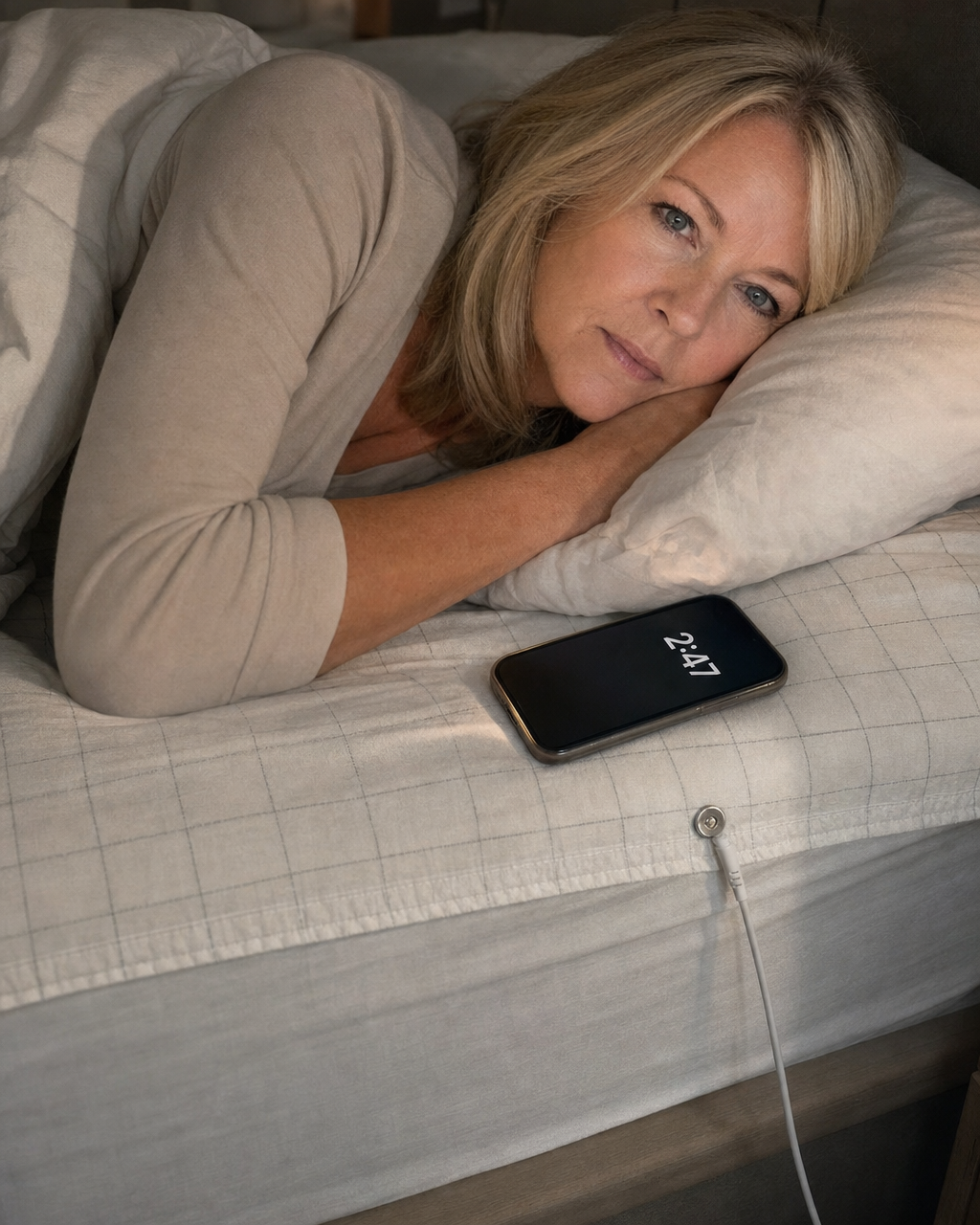
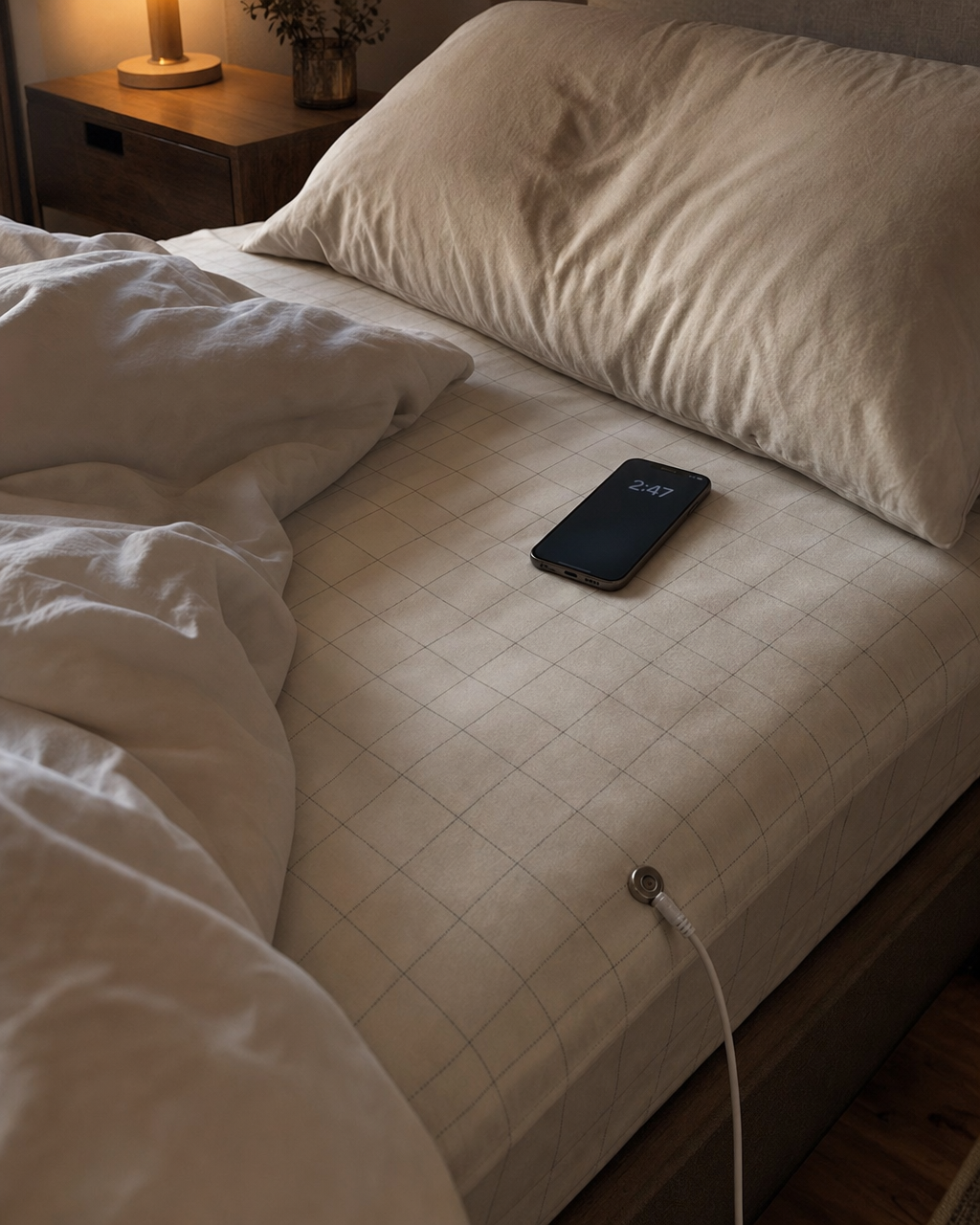
Sleep connected to the Earth, all night
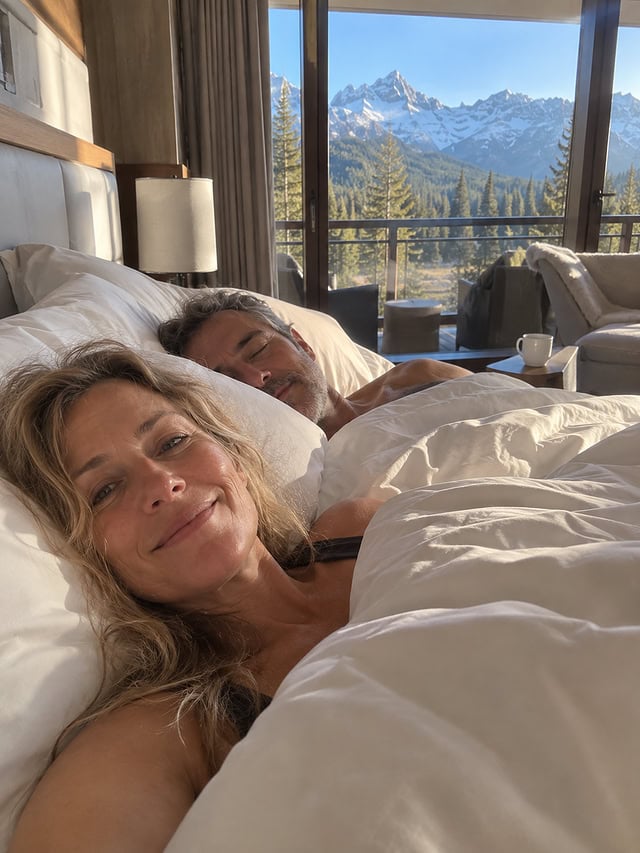
People using grounding sheets report falling asleep more easily and experiencing significantly fewer nighttime awakenings. By promoting deep relaxation, these sheets transform your bedroom into a true space for rest and recovery.
Learn more: journal.bedground.com(opens in a new tab)