
Active· since Jul 7, 2026
- 72
- days running
- 0
- relaunches
Ad copy
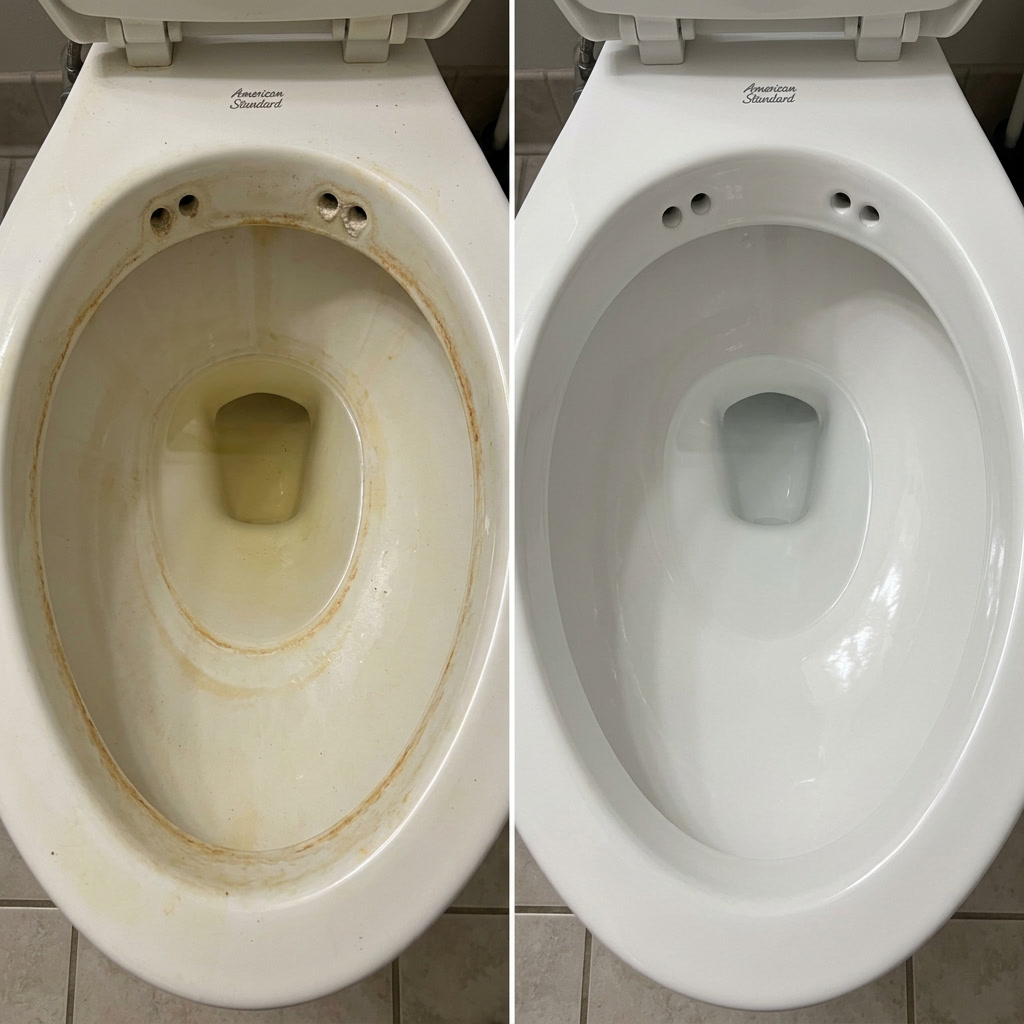
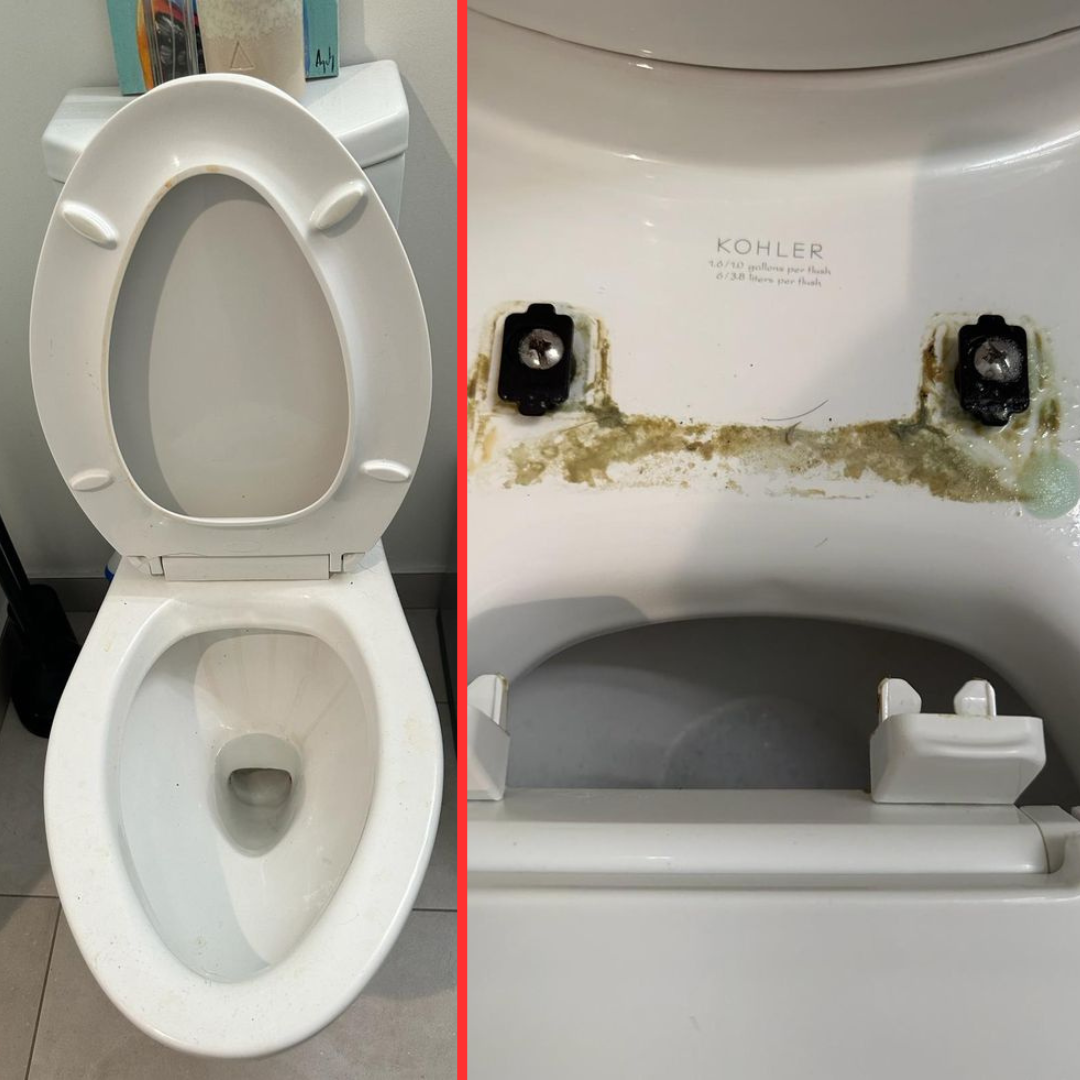
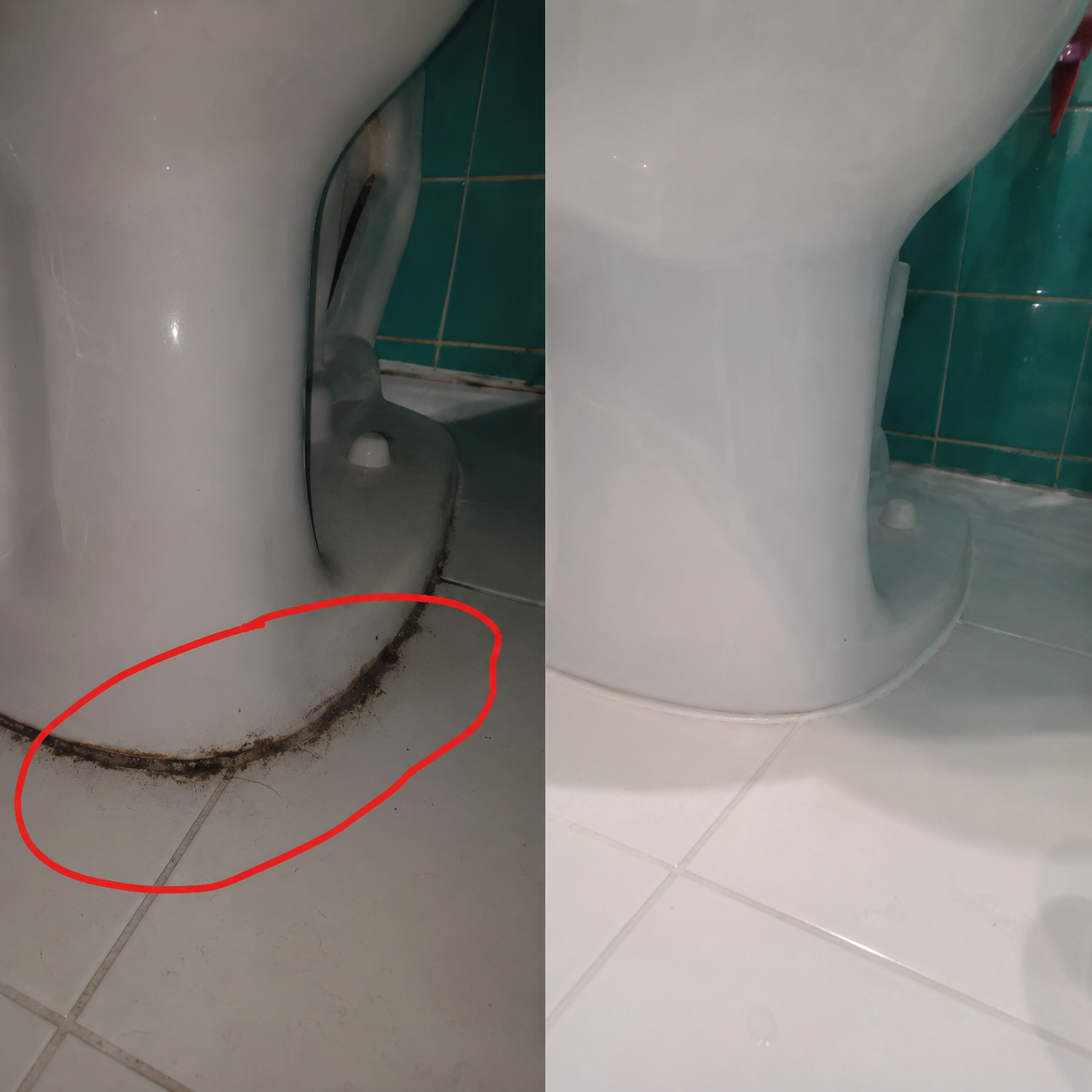
😳 I posted a photo of my toilet to a cleaning forum and asked, "Did I ruin this?" A stranger answered, and I realized I had spent years destroying my own bathroom trying to clean it. Let me start with the photo, because the photo is the whole confession. It was the outside of my toilet. The base, the pedestal, the part nobody photographs and everybody judges. And running down the exterior porcelain was a heavy orange-brown urine-scale stain that I had been at war with for two years. And right next to it, if you looked closely, which the internet certainly did, was a scratch. A dull, scuffed patch in the porcelain where I had, in a fit of desperation the week before, taken a pumice stone to a stain that would not budge. I posted it because I had reached the end. Nothing normal removed that stain. I had escalated and escalated and finally reached for the pumice, and instead of a clean toilet I now had a stain AND a scratch, and I genuinely did not know if I had wrecked the fixture. So I did the thing you do at the end of your rope. I posted it to strangers and asked if it was ruined. And the answers, kind but unanimous, gutted me. You scrubbed the finish. That is not a stain anymore, that is damage. Pumice is an abrasive, you have sanded your porcelain. The baking soda you have been using is an abrasive too, you have been slowly scouring the surface for years. That scuffed patch will hold dirt worse now, because you have opened up the surface. I sat there and understood, all at once, something awful. For two years I had believed I was fighting dirt. I was not. I had been damaging my own bathroom, a little more with every "deep clean," in the exact places I was trying hardest to make clean. 😳 I need to explain how proud I used to be about cleaning, because the pride is what makes this sting. I am an elbow-grease person. I come from elbow-grease people. In my family, a clean house was a matter of how hard you were willing to work, and I wore that like a badge. When something would not come clean, my answer was always the same: scrub harder, use something rougher, put more of my back into it. And for most surfaces, for most of my life, that mostly worked, or at least it looked like it did. The toilet exterior is where that whole philosophy went to die, and I could not see it happening. Because here is the thing about the outside of a toilet. It is all hidden, hard, low, awkward spots, and every one of them collects the kind of stain that laughs at scrubbing. There is the seam right at the bottom where the porcelain meets the floor, a thin dark line of scale and grime you basically have to get on the floor with a toothbrush to reach. There are the plastic hinge bolts at the back of the seat, where a crusted yellow-brown buildup packs in under the caps where no cloth fits. There is the low curve of the base, down at the very bottom, that you can only reach on your knees, straining, at an angle where you cannot even see what you are doing. And there is the exterior of the bowl itself, where urine scale sets into the porcelain in a streak that every spray I owned simply beaded up and ran off of. So I did what elbow-grease people do. I went harder. 😤 I scrubbed the exterior stain with the bathroom spray I trusted, on my knees, until my wrist ached, and it beaded up and did nothing. So I switched to baking soda and scrubbed that in, not knowing I was sanding the surface. I got down at floor level and went at the seam with an old toothbrush until my back seized. I dug at the crusted hinge bolts with my fingernail through a rag. I used bleach on the exterior scale, which did nothing, because urine scale is a mineral deposit and bleach does not touch minerals, it just bleached the color off the surface for a day. And when none of it worked, in one final desperate move, I took a pumice stone to the worst of the exterior stain and put that scratch in my porcelain. That is my graveyard. A trusted spray that beaded up. Baking soda that was quietly scouring the finish. A toothbrush and a wrecked back for the floor seam. Bleach that did nothing to the scale. A pumice stone that traded a stain for a scratch. Two years of getting down on my knees, hurting myself, and slowly damaging the exact fixture I was trying to save, all while believing I just was not working hard enough. And a photo, posted to strangers, that finally told me the truth: the scrubbing was never going to work, and the scrubbing was itself the damage. The person who actually helped me was one commenter in that thread. Everyone else told me what I had done wrong. She told me what to do instead. She said she had cleaned professionally for over twenty years, and that watching people destroy their own fixtures trying to clean them was the most common thing she saw. And she said the sentence that reorganized my whole understanding of cleaning: "You have been trying to scrub off a stain that was never on the surface. That is why scrubbing damages the fixture and never removes the stain. You are attacking the porcelain and leaving the stain alone." 🫧 Then she explained it, and I want to pass it on exactly, because I had it completely backwards. The urine scale and mineral stain on the outside of a toilet is not sitting on top of the porcelain where scrubbing can reach it. It has soaked into the surface, into the microscopic pores, and gripped from underneath. So when you scrub, she said, you are grinding away at the porcelain itself while the stain sits safely below the surface you are damaging. That is why the harder you scrub, the more you wreck the finish, and the stain still shows through, because you never touched it. You are sanding the shield and leaving the enemy untouched. That single image undid two years of my life. The reason all my cleaners failed, she said, is that they have high surface tension. They bead up and sit on top, like water on a freshly waxed car, and cannot sink down into the pores where the stain actually lives. So the liquid does nothing, and your arm becomes the only tool, and your arm can only ever damage the surface, never reach the stain. What she used, she said, does the opposite, and it works by not scrubbing at all. It lowers the surface tension so it sheets out flat and thin and sinks down into the pores, gets underneath the stain, breaks the grip holding it to the porcelain, and lets it lift away on a gentle wipe. You spray it, you leave it a few minutes so it can sink in and break the grip, and you wipe once, no pressure. The whole point, she said, is that you stop scrubbing entirely. You were never supposed to scrub these stains. You were supposed to lift them, and nobody ever told you the difference, so you have been sanding your bathroom for years. I asked her the question the whole thread had made me desperate to ask. If scrubbing is the wrong approach, and there is something that just lifts these stains, why does nobody know this, why is the entire cleaning aisle built around products that make you scrub. Her answer was history, and it is the least dramatic and most convincing explanation I have heard. The thing that lifts instead of scrubs is built on a fatty acid pressed from castor oil, from a plant, and before about 1946 a cleaner like it was simply the ordinary thing people cleaned with. It was what was in the bottle. Then, after the war, the big companies scaled up cheap synthetic detergents they could patent, and a patent is something you can own, protect, and pour an advertising budget into for decades. A hundred-year-old molecule from a plant that anyone can make is not something you can build an empire on. So the money went to the patented synthetics, they got the shelf space and the commercials, and the old fatty acid got out-priced and out-advertised and slid off the shelf. It never stopped working. It just stopped being profitable to sell, so it survived mostly with professional cleaners, people like her, who cannot afford a product that fails and who learned to lift stains instead of scrubbing them. The brand that still makes it is called X-All, and she mentioned it was brought back by a chemist and mother named Janet Tan, who went looking for something that cleaned without the harsh stuff and the endless scrubbing after her own kids started crawling. It comes as a tablet you drop into a bottle of water and mix fresh, at full strength, and it is made without bleach or ammonia or the fumes. I ordered it that night, mostly because a stranger with twenty years of experience had just explained why everything I believed about cleaning was wrong, and I wanted to prove her either right or right. When it came, I went straight for the thing that had beaten me and started this whole spiral, the heavy urine-scale stain on the exterior of the bowl. But this time I did the one thing that went against every elbow-grease instinct I have. I sprayed it, and I did not touch it. No scrubbing. No brush. I just walked away and let it sit, because she had been firm that wiping too soon is the mistake everyone makes. About eight minutes. Then I came back and wiped it, once, with a cloth, with almost no pressure. The scale came up onto the cloth. 🤯 The porcelain underneath was clean and white. I had lifted in one gentle wipe a stain I had spent two years grinding at on my knees. Then I did the floor seam, no toothbrush, just spray and wait and wipe, and the dark line came away. Then the crusted hinge bolts. Then the low base, without a single scrub. I held up that cloth, streaked orange-brown with everything that had lifted off, and I could have cried, because it turned out none of it had ever needed muscle. It had needed the right thing and a few minutes of patience, and I had been giving it the wrong thing and my whole back instead. Now I am going to be honest, because the whole reason this started was a photo I posted asking for the truth. That scratch I put in the porcelain with the pumice stone is still there. It always will be, because a scratch is damage, not a stain, and no cleaner reverses damage. The finish I scoured with baking soda over the years is thinner where I abused it, and nothing brings that back either. That is the permanent cost of two years of doing it wrong, and I have made my peace with it. And the very deepest, oldest part of the exterior stain took a second application to fully lift, it was not one magic wipe. But every stain I had believed was permanent, the exact stains I had been damaging my bathroom to remove, lifted, and they lifted without me scrubbing at all. The payoff was not just the clean toilet, as good as it looked. It was that I stopped destroying my own house. For two years, every cleaning session made things a little worse, a little more scoured, a little more scratched, because my entire method was abrasion. That is over. I do not own a pumice stone anymore. I do not scrub the exterior of anything. I spray, I wait, I wipe, and the fixtures I was slowly ruining are safe from me now, which, when your whole cleaning philosophy was "attack it harder," is a strangely emotional thing to realize. That one bottle has since done the whole house through my new understanding, which is "stop scrubbing, start lifting." The rust ring around the base. The hard-water line in the tub I used to attack with abrasive pads. The shower glass I used to scrape. The stovetop I used to scour. All of it lifts now with a spray and a wait and a wipe, no abrasion, no damage, and one bottle replaced the whole cabinet of harsh products and rough pads I had been slowly wrecking my house with. It lasts the better part of a year and refills instead of going in the trash. Here is what I keep coming back to, and it is for every elbow-grease person like me. We were taught that clean is a measure of how hard you are willing to work, and it is a lie that costs us our fixtures and our backs. The stains that will not come off are not a sign that you need to scrub harder. They are a sign that you are using something that cannot reach the stain, so the only thing your scrubbing can touch is the surface itself. You are not failing to work hard enough. You are damaging the thing you love while the stain sits underneath, untouched, waiting for the one thing that actually lifts it. It was never your effort. It was the tool, and the tool was quietly turning your effort into damage. So I am passing it on, the way one patient stranger in a comment thread passed it to me while everyone else was telling me what I had ruined, because nobody should spend two years on their knees sanding their own bathroom in the name of cleaning it. 🫶 👉 X-All is 60% off for new customers right now, with a 30-day money-back guarantee. If it does not lift the stains the way it lifted mine, without scrubbing, you send it back and you are out nothing. ✅ Sheets into the stain and breaks its grip, so exterior urine scale, the floor seam, the hinge bolts, and the low base lift with one gentle wipe, no scrubbing ✅ Lifts stains instead of scrubbing them, so you stop scouring, scratching, and slowly damaging your own fixtures 🧪 Made without bleach, ammonia, harsh fumes, or abrasives, made by a chemist and mom who wanted a real clean without the elbow grease 🏠 One tablet cleans the toilet inside and out, the tub, shower glass, sink, and stovetop, so one bottle replaces the whole cabinet 📦 Refillable Forever Bottle, mixed fresh at full strength, lasts most homes up to 10 months I still see that scratch every time I clean the bathroom. I have decided to leave it there on purpose, as a reminder. For two years I thought the problem was that I was not scrubbing hard enough. The scratch is proof that the scrubbing was the problem all along.
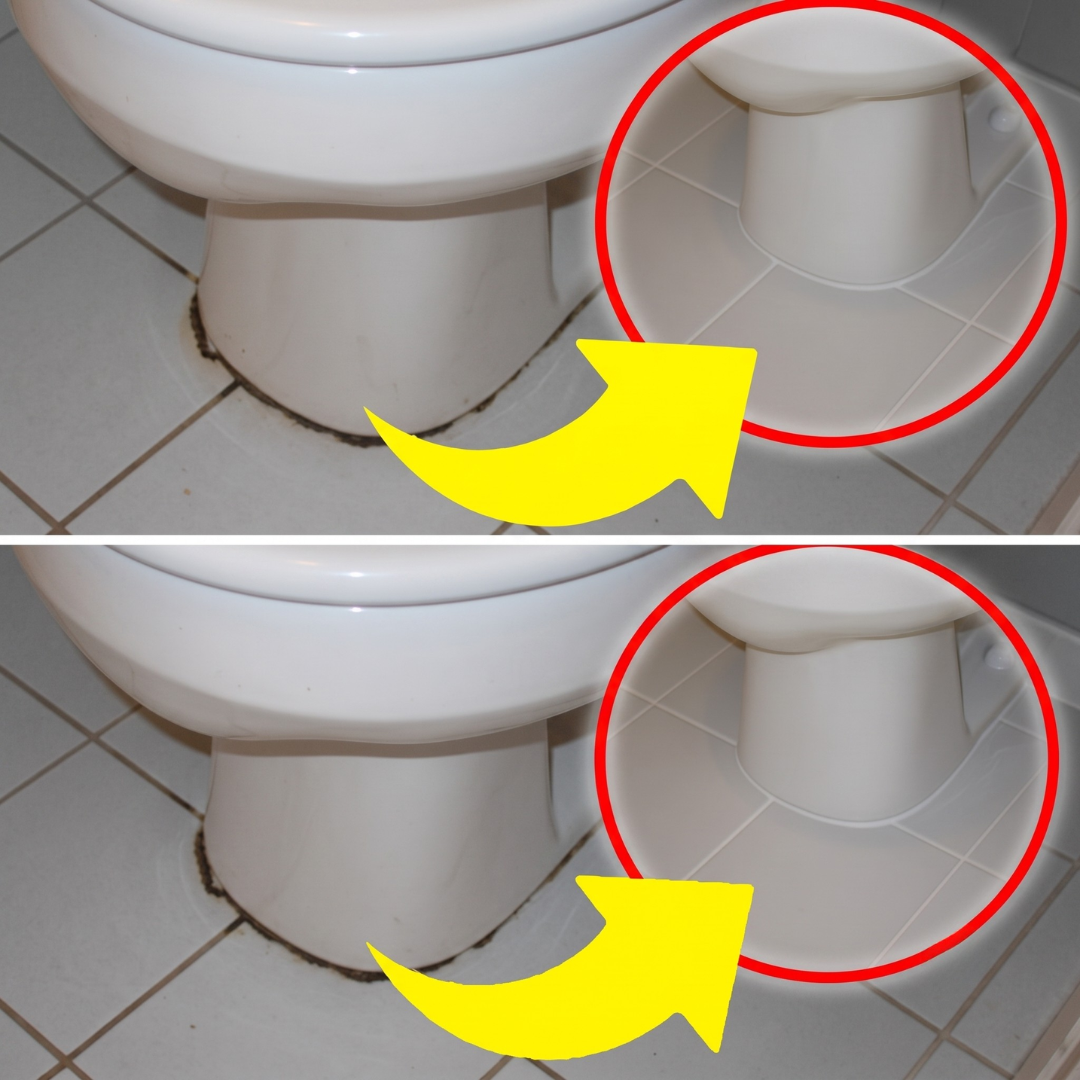
"I found it where the toilet meets the floor."
Most people would agree that today’s housing market is nuts. Which meant, if we really wanted to buy a home, we had to consider homes we would normally pass on.
SEE DETAILSLike this ad? Make it yours.
Crush rebuilds this exact creative around your product — your brand, your colors, your offer — in about a minute.