
Inactive· since Jan 8, 2026
- 49
- days it ran
- 3
- relaunches
Ad copy
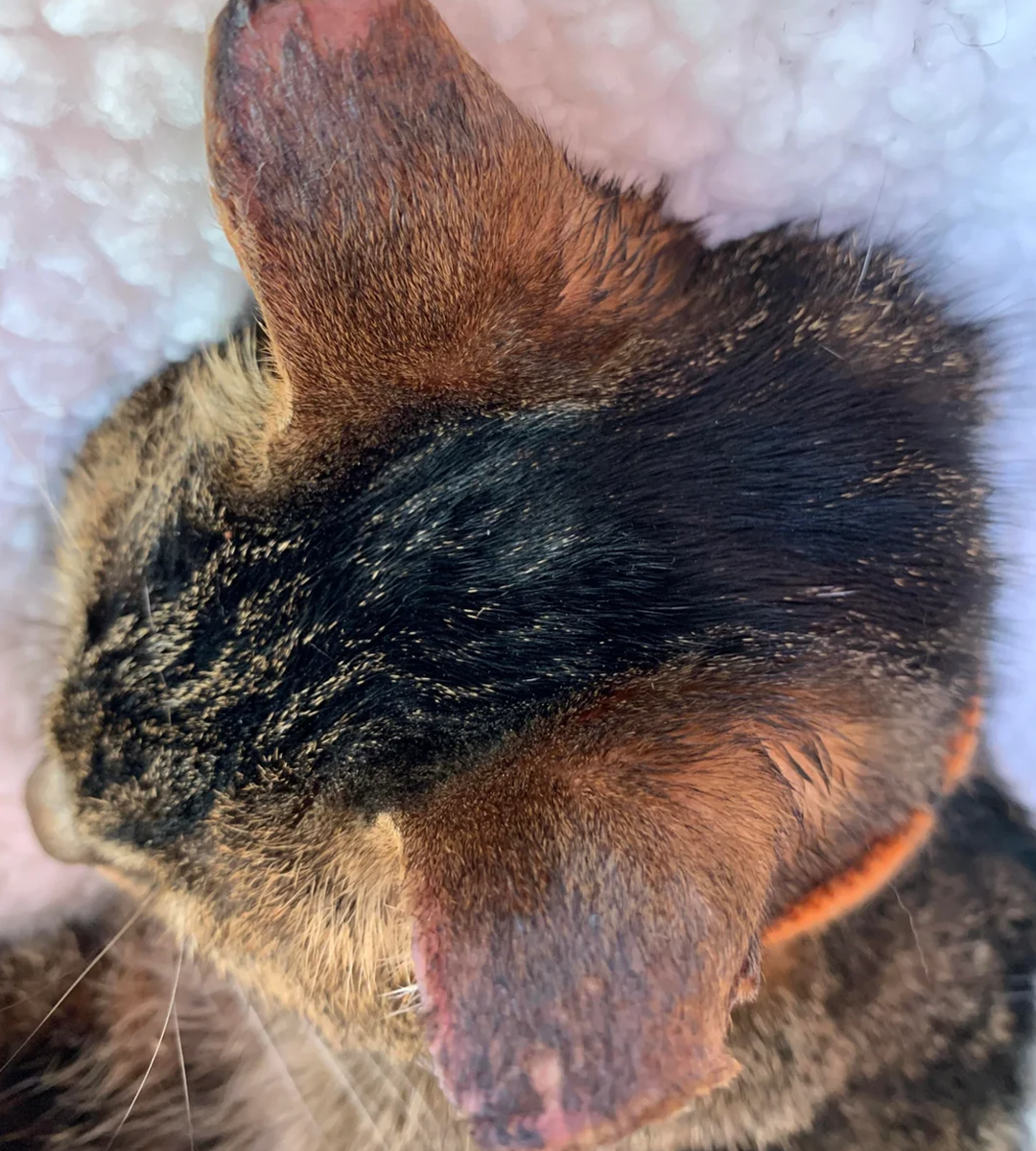
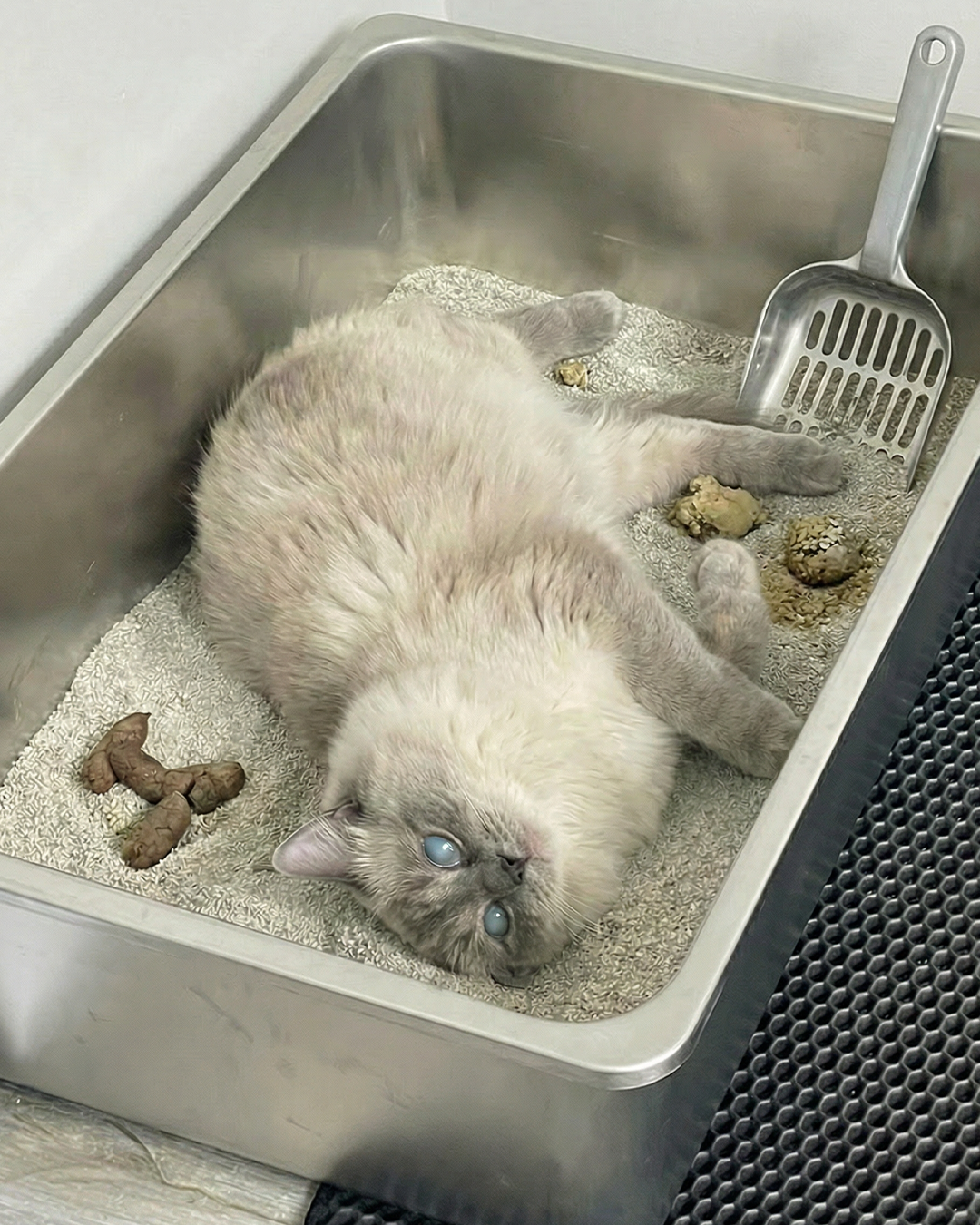
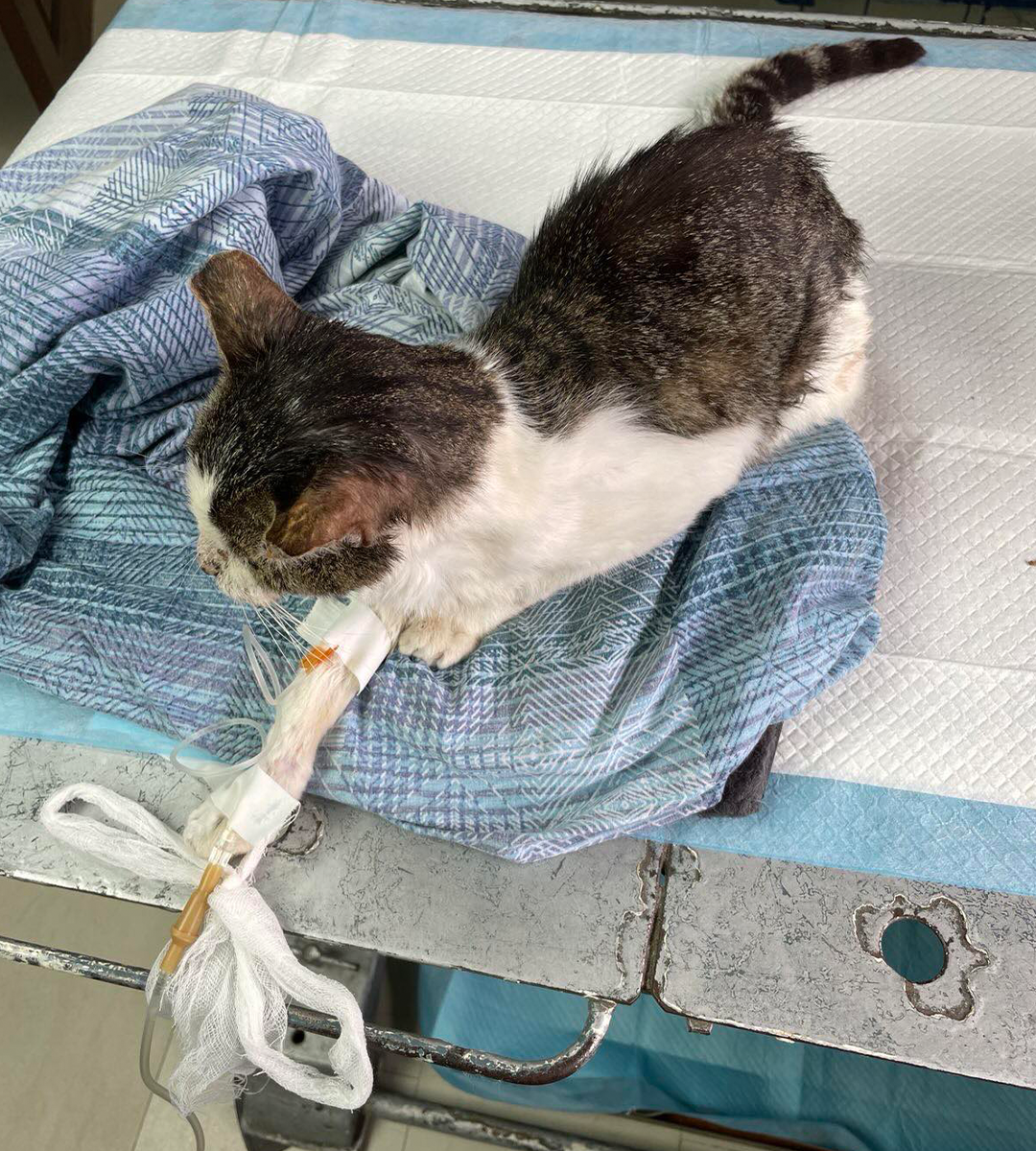
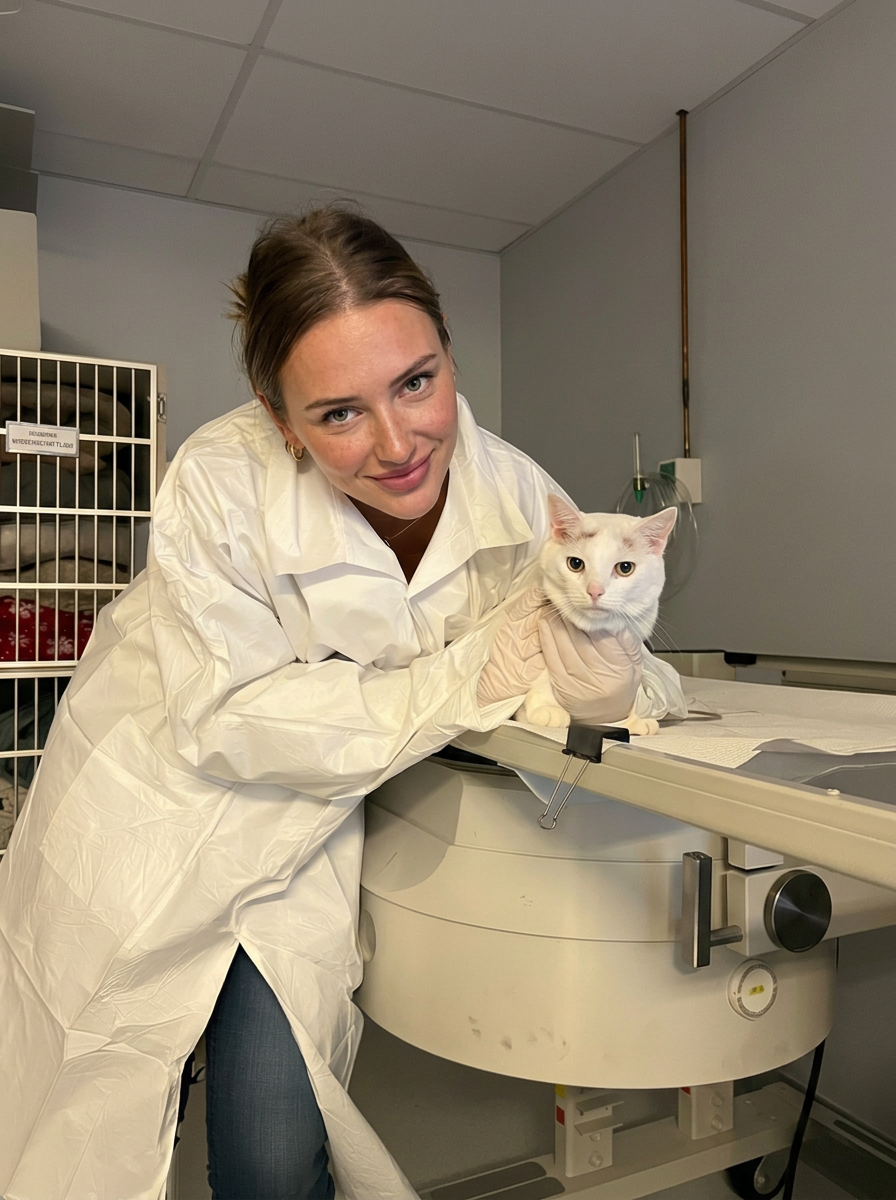
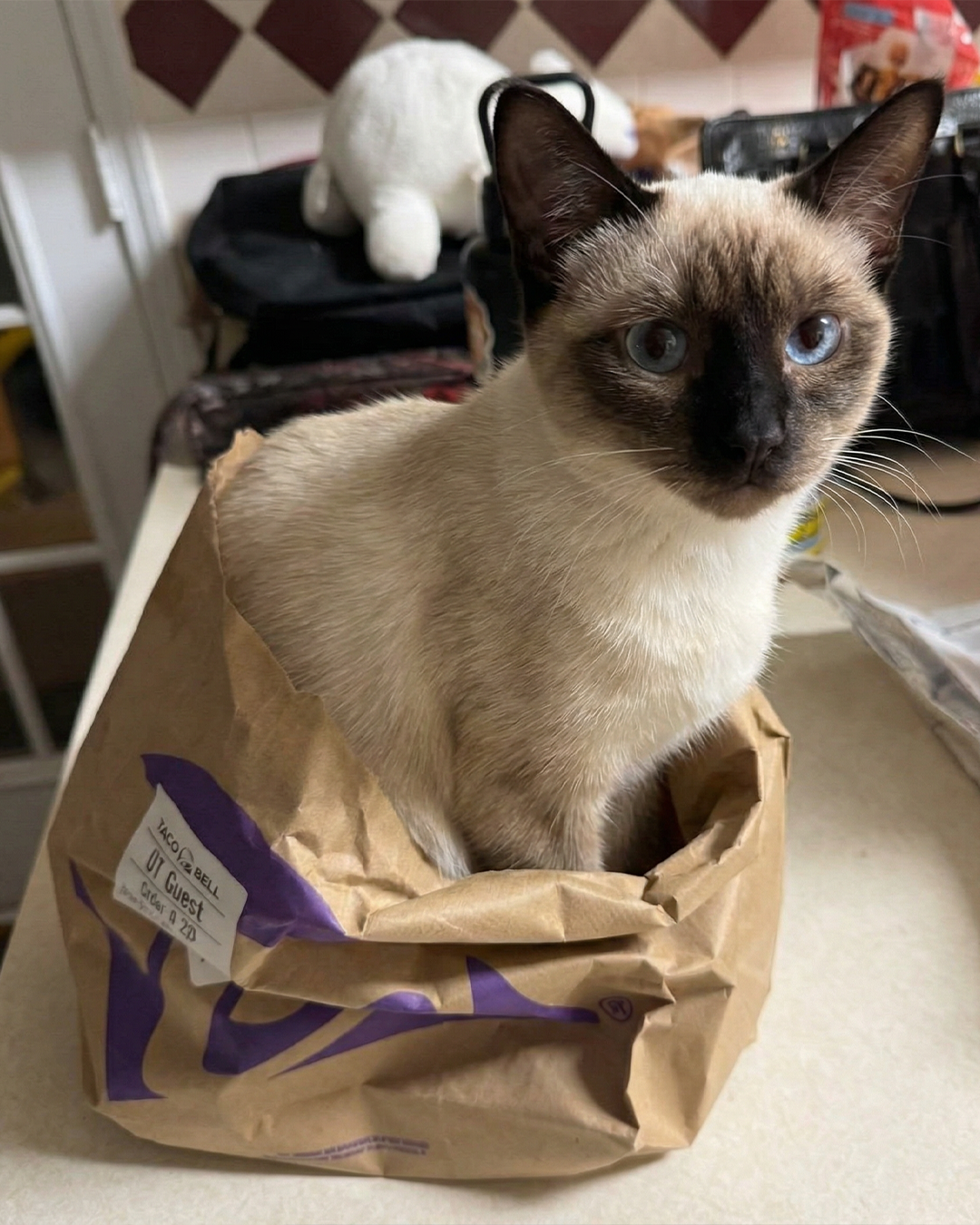
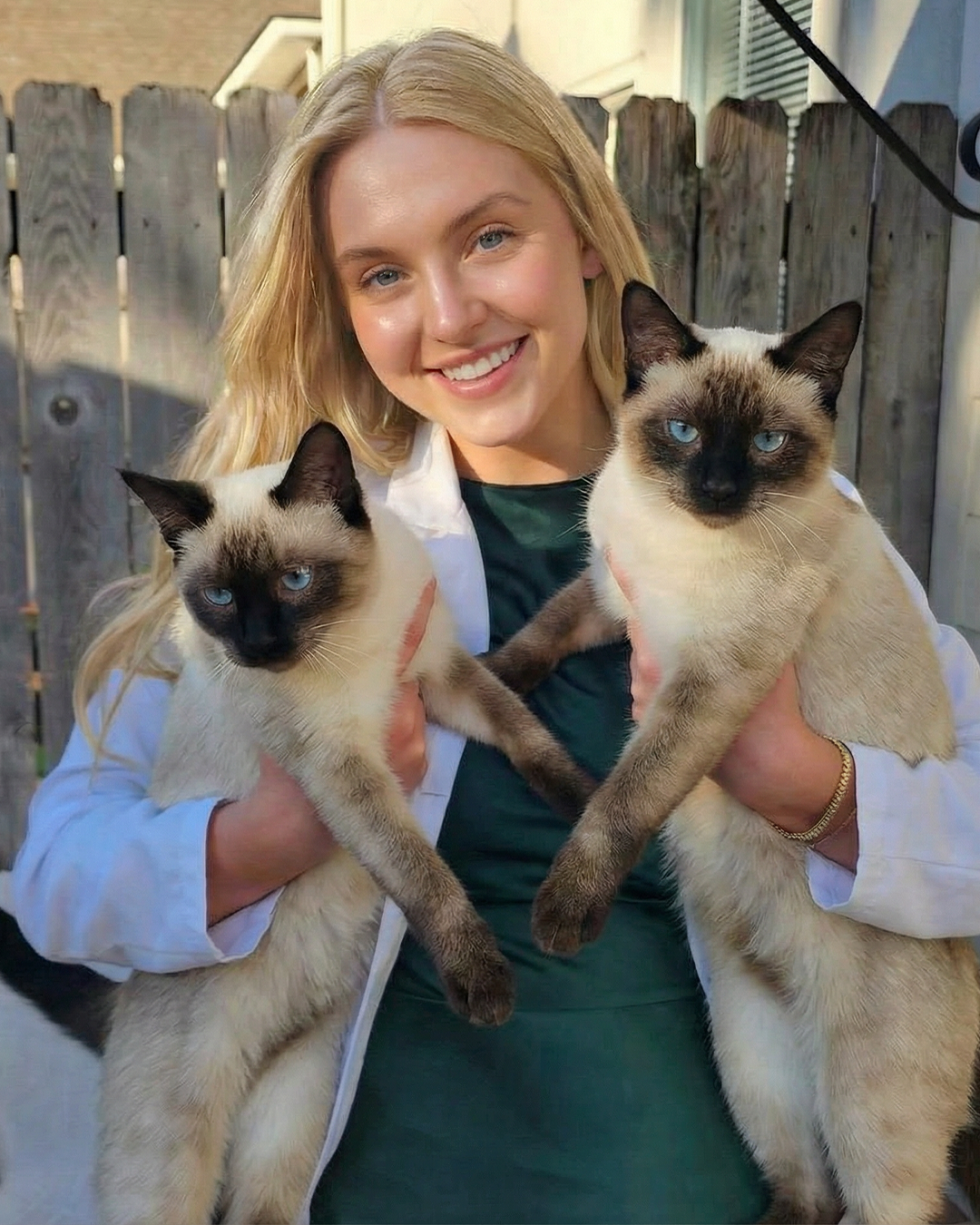
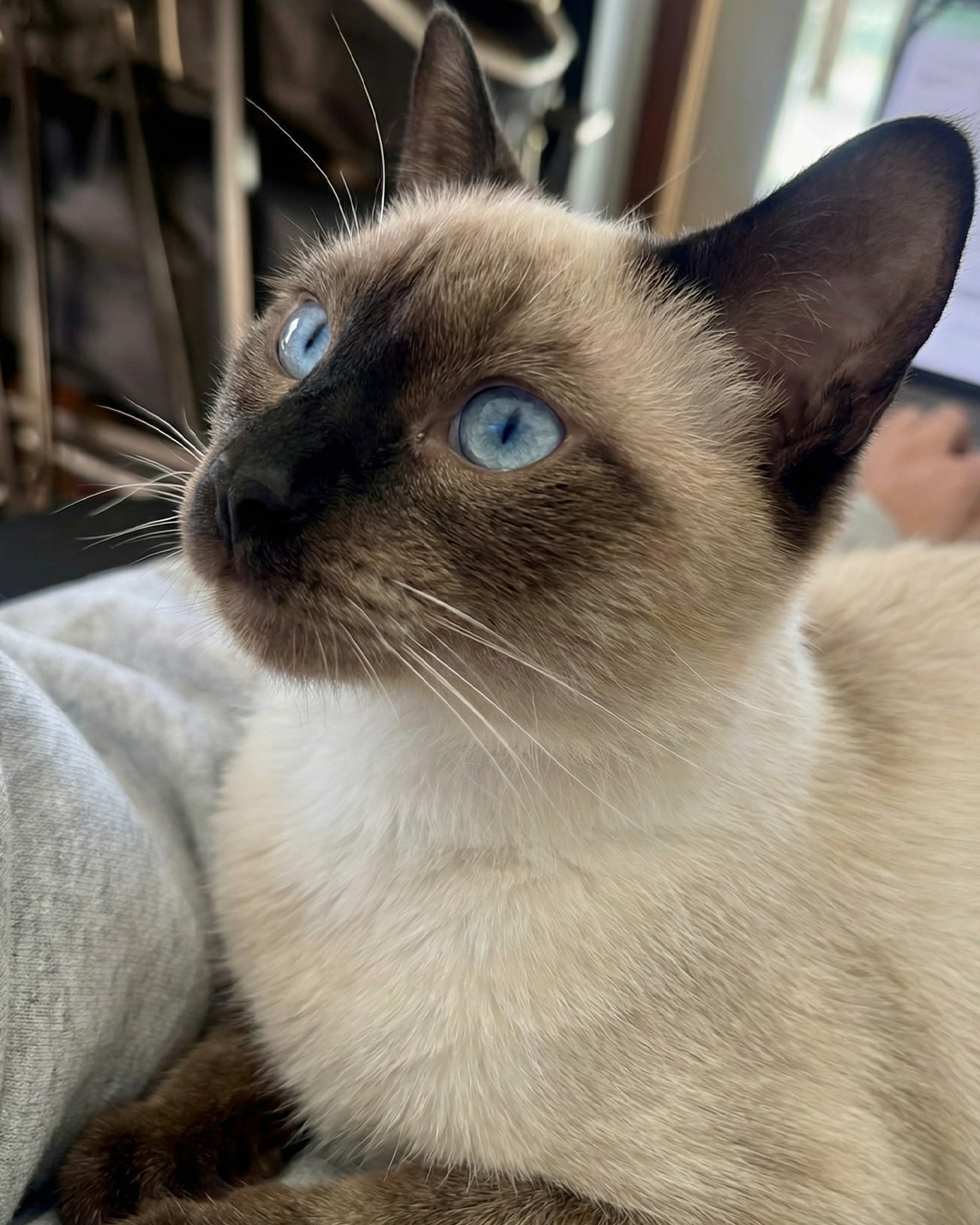
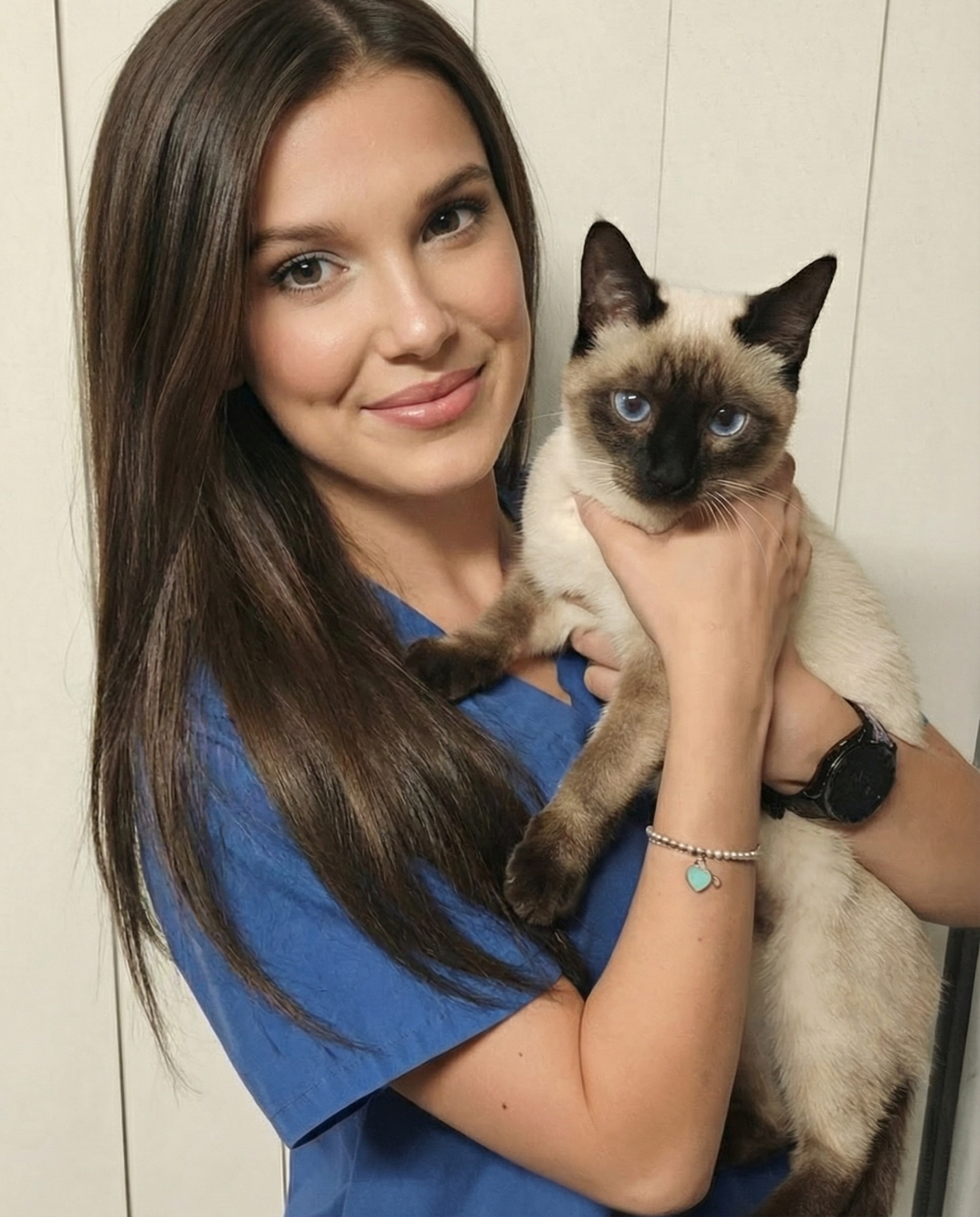
After 7 years running North Valley Animal Rescue, I finally understood why cats adopted into perfect homes were dying of heart failure within 6-12 months. Eleven Siamese died last year. All between ages 4-6. All fed $85-$95 per bag premium food by their adopters. All passed their pre-adoption vet checks with "no significant findings." And every single adopter blamed themselves—or blamed me for adopting out "sick cats." My name is Laura Martinez. I run North Valley Animal Rescue. We take in 80-120 Siamese annually from owner surrenders, hoarding cases, and breeding operation shutdowns. For 7 years, I thought I was giving these cats a second chance. But I was sending them to their deaths. Until Sarah called. Sarah adopted a 5-year-old seal point male from us 9 months ago. Beautiful cat. Perfect health check. She named him Leo. Sarah is a vet tech. She knew how to care for cats. She fed Leo Orijen. $95 per bag. Top-tier food. Leo seemed great for the first 7 months. Active. Vocal. Everything you expect from a Siamese. Then one morning, Leo collapsed in the hallway. Sarah rushed him to the emergency clinic where she works. They did everything. But Leo died 4 hours later from cardiac arrest. Sarah was destroyed. But she's also a vet tech. She wanted answers. She insisted on a necropsy. The pathology report came back three days later: "Severe dilated cardiomyopathy consistent with chronic taurine deficiency. Extensive myocardial fiber necrosis. Death due to arrhythmogenic heart failure secondary to prolonged nutritional deficit." Sarah called me. I could hear the fury and grief in her voice. "Laura, the necropsy said taurine deficiency. Leo was on Orijen. Ninety-five dollars per bag. Supposed to be the best food you can buy. How the hell was he deficient?" I didn't have an answer. "And don't tell me this is a coincidence. I'm in three different Siamese rescue groups online. I see the posts. 'My adopted Siamese died suddenly at 5.' 'Heart failure at 4.' 'Cardiologist said DCM.' This is happening to all of them." After Sarah hung up, I sat in my office staring at the adoption records. I pulled every file from the past 18 months where I'd gotten notification of a cat's death. Eleven cats. All Siamese. Ages 4, 4, 5, 5, 5, 6, 6, 6, 6, 7, 7. Average age: 5.4 years old. None of these were elderly cats. None had come from hoarding situations where they'd been malnourished. These were cats from owner surrenders. "Moving and can't take the cat." "Divorce." "New baby." Normal reasons. Cats who'd been fed premium food their whole lives. I looked at what their adopters had been feeding them: Orijen Cat & Kitten: 3 cats. All died from cardiac causes. Wellness CORE Grain-Free: 2 cats. Both died from heart failure. Instinct Ultimate Protein: 2 cats. Cardiac deaths. Blue Buffalo Wilderness: 2 cats. DCM confirmed in both. Taste of the Wild: 1 cat. Sudden cardiac arrest. Merrick Backcountry: 1 cat. Heart failure. These weren't cats eating cheap food. These were cats whose adopters were spending $75-$95 per bag trying to do everything right. And they were all dying anyway. I called Dr. Angela Rivera, the veterinarian who does our pre-adoption health checks. "Angela, I need you to run taurine panels. On every single Siamese we currently have in the rescue." "Laura, that's going to be expensive. Those tests are—" "I don't care. Sarah's cat just died. The necropsy said taurine deficiency. He was on Orijen. If he was deficient on a $95 bag of food, how many of our cats are walking around deficient right now?" Three days later, Dr. Rivera called me back. Her voice was flat. Clinical. The way doctors sound when they're delivering really bad news. "Seventeen cats tested. Sixteen are deficient. One is borderline." 94%. I felt like I'd been punched in the chest. "Laura, these cats have been in your care for weeks. Some for months. You're feeding them premium food. They look healthy. But they're all taurine deficient. And if we're not catching it, they're going out the door with it." That's when I understood what had been happening. I'd been adopting out Siamese with undiagnosed taurine deficiency. Sending them to homes where they'd be fed premium food that still wasn't enough. The adopters would watch their cats slowly decline over 6-12 months. Less active. Sleeping more. Breathing heavier. By the time they got to the emergency vet, the heart damage was irreversible. And the adopters would blame themselves. Or blame me for adopting out a "sick cat." But the cats weren't sick when they left. They were deficient. And I had no idea. Dr. Rivera walked me through what she'd learned researching Siamese metabolism. "Siamese have metabolic rates 15-20% higher than average cats. Higher body temperature. More lean muscle mass. Neurological hyperactivity. They're burning through water-soluble nutrients—including taurine—faster than any commercial food can replace." I asked the question that was destroying me: "How much do they actually need?" "Based on their body mass and metabolic rate? Probably 700-850mg of bioavailable taurine per day." "How much does premium food provide?" Dr. Rivera pulled up nutritional data. "Orijen lists 0.25% taurine. That's one of the highest in the industry. Based on typical feeding amounts for a 10-pound Siamese, that's about 85-95mg per day." I did the math. 850mg needed. 90mg provided. A 760mg deficit. Every single day. "Dr. Rivera, Sarah's cat died 9 months after adoption. How long does it take for a deficiency to kill them?" "Depends on how deficient they were when they started. But for a Siamese already on the edge? Six to eighteen months of chronic deficit will cause enough cardiac damage to be fatal." I pulled up Leo's intake records. He'd come from an owner surrender. Previous owner fed him Blue Buffalo Indoor. Mid-tier food. Not great, not terrible. Leo had probably been borderline deficient his entire life. Then Sarah adopted him, upgraded him to Orijen—the best food you can buy—and he still died. Because even the best food wasn't enough for a Siamese metabolism. I started calling previous adopters whose cats were still alive. "Patricia, this is Laura from North Valley Animal Rescue. You adopted Shadow two years ago. Is he still with you?" "Yes, he's—well, actually, he's been slowing down. He's only 6, but he sleeps a lot. The vet said maybe he's just getting older." "Patricia, I need you to do something immediately. I'm going to overnight you a supplement. You need to start him on it today." Over the next week, I called 34 previous adopters. 22 cats were still alive. 19 of those 22 were showing early cardiac symptoms. "Sleeping more." "Not jumping as high." "Seems tired." "Breathing sounds different." I overnighted pharmaceutical-grade taurine to every single one of them. And I changed the entire rescue protocol immediately. Every Siamese coming into North Valley Animal Rescue now gets taurine supplementation starting day one. 2.5 grams daily mixed into their food. Every adopter goes home with a 90-day supply and explicit written instructions: "Your Siamese requires taurine supplementation. This is not optional. Their breed burns through taurine faster than any commercial food can provide. Failure to supplement may result in heart failure." I made it mandatory. Non-negotiable. Because I will never send another Siamese out the door to die in 9 months from something I could have prevented. Within 8 weeks of implementing the new protocol, I started getting messages from previous adopters I'd contacted: Patricia (Shadow, 6 years old, fed Blue Buffalo): "Laura, I don't know what that powder is, but Shadow is jumping again. He's playing. His breathing sounds normal. Thank you." Jennifer (Bella, 5 years old, fed Wellness): "She was sleeping 20 hours a day. I thought she was depressed. Three weeks on taurine, she's back to being the annoying vocal Siamese I adopted. I'm so relieved." Linda (Max, 7 years old, fed Instinct): "His vet did a follow-up exam. The heart murmur that was developing? It's quieter. She can barely hear it now. She asked what I changed. I told her about the taurine. She'd never heard of supplementing before." And here's what really mattered: For the first time in 18 months, I haven't had a single post-adoption cardiac death. Not one. Because every cat leaving my rescue now has the one thing commercial food can't give them. Sarah adopted another Siamese from us four months after Leo died. A 6-year-old chocolate point female with a grade 2 heart murmur. I told Sarah everything I'd learned. Gave her a 90-day supply of taurine. Explicit dosing instructions. Sarah started her on it immediately. Last week, Sarah sent me a video. Her new Siamese doing vertical jumps to a six-foot cat tree. Playing with a feather wand. Racing through the house. The text with it said: "Follow-up echo yesterday. The murmur is barely audible now. Cardiologist said she's never seen this kind of stabilization without medication. Thank you for figuring this out before I lost another one." I cried reading that message. Because I thought about the 11 cats who died. The adopters who blamed themselves. The families who thought they'd failed their cats. They didn't fail. I failed them by not knowing. But I know now. If you adopted a Siamese from any rescue—not just mine—your cat likely has undiagnosed taurine deficiency. Rescues don't test for it. Pre-adoption health checks don't include it. Your cat can pass every standard test and still be deficient. And if you're feeding premium food thinking you're protecting them, you're not. Even $95-per-bag food doesn't provide what a Siamese metabolism actually requires. Your cat needs 700-850mg of bioavailable taurine daily. Commercial food provides 70-95mg. That 750mg deficit builds slowly, silently, destroying their heart. By the time you notice symptoms—less active, sleeping more, breathing heavier—the damage is already done. After Sarah's Leo died and the necropsy showed taurine deficiency, I started testing every taurine supplement I could find. I needed to know which brands were actually safe and effective. I ordered 9 different brands. All claimed "pure" and "pharmaceutical grade." I sent samples to an independent lab for verification. What came back made me understand why even well-meaning supplementation fails. PetHonesty Taurine+ (sold at Petco, 18,000+ reviews): Only 370mg actual taurine per serving. Label claimed 500mg. NaturVet Taurine ("Veterinarian Formulated"): Contaminated with rice starch and flow agents not listed on label. Blocks absorption. VetriScience Cardio: Only 250mg per serving. Completely inadequate for Siamese metabolic demands. Amazing Nutritionals: Heavy metal contamination. Lead levels 2.8x safe limits. Bulk Supplements Taurine: Degraded from improper storage. Tested at 61% labeled potency. I tested nine brands. Eight failed. The only one that passed every verification test: KittySupps. I called them. A real person answered immediately. Certificate of Analysis sent within 90 minutes. Third-party lab. Full panel for purity, heavy metals, contaminants. Pharmaceutical-grade taurine from Germany. GMP-certified manufacturing facility. Every batch tested, not just random annual spot checks. I sent it to my independent lab anyway. Results: 3,300mg pure crystalline taurine per serving. Zero heavy metal contamination. No fillers, binders, or absorption blockers. 99.9% pharmaceutical-grade purity. One serving of KittySupps delivers more bioavailable taurine than 37 days of Orijen. Think about that. One scoop equals five weeks of the most expensive food on the market. That's not a supplement. That's the difference between life and death. It's the only taurine I use at North Valley Animal Rescue now. It's the only taurine that goes home with every adopted Siamese. I've put over 90 adopters on this protocol over the past 14 months. Margaret (adopted Oliver, 4 years old): "His cardiologist repeated the echo. The DCM hasn't progressed. She said this is unusual. Siamese usually decline rapidly." Robert (adopted Luna, 5 years old): "She was sleeping 18 hours a day when I adopted her. Four weeks on taurine, she's back to yowling at me at 5 AM. Best worst thing ever." Patricia (adopted Shadow, 6 years old): "His heart murmur is barely detectable now. My vet asked what changed. I told her about the taurine. She's never heard of breed-specific supplementation before." If you adopted a Siamese from any rescue: Your rescue probably didn't test for taurine deficiency. Mine didn't until 11 cats died. Pre-adoption health checks don't include it. Standard bloodwork misses it completely. Even premium food isn't enough. The science is clear on hypermetabolic breed demands. Testing costs $485. A year of protection costs $468. At $39/month, you give them what their metabolism actually requires. You don't need to wait for symptoms. You don't need vet approval first. You don't need to change foods. Just add pharmaceutical-grade taurine to whatever they're eating. But please—don't buy random supplements without verification. I tested them. Most failed independent lab testing. The only brand I trust: KittySupps. Get the same pharmaceutical-grade taurine every adopted Siamese leaves North Valley Animal Rescue with. Most show improvement within 2-4 weeks: https://kittysupps.com/products/taurine P.S. If your adopted Siamese sleeps more than 16 hours daily, that's not adjustment to their new home. That's cardiac energy conservation. Siamese should be annoying you with constant demands for attention. At $39/month for prevention vs losing them in 6-12 months to heart failure, the choice is obvious. But if you start NOW—before cardiac damage becomes irreversible—you can stop progression before it's too late. P.P.S. I don't get paid by KittySupps. I use them because after testing every major brand, they're the only ones who passed independent verification. After watching 11 cats die in one year and realizing I'd been adopting out nutritionally compromised cats for 7 years, I've finally found something that actually protects them. Your adopted Siamese deserves that protection.
Truth About Siamese Cats and DCM…
Siamese cats burn through taurine 15-20% faster than average cats due to their hypermetabolic rate. Premium food provides only 90mg daily when they need 700-850mg—a 760mg deficit causing heart failure. Pharmaceutical-grade taurine fills the hidden deficiency before DCM develops.
SHOP NOWLike this ad? Make it yours.
Crush rebuilds this exact creative around your product — your brand, your colors, your offer — in about a minute.