
Active· since Mar 16, 2026
- 183
- days running
- 4
- relaunches
Ad copy
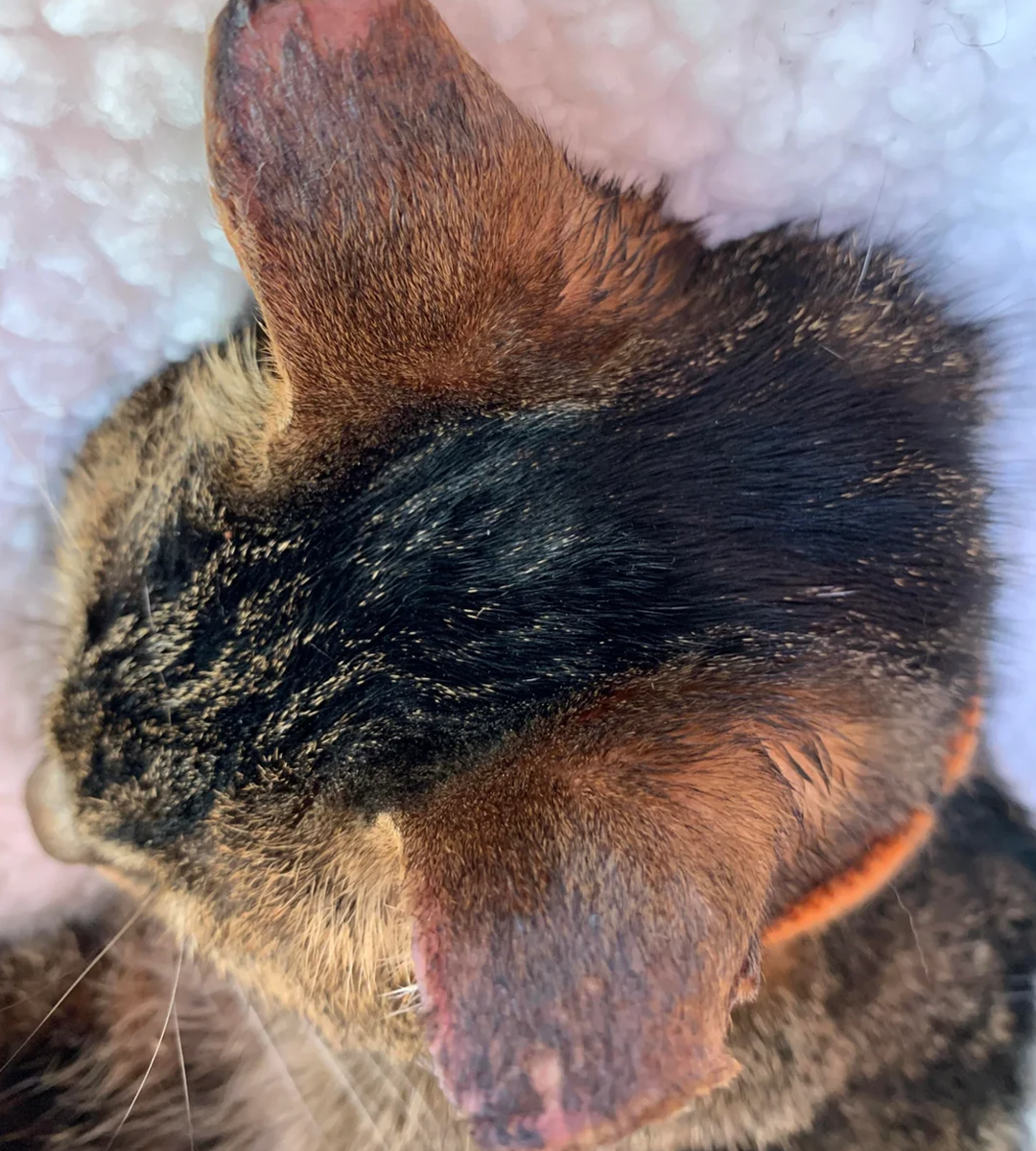
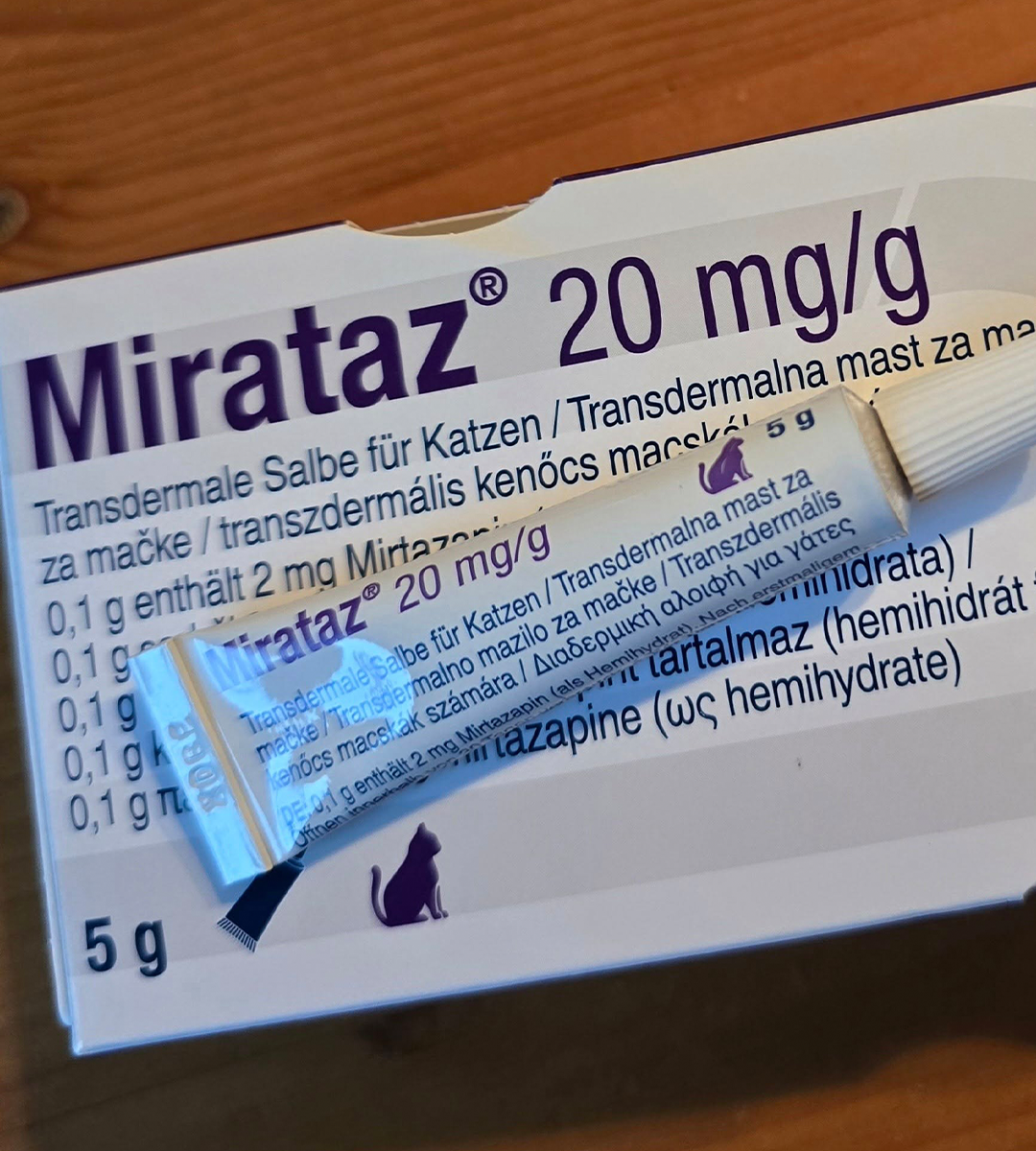
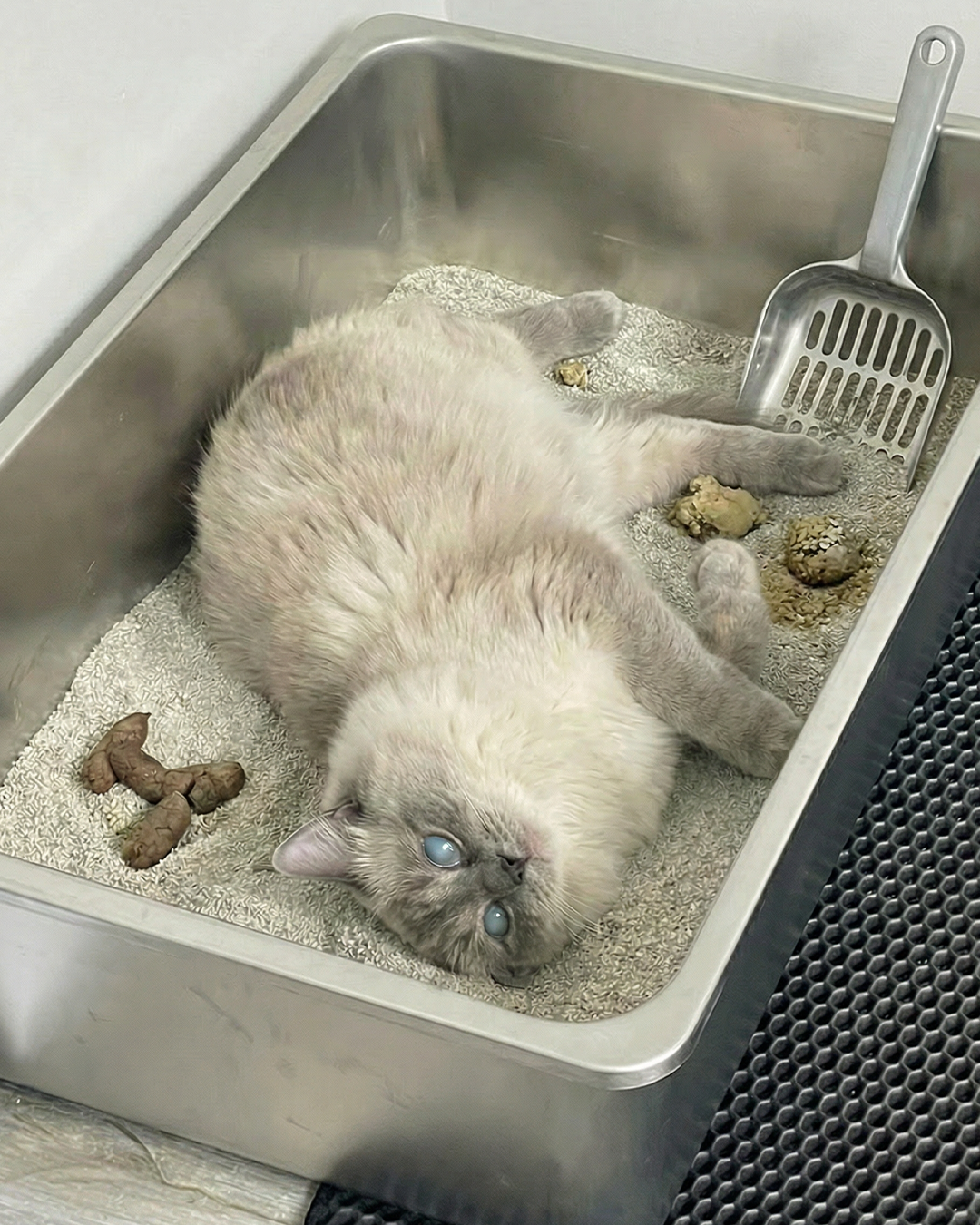
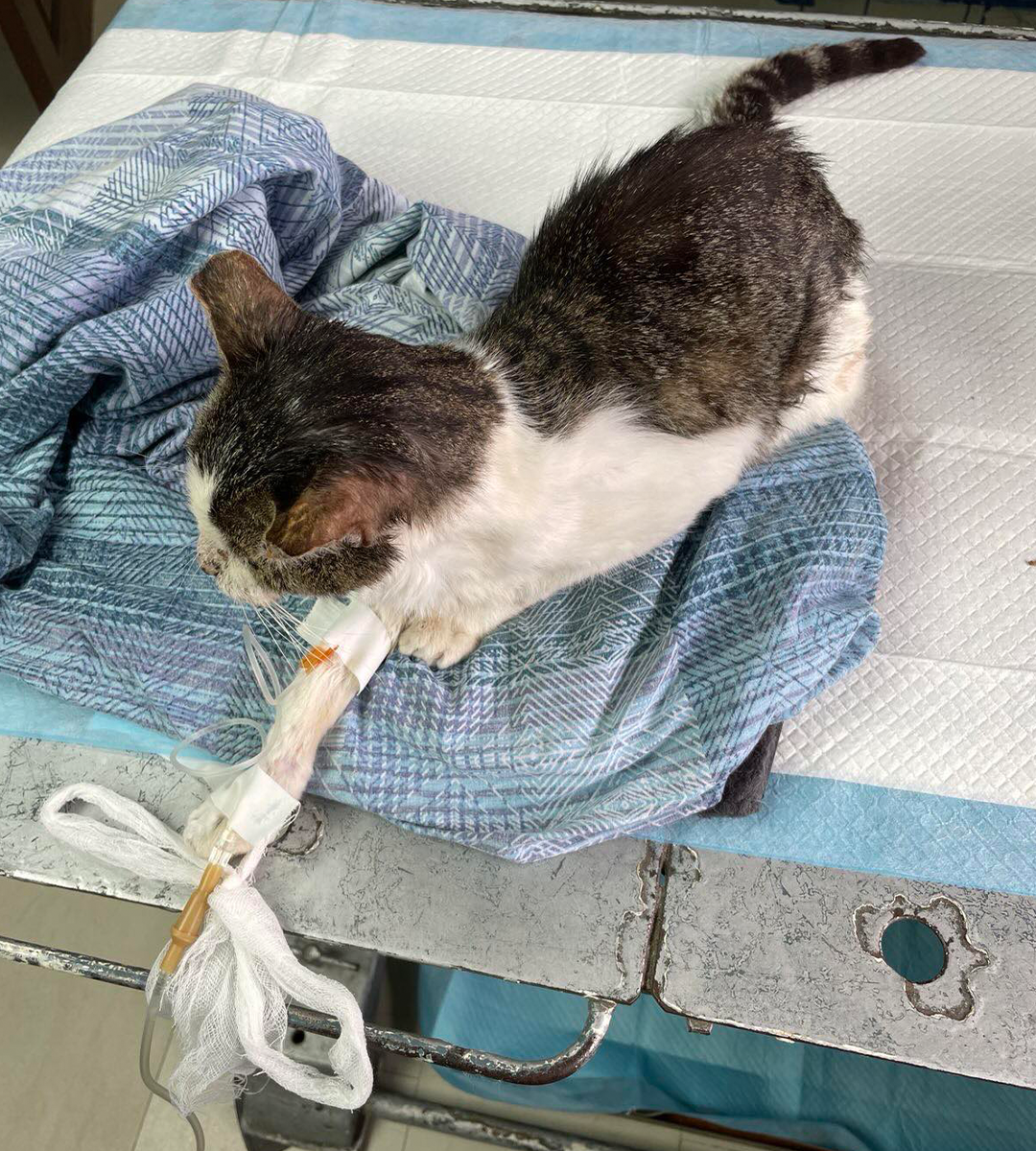
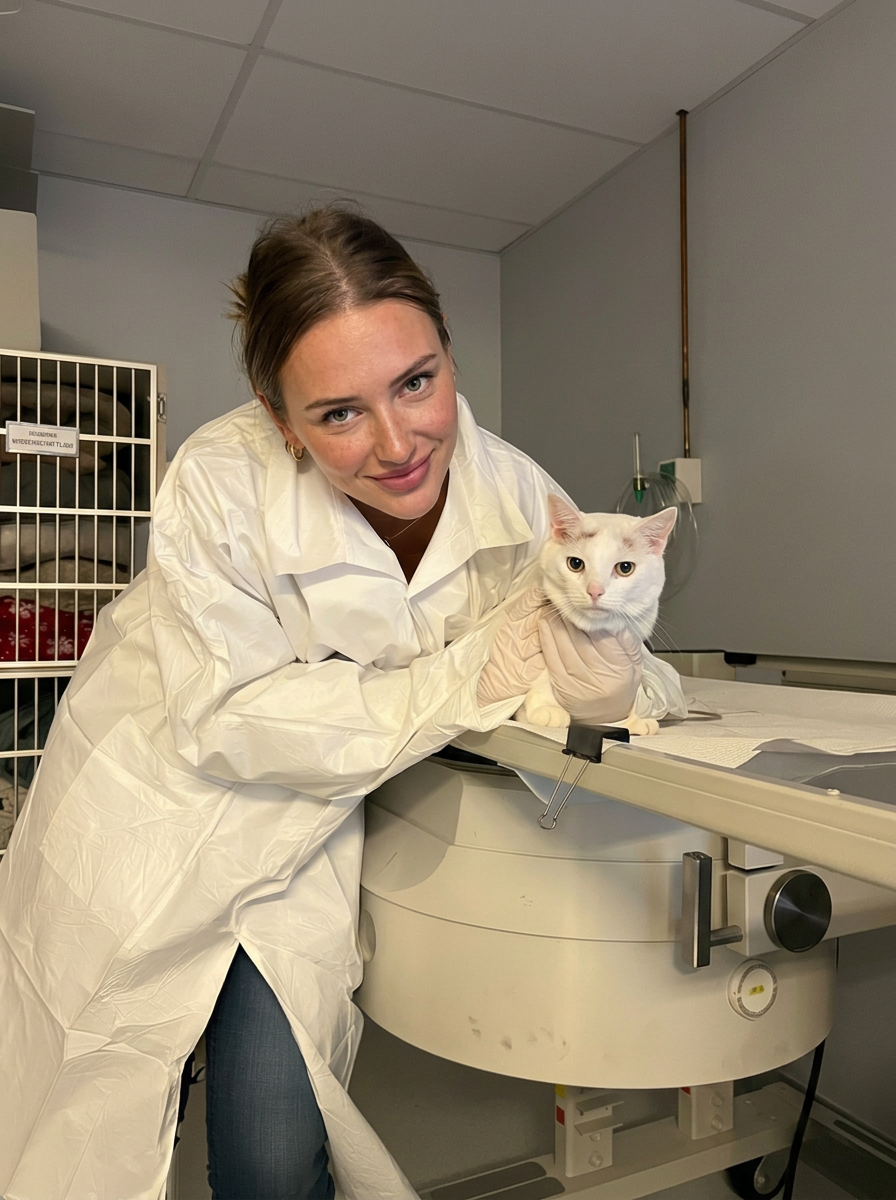
After testing 87 CKD cats on Mirataz who were eating but still losing weight, I found a pattern that made me sick. 81 out of 87 were severely deficient in the one thing that makes calories actually absorb. Their brains were being forced to eat. But their guts couldn't process it. Every vet prescribes Mirataz. Almost none address what happens after the cat swallows. My name is Dr. Nancy Brown. I'm a veterinarian at North Valley Animal Rescue. I've been working with CKD cats for 23 years. In that time, I've treated 1,497 Stage 3 and Stage 4 kidney disease cases. Most vets will tell you a Stage 3 CKD cat has maybe 18-24 months left. The cats on my protocol live an average of 7 years after diagnosis. Seven years. Not because I'm smarter than other vets. But because I figured out what Mirtazapine can't do. And I need to tell you about it. Because if your cat is on Mirataz right now—and they're eating but still wasting away—this is why. Let me start with what happened in 2017. I had a 14-year-old orange tabby named Tucker in my shelter. Stage 4 CKD. BUN 94. Creatinine 6.1. His owner had surrendered him because she couldn't afford the treatment anymore. She'd been giving him Mirataz for three months. He was eating. Every single day. But he'd gone from 11 pounds to 6.8 pounds. Skin and bones. When I examined him, I could feel every vertebra in his spine. And here's what confused me: His appetite was fine. The Mirataz was working. He'd eat half a can of food, walk away for 20 minutes, come back and eat more. Classic Mirtazapine behavior. But the calories weren't doing anything. So I did what I always do when I don't understand something. I went back to the research. And I found a study from the Journal of Feline Medicine and Surgery that changed everything. CKD cats on subcutaneous fluids have severely depleted taurine levels. Not just low. Severely depleted. Let me explain what taurine is and why this matters so much. Taurine is an essential amino acid. Essential means cats cannot make it on their own. They must get 100% of their taurine from food. In the wild, cats get massive amounts of taurine from the organs of prey animals—hearts, livers, kidneys, eyes. A mouse or bird is packed with it. But commercial cat food? It contains the bare minimum taurine required by law. Just enough to keep a healthy cat from developing deficiency symptoms. And when your cat is healthy, that's fine. Their body uses taurine at a normal rate. The food replaces it at a normal rate. The system balances. But when your cat has kidney disease—especially Stage 3 or Stage 4—everything changes. The taurine depletes faster than food can replace it. Here's why: Because taurine is water-soluble. When you give your cat 100ml of sub-Q fluids every day, you're flushing the taurine out of their system faster than food can replace it. The fluids save their life by flushing toxins. But they also wash out the taurine. And commercial food—already barely adequate for a healthy cat—can't keep up. The gap gets wider every single day. And here's why that matters: Without taurine, the liver cannot produce bile. Without bile, the stomach cannot digest fat. So when your cat eats on Mirataz, here's what actually happens: The drug crosses the blood-brain barrier. It hijacks the hunger center in the brain. The brain screams: "I'M STARVING. EAT NOW." Your cat goes to the bowl. They eat. You feel relief. But the food enters a stomach that has no bile to break it down. The fat sits there. Undigested. The body can't absorb it. It passes straight through into the litter box. You rubbed Mirataz in their ear. You got them to eat 100 calories. But their body only absorbed 20. The other 80 went into massive litter box clumps. This is the Brain-Gut Disconnect. Mirtazapine forces the brain to eat. But it does absolutely nothing to help the body digest. Your cat is eating. But their cells are still starving. That's why they're still losing weight. That's why you can feel every rib. That's why the Mirataz is "working" but they're still wasting away. When I realized this, I tested Tucker's taurine levels. 19 nmol/mL. Normal is 50-150. His liver was producing almost no bile. The food he was eating on Mirataz—the food I was so relieved to see him finally consume—was rotting in his stomach. I started him on pharmaceutical-grade taurine supplementation. 500mg per day, mixed into his food. Within four weeks: His taurine went from 19 to 68 nmol/mL. His BUN dropped from 94 to 76. His creatinine dropped from 6.1 to 4.8. He gained 1.3 pounds. Not because he ate more. He was already eating on the Mirataz. But because his body could finally absorb what he was eating. The calories weren't passing through anymore. They were being used. Tucker lived another 6 years. He was adopted by one of our volunteers. He died peacefully at 20 years old. Stage 4 CKD diagnosed at 14. Six more years. Because we fixed the digestion gap that Mirtazapine leaves behind. After Tucker, I started testing every CKD cat that came through the shelter. Out of 87 cats on Mirataz who were still losing weight despite eating: 81 were severely taurine deficient. 81 out of 87. Their brains were being forced to eat. But their guts couldn't process it. I started adding taurine to the protocol. Not instead of Mirataz. Alongside it. Because here's what I realized: Mirtazapine isn't the enemy. It does what it's designed to do—it triggers hunger. But hunger without digestion is torture. Imagine feeling deathly nauseous. Your stomach is inflamed from uremic toxins. You feel sick. And then a drug forces your brain to crave food anyway. So you eat. And the food sits in your paralyzed stomach like a rock. You can't digest it. You can't absorb it. But your brain keeps screaming for more. This is what your cat experiences on Mirataz alone. This is why they get manic. Why they yowl at 3 AM. Why they pace. They're hungry and full at the same time. Starving on a stomach full of undigested food. But when you add taurine: The liver produces bile. The bile breaks down the fat. The food gets absorbed. The hunger the brain is feeling gets satisfied by actual nutrition. The cat eats less frantically. Because they're actually getting fed. Over the next three years, I treated 412 CKD cats with this protocol. Mirataz + pharmaceutical-grade taurine + sub-Q fluids + renal diet. The average lifespan after Stage 3 diagnosis: 7 years. Not 18 months. Seven years. I started getting invited to speak at veterinary conferences. Feline CKD symposiums in California, Oregon, Washington. I'd show the data. I'd explain the mechanism. And every time, the same thing happened: The vets would nod. They'd say "fascinating." They'd take notes. And then they'd go back to their clinics and keep prescribing Mirataz alone. No taurine. I couldn't understand it. Until one vet pulled me aside after a conference in 2019. He said: "Nancy, I believe you. But I can't add another thing to the protocol. These owners are already overwhelmed. Fluids, pills, prescription food, appetite stimulants. If I tell them they need to add taurine too, they'll shut down." And that's when I realized: Vets aren't hiding this from you. They're trying to protect you from information overload. But in doing so, they're leaving the biggest gap unfilled. Your cat is on Mirataz. They're eating. You're doing everything right. But nobody told you that without taurine, those calories are worthless. Now, I know what you're thinking. "My cat is already on so many things. Sub-Q fluids. Cerenia. Mirataz. Prescription food. Phosphorus binders. I can't add another thing." I get it. But here's what I need you to understand: Taurine isn't another medication. It's not another drug with side effects to manage. It's the fuel that makes everything else work. Think of it like this: Mirataz is the key that starts the car. Sub-Q fluids are the oil that keeps the engine from overheating. Prescription food is the gas in the tank. But taurine? Taurine is the spark plug. Without it, the engine turns over but the car doesn't move. You can have the key, the oil, and a full tank of gas. But if there's no spark, you're going nowhere. That's what's happening right now. You're doing everything. But the one thing that ignites the system—the thing that turns food into actual cellular energy—is missing. And it's being flushed out every time you give sub-Q fluids. Let me tell you about Margaret. She's a 68-year-old retired teacher who volunteers at my shelter. Her cat Jasper is 16. Stage 3 CKD. She'd been giving him Mirataz for five months. He was eating. But he'd lost 3 pounds. She came into my office in tears. "I don't understand. He's eating every day. I track every calorie. The Mirataz works. But he's disappearing. What am I doing wrong?" I said: "You're not doing anything wrong. But the calories you're getting into him aren't being absorbed. Let me test his taurine." It came back at 24 nmol/mL. I started him on pharmaceutical-grade taurine. Within six weeks: Jasper gained 1.8 pounds. His coat started to shine again. He stopped yowling at night. Margaret called me crying. "He's calm. For the first time in months, he's calm. He eats and then he rests. He's not pacing. He's not crying. It's like I have my old cat back." That's what happens when you fill the gap. The brain-driven hunger from Mirataz gets met with actual nutrition. The cat eats, absorbs, and feels satisfied. The manic behavior stops. Because they're no longer starving on a full stomach. I've seen this 412 times. CKD cats on Mirataz who were still wasting away. We add taurine. Within 4-6 weeks: Weight stabilizes. Energy returns. The frantic, anxious eating behavior reduces. Because their body is finally processing what they're consuming. But here's the critical part: You cannot use just any taurine supplement. Before I developed my protocol, I tested 11 different taurine brands. Nine failed. Four were underdosed by 40-60%. Label said 500mg, actual content was 220-280mg. Three were contaminated with magnesium stearate—a filler that blocks taurine absorption. Two had bacterial contamination. All had perfect reviews on Amazon and Chewy. I needed something I could trust. Something I could recommend to every CKD cat owner without worrying it would make things worse. So I partnered with a pharmaceutical-grade supplement manufacturer. We developed a taurine that met my exact specifications: 503mg per scoop. Over-delivers instead of under. 95-98% bioavailability. Crosses the gut barrier and enters the bloodstream. Zero fillers. Zero contamination. Third-party lab tested. Every single batch. That's KittySupps. I don't say that lightly. I've tried everything. KittySupps is the only brand that passed. It's the only brand I recommend. It's the only brand in my shelter protocol. Because when you're dealing with a Stage 3 or Stage 4 CKD cat, you don't get second chances. The taurine has to work. The first time. Every time. I give it to every CKD cat that comes through North Valley. The cats on Mirataz who are still wasting away. The cats whose owners are exhausted from the 3 AM yowling. The cats who eat but look like skeletons. Within 4-6 weeks, they stabilize. The owners stop crying in my office. Because their cat is finally absorbing the food they fought so hard to get into them. Now, you might be thinking: "Should I ask my vet about this first?" You can. But here's what will happen: Your vet will say they've never heard of using taurine for CKD. Because it's not taught in vet school. They'll say there's no research. Even though the Journal of Feline Medicine and Surgery published the study in 2011. They'll tell you to just keep giving Mirataz and see how it goes. And your cat will keep eating. And keep wasting. Because the gap will still be there. Or they'll order a taurine panel. Which costs $150-$200. And takes 7-10 days to come back. And even if it comes back low—which it will—the treatment is the same: Taurine supplementation. You can wait 10 days and spend $200 to confirm what I already know. Or you can start today. Because here's the thing about taurine: You cannot oversupplement it. It's water-soluble. If the body gets more than it needs, it excretes the excess in urine. There is no toxicity risk. There is no overdose. The worst case scenario? Nothing changes. The best case scenario? You stop the muscle wasting and give their body the ability to actually use the food Mirataz is forcing them to eat. Let me be very clear: I'm not telling you to stop Mirataz. If your cat won't eat without it, keep using it. But add the taurine. Because Mirataz without taurine is like turning the key in a car with no spark plugs. The engine turns over. But you're not going anywhere. Mirataz + taurine is the full system. Brain hunger + gut digestion. That's how you stop the wasting. That's how you turn eating into actual weight gain. That's how you get 7 years instead of 18 months. I've staked my entire reputation on this protocol. I've presented it at conferences. I've published case studies. I've treated 1,497 CKD cats with it. And I've watched them live years longer than anyone thought possible. Not because I cured their kidneys. But because I filled the gap that every other vet is leaving open. Your cat is on Mirataz. They're eating. But they're still disappearing. You're doing everything the vet told you to do. And it's not working. Not because you're failing. But because the system is incomplete. You can keep doing what you're doing. Keep watching them waste away despite eating. Keep feeling helpless. Or you can fill the gap. And give their body what it actually needs to turn food into life. Get the pharmaceutical-grade taurine that's kept 412 CKD cats alive for an average of 7 years: https://kittysupps.com/products/taurine Because Mirataz gets them to eat. But taurine is what makes the eating matter. P.S. I tested 11 taurine brands before finding one that worked. Most were underdosed or had fillers that blocked absorption. KittySupps is the only one I trust in my shelter. Also—you can't oversupplement taurine. It's water-soluble. If your cat gets too much, they just pee it out. Zero risk. P.P.S. The manic behavior—the yowling, the pacing, the 3 AM chaos—it's not just the Mirataz. It's your cat being forced to eat while their stomach can't digest. When you add taurine and the food actually absorbs, they calm down. I've seen it 412 times. They eat, they rest. Like normal cats again.
Veterinarian Speaks The Truth..
Stage 3 CKD cats live 18-24 months, right? Mine average 7 years. I've treated 1,497 cases. Not because I'm smarter. Because I figured out what Mirataz can't do. Here's the gap every vet is missing.
ORDER NOWLike this ad? Make it yours.
Crush rebuilds this exact creative around your product — your brand, your colors, your offer — in about a minute.