
Active· since Jun 4, 2026
- 101
- days running
- 1
- relaunches
Ad copy
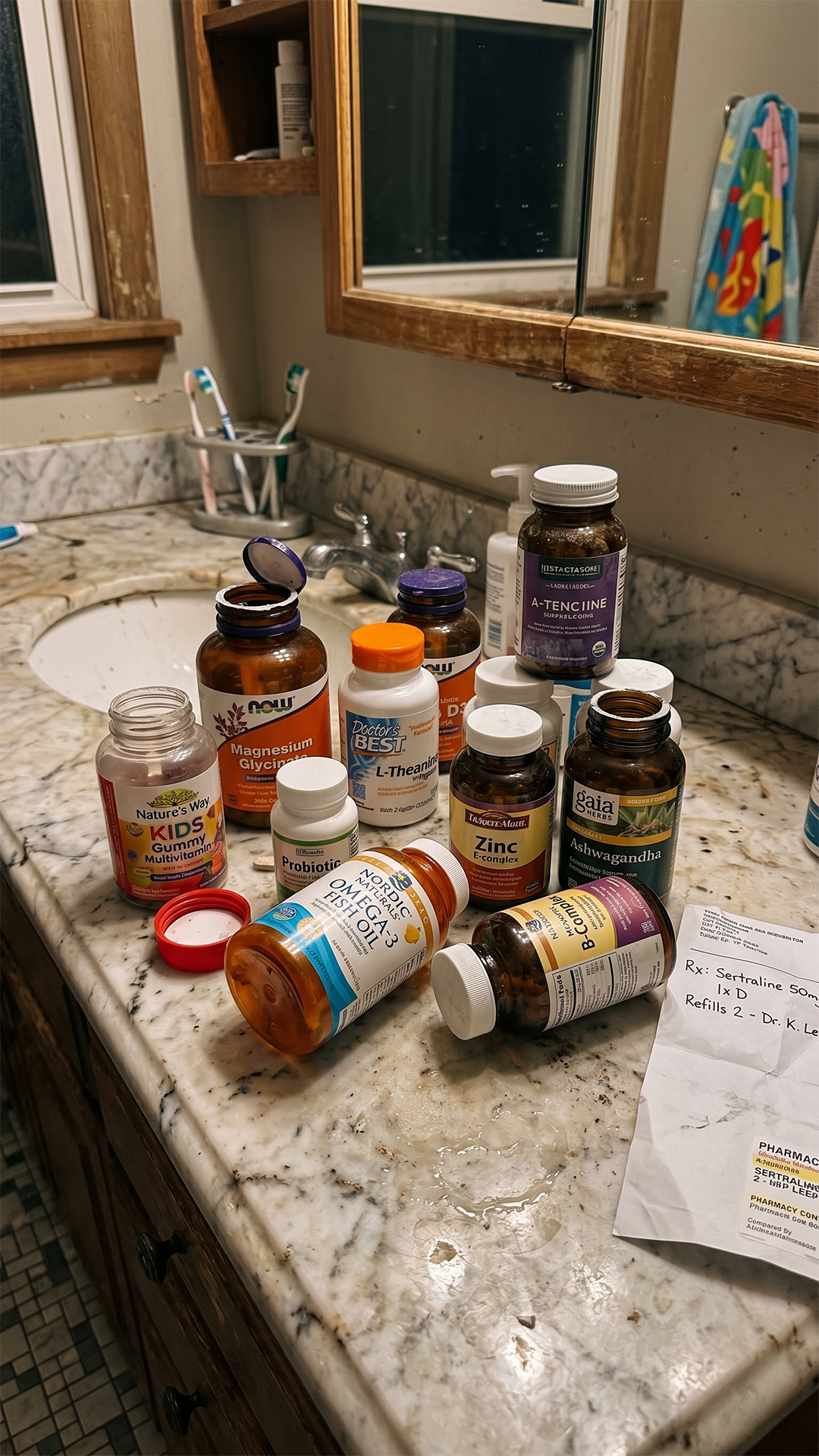
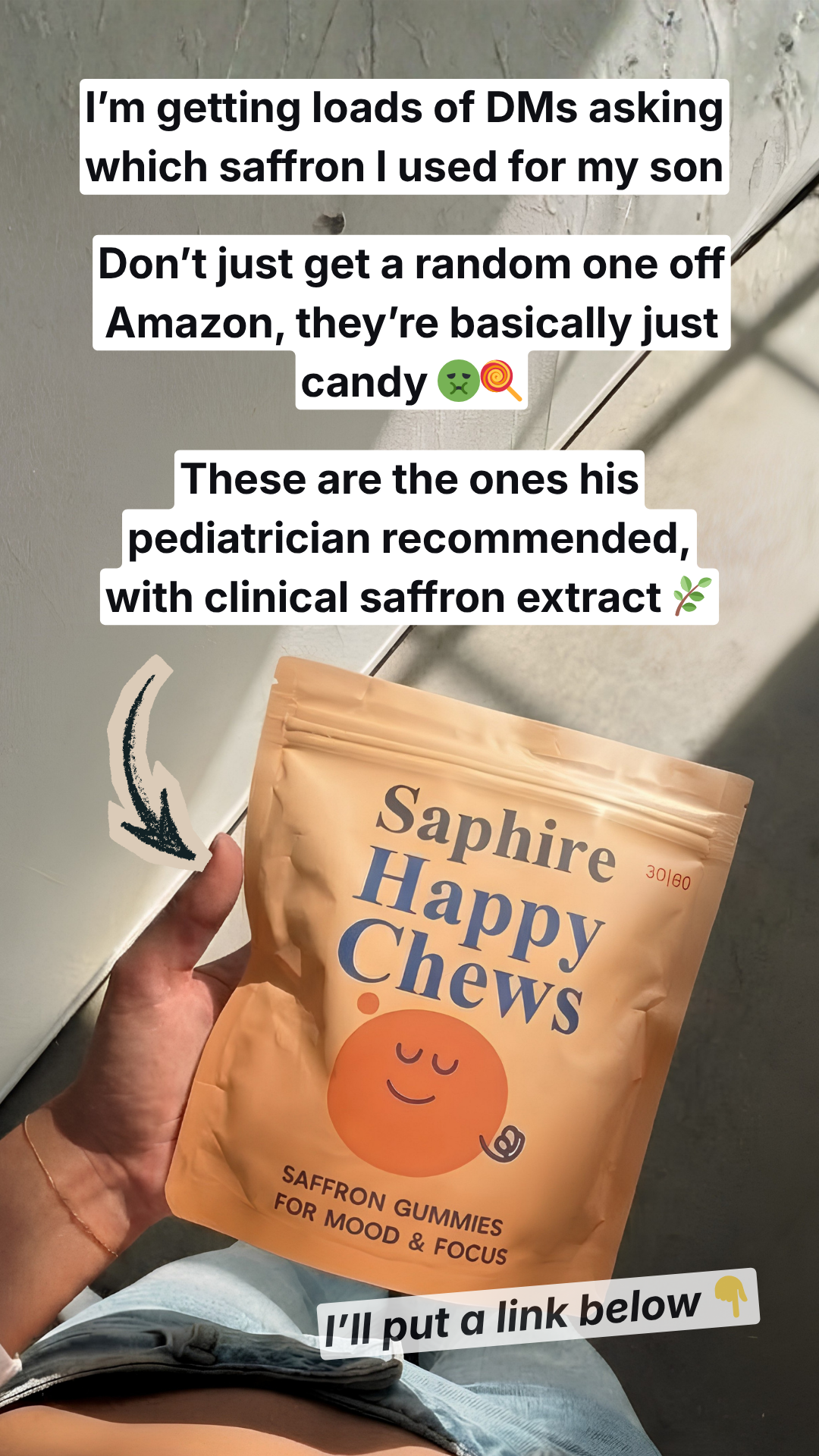
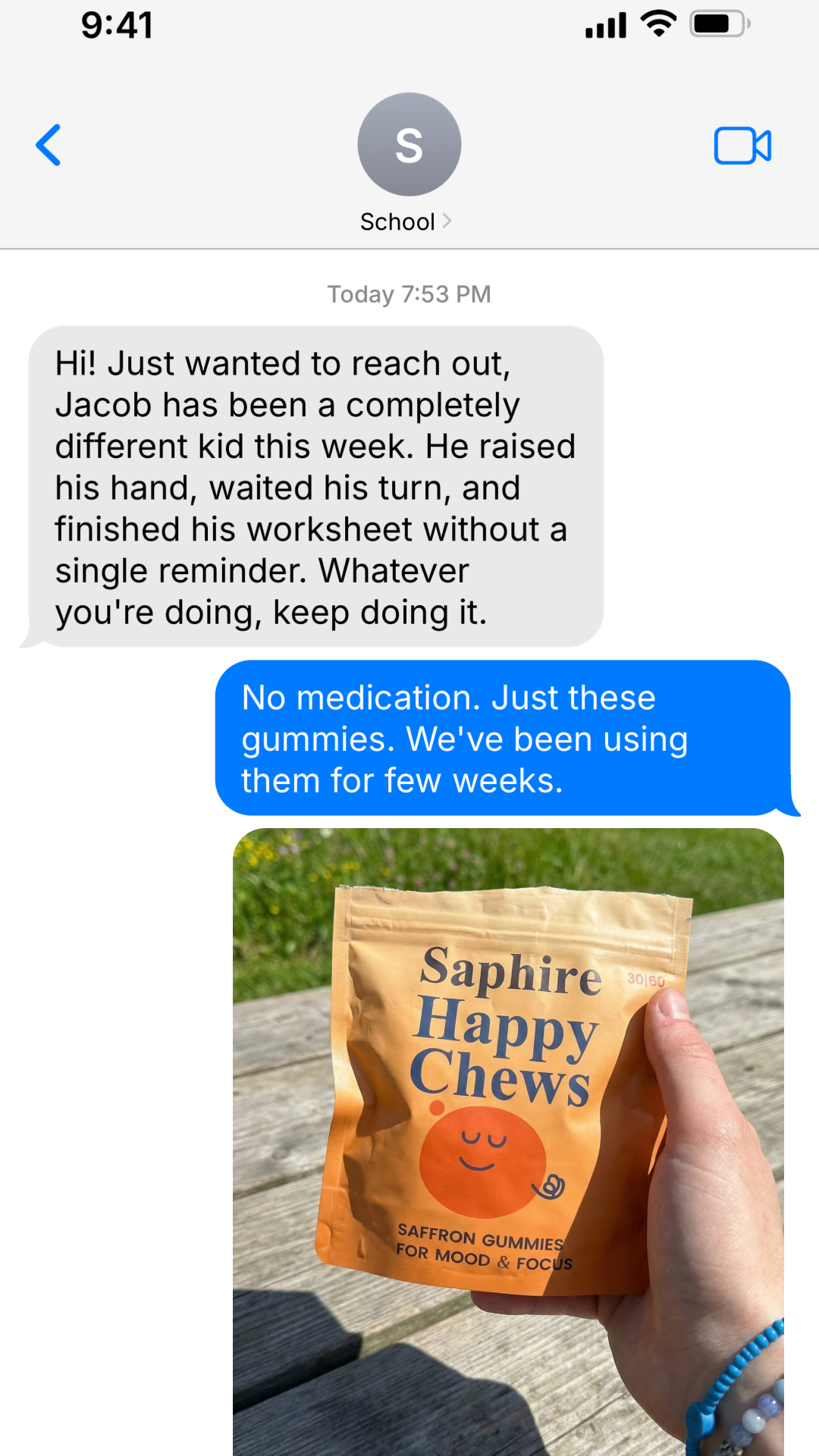
"Will my son ever be able to hold down a job?" A mom asked me that last spring. Her boy was seven. I'm a pediatrician. I've heard every version of that question — will he keep up, will he make friends, will he be okay — but that one stopped me. She wasn't asking about next week. She was asking about a thirty-year-old man she's never met. And I didn't have a good answer for her. She told me something I've thought about every week since. Her son could sit on the floor for three hours building something in a video game — focused, calm, problem-solving, talking through a headset with his friends like a little engineer. But he couldn't get through ten minutes of homework without coming apart. "How is that the same kid?" she asked me. "He can plan twelve steps ahead in that game. He can't remember to put his socks on." I gave her the answer I'd been trained to give. "Let's wait and see. A lot of kids grow out of this. If he's still struggling like this next year, we'll talk about a behavioral specialist — and down the line, if we need to, a stimulant.." Wait. Therapy. Medication. That's the whole playbook most of us were taught. So she waited. Like I told her to. Her name is Danielle, and I saw her again in November. She sat down and didn't take her coat off. She told me her son had started throwing things when she asked him to turn the game off. That his teacher had moved his desk right next to hers at the front of the room. Then she said the thing that broke me a little. "I don't want to medicate a seven-year-old. But I can't keep watching him fall behind and tell myself that's me protecting him." She'd found the trap. The choice I'd handed her wasn't medicate-or-don't. It was medicate, or do nothing and feel the floor drop a little further every report card. I'd given her two bad options and called it a decision. I went home that night and did something I should've done years earlier. I stopped reading the glossy pamphlets the drug reps leave in my break room and started reading the actual research on the space in between — the part nobody in my training ever talked about. It reorganized how I think about focus in kids. And it started with Danielle's question. The one I couldn't answer. How is that the same kid? Here's the answer, and once you see it you can't unsee it. A child who can hyperfocus on a screen for three hours but falls apart over a worksheet does not have a willpower problem. He has the opposite. His attention works fine. It works too well, on the one thing wired to feed it. That game is engineered to deliver a hit of dopamine every twenty or thirty seconds. Dopamine is the chemical that makes a task feel worth staying on. Some kids run on a lower baseline than others, so their brain does the logical thing: it hunts for the fastest refill it can find. The screen is the refill. The worksheet is not. So when his mom says "time's up, go do your homework," she thinks she's ending a game. She's not. She's cutting off the only steady source of the chemical his brain has been starving for all day — and in the same breath asking him to go do the one task that demands the most of it. Sustained focus. Sitting still. Swallowing frustration when the math gets hard. The scream. The thrown remote. That isn't a tantrum about a video game. It's a nervous system in free-fall being asked to perform with an empty tank. And here's the part that made me put the journal down and stare at the wall. Focus isn't one dial. It's four. Dopamine to stay on task. Norepinephrine to filter out the noise. Serotonin and GABA to keep a small frustration from detonating into a meltdown. Almost everything we hand these parents pulls one lever and ignores the other three. Magnesium calms the body, but the real problem isn't just in his body, it's in his brain. Fish oil helps build the brain's physical structure, but it doesn't do anything for the chemical messengers that actually carry focus and mood from one cell to the next. Take the screens away and you've just removed the only thing filling the tank without putting anything back, which is exactly why every mom who's tried it tells me the meltdowns got worse, not better. Each supplement does a little. None of them touches all four pathways. So the parent tries one, sees a flicker, watches it fade, and quietly adds the bottle to the graveyard in the cabinet. Magnesium. Omega-3s. The OLLY ones. I have heard that exact list read back to me in my exam room more times than I can count, always in the same defeated voice. I'm not against medication. I've prescribed it. For some kids it's the right call and I'd make it again tomorrow. But there was something between "wait and see" and "stimulant" I'd never been taught — because it's been studied in Australia and the UK over the last seven years, not in the continuing-education credits a working pediatrician actually gets around to. A standardized saffron extract. Not the pinch in your spice rack. A specific, clinically-studied form called “affron”; the only natural compound I've found shown in controlled trials to support the brain's own production across those pathways instead of forcing a single one. It doesn't spike dopamine and crash it the way a stimulant does. It feeds the baseline. The whole system, not one dial. The data behind it is what kept me reading. In a randomized, placebo-controlled trial in young people, the ones given this saffron extract showed real improvement in focus and mood scores against placebo — without the appetite loss, the flat affect, the "that's not my kid anymore" look that drives so many parents back into my office trying to get off the thing we started. I started telling a few families about it. Carefully. Danielle was the first. Her son takes a sugar-free gummy with breakfast now, every day, a saffron gummy made for kids and teens. When she came back, she wasn't excited, and that's exactly what made me trust the report. A mom who's been burned by a year of supplements doesn't walk in raving after one week. The honest results never look like the ads. Week one, she told me, nothing. She wasn't hopeful. I wasn't surprised. I'd read the research, and I knew one-week results are something only a marketing team can claim, not something a real supplement can prove. Week two, she said bedtime stopped being a war. Around week four, she texted me this: “His teacher asked what changed”. A few things, because I'm a doctor before I'm anything else, and I won't pretend this is magic. Most "saffron" supplements are useless, and that's not me being dramatic. Saffron is one of the most adulterated ingredients on the planet. A lot of what's sold is dyed filler with barely any active compound. That's the real reason a parent buys a saffron gummy off a shelf, feels nothing changing in their kid's behavior, and decides the whole thing is a scam. It's not that saffron does nothing. It's that the "saffron" in the brand they tried was nothing. The clinically-studied extract is the version the trials were actually run on, and most products on the shelf aren't carrying it. This is not a stimulant, and it is not a substitute for a conversation with your own child's doctor. It works on a steady baseline, and it works slowly. If a company promises you a different kid by Friday, close the tab. Anything that moves a child's brain chemistry overnight should scare you, not sell you. I bought a pack for my sister's middle son. One for a family in my practice who couldn't get through a single homework session without tears. And a few extra to keep in my office, for the parents I could tell weren't going to go looking on their own. I keep thinking about Danielle. She walked into my office terrified her seven-year-old wouldn't be able to hold down a job one day. She wasn't being dramatic. When a kid can't sit with one hard thing at seven, you do start to wonder about seventeen, and twenty-seven. But that fear was never really about homework. It was about whether anyone was ever going to give her an option that wasn't "wait and hope" or "medicate and hope." The brand I point parents to is Saphire Happy Chews. One reason: it carries the clinically-studied dose the trials were actually run on. The cheap saffron gummies you'll find on Amazon aren't a budget version of this. They're underdosed dyed filler. It says "saffron" on both labels. Only one of them will do anything for your kid. A few honest notes on buying it. They run a 60-day money-back guarantee, which happens to be about how long the research says you'd need to judge it fairly anyway. If it does nothing for your child, you get your money back, no questions asked. And they're running a Buy 2 Get 1 Free right now, which matters more than it sounds: the whole point is to give it two honest months, and a single pack won't get you there. Based on what I've now watched happen in my own exam room, I don't think most of you will be asking for that refund. You can get them here: https://trysaphire.com/products/saphire-happy-chews-adv P.S. — If you know a mom going through the same thing, send her this. Someone just has to tell her there's another option.
A mom asked me if her son would ever be able to hold down a job. He's seven years old.
Saphire Saffron
LEARN MORELike this ad? Make it yours.
Crush rebuilds this exact creative around your product — your brand, your colors, your offer — in about a minute.