
Inactive· since Mar 27, 2026
- 38
- days it ran
- 0
- relaunches
Ad copy
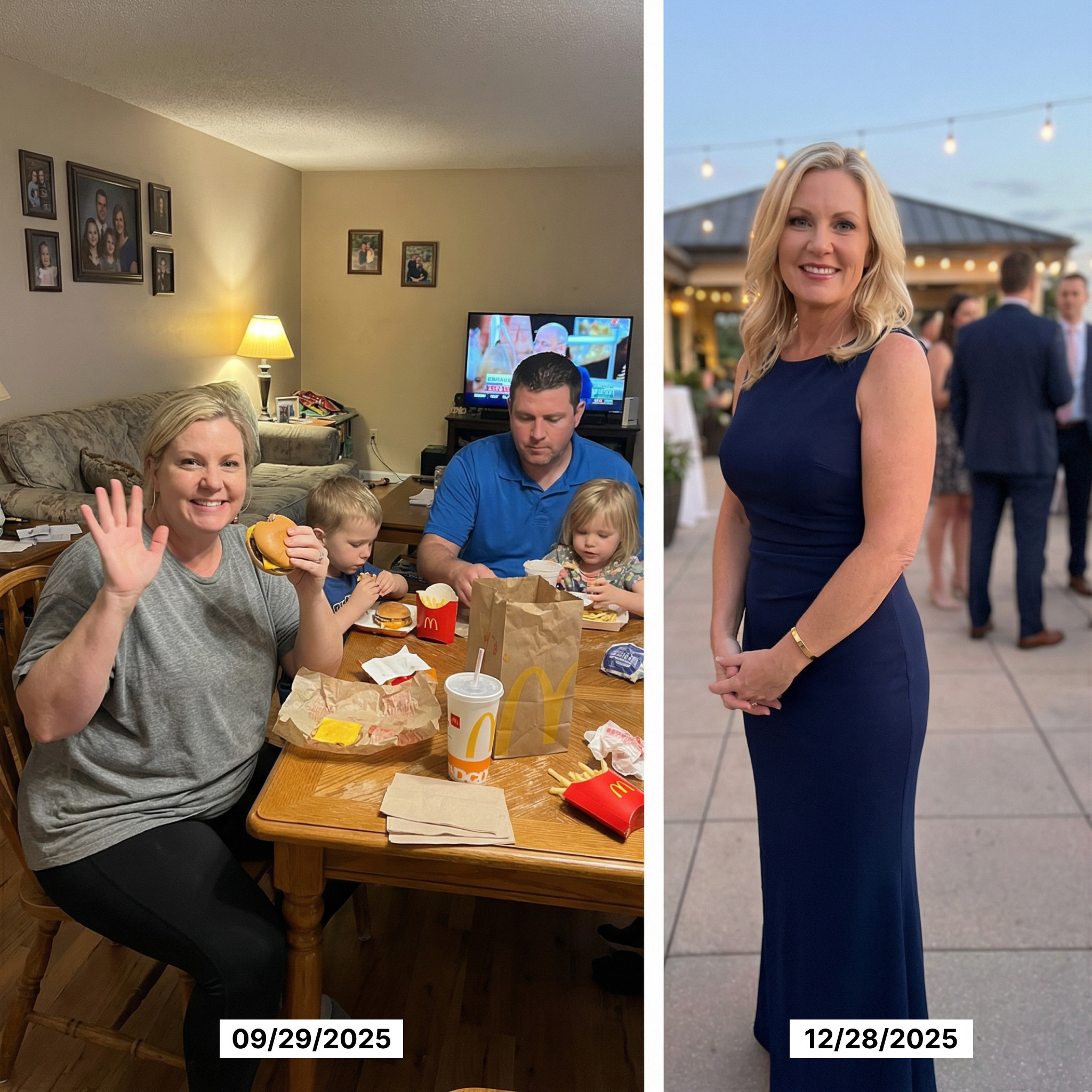
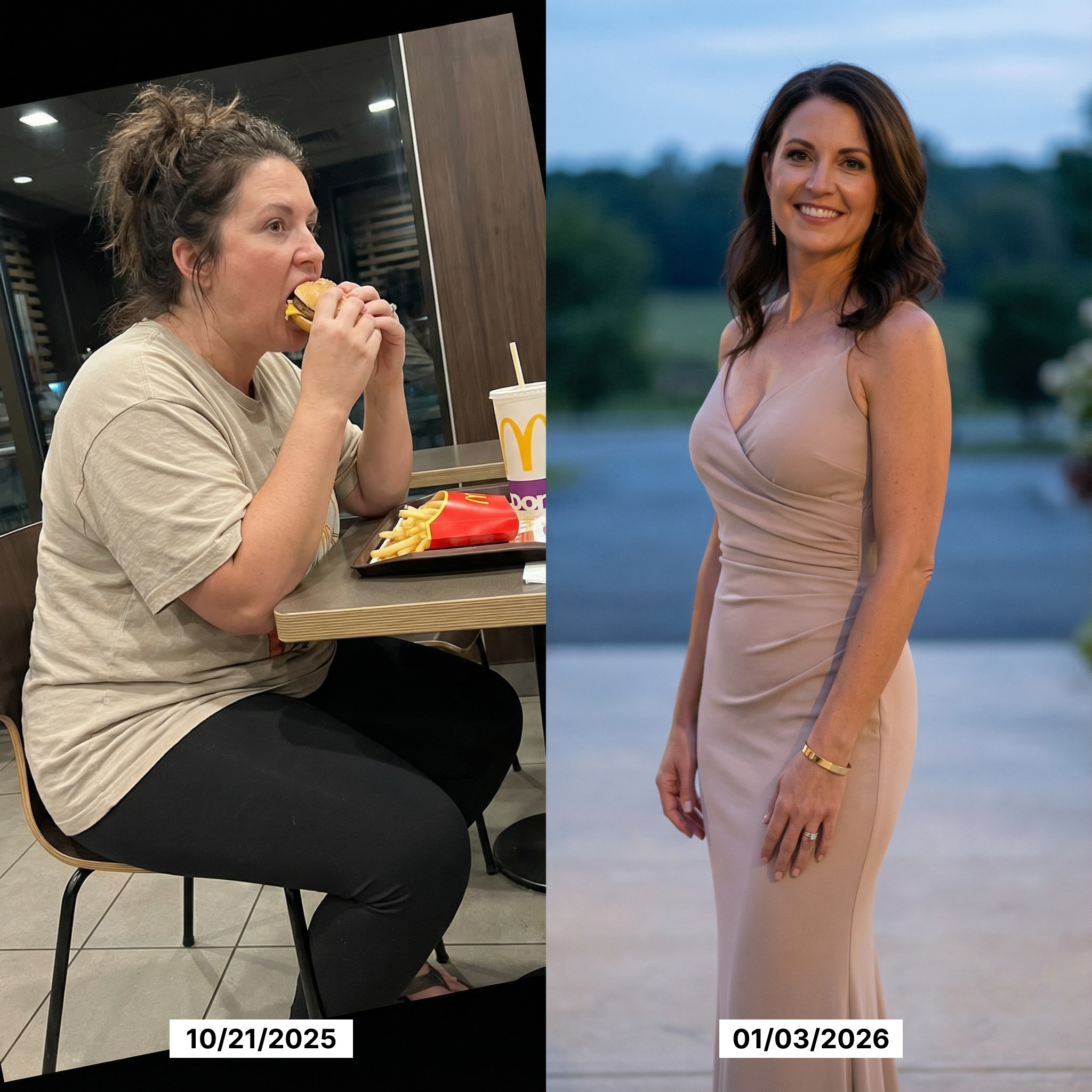
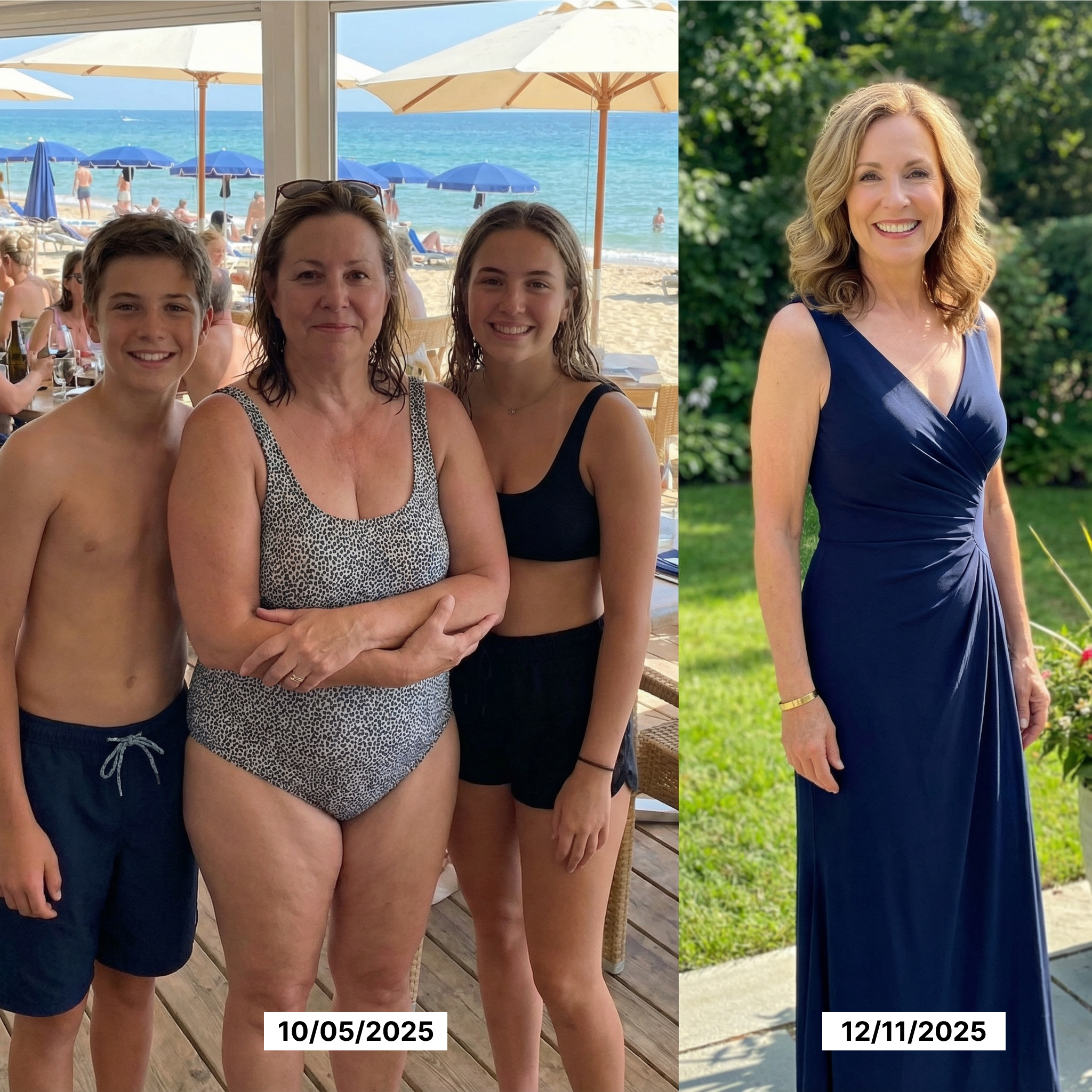
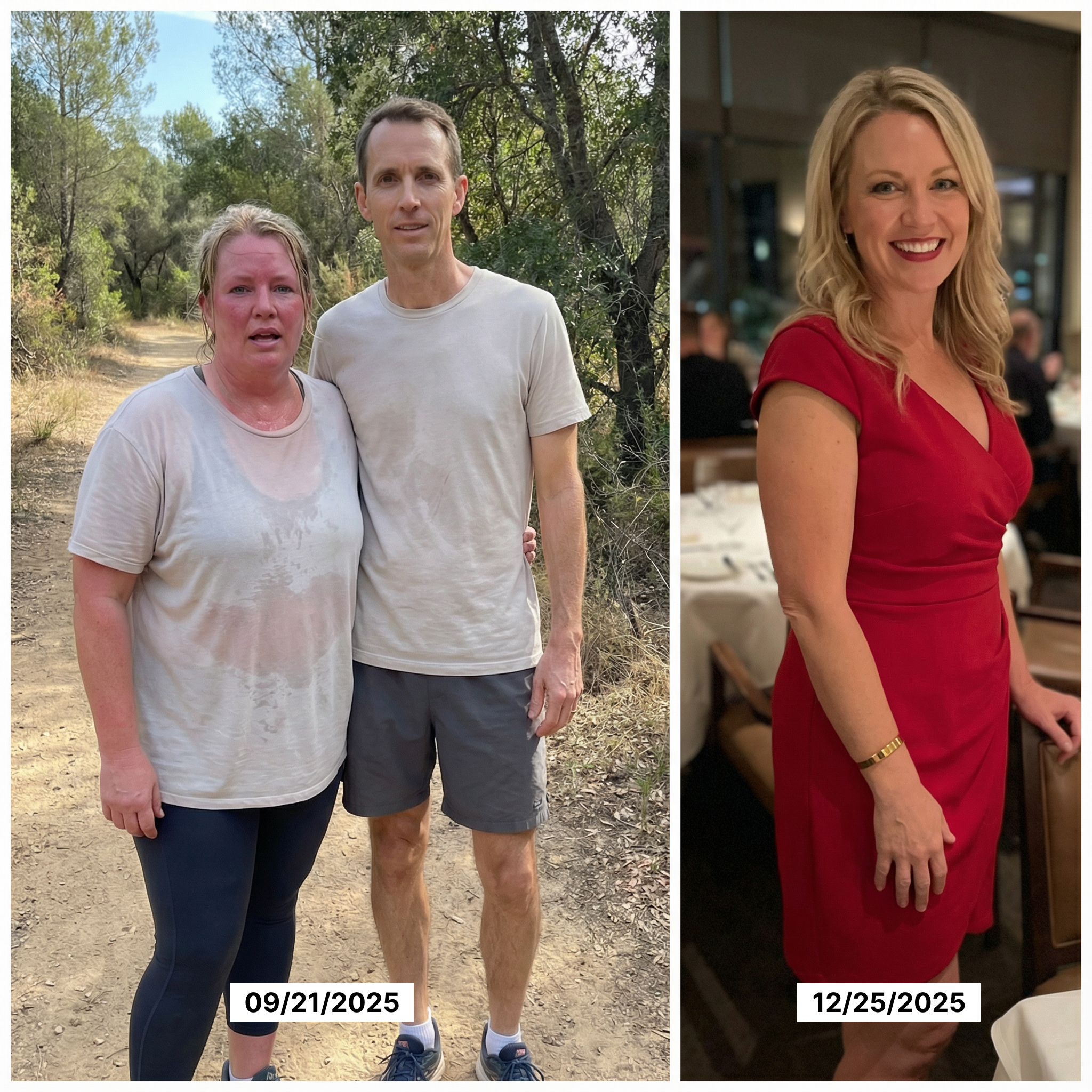
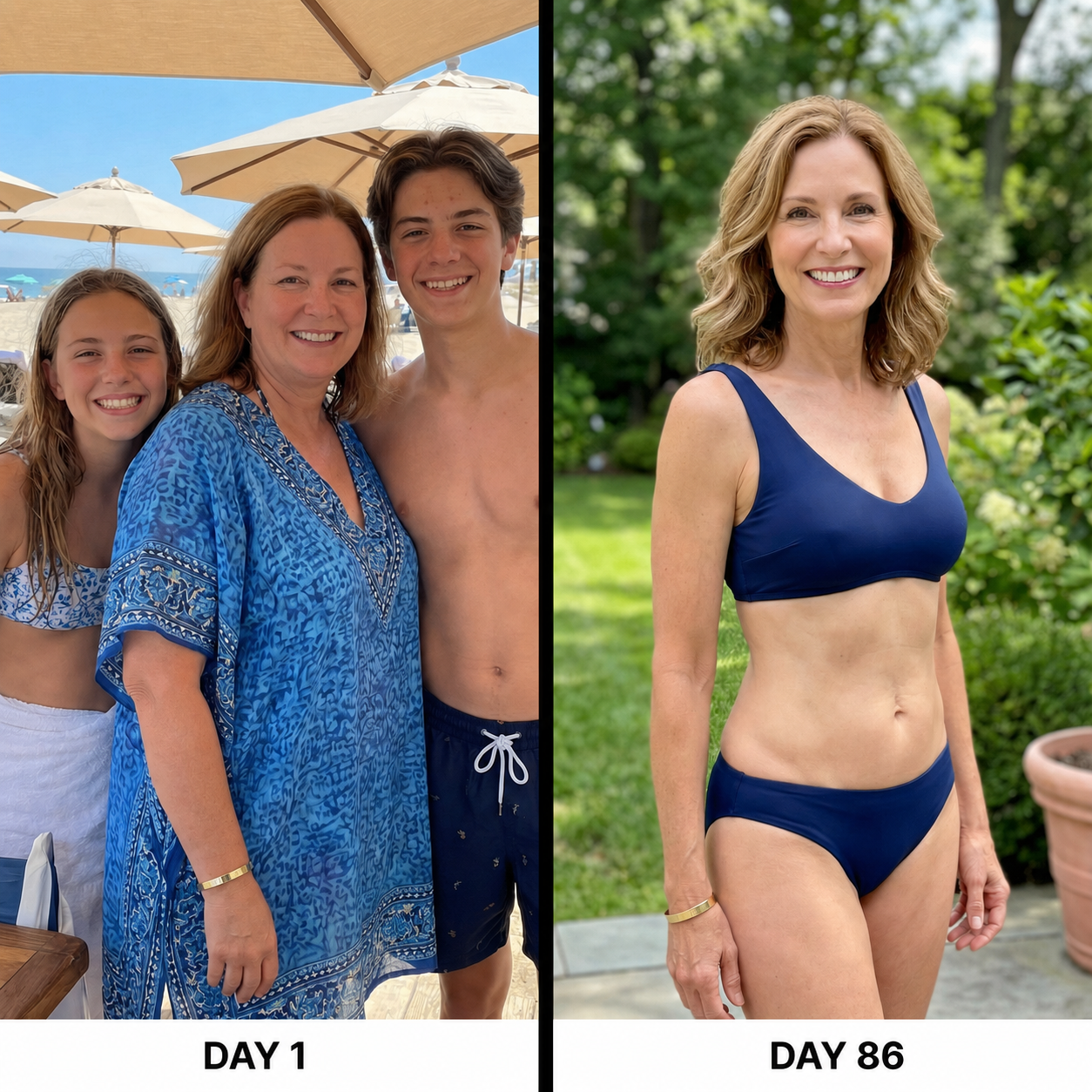
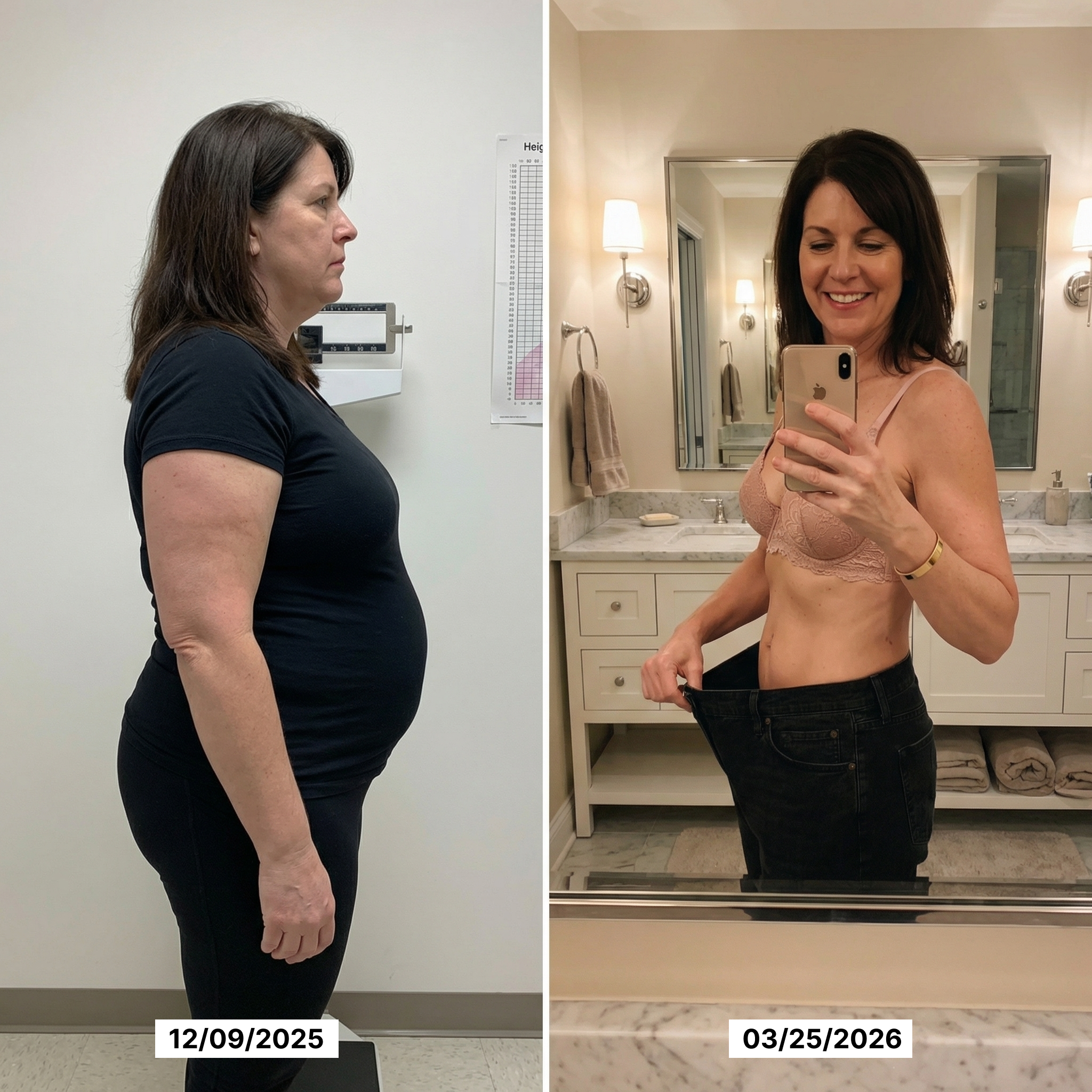
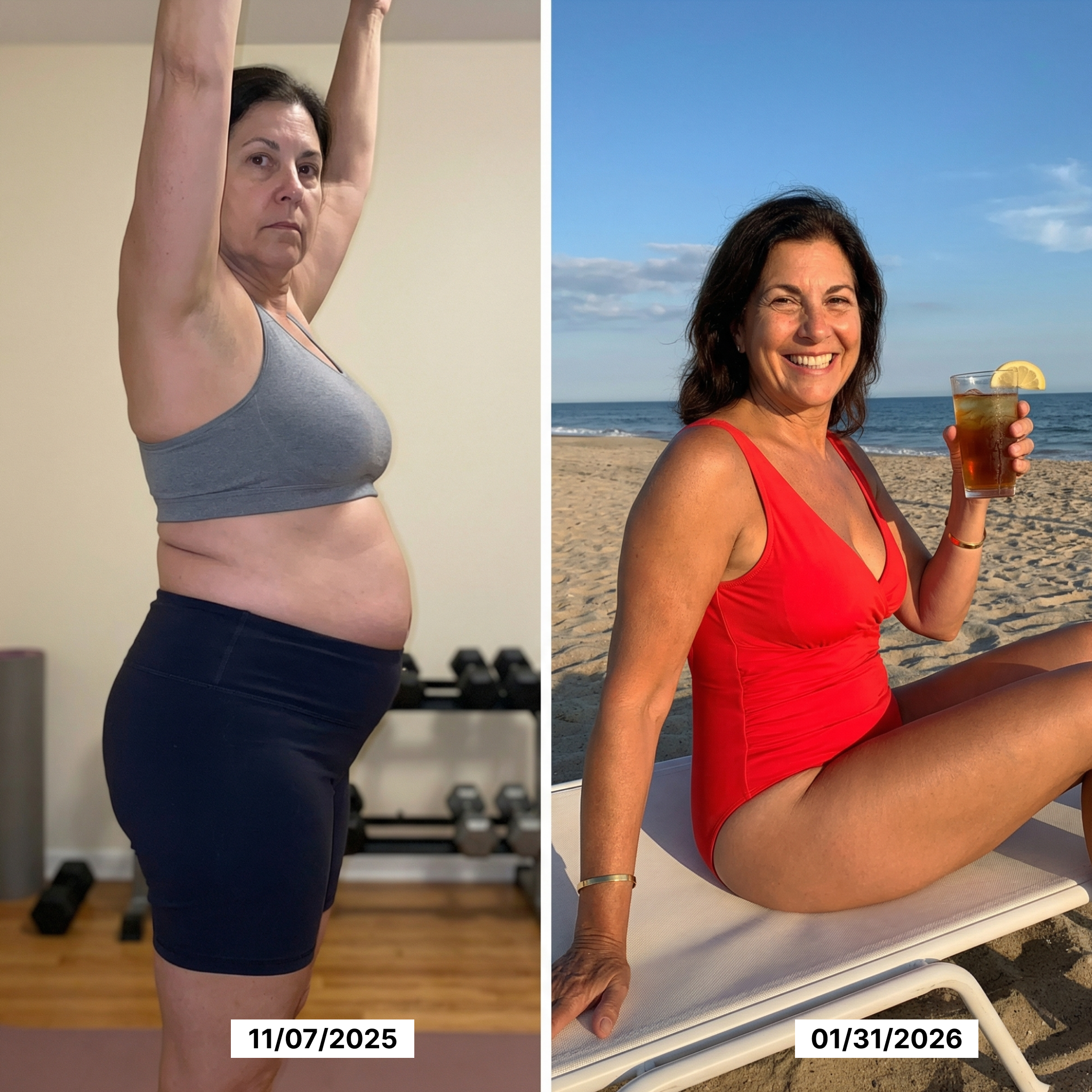
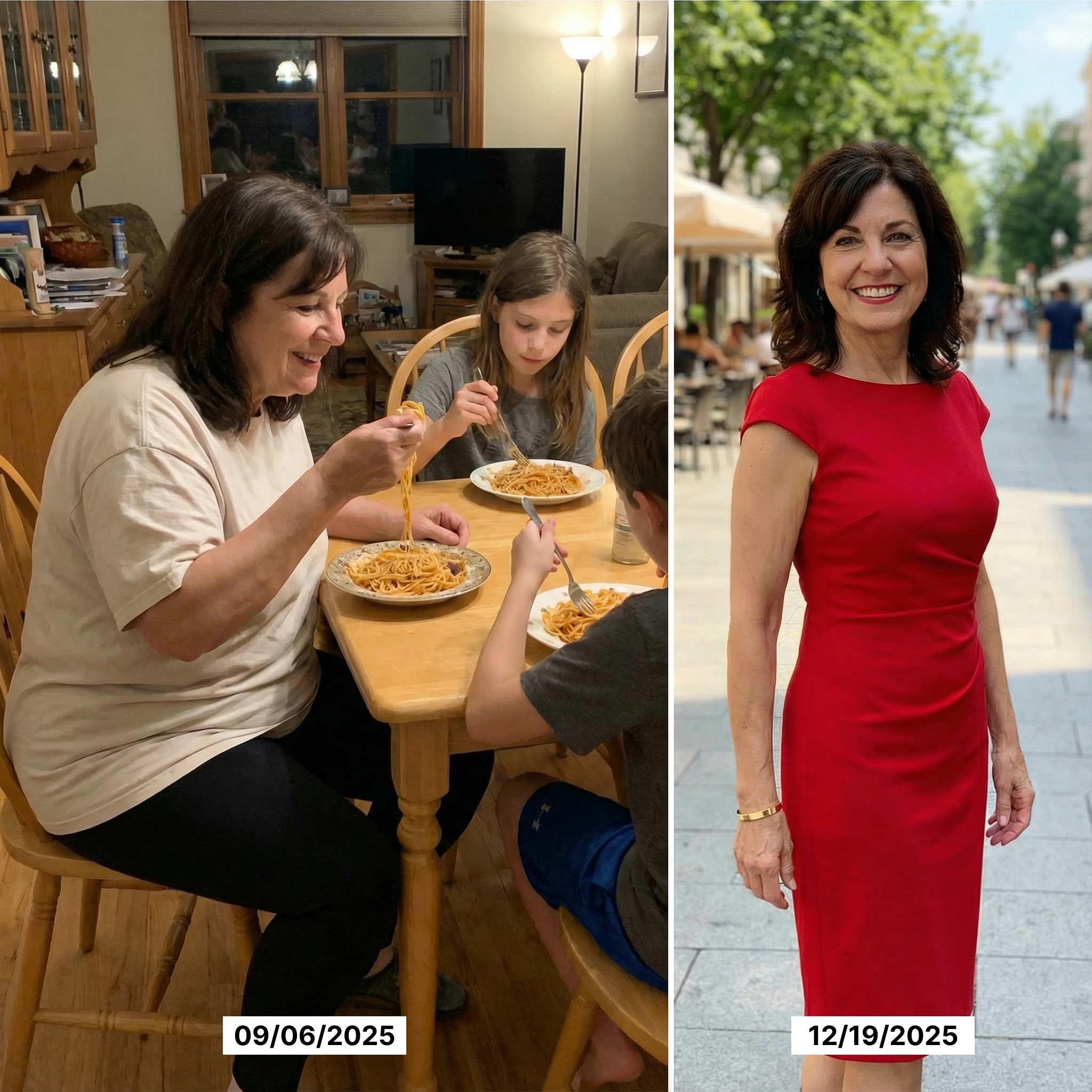
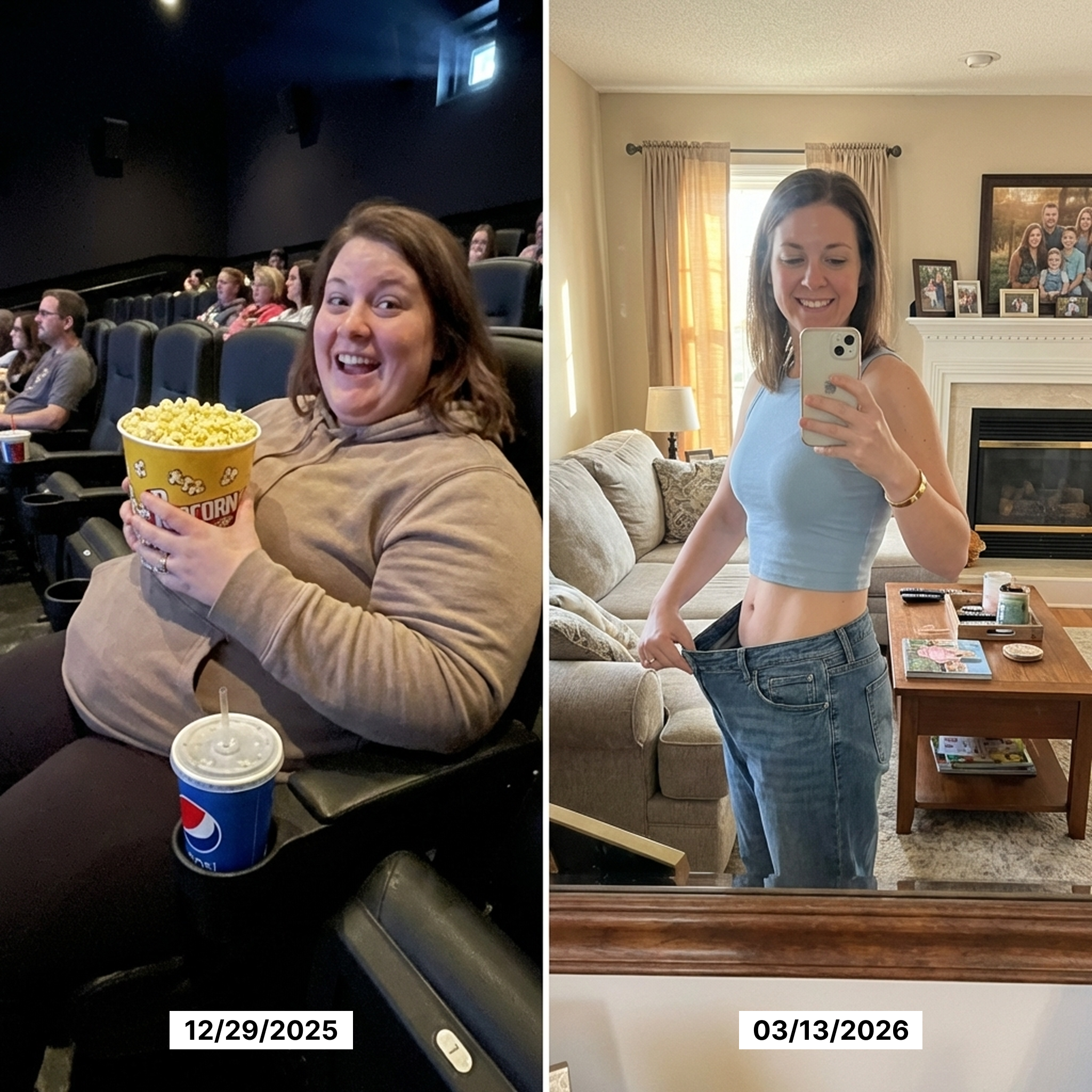
Ladies listen up. My belly almost triggered a cardiac arrest. Visceral fat was wrapped around my heart and compressing it. I lost 55% of my visceral fat in 12 weeks. I'm out of danger. My visceral fat had dropped from 188 cm2 to 85 cm2. I'm a telemetry nurse. I've been monitoring heart rhythms on cardiac floors for 11 years. Dr Steven Patel has been my internist since I turned 44. I'm 53 now. He's watched every number get worse through menopause while I spend my shifts watching other women's heart monitors beep warnings I should have been hearing about myself. At my annual physical, he ordered an abdominal CT to measure visceral fat. He pulled up the images. Went still. Pulled up my scan from nine months earlier. "Your visceral fat went from 188 cm2 to 85 cm2. A 55% reduction in twelve weeks. No surgery. No GLP-1. No medication change. I need you to explain this to me." I told him nothing had changed medically. He put both scans on the screen side by side. "You were at 188. You're at 85. I monitor patients on three-drug regimens who plateau at 140 and never go lower. Tell me what you did." The Meno Belly That Was Compressing My Heart I watch heart rhythms for a living. Eight monitors. Twelve-hour shifts. Every blip, every spike, every flatline runs through my station. I know what a heart sounds like when it's struggling. I know what the monitor looks like when visceral fat has been squeezing a heart for years, the irregular rhythms, the strain patterns, the subtle changes that tell you something is wrong before the patient even feels it. I know that visceral fat is the most dangerous fat in the body, it wraps around organs, releases inflammatory cytokines, drives insulin resistance, causes the cardiac events that light up my monitors in the middle of the night. And for three years, I'd been ignoring the fact that my own heart was probably doing the same things I was watching on other women's screens. Between 44 and 53, I gained 33 pounds. All of it settled in my midsection. My waist went from 27 inches to 40 inches. Every shift, I'd watch a rhythm change on one of my monitors and think about what my own rhythm looked like. I'd see a woman over 50 with central obesity go into atrial fibrillation and wonder if my heart was doing the same thing when I wasn't hooked up to a machine. I read cardiac monitors eight hours a day. And I was afraid to put one on myself. The Numbers I Kept Watching Get Worse My last full workup before the bracelet: Visceral fat: 188 cm2 (high risk is >100 cm2) Waist-to-hip ratio: 0.95 (high risk is >0.85) Fasting glucose: 119 (prediabetic) Triglycerides: 230 (elevated) Blood pressure: 144/90 (stage 2 hypertension) BNP: 94 pg/mL (borderline elevated cardiac stress) My grandmother died of sudden cardiac arrest at 54. She was cooking dinner. No warning. No symptoms. Just gone. My mother has been on cardiac medication since 50. She's 74 now and takes eight pills every morning. She told me once that she wishes someone had scared her into action at my age. I watch monitors all day waiting for the moment a heart decides it's had enough. My grandmother's heart decided at 54. I was 53 and carrying the same fat around the same organs. The Day Dr Patel Showed Me the Echo I'd been avoiding the conversation for two years. Dr Patel hadn't. At my last full workup, he didn't start with the labs. He pulled up an echocardiogram he'd ordered without telling me the full reason. "I want you to look at this image. This is your heart. See this area here?" He pointed to the screen. "That's visceral fat. It's wrapped around your pericardium and it's compressing your right ventricle. Your heart is working harder than it should because there's fat pressing against it from the outside." I've read about pericardial fat compression in continuing education modules. I've seen it referenced in patient charts. I'd never seen it on my own echo. "Your BNP is at 94. That's your heart telling you it's under stress. Your visceral fat is at 188 cm2. At this level, the fat around your heart is not cosmetic. It's mechanical. It's physically compressing your cardiac structures." He looked at me across the desk. "You monitor hearts for a living. You know what happens when a heart is under mechanical compression for years. I'm telling you that your belly almost triggered a cardiac arrest. If we don't reverse this, it will." I've watched hundreds of cardiac events on my monitors. I've called dozens of rapid responses. I've watched flatlines. And I'd never been as scared as I was sitting in that office looking at my own heart being squeezed by my own fat. The $3,880 I Spent Trying to Free My Heart I tried everything he prescribed: Cardiac rehab visceral fat reduction program ($1,300 for 16 weeks) that helped marginally but didn't eliminate the risk. Prescription omega-3s, berberine, and CoQ10 ($680 over 7 months) that moved my markers slightly. Anti-inflammatory meal delivery program ($1,260 for 14 weeks) specifically designed for visceral fat. Supervised cardiac-monitored conditioning ($640 for 18 sessions) targeting abdominal fat under telemetry. My waist went from 40 inches to 38.5 inches. Visceral fat from 188 to 174 cm2. BNP barely moved. My heart was still under compression. Still working too hard. Still at risk. Dr Patel said we needed to discuss aggressive intervention. He said the echo showed the compression wasn't improving fast enough to prevent an event. What a Patient's Monitor Taught Me Then Mrs. Yamamoto on Monitor 6 changed everything. She was 70 years old, admitted for observation after a syncopal episode. Her history showed metabolic syndrome, central obesity, and a previous echo documenting pericardial fat. Standard telemetry monitoring. I expected the usual strain patterns. Her rhythm was clean. Textbook normal sinus. In a 70-year-old with her history, that almost never happens. When I went in to adjust her leads, she noticed me looking at her monitor. "It wasn't always that pretty," she said. "Two years ago my heart rhythm was all over the place. My cardiologist said the fat around my heart was causing it." She held up her wrist. A bracelet. "My acupuncturist in Boise gave me this. She's also my massage therapist. She told me to wear it every single day. My visceral fat went from 152 cm2 to 84 cm2. My cardiologist said the fat around my heart had decreased enough that the compression was resolved. A 45% drop. He told me he'd never seen it reverse without surgery." I'd been reading her monitor for six hours. The rhythm was undeniable. I've watched thousands of cardiac monitors. I know what a heart looks like when it's free versus when it's compressed. Hers was free. "How much was it?" "$65. My acupuncturist said that's less than what I pay every month for heart pills that never touched the actual problem." My 12-Week Transformation As a telemetry nurse trained in cardiac rhythm interpretation, I tracked every change: Week 1-4: Sleep quality improved noticeably. That tight pressure around my chest and upper abdomen started to open up. Morning bloating went down. Waist: 37.5 inches. Week 5-8: Post-meal belly distension nearly gone. Inflammatory joint stiffness faded. Lost 14 pounds. Waist: 34 inches. Week 9-10: Belly visibly smaller. Could lean forward at my monitoring station without feeling my pulse pound in my ears from the abdominal pressure. Lost 12 pounds. Waist: 30.5 inches. Week 11-12: Abdomen soft instead of hard and distended. Finishing 12-hour shifts without the chest heaviness that used to settle in by hour eight. Lost 7 pounds. Waist: 28 inches. Total: 33 pounds lost. 12 inches off my waist. That's when Dr Patel ran the scan that changed everything. The Scan That Made My Doctor Pull Up the Echo When I showed Dr Patel the bracelet, he set it on his desk next to my chart and looked at it without speaking. "Walk me through the mechanism." I explained: "Chronic stress keeps the autonomic nervous system in sympathetic overdrive. Elevated cortisol drives visceral fat storage around organs. When you regulate the nervous system, cortisol normalizes. The body releases the stored visceral fat." He pulled up my CT results. Visceral fat: 85 cm2. Down from 188 cm2. A 55% reduction. Back in the normal range. Then he did something I didn't expect. He pulled up a new echocardiogram he'd ordered that morning. He put it next to the one from six months ago. "Look at your heart. Six months ago the visceral fat was compressing your right ventricle. Today it's clear. The mechanical compression is gone. Your heart is beating the way it's supposed to." He pulled up my full labs: Fasting glucose: 119 -> 83 Triglycerides: 230 -> 120 Blood pressure: 144/90 -> 116/72 Waist-to-hip ratio: 0.95 -> 0.75 BNP: 94 -> 28 "You freed your heart from the fat that was compressing it, by addressing your nervous system." I'd spent 11 years watching hearts on screens. That was the first time I saw my own heart beating free. Eight Weeks Later Dr Patel now recommends it to patients with central obesity and elevated cardiac stress markers before escalating to invasive workup. Five patients have seen 30-50% visceral fat reductions in 10-14 weeks. I've recommended it to eight telemetry nursing colleagues with meno belly. Six are reporting measurable waist reduction and improved labs. Last month, Dr Patel presented my case at the hospital's cardiac nursing education seminar: "Pericardial Fat Regression Through Autonomic Nervous System Regulation: Telemetry and Echocardiographic Evidence." The Professional Truth Here's what 11 years reading cardiac monitors taught me: You can't crunch away visceral fat. You can't diet away belly fat driven by chronic cortisol. We can medicate metabolic syndrome, metformin, statins, GLP-1s. But if chronic stress is driving visceral fat accumulation, we're treating symptoms. For most menopausal women, the dangerous belly fat is a problem of a dysregulated nervous system pumping cortisol 24/7. That cortisol drives fat straight to your abdomen, around your organs, creating cardiac risk. Fix the nervous system. The belly fat releases. For me and my patients, that started with a $65 bracelet that did what no cardiac medication had: calmed the stress response driving the visceral fat. I'm still a telemetry nurse. I still watch hearts struggle on my monitors every shift. But now I understand: you can't out-medicate a stress-driven meno belly. 👉 If you have visceral belly fat that won't respond to diet or exercise, if you want to address the cortisol driving dangerous fat accumulation... Click below to discover the Kalm Bracelet. Just $64.90 at the official store. Wear it consistently and measure your waist every 2 weeks for 16 weeks. https://mykalm.co/original-bracelet
Reduces menopause symptoms naturally
Don't miss out! Get TWO original Kalm Bracelet for the price of ONE. These are our largest discounts of the year. and supplies are running low. Secure yours now while they last!
LEARN MORELike this ad? Make it yours.
Crush rebuilds this exact creative around your product — your brand, your colors, your offer — in about a minute.