
Active· since Jun 6, 2026
- 101
- days running
- 0
- relaunches
Ad copy
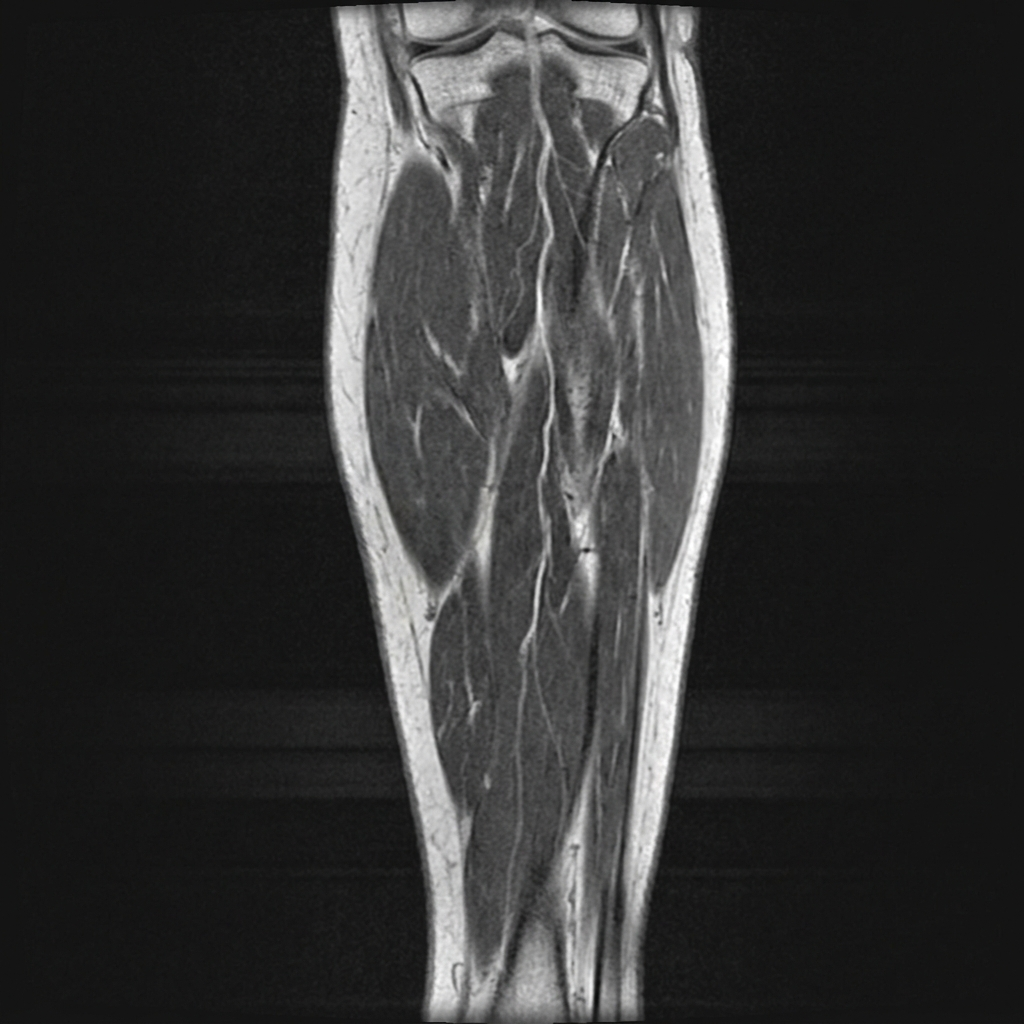
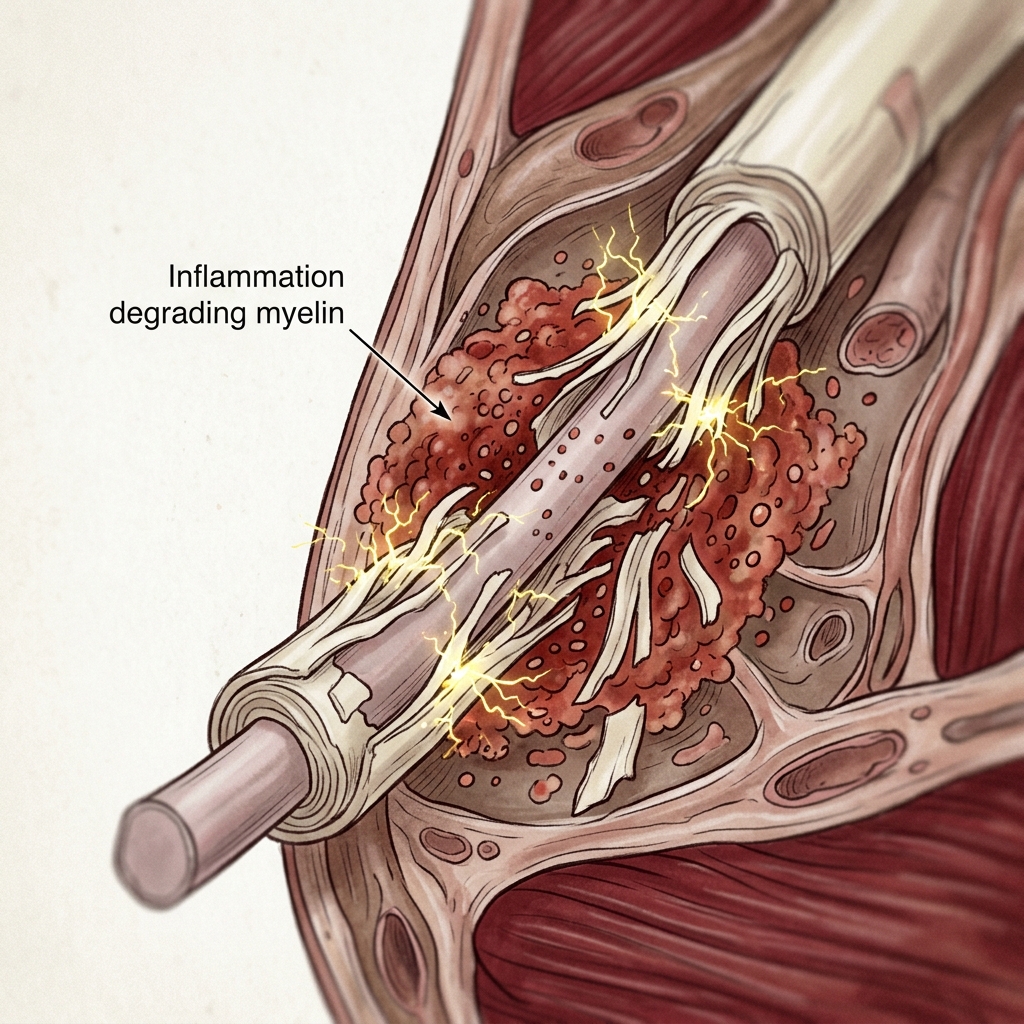
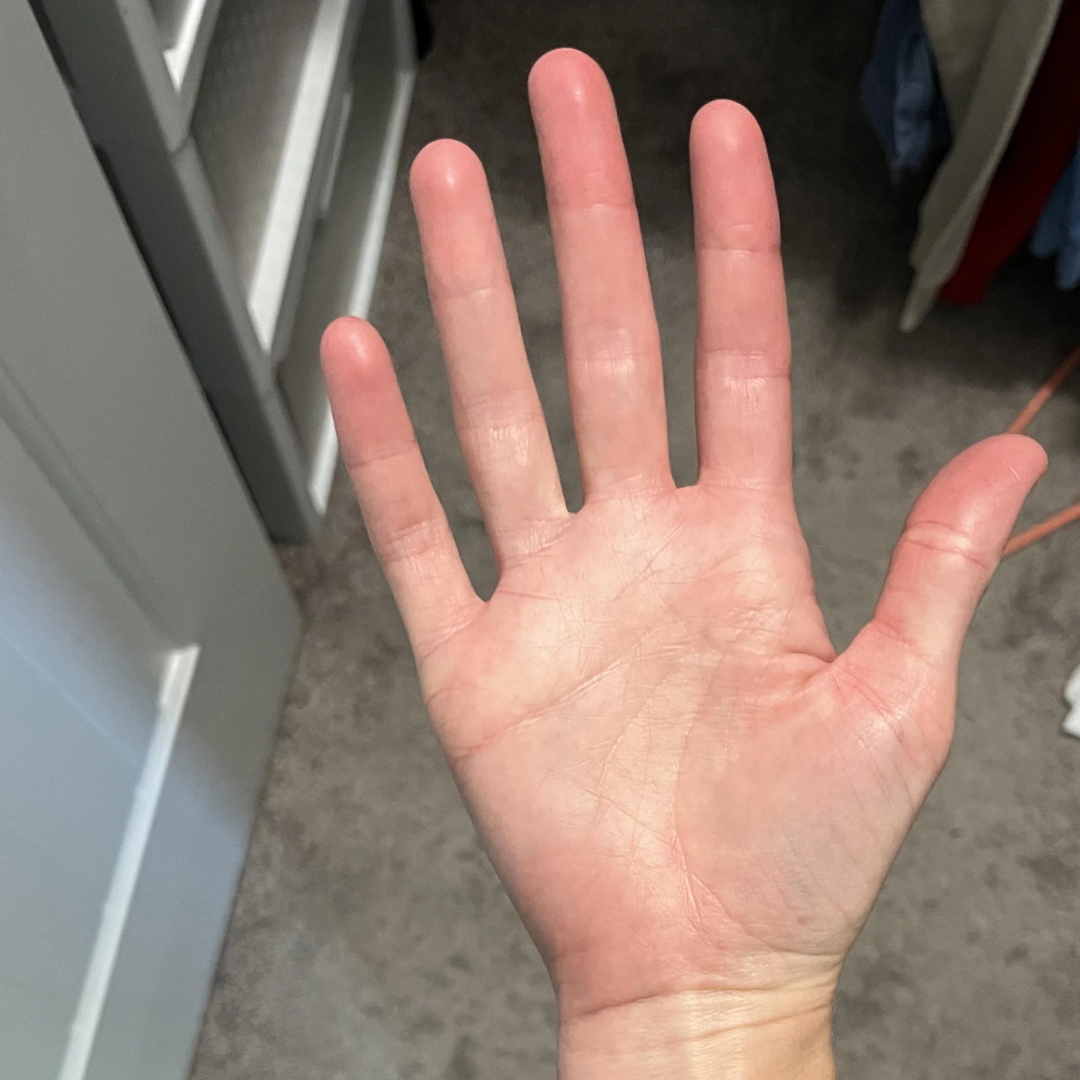
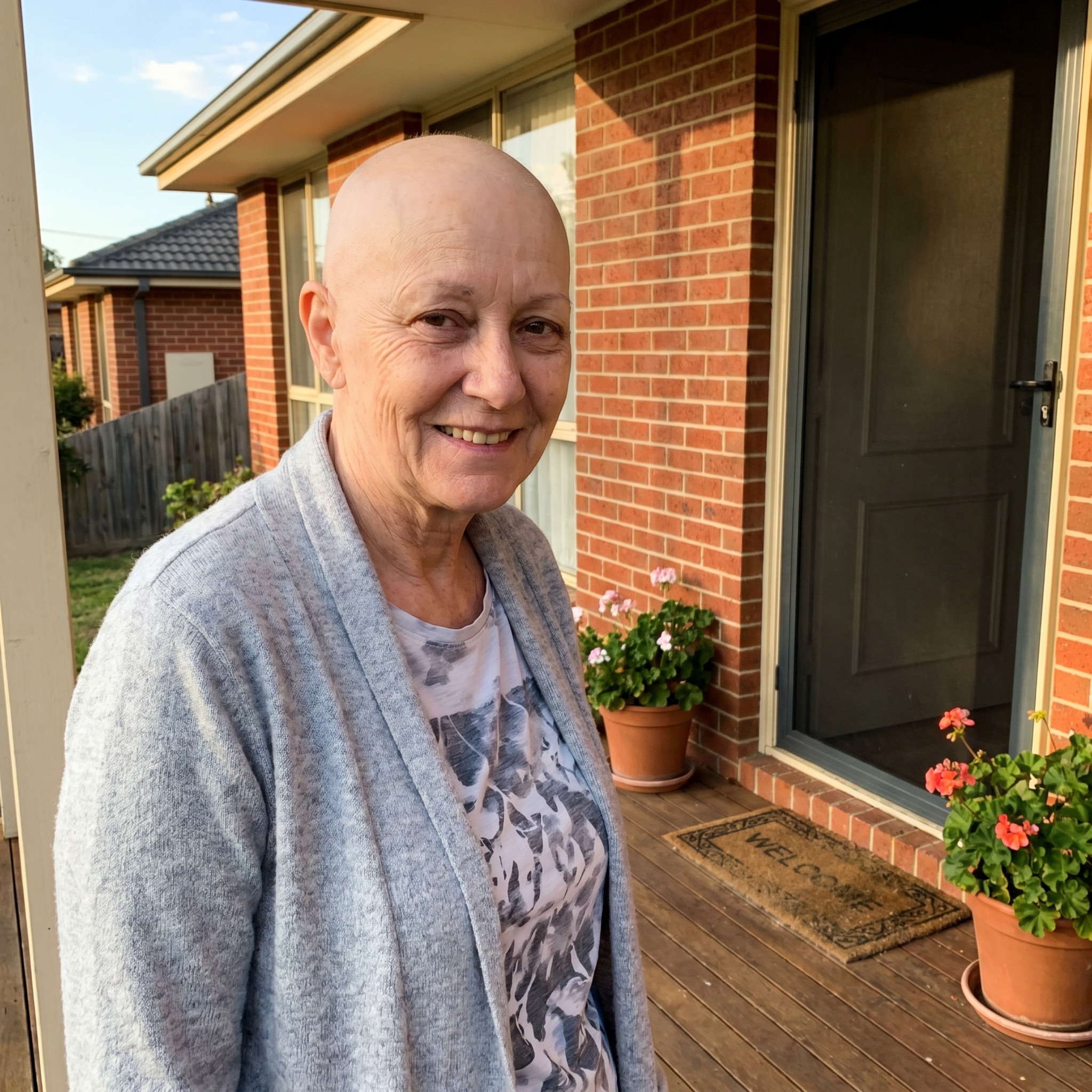
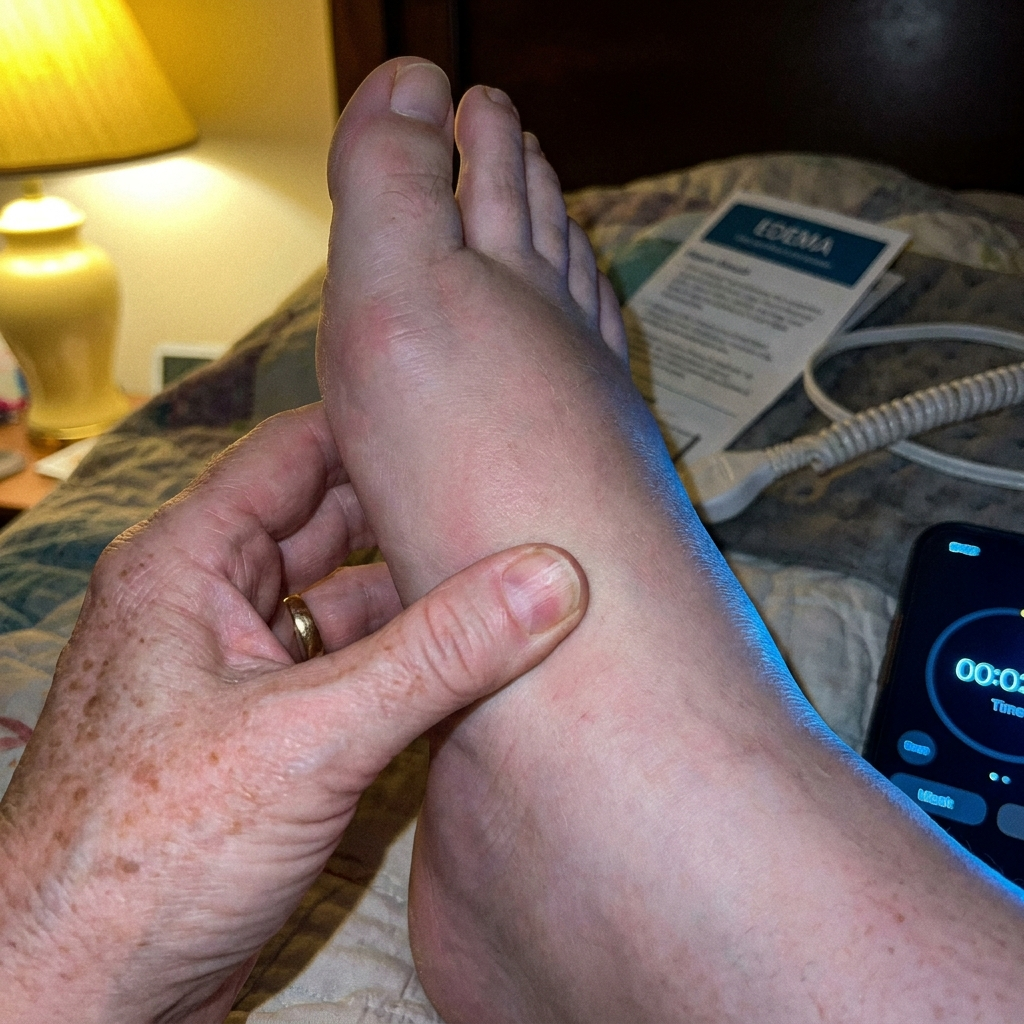
I've been a vascular specialist for 19 years. And if your legs are swelling up, you're exhausted by noon, and your doctor keeps brushing you off... I'm about to tell you exactly what they're missing and why the standard protocol will never give you your legs back. And by the end of this, you're going to be angry. My name is Dr. Sandra Reyes. Board-certified vascular medicine physician. Nineteen years treating chronic venous insufficiency and peripheral edema. Over 2,400 patients. And I'm breaking ranks with my own profession to tell you this. Because there are three things happening right now. One — your body is screaming at you that something is wrong. Two — the medical system is telling you it's normal and handing you a sock. Three — there is a billion-dollar compression and pharmaceutical industry that profits every single day you stay swollen. So let me tell you what happened with one of my patients. Because her story is going to open your eyes to how broken this really is. Her name was Margaret. 64 years old. For years — four straight years — she was dealing with this. Her legs swollen to the point where she could not fit into any of her shoes. Her ankles looked like rising dough. She had been active her whole life, walked every morning — and suddenly she had the legs of someone twenty years older. By the end of every day, her feet were so swollen she wore her husband's oversized slippers around the house. The sock indentations were so deep they took hours to fade. She stopped wearing dresses. Stopped going to her book club. Started making excuses to avoid anything where people might see her legs. And the heaviness? She would wake up in the morning and her legs already felt like cement blocks. Could not walk to the end of the driveway without stopping. Her husband thought she was just slowing down — but this woman was genuinely suffering. Sleeping eight hours and waking up feeling like she had been dragging sandbags all night. And here is what makes me sick to my stomach. I was one of the doctors she came to see. Multiple doctors. Her GP. A cardiologist. Me — the vascular specialist. Thousands of dollars in appointments, tests, bloodwork, ultrasounds. The whole nine yards. And you know what every single one of us told her? "Your heart looks fine." "Kidneys are normal." "It's just fluid retention. Normal for your age." "Wear compression stockings." "Cut back on the salt." Cut back on the salt. This woman's legs looked like water balloons and we were telling her to skip the seasoning. She tried everything we suggested. Compression stockings every single day. Cut the salt. Elevated her legs every night. Spent hundreds on lymphatic massage sessions. And her legs? Still swollen. Nothing we told her to do made any lasting difference. I watched this woman — who did everything right, spent thousands of dollars on compression garments and clinic visits — get worse. Not better. Worse. And I did not understand why. Until a 71-year-old traditional medicine researcher taught me more about swollen legs in 30 minutes than I had learned in two decades of medical training. September 2023. Phoenix. American Vein and Lymphatic Conference. I was standing alone during a coffee break, trying to hide my own ankles beneath wide-leg trousers despite it being 94 degrees outside. Because at 52, my own legs had ballooned 15 months earlier. And nothing I had been recommending to patients for 19 years was working on me either. That is when I saw him. Dr. Raymond Costa. 71 years old. Standing for hours. Wearing fitted trousers that showed ankles that looked like they belonged to a man half his age. Defined. No puffiness. No hint of the dough texture I woke up to every morning. I walked over. "Excuse me — I am a vascular specialist. At your age, after standing all morning, how are your legs not swollen?" He smiled. The kind of smile that knows something you do not. Then he asked to see my ankles. And I — a vascular specialist who could not fix her own legs — lifted my trouser hem in shame. He pressed his thumb into my ankle. The indent stayed there. Eight full seconds. "Dr. Reyes. When did this start?" "About fifteen months ago." His face changed. And what he said next made my stomach drop. "You have approximately 18 to 24 months from onset where your capillary walls and lymphatic vessels can still respond to botanical intervention. After that, the chronic tissue inflammation causes fibrotic remodeling — the vessel walls and surrounding tissue scar over. Once that happens, conservative reversal becomes nearly impossible." He looked at me directly. "You are at month 15. You have maybe 6 to 9 months left. After that, you are looking at 15 to 25 percent improvement rates instead of 85 to 92 percent." I felt sick. Then he said: "Something is wrong with you. But not with your heart. Not with your kidneys. With your capillary walls and the tissue surrounding them. They are inflamed in a way your training never covered." He gestured to an empty table. "May I show you something? It will take thirty minutes. But it will change how you understand this completely." What he taught me in 30 minutes changed everything. He pulled out a napkin and drew a simple diagram. "Your treatment model treats edema as a fluid problem. So you squeeze it with socks. That is like bailing water out of a flooded basement without turning off the tap." He tapped the napkin. "This is not a fluid problem. It is a capillary wall problem. Your vessels are leaking from the inside. And the tissue surrounding them is so inflamed the lymphatic drainage has failed." Now pause for a second. You know what is insane? We learned about the heart in school. The circulatory system. Blood pressure. But nobody — and I mean nobody — ever taught us about the capillary wall or the lymphatic drainage system in any meaningful way. Not even in medical school. We spent fifteen minutes on it. In our entire education. And that is not an accident. Because once you understand what the capillary wall does — and what happens when it starts leaking — you realize why Margaret's compression and massage did not work. Why my compression and massage did not work on myself. Here is what your capillary wall actually is. It is a single layer of endothelial cells lining every microscopic vessel in your body. In your legs, this lining is under constant pressure — from standing, from inflammation, from age, from the chronic circulatory stress that builds over years. Its job is to hold fluid inside the bloodstream. When it is healthy and sealed tight, fluid stays where it belongs. Your legs stay light. But when those endothelial cells become inflamed and the tight junctions between them loosen — especially after 40, especially after years of chronic inflammation — the wall becomes hyperpermiable. Fluid pours out into the surrounding tissue faster than the lymphatic system can drain it. And here is the key thing I learned. When fluid sits in tissue long enough, the inflammatory proteins in it do not stay liquid. They accumulate. They signal more inflammation. The surrounding tissue begins to remodel around the chronic fluid presence — thickening, hardening, compressing the very lymphatic channels that are supposed to drain it away. The channels become progressively less functional. And now the fluid has nowhere to go. Raymond picked up my hand and pressed my thumb into my ankle again. "Count the seconds." One. Two. Three. Four. Five. Six. Seven. Eight. "That slow rebound — that is not just sluggish fluid. Normal tissue springs back in one to two seconds. What you are feeling is fluid trapped inside tissue that has remodeled around chronic inflammation. Every person who has ever pressed a thumb into a swollen ankle and counted the seconds was feeling that remodeling. They just did not know what it meant." Water pills do not work for this. They are designed for systemic fluid retention — when the body is holding excess water. But Margaret's problem was not systemic water retention. My problem was not systemic water retention. The problem was that the capillary walls were leaking and the tissue was so inflamed the lymphatic drainage had shut down. The fluid was trapped inside remodeled tissue with nowhere to go. Compression? Squeezes the outside. The leaking wall continues inside. More elevation? The fluid drains for an hour. Then you stand up and it pours back in through the same leaking walls. It is not a fluid problem. It is a capillary wall and tissue inflammation problem. And here is the part that made my blood boil. The medical system does not address this. We spend fifteen minutes on the lymphatic system in our entire medical education. We have no protocol for capillary wall repair. No assessment for progressive tissue remodeling. It is the single biggest blind spot in how we treat swelling. Why? Because there is no pharmaceutical drug that repairs endothelial cell integrity from the outside in. You cannot patent a plant that has been growing in Asia for a thousand years. There is no money in telling someone to apply a botanical balm that repairs their capillary walls. There is money in keeping them on compression socks and clinic visits for the rest of their lives. Raymond showed me the actual mechanism for what works. It involves four simultaneous actions — miss one and nothing changes. Repair the capillary wall — Comfrey's active compound allantoin has been studied extensively for endothelial cell repair and capillary wall integrity. Published research shows a 184% improvement in tissue comfort markers. It works on the leak itself. Not the fluid the leak has already created. Restore microcirculation — Angelica Sinensis and Peppermint Oil restore blood flow to the oxygen-starved tissue whose hypoxia is driving the capillary inflammation. Published research shows a 40% increase in local blood flow within minutes of application. When the tissue can breathe again, the inflammatory signal driving the wall leak begins to quiet. Suppress the inflammatory cascade — Frankincense and Myrrh directly inhibit NF-κB, the inflammatory pathway responsible for capillary wall degradation and lymphatic channel compression. Research shows a 55% reduction in fluid-related discomfort signals. The fire causing the damage is addressed at the molecular level. Restore lymphatic drainage — Fenghuang and Radix Angelicae Dahuricae target the tissue inflammation that has compressed and disabled the lymphatic channels. Published studies report 30% faster relief in heavy leg sensation. When the inflammatory pressure on the lymphatic vessels releases, drainage begins again. The research is there. It is published. It is peer-reviewed. But you will never hear most doctors mention it. Because pharmaceutical companies do not make topical botanicals that repair capillary walls. They make pills. And pills are what we are trained to prescribe. The financial model is backwards. A patient on the standard protocol spends $80 to $200 monthly on compression garments, lymphatic massage, and clinic visits. Indefinitely. Average lifetime cost: thousands of dollars. A jar of the right botanical balm that repairs the actual problem? Under $40. The system is not designed to solve the problem. It is designed to manage it forever. Now here is the problem I ran into. Most products claiming to help with swelling are useless. I tried a pneumatic compression device. $180. It squeezed my legs from the outside for thirty minutes. Felt like a blood pressure cuff going up and down. Swelling came right back within hours — because squeezing the outside of leaking vessels does nothing to repair the wall. I tried an EMS foot plate that was supposed to boost circulation. My calves twitched. My circulation was stimulated. My capillary walls continued leaking — because stimulating blood flow into tissue that immediately leaks it back out achieves nothing. I tried a foot soaker with Epsom salts. Warm water. Lovely sensation. Ankles looked exactly the same when I dried off. I tried elevation pillows, leg wraps, and a $45 lymphatic drainage cream that tingled on the surface and did absolutely nothing to the capillary beds two millimeters underneath. I tested eight different products after Phoenix. Spent over $500 on things that either squeezed, vibrated, soaked, or rubbed the outside of my legs without ever reaching the endothelial cells causing the problem. Because here is the thing. Most topical products are 70 to 80% water and cheap fillers. The active compounds evaporate or rub off before they penetrate. They create a surface sensation that feels like something is happening. And then the swelling comes back because nothing ever reached the capillary wall. You need something that actually gets into the tissue and reaches the vessel walls from the outside in. All four mechanisms. At therapeutic concentrations. In a delivery base specifically engineered to hold the botanicals against the skin long enough for transdermal absorption to occur. Every product I tested missed this completely. Until I found Senzio Miracle Balm. All four mechanisms. Comfrey for capillary wall repair. Angelica Sinensis and Peppermint Oil for microcirculatory restoration. Frankincense and Myrrh for NF-κB inflammatory suppression. Fenghuang and Radix Angelicae Dahuricae for lymphatic drainage restoration. Cold-processed botanicals. Beeswax delivery base — not lotion, not water-based cream. No water. No fillers. No parabens. No hormone disruptors. When I examined the formulation? Cold-processed to preserve biological activity. Sourced at concentrations that produce results — not the watered-down doses most topical products use to cut costs while putting the ingredient on the label. The same botanical compounds documented across centuries of Asian vascular medicine, combined at the concentrations modern phytochemistry shows actually reach the capillary beds underneath the skin. They were not just selling a balm. They understood the science. They knew why the capillary wall fails. They built something to actually repair it. And here is where I had to face what I had done to my patients. When Margaret was buying compression stockings? $89 every few months. Plus lymphatic massage at $150 per session that lasted maybe four hours. Plus the supplements. Plus the clinic visits. She was spending over $200 a month. Every single month. Just to manage symptoms that never improved. Senzio Miracle Balm? Under $40 a jar. All four repair mechanisms at therapeutic concentrations. Applied directly to the tissue. Absorbed in minutes through a beeswax delivery base engineered for the purpose. Two minutes of massage into calves, ankles, and feet. Three times a day. I started using it myself first. Week 1. Nothing dramatic. But by day three, the cement-block heaviness I had been living with for 15 months was slightly less. Like something was beginning to loosen inside the tissue. Day 7. I pressed my thumb into my ankle. The indent stayed for 5 seconds. Down from 8. The capillary repair was beginning. Week 3. I woke up and my legs did not feel like concrete. For the first time in fifteen months, I swung my legs over the side of the bed without wincing. My ankles were visibly smaller in the morning. Week 8. Full clinical assessment. Pitting test: 2.2 seconds. Down from 8.1. Ankle circumference reduced by 2.1 centimeters bilaterally. Skin texture on the lower legs visibly improved — the early brawny changes I had been watching with professional dread had stabilized and begun to reverse. I could see my ankle bone. The capillary repair was working. The drainage was flowing. Then I called Margaret. And every other patient I had been failing. "I need to tell you something. Everything we told you to do was treating the wrong target. We were managing your fluid when we should have been repairing your capillary walls. Nobody was trained to know the difference. But I do now." Margaret, Week 8. "Dr. Reyes, I saw my ankle bone this morning. It has been so long I forgot what it looked like." Pitting test: 2.3 seconds. Down from 9.0. Cost of compression garments and massage sessions that failed her: over $2,000. Cost of what worked: under $40. She wears actual shoes again. Not her husband's slippers. Not the orthopedic Velcro sandals she had ordered online in resignation. Real shoes. The cement blocks? Gone. She walked to the mailbox without stopping. Stood at her granddaughter's school play for forty minutes without sitting down. Cooked dinner standing up on a Tuesday evening and looked down at her ankles afterward and they were still defined. She got her life back. And then she told me something I did not expect. "It is not just my legs," she said. "I have energy in the afternoon I did not have before. I am sleeping better. And the morning puffiness in my face — it is gone too." The same capillary wall deterioration that had been failing her legs had been affecting tissue throughout her body. Once the repair began and the lymphatic drainage restored, everything downstream improved. This is the protocol they never tell you about. Because the moment you repair the capillary wall and restore the drainage, your body starts managing fluid the way it was designed to. No more compression stockings that squeeze without solving. No more expensive massage sessions that fade in hours. No more throwing money at symptoms that circle back every evening. Now here is what I need you to understand about timing. The window Raymond described is real. The longer the tissue stays in chronic inflammatory remodeling, the more structural the changes become. Eventually the capillary bed architecture itself is compromised. And compromised architecture does not repair from botanical intervention alone. Month 1 to 12 from significant onset: 85 to 92% see meaningful improvement. Month 13 to 18: 70 to 80% improve. Month 19 to 24: 40 to 55% improve. Month 25 and beyond: 15 to 25% success rate. I was at month 15. I had 6 to 9 months left. If you are reading this and you have been dealing with swollen legs for over a year — you are running out of time. The window closes whether you act or not. If you have been dealing with this — swollen legs, swollen ankles, feet that barely fit in your shoes by the end of the day — and nothing has worked? It is not because you are eating too much salt. It is not because you are on your feet too much. It is because your capillary walls are leaking due to chronic tissue inflammation that nobody was trained to address from the outside in. Senzio has a 60-day money-back guarantee. If it does not work, you pay nothing. And honestly? Even if you are skeptical — try it for a month. Press your thumb into your ankle today. Count the seconds. Then do it again in two weeks. Because the medical system is not coming to save you. We profit too much from keeping you on products that manage the symptom without ever touching the cause. A researcher taught me more in thirty minutes than I learned in two decades of medical training. It is about time I passed that on. Go get it. P.S. — I still recommend compression stockings for acute post-surgical recovery and long-haul flights. For chronic leg swelling driven by capillary wall inflammation and lymphatic failure, you have to repair the wall from the outside in. No sock does that. P.P.S. — If you are at month 15 like I was, you have 6 to 9 months left. Do not spend them squeezing the outside of a leaking vessel. P.P.P.S. — Margaret: "I spent four years in compression socks and massage sessions. One jar gave me my ankle bones back. I can see them again. Do not wait like I did."
A Vascular Specialist Who Couldn't Fix Her Own Swollen Legs
Nature’s strongest botanicals — like Comfrey, Angelica Sinensis, Frankincense & Peppermint Oil — work deep to calm inflammation, reduce fluid buildup, and bring swelling down fast. Edema eases, circulation improves, and comfort returns in days.
ORDER NOWLike this ad? Make it yours.
Crush rebuilds this exact creative around your product — your brand, your colors, your offer — in about a minute.