
Inactive· since Nov 26, 2025
- 66
- days it ran
- 0
- relaunches
Ad copy
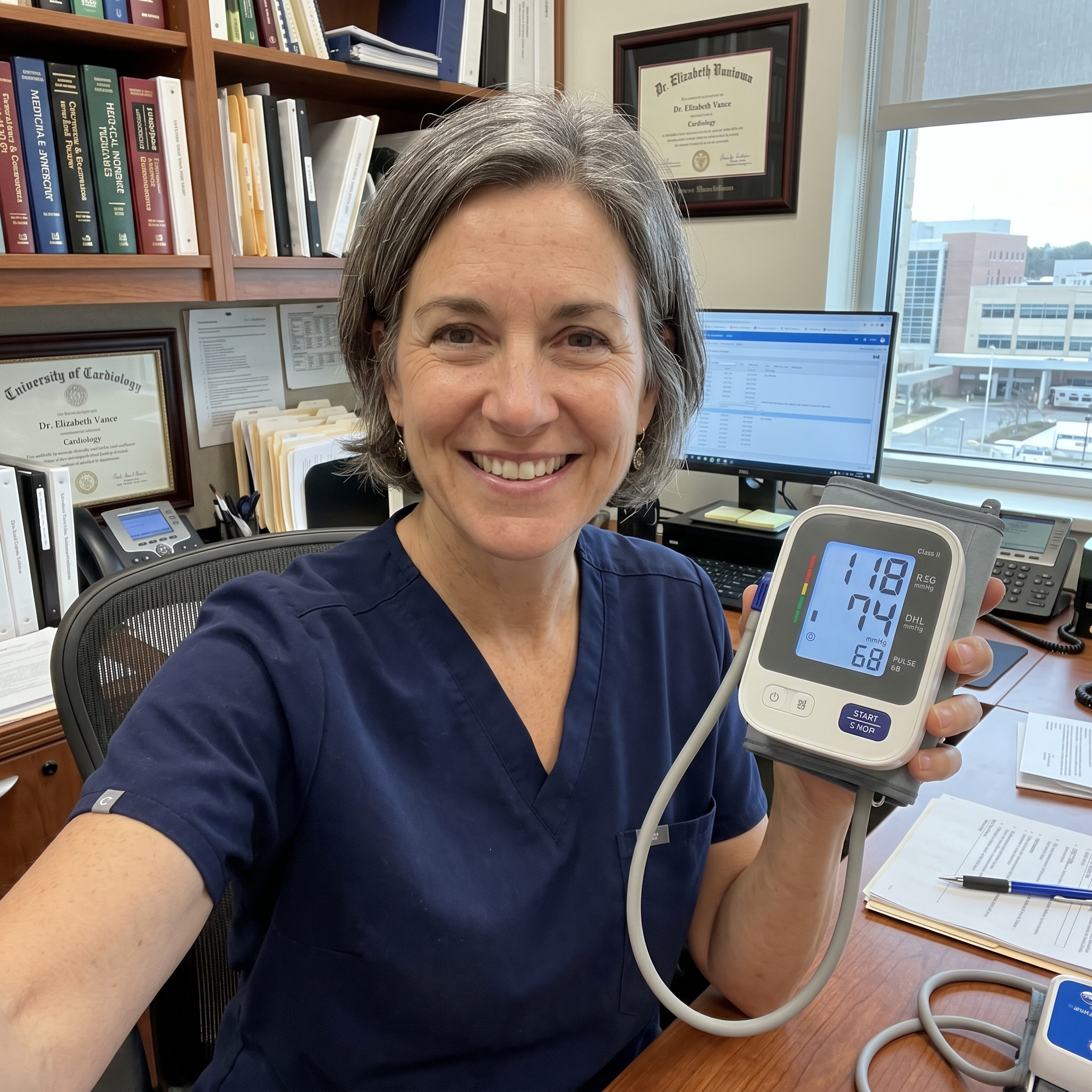
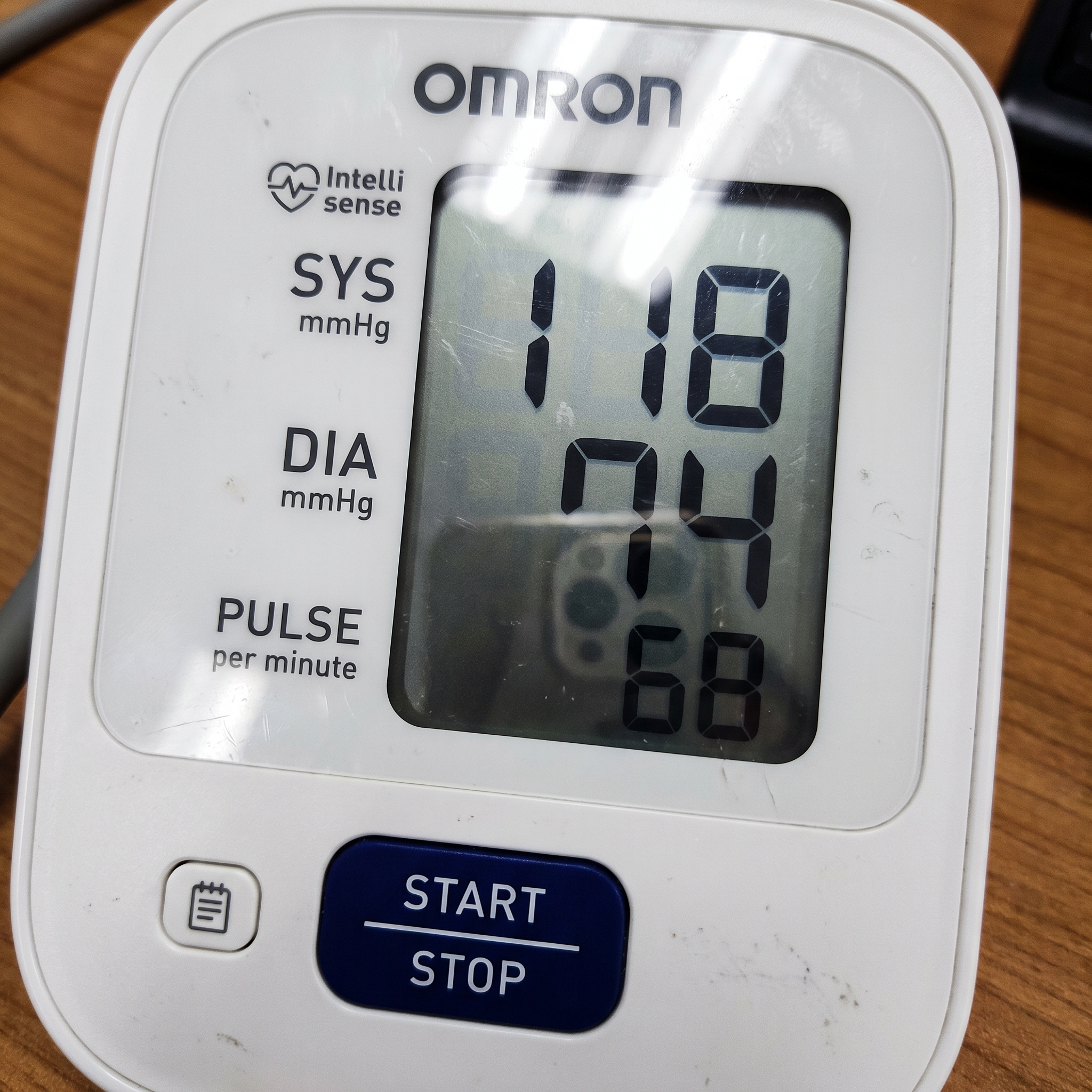
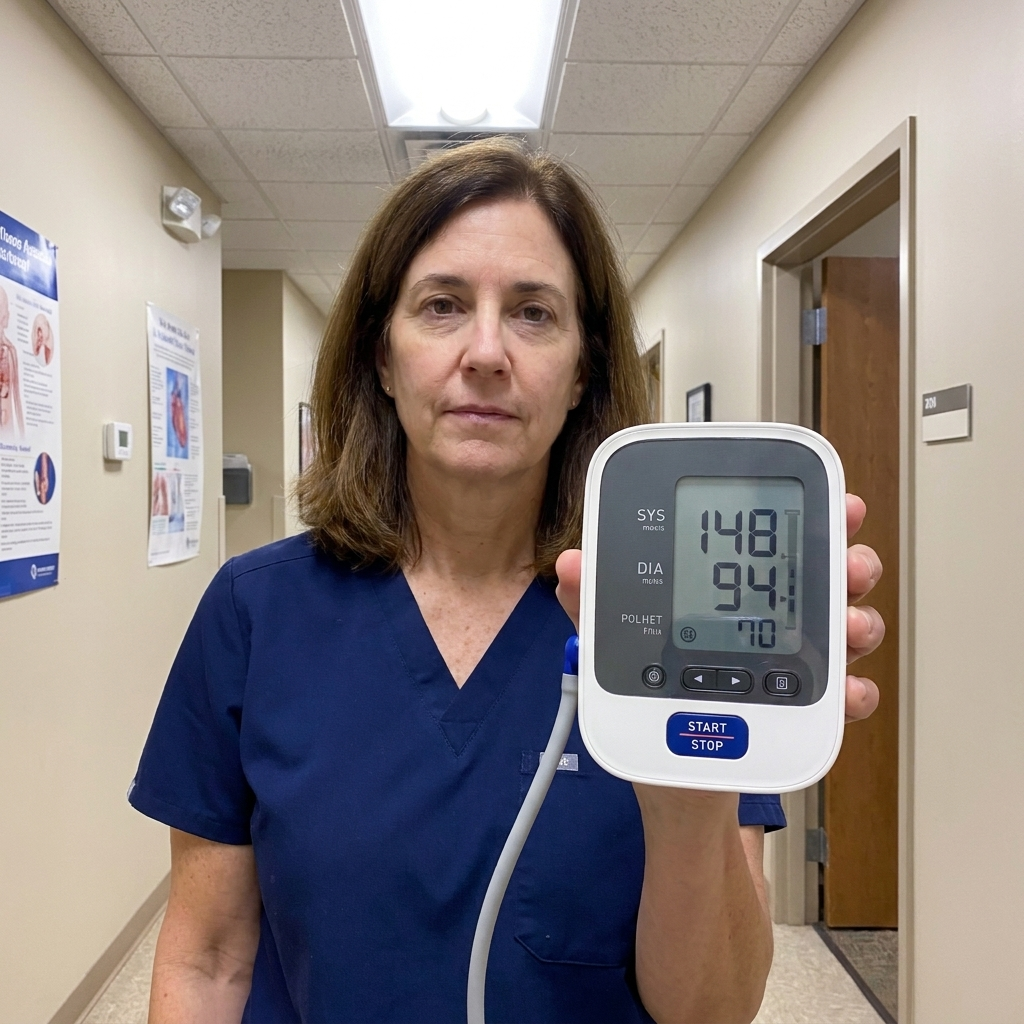
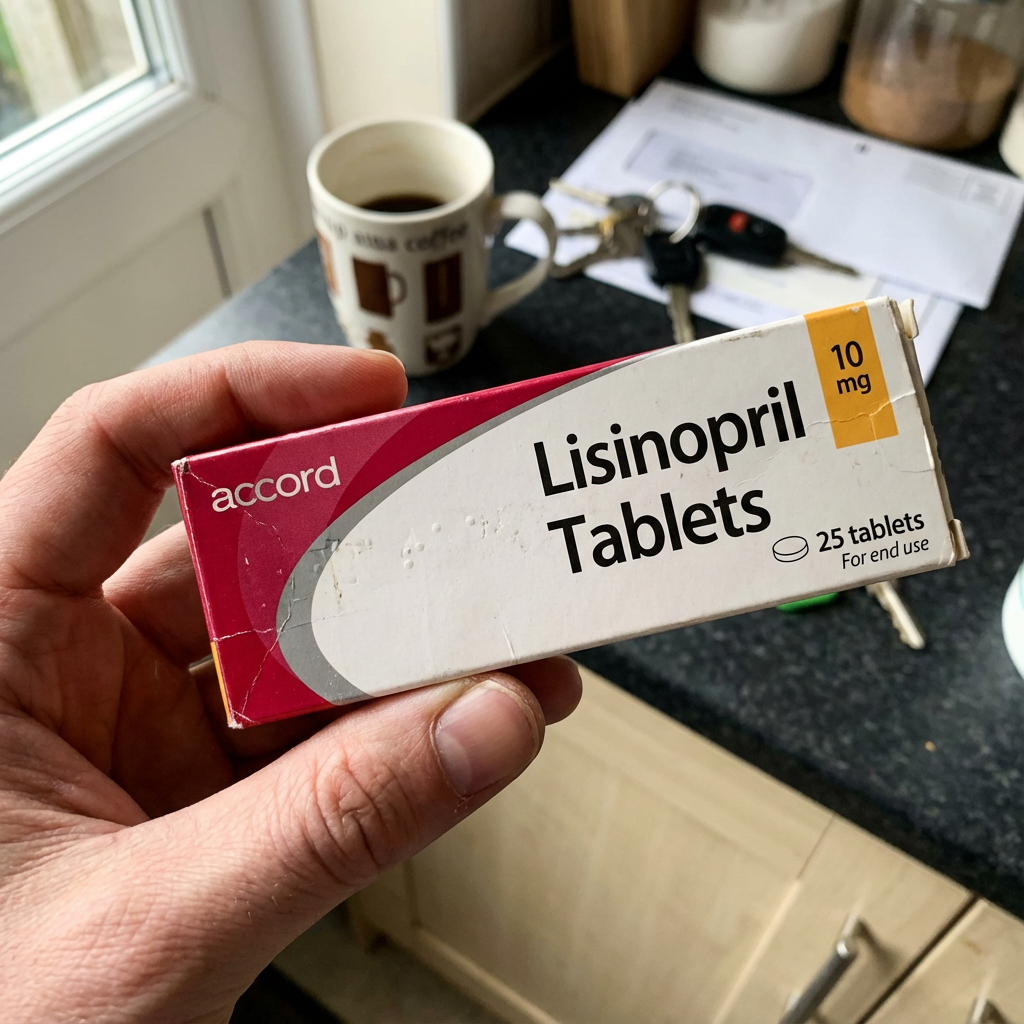
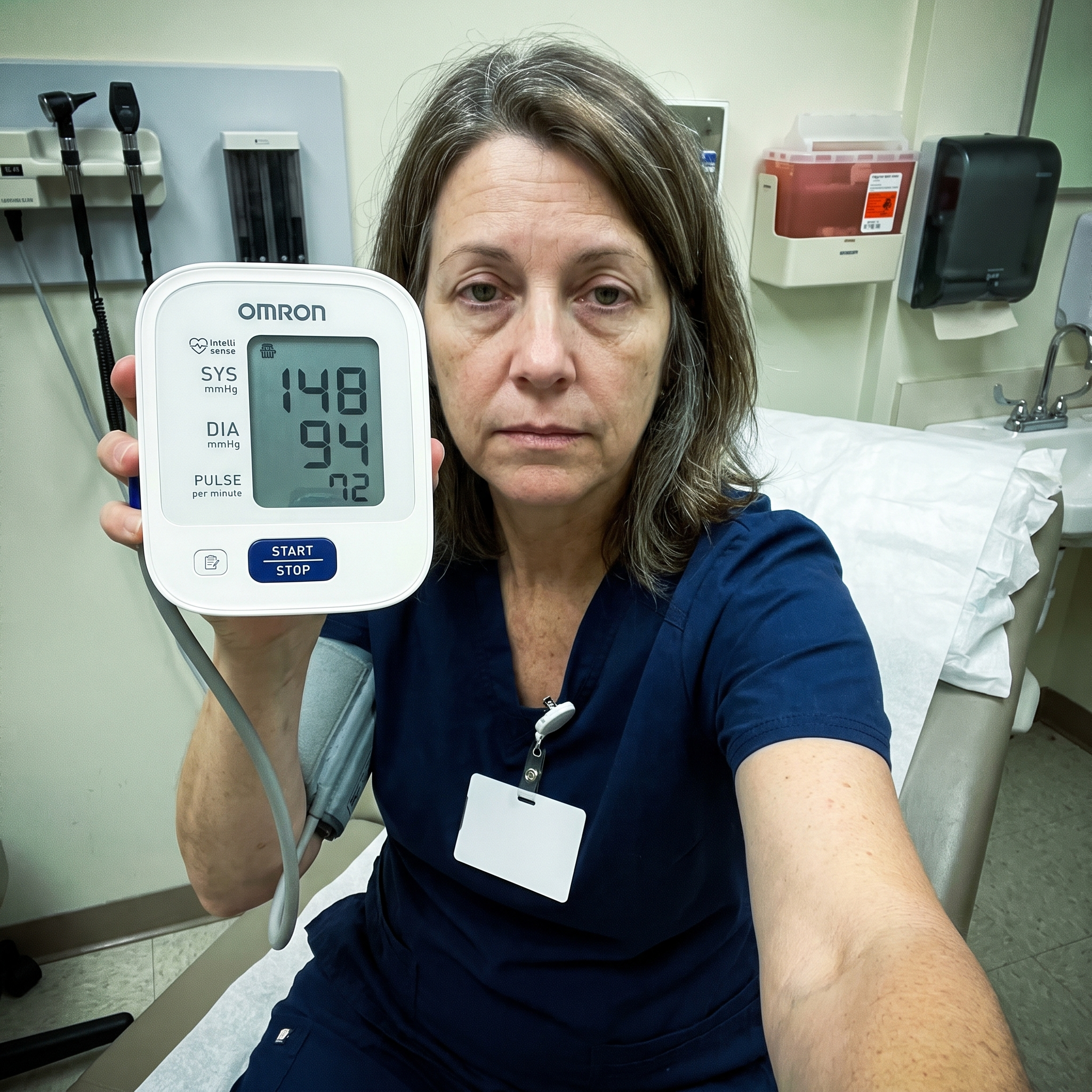
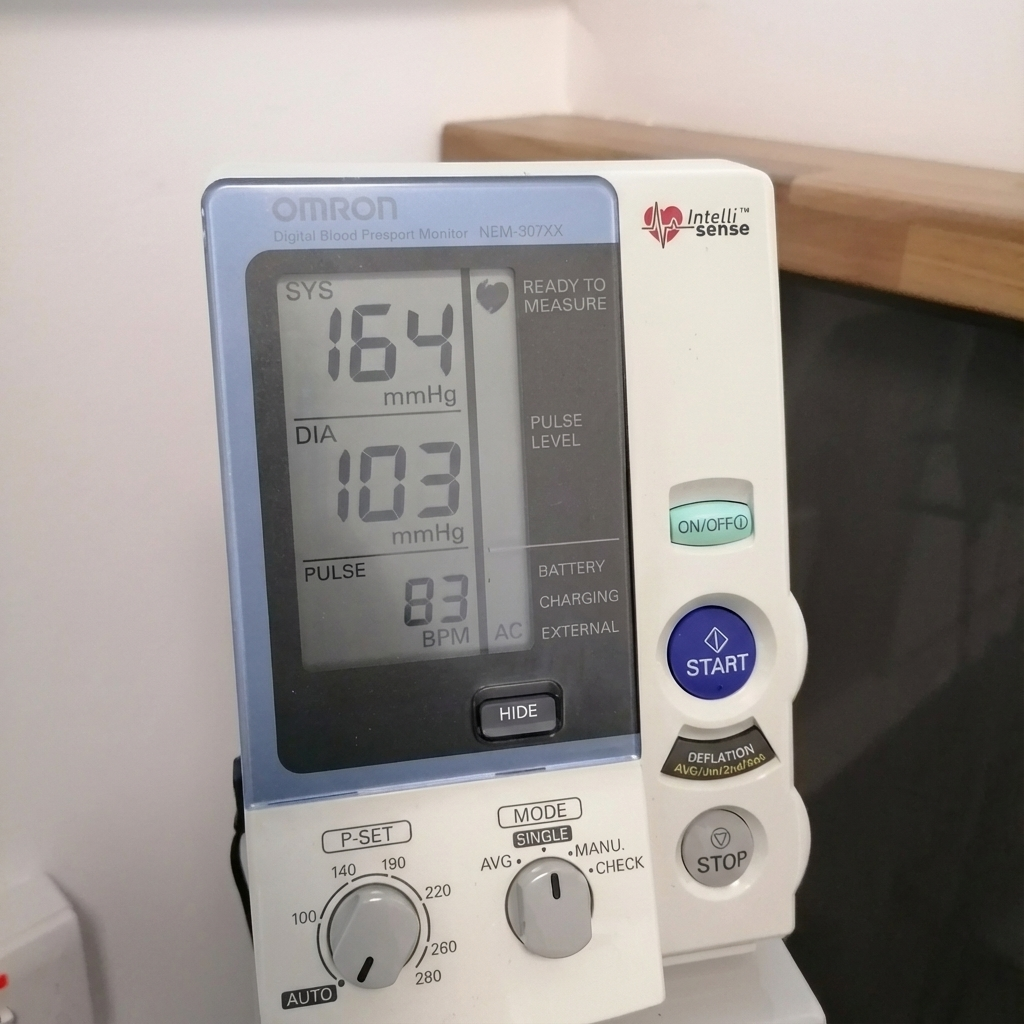
I've Prescribed Blood Pressure Medication to 847 Patients Over 15 Years. 73 of Them Are Dead. And I'm Starting to Believe the Medications Killed More Than They Saved. My hand froze on the mouse. Mr. Harrison's patient file glowed on the screen. Status: Deceased. Date: March 14th. Cause: Cardiac arrest secondary to congestive heart failure. The coffee cup halfway to her lips tilted. Brown liquid spilled across her desk. Soaked through patient notes. She didn't move to clean it. 164/103. That's what his blood pressure was seven years ago when I’d started him on Lisinopril. I’d done everything right. Followed every guideline. Monitored his kidney function every six months. Adjusted his dose three times. Added Amlodipine when one medication wasn't enough. He died anyway. Age 68. My throat closed. Her fingers trembled on the keyboard. I clicked on her patient database. Filtered by "deceased." Watched names scroll past. One. Five. Twelve. Twenty-eight. Forty-one. I stopped counting at 73. Seventy-three patients. All on blood pressure medication when they died. Average time on medication before death: 8.4 years. Average age at death: 66.3 years. The office walls seemed to lean inward. The fluorescent lights buzzed too loud. I pulled up Mr. Harrison's chart. Read her own notes in her own handwriting. Month 2: "Patient reports dry cough. Noted in chart. Explained common side effect of ACE inhibitors. No change to treatment plan." Month 7: "Patient reports dizziness upon standing. Advised to rise slowly. Increase water intake. Continue current medications." Month 14: "Patient's wife called. Husband fell in bathroom. Hit head on sink. 16 stitches in ER. ER physician noted 'medication-induced syncope' as contributing factor. Discussed with patient. Will continue to monitor." Month 19: "Patient reports persistent fatigue. Energy levels declining. Labs normal. Likely age-related. No changes indicated." My hands formed fists. Her nails dug into her palms. I remembered his last appointment. Six weeks before he died. He'd brought his granddaughter—little girl with pigtails who'd colored pictures in the waiting room while I checked his blood pressure. 142/88. Perfect control. She'd smiled. Told him he was doing great. I watched him shuffle out—slower than before, leaning on the doorframe—and told myself it was just age. It wasn't just age. I have documented every side effect. Done nothing about them. Because "non-productive cough" and "orthostatic hypotension" were "tolerable side effects" in the prescribing information. Tolerable for whom? Not for Mr. Harrison. Not for his wife who found him dead in bed. Not for his granddaughter who'd colored pictures in the waiting room six weeks before he died. 73 people dead. And Sarah couldn't hold her prescription pad without her hands shaking. It happened nine months ago. I was finishing afternoon appointments when her medical assistant knocked. "Dr. Martinez? Mrs. Patterson's in exam room three. Says she can't wake her husband up." I ran. James Patterson. 64 years old. Blood pressure patient for six years. On Metoprolol and Amlodipine. He was sitting in the chair. Eyes open. Staring at nothing. "James?" Sarah grabbed his wrist. Pulse was there but weak. Thready. "James, can you hear me?" His head lolled to one side. A line of drool hung from his mouth. His wife gripped my arm. "He was fine this morning. We were having breakfast and his face just went slack and he couldn't talk—" "Call 911," I told her assistant. She grabbed her blood pressure cuff. 88/52. Too low. Dangerously low. His medications had crashed his blood pressure while he slept. He'd woken up hypotensive. Brain not getting enough oxygen. Stroke-level ischemia without the stroke. The ambulance arrived in eight minutes. Loaded James onto the stretcher. Mrs. Patterson turned at the door. Her face was white. Hands shaking. "Is he going to die?" My mouth went dry. "They'll take care of him. Go with him." Mrs. Patterson left. The exam room went silent. I stood there. Blood pressure cuff still in her hand. I’d prescribed those medications. I’d adjusted the doses. I’d told him the combination was safe. James Patterson spent four days in the ICU. The blood pressure crash had caused a TIA—transient ischemic attack. A mini-stroke. He recovered. Mostly. But his speech was slurred now. His memory had gaps. The sharp, funny man who'd joked through appointments was... dimmer. I had done that. Following guidelines. Prescribing medications. Managing numbers. I have damaged his brain. That night I sat at her kitchen table long after her husband had gone to bed. The laptop screen glowed in the darkness. The clock showed 2:47 AM. I typed: blood pressure medication mortality rates The studies loaded. Statistics i’d somehow never examined this closely during fifteen years of practice. The SPRINT trial: Intensive blood pressure control showed mortality benefits... but increased serious adverse events by 88%. Falls requiring medical attention increased by 67%. Acute kidney injury doubled. The ALLHAT study: Different medication classes showed no significant mortality difference... but different side effect profiles ranged from chronic cough to peripheral edema to electrolyte imbalances. A Cochrane review from 2017: "Insufficient evidence that blood pressure medications reduce mortality in patients with mild hypertension (140-159/90-99)." Mild hypertension. The exact range she prescribed for most often. My throat tightened. I kept scrolling. "ACE inhibitors increase fall risk by 53% in elderly patients due to orthostatic hypotension." "Calcium channel blockers associated with 2.4x increased risk of peripheral edema requiring medical intervention." "Beta-blockers linked to persistent fatigue in 43% of patients, with 28% reporting depression symptoms." The side effects she'd been dismissing as "minor" or "tolerable" were destroying quality of life. Causing falls. Damaging organs. Triggering depression. And for what? For blood pressure reduction that might—might—reduce cardiovascular risk in some patients while absolutely causing harm in others. I rubbed her eyes. The clock showed 3:18 AM. Then I found something that made me stop breathing. A clinical trial from Duke University. Published in Hypertension. Dietary nitrates from beetroot juice. 68 patients with stage 1 hypertension. Results: Average blood pressure reduction of 8.1 mmHg systolic, 5.2 mmHg diastolic. Sustained over 4 weeks. Zero serious adverse events. Zero discontinuations due to side effects. The mechanism was straightforward: Dietary nitrates convert to nitric oxide in the body. Nitric oxide causes vasodilation. Blood vessels relax. Blood pressure drops. Basic undergraduate physiology. I leaned back. Stared at the ceiling. Eight-point reduction. That was comparable to a single blood pressure medication. With zero side effects. I found more trials. Stanford. Oxford. University of Reading. Queen Mary University. All showing the same thing: 400-500mg of dietary nitrates from beetroot produced clinically significant blood pressure reductions through nitric oxide-mediated vasodilation. Why the hell wasn't this standard care? I kept digging. Found the answer in a laboratory analysis of commercially available beetroot supplements. Lab testing revealed most products contained less than 50mg of actual dietary nitrates. Some as low as 10mg. Despite labels claiming "concentrated beetroot powder" or "maximum strength formula." The manufacturing process destroyed the nitrates. High-heat spray drying—cheap and fast for companies—denatured up to 90% of the heat-sensitive compounds. Patients were buying beetroot powder that was technically accurate but functionally worthless. My jaw clenched. Her hands formed fists. The patients who came to her saying "I tried natural stuff and it didn't work"? They'd been taking garbage. Then accepted prescriptions because they believed natural alternatives had no evidence. But the evidence was there. The supplements just didn't contain what they claimed. I had been steering them toward medications. Dismissing their questions about natural alternatives as "not evidence-based." Because that's what i’d been taught. That's what the guidelines said. But the peer-reviewed studies showed nitrates worked. The supplements were just fraudulent. Mr. Harrison had asked about CoQ10 and beetroot during his second appointment. I had smiled and said, "Let's stick with what's proven to work." I’d sentenced him to seven years of side effects instead. The next morning, I called every major beetroot supplement company I could find. The conversations followed the same frustrating pattern: "Can you provide your Certificate of Analysis showing actual nitrate content?" "We use only the highest quality beetroot powder sourced from—" "I need the nitrate content verified by an independent laboratory." "Our proprietary blend is formulated to exceed industry standards—" "Do you test for dietary nitrates or not?" Silence. Or: "That information is proprietary." I had tried seventeen companies over two days. Sixteen said no. Sixteen companies either didn't test for nitrates or wouldn't share results. The seventeenth—BeetWise by Zenther—answered differently. "Our Certificate of Analysis is published on our website," the representative said. "We cold-extract to preserve nitrate content. Third-party testing by ISO-certified labs. Nitrate content, heavy metals, pesticides—all results are public." I pulled up their website immediately. Downloaded the COA. Checked the lab credentials. Verified the testing methodology against pharmaceutical industry standards. It was legitimate. Actual nitrate content: 400mg per serving. Third-party verified by an independent laboratory. No heat processing. Published transparently. I ordered a bottle to her office. When it arrived three days later, I took the first dose after lunch. Sat at her desk. Set a timer on her phone. Twenty minutes. I worked through patient charts. Answered emails. Glanced at the timer. Eighteen minutes. Then something shifted. The afternoon brain fog that usually hit her around 2 PM—the exhaustion that made my mainline coffee just to survive late appointments—didn't come. My head felt... clear. Sharp. Like someone had opened a window in a stuffy room. The mental fatigue that had felt inevitable for the past three years just... lifted. That's the nitric oxide pathway activating. I’d read about it in the Duke study. The mechanism. The timeline. But feeling it was different. I pulled out the blood pressure monitor she kept in her desk drawer. I’d been prehypertensive for years. 138/89 at her last physical. I has told myself i’d "address it eventually" while writing prescriptions for patients with identical readings. I wrapped the cuff around her arm. Pressed start. 134/86. I stared at the numbers. Checked again with the monitor on her other arm. 134/85. Four points down. After one dose. After eighteen minutes. I sat back in her chair. Pressed both palms flat on her desk. If this worked for her... If this worked this fast... What had I been prescribing for fifteen years? Mrs. Chen was first. 62 years old. Blood pressure 148/94 for eighteen months. Refused medication. Had tried SuperBeets and "organic powder from Amazon" with zero results. I explained everything. The heat processing issue. The destroyed nitrates. The inadequate dosing. Why most supplements failed. "This is different," I said. "Cold-extracted. 400mg of actual nitrates verified by independent labs. The clinical dose from the research. You'll feel something within 15-20 minutes—energy lift, mental clarity—that's proof it's working. Then we track your blood pressure weekly." Mrs. Chen agreed to try it. Two weeks later she came back. I wrapped the blood pressure cuff around her arm. 142/88. Mrs. Chen's eyes widened. "It went down?" "Six points," I said. "How are you feeling?" "I have energy again." Mrs. Chen's voice cracked. "I've been exhausted for two years. I thought it was just... getting old. But I feel like myself again." Four weeks: 136/82. Six weeks: 129/79. Mrs. Chen cried during her 6-week appointment. Sat in the exam room with tears running down her face. "Thank you. Thank you for not giving up on me. For finding something that works." My throat tightened. I handed Mrs. Chen a tissue. "I should have looked harder sooner," I said quietly. Mr. Patel was next. 59 years old. Blood pressure 152/96. On Lisinopril for eighteen months. The cough had destroyed his life. I had documented it at every appointment. "Non-productive cough. Explained as common ACE inhibitor side effect. Patient tolerating medication." But Mr. Patel wasn't tolerating it. He was suffering. He couldn't sleep through the night. The cough woke him—and his wife—three or four times. Every night. For eighteen months. His marriage was fracturing. His wife had moved to the guest room. They barely spoke anymore. He'd asked me twice if he could stop the medication. I’d said no both times. "Your blood pressure requires treatment. The benefits outweigh the side effects." This time when he asked, I said yes. I tapered him off over two weeks. Started BeetWise immediately. Monitored him closely. Week one: 148/92. The cough stopped within three days. Mr. Patel's voice shook during his follow-up. "I slept through the night. I forgot what that felt like." Week two: 144/89. Week four: 138/84. Six weeks later, Mr. Patel brought his wife to the appointment. She hugged me. Held on tight. "You gave me my husband back," she whispered. "I was going to leave him. I couldn't take another sleepless night. But you saved us." My eyes burned. She blinked hard. "I'm sorry it took so long," she managed to say. I tested seventeen patients over eight weeks. Fifteen showed clinically significant blood pressure reductions. Average drop: 9.2/6.1 mmHg. Zero discontinuations due to side effects. Zero adverse events. Two patients showed minimal response—she rechecked their technique and discovered both were taking it inconsistently. The data was undeniable. I had compiled her findings. Created a presentation. Requested time at the monthly cardiology department meeting. I stood in front of twelve physicians. Displayed her results on the screen. "Dietary nitrates from cold-extracted beetroot," she said. "Standardized to 400mg. Fifteen patients. Average reduction 9.2/6.1 mmHg. Zero adverse events. Mechanism is nitric oxide-mediated vasodilation—straightforward physiology we already understand." Silence. Dr. Brennan—department chair, twenty years her senior—leaned back in his seat. He glanced at the other physicians. Smirked slightly. "So you're suggesting," he said slowly, "that we prescribe... vegetables?" Three doctors laughed. My pulse hammered in her throat. She kept her voice level. "I'm suggesting we give patients an evidence-based option with a well-understood mechanism and an established safety profile before prescribing medications with documented serious adverse events." "The pharmaceutical interventions have decades of evidence," Dr. Brennan said. His tone was dismissive. Final. "What you're describing is a supplement. Unregulated. No FDA approval. No long-term safety data comparable to our standard treatments." "The FDA doesn't approve supplements," Sarah said. Her hands were shaking. She pressed them against the podium. "But the mechanism has decades of research. Nitric oxide-mediated vasodilation is undergraduate physiology. We're delivering it through diet instead of drugs. With zero documented serious adverse events across multiple clinical trials." Dr. Brennan closed her folder with a snap. "I'm not comfortable with this approach. Neither should any of you be. Stick to guideline-based care." He stood. The meeting was over. Other doctors filed out. A few glanced at me with expressions she couldn't read. Pity? Embarrassment? No one spoke to me. I stood at the front of the empty conference room. The presentation still glowed on the screen behind her. Fifteen patients helped. Zero adverse events. Documented results. And the department chair had just shut her down in front of everyone. I packed up her laptop. Her hands were still shaking. In the hallway, someone touched her arm. Dr. Morrison. Sarah's age. Ran a massive patient panel. Always looked exhausted. "Send me your protocol," Dr. Morrison said quietly. "I've got probably forty patients on multiple blood pressure meds who hate the side effects. If what you're doing actually works..." "It works," I said. Dr. Morrison nodded. "Then I want to try it." Two other doctors stopped me in the parking lot. Asked for the research. Wanted details. Not everyone had dismissed me. Two months later, Dr. Morrison reported back. Nine patients off medication entirely. Twelve on reduced doses. Blood pressure controlled. Side effects eliminated. "I've got patients crying in my office," Dr. Morrison told me. "Thanking me for giving them their lives back. One guy said he hasn't slept this well in four years." Word spread quietly. Three more physicians started testing it. Then six. The pharmaceutical rep who usually brought lunch stopped visiting my office. I didn't care. Within six months, she'd transitioned forty-three patients to BeetWise. Thirty-one maintained blood pressure control without any medication. Twelve continued medication at reduced doses—half their previous amount. Zero adverse events. Zero emergency room visits. Zero medication-induced falls. And then Mrs. Harrison came in. I hadn't seen her since Mr. Harrison's funeral seven months ago. "I heard you're doing something different now," Mrs. Harrison said quietly. "With blood pressure. Could it have helped him?" The question I had been dreading. "I think so," I said. "I can't know for certain. But based on what I've learned—yes. It could have eliminated the side effects. Given him better quality of life. Possibly prevented the heart failure." Mrs. Harrison's face crumpled. Both hands covered her mouth. "I'm sorry," I said. "I should have known sooner. I should have questioned the guidelines." Mrs. Harrison grabbed my hand. "But you know now. You're helping people now." She wiped her eyes. "Emma—our granddaughter—asks about him every week. 'Where's Grandpa?' I don't know how to explain it." My eyes burned. "I'm so sorry." If you're reading this, you're in one of three positions: Your doctor's recommending blood pressure medication You're already on medication and hate the side effects You've tried "natural alternatives" and they didn't work Here's I want you to know: "I spent fifteen years following guidelines. Prescribing medications. Watching people suffer from side effects that destroyed their quality of life. I'm not saying medications don't have a place. For severe hypertension, they're necessary. But for mild-to-moderate hypertension? We have an evidence-based alternative with essentially zero adverse effects. The problem is you've already tried beetroot supplements. And they didn't work. Not because beetroot doesn't work. Because those supplements don't contain active nitrates—destroyed by heat processing. Most beetroot supplements are fraudulent: High-heat spray drying destroys 90% of nitrates Most contain less than 50mg (clinical dose is 400mg) Labels don't disclose actual nitrate content You took one-tenth of the effective dose. In destroyed form. BeetWise is different: 1. Cold-Extracted (Not Heat-Destroyed) Preserves heat-sensitive nitrates. You feel it working within 15-20 minutes—mental clarity, energy lift. Proof it's hitting your bloodstream. 2. Standardized to 400mg (The Clinical Dose) Research used 400-500mg. Most supplements have less than 50mg. BeetWise delivers 400mg—the dose that works. 3. Third-Party Tested (Published Results) Certificate of Analysis from ISO-certified labs. Exact nitrate content. Heavy metals. Pesticides. All published. 4. Dual-Phase Proof Within 15-20 minutes: Energy boost, mental clarity. Over 2-4 weeks: Blood pressure drops consistently. You don't wonder IF it works. You measure it. Feel it. Track it. My Patient Results: Mrs. Chen (62): 148/94 → 129/79 in 6 weeks. "I have energy again." Mr. Patel (59): 152/96 on Lisinopril with severe cough → 138/84 medication-free. Wife: "You saved our marriage." 43 patients, 6 months: 31 medication-free with controlled BP 12 reduced medication by 50% Average reduction: 9.2/6.1 mmHg Zero adverse events Try BeetWise for 90 days. Track your blood pressure weekly. If you're not satisfied—if you don't see improvement—if you don't feel the energy boost—contact customer service for a full refund. No questions asked. Zero risk. You're at a crossroads. One path: Continue current approach. Accept medication. Live with side effects. Add your name to the statistics. Another path: Try an evidence-based alternative with natural mechanisms. Track your numbers. Zero financial risk. I chose the second path for my patients. It saved them from medication. From side effects. From the path that led 73 of my patients to premature death. "I can't undo the past. I can't bring back the 73 patients I lost. I can't give Mr. Harrison more years with his granddaughter. But I can help you make a different choice. Try BeetWise. Track your blood pressure. Give it an honest 90-day trial. Your future self will thank you." — Dr. Sarah Martinez, MD, FACC Board Certified Cardiologist P.S. — Patients typically feel effects within 15-20 minutes. See measurable improvement by week 2. Reach healthy range by week 4-6. But you won't know unless you try. P.P.S. — Every day you wait is another day of elevated blood pressure. Another day closer to medication being your only option. Don't wait until it's too late.
I've Prescribed Blood Pressure Medication to 847 Patients Over 15 Years. 73 of Them Are Dead. And I'm Starting to Believe the Medications Killed More Than They Saved.
Zenther Beetwise, 400mg verified nitrates per serving—not 5mg like most brands. Cold-extracted beetroot with published lab results. 90-day guarantee. Try BeetWise today.
SHOP NOWLike this ad? Make it yours.
Crush rebuilds this exact creative around your product — your brand, your colors, your offer — in about a minute.