
Inactive· since Jun 14, 2026
- 45
- days it ran
- 1
- relaunches
Ad copy
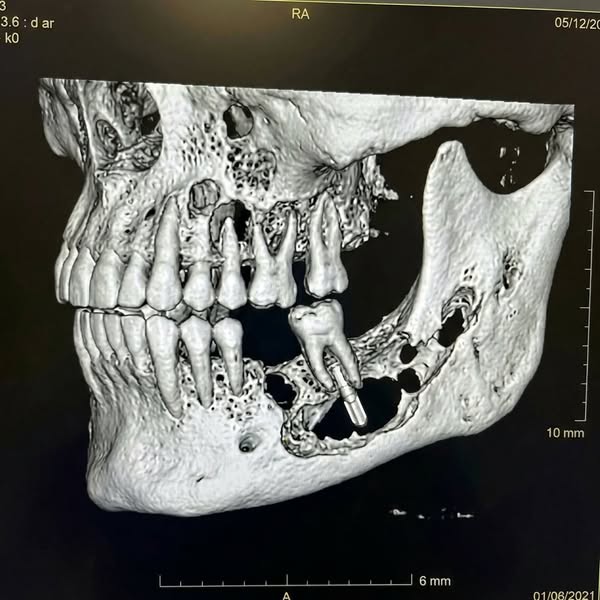
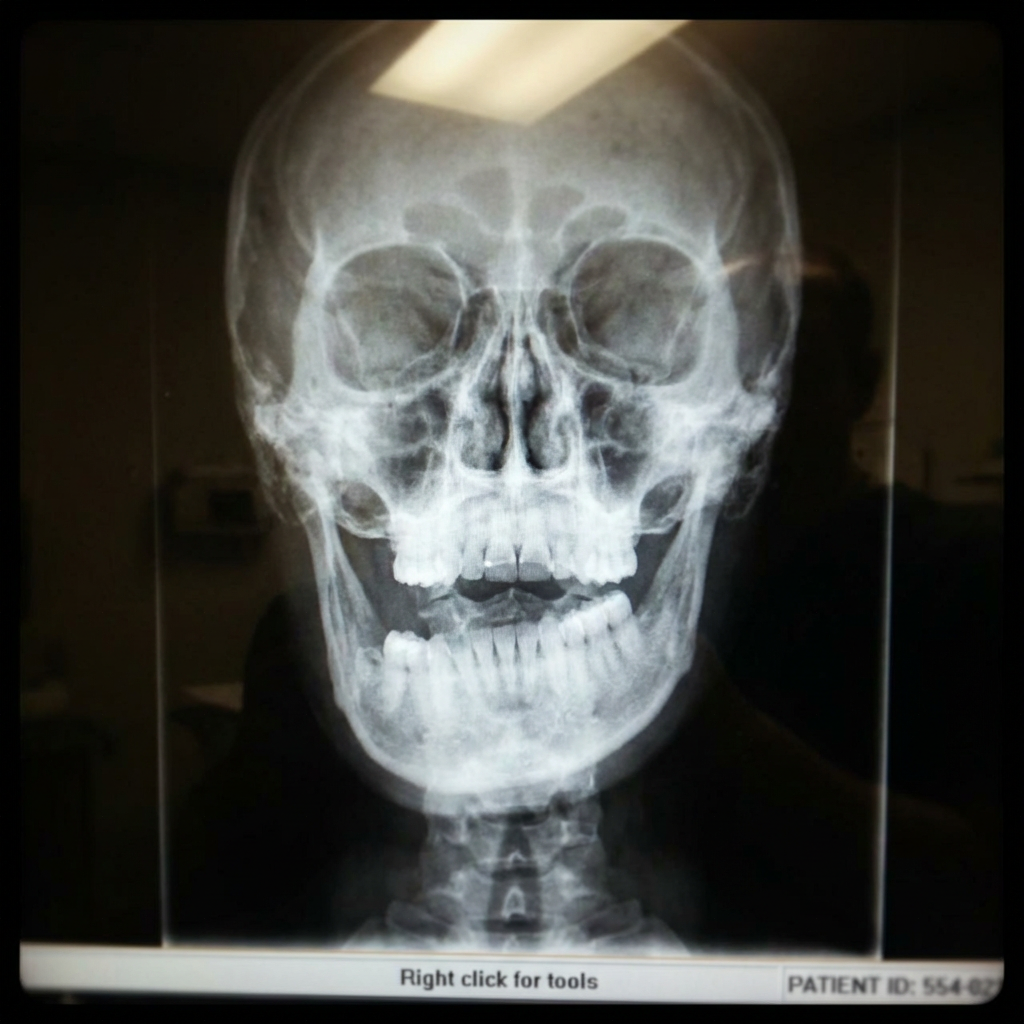
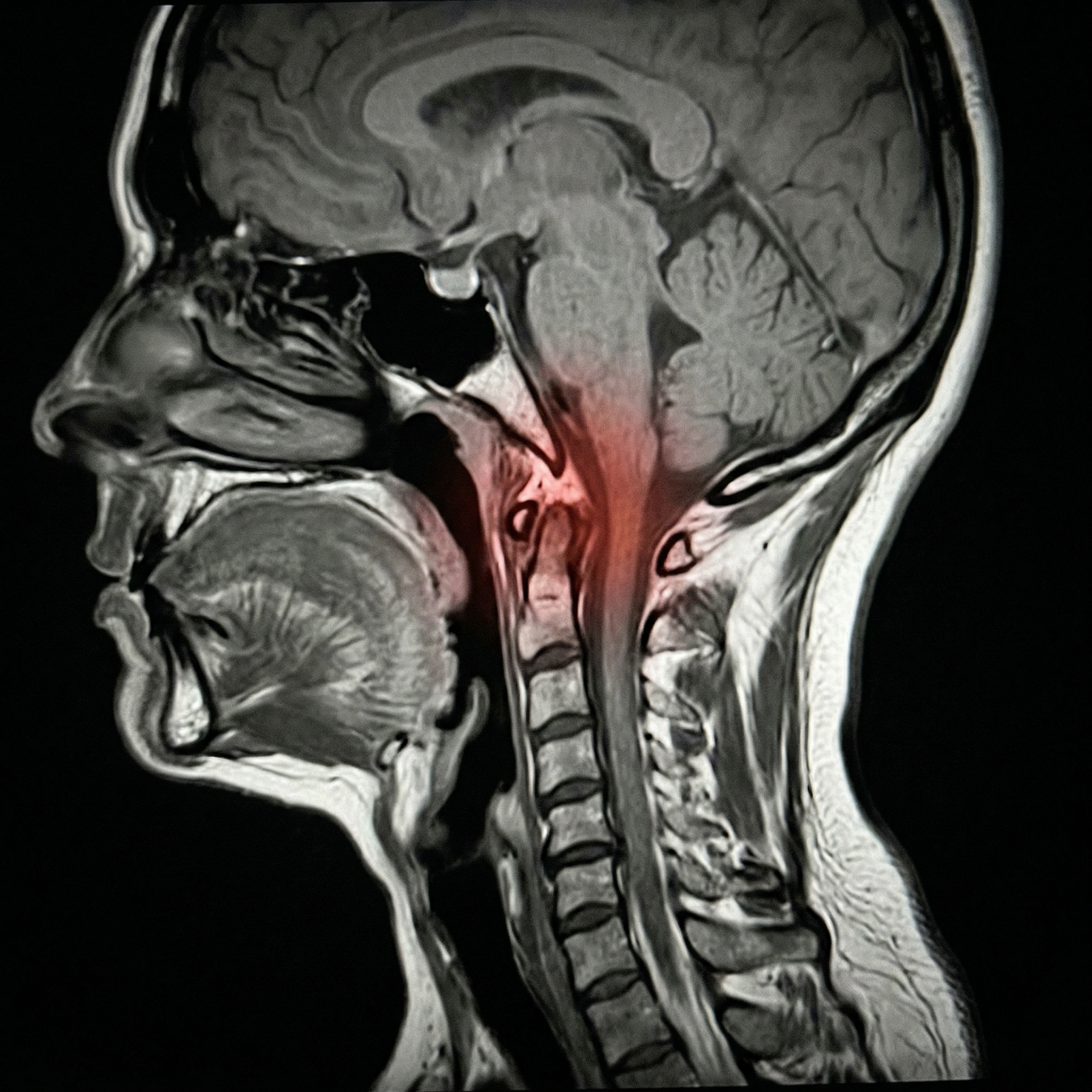
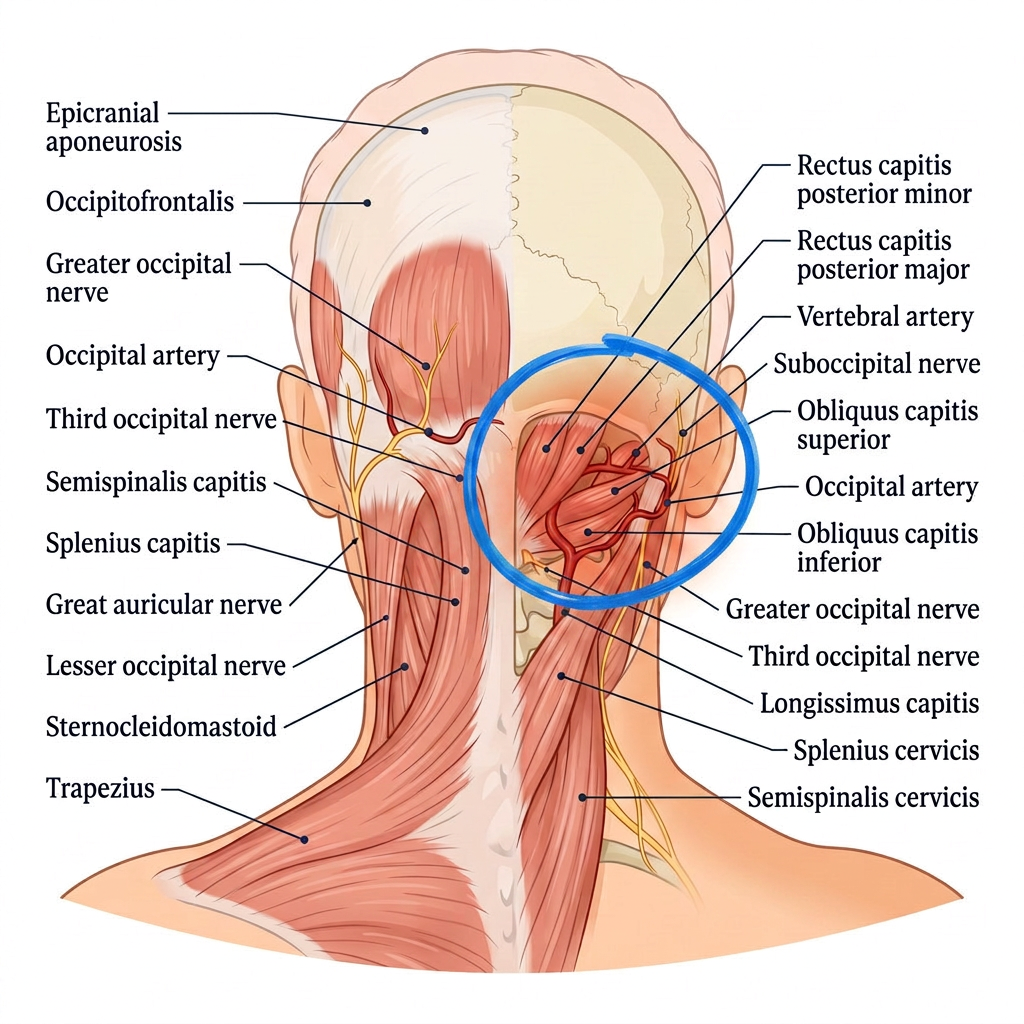
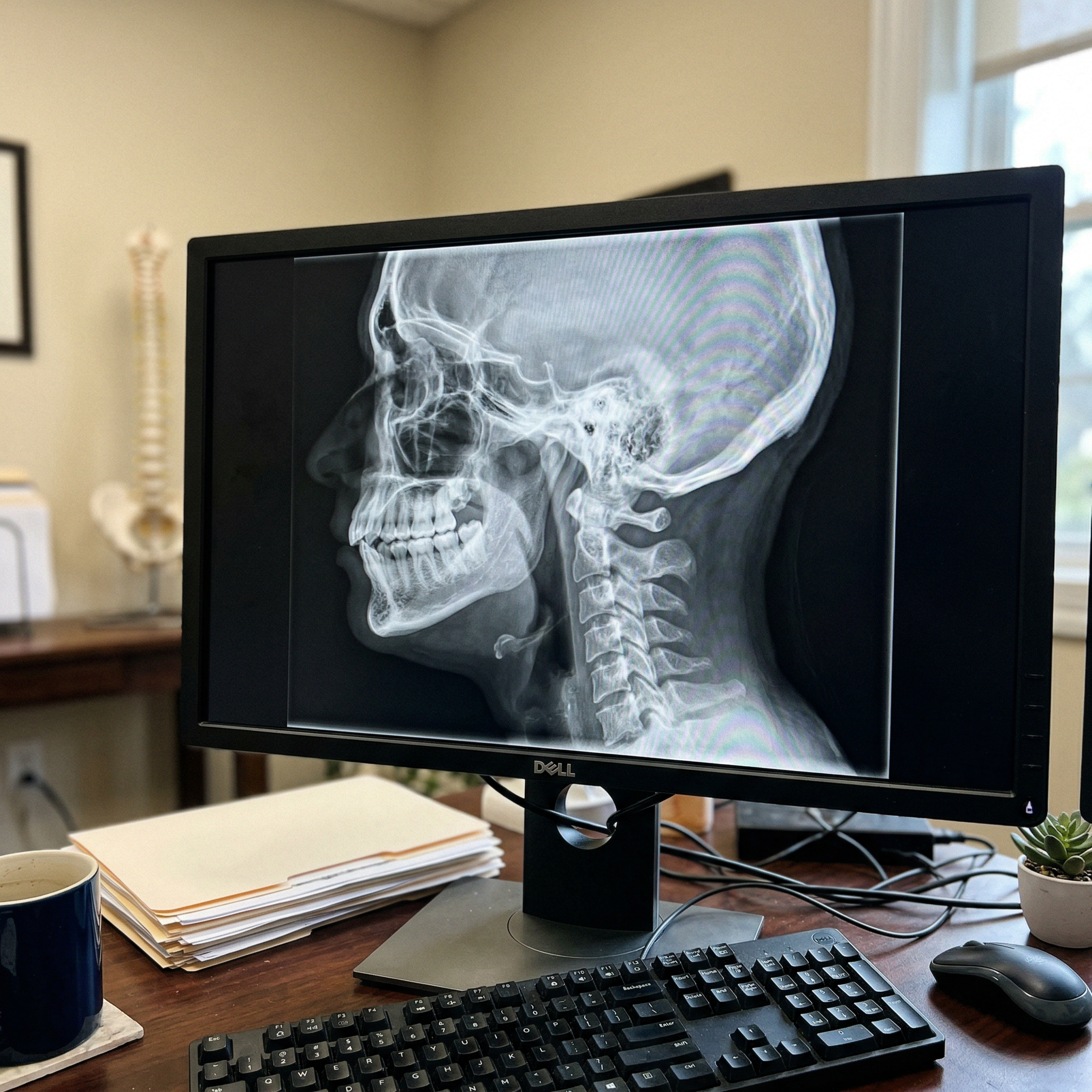
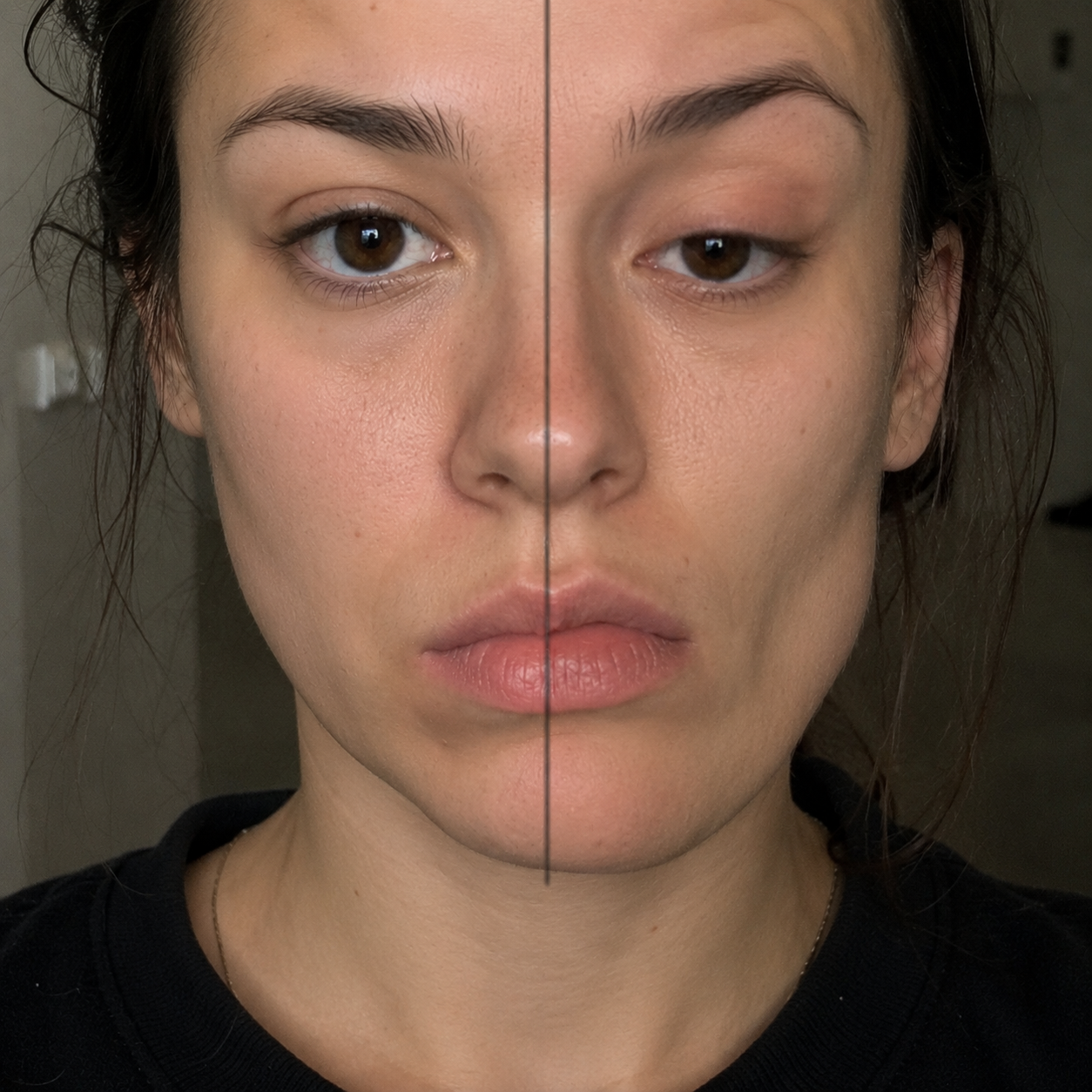
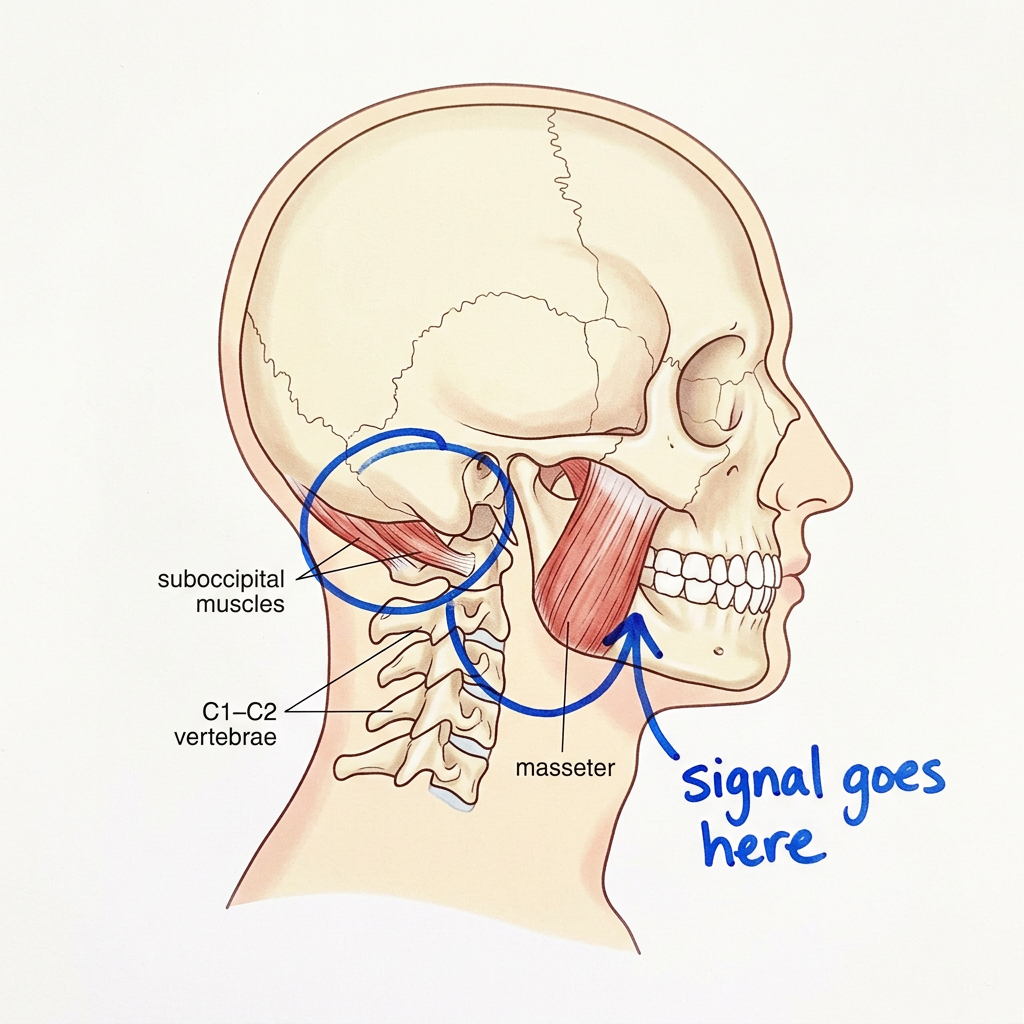
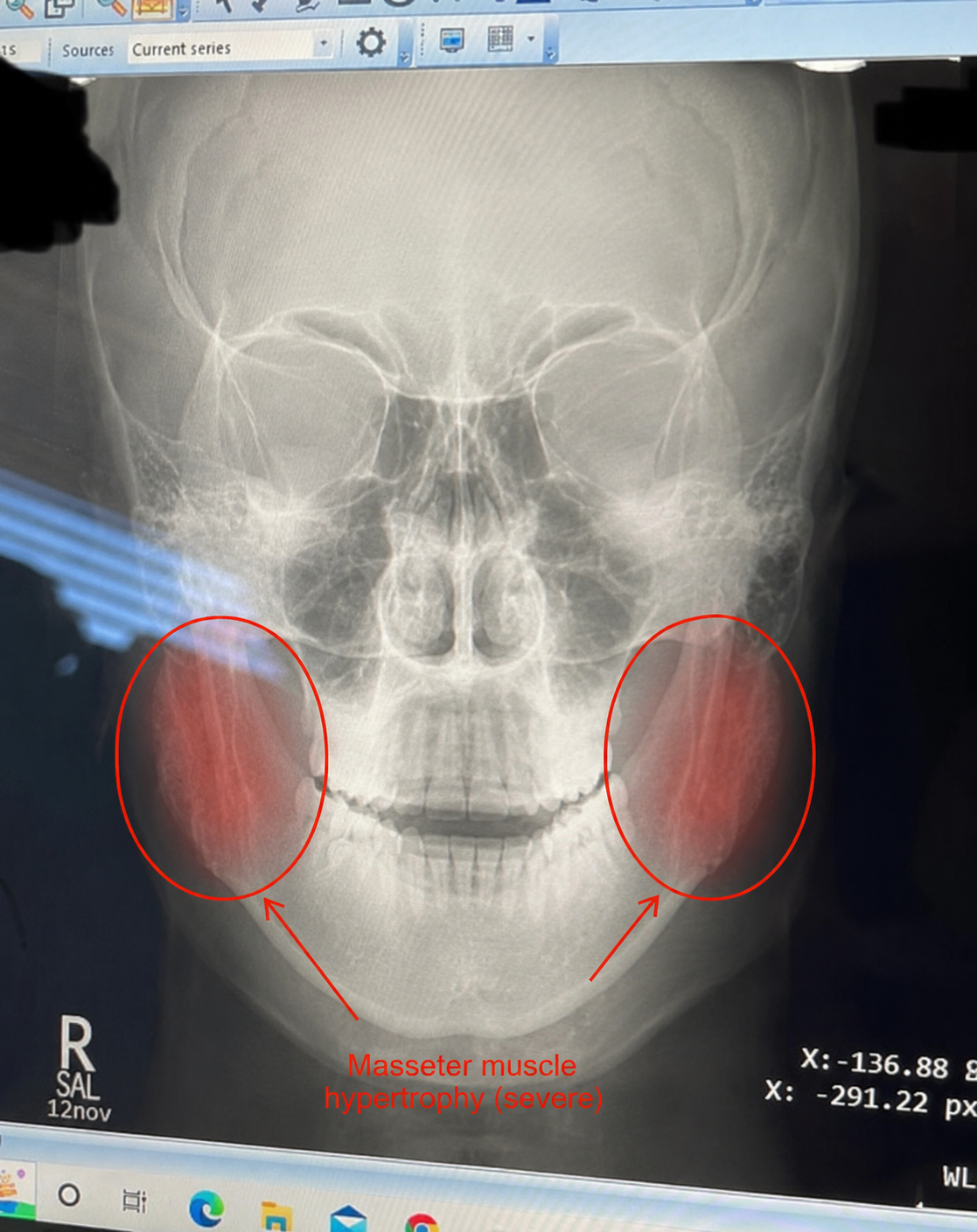
For three years I thought I was just aging badly. The hollowing under my eyes. The wider jaw. The chin pulling backwards. I bought the creams. I got the filler. I tried the masseter Botox twice. Then a facialist asked me one question that changed everything. "How long have you been clenching at night?" I'm 47. Married 19 years. Two kids in high school. This story started in 2022. I was scrolling through old photos one Sunday afternoon trying to find something for my mother's birthday slideshow, and I came across a picture of myself from 2019. I stared at it for ten minutes. It wasn't the lighting. It wasn't the angle. It wasn't the makeup. It was my face. My cheekbones — full, defined, the widest point of my face. My jawline — soft, feminine. My chin — coming down at the angle I'd had my entire life. I put my phone down and walked into the bathroom. The face in the mirror was square. My jaw was wider than my cheekbones. The chin had pulled backwards into a small double underneath. The skin under my eyes had hollowed out the way it does on women twenty years older than me. I didn't recognise myself. That night I cried in the shower so my husband wouldn't hear me. For the next three years I treated what I thought was aging. $180 on the retinol cream my dermatologist recommended. Then $340 on a night serum a friend swore by. $96 on a peptide treatment from a clinic in the city. Filler in my cheeks — twice. $800 each round. The volume came back for six months and then disappeared again, faster the second time. Then masseter Botox. The first round was a revelation. My jaw narrowed. My face thinned. For three months I looked like myself again. I cried in the dermatologist's parking lot after my follow-up because I hadn't realised how heavy my own face had become until it stopped feeling that way. Then it wore off. I went back. Got it again. Slimmed back down. Wore off. Went back. Got it again. By my fourth round, my dermatologist mentioned something in passing while she was getting the syringe ready. "We just want to keep an eye on jowling with long-term masseter Botox," she said. "Some women develop a bit of sagging around the mouth after repeated sessions. Nothing to worry about right now." Jowling. I drove home and sat in the car in the garage for twenty minutes. I'd spent $4000 on filler. Twenty-four hundred on Botox. Over six hundred on creams that did nothing. $7000 across three years to fix what I thought was an aging problem. And I was about to trade widening for sagging. There was one other thing I hadn't connected yet. For about as long as the face changes had been happening, I'd been waking up with a sore jaw. Not bad. Not every day. But enough that I'd bought a new pillow twice trying to fix it. My husband had asked me once if I was grinding my teeth. I told him I wasn't. I had no idea those two things were connected. In September, I stopped going to dinner parties. I told my friends I was tired. I started declining photos at family events. I sat for my niece's graduation pictures with a hand on my jaw the way other women hold their stomachs in. In October, I stopped turning on the bathroom light at night when I brushed my teeth. By the time I'd put down the toothbrush, I'd be staring at the woman in the mirror trying to remember what I used to look like before — and the brushing didn't matter anymore because I was already crying. My husband told me I was beautiful. My mother said I looked tired. My best friend said it was hormones. My therapist said it was perimenopause. I knew it wasn't any of those things. I just didn't know what it was. On December 14th at 2am I couldn't sleep. I went downstairs and opened my laptop. I typed: "why is my jaw getting wider as I age." What came up wasn't aging. It was a Reddit thread of women in their thirties describing the exact same thing I'd been watching happen to my own face. Cheekbones lost. Jaw wider. Chin receding. Face shorter. And the comment thread underneath was hundreds of women saying the same thing — and one comment in particular kept getting linked. It was from a buccal massage specialist in Los Angeles named Mara. Her comment said most women who think they're aging are actually being reshaped — physically, mechanically, every single night — by something almost no doctor ever checks for. She didn't name it. She just listed the symptoms. A wider jaw than you used to have. A squarer lower face. Cheekbones that look "lost" rather than aged. A chin that pulls backwards. A masseter you can feel when you press your fingers to the side of your jaw and bite down — if it's the size of a golf ball, you have it. I went into the bathroom and pressed my fingers to the side of my jaw. I bit down once. The muscle that came up under my fingertips wasn't a muscle. It was a knot. Hard, round, and twice the size of any masseter I'd ever felt on anyone else. I sat down on the bathroom floor and didn't get up for almost an hour. I booked an appointment with a buccal massage specialist in my city two weeks later. Her name was Elena. She was in her early fifties, had practiced for over twenty years, and looked like someone who had spent her career touching faces for a living — calm, precise, completely unhurried. I sat across from her and told her everything. The photos. The filler. The Botox. The hollowing. The widening. The $7000 I'd spent trying to fix an aging problem I didn't actually have. She didn't say anything for a long time. Then she stood up, came around the table, and pressed two fingers under my jaw on both sides. "Bite down." I did. "Open." I opened. She pressed at the base of my skull. Then at the side of my neck. Then back to the jaw. Then she sat down across from me and said this: "Anna, I see twenty women a week who walk in here convinced they're aging. Maybe two of them actually are. The other eighteen are doing exactly what you're doing — paying me to massage the symptoms of a problem nobody has ever shown them. Your masseter is twice the size it should be on a woman your age. That's not a fat issue. That's not volume loss. That's a muscle that's been doing a full-load workout every night for years." She paused. "And the reason the rest of your face is changing — the cheekbones, the chin, the hollowing — is because this muscle is connected to the skin of your face by fascia. When it bulks, it pulls. The cheek volume migrates downward. The chin rotates backwards. The face squares." Then she said the line I'm going to remember for the rest of my life: "You don't have an aging face. You have a workout you never agreed to." I want you to read that again. A workout you never agreed to. Every night, for three years — possibly longer — my jaw had been firing under full compressive load while I slept. Not the small effort of chewing. The full-force clench of a muscle bracing against itself for hours. The same load profile as resistance training in a gym. The same duration. Done involuntarily. A muscle worked like that for years does what every other worked muscle does. It grows. The clinical term is masseter hypertrophy. And because it's connected to everything else in the lower half of my face, the rest of it had been quietly migrating. Years of bulking pulling the cheeks downward. The hollowing under my eyes wasn't aging — it was volume that had been tugged out of place. The chin pulling backwards wasn't recession — it was the constant bracing rotating the jaw posteriorly in micrometres. Then Elena said the part nobody had ever told me. "The clenching isn't coming from your jaw. It's coming from your neck." Read that again. She showed me a diagram. Four small muscles sit at the base of the skull — the suboccipitals. They have more nerve endings per square centimetre than almost any muscle in the body. Their job isn't really to move the head. Their job is to report to the brainstem — threat status, head position, are we safe. When they're locked from years of desk posture and accumulated tension, they don't send a normal signal. They send a false alarm. Constantly. A low-grade distress signal firing into the brainstem 24 hours a day. The brainstem responds the only way it knows how — it tells the jaw to brace. The masseter clenches. Every single night. The workout has been running since the alarm started ringing. That's when every failed solution made sense. The filler wasn't replacing volume that disappeared. It was replacing volume that was being actively pulled out of place by a muscle that was still bulking underneath. Six months later it had been pulled out of place again. The Botox shrank the masseter for three months. But the signal kept firing every night. The moment the Botox wore off, the muscle woke up and resumed the workout exactly where it left off. And the long-term answer to that cycle — jowling — is what happens when a muscle gets paralysed and atrophied beneath skin that's still being pulled around by the fascial chain underneath. The night guard cushions the teeth. The masseter still fires under full load. The workout still happens. The face still gets worked. The stretching and massage gave me an hour of relief. Then the alarm rang again at night and the muscle re-locked. None of them turned off the signal. They all treated the muscle. The muscle is just doing what it's told. Before I left her office, Elena pulled up a small device on her phone. "I've been recommending this to my clients for about a year. It's the only thing I've ever found that actually reaches the alarm." It was a small curved foam device with 14 pressure nodes along the top edge. Made by a company called Lune. No batteries. No app. No noise. I almost laughed. "That's it? I lie on it?" "You lie on it for ten minutes before bed. Gravity drives your body weight into the nodes at the exact depth where the suboccipital muscles live — too deep for fingers, too deep for a tennis ball, too deep for the 45 seconds a massage therapist spends before moving on. Most of my clients feel the muscles release within the first session. The jaw stops getting the signal. The masseter stops being fired. Over weeks, it stops being trained — and when a muscle stops being trained, it softens. The fascial pull releases. The volume migrates back." She handed her phone to me to look at the page. "Anna, the work I'm doing in this office relieves your muscle for forty-eight hours. This addresses the signal that's making me necessary in the first place." It cost $54. I'd just spent seven thousand on the wrong cause. I ordered it that night. Week one — I lay on it ten minutes a night. Nothing dramatic. But for the first morning in maybe two years, I woke up without that subtle ache in my jaw. Week two — I was about to cancel my next masseter Botox appointment and lost my nerve. What if Elena was wrong? What if this was just another expensive thing that didn't work? I almost rebooked. Then I made myself wait one more week. Week three — I caught myself in the bathroom mirror on a Tuesday morning brushing my teeth and didn't immediately look away. My husband walked in behind me and stopped. "You look different." He couldn't say how. Week six — I pressed two fingers to the side of my jaw and bit down. The masseter that came up was smaller. Noticeably smaller. Not gone — but reduced. Like a muscle that had stopped being trained. Week ten — I took a photo of myself in the same lighting I'd taken one in October. I put them side by side on my phone. The lower half of my face had narrowed. The cheekbones weren't more defined because cheekbones don't grow back — they were visible again. The volume the fascial chain had been pulling downward for years had been allowed to settle back where it belonged. The chin had come back forward. Not far. But forward. I cancelled the Botox appointment and never rebooked. Five months in now. $54 total. I'm down to using the device three nights a week because the muscle is no longer fighting me. I'm writing this because I just turned 48 and I think about the women I see in cafes — women in their forties, women in their thirties, women with the exact same squaring of the jaw I had — and nobody is going to tell them what Elena told me. Their dermatologists are going to keep selling them filler. Their dentists are going to keep selling them mouth guards. Their doctors are going to keep telling them it's stress and aging and perimenopause. And every night, while they sleep, the workout is going to keep running. Every additional night the alarm continues to ring, the masseter gets fired again. The fascial pull continues. The face gets slowly reshaped further. There is no plateau. There is no pause. The reshaping happens whether you've noticed it yet or not. If your jaw feels wider than your cheekbones now. If your chin looks like it's pulling back. If your masseter feels like a golf ball when you press your fingers to it and bite down. If filler keeps disappearing faster than it used to. If Botox keeps coming back and your dermatologist has started mentioning the word jowling — that alarm has been ringing for years. Nobody has told you it's there. The link to the RestNode is below. There's a 60-day money-back guarantee — if your jaw doesn't feel different in two months, you send it back and they refund every cent. I wish someone had told me three years and $7000 ago. ~ https://getluneco.com/products/lune™-restnode P.S. Week one: the morning jaw ache stopped. Week six: the masseter was smaller. Week ten: side-by-side photo, the lower half of my face had narrowed and the volume that had been pulled down had settled back where it belonged. $54. The cheapest thing I've ever spent on my face. P.P.S. I don't get paid for writing this. I'm writing it because I sat on a bathroom floor for an hour at 2am in December and nobody on the internet could tell me what was wrong with my face. If even one woman reads this and doesn't waste $7000 before finding out — it was worth posting. ~ https://getluneco.com/products/lune™-restnode
Like this ad? Make it yours.
Crush rebuilds this exact creative around your product — your brand, your colors, your offer — in about a minute.