Kelly's Menopause Blog
Kelly's Menopause Blog Facebook ad: “If you are losing yourself to menopause, read this.”

Ran for 54 days, from June 12 to August 5, 2026, the last day Crush saw it.
Run by Kelly's Menopause Blog on Facebook. Crush is not the advertiser and does not verify its claims. See this ad in Meta's Ad Library(opens in a new tab)
Want an ad like this for your product?
Crush makes new ad images for your product from this ad: your logo, your product photo, your offer.
Trials from $19.95 USD, then $79.95 USD a month. Cancel anytime.
About this ad
- Meta Ad Library ID
- 2163489347774671
- Platforms
- Facebook, Instagram, Audience Network, Messenger and Threads
- Relaunches
- 0
Ad text
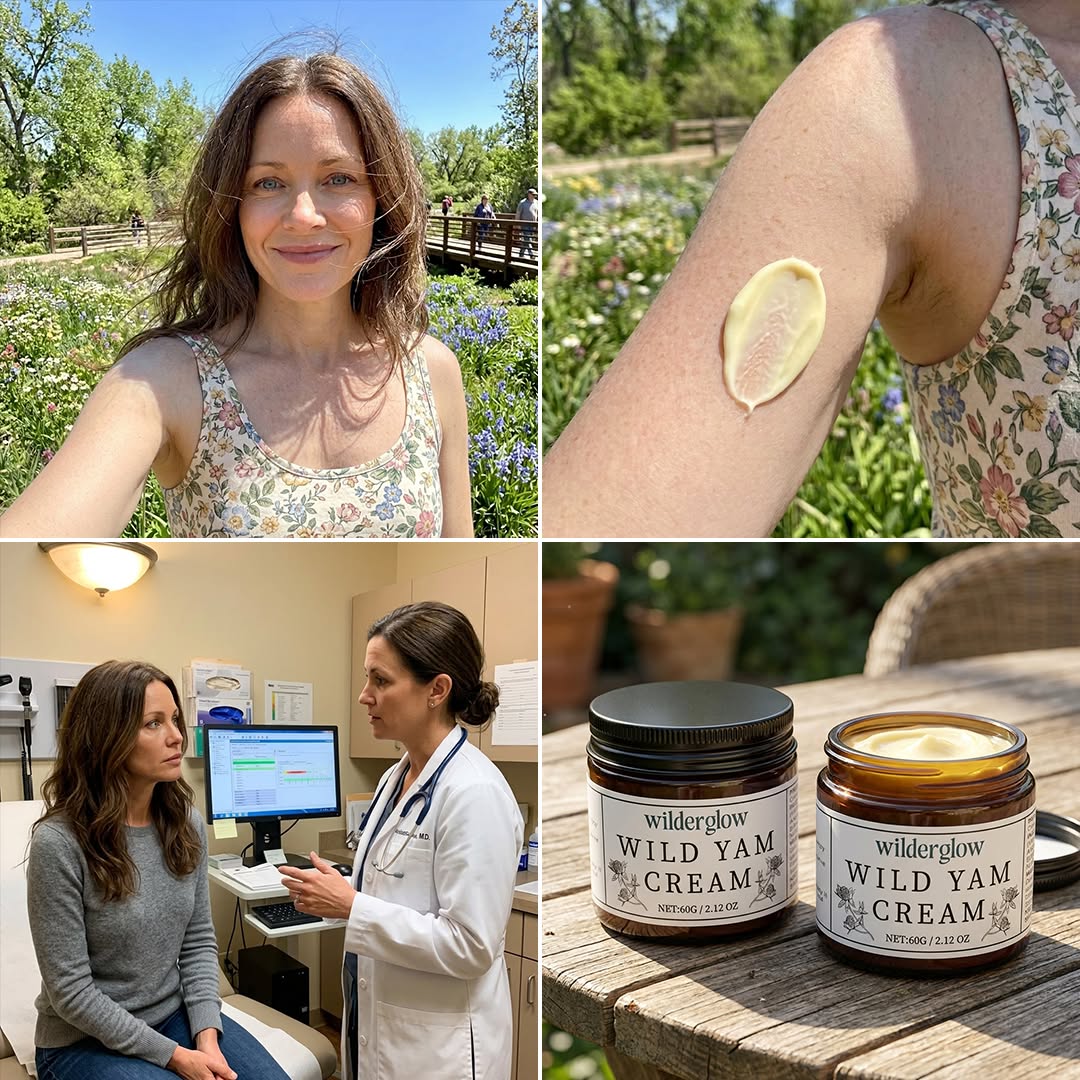
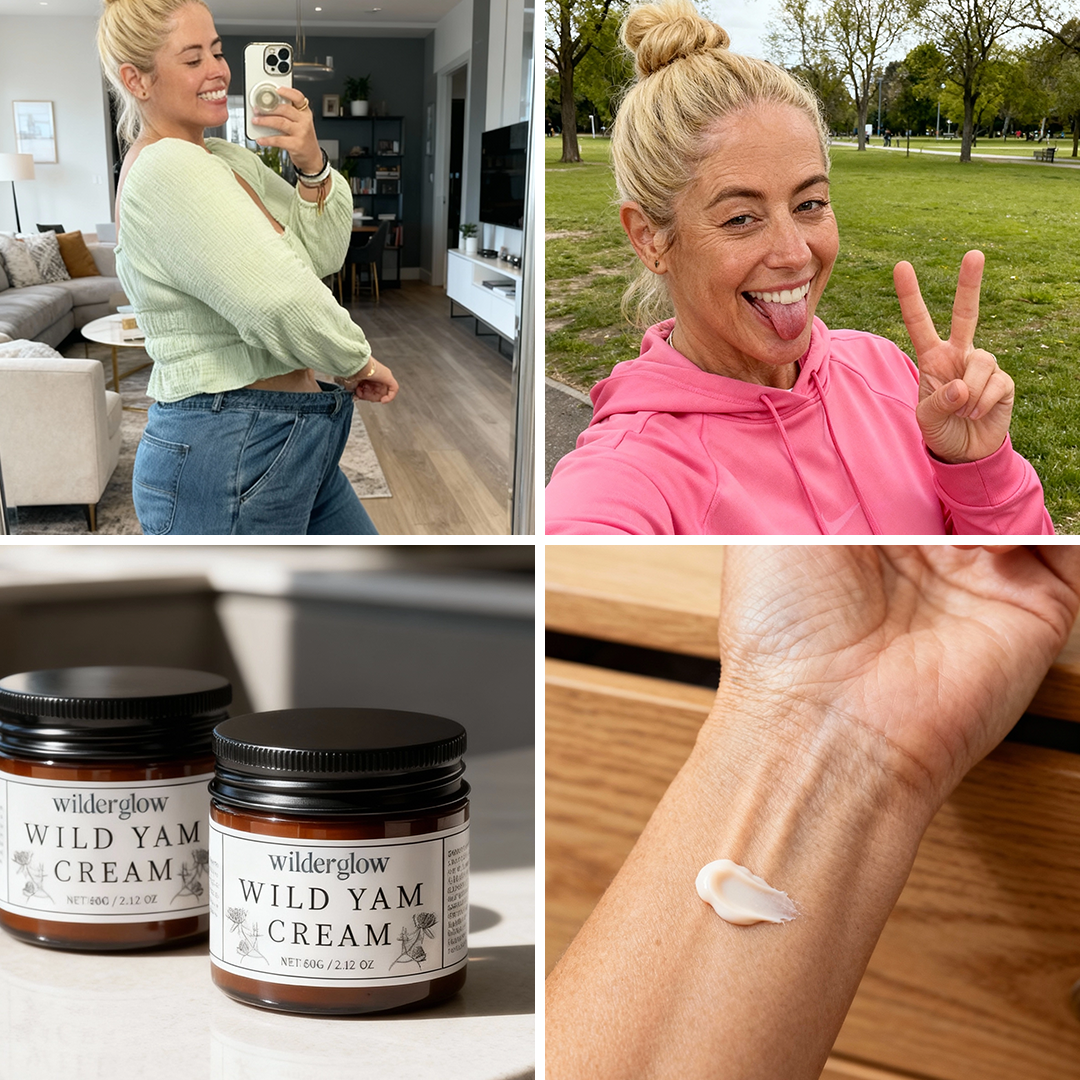
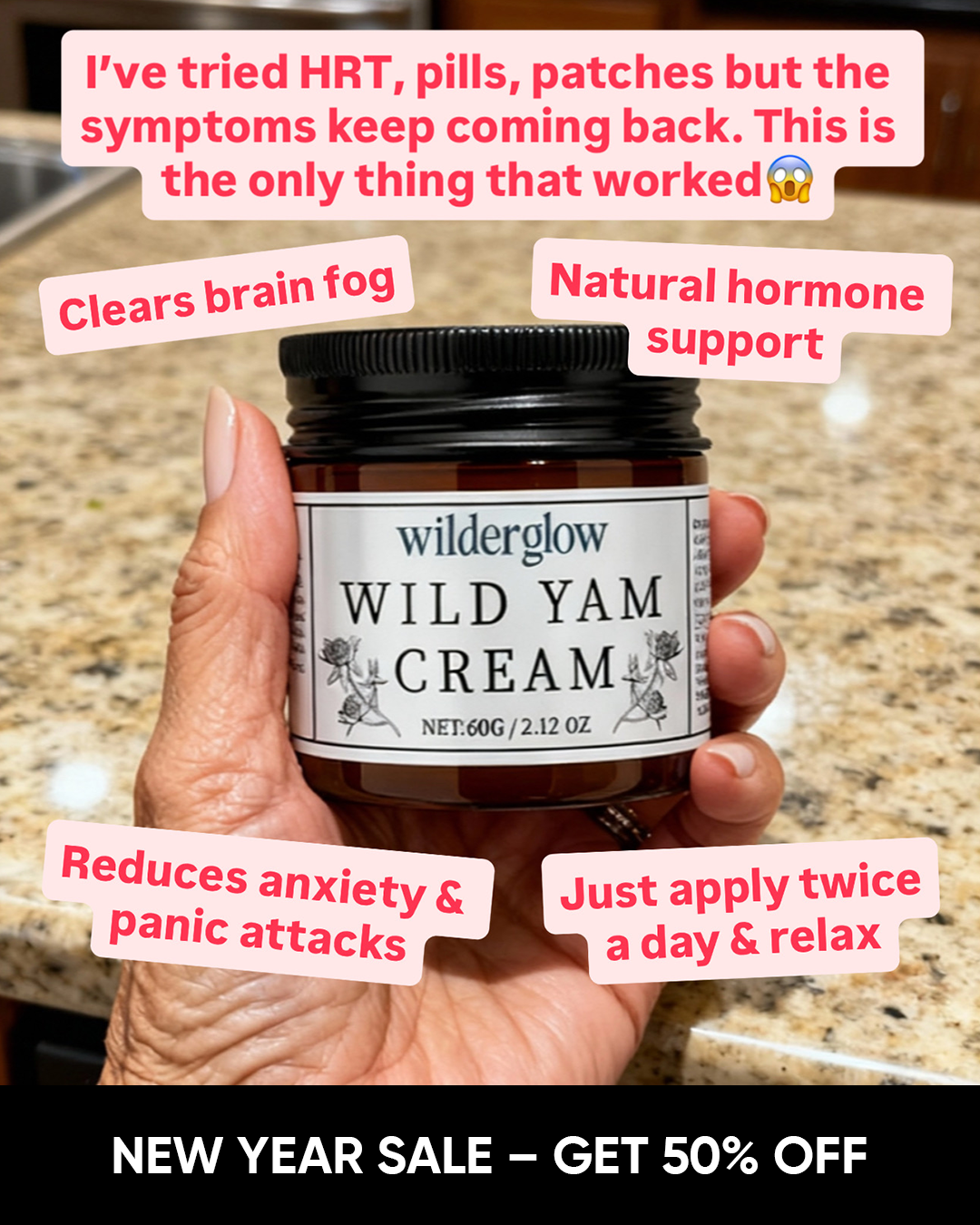
The Hormone Industry Has a $4.7 Billion Reason to Make Sure You Never Read This Every HRT prescription requires follow-up appointments. Every follow-up requires blood panels. Every blood panel leads to a dose adjustment. Every dose adjustment leads to another follow-up. It's not a treatment. It's a subscription. And you're the product. What I'm about to tell you ends that cycle. Which is exactly why nobody in that $4.7 billion chain wants you to know about it. My name is Jennifer. I'm 52 years old. And three months ago, I accidentally stumbled onto something that made my gynecologist of 15 years question everything she thought she knew about menopause treatment. But I need to tell you what happened first. Because if I don't explain the four years of hell that came before this moment, you won't understand why those six words hit me like a freight train. The Day My Body Declared War on Me At 48, menopause didn't knock. It kicked the door down. I woke up one Tuesday morning and my skin was on fire. Not hot flashes. Fire. The kind of itching that makes you want to unzip your body and step out of it. Arms. Scalp. Legs. Back. Everywhere. That was day one. By week three, I was a woman my own family couldn't recognize. Rage so sudden and so violent my husband stopped making eye contact with me. Anxiety so thick I couldn't push a cart through Target without my hands shaking. Panic attacks at stoplights. At family dinners. In bed at 2 AM, heart slamming against my ribs, convinced I was dying. Night sweats that soaked through two layers of sheets every single night for 1,460 nights straight. Hot flashes so brutal they shut my brain off mid-sentence. I'd be talking to my daughter and my mind would just... go blank. Like someone pulled the plug. Brain fog so dense I forgot my own child's softball schedule. Twice. Weight I couldn't explain. 23 pounds in 11 months. Eating nothing but salads and grilled chicken. My body gaining weight like it was being paid to. Depression darker than anything I'd ever felt. Not sadness. Emptiness. Like someone scooped out everything that made me me and left the shell behind. Cystic acne at 50 years old. Insomnia that turned every night into a staring contest with my ceiling fan. And always, always, always... that maddening, relentless, soul-crushing itch. My daughter stopped inviting me to her volleyball games. My husband moved to the guest room. I became what the forums call it: a cranky menopausal nightmare. For four straight years. And here is the part that still makes my blood boil: My doctor had a prescription for every single symptom on that list. A different hormone for each one. A higher dose. A new cream. Another patch. Another adjustment. But not once in four years did she mention the one thing that actually fixed me. How I Burned Through $12,000 and Got Worse "HRT is the gold standard," she told me. I trusted her. Why wouldn't I? Within six weeks, the itching doubled. My breasts were so swollen I couldn't hug my own daughter. I gained 18 pounds. My mood swings got violent. "Give it time," she said. She increased the dose. Three months later I was having full-blown panic attacks in grocery store parking lots. Heart hammering. Tunnel vision. Grabbing the steering wheel so hard my knuckles went white. The night sweats got worse, not better. So we pivoted. Bioidentical hormones. "Natural," they promised. "Customized to your exact body." $600 a month for compounded creams. $300 for blood panels every six weeks. $250 per consultation. Twelve months later: $11,400 gone. Improvement: Maybe 20%. And that 20% came with new problems. Bloating. Headaches. A heaviness in my chest that never lifted. Then came the progesterone cream phase. And this is where the story gets ugly. The Progesterone Trap Nobody Warns You About Every menopause forum on the internet screams the same thing: your progesterone is tanking. And they're not wrong. During menopause, progesterone plummets 75% while estrogen only drops 40%. The ratio goes haywire. So I did what every desperate woman does. I bought the highest-rated progesterone cream on Amazon. Then prescription strength. Then compounded maximum-absorption formulas. Here's what actually happened: Week 1: Sleep improved slightly. Week 2: Fatigue came roaring back worse than before. Week 3: Weight gain accelerating. Itching intensifying. The anxiety creeping back in like a tide. Week 4: Depression deeper than month one. Mood swings so erratic my husband asked if I'd stopped taking my medication. I hadn't stopped. That was the medication. My hormone specialist finally explained what was happening in language that made me want to throw something: "When you apply external progesterone, even bioidentical, you're forcing a finished hormone into your system at a fixed dose. Your body can't regulate it. It can't dial it up when it needs more. It can't dial it down when it's had enough. You're flooding receptors that were designed to receive, not to be force-fed." She called it receptor fatigue. Your body's hormone receptors aren't broken. They're drowning. Every cream, every patch, every pill delivers the same blunt dose whether your body needs it or not. Like force-feeding a woman who's already full and then blaming her when she gets sick. I spent four years and $12,000 making my receptors worse. And nobody told me there was another way. Until last March. What I Overheard at a Women's Health Conference in Chicago I almost didn't go. I was exhausted. Defeated. I'd accepted that this was just my life now. During a lunch break, I sat next to two researchers from a university endocrinology department. One of them said something that made me set my fork down: "The entire approach is backwards. We keep replacing hormones. We should be giving the body what it needs to make its own." I didn't let them leave that table. What they explained over the next 40 minutes rewired everything I thought I understood about menopause. The compound is called diosgenin. It occurs naturally in wild yam root. And it is not a hormone. Not even close. It's a precursor. A raw material. A building block. Think of it this way: Every hormone cream on the market delivers pre-built furniture and shoves it into your house whether it fits or not. Diosgenin hands your body the finest raw lumber and lets the master carpenter inside you build exactly what's needed. In the exact amounts. At the exact time. With no surplus. No deficit. No flooding. No crash. Your body doesn't get overridden. It gets re-equipped. One researcher pulled up data on her laptop showing blood work comparisons that made my stomach drop: Women on synthetic progesterone showed wild spikes and crashes throughout the day. Hormones surging at 8 AM, bottoming out by noon, spiking again at dinner. A rollercoaster their receptors could never adapt to. Women using concentrated diosgenin showed something completely different. Smooth, steady, self-regulated production. Their bodies manufacturing exactly what they needed, when they needed it, all day long. The difference wasn't subtle. It was staggering. But then came the warning that changed everything. Why 99% of Wild Yam Creams Are Expensive Moisturizer "Most of what's on the market is garbage," one researcher told me point-blank. She wasn't being dramatic. She was being precise. I went home and ordered seven different wild yam creams. Lined them up on my bathroom counter. Pulled up every ingredient list. Six of them buried wild yam extract behind water, glycerin, fragrance, emulsifiers, and preservatives. Seventh ingredient. Ninth ingredient. One listed it twelfth. That's like buying orange juice that's 98% water with a drop of orange flavoring on the label. The seventh cream was different. Wild yam extract wasn't just present. It was the first ingredient. No water base. No synthetic hormones mixed in. No fillers diluting the diosgenin into nothing. It was called Wilderglow. And because I'm the kind of woman who keeps spreadsheets for everything, I decided to document every single day. I wanted proof. Real proof. Not feelings. Numbers. 12 weeks later, I got both. The 12-Week Blood Work Reversal Week 1: Subtle. The 2 AM wake-ups stopped. The arm itching... quieter. Not gone. Quieter. Week 2: Seven consecutive hours of sleep. First time in four years. I sat on the edge of my bed and cried. The scalp itching had vanished completely. Week 3: My husband looked at me across the dinner table and said, "You seem like you again." No panic attacks. Not one. Week 4: Energy without caffeine. Real energy. The kind where you wake up and your body actually wants to move. The chest-gripping anxiety I'd felt every morning for 1,400 days... gone. Week 5: Hot flashes. Completely gone. Not reduced. Not "manageable." Gone. Week 6: My daughter asked me to come to her volleyball game. First invitation in over a year. Week 7: Jeans from my 40s. Buttoned. Zipped. The mood swings that had terrorized my family for four years... vanished. Week 8: My daughter said five words I will never forget: "Mom, you're fun again." I went to the bathroom and sobbed. I hadn't realized how far away I'd drifted from the people I love. Week 9: Full nights. Zero sweats. Zero itching. Zero waking. My body was quiet for the first time in half a decade. Week 10: Walked through Target. Entire store. No shaking. No racing heart. No gripping the cart handle. Just... shopping. Like a normal person. Week 11: My husband moved back into our bedroom. The panic attacks that made me believe I was having heart attacks hadn't appeared in 30 days. Week 12: Blood draw. "These Numbers Don't Make Sense" My gynecologist pulled up my labs on her monitor. She read them once. Then she read them again. Then she took off her glasses, set them on her desk, and looked at me. "Your progesterone levels look like you're 33." Silence. "Your estrogen ratio is balanced. Your cortisol has normalized. Your inflammatory markers have dropped significantly." More silence. "Jennifer... what changed?" I told her about Wilderglow. About diosgenin. About giving my body building blocks instead of finished hormones. She nodded slowly. "I've seen this research," she said. "We just don't... typically recommend it." I asked her why. She didn't answer. Instead she said: "Whatever you're doing, don't stop. These are the best numbers I've seen from you in five years." She made a note in my chart, closed the file, and looked at me one more time. We both knew what had shifted. And we both knew why she'd never tell her other patients. The Math Your Doctor Hopes You Never Do Four years of synthetic hormones: Total cost: $12,000+ Active symptoms: 18 Pounds gained: 23 Panic attacks: Weekly Night sweats: Nightly Itching: Constant, everywhere, maddening Relationships damaged: Nearly all of them Feeling like myself: 0% of the time Blood work: "Concerning" Three months of Wilderglow: Total cost: $120 Symptoms remaining: Zero Pounds lost: 14 without dieting Panic attacks: Gone Night sweats: Gone Itching: Eliminated completely Relationships: Healing. All of them. Feeling like myself: 90% and climbing Blood work: "Like a 33-year-old" My gynecologist bills $125 per hormone consultation. She sees me monthly when I'm on HRT. That's $1,500 a year. Per patient. Multiply that across 500 menopausal women in her practice. That's $750,000 annually. If I use a $30 cream that works? She sees me once a year for a checkup. Nobody in that equation wants you to know about diosgenin. Not the doctor billing monthly consultations. Not the compounding pharmacy charging $600 for creams that flood your receptors. Not the pharmaceutical companies selling patentable hormones that keep you on a treadmill of adjustments and side effects and follow-up appointments that never end. A plant extract that helps your body manufacture its own hormones? Terrible for their revenue. Incredible for your blood work. The Choice in Front of You Right Now You can keep doing what you've been doing. Keep spending hundreds every month on hormones that fight your body instead of supporting it. Keep white-knuckling through the itching, the rage, the anxiety, the soaked sheets, the brain fog, the weight, the panic, the slow erasure of the woman you used to be. Keep hoping the next dose adjustment is finally the one that works. Or you can try what reversed my blood work so dramatically that a doctor who'd treated me for 15 years went silent staring at her own screen. Wilderglow doesn't mask symptoms. It doesn't override your body. It gives your body the raw material to fix itself. To produce its own hormones. Naturally. In the exact amounts it needs. When it needs them. Without flooding. Without crashing. Without the brutal receptor fatigue that made four years of my life a living hell. But not all wild yam creams are the same. If wild yam isn't the first ingredient, you're rubbing expensive moisturizer into your skin and wondering why nothing changes. Wilderglow is the only one I've found that gets this right: Organic wild yam extract as the primary ingredient. No water filler. No synthetic hormones. No fragrance. Just concentrated diosgenin in a base your skin actually absorbs. What to Do Next I'm not selling you anything. I'm telling you what I wish someone had told me four years and $12,000 ago. If you're drowning in the hormone roller coaster and nothing is working... If you're terrified that the woman you used to be is gone for good... If you want blood work that makes your doctor go silent for all the right reasons... Then you need to read about the Swiss endocrinologist who's exposing why conventional HRT is a brute-force approach that ignores the real problem. She's revealing buried research on diosgenin that pharmaceutical companies have quietly suppressed since 1936. Click below to see why everything you've been told about treating menopause is backwards. And what actually works. P.S. After you read this, you'll understand exactly why my gynecologist went silent when she saw my labs. You'll understand why she'll never mention diosgenin to her other patients. And you'll understand why the truth about menopause treatment will make you furious... but will also set you completely free.
Where the ad sends people
wilderglow.com
If you are losing yourself to menopause, read this...
"This actually saved me, thank you so much" - Sophia T
Learn more: wilderglow.com(opens in a new tab)