 The Health Haven
 Facebook ad: “Support heart health and stamina every day”
Ran for 13 days, from October 3 to October 16, 2026, the last day Crush saw it.
Run by The Health Haven on Facebook. Crush is not the advertiser and does not verify its claims. See this ad in Meta's Ad Library(opens in a new tab)
Make your own version of this ad
Crush makes it, launches it in your own Meta ad account, scales the winners and pauses the losers.
About this ad
- Meta Ad Library ID
- 2172707333681569
- Platforms
- Facebook, Instagram, Audience Network and Threads
- Relaunches
- 0
- Niche
- Fashion & Apparel
Ad text
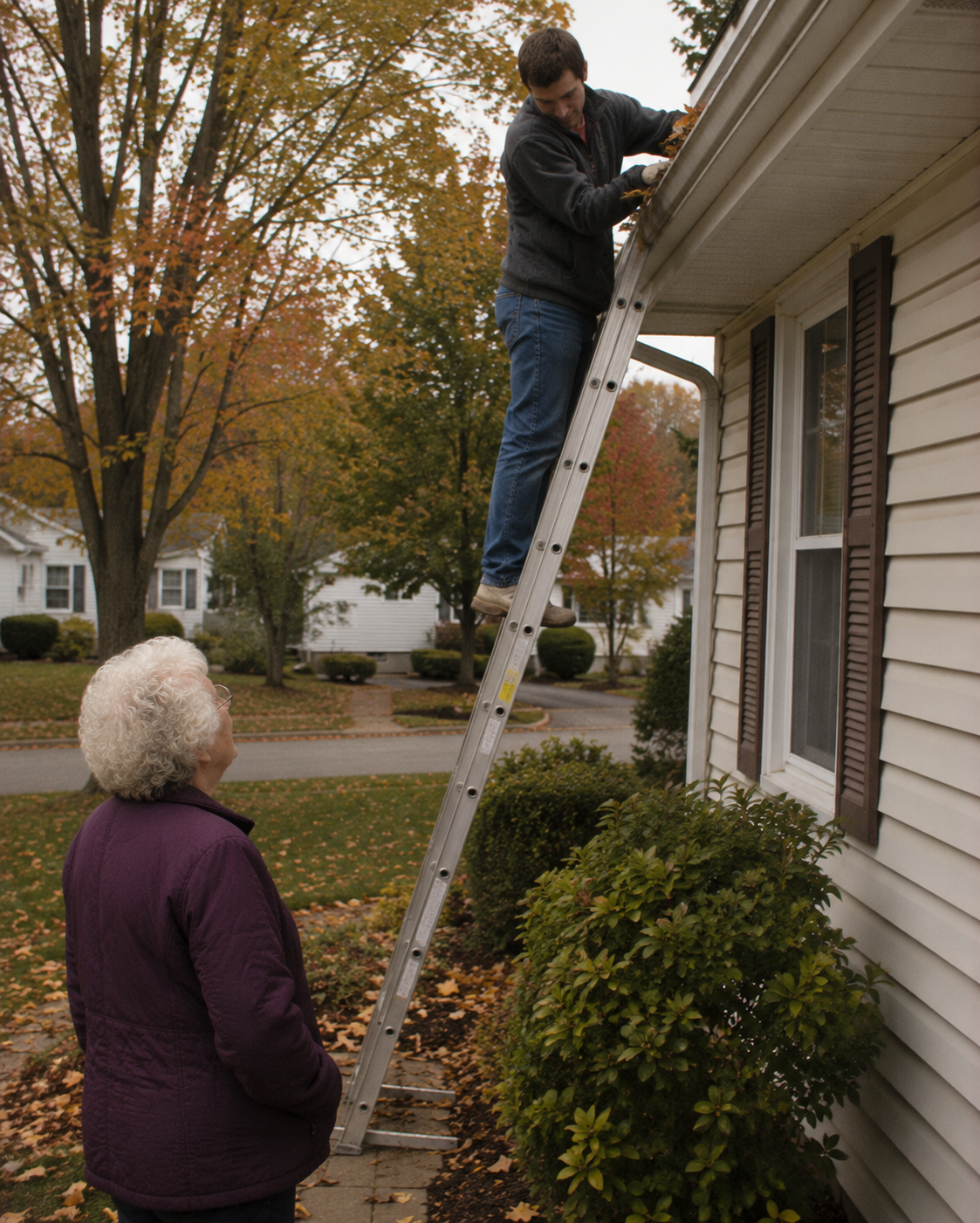
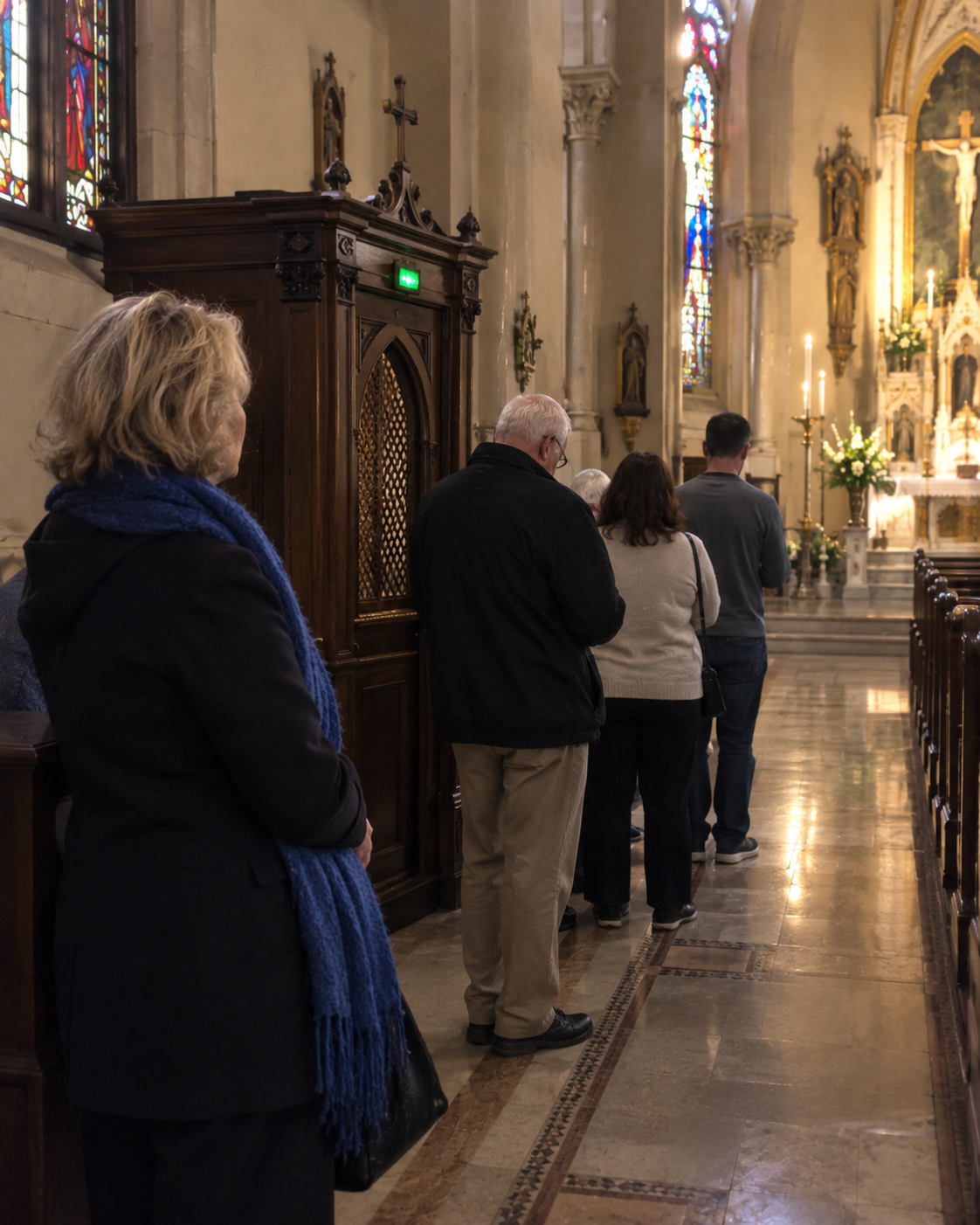
I left the priesthood at 64 to marry the woman who'd waited 40 years for me. Seven months later, I was about to make her a widow the same year she became a wife. For 1,661 Sunday services she sat in the third pew and watched me say Mass, and never once asked me to leave. If you can explain a woman like that, you understand God better than I do. I preached about Him for 34 years, and I still can't explain her. I know it was 1,661 because I counted every one from the altar. A priest sees every face out there, and he keeps track of the ones that matter, whether he means to or not. On a Tuesday in September, I unbuttoned my Roman collar, hung it on the hook inside the rectory door, and carried one suitcase down the steps of St. Raphael's in Dubuque, Iowa. Everything I owned fit inside it with room to spare. She was parked at the curb in a gray Subaru I had never seen, wearing a blue wool scarf I had seen every winter since 1979. She was 63. She had been 23 the night I walked out on her. Neither of us spoke at the curb. She took the suitcase out of my hand, put it in the back, and held the passenger door open like I might still change my mind. There's something else I need you to hold on to. Six months before that Tuesday, on Holy Thursday, I knelt on the sanctuary floor with a silver basin and a towel and washed the feet of 12 parishioners, the way a priest does every year. The last pair of feet in that row was hers. Keep that basin in mind. I'm coming back to it. Her mother told her to marry somebody else. Her friends told her. Her sister told her every Thanksgiving for 30 years, usually over the pie. A priest at another parish once told her, gently, through a confessional screen, that she was spending the only life she would ever get. She waited anyway. Not because I deserved it. Because she decided to. And I won't insult you by pretending I was some tragic man trapped by the Church. Nobody locked me in that collar. I stayed in it 34 years because I was a coward, and Ellen paid for every one of them. But here's what neither of us knew at that curb. Rome released me from my vows 5 months later, in a letter with a wax seal on it. Something else had kept every one of those 34 years right alongside me, quietly, in my own blood. And it doesn't grant releases. I grew up riding in my father's plumbing truck. Hennessy & Son, Central Avenue. I could sweat a copper joint before I could drive. Ellen Kavanagh was my girl from the time we were 16. River walks, Friday dances, her father flicking the porch light at 10:59 every week. We got engaged at 22. Her mother threw the party in the spring of 1984, in the front room, with a ham, a sheet cake and 40 relatives. Halfway through the cake I stepped out onto the porch for air and never came back inside. I'd been carrying a call I couldn't explain for 2 years. That night it won. I drove to the seminary in my father's truck with my good shirt still on. I left the ring on her mother's piano. I didn't even have the decency to put it in her hand. Her father never said my name again. He died in 1986, still refusing. I was ordained in 1990. Ellen never married. She had wanted children more than anything on earth. By the time her family stopped hoping, the years for that were gone. I never confessed that one. I didn't know where to start. In 1992 the bishop sent me to St. Raphael's. I had no say in it, and neither did she. She had already been teaching 4th grade at the parish school for 6 years. She could have transferred anywhere. She stayed. Every Sunday after that, third pew on the left. She never once came up the communion line on my side. Not in 32 years. Every one of those Sundays went onto a ledger I kept in my head. By the time I walked down the rectory steps, it ran 40 years long. Under the vestments, I was still a plumber's son. The rectory boiler, the convent sinks, the school drains every September when the 4th graders flushed things no one should flush. In 34 years, that parish never once called a plumber. Out here at 64, the world turned out to be strange for a man who had never paid his own electric bill. I opened my first bank account in my own name. I bought my first sport coat, and the young man at the store had to show me how to stand in front of a three-way mirror. One thing I kept. My body still wakes at 5:30 for morning prayer. Nobody requires it of me anymore. I say it anyway. We were married in March, in a side chapel, 11 people, no music. And I came home to 2 things she had waiting for me. The first was a list on her refrigerator. Things we were supposed to do together, starting in 1984. Galway, where her grandmother was born. A dog. A vegetable garden. A slow dance at somebody else's wedding. 31 items in her handwriting, the ink on the first few gone brown. She said a man who had lived on a schedule since he was 23 would need a list more than a honeymoon. She was right. The second thing was a shelf over the bathroom sink. Cinnamon capsules. Berberine. A bottle of apple cider vinegar gummies. And a brand-new glucose meter, still in the box. I'd been diagnosed type 2 at 58 and put on metformin. The parish secretary, God bless her, told everybody everything. So Ellen had spent years reading about priests who live on funeral ham and casseroles from the widows' guild. She'd been worried about my sugar from the third pew long before I ever said a word about it. I took the cinnamon every morning without being asked. It seemed like the smallest thing I could give back. And every Saturday I started on another item on that list. I dug the garden beds. I priced flights to Shannon. I owed her 40 years. The only way to pay a debt like that is to be around for it, one ordinary morning at a time. A man in a dialysis chair 3 mornings a week can't pay anybody anything. I just didn't know my blood had been running up its own bill the whole time. Holy Thursday came in April, our first one married. I had no altar and no parish. Ellen said that was no excuse. After supper she filled a basin with warm water, set it on the kitchen floor, laid down a towel, and knelt. "Your turn," she said. "I've been owed this for 40 years." I sat in the kitchen chair like a man waiting on a verdict. She pulled off my right sock and lifted my foot into the water. She poured a cupful over my ankle. Then another. Then she stopped. She poured once more, slowly, watching my face. "Paul," she said. "Is that warm?" I didn't know. That's the truth. I could see the water. I could not feel it. She lifted my foot out and turned it toward the light. On my heel was a cut as long as my thumbnail, angry red at the edges. I had no idea how long it had been there. "You can't feel this, can you," she said. It wasn't a question. I'd had pins and needles for months, mostly at night, like my feet had gone to sleep and couldn't wake up. I blamed new shoes. I blamed 64. I blamed 34 years of kneeling on cold marble. Hard to keep blaming the shoes with your wife on her knees holding the foot you can't feel. She didn't say anything for a long time. She dried my foot with the towel, the way I had dried hers in the sanctuary, and kept holding it. We never finished. The next morning there was an appointment card tucked inside my shoe. Dr. Haugen, Monday, 9:15. She'd called before I woke up. She knew better than to make a case I could argue with. She just made it impossible for me to get dressed without touching it. I went. Because I knew exactly what I was looking at. In 1984, I left a ring on a piano and walked out the door. This time she left a card in my shoe, and I walked in. Dr. Haugen was maybe 45. Brisk, decent, the kind of doctor who talks to the screen and lets you look at the back of his head. Blood, urine, and a little plastic filament pressed into the bottom of my feet while I closed my eyes and said "now" whenever I felt it. I said "now" 3 times out of 10. 2 days later he laid it out. "Mr. Hennessy, your A1C is 6.9 on the metformin, so your blood sugar is controlled. But there's protein in your urine for the first time, and your kidney number has come down." He turned the screen toward me. One number per year. 88. 85. 81. 78. 72. "Every one of those was in the normal range," he said, "so nobody flagged it. But the line has been falling for 5 years. This is early diabetic kidney damage, and the nerves in your feet are the same story. I want to add Jardiance today to protect the kidneys." A second pill. He kept going. Neuropathy. Amputation risk. Dialysis down the road if the line kept falling. I caught maybe half of it. Because I had watched that word, controlled, up close for 34 years. Let me tell you what a priest sees, because it's the reason for everything that came next. Nobody calls a priest when things are going well. They call him to the hospital, the nursing home, the back bedroom. I anointed the sick for 34 years, and I sat beside thousands of people at the end of a road their chart swore they were never on. At the retired priests' home on the bluff, where I said Mass every Wednesday, every windowsill had a pill organizer on it. Seven little doors, morning and night. The nurses checked the doors. Nobody checked the man. The man I watched closest was Monsignor Gerald Falk. He was my first pastor, back in 1990. He taught me how to give a homily that didn't put a dairy farmer to sleep, and how to sit with a family when there was nothing left to say. He wrote every homily he ever gave in fountain pen, in a hand so clean the parish secretary framed one. The doctors had his sugar handled for years. Metformin first. Year 3, they added Jardiance. Year 6, glipizide. Year 8, insulin twice a day. His A1C was under 7 at every visit, and the nurses at the home bragged about his chart. And I watched that old man come apart, one piece at a time. First the eyes. Bleeding at the back of both, they said. He couldn't read the Gospel at his own Mass anymore, so I read it for him. Then the kidneys. Dialysis 3 mornings a week, 4 hours in a recliner, and I drove him. Then the feet. Three toes, then his right foot below the ankle. He stopped walking to the chapel. Then the pen. He couldn't feel it in his fingers. The homilies got shorter, and then they stopped. The pill organizer never missed a door. His chart never looked better. In March of 2019 he collapsed in the sacristy, vesting for a Mass he had no business saying. Heart attack. 76 years old. Gone before the ambulance made it up the bluff. It was 90 days before his 50th jubilee. The bishop was coming. His nephews had already bought plane tickets from Phoenix. We buried him in the vestments meant for that jubilee, and the last note in his chart called his diabetes well controlled. So when Dr. Haugen said Jardiance, all I could see was a pill organizer on a windowsill, and a fountain pen stopping in the middle of a word. "No," I said. "Not that." He sighed and printed the prescription anyway. I folded it into my breast pocket, next to Monsignor's fountain pen, which I have carried every day since March of 2019. Let me show you the corner I was standing in, because both ways out of it ended in the same place. Take the pill and walk the road I had already walked beside Gerald. One pill becomes two becomes insulin, the chart gets prettier, and nobody ever touches what's actually wrong. And then who exactly had Ellen waited 40 years for? Not a husband. A patient. A man she drives to dialysis 3 mornings a week while she calls it a marriage. I was not going to hand her Gerald Falk's last 10 years and call it a honeymoon. Refuse the pill, and the sugar keeps doing whatever it had been doing to my feet and kidneys for 5 years while my chart said controlled. And some morning she wakes up a widow the same year she finally became a wife. She had already waited out one life sentence of mine. The next one would come with a headstone. Pill or no pill, she ended up alone. Either with a sick man in a recliner, or with nobody at all. A few weeks later I was flat on my back under her kitchen sink with a pipe wrench, clearing a slow drain, the most ordinary job I know. And I couldn't feel whether the nut was turning. My fingertips had gone soft and far away, like they belonged to somebody else. I told myself it was the cold pipe. 64 years old, 20 minutes under a sink. But for one second I saw that fountain pen stop mid-word, and I set the wrench down on the linoleum and went and sat in the car for a while. So we fought it Ellen's way first. If discipline could fix this, we were the 2 people in Iowa built to fix it. She had waited 40 years. I had kept vows for 34. No bread. No potatoes. Nothing white. She cooked like my life depended on it, because it did. Cinnamon, berberine and the gummies every morning. The river trail every day at 6, right after morning prayer. 12 weeks. I wasn't about to sneak a dinner roll past a woman who sat in the third pew for 1,661 Sundays. Then I went back for the blood draw. A1C, 6.8. 12 weeks of both of us giving it everything we had. One-tenth of a point. Ellen asked how it went before I had my coat off. I told her the lab was backed up. Then I spent the evening doing the math a plumber does. At one-tenth of a point every 3 months, I'd be out of the woods around my 90th birthday, assuming my feet were still attached. My kidney line had a 5-year head start on me, and skipping dinner rolls was never going to catch it. I didn't show her the real number for 2 days. It was the first thing I had hidden from her since the porch in 1984. Brother Cyril Wendt was in my class at the seminary in 1984. Two years in, he left for St. Bruno's Abbey, up on the river bluffs north of town, and he has been a monk there ever since. For 30 years he has kept the abbey library. He reads the way other men breathe. Theology first, then history, then anything at all. And after the abbey infirmary put him on metformin, he read medical journals. The real ones doctors read, ordered through interlibrary loan from the university, because time is the one thing a monk has more of than anybody. The brothers keep silence most of the day, and Cyril keeps it better than any of them. When he finally said something, he had prayed over it and checked it twice. Once a month I drive up to the abbey and we have coffee in the guesthouse kitchen, the one room where the brothers are allowed to talk. That month I laid the papers on the table between us. The A1C from April. The A1C I had just hidden from my wife. The kidney column, 88 down to 72. He read every line. Set them down. Looked at me the way he used to look at my Greek translations. "I can give you the speech about bread," he said. "Or I can tell you what's actually going on." "I've been doing the bread. And the cinnamon. And the berberine. And the gummies Ellen lined up on the shelf." "I know," he said. "That one-tenth of a point is what all of it does against 34 years." He pulled a guest registration card out of the drawer, flipped it over, and uncapped a pen. "First thing. Your doctor is treating the wrong problem. Same as they did with Gerald." Cyril had buried Monsignor beside me. He had a seat in the front row of the jubilee that never happened. "You were a plumber before you were a priest," he said. "So I'm going to draw you a drain." He drew a tub with a pipe running out the bottom. "When you eat, sugar goes into your blood. That's the water in the tub. Your body has a way of pulling that sugar back out of the blood and putting it into the muscle, where it gets burned for fuel. That's the drain. In a healthy man the drain's open, the sugar goes where it belongs, and the tub empties after every meal." He drew an X over the drain. "In you, the drain's been blocked. For years. So the sugar doesn't go into the muscle. It sits in the blood. It sits in the pipes." "And you know better than any man alive what sugar water does to a pipe when you leave it sitting." I did. Every plumber does. "It goes sticky," I said. "Then it goes hard." "Then it eats the pipe," Cyril said. "Your blood vessels are pipes, Paul. Sugar sitting in them every heartbeat, day and night, gums them up, stiffens them, and eats them from the inside." He drew a row of tiny pipes, then one big one. "The thin pipes go first. The tiny vessels at the back of your eyes. The tiny filters in your kidneys. The tiny vessels that feed the nerves in your feet. The big pipe goes last." He tapped it. "The heart." I stared at the card. "Eyes. Kidneys. Feet. Heart." "That's the order it took Gerald," he said. "Isn't it." It was. Exactly that order. "Here's the part nobody in a white coat says out loud," Cyril said. "Your A1C measures how high the water is. It can't tell you why the drain is shut. A man can carry a beautiful number on 3 drugs with a drain that hasn't opened in 10 years. Gerald took the best chart in that home into the ground." My phone buzzed on the table. Ellen. A picture of 2 shelter puppies in a cardboard box, number 9 on the list. "Which one? And bring milk." Puppies and milk. That's what 40 years of waiting had been for. That's exactly what I was about to lose. "Keep going," I said. "The drain has a signal," Cyril said. "Something has to tell it to open. That signal is a molecule called nitric oxide, made in the lining of your blood vessels. Nitric oxide is the signal that opens the clearance system, so the sugar can leave the blood and get into the muscle." "When you have enough of it, the drain opens and the tub empties. When you don't, the drain stays shut no matter how little bread you eat, and the sugar has nowhere to go but the pipes." "Your body isn't broken, Paul. It's missing the signal. And nobody in that doctor's office has ever asked about the drain. They read the water level and add pills." "I'll give the pills their due. Metformin tells your liver to dump less sugar into the blood. Jardiance makes your kidneys pour the extra sugar out into your urine. The water level drops. The chart looks better." "But neither one opens the drain. Not one of them gets the sugar into the muscle where it belongs. Between readings, it's still sitting in your pipes, still eating them." "And each one has a price. Metformin works through your gut, which is why half the men on it plan their day around a bathroom. Jardiance works by flooding your kidneys with sugar to flush it out, which is where the infections, the thirst and the dizziness when you stand up come from. Those aren't side effects, Paul. That's the pill doing exactly what it was built to do." "And when one stops holding, because the drain is still shut, they add the next. Metformin, then Jardiance, then glipizide, then insulin. You watched it on Gerald for 8 years." "It's mopping a flooded basement every morning and calling it fixed, while nobody goes downstairs to clear the drain. Controlled isn't fixed." "Where does a monk learn all this?" I said. "From Brother Matthias filling out interlibrary loan forms for 3 years." He turned his hand over on the table. "And because they put me on the same ladder, Paul. Metformin in 2016. Glipizide the next year, when the metformin stopped holding." "Glipizide squeezes your pancreas for insulin whether your sugar needs it or not. One night at Vespers it squeezed too hard. My sugar dropped through the floor, and I went down in the choir stall in front of 40 monks with the chant book on top of me." "The infirmarian called it adjusting the dose. So I did what I do. I read. 3 years of journals, the way I used to read Augustine." The last time the ground went out from under me like that, I was standing on a porch in 1984. "Rome released me from my vows," I said slowly. "Nobody ever released my blood." Cyril just nodded. "You walked out of that rectory still keeping a second set of vows. Nobody asked you to take them. The question is whether you keep them till they bury you." "So what opens the drain?" "About the last place a monk would ever look," he said. "It's not a drug. It's a beet." I almost laughed. "Cyril, a beet is sugar. They tell every diabetic in America to stay away from them." "They tell you to stay away from the ones in the grocery store," he said. "And they're right about those. I'll get to them." "The right beet carries nitrate. Your body turns that nitrate into nitric oxide, the exact signal your own vessels should be making and aren't. The drain opens. The sugar goes into the muscle where it belongs. And the pipes stop being eaten." "And the same signal that opens the drain opens the pipe. A wide pipe, the water runs easy. A tight pipe, it has to push. That's why people on beetroot see their blood pressure come down too, without anybody touching a dose." "One molecule," I said. "One problem," he said. "Two numbers." "Nothing else on Ellen's shelf does this. Not the cinnamon. Not the berberine. Not the vinegar gummies. Not one of them makes the signal that opens the drain." "There's a stack of studies on beetroot nitrate. I read every one of them twice. They were never about the sugar in the beet. They measured the nitrate and the nitric oxide and nothing else." "I came off the metformin 3 years ago, with the abbey's doctor watching every number on the way down. That's the only way it gets done, Paul. Don't you dare try it on your own." "My last A1C was 5.6. You saw me in that choir stall. Look at me now." He held his hand out flat over the guest card. Steady as a level. "That's the whole sermon. Check it yourself. You cleared drains for your father. Since when do you take anybody's word for what's down the pipe?" I'll confess what I did next, because you may be about to do it too. I heard the word beet, and that night at the kitchen table I asked Ellen to get me some. I hadn't shopped for anything more complicated than shaving cream in 34 years. The parish secretary bought everything. Ellen laughed and picked up her phone. She typed in beetroot capsules and 400 bottles came up. She picked one that said BEET ROOT 1000 mg in big green letters, with thousands of reviews and a fair price. It was on our porch 2 days later. We figured a beet was a beet. By day 4, I felt something. A little more in the tank in the afternoons. I thought, there it is, Cyril was right. 2 weeks in, I started writing my fasting numbers on a legal pad every morning with the meter Ellen bought me. They were going up. Not much. 143. 146. 144. I gave it 2 more weeks. 145. The afternoon lift was real. And the sugar was sitting in my pipes straight through all of it. I've heard enough confessions to know the sound a man makes when he finds out he's been fooled. I drove up to the abbey with the bottle in my coat pocket like evidence. I set it on the guesthouse table. "This doesn't work." Cyril read the label front and back. Then he took a white saucer out of the cupboard, pulled a capsule apart, and tapped the powder onto it. He dipped a finger in his water glass and let one drop fall on the little heap. The powder was brown. Brick brown. The water just sat on top of it and went muddy. "What color is that?" he said. "Brown." "The live ones are deep red, Paul. Drop water on real beet and it goes red the second it touches. This is dead. Somebody dried it fast and hot, because fast and hot is cheap, and the heat killed the nitrate before the cap ever went on. You've been swallowing brown dust for a month." "Then I'll buy real beets. I'll juice them." "Which beets? The ones at the grocery store?" He shook his head. "That's the beet I said I'd get to. The store beet has been bred for the shelf for a hundred years. Big, sweet, all the same size, red as paint. Crossed and crossed again for sugar. For a diabetic, it's about the worst thing in the produce aisle." "Every year they bred the sugar up, they bred the nitrate down. You'd be drinking sugar water with a stain in it." "The beet in those studies is an old one. Blutwurzel. Blood root. Amish families in Lancaster County, Pennsylvania have kept that seed line going by hand for 150 years and never once crossed it with the sugar beet. Smaller. Almost bitter. A different plant from the one you've been warned about." "4 things, Paul. The way you'd spec a repipe. The old seed, not the sugar beet. Pulled after the first frost, when the plant pulls everything down into the root. Dried slow in the shade, never cooked, or you're buying brown dust again. The full dose from the studies, 1,300 milligrams per serving, printed plain, not buried in a blend. And a lab report from an outside lab on the actual batch, where anybody can read it." "Ellen picked that one by the reviews. Thousands of them." "A review costs a few cents. A lab report on the batch can't be bought." "And that lift you felt was real. Even dead beet moves the blood a little. That's how the cheap ones keep you buying. You feel a little something and call it working, and the drain never opens. Watch the meter, not your mood." "So which one passes? What do you take?" "Brother Matthias ran it down for me. He's our procurator. He orders everything this abbey eats, drinks and prays with. I gave him the 4 things and he came back a week later with one name." He wrote it on the back of a holy card and slid it into my coat pocket. "Don't take his word or mine. Run the 4 things yourself." So we did. 2 evenings, Ellen and me at her kitchen table with her laptop, every beetroot we could find held up against the 4 things. Seed. Drying. Dose. Lab report. The drugstore bottles, dried hot, every one we checked. The juices, made from the grocery beet. The fancy bottles with fancy labels, hiding a fraction of a dose in a blend, no lab report anywhere. Sugar beets or dead powder. Every one. One name kept standing. In the research write-ups. In the comparisons. On the back of a holy card in my coat. Rosabella. The heirloom Blutwurzel seed, from the Amish families in Lancaster County. Pulled after the first frost. Dried slow in the shade, never heated, so it reaches you red and alive. 1,300 milligrams per serving, the dose from the studies, 2 capsules with breakfast. And a lab report from an outside lab, posted right on their site, for the actual batch. It was the only bottle we found that checked every box. Ellen read the lab report out loud the way she reads to her 4th graders. Then she turned the laptop around and made me click the button myself. "Your feet," she said. "Your button." 64 years old, and my first purchase on the internet was a beet. Gerald would have laughed until he coughed. When the bottle came, I did Cyril's test before anything else. One capsule pulled apart on a white saucer, Ellen leaning over my shoulder. Deep red. I let a drop of water fall on it, and it went red on contact and ran across the saucer. Alive. I took 2 with a glass of water and my oatmeal at 6:15, after morning prayer, and waited to feel like a fool. About 20 minutes in, something eased. Warmth moving down my arms into my hands. The low fog that sat behind my eyes every afternoon thinned out like somebody had wiped a window. I have watched plenty of people talk themselves into feeling better. But I had wanted this from the Amazon bottle for a whole month and never once felt it. And it wasn't the sugar. Cyril had been clear on that. The drain shows up on the meter over weeks, not at the breakfast table. But it told me the one thing I needed to know on the first morning. This capsule was alive. Day 5, my body woke at 5:30 for morning prayer the way it has since 1984. For the first time since the curb, there was something in the tank when it did. Day 10, the 3 o'clock crash didn't come. I'd taken an afternoon nap in the rectory every day for 10 years. Ellen noticed before I said a word. 32 years of 4th graders will teach a woman to notice everything. Week 3, I built the last 2 garden beds and hauled 40-pound bags of soil from the truck. Number 14, crossed off. 11 of 31 done. Ellen's cooking deserves credit. So do the river walks. But we did 12 weeks of cooking and walking that spring, and it bought one-tenth of a point while I sat in a kitchen chair unable to feel warm water. Something had turned that skipping bread was never going to turn. Week 4, the legal pad. Fasting numbers 7 mornings in a row. The last one was 104. In April it had been 141. I drove up to the abbey and set the legal pad on the guesthouse table. Cyril read it. Nodded once. Went back to his coffee. "That's a start," he said. "Now go get it on letterhead. You of all people know a thing isn't official until somebody with authority signs it." 90 days after the first bottle, I went back to Dr. Haugen. Blood, urine, the filament on my feet. He read the screen, then read it again, then finally turned his chair around and looked at me for the first time since April. "Mr. Hennessy. Your A1C is 5.7." "Okay." "It was 6.9." He clicked back through the history. "And your kidney number was 72 in April. It's 73." He was quiet for a second. "That line has been falling for 5 years. It's gone flat. What changed?" "I found something that worked." "What, specifically?" "A supplement." He gave me the face doctors keep for patients who say that word. "Whatever you're doing," he said slowly, "keep doing it. At these numbers I'm not adding Jardiance. And I'm bringing your metformin down." "Say the last part again." "No Jardiance, Mr. Hennessy. And less metformin." He had me spell it, and typed it into my chart without a word. Fair enough. A careful man should want to see for himself. The filament, by the way. I said "now" 8 times out of 10. The last official paper I'd been handed came from Rome. I liked this one better. Now I have to tell you about the flashlight. Since Holy Thursday, every single night, Ellen had checked my feet before bed. The nurse showed her how. Top, bottom, between the toes, with a little flashlight she kept in the nightstand drawer. She never mentioned it once. She just did it every night, the way I used to say evening prayer. She had traded 1,661 Sundays in the third pew for a nightly vigil at the foot of our bed. The night after Dr. Haugen, I left the results on the kitchen table where she'd find them. She read them standing up. Then she sat down and read them again, and laid her hand flat on the paper. Then I went to the cupboard and got out the basin and the towel. "You still owe me a Holy Thursday," I said. She filled it with warm water and knelt on the kitchen floor in the same spot. She pulled off my right sock, lifted my foot into the water, poured a cupful over my ankle, and watched my face. A long time passed. Her hands on my foot. The water running down. "Paul," she said. "Can you feel that?" "Warm," I said. 40 years, a ring on a piano, 1,661 Sundays from the third pew, and it all came down to one word in a kitchen. A week later she climbed into bed and turned off the lamp, and the flashlight stayed in the drawer. The vigil was over. Last Saturday I crossed off number 31, the slow dance at somebody else's wedding. Her niece's, in Cedar Rapids. I stepped on the bride's grandmother twice. Then I wrote a 32nd item at the bottom in pencil, Paul, and crossed it off in the same breath. And I booked Galway. Number 1 on that list since 1984. Her grandmother's village. We fly in May. She sat in the third pew for 1,661 Sundays. The way I figure it, I owe her 1,661 back, at minimum, delivered in person. I'm 81 Sundays in. Now let me talk to you straight, the way Cyril talked to me. You never wore a collar. But most people your age took vows of some kind for 30 or 40 years. A job. A family. A houseful of people who needed you more than you needed sleep. And now you're 55, 60, 65, and the life you kept putting off has finally shown up. The grandkids. The garden. The trip. The person across the table. That's your release. You're standing on the rectory steps right now with one suitcase. Here's what I learned 7 months after mine. Retirement doesn't come with a clean bill. The meals eaten standing up, the stress you swallowed, the decades your blood quietly kept track of. You can walk out free and still be keeping a second set of vows nobody ever asked you to take. If a doctor is pushing a second pill at you right now, or at somebody you love, whether it's Jardiance, Ozempic, glipizide or insulin, and your gut keeps saying no. If you watched that ladder take a Monsignor of your own. The eyes first, then the kidneys, then the feet, then the person disappearing behind a pill organizer while everybody praised the chart. You're not stubborn. You saw something. And if you've already tried the cinnamon, the berberine, the vinegar gummies, the no-bread and the walking, and the number won't move, it's not because you're weak. It's because none of it ever opened the drain. Maybe it's you. Maybe it's the person across your table. The pins and needles at night. The cut on the heel nobody felt. The 3 o'clock crash. The print going blurry. The meter you're afraid to check. And an A1C on a chart that says controlled. I have no medical degree. I have a plumber's hands and 34 years of sitting in hospital rooms. But I know one thing your doctor might not. Controlled isn't fixed. Gerald's chart said controlled. Mine said controlled, at 6.9, with a cut on my heel I couldn't feel. It was Ellen, on her knees with a basin of warm water, who found the truth. The chart reads the number. The one who loves you reads your feet. If somebody has been watching you fade behind a good number, or you've been the one keeping the vigil, believe what you see, not what the printout says. Then make the chart catch up. Here's the whole thing, plain, the way I'd write it on a work order. Rosabella. 2 capsules. 1 glass of water. Every morning with breakfast. I take mine at 6:15, after morning prayer. The nitrate in the old Blutwurzel beet becomes nitric oxide, the signal that opens the drain, so the sugar leaves your blood, goes into the muscle where it belongs, and stops eating your pipes. No liver pushed around. No kidneys flooded. No ladder of pills. The heirloom seed, from the Amish families in Lancaster County. Pulled after the first frost. Dried slow in the shade so it reaches you red and alive. 1,300 milligrams per serving. An outside lab report, posted where you can read it before you spend a dime. Not a sugar beet. Not dust. The real thing. And you don't have to take the first 90 days on faith. Pull one capsule apart on a white saucer the morning it arrives, and let a drop of water tell you. The sugar shows up on your meter in weeks. The proof you got the real thing shows up on day one. https://track.tryrosabella.com/af3bd370-cfd7-4d40-97aa-a1f30e0fc00a Paul Hennessy, Dubuque, Iowa P.S. The guarantee. 90 days. If it does nothing for you, you get every penny back, empty bottle and all. 90 days was the distance between Gerald Falk and his 50th jubilee, and he never got to cross it. If a woman can wait 40 years for a man, you can try something for 90 days with somebody else holding all the risk. P.P.S. What the first morning feels like: nothing dramatic. Warmth down the arms, and a fog lifting that you didn't know was there. That's not the sugar. The drain opens over weeks and shows up on the meter, not at the breakfast table. I took the Amazon bottle for a month and felt a little something too, and my numbers went up. If the water on your saucer turns red, you'll know. If it sits there muddy on brown powder, you bought dust. P.P.P.S. Ellen takes it with me now, 2 capsules each at breakfast. At her last checkup her doctor said her sugar was the best it had been in years and told her to keep doing whatever she was doing. Sugar doesn't care whose pipes it's sitting in. This is for anybody with a meter in the kitchen drawer, or a husband who ought to have one. We have 40 years of breakfasts to catch up on, so we take it together. P.P.P.P.S. Wives, you already know if your husband has the pins and needles, the afternoon crash, the cut he didn't feel. You see what the chart can't. So steal Ellen's move. It worked on the most stubborn ex-priest in Iowa. She didn't argue. She didn't send me articles. She put a card in my shoe and went out to the garden. Do your version. Set the bottle next to his coffee and say, take it, for me. He doesn't have to believe in it. He just has to take 2 with breakfast and let his meter do the arguing for you in 90 days. P.P.P.P.P.S. One seed line. A handful of Amish families. One harvest a year, after the first frost, dried slow in the shade. You can't rush any of that, so when a batch runs out, the next one waits for the next frost. Right now Rosabella is running buy one, get one free, and the shipping's on them. One bottle for you, and one for the person who'd catch the cut on your heel. It's only sold through their own site. Ellen looked on Amazon first, since Amazon is where she found me the brown dust. It isn't there. It isn't on eBay either. And if you have a doctor's appointment or an A1C draw in the next 60 days, start now, so you walk in with the drain already opening. Ellen and I already paid for 40 years of waiting. Don't pay for any of yours. https://track.tryrosabella.com/af3bd370-cfd7-4d40-97aa-a1f30e0fc00a
Where the ad sends people
get.tryrosabella.com
Support heart health and stamina every day
Learn more: track.tryrosabella.com(opens in a new tab)