The Prevention Magazine
 Facebook ad: “Read This If Sjögren's Is Stealing Your Life”
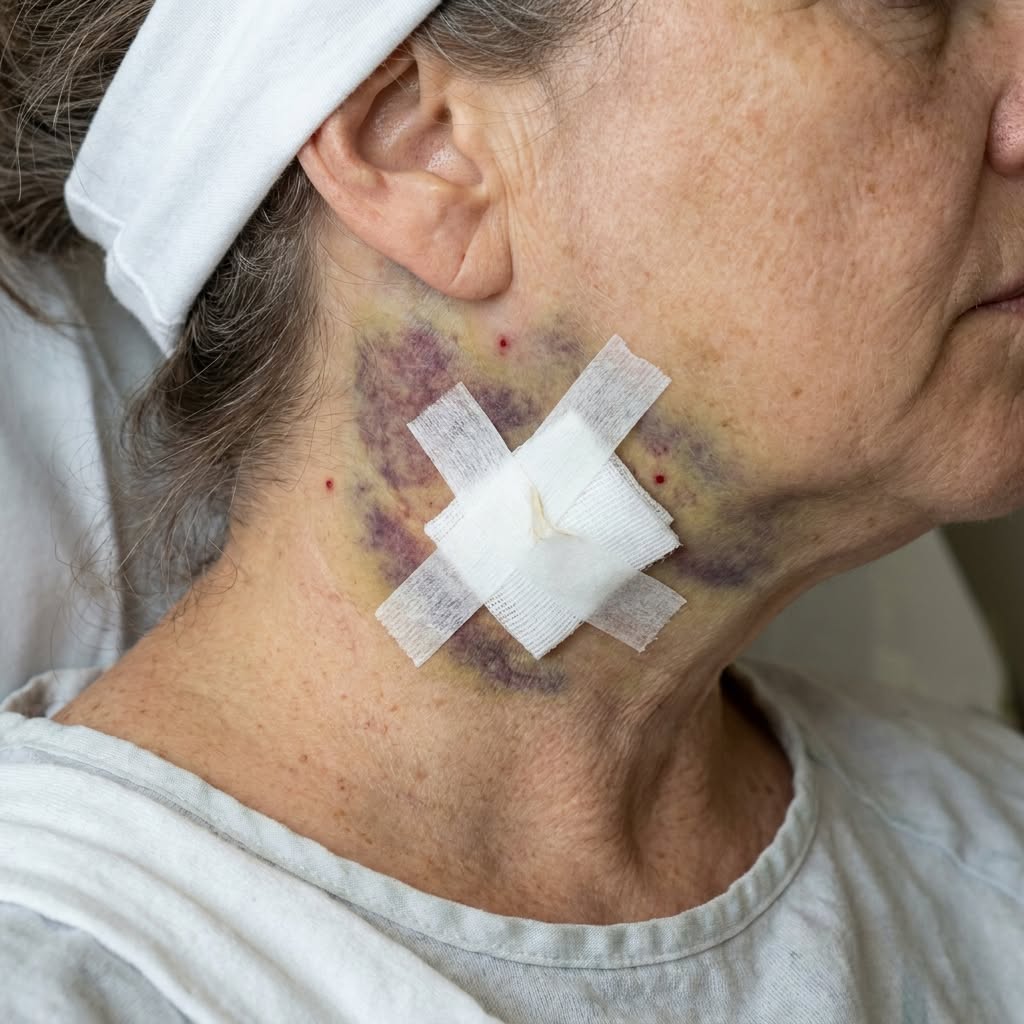
Ran for 4 days, from October 19 to October 23, 2026, the last day Crush saw it.
Run by The Prevention Magazine on Facebook. Crush is not the advertiser and does not verify its claims. See this ad in Meta's Ad Library(opens in a new tab)
Make your own version of this ad
Crush makes it, launches it in your own Meta ad account, scales the winners and pauses the losers.
About this ad
- Meta Ad Library ID
- 2186756418636172
- Platforms
- Facebook, Instagram, Audience Network, WhatsApp and Threads
- Relaunches
- 0
Ad text
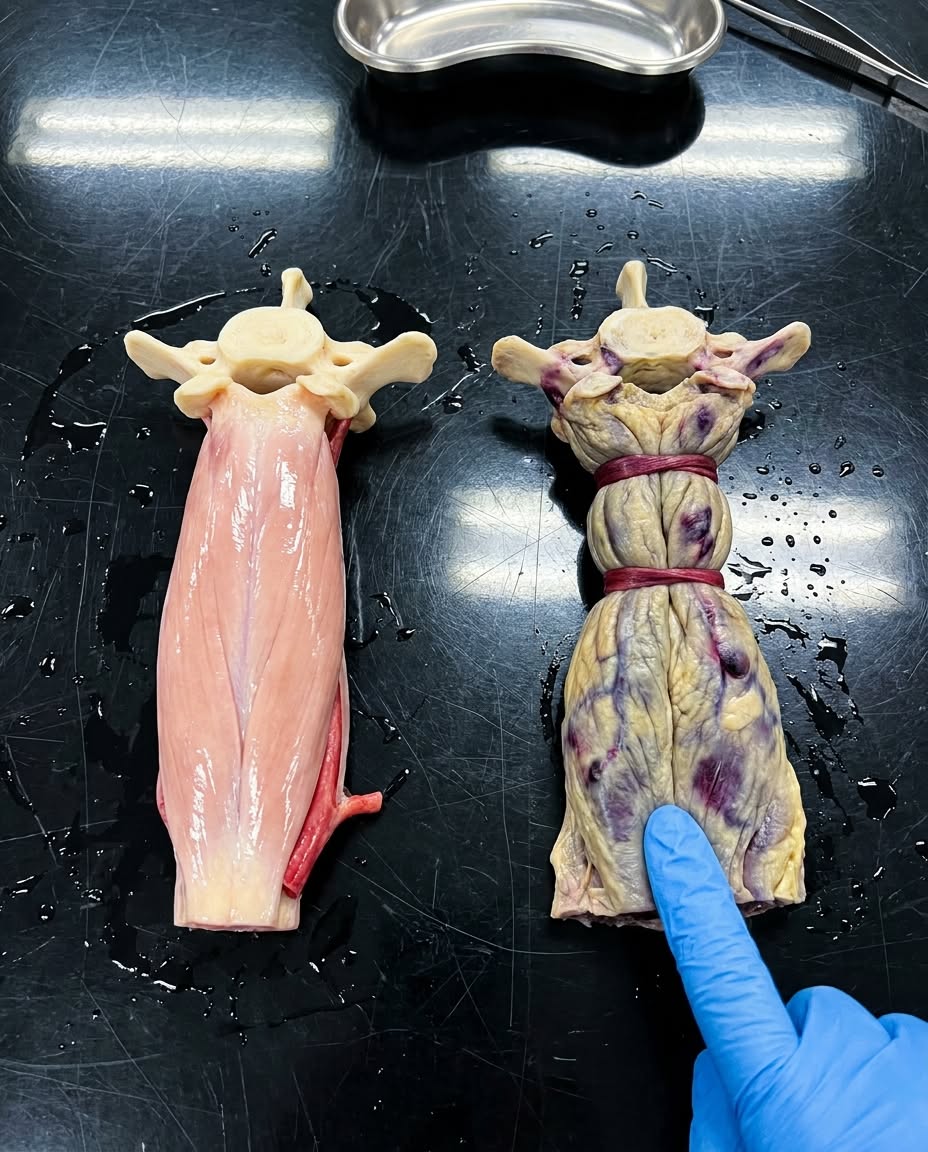
I spent 31 years as a county coroner. I opened over 500 women whose charts said Sjögren's, with my own two hands. And I'm about to tell you something I should have said 20 years ago. My wife told me to leave it alone. I'm retired now. Nobody's career is on the line anymore, not mine, not the rheumatologists', not the hospital's. But I'm 62 years old, and I held too many necks in my hands knowing the truth and saying nothing. So here it is. When you open a body, you don't just see it. You handle what's inside. You feel the difference between muscle that was healthy and muscle that had been clamped down and starving for years while its owner was still walking around, still going to work, still telling her husband her Sjögren's was managed. And in 31 years, in body after body of women with Sjögren's that came across my table, I found the same thing. At the base of the skull, the small muscles that hold the head on the neck, turned hard and pale, shrunken, the fibers knotted down like rope left wet and dried in a fist. Marbled with fat where living muscle should have been. The nerves running through them pinched flat. The small vessels feeding them strangled down to threads. And downstream from that clamp, the glands those nerves command. The tear glands behind the eyes. The saliva glands under the jaw. Shrunken. Pale. Marbled with fat where working gland should have been. In women who should have had twenty more good years. Damage that had been building for years. Sometimes decades. I found it in women on Plaquenil. I found it in women on Salagen. I found it in the ones who'd been on Restasis for a decade and the ones whose doctors were still trying to "manage" it with eye drops and sugar-free gum. I found it in the school teachers and the nurses and the grandmothers whose grandchildren were still in car seats. I found it in women whose families stood in my office and told me, "But her doctor said she was doing so well. Her bloodwork was always stable. She was doing everything right." Everything right. Every certificate I signed said the same thing. Motor vehicle accident. Accidental fall. Aspiration pneumonia. Natural causes. Never what I actually found. Never the truth. I want to tell you about the two times I almost said something. And why I didn't. It was 1997. Four years into the job. Her name was Diane Cooper. 53 years old. Rural mail carrier. Diagnosed with Sjögren's six months earlier, and her doctor had told her what doctors told newly diagnosed Sjögren's patients in 1997. Artificial tears. Sip water all day. Sugar-free gum. A humidifier in the bedroom. We'll see you in six months and talk about medication if we need to. Diane did it. She carried a water bottle on her mail route. She put drops in every hour. She ran the humidifier every night. She chewed so much gum her jaw ached. Her doctor told her she was doing everything right. But she still woke up every night at 3 AM with her tongue stuck to the roof of her mouth, and every morning with her eyes glued shut and her whole body like she'd been hit by a truck. A state trooper found her car in a ditch on her mail route on a Tuesday morning. No skid marks. She'd fallen asleep at the wheel at 10 in the morning, after another night of waking every hour for water. The death certificate said motor vehicle accident. When I opened her, the muscles at the base of her skull were clamped so hard I could feel them through the gloves before I ever cut. Pale. Shrunken. Knotted like a fist that had never once opened. The nerves running through it were pinched flat. And the glands under her jaw were already half the size they should have been. Something had been holding that neck in a vise for years, every night, while she lay in bed thinking she was resting. Six months of doing everything right, on a problem that had been quietly building for a decade before anyone gave it a name. Diane's husband sat in my office three days later and asked me, quietly, if I had any idea why a woman who was in bed nine hours a night would fall asleep at the wheel at 10 in the morning. And I almost told him what I'd seen. The clamp. The starved muscle. The nerves pinched flat. The glands going quiet downstream. A body that had never once gotten real rest in all those hours in bed. But I didn't have an explanation that fit on a form, and it wasn't my place to offer one. I was 35. I had two kids and a mortgage and a job in a small county where the hospitals sent me my work. I'd been told, not in writing, never in writing, just understood, that a coroner's job is to find the cause of death, not to second-guess the treatment that led to it. So I told Diane Cooper's husband I was sorry for his loss. And I signed the certificate as written and carried a question I couldn't shake. I went home that night and started a notebook. Not for anyone. Not for court. Just for me, because I couldn't carry it in my head anymore. Every woman with Sjögren's who came across my table. The date. The age. What the certificate said. What the base of her skull said. What she'd been told to do. Fourteen years later, I opened a neck that made me want to walk out of the room. Her name was Karen. It was 2011. 49 years old. High school basketball coach. Married 23 years. Three kids, two in college, one still at home. Tall, loud, the kind of woman who made a gym feel safe just by walking into it. Karen was not Diane. Karen had been diagnosed with Sjögren's twelve years earlier. On Plaquenil every morning the whole time. Her rheumatologist had added Salagen eighteen months before, when her dryness scores climbed. The Salagen had pushed a little more saliva out of her. Her rheumatologist had told her, at her last check, that she was "one of the best-controlled Sjögren's patients in this practice." She was going to be fine. But the dryness still came back by noon. The fog still came. The exhaustion still put her on the couch at halftime of her own games. And somebody had added prescription eye drops twice a day on top of everything else. Karen died on a Sunday morning. She didn't come down to make pancakes for her youngest daughter, the way she did every Sunday. Her daughter was 16. She was the one who went upstairs and found her. Cause of death on the report: sudden cardiac arrhythmia. Her heart had slipped out of rhythm in her sleep. The label on the Plaquenil she'd taken every morning for twelve years carries a warning about exactly that. She came to my table on Tuesday. When I opened her, the base of her skull was worse than Diane's had been. Not a little worse. The muscles were harder. Smaller. More fat where the muscle should have been. The knot went deeper. The vessels feeding it were narrowed to something you couldn't have threaded a hair through. The nerves running through it were flattened. And the glands under her jaw were shrunken and scarred the way they get after years, not months. I stood at that table for a long time. Because the treatment had changed. The medication had changed. The scores on Karen's chart looked better than Diane's ever had. And the clamp was the same. It was worse. Fourteen years of the profession's best answer, and the woman on the table was in worse shape than a woman who'd never gotten the answer at all. That was the moment I understood the pills had never been aimed at what was actually drying her out. The scores came up. The clamp kept tightening. And nobody was watching the clamp. They were all watching the score. I added a new column to the notebook that night. Whether she'd been on medication. And which one, or which combination. By the time I retired six weeks ago, that notebook had 2,700 entries. 2,700 families who shook my hand and thanked me for my care and never once heard what I was really thinking. That's what I carried for 31 years. Here's where it stopped being something I carried and became something I could not live with. My wife, Susan. We've been married 34 years. She's 60. Retired kindergarten teacher. Walks three miles every morning when her body lets her. The warmest person in any room she walks into. Diagnosed with Sjögren's at 48. On Plaquenil every morning for twelve years. Her eye tests and her saliva tests had sat in the same "mild" range for those twelve years. Her rheumatologist called it managed at every visit. Said she was doing great. Two months ago, Susan's eye test came back lower at her regular check-in. The little paper strips under her lids barely got wet. Her rheumatologist told her it wasn't dangerous, but he wanted to add Salagen to get her glands working harder before it dropped further. Five milligrams, three times a day. Susan came home and asked me what I thought. I looked at the number. I thought about the 2,700 entries in my notebook. I thought about Karen's scores going up on the Salagen. I thought about her daughter on the stairs. I told her to take it. I want you to sit with that. Because it is the single decision in 31 years of this work that I would give anything to have back. I had 2,700 entries in a drawer telling me the dryness score wasn't the disease. And when my own wife was standing in the kitchen asking me if she should add another pill to the one she was already on, I told her to trust her doctor. She took it faithfully. Five milligrams with breakfast, with lunch, and with dinner. Six months in, it started. The tiredness. Not bad at first. Just enough that she'd sit down after dinner and be asleep in the chair by eight. She joked about it. "Getting old." I didn't joke back. Then the nights. She started waking at three in the morning, reaching for the water glass on the nightstand, then sitting on the edge of the bed rubbing the back of her neck. She said it felt like someone had a fist closed around the base of her skull. Tight and burning at the same time. Then the sweats. The Salagen had her soaking through her nightgown. Her doctor said it was "a known side effect, very common, nothing to worry about." Then her eyes. She'd wake up with them glued shut and have to wait for the drops to work before she could see the bathroom. Like sand under her lids all day. She squinted at the crossword she used to do in pen. Held the newspaper at arm's length and blinked through the grit. Then her mouth. She'd get a bite of bread stuck halfway down and have to chase it with water. Her voice cracked by the end of a phone call. She came back from the dentist with two new cavities and a crown, after sixty years of perfect teeth. Then her head. She started losing words mid-sentence. Standing in the kitchen trying to remember why she'd walked in. Then her bloodwork. All stable. Of course it was. Her rheumatologist said that was good news, her Sjögren's was "stable." Managed. Of course it was. I knew what I was looking at. God help me, I knew. I knew because everything Susan was showing me was the front end of what I'd been finding at the base of the skull for 31 years. The 3 AM water glass. The eyes glued shut. The bread that wouldn't go down. The fog. The ten hours in bed that never rested her. Susan was starting the story. I'd only ever seen the end of it. I sat in our living room that night watching Susan hold the newspaper at arm's length and give up on it. And I felt the full weight of 31 years of silence. I was not going to write accidental fall on my wife's death certificate. Not Susan. Not after everything I'd seen. Not after I was the one who told her to add the Salagen in the first place. I did what any husband would do when his wife was disappearing in front of him. I tried the two things I'd heard of. Fish oil, because I'd heard eye doctors recommend it for dry eyes my whole career. If the medication was only pushing the glands without touching what was starving them, I figured something aimed at the tissue itself might at least do less harm. Two thousand milligrams every night. And a heated eye mask, because every woman with Sjögren's I'd ever known had one in her nightstand. Susan used both of them faithfully every night, alongside the Plaquenil and the Salagen she was still on. She trusted me. I told her I was figuring it out. Six weeks. She still woke at 3 AM with that fist at the base of her skull and her tongue stuck to the roof of her mouth. Her eyes were still glued shut every morning. The fog was still there. Her eye test came up half a line and she was still waking up like she'd been hit by a truck. I sat at the kitchen table one morning with that bottle of fish oil on the windowsill and the eye mask cord coiled on the counter and I understood I was guessing. I had spent 31 years around the exact damage those two things were supposed to help, and I had no idea if either one of them was capable of reaching it. I was the right man to catch this. I was not the right man to fix it. I needed help. That's when I called Rachel. Rachel Henderson. She'd been a coroner in the next county over for 38 years before she retired. Old school. The kind of woman who said exactly what she thought regardless of consequence. Rachel was the only coroner I'd ever known who talked openly about what we find at the base of the skull. Not publicly, but between us, over coffee. "Another one today," she'd say. "51 years old. Sjögren's. On Plaquenil and Salagen. Bloodwork stable. Neck like a clenched fist. Glands half gone. Wrote aspiration pneumonia." She'd shake her head. Take a sip. Move on. I called her and told her about Susan. Told her what I'd tried. Told her none of it worked. She was quiet for a long moment. Then she said, "Matthew, you've been thinking about this wrong your whole career." "Come on, Rachel." "I'm serious. You keep looking at the dryness score. You of all people know the dryness score isn't the disease. You've had your hands on the disease. You've been pulling it out of women's necks for 31 years." "So what am I missing?" "Everything the pills were never built to reach. Grab a pen." I grabbed a pen. "Sjögren's is not really a gland problem. The dryness is just the surface measurement. It tells you nothing about what's been happening upstream." "Then what's been happening." "After years of stress, injury, illness, whatever started it, the small muscles at the base of the skull go into guard. They clamp down to protect the neck. And then they never get the signal to let go. Not at night. Not ever." "So the nervous system never gets the all-clear. It stands guard all night, every night. And a body standing guard shuts off tears and saliva first. It's the same reason your mouth goes dry when you're scared. Ten hours in bed, and her glands never once get the signal to refill." "And the nerve line that tells those glands to work runs right through that clamp. Once the clamp sets, it doesn't sit politely. It strangles the blood supply to the muscle and the nerves inside it. Oxygen can't get in. Waste can't get out. The cells inside run out of energy. And a cell with no energy can't let go, even if it wanted to. So the clamp tightens on itself. Every night. For years. And downstream, the glands it starves go quiet, one piece at a time." "That clamp is what drives every symptom she has. Not the antibodies. The clamp. And it's been working on Susan for years before her doctor told her anything was wrong." "Her eyes. That's the glued shut and the sand." "Her mouth. That's the bread that won't go down and the new cavities." "Her sleep. That's the 3 AM water glass and the waking up wrecked." "Her energy. That's the chair at eight o'clock." "And her brain. That's the fog and the lost words." "Five different things. All driven from one place. Every night. Every hour. For decades. While her doctor watches the score and shakes her hand and says she's right where we want her." "That's what you and I have been pulling out of women's necks our whole careers." I didn't say anything for a long time. Then I asked her what the Plaquenil had been doing for Susan if all of this was happening underneath it. "Plaquenil turns the immune system down a notch. The numbers on her bloodwork hold steady. Her doctor is satisfied. But it doesn't open the clamp. It doesn't put one drop of energy back into those cells. The clamp keeps tightening whether she takes the pill or not. It manages the number while the disease finishes what it's been doing the whole time." "You can turn the radio down. The station's still playing." I sat with that. "And the Salagen her doctor added six months ago." "Salagen whips the glands to squeeze out whatever they have left. Like flogging a tired horse. The score comes up a little. But it doesn't open the clamp. The nerve line is still pinched. The glands are still starving. The alarm is still on." "And it adds its own weight while it does it. The sweats. The dizziness. The racing heart. You've seen what dizzy does on a staircase, Matthew." "And the drops?" "Water on a plant whose roots have been cut. It looks green for an hour." "And the new drugs. Her doctor said there are new ones coming if the Salagen doesn't hold." She let that land. "The ones everybody's calling a breakthrough. Infusions. Thousands of dollars a dose. And every one of them works on the same thing every other one works on. The immune system. The bloodwork. Not one of them goes anywhere near the base of the skull. Not one of them opens the clamp." "It's like mopping the floor while the pipe is still burst." I asked her what actually works if the medications don't. "You have to get the clamp open the way the body is supposed to open it. Not turn the immune system down. Not whip the glands. You have to get energy back into those starved cells, so the muscle can finally let go. Every night. So the nervous system finally gets the all-clear, and the nerve line can tell those glands to work again." "There's one thing that does that. Light." "Light." "I know how it sounds, Matthew. I told you I knew how it sounded when I found this. And I want you to hear me out because it took me two years to accept it. Grab your pen again. There are four things it has to be, and almost nothing sold for this hits all of them." I grabbed the pen. "One. It has to be the right light. Red at 660 nanometers and near-infrared at 850, together. Not 'red light' in general. Not one color. Most of what's sold as red light is a single cheap wavelength that stops at the skin. The near-infrared is the part that goes deep, and it's the part most of them skip." "Two. It has to be on the neck. Right at the base of the skull. Not a mask over the eyes. Not a panel across the room. That's pointing it where it's dry, not where it starts. The clamp is up to three inches down." "Three. It has to have heat. Up to 122 degrees. A muscle clamped that tight for that long won't let anything in. The heat opens the door first, so the light can get through." "Four. It has to have hands. A deep massage built in, working the knot at the same time. The heat opens it, the hands break the grip, and the light gets in while it's open. All three at once. Miss any one of them and you might as well do nothing." I asked her how light actually opens the clamp if the medications can't. "The near-infrared goes into the cells in that clamped muscle and switches their energy factories back on. Like a dead battery taking a charge again. Once those cells have energy, the muscle can finally let go. And once the muscle lets go, the nervous system gets the all-clear. NASA published the cell science decades ago. The Lancet reviewed sixteen clinical trials of this kind of light on the neck, and patients were four times more likely to improve. Our doctors still don't recommend it." "And the red, and the heat?" "The red light and the heat bring the blood back. Into the tissue and the nerve line that have been strangled for years. Oxygen in, waste out. That's what lets the damage that's already done start to repair. Her eyes. Her mouth. Her sleep. Her energy. Her head." "Two jobs. One device. One recharges the cells so the clamp lets go. The other brings the blood back so the glands can wake up again." "Rachel. How long have you been doing this." "Twelve years. My sister too. She's 74, Sjögren's since she was 55, and she hasn't carried a water bottle in over a decade. Her eye doctor took her tear duct plugs out three years ago. Said there was no point." "And you never told me." "You never asked. And honestly? A retired coroner telling women to put a red light on their neck every night. Nobody wants to hear that from the woman who cuts open the dead for a living." I got off the phone with Rachel and I did the obvious thing. I went shopping. Same place I'd ordered the fish oil six weeks earlier. This time I knew what I was looking for. Red light. On the neck. With heat. There were dozens of red light devices. I sat there and read every listing. I picked the two that looked the most serious. A red light mask for dry eyes with thousands of reviews, and a neck wrap that said "red light therapy" right on the box. I brought them home. Susan was skeptical this time. She'd been trying things for two months and she was still waking at 3 AM reaching for the water glass. I told her Rachel had explained the mechanism and this was different. Six weeks. Nothing changed. She still woke at 3 AM. Her eyes were still glued shut every morning. The fog was still there. I called Rachel back. "You bought commercial red light, didn't you." "I bought the two most serious-looking ones I could find. One of them was a neck wrap. It said red light therapy on the box." "Doesn't matter what the box says. Look at the specs. The mask is one wavelength, sitting on her eyelids, warming her skin, pointed where it's dry instead of where it starts. The wrap is a strip of cheap red LEDs with no near-infrared, no real heat and no massage. The box is designed to look serious. The thing inside is a nightlight." "So how do I find one that actually hits all four?" "There's a company that makes it the way it actually has to be made. Only one I've found. My sister's been on theirs for years. A rheumatologist and his son, a biomedical engineer, built it." She told me the name. Revive. I ordered it that afternoon. The neck wrap I'd bought Susan the first time was still on the counter. I put it on my own neck and turned it on. A faint red glow. A little warm on the skin. Nothing underneath. Nothing at all. When the Revive arrived four days later I opened the box and wrapped it around my own neck before Susan ever touched it, the way I'd checked every instrument I ever used. Where the cheap wrap had been a faint warm strip on the skin, this was something else. The heat came up deep, the massage started working into the base of my skull, and about six minutes in, something there let go. Something I hadn't known was holding on. A completely different thing, in every way that mattered. I read the paperwork that came with it. The Revive RedLight Pro. Red 660 and near-infrared 850, together. Up to three inches deep. Heat up to 122°F. Deep massage built in. Sits right on the neck, at the base of the skull. One button. Fifteen minutes every evening. Susan used it for the first time that night on the couch. About six minutes in, she put her hand on my arm and said, "Matthew. Something just let go." Week 2: The 3 AM water trips stopped. She slept straight through, for the first time in years, and the glass on her nightstand was still full in the morning. She didn't say anything about it the first morning. I noticed because I'd woken at three out of habit and looked over, and she was still asleep. Week 4: She woke up and opened her eyes. Just opened them. No waiting for the drops. And the crash she always hit after dinner, the one that put her in the chair asleep by eight, didn't come. She sat up reading a novel. First time in months. Week 6: We went out to dinner. She ate the bread. All of it. And halfway through the meal I realized she hadn't touched her water glass, and she was telling the waiter a story about her kindergarten class, laughing, without her voice cracking once. Week 8: The fog lifted. She did the crossword in pen again. She held the newspaper close and read the whole front page without blinking through sand. I'd catch her in the kitchen humming, and she'd remember exactly why she'd walked in. Week 12: Her sister came by for dinner. Halfway through the meal she stopped and stared. "Susan. What have you done? Your eyes are shining. You look ten years younger." Susan smiled and looked at me. I couldn't say anything. I was thinking about every family I'd sat across from and lied to. Every husband. Every daughter. Every girl on a staircase on a Sunday morning. All the women who'd had these same symptoms, the same dismissals, the same "your bloodwork is stable, your Sjögren's is well managed." The only difference was that I knew what to look for. And this time I'd looked in time. The water bottle stayed home when we went out. The drops went from every hour to once in the morning. The heated eye mask went back in the closet. She hasn't needed it since. The woman who'd been asleep in her chair by eight, six months earlier, was reorganizing the garage at noon and asking if I wanted to go for a bike ride after lunch. She said she felt like herself for the first time in two years. Because she was herself again. The clamp had let go. Her body was doing what a body does when it finally gets to stand down at night. That same week, her rheumatologist saw her. He did the same eye test he'd done for twelve years. The little paper strips tucked under her lower lids. For twelve years they'd barely gotten wet. That day they were soaked past the line. He measured her saliva. It had nearly doubled. Her fatigue questionnaire, the one she'd failed every visit for twelve years, came back normal. Every number moved the right direction. Every single one. He asked her what she'd changed. She told him she'd added a red light device on her neck that Rachel had recommended. He took her off the Salagen entirely. Told her whatever she was doing, she should keep doing. But I'll be honest with you. I've never cared less about a number in my life. Because I finally understood it was never the number that was going to take her. It was the clamp, every night, on the base of her skull. And the clamp let go. And then there was the thing I still have trouble putting into words. The thing that, after 31 years, I did not believe I would ever see. Susan got her life back. Not a little. All the way back. She sleeps through the night. She wakes up with her eyes open. She plans things for next week without adding "if I'm having a good day." I have opened more than five hundred women with Sjögren's. I have held that clamped muscle in my hands more times than I can count. And I will tell you the one thing every doctor in every one of their charts said, in the same tired voice: Sjögren's is for life. You manage it. It only goes one direction. Susan's went the other direction. I started using it myself the following week. The first evening, about six minutes in, I felt something I hadn't felt in years. A loosening at the base of my skull, and a clarity behind my eyes, like someone had wiped a film off a window I didn't know was dirty. The rest came the way it came for Susan. The low-grade exhaustion I'd blamed on 31 years of night calls and autopsies, gone. I sleep through the night. I have energy I haven't felt since my 40s. I'm 62 years old and I feel better than I did at 45. We both use it every evening now. Fifteen minutes on the couch, side by side. It's the last thing either of us will ever skip. I've been retired for six weeks. I don't open bodies anymore. I don't sign certificates. I don't sit across from husbands in my office and say "I'm sorry, sir" and keep what I saw to myself. But I think about Diane Cooper. And Karen. And their families sitting in my office with the same question and me giving them the same silence. The notebook in my desk drawer with 2,700 names in it. The families I sent home without ever telling them what I'd seen, because I was told that was my place. And I think about Susan. How close she came to being entry 2,701. How her symptoms lined up, line for line, with what I'd been finding on my table for 31 years. How her tests came back "stable" and "mild" and "very common with Sjögren's" while a life I loved was quietly being taken apart at the same time from two different directions. The only difference was that I finally spoke up. To Rachel. And then to her. And then to her rheumatologist through her. That's why I'm telling you now. Because I finally can. The eyes glued shut every morning. The sand under your lids all day. The glass of water on the nightstand you reach for at 3 AM with your tongue stuck to the roof of your mouth. The bread that won't go down in front of people. The new cavities after a lifetime of good teeth. The chair that takes you at eight o'clock with the evening still ahead of you. The words that disappear mid-sentence. Those aren't separate problems. Those are warnings. Something is happening inside you right now, every night. A clamp at the base of your skull, holding your whole nervous system on alarm, starving the nerve line that tells your glands to work, stealing your tears, your saliva, your sleep. Silently. Under bloodwork your doctor calls stable. Your tests will come back fine. Your doctor will say stress. Or age. Or "your Sjögren's is well managed, this is exactly where we want you." I've read those exact words in the charts of women I've opened up on my table. Hundreds of them. Women whose necks had been clamped for years, because everyone was watching the wrong thing. The dryness score measures how dry you are today. It does not measure the clamp. It never has. And the pill your doctor hands you does the very same thing the score does. It manages what shows up on the chart and touches none of what's causing it. Plaquenil does nothing to it. Salagen does nothing to it. The drops do nothing to it. The new infusions do nothing to it. When one stops holding the score they add a second, then a third drop, and not one of them goes within a mile of the actual thing drying you out, stealing your sleep, and taking your life apart. I'm not telling you to stop taking what your doctor prescribed. That conversation belongs to you and your doctor. What I'm telling you is that the pill only ever did half the job. And the half it skips is the half that ends up on my table. That reassurance is the same lie I signed 2,700 times. The comfortable number on the chart and the comfortable cause on the certificate are the same lie, told at two ends of the same disease. The only thing that works gets energy back into the clamped muscle at the base of the skull, so it can finally let go. And brings the blood back to the nerve line and the glands the clamp has been starving. Near-infrared recharges the cells. Red light and heat bring the blood back. Massage breaks the grip. All three, at once, on the neck. That's what Revive makes. The Revive RedLight Pro. Red 660 and near-infrared 850, together. Up to three inches deep. Heat up to 122°F. Deep massage built in. Sits right at the base of the skull. Fifteen minutes every evening. That's the whole protocol. 90-day money-back guarantee. If your nights don't change, if your eyes and your mouth don't change, if the fog doesn't lift, one email and every penny comes back within 48 hours. You don't even send it back. Most of what calls itself red light therapy online will do nothing for you, and now you know why. It's one cheap wavelength, on your eyelids or in a strip of LEDs, warming your skin. No near-infrared that goes deep. No heat to open the clamp. No hands to break it. I spent 31 years watching what happens when women with Sjögren's wait. I documented it 2,700 times in a log nobody was ever supposed to see. I'm not carrying it anymore. I'm 62. I'm retired. And for the first time in 31 years, I'm telling the truth. The clamp won't let go on its own. The tears won't come back on their own. I'd have told you that myself six months ago, and I'd have been wrong about the second part. None of it turns around until you stop watching the score and start opening the clamp. Stop adding drops. Open the lock. https://getrevivecare.com/products/revive-redlight-pro Matthew Walker, age 62, retired coroner P.S. I need to say this as plainly as I can, because Susan came off her Salagen in this story and I do not want you doing the same thing on your own. She came off it because her rheumatologist ran her eye strips at Week 12, saw them soaked past the line after twelve years of barely getting wet, and made that call himself. That is the only version of coming off a Sjögren's medication I would ever defend. Plaquenil in particular is not something you stop on your own. If you are on Plaquenil, Salagen, Evoxac, Restasis, or any combination, do not stop them yourself. Use the device for 60 or 90 days, then bring your eye test, your saliva test and your sleep to your doctor and let your doctor decide. The point is not to fight your rheumatologist. The point is to put the thing on the table that the prescription pad wasn't allowed to. P.P.S. Do not quit early on this. Some women feel the grip let go in the very first session, about six minutes in. Most notice the nights first, around week two. The eyes come next, around week four. The mouth follows. The fog is usually the last to lift. The ones who've been clamped for twenty years take the longest, because there's more to undo. Give it the full 90 days. That is exactly what the guarantee window covers. P.P.P.S. The guarantee is the part I keep coming back to. A small company making a three-in-one device for the base of the skull will bet its own money that this helps you. If your nights don't change and your symptoms don't lift in 90 days, one email and every penny comes back, and you keep the device. The Plaquenil Susan took every morning for twelve years never came with a promise like that. Nobody ever offered her a refund on the Salagen her doctor added to it, or on the hundreds of dollars of drops she put in her eyes. You can decide for yourself what that tells you. I've decided what it tells me. P.P.P.P.S. Revive is not on Amazon. It's not in stores. A device that does all three at once is expensive to make and impossible to fake at panel prices, which is why they sell it direct from their own site and nowhere else. If you see it listed on Amazon or eBay, it is not the real product. Right now it's $49.99 instead of $229, but they build it in small batches, and when a batch sells out, the next one takes weeks. I don't work for Revive. I don't get a penny from this. I'm writing this at 1:40 AM because I can't sleep and my log of 2,700 entries is in a drawer in my desk and every one of them is a Susan who didn't get the warning in time. Share this with any woman you love who has Sjögren's. Even the ones on Plaquenil and doing fine. Especially those. Because "doing fine" was what every single one of them was told, right up until the end.
Where the ad sends people
getrevivecare.com
Read This If Sjögren's Is Stealing Your Life
REVIVE CARE
Learn more: getrevivecare.com(opens in a new tab)