Linda Lawson
Linda Lawson Facebook ad: “Read This Before Storms”
Ran for 13 days, from June 18 to July 1, 2026, the last day Crush saw it.
Run by Linda Lawson on Facebook. Crush is not the advertiser and does not verify its claims. See this ad in Meta's Ad Library(opens in a new tab)
Want an ad like this for your product?
Crush makes new ad images for your product from this ad: your logo, your product photo, your offer.
Trials from $19.95 USD, then $79.95 USD a month. Cancel anytime.
About this ad
- Meta Ad Library ID
- 2188296308700882
- Platforms
- Facebook, Instagram, Messenger and Threads
- Relaunches
- 0
- Niche
- Home & Garden
Ad text
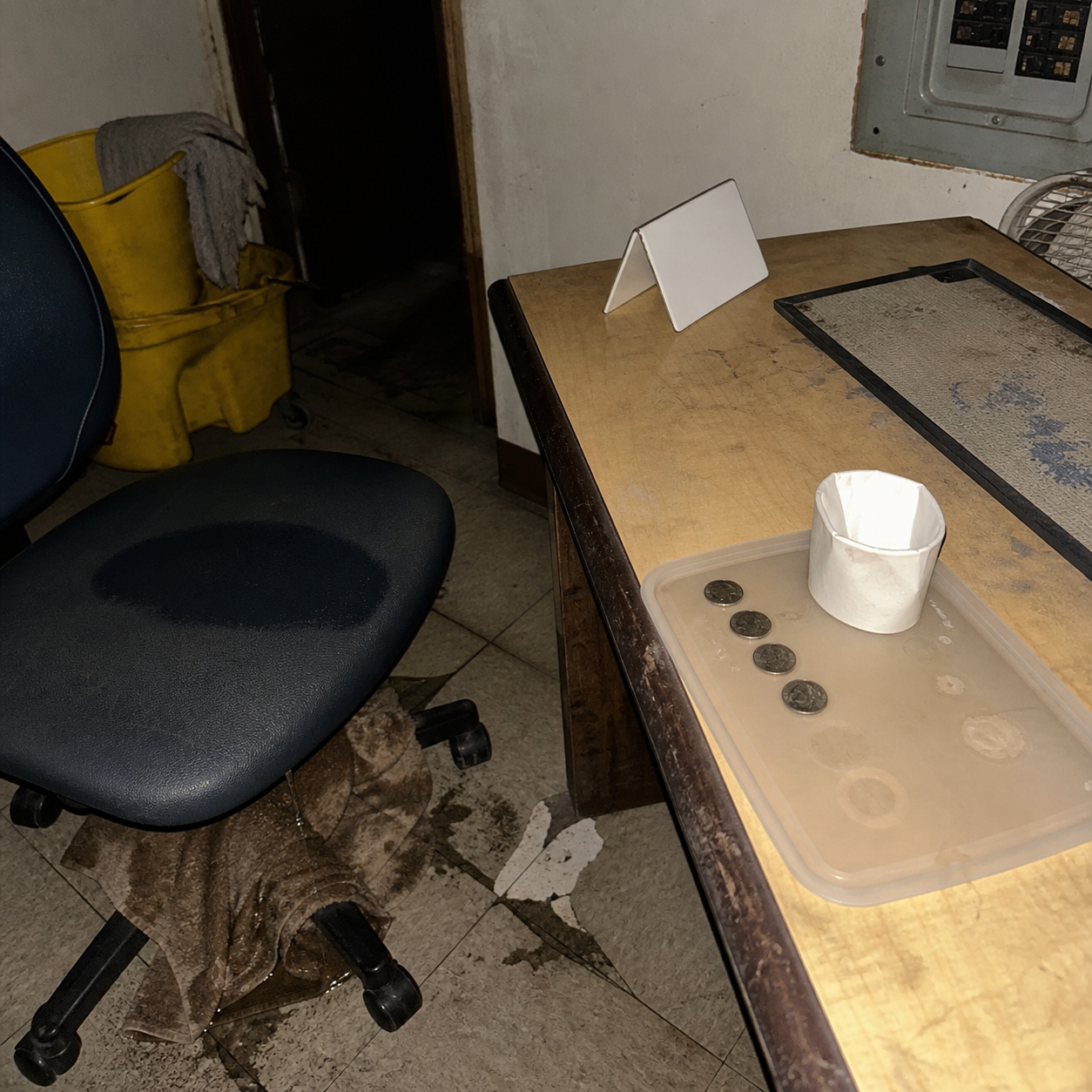
My name is Ruth Keller, and I was the one who turned the lights back on at Maple Street Laundry before daylight. I was sixty-eight that spring. I had owned the place for twenty-one years, and after the river came up, it was the only business on our side of town with power. The church basement was closed. The school gym had cots and coffee, but it had no dryers, and by sunrise that was what people needed most. Ben, my sister's boy, had helped me open the front door before daylight because the water had stopped two blocks short of the laundromat. He ran the generator cord through the back window. I taped the cord to the baseboard with silver duct tape so nobody would trip over it. I put the cash drawer on the office desk because the counter drawer stuck whenever the power flickered. Then I unlocked the front door and waited for whoever made it to Maple Street. They came in with black trash bags. They came in with pillowcases tied shut. They came in with laundry baskets that still had leaves in the handles. One woman brought a garbage can full of towels and apologized because the can smelled like river mud. A man brought a crib mattress cover and a baby carrier and asked if the machine could get the smell out. People wiped river mud from their wrists with paper towels. People set baskets down and stared at the machine doors before they chose one. Everybody carried something that dripped. After twenty-one years, I thought I knew all the shapes floodwater took when it found a laundromat. I had seen muddy quilts after basements flooded. I had seen children asleep on trash bags while their mothers fed quarters into six machines at once. I had seen men wash uniforms with river mud on the cuffs after pulling branches off roofs. I had never had to figure out how to help somebody get dry without making the whole room watch. That was the part I understood only after she asked about Dryer Six. I told her the machines took quarters because that was the answer my mouth knew how to give. She nodded like this was ordinary. Then she looked down the aisle and asked if she could stand near the dryer while it ran. Ben had been changing a lint screen, and he looked at me over the open metal door. The woman saw him look. She said she would not be long. She said those words to me, and then she looked at the floor. I kept waiting for the ordinary explanation. A bag outside. A daughter with clothes. Laundry in somebody else's car. I asked if someone was coming for her. She said her niece had driven to the pharmacy road before the bridge closed. She said the niece would try again when the deputy moved the cones. Then she looked toward Maple Street and stopped talking. I told her the back office had a chair. She shook her head before I finished the sentence. She said she did not want to be trouble. She said a chair would get wet. She moved one shoe back as if the tile belonged to me and she had already used too much of it. The baby carrier man looked down at his son's damp sleeper and then at Dryer Six. He had a pile of tiny clothes in a blue basket. His wife was sitting on the folding table with the baby under her jacket. The dryer beside Etta Mae's machine had twelve minutes left, and every chair in the laundromat had somebody's wet coat over it. I did not know her name yet. I learned it when Ben whispered that she was Mrs. Coleman from First Baptist. Etta Mae Coleman had taught fourth grade for thirty years. She had read the announcements at church when the pastor's voice went out. She had once scolded Ben for riding his bike through the cemetery, and Ben still lowered his voice when he said her name. Now she was standing by a dryer with no bag, no second outfit, no dry pocket, and a cup of quarters because the quarters kept her from having to say please. I told Ben to put an OUT OF ORDER sign on Dryer Six. He looked at the baby carrier man. I looked at the blue basket. Ben tore a sheet from the yellow pad by the register and wrote OUT OF ORDER in black marker. He taped the paper across the coin slot while Etta Mae watched his hands. The baby carrier man started to say something. I told the room the belt on Six had been squealing and I needed to check it from the office side. There is no office side to Dryer Six. There is a wall, a mop sink, and a breaker panel. Nobody corrected me, and the baby carrier man stepped back from the OUT OF ORDER sign. I opened the office door and moved the cash drawer to the top shelf of the supply closet. I moved the payroll envelope from under the adding machine to my purse. I took the framed picture of my late husband off the extra chair because it had been sitting there since Christmas. Then I told Etta Mae she could stand inside the office with the door mostly closed while Ben ran the dryer empty for noise. She looked at the cup again. I said the repair cycle was on the house. She put four quarters on the edge of my desk anyway. Two of them rolled under the adding machine. She bent to pick them up, and the wet dress pulled tight across her back. Ben turned his face toward the breaker panel. I pulled the office door until only my hand fit through the gap. The generator kicked harder when Ben started Dryer Six. The machine thumped with nothing in it. Etta Mae stood on the old towel I kept under the mop bucket. The towel darkened under both of her shoes. She held the wet cardigan in front of her with both hands. The cardigan did not cover much. It kept slipping because her fingers were stiff. I asked if she had medicine she needed. She said it was in the kitchen drawer. I asked if the house was still standing. She said the porch steps were gone. She said the living room rug was in the pecan tree. Then she said she had been on her way to the church pantry when the water came through the back door. She said she put on the good dress because the church was where people knew her. She said it almost like an apology. The baby carrier man knocked on the office door frame. He did not push it open. He asked how long the fake repair would take. His wife shifted the baby under her jacket. The blue basket was still wet enough to leave a line of water on the table. Etta Mae heard him and reached for the door. I caught the knob first. I told him Dryer Two had eight minutes left and I would pay for his second cycle. He looked at my purse on the shelf. He looked at the OUT OF ORDER sign. Then he nodded and carried the blue basket back to his wife. Etta Mae put her hand over her mouth. I gave Ben the spare roll of quarters from my apron pocket and told him to keep Two running. Ben did not ask whether it was store money or my money. He just fed the machine and stood with his back to the office door. A woman named Martha came in with a grocery sack of canned peaches and a phone charger. She said the deputy had closed Maple Street at the bridge. She said the school gym was full on the north side. She said the pharmacy had a line out to the curb. Etta Mae heard Maple Street and sat down on the edge of the office chair. The chair made a wet mark through the towel and onto the vinyl seat. She tried to stand back up. I put my hand on the chair back and told her to stay. She said she could not leave my chair that way. I took the towel from the mop bucket and tucked it under the seat. The towel was already dark from her shoes. The vinyl still squeaked under her when she sat. The office smelled like damp cardboard, detergent, and that cold river smell that stayed in people's sleeves. Somebody offered a blanket from a pickup, and Etta Mae looked down at the water still running from her dress and shook her head. Martha set the grocery sack on the counter. The baby woke and cried once. The dryer bell rang on Two, and the baby carrier man carried the blue basket to the folding table. Ben kept standing by the office door with his shoulders blocking the gap. Etta Mae reached for the four quarters on my desk again. I put my palm over them. She said, "Ruth, I can pay." She knew my name from the sign over the register. I knew hers because Ben had whispered it in the aisle. I told her she could pay me when Maple Street was dry. She slid the cup toward me anyway, and the paper had gone soft where her wet fingers held it. The first dry thing we found was not clothing. It was a stack of brown paper towel from the restroom. I handed it through the office door, and Etta Mae pressed the sheets to her sleeves. The paper came away in dark pieces. I found a shop apron with the laundromat logo on it. She tried to put it around her waist, but the apron strings caught on the chair arm. The apron covered the front of the dress and left the back worse because everybody could see the wet cloth end at the ties. I took it back and hung it over the mop sink. Ben brought a clean dryer sheet box from the storage shelf. He said she could hold it in her lap if she wanted. Etta Mae smiled at him because he was trying. Then she set the box on the floor because it made her look like she was hiding a stain. Twenty minutes later, the timer on Dryer Six showed zero. The office door was still half closed. The empty drum was still warm. Etta Mae stood up, and the cardigan peeled away from the chair back. I looked at the chair, the office door, the dryer, and Ben's shoulders in the aisle. My hands had moved those things around Etta Mae. I had closed a door. I had moved a chair. I had paid for somebody's second cycle. I had put Ben between the office and the folding table. But the sidewalk outside the front door was still wet. The wind still came under the awning and shoved rain off the gutter. The bridge was still closed. The medicine was still in Etta Mae's kitchen drawer. Her niece was still on the wrong side of the cones. The dress was still on her body. When the fake repair was over, Etta Mae stood in the office with both hands on the chair arms. Her knees shook under the navy flowers. The dress had stopped dripping so hard, but it was not dry. The cardigan was warmer from the office, but it was still heavy. She asked if the road behind the hardware store was open. Martha said water was over the curb there. Ben said the church steps had mud on them up to the third riser. The baby carrier man said his truck could get her to the corner if she did not mind sitting on a tarp. Etta Mae thanked him and did not move. She was not choosing between rides. She was choosing who got to see her sit on a tarp in a wet church dress. Her hand went to the collar of the dress. Then her hand went to the paper cup. The cup was empty now because the quarters were on my desk. She held the cup anyway. It gave her fingers a place to go. I told her I would drive her myself after Ben locked up. She said I had customers. She said the baby needed the dryers. She said she had walked Maple Street since Eisenhower was president and she could walk it once more. She put the damp cardigan over her shoulders. The cardigan stuck to the dress as soon as it touched. She took three steps into the laundromat aisle. Every person in that room found something to look at. Martha looked at the canned peaches. Ben looked at the OUT OF ORDER sign. The baby carrier man looked at the lint screen in his hand. I looked at Etta Mae's shoes because I could not make the room disappear. The front door opened, and the wind moved the wet fabric against her legs. Etta Mae stopped with one hand on the push bar. The parking lot had brown water in the low spots. The sidewalk past the awning was shining. The north wind came down Maple Street and lifted the edge of her cardigan. She put the paper cup under one arm and held the cardigan closed with both hands. The cup fell. It hit the tile and rolled under the gumball machine. Ben bent to get it. Etta Mae did not bend with him because the dress would have pulled across her knees. She stood there while a fourteen-year-old boy picked up the paper cup she had held in front of her stomach. Ben handed her the cup without looking up. She said thank you to the top of his head. I walked her to my car. The baby carrier man held the door open with his shoulder. Martha carried the canned peaches because Etta Mae would not take them from me. Ben stayed at the counter and ran Dryer Two for the baby clothes. The wind pushed rain off the awning and onto Etta Mae's back. I opened the passenger door and pulled the floor mat onto the seat. Etta Mae saw the mat and almost stepped back. I said the seat was already ruined from my dog. I do not have a dog. She sat after I said dog, and she kept her eyes on the floor mat. The wet dress made a dark print on the rubber mat. She held the paper cup in both hands all the way to Maple Street. Her house had water lines on the porch posts. The porch steps were gone the way she had said. Two men from the fire department had put a plank from the yard to the porch. The plank had mud on both ends. Etta Mae looked at the plank and then at her dress. She asked if I would wait while she got her medicine. I said I would. She opened the car door and stood with one hand on the roof. The cardigan pulled away from her shoulder in the wind. She took one step toward the plank and stopped. The men on the porch turned their heads. One of them said, "Ma'am, let us help you." Etta Mae looked back at me through the open car door. She did not ask for help. She asked if the paper cup was still on the seat. I brought the cup to her. She held it in her right hand while one firefighter held her left elbow. The wet dress stuck to her calves when she climbed the plank. The porch rail left mud on her sleeve. She went inside for the orange pill bottle. She came back with the pill bottle, a plastic grocery sack, and a framed photo wrapped in a dish towel. The photo was of a man in a brown suit. She put the photo on the back seat. She put the pill bottle in the paper cup. Then she asked me to take her to the gym. The gym was three blocks from the laundromat and felt farther because of the detours. Every intersection had cones or branches. The parking lot had families standing around open trunks. People were changing socks behind car doors. Children were eating crackers on the curb. Etta Mae watched the front entrance through my windshield. She saw the folding tables. She saw the line. She saw the deputy at the door with a clipboard. She saw the fluorescent lights inside. She said, "Can you give me one minute?" I left the engine running. She sat beside me in the wet dress and held the paper cup with the pill bottle inside it. The minute took six. Then she opened the car door and walked in with her shoulders square and the wet cardigan buttoned wrong. I went back to the laundromat and did not tell anybody where I had taken her. Ben asked if Mrs. Coleman got inside. I said yes. He tore the OUT OF ORDER sign off Dryer Six and folded it twice before he threw it away. The baby clothes were dry on the table. Martha had left the canned peaches by the register with Etta Mae's name written on the grocery sack. The office chair still had the wet towel under it. The four quarters were still on my desk. I put them in the register drawer and wrote Etta Mae Coleman on the receipt tape. At closing, I took the quarters back out. They had left four clean circles on the dusty plastic tray. I drove home after dark with the generator smell in my hair. My hallway closet was full because I keep storm supplies where I can see them before bed. I had bottled water on the floor. I had flashlights in the shoebox. I had a battery radio on the shelf. I had the emergency tub my daughter Linda made fun of every Thanksgiving. I pulled the tub into the hallway and sat on the carpet with it open between my knees. The flashlight, radio, water bottles, and sealed packets filled the tub to the rim. After Etta Mae's wet dress, I wanted each object in my hands before I trusted it. I did not make a list that night. I put one silver emergency sheet around my shoulders and walked from the hallway to the front door. The sheet covered my chest. The back opened as soon as I reached for the doorknob. When I turned sideways, the edge caught on the umbrella stand and tore. When I pulled it closed, both hands had to stay at my neck. When I took three steps, the silver side flashed in the front window so bright that I could see myself from the porch glass. I stood there with my hands pinned to my collar and thought about Etta Mae walking past Ben, Martha, the baby carrier man, and the deputy at the gym door. The sheet made noise every time I breathed. It did not give my hands back. It did not close behind me. It did not keep my back covered when I moved. It made my hallway mirror show more of me than I wanted to show. Linda came over the next morning to bring coffee and check the sump pump. I made her stand in the driveway with her own car kit. She laughed at first because she thought I was being fussy. Then I told her to sit in the driver's seat, buckle the belt, and reach the emergency tote in the back without opening the door. The tote was behind a folding chair, two grocery bags, and a case of water. Linda twisted once and said her shoulder would not do that. I told her to imagine rain coming sideways and her coat soaked through. She opened the driver door and stepped into the driveway to get the tote. The coffee cup on the hood tipped when the wind hit the door. Linda caught the cup with one hand and grabbed the tote with the other. The tote dragged against the seat rail. One strap broke. Everything inside spilled onto the wet concrete. The flashlight rolled under the car. The poncho packet landed in a puddle. Linda stood there in her work shoes while the coffee ran down the hood. She stopped laughing. I picked up the poncho packet. The plastic was still sealed. The sealed packet had not failed in the puddle. The tote behind the seat, the stuck door, and Linda's two full hands had failed before the packet opened. I looked at the driveway concrete. I looked at the open car door. I looked at my daughter holding a broken tote strap. Then I saw Etta Mae at the laundromat door again, one hand on the push bar, one hand trying to hold a wet cardigan closed, and a paper cup rolling under the gumball machine. That afternoon I went back to the laundromat and took the receipt tape off the register. I wrote the next flood list on the back of it because Ben would see it when he opened the drawer. I crossed out more towels. I crossed out a better office chair. I crossed out another sign for a dryer. The next thing had to wrap around the person, close behind her, trap the heat her own body was still making, block the wet wind at the door, keep the cold chair and sidewalk from taking more from her, fold small enough for a car or closet, and let her walk past a room of people without using a paper cup as cover. I taped that receipt to the inside of the cash drawer. Ben found it before lunch. He read it twice and looked toward Dryer Six. Then he took a black marker and wrote Etta Mae on the bottom corner. He did not ask me which store carried it. He had seen the same thing I had seen. We did not need another way to dry a dress. We needed something for the woman who was still inside it. Three nights later, Linda put a little green stuff sack on my kitchen table. She had gone home after the broken tote strap and searched with the kind of stubbornness she gets from me. The sack was about the size of a soda can. The drawcord had a small orange toggle on it. When Linda opened it, a thin green-and-silver shell slid across my table and made the same crinkling sound as the torn emergency sheet in my hallway. But this one did not open like a loose sheet. It opened like a body-sized pouch. The page called it TerraShell. Linda read the page out loud while I held the edge between my fingers. It said TerraShell used heat-reflective technology NASA developed, the same basic idea used when first responders wrap a wet or exposed person after the weather has gone past normal household gear. It said the TerraShell did not make heat. It helped trap the heat a body was already making. It said wet fabric pulls heat away from a person much faster than dry air. It said the shell helped block wind, moisture, and cold surfaces while reflecting body heat back toward the person inside. I looked at the silver inside and saw Etta Mae's wet cardigan sticking to her dress. I looked at the green outside and saw Maple Street wind pushing rain under my awning. I looked at the drawcord and saw the paper cup rolling under the gumball machine. Linda made me try it in the hallway before I ordered anything. She stood by the umbrella stand with her phone timer on. I pulled the TerraShell up around my shoulders. The back stayed behind me when I reached for the doorknob. My hands came out when I needed them. The green side faced the hallway. The silver side faced me. The shell made noise, but it did not leave my back open the way the sheet had. When I sat on the bottom stair, the shell stayed between my dress and the cold wood. When I stood up, I did not have to hold the whole thing closed with both hands. Linda watched my hands. I watched the hallway mirror. The hallway mirror showed a person covered from shoulder to shoe instead of a woman grabbing at shiny corners. I ordered a family bundle that night. I am not a prepper with basement shelves full of gear. I am a laundromat owner with a leaky mop sink, a daughter who worries, a nephew who fixes lint screens, and a town that learned how fast a dry street can become a brown river. When the box came, I did not leave it in the shipping carton. I put one TerraShell in the laundromat office drawer beside the spare register tape. I put one under the passenger seat of my car where my hand could reach it from the open door. I put one in Linda's trunk, not in the tote behind the folding chair, but in the side pocket by the jumper cables. I put one in Ben's truck because Ben still looked at Dryer Six every time he changed that lint screen. I put one in the church pantry box after Etta Mae gave me permission to write her name on the bottom of it. On a Thursday afternoon, Etta Mae came back to Maple Street Laundry. She wore the same navy dress. This time the dress was dry and pressed. She carried the framed photo of her husband in a grocery sack because the dish towel around it had finally dried. She set the photo on my counter and said she wanted Ben to see the man whose picture he had protected from the floodwater. Ben came out from behind Dryer Four with lint on his sleeve. Etta Mae handed him the photo. Ben held it with both hands. He said Mr. Coleman looked like a principal. Etta Mae laughed once and said he had been worse than a principal when the church youth group tracked mud into the fellowship hall. I opened the office drawer and showed her the TerraShell. I told her it was the thing Linda had found after we tried the hallway sheet. Etta Mae touched the green side with two fingers. She asked if it was for camping. I shook my head and said no. I said it was for the wet hour before camping gear, beds, dry clothes, or a warm room are available. I said it was for the person, not the laundry. She looked at Dryer Six. Then she looked at the office chair. She said, "Show me how it opens." Ben moved the chair into the aisle. I pulled the TerraShell from the green sack and opened it slowly. Etta Mae stepped into it with her church shoes on. The silver inside caught the fluorescent light. The green outside hung around her knees. She sat in the office chair while Ben held the door mostly closed. I handed her the old paper cup from the counter, because I had kept it after the flood without telling anyone. She held the cup in her lap and looked down at her hands. Then she reached one hand out of the shell and picked up the pill bottle from my desk. She looked at me. She said, "I could have held my medicine." My throat closed while Etta Mae held the orange bottle in one hand and the paper cup in the other. The TerraShell lay across her knees after the flood had already ended for her. Etta Mae's dress had already dried, her medicine was already home, and the gym had already taken her in. My throat closed because the shell gave her hands back in the exact place the paper cup had stolen them. Two weeks later, Etta Mae stood behind the church pantry table again. The pantry had moved from the basement to the fellowship hall because the basement still smelled like bleach and river mud. She wore the navy dress with a white sweater over it. She read names from a clipboard while Martha packed canned peaches into boxes. A green TerraShell sack sat in a shoebox under the table with a flashlight, batteries, and a roll of contractor bags. Etta Mae tapped the shoebox with her church shoe when a volunteer slid it too far back. She said the box had to stay where a person could reach it with one hand. Martha looked at me across the canned goods. Ben looked at the shoebox. Nobody laughed. I cared about the clipboard in Etta Mae's hand more than I cared about the clean vinyl chair in my office. I cared about her church shoe on the shoebox. I cared about Martha sliding the canned peaches closer while Etta Mae read the next name. Etta Mae stood at the pantry table with a clipboard in one hand and the shoebox under her foot, and she made sure the next woman had more than a paper cup. Etta Mae read the church announcements again with the pantry clipboard in her hand. Etta Mae corrected Martha's spelling on the pantry list like a fourth-grade teacher. Maple Street Laundry kept a drawer that held something besides receipt tape and old quarters. Linda changed her car kit after that. She took the big tote out from behind the back seat. She put a smaller pouch under the driver seat with a flashlight, a phone cord, two water packets, and a TerraShell. She made her husband Gary sit in the driver's seat and reach it without opening the door. Gary grumbled because the neighbors could see him through the windshield. Linda told him Etta Mae had stood in a laundromat in a wet church dress, and Gary could survive three minutes in the driveway. He reached under the seat. His hand found the pouch. The flashlight stayed in the pouch. The TerraShell stayed in the pouch. Nothing rolled under the car. Linda looked at me over the roof and nodded once. Ben made a register-tape list for the laundromat. He wrote office drawer, car seat, church pantry, Linda's trunk, Ben's truck. Then he taped the strip inside the cash drawer next to Etta Mae's name. The strip curled at the edges because the drawer stuck when the power flickered. Every time I opened the drawer, the list brushed my wrist. The paper strip hit my wrist every morning before I counted the quarters. The hallway tub stayed on my carpet with flashlights, bottles, and sealed packets inside it. The strip made me check whether a cold person could reach the right thing before a room full of people had to pretend not to look. Look at the passenger seat of your daughter's car after a bridge closes. Look at the hallway closet at your mother's house when the power goes out and every quilt feels damp by morning. Look at the glove box on a rural road after rain comes through a broken window. Look at the church pantry box, the lake cabin shelf, the garage hook, and the drawer beside the flashlights. The warm things in your house may sit in bins, shelves, and bedrooms. The wet person may be at the curb, in the car, on the church floor, or under the awning. The TerraShell has to sit where that person's hand can find it before the room, the seat, the sidewalk, or the wind takes more heat. The green TerraShell pouch belongs in that reachable spot. It is a compact emergency thermal bivy that folds down small, opens around the person, reflects body heat back, and helps block wind, moisture, and cold surfaces. TerraShell does not need batteries. TerraShell does not need a generator. TerraShell does not need a wall outlet, a phone signal, or a strong pair of hands. Your body is already making heat every minute. TerraShell gives that heat a wall to hit before the weather takes it. Over 50,000 families have already put TerraShells in cars, closets, emergency drawers, church bags, and storm boxes. The number made sense when Linda's face changed after the pouch stayed under the seat. I have seen Ben tap the cash drawer before he locks up. I have seen Etta Mae move the pantry shoebox back under her own foot. Linda did not put hers under the seat because she wanted a survival badge. She put it there because Gary drives the old truck, her daughter crosses the river bridge, and the storm radio sits on her kitchen counter when the lights flicker. A TerraShell costs about what you might spend on lunch. I put the family bundle on the table and wrote names beside each pouch. Put one in your car. Put one in your daughter's car. Put one in the hallway closet. Put one where the person who never asks can reach it before the water is already at the door. Quiet Protector backs TerraShell with a 120-day money-back guarantee, every penny back. That gave me enough time to open one, put my hands through it, move it from the wrong shelf to the right drawer, and decide where my family needed the rest. The current TerraShell page is here: https://cold.quietprotector.com/pp1 P.S. Etta Mae still comes into Maple Street Laundry on Tuesdays. She brings the church pantry towels in a white basket and puts quarters in the machine even when Ben tells her not to. The paper cup sits on the shelf above my desk now. The green TerraShell sack sits in the drawer below it. I keep both because one shows me what a woman had to hold, and the other shows me what I should have had for her to hold instead. P.P.S. If you order TerraShells, open one before you store the rest. Put your shoes on. Sit in the chair you would actually use. Reach for the pouch from the driver's seat, the hallway floor, the pantry table, or the closet shelf. If your hand cannot find it while you are calm and dry, move it before somebody you love is wet and shaking. P.P.P.S. Quiet Protector prints the 120-day guarantee on the order page. Open the package. Try the placement. Put one where your hand can reach it. If TerraShell does not fit your family plan, Quiet Protector gives every penny back. I opened the package, moved one pouch to the drawer, and kept the receipt until the drawer felt right. P.P.P.P.S. I have not seen Quiet Protector's warehouse shelves tonight. I have seen Maple Street when the river rises, the bridge closes, and people remember the small things too late. If the TerraShell page is still active, this batch is still available. If the page is not active, I would check back before the next storm week instead of waiting for the next siren. P.P.P.P.P.S. Last Sunday, Etta Mae stood at First Baptist and read the pantry list into the microphone again. Her navy dress had the pale flowers pressed flat. The shoebox with the TerraShell sat under the table by her left foot. When a woman asked where the storm supplies were, Etta Mae did not point to the basement or the closet. She tapped the shoebox once and said, "The first one stays where a cold person can reach it." I slide one under my car seat before I start the engine now. Linda slides one under hers before Gary takes the old truck. Ben touches Etta Mae's register-tape strip before he turns the laundromat key each morning. https://cold.quietprotector.com/pp1
Where the ad sends people
cold.quietprotector.com
Read This Before Storms
Protect your family from hypothermia during power outages and winter storms. TerraShell emergency bags are compact, reflective thermal barriers that work without electricity. Keep one in every vehicle.
Learn more: cold.quietprotector.com(opens in a new tab)