The Capable Man
 Facebook ad: “My wife stopped asking me to move the heavy things.”
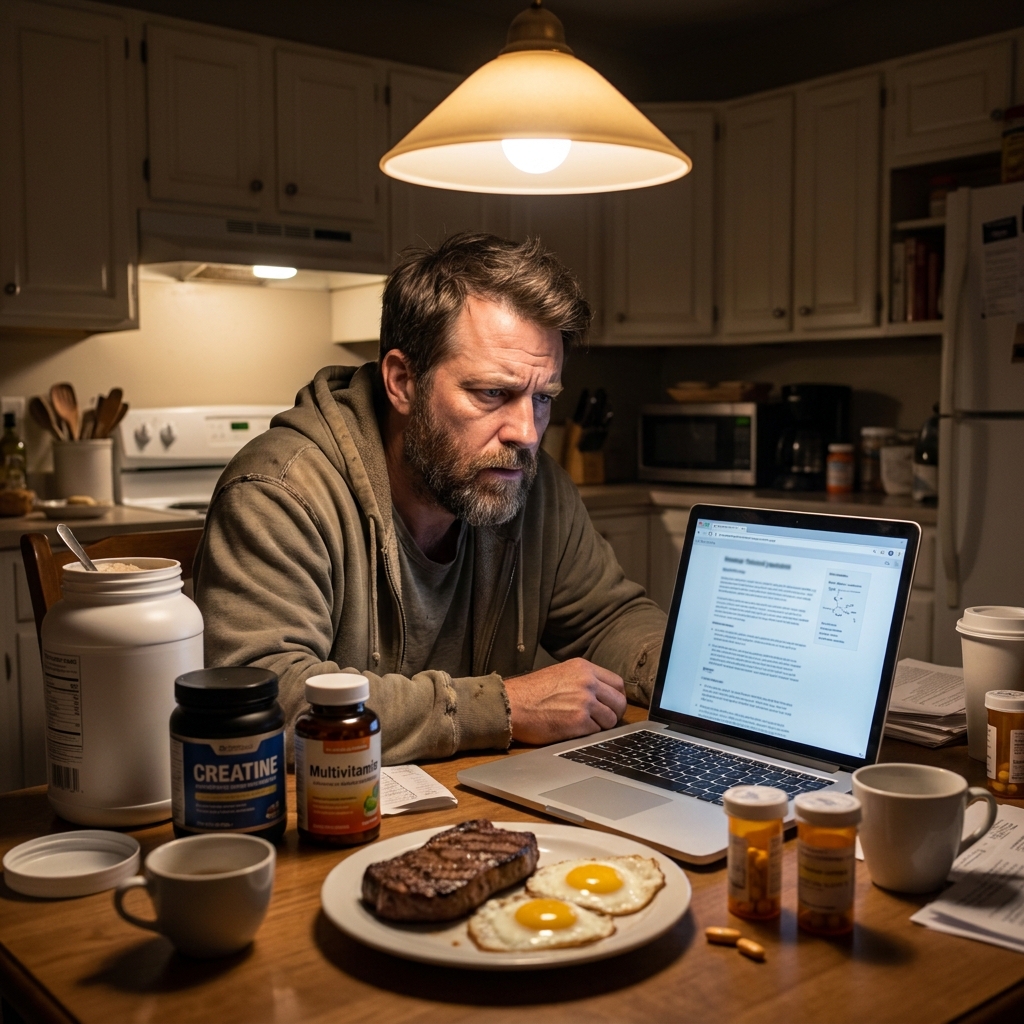
Ran for 10 days, from October 11 to October 21, 2026, the last day Crush saw it.
Run by The Capable Man on Facebook. Crush is not the advertiser and does not verify its claims. See this ad in Meta's Ad Library(opens in a new tab)
Make your own version of this ad
Crush makes it, launches it in your own Meta ad account, scales the winners and pauses the losers.
About this ad
- Meta Ad Library ID
- 2201139237415346
- Platforms
- Facebook, Instagram and Threads
- Relaunches
- 0
Ad text
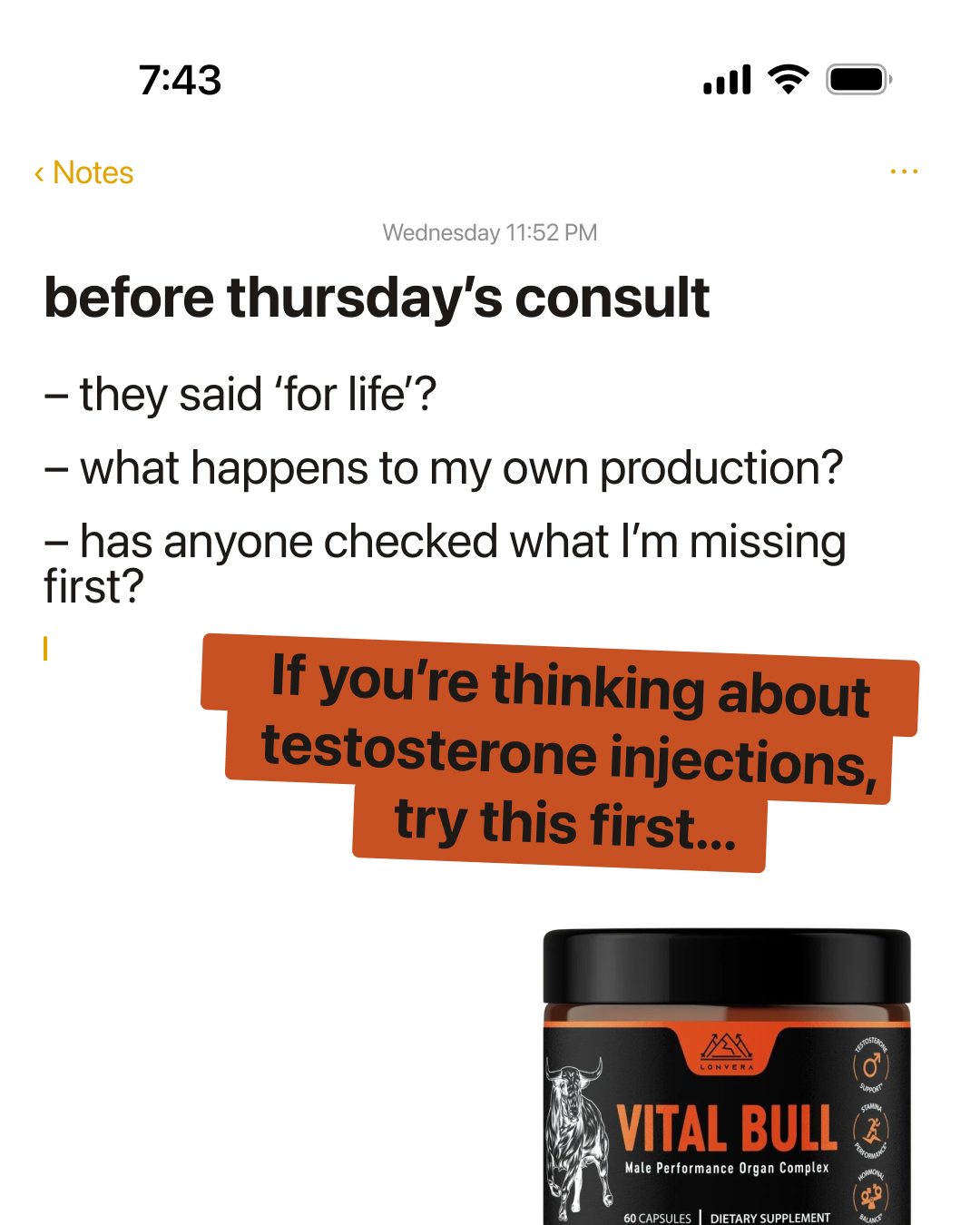
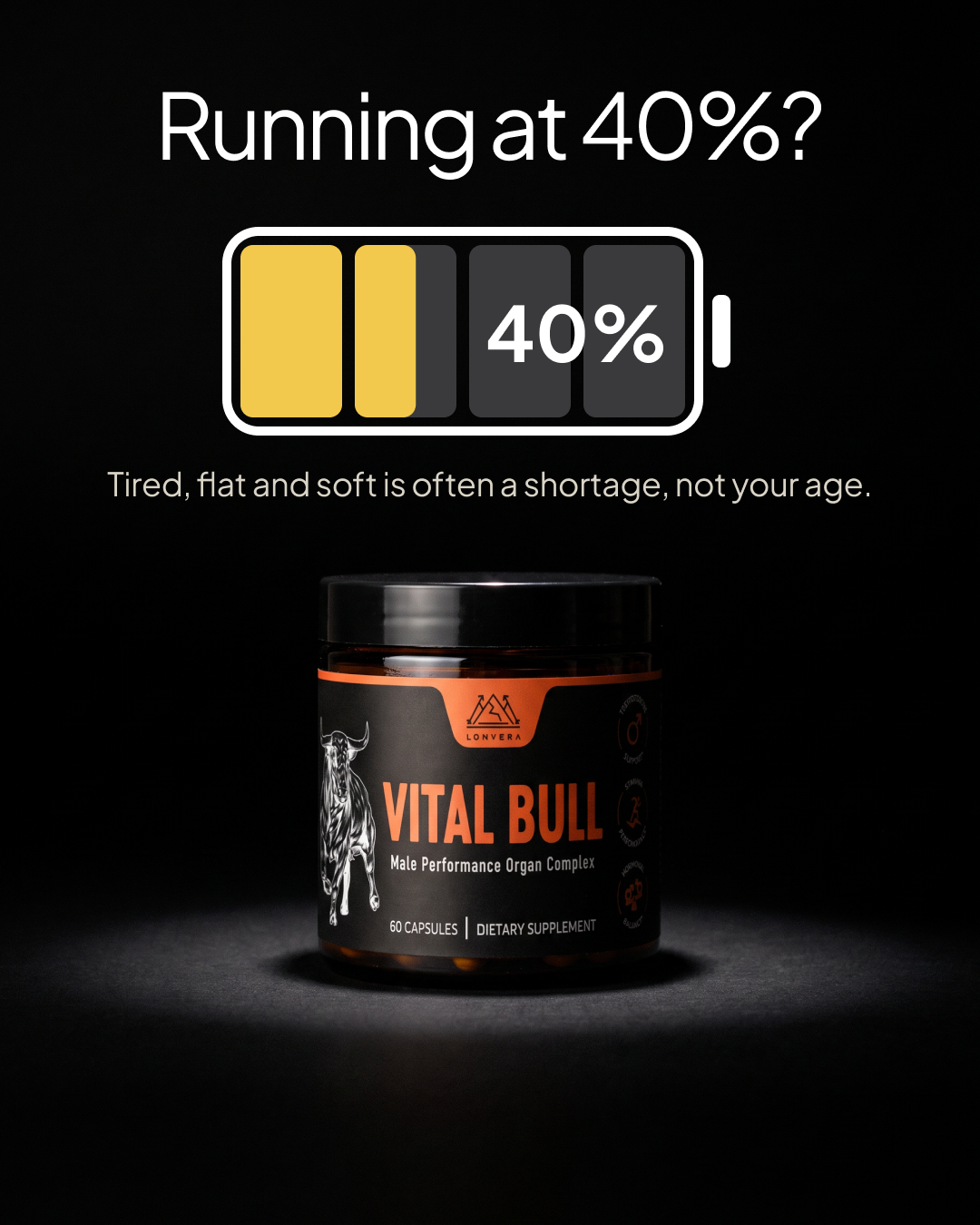
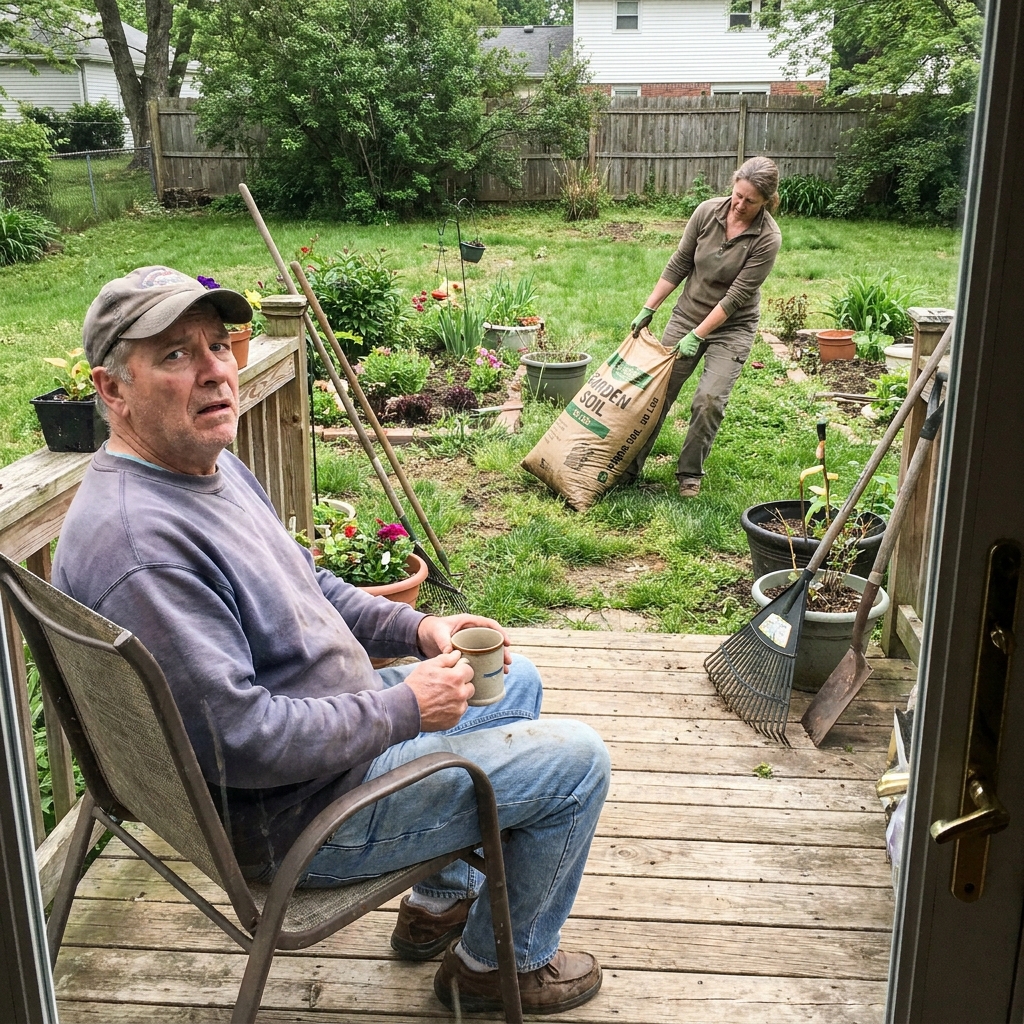
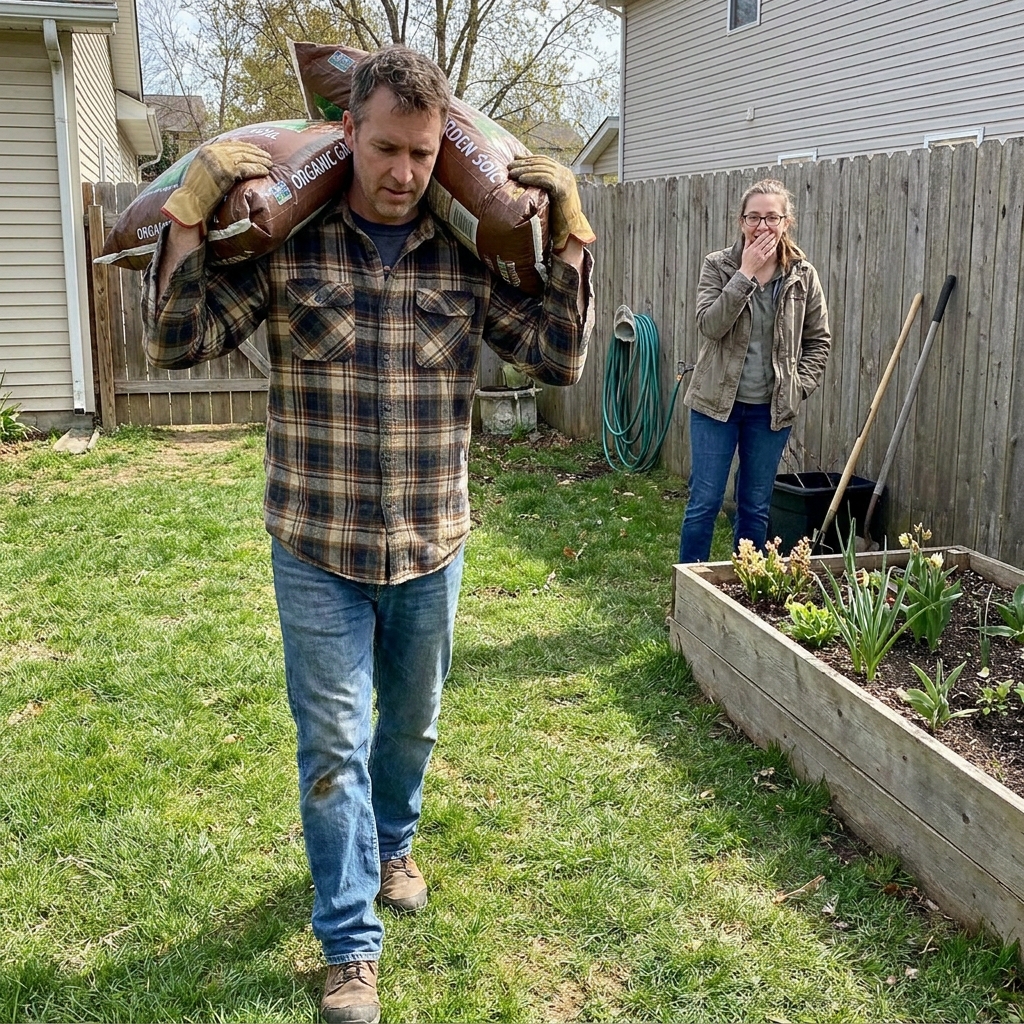
My wife stopped asking me to move the heavy things. I didn’t notice at first. Then one Saturday I watched her drag a 50-pound bag of soil across the yard by herself while I was sitting on the porch. She never looked over. That hurt more than if she had asked for help. Her name is Beth. We’ve been married thirty-four years. And for most of those thirty-four years, if something in our house weighed more than about twenty pounds, she had one solution. “Dave?” Jar stuck? “Dave?” Furniture needed moving? “Dave?” Mulch in the truck? “Dave?” Something fell behind the washing machine? “Dave?” I used to joke that half my purpose in the marriage was being six-foot-two with reasonably functional shoulders. I liked it. More than I realized. There is something satisfying about being the person your wife automatically calls when something needs doing. Not because she can’t do things herself. Beth is tougher than most men I know. But we had roles. And mine was simple. If it was heavy, high, stuck, broken, leaking, buried, jammed or making a weird noise… I handled it. Then somewhere around sixty… she stopped calling. Not all at once. That’s the part I missed. First, she started carrying more grocery bags. I’d come out to the driveway and she’d already have half of them inside. “Why didn’t you wait?” “They weren’t that heavy.” Then she started pulling the trash cans down herself. “Beth, leave those.” “I’m already out here.” Then water cases. Then potting soil. Then laundry baskets. Then one Saturday, that bag. I was sitting on the back porch drinking coffee. She had been working around the flower beds. I saw her walk over to the stack of soil by the garage. She grabbed one end of the bag. Tried to lift it. Couldn’t quite get it. So she dragged it. Slowly. Across the grass. One foot at a time. The bag had to be fifty pounds. Maybe more. I watched her struggle with it for twenty yards. And she never once called my name. That was what got me. I stood up. “What are you doing?” She looked over. “Moving this.” “I can see that.” “Okay.” “Why didn’t you ask me?” She shrugged. “I’ve got it.” Four words. I’ve got it. For some reason, those four words felt like getting punched in the chest. I walked over. “Give me that.” “It’s fine.” “Beth.” “I said it’s fine.” I grabbed the bag. And here’s the part I didn’t want her to see. It felt heavier than I expected. I got it up. Carried it the rest of the way. Set it beside the flower bed. Then immediately pretended I needed to adjust my glove because I didn’t want her to notice I was breathing harder. She noticed. Of course she noticed. Thirty-four years. You can’t hide your breathing from somebody who knows how you chew when you’re annoyed. She didn’t say anything. That made it worse. I went back to the porch. Coffee was cold. I didn’t drink it. All morning, I kept thinking about that bag. Not because it had been difficult. Because Beth had already decided not to ask. At some point, my wife had looked at me and subconsciously thought: Better if I do it myself. And I had no idea when that change happened. My name is Dave. I’m sixty. I spent most of my life doing industrial maintenance. Factories. Warehouses. Big equipment. If a machine stopped, somebody called me. If something needed moving, somebody found a forklift or found Dave. I wasn’t a bodybuilder. Never cared about being one. But I had always been strong. Useful strong. Working strong. The kind where you don’t know what your deadlift is but you know you can move a washing machine with one other guy and a bad attitude. That was me. I was the guy who loaded the truck. The guy who stood on the ladder. The guy who dug the hole. The guy people asked: “You think you can move this?” And my answer was almost always: “Yeah.” Then the little changes started. Again… nothing dramatic. At fifty-six, I started taking longer to recover after yard work. At fifty-seven, I noticed my arms looked smaller. Same body weight. Different body. More belly. Less shoulder. At fifty-eight, I started sitting down while putting on my work boots. Balance. That’s what I told myself. Smarter. At fifty-nine, I bought a lighter weed trimmer. “Better design.” At sixty, I started using both hands to push out of the recliner. I didn’t even know I was doing it until Beth pointed it out. “You okay?” “Yeah.” “You always use your arms now.” “No I don’t.” She looked at me. I stood up again just to prove her wrong. Without my hands. It was harder than it should have been. I pretended it wasn’t. That is how men age. At least that is how I did. Not through one giant disaster. Through a thousand tiny negotiations. You stop carrying two bags and carry one. You stop doing the yard in a day and split it across the weekend. You stop kneeling unless there’s something nearby to grab. You pick the parking spot closer to the store. You tell yourself the new lightweight tools are better anyway. You get smarter. More efficient. More careful. And some of that really is wisdom. But some of it is camouflage. I had gotten very good at camouflage. So good that I had convinced myself. The people around me weren’t fooled. Beth definitely wasn’t. A week after the soil bag, I started paying attention. I watched her. Groceries came home. She carried the water. Trash day? She rolled the heavy can. A package showed up. She dragged it inside herself. Then the moment that really got me happened with our son, Eric. Eric lives about twenty minutes away. He stopped by one evening after work. Beth had ordered a new planter for the back patio. Big ceramic thing. Maybe seventy pounds. We were all standing in the kitchen. Beth said: “Eric, before you leave, can you move that planter for me?” I was right there. Three feet away. She asked our son. Not me. Eric said: “Sure.” No hesitation. No weird look. That meant this wasn’t new to him either. My wife and son had quietly updated the rules. I was the last person to find out. After he left, I asked her. “Why did you ask Eric to move the planter?” She was loading the dishwasher. “What?” “The planter.” “Because he was here.” “I was here.” She stopped. Then turned around. There was a long pause. “Do you really want to do this?” “Yes.” She leaned against the counter. “Because sometimes you seem tired.” “I’m not tired.” “Dave.” “I’m fine.” “Okay.” There was that word. Okay. Married men know that “okay” usually means you have just said something so obviously stupid that your wife has decided to conserve oxygen. “What?” She sighed. “You want the truth?” “Yes.” “I stopped asking because half the time you look like you don’t want me to ask.” That landed. “What does that mean?” “It means I can see you’re tired.” “I’m sixty, not ninety.” “I didn’t say ninety.” “I can still do things.” “I know.” “Then ask me.” She looked at me for a second. Then said: “I don’t want to make you prove it.” That one shut me up. I don’t want to make you prove it. That sentence stayed with me for weeks. Because she was right. Every time something heavy appeared, I had started treating it like a test. Could I still lift it? Could I still carry it? Could I still do what I used to do? Beth knew. So instead of putting me in that position… she stopped asking. She thought she was protecting me. And I hated that. Not her. The fact that she felt she needed to. That night I lay awake thinking about my father. He died at seventy-eight. The last few years weren’t good. Not tragic. Just small. His world got smaller. He stopped maintaining the yard. Then stopped driving at night. Then stopped going fishing because getting in and out of the boat was “too much trouble.” He gave away his tools. That was the one that bothered me. Dad loved his tools. I remember standing in his garage while he told me: “Take whatever you want.” Sockets. Wrenches. Saw. Drill press. Everything. I said: “You sure?” He shrugged. “I don’t use them anymore.” That line broke something in me. A man who had spent his whole life building and fixing things had reached the point where his own tools had become reminders of who he used to be. I loaded them into my truck. He watched. And now… at sixty… I was seeing tiny versions of that future arriving in my own house. Beth carrying the soil. Eric moving the planter. Lighter tools. More sitting. More resting. More: “I’ve got it.” I didn’t want to become a project. I didn’t want Beth quietly calculating what I could handle. I didn’t want Eric coming over because Dad shouldn’t lift something. I wanted to remain useful. That was the whole thing. So I got serious. First stop: protein. Everywhere I looked, the message was the same. Older men need enough protein. Okay. I already ate meat. But I started tracking. Eggs. Greek yogurt. Chicken. Beef. Protein shakes. I got up around 160 grams most days. Sometimes more. I started lifting regularly. Three days a week. Nothing stupid. Leg press. Rows. Presses. Some dumbbells. Farmer carries. Walking. I added creatine. Started sleeping more consistently. Cut back on beer. Lost a little belly. Good stuff. I felt better than if I’d done nothing. But something still felt off. I could train. Then feel flat the rest of the day. A harder workout could hang around for two or three days. One Saturday I helped Eric replace part of his fence. Nothing I hadn’t done a hundred times. Dig. Lift. Hold. Carry. By Sunday morning my entire body felt like I’d been hit by a truck. Beth looked at me getting out of bed. “You okay?” “Fine.” She laughed. “What?” “You say ‘fine’ like it’s a legally binding document.” I ignored her. But inside, I was frustrated. Because I was doing the things I was supposed to do. More protein. Resistance training. Walking. Creatine. Better sleep. Why did I still feel like I had less in the tank? So naturally, I started buying supplements. Men’s multivitamin. B12. CoQ10. Fish oil. Magnesium. A bottle that claimed to support “male vitality.” Another that promised “performance after fifty.” Nothing I could confidently point to. Then the testosterone ads found me. Of course they did. If you are a man over fifty and spend fifteen minutes online researching fatigue or strength… apparently the internet decides your testosterone has fallen through the floor. Every ad looked the same. Shirtless gray-haired guy. Mountains. Bull horns. Words like: PRIMAL. ALPHA. DOMINANCE. I almost expected somebody to sell me a sword. That wasn’t what I wanted. I wasn’t trying to become the most dominant man in the neighborhood. I wanted my wife to ask me to move the planter. That is a very different goal. So I kept researching. And eventually I ran across something that made me reconsider the way I thought about food. Not supplements. Food. I had always thought: Meat = protein. If I needed more support for strength, eat more protein. Logical. Except when you look at the way people historically ate animals… we do something very different now. We mostly eat muscle meat. Steak. Ground beef. Chicken. Pork. Maybe some fish. Then we throw away or ignore nearly everything else. Liver. Marrow. Organs. Tissues previous generations regularly ate. My grandfather ate liver. Beth’s father did too. Neither one called it “ancestral nutrition.” They called it Tuesday. I started thinking about my own diet. Plenty of muscle meat. Almost zero organ food. Actually, not almost. Zero. I wasn’t eating liver. Wasn’t eating marrow. Definitely wasn’t eating testicle. Definitely wasn’t eating prostate. And suddenly the contradiction that had been bothering me made more sense. Maybe I had been treating protein like the entire nutritional equation. Protein mattered. But protein wasn’t synonymous with complete nutrition. Think about a worksite. You can deliver truckloads of lumber. Great. You need lumber. But if you never deliver wire, pipe, concrete, fasteners or anything else… you don’t have a house. You have a giant pile of lumber. That is how I began thinking about protein. Necessary. Foundational. But not necessarily the entire job. The old diet included more than muscle meat. Mine didn’t. Maybe the issue wasn’t: “I need even more protein.” Maybe the better question was: “What nutritional territory disappeared when we stopped eating the rest of the animal?” That was interesting. Not magic. Not conspiracy. Not: “Doctors don’t want you to know.” Just food history. We used to consume parts of the animal most of us rarely touch now. And organ foods are nutritionally different from muscle meat. I started thinking of the idea as resupply. My diet already supplied one side extremely well. Protein. Muscle meat. Vital Bull caught my attention because it gave me a practical way to put some of the forgotten animal foods back into the picture. Bone marrow. Beef testicle. Beef liver. Beef prostate. That’s what’s in it. And I want to be very clear about why that mattered to me. I did not look at beef testicle and think: “Well obviously this is going to turn me into a raging testosterone machine.” That kind of claim would have made me close the page. I looked at the formula and thought: Those are four things I literally never eat. That was enough. It fit the nutritional-resupply idea. Muscle meat remained part of my diet. Protein remained part of my routine. Training remained part of my routine. Vital Bull simply added organ nutrition I wasn’t getting from my normal meals. No frying liver. No marrow bones in the oven. No asking Beth how she feels about testicle for dinner. Convenient. Simple. So I ordered it. Beth saw the bottle. “What now?” “Beef organs.” She stared at me. “Like liver?” “Among other things.” “What other things?” I hesitated. “Testicle.” She started laughing. “Of course.” “What does that mean?” “You’ve reached the stage of getting older where you’ll swallow a cow’s testicle before admitting I should carry the dirt.” I hated how funny that was. She was right about one thing, though. I was skeptical. I had already bought enough stuff. So I didn’t want to do the usual supplement ritual. Day two: “Do I feel something?” Day seven: “Maybe.” Day fourteen: “Definitely?” That is how people convince themselves of anything. I wanted to watch behavior instead. Did Beth still stop asking? Was I still rationing my weekend? Was I sitting down after every physical job? Could I stand without pushing? Was I choosing lighter things? Did I have anything left by evening? That mattered. The first thing I noticed was after yard work. Same routine. Mow. Trim. Blow. Normally by the time I came inside, I wanted food and the recliner. That Saturday I finished around noon. Came inside. Ate. Then Beth said: “Can you help me move something?” I remember the sentence because it surprised me. “What?” “The table on the patio.” “Yeah.” We went outside. Moved it. Then two chairs. Then a storage box. No drama. I didn’t flex afterward. Nobody played music. But as we walked back inside, I realized something. She had asked me. That felt good. Maybe too good. Over the next few weeks, little moments started stacking. I carried the water case. Didn’t think about it. Moved a box in the basement. Didn’t need to plan the route first. Finished a lifting session and still had enough left to work in the garage. One evening, I stood up from the recliner and halfway across the room realized I hadn’t used the armrests. That stopped me. I went back. Sat down. Stood again. Beth looked over from the couch. “What are you doing?” “Nothing.” “You just sat back down.” “I know.” “Why?” “I forgot something.” “What?” “I forgot I stood up.” She stared at me. “That sentence makes no sense.” It made perfect sense to me. For months, standing had been an action. Hands. Lean. Push. Up. That evening it had gone back to being automatic. That was the kind of improvement I cared about. Boring improvement. Ordinary improvement. The kind nobody else sees. Then came the soil. Same garden beds. Same kind of 50-pound bag. A couple months after the first incident, Beth came home with four of them in the back of her SUV. I walked outside. She opened the hatch. I grabbed one. Carried it around back. Came back. Grabbed another. On the third bag, Beth said: “You want me to get that one?” I looked at her. “No.” “You sure?” “Beth.” She smiled. “Okay.” But this time “okay” meant something different. I carried all four. Was I tired afterward? Yes. I’m sixty. Four heavy bags should feel like work. That wasn’t the point. The point was that I could do it. And Beth let me. A few days later, Eric came over. We were standing in the kitchen again. Same place as the planter incident. Beth had bought a new storage bench for outside. Big box. She said: “Dave, can you help me get that around back later?” It happened so casually I almost missed it. Eric was standing right beside me. She asked me. I looked at her. She kept talking. No big emotional reunion. No: “I believe in you again.” Just: “Dave, can you help me?” That was better. Because I didn’t want my capability to be inspirational. I wanted it to be expected. That’s what people misunderstand about getting older. Most men don’t dream about being shredded at seventy. We want ordinary things to stay ordinary. Get off the floor. Carry the bag. Finish the yard. Move the table. Help our kids. Fix the thing. Remain the person people call. That’s it. That is the prize. And that is why the organ-nutrition idea still makes sense to me. I didn’t stop eating protein. I eat plenty. I didn’t stop lifting. I train. I didn’t stop taking care of the basics. Vital Bull wasn’t a replacement for those things. It filled a nutritional category my diet had almost completely erased. Bone marrow. Beef testicle. Beef liver. Beef prostate. Four animal foods I wasn’t going to put on my dinner plate. That’s how I think about it. Not magic. Not masculinity in a capsule. Not youth. Resupply. Modern men eat plenty of muscle meat. Some of us probably eat more protein than any generation before us. But we eat very little of the rest of the animal. Vital Bull gave me a convenient way to change that. If that nutritional logic interests you, you can see Vital Bull here: https://shop.lonvera.com/vb/sp P.S. I know exactly what some guys are thinking. “Beef testicle?” Yep. That was basically my reaction too. The organ-supplement category has done itself no favors. There are enough ridiculous testosterone promises and “primal alpha” ads online to make any sane person skeptical. I am skeptical. What made Vital Bull interesting to me wasn’t some promise that eating a particular organ would magically transform the matching part of my body. It was much simpler. My regular diet contained muscle meat. It did not contain marrow, testicle, liver or prostate. Vital Bull gave me those organ foods in a convenient form. That is the mechanism I cared about: broader animal-food nutrition. Not another scoop of protein. Not another synthetic “male performance” cocktail. Organ resupply. If that makes sense to you, you can read more here: https://shop.lonvera.com/vb/sp P.P.S. Beth asked me to move something yesterday. A bookcase. Heavy oak one we’ve owned since the kids were little. She wants to paint the wall behind it. She stood in the doorway and said: “Think you can move that out for me?” Think you can. Not: I’ll call Eric. Not: Don’t hurt yourself. Not: I’ve got it. Think you can? I walked over. Grabbed one side. Rocked it forward. Heavy. Very heavy. I said: “Yeah.” She smiled. “I figured.” I don't know if she realized how much I liked hearing that. Probably did. She usually knows. I’m not trying to become the man I was at thirty. That man was an idiot in several important ways. I like sixty-year-old me better. I just want sixty-year-old me to remain capable. Useful. Dependable. I want my wife to continue assuming that when she needs something moved… she can call my name. That’s worth a lot more to me than “primal dominance.” https://shop.lonvera.com/vb/sp P.P.P.S. There is still one bag of soil sitting behind the shed. Beth bought too much. Last weekend she pointed at it and said: “We should probably return that.” I looked at the bag. Same size. Same weight. Same brown plastic. For a second, I saw the first one dragging across the grass. Saw Beth leaning backward, pulling with both hands. Saw myself sitting on the porch. Saw her never look over. I picked the bag up. Carried it to the garden. Cut it open. She watched me. “You know we didn’t need that one.” “I know.” “Then why did you open it?” I shrugged. “Plants looked hungry.” She rolled her eyes. Truth is… sometimes men need ridiculous little proofs. Not for everybody else. For ourselves. A bag of soil. A case of water. A bookcase. A toolbox. Because getting older doesn't usually announce itself with one giant event. It whispers. And sometimes the first person who hears it is the woman who has known you longest. She starts carrying things. Stops asking. Quietly adapts. I don't expect to stay strong forever. Nobody does. But I’m not interested in surrendering usefulness any earlier than I have to. I’ll keep lifting. Keep eating protein. Keep moving. Keep taking care of myself. And I’ll keep supplying nutritional territory my modern diet had completely forgotten. That’s why Vital Bull stayed in my routine. https://shop.lonvera.com/vb/sp Because at this point in my life, I’m not trying to prove I’m still a man. I just want my wife to keep yelling my name when something heavy shows up.
Where the ad sends people
shop.lonvera.com
My wife stopped asking me to move the heavy things.
60 Day Guarantee
Learn more: shop.lonvera.com(opens in a new tab)