Susan McBride
 Facebook ad: “Read this if you cant control your”
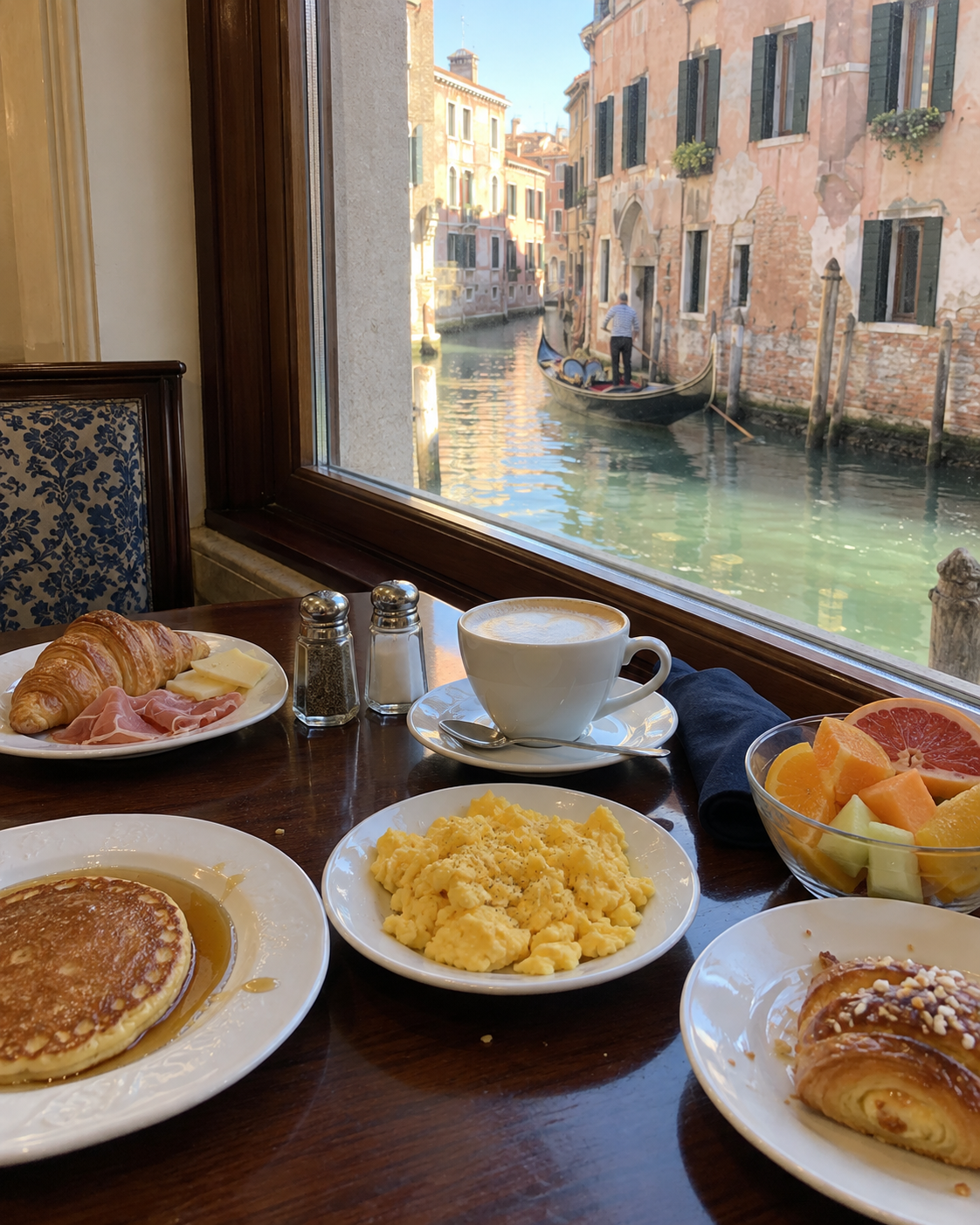
Ran for 8 days, from October 15 to October 23, 2026, the last day Crush saw it.
Run by Susan McBride on Facebook. Crush is not the advertiser and does not verify its claims. See this ad in Meta's Ad Library(opens in a new tab)
Make your own version of this ad
Crush makes it, launches it in your own Meta ad account, scales the winners and pauses the losers.
About this ad
- Meta Ad Library ID
- 2202957203958212
- Platforms
- Facebook, Instagram, Audience Network, WhatsApp and Threads
- Relaunches
- 1
- Niche
- Food & Beverage
Ad text
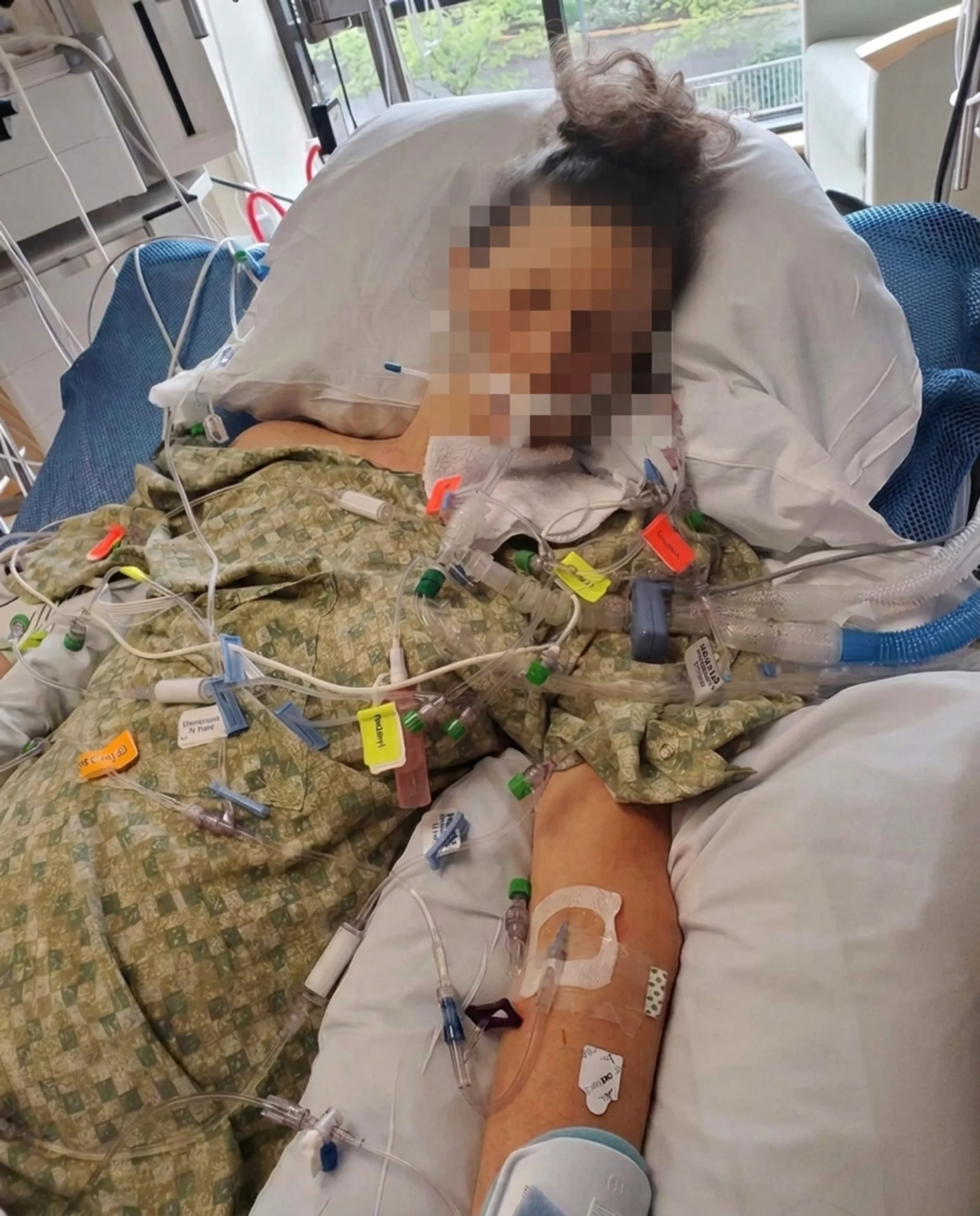
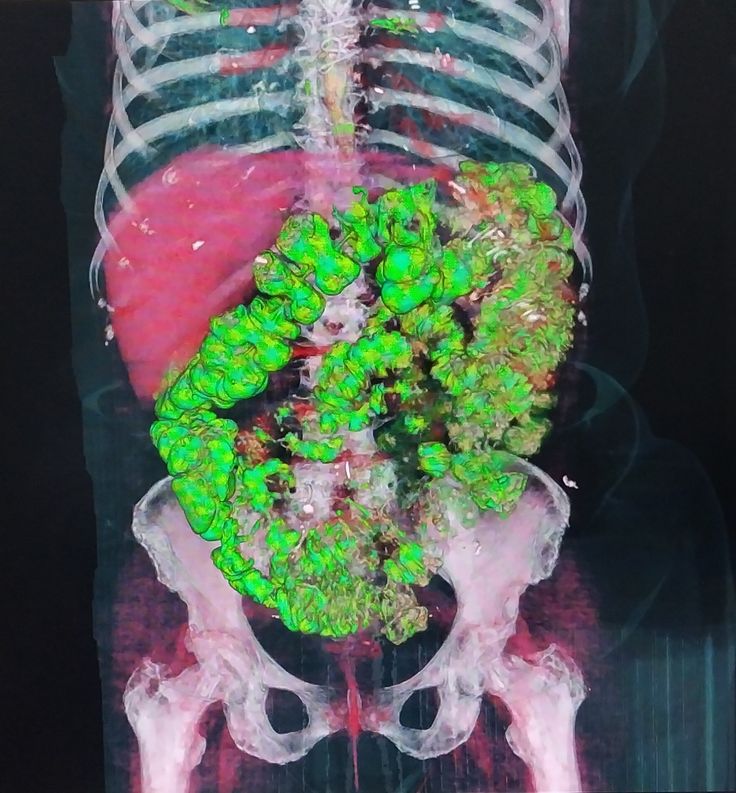
I had a diarrhea crisis in Venice. The Italian pharmacist asked me ONE question my American gastroenterologist never asked in six years. I'm 54 years old. My husband and I saved for two years for this trip. Two weeks through Italy. Venice, Florence, Rome. Day four, we're drifting down the Grand Canal in a gondola. Gold light on green water. Pink walls with laundry strung overhead. A gondolier singing. Beautiful. But my stomach is churning. Four days into the trip, I've been running to the bathroom seven, eight times a day. The Imodium isn't touching it. The cream sauces, the late dinners, the wine, all of it has sent my gut into overdrive. The bloating is bad. My waistband digs in, and my loosest pants feel tight. And there's nowhere to go. No cars in Venice. No taxis. The next dock is twenty minutes away. I'm clenching everything I have. The cramping is sharp. I'm sweating through my blouse. My stomach is hard and swollen, and I can feel the gas pressing against my insides. My husband lifts his phone to take our picture. He sees my face and lowers it. He looks worried. "We need to get you off this boat." I don't want to tell anyone. I haven't talked about the diarrhea in five years. Not with my sister. Not with my best friend. Not with my husband, not in detail. But my knees are shaking, and I can't hold this for twenty minutes. I don't have a choice. I lean toward the gondolier. I know one Italian word, and I learned it on the plane. "Bagno?" He looks at me. He looks at the water. He doesn't ask a thing. "Subito, signora." He leans into his oar and swings the boat into a side canal narrow enough that I could touch both walls. A stone landing. Steps slick with green moss. My husband takes my elbow, and I walk the way you walk when you can't run. Short steps. Knees together. A café on the corner. Four small tables. A man wiping the counter. "Bagno?" "The bagno is for customers," he says. His voice is polite. My husband orders two espressos before the man finishes the sentence. The man points to a door at the back. I lock it behind me and grip the edge of the sink. I make it with seconds to spare. I come out to two espressos cooling on a table. I don't touch mine. My face is hot to my ears, and the man behind the counter wipes the same clean spot. He doesn't look at me. If you have been grateful that a stranger wouldn't look at you, you know how that café felt. My husband stirs sugar into his espresso and doesn't drink it. Neither of us says a word. Ten days left. Florence. Rome. The next morning, I go to the front desk of our hotel. "I need to see a doctor about my stomach." The clerk makes a call. Speaks Italian for thirty seconds. Hangs up. "The dottoressa will see you at ten," he says. "She is the pharmacist, two bridges from here. Turn left at the church." The pharmacy is small. Clean. A green cross glows over the door. Wooden drawers climb the walls from floor to ceiling, and glass jars with Latin labels line the shelves. Dottoressa Conti. White coat. Reading glasses on a chain. Mid-50s, I'd guess. She sits me on a stool at the end of the counter and wraps a blood pressure cuff around my arm. She watches the dial. She hands me a glass of water. "Drink," she says. "You're dehydrated." I drink. "The immediate issue is the travel and the rich food," she says. "But this is more than the trip. How long have you been dealing with chronic diarrhea?" "About six years," I say. "My gastroenterologist back home has me on Imodium. Three tablets every morning, so I can leave the house. She says to keep taking it." She looks at me for a moment. She takes off her glasses and lets them fall on their chain. "Has your doctor ever tested you for bile acid malabsorption?" I stare at her. "What's that?" "It's what is happening in more than one in four people diagnosed with IBS-D," she says. "You are not sensitive to food. Your bile is not getting reused." "Your liver makes bile to break down fat. Your gut is supposed to catch it and reuse it." "But bacteria that belong in your colon have moved up into your small intestine, where they don't belong. They break the bile before your gut can catch it." "The loose bile drops into your colon. Your colon treats it like an emergency. It floods with water and pushes everything out. That's your urgency. That's your watery stool." "And the bacteria don't work at the same pace every day. A busy morning breaks a lot of bile. A quiet morning breaks little. That's why the same breakfast gives you two different days." The glass stops halfway to my mouth. Six years of food diaries. Six years of cutting things out. "Think about the Imodium," she says. "I sell it every day, so I know what it does. It slows your colon down. It holds the door shut." "But the bacteria keep breaking bile. The loose bile keeps pushing on the door. Each tablet holds it for a few hours." My hand goes to my purse, to the pill case I fill every night. "After a few hours, the bile wins. That's the urgency that comes back by lunch. You need more tablets. They work less." "The bacteria keep spreading, so more bile breaks every month. You are holding a door shut while the push behind it grows." If you take a pill before you leave the house, you know which door she means. I'm listening. But I don't understand why my gastroenterologist never told me any of this. "It isn't part of American GI practice," she says. "Most doctors focus on anti-diarrheals and stronger prescriptions. But in Italy, we have treated chronic diarrhea as a bile problem for over a decade. The bile is not the original issue. The bacteria that break it are. Clear them, and your gut can catch the bile." "So what do I do?" I ask. "There is extensive research on clearing the bacteria that break bile," she says. "Oregano oil contains a compound called carvacrol. In published research, carvacrol breaks open the outer wall of bacteria." She spells it for me. I write it on the back of a hotel receipt. "Once the bacteria are cleared, your gut catches its own bile. But the delivery matters. A capsule has to break apart before it works, and your gut does that on its own schedule. A liquid skips the wait. It reaches the bacteria on contact." "If I were you, I'd look into it when you get home." I thank her and leave. But I can't stop thinking about it. For the rest of the trip, it sits in the back of my mind. In Rome, I toss a coin into the Trevi Fountain and think about the receipt in my purse. Six years. My gastroenterologist prescribed Imodium. Checked my labs every few months. Watched my dose creep from one tablet a day to two, and from two to three. She told me to keep taking it. I wrote down every meal, looking for the one food to blame. I blamed the dairy. I blamed myself. In six years of appointments, nobody asked why. Back home, I can't let it go. The night we unpack, I open my laptop. It's 11:45 PM. I start searching. "bile acid malabsorption IBS-D" "bacteria break bile small intestine diarrhea" I turn the hotel receipt over and type the word from the back. "carvacrol oregano oil bacteria" At 1:30 AM, I find it. Peer-reviewed research. Published in clinical journals. An NCBI medical reference lists broken-down bile as a cause of diarrhea. A review by Mayo Clinic researchers puts it at more than 1 in 4 people with IBS-D. At Johns Hopkins, more than 4 in 10 people cleared the bacteria with herbal formulas that included oregano oil. On the antibiotic, 1 in 3 did. Study after study says what the dottoressa told me. Bacteria in the wrong place break the bile. The loose bile floods the colon. And oregano oil clears the bacteria. The research is there. Some of it is over a decade old. Some of it comes from hospitals in Italy. I read the studies three times. Something rises in my chest. Not anger. Something else. Grief, for every meal I blamed. At 2:50 AM, I start looking for products. Most gut supplements are useless. Probiotics that add more bacteria to a gut crowded with them in the wrong place. Oregano capsules that open on the gut's schedule. Ginger and motility products that move things along and never touch the bacteria. None of it matches what the research says is needed. If a probiotic left you more bloated, you know why. But I find one product built around this specific mechanism. Biora. Liquid drops. Oregano oil at 80% carvacrol, the compound from my receipt. Compounds to break the slimy shield the bacteria hide behind. And herbs to restart the gut's rhythm and move the bile. All in liquid form, so nothing waits on your gut to break it open. I read the reviews. Women describing my mornings. Years of Imodium that held the door for a few hours and never touched the cause. Normal mornings. Lives no longer planned around bathrooms. I order three bottles at 3:15 AM. The bottle arrives. I start that morning. A full dropper before breakfast. No Imodium before I leave the house. No bathroom mapping. Sixty seconds. Done. Day four, I eat my usual breakfast, and the urgency doesn't come. I sit at the kitchen table holding my coffee, waiting for it. It doesn't come the next day. It doesn't come the day after. Week one, the mornings aren't gone. But they're different. Shorter. Quieter. Like my gut is catching what it was meant to catch. Week two, I get through a whole day. Breakfast, lunch, dinner. No urgency. No running. The first full day in six years. It happens the next day, and the day after. Week three, I open my food diary to the page headed "never again." Dairy. Wheat. Cream sauce. That night I make the cream sauce, the kind that put me on that gondola. I eat a full plate. I sit at the table, waiting for the cramp. It doesn't come. I carry the diary to the trash. Week five, I leave the house without the pill case. I'm halfway down the street when I notice. I stop on the sidewalk, check my purse, and keep walking. Week eight, I take a photo of my profile and set it beside the one from the Rialto Bridge. On the bridge, my blouse is pulled tight over my stomach. I'm smiling, and my knuckles are white around my bag strap. I didn't notice that until today. In today's photo, my blouse hangs loose, and my hands are open. The difference is visible. A flat stomach by morning. My loosest pants feel loose. A normal morning, on my own. No cramping. No Imodium. At three months, I go back to my gastroenterologist. She scrolls through my chart. Six years of visits. Continue Imodium. Continue Imodium. Continue Imodium. She stops. "Your symptoms have normalized," she says. "Your chart reads like a different patient's. That's unusual after six years of chronic IBS-D." "I stopped the Imodium two months ago." Her head comes up. "You stopped?" "I found something else. Liquid drops. Carvacrol, from oregano oil, to clear the bacteria that break my bile. Once they cleared, my gut could catch the bile. The diarrhea stopped." She looks at the chart. "I'm not familiar with that approach," she says. "But I can read a chart. Keep doing whatever you're doing." I leave her office feeling something I haven't felt in years. Not angry. Not betrayed. Just aware. My gastroenterologist wasn't hiding anything from me. She just didn't know. It wasn't part of her training. She did what she was taught: prescribe the Imodium, check the numbers, keep going. A pharmacist in Venice explained it in ten minutes. I'm 55 years old. My mornings are normal. Coffee, breakfast, out the door. On my own. I think about the dottoressa all the time. One question. Six years of appointments, and nobody asked it. If your gastroenterologist is prescribing Imodium and telling you to "manage it," with no real improvement after months or years, you need to know something. The research exists. Published studies show that for many people with IBS-D, the problem is bile your gut can't reuse. Imodium holds the door shut while the bacteria keep breaking the bile. Your gastroenterologist may not know this. She tells you to keep taking the Imodium because that's what she was trained to say. The brand I use is Biora. Liquid drops. One dropper in the morning. That's it. Nobody is paying me for this. I bought my own three bottles. I'm not a doctor, and it isn't for everyone. But I remember the gondola and the café. I wish someone had said this to me six years ago. Picture walking out your front door with nothing in your pocket. You don't have to wait for your gastroenterologist to learn about it. You can look into it yourself. 👉 https://trybiora.com/products/biora-gut-complex-drops P.S. On the gondola, my husband raised his phone for a picture. He saw my face and put it down. Last month, at dinner, he raised it. This time he kept it up. He looked at the photo and said, "You're not clenching." I'd been clenching for six years, and I didn't know I was doing it. I haven't clenched since I started the drops.
Where the ad sends people
trybiora.com
Read this if you cant control your 💩
BIORA
Learn more: trybiora.com(opens in a new tab)