Susan McBride
 Facebook ad: “Support Healthy Digestion Naturally”
Ran for 9 days, from September 28 to October 7, 2026, the last day Crush saw it.
Run by Susan McBride on Facebook. Crush is not the advertiser and does not verify its claims. See this ad in Meta's Ad Library(opens in a new tab)
Make your own version of this ad
Crush makes it, launches it in your own Meta ad account, scales the winners and pauses the losers.
About this ad
- Meta Ad Library ID
- 2883493422014693
- Platforms
- Facebook, Instagram, Audience Network, WhatsApp and Threads
- Relaunches
- 0
- Niche
- Food & Beverage
Ad text
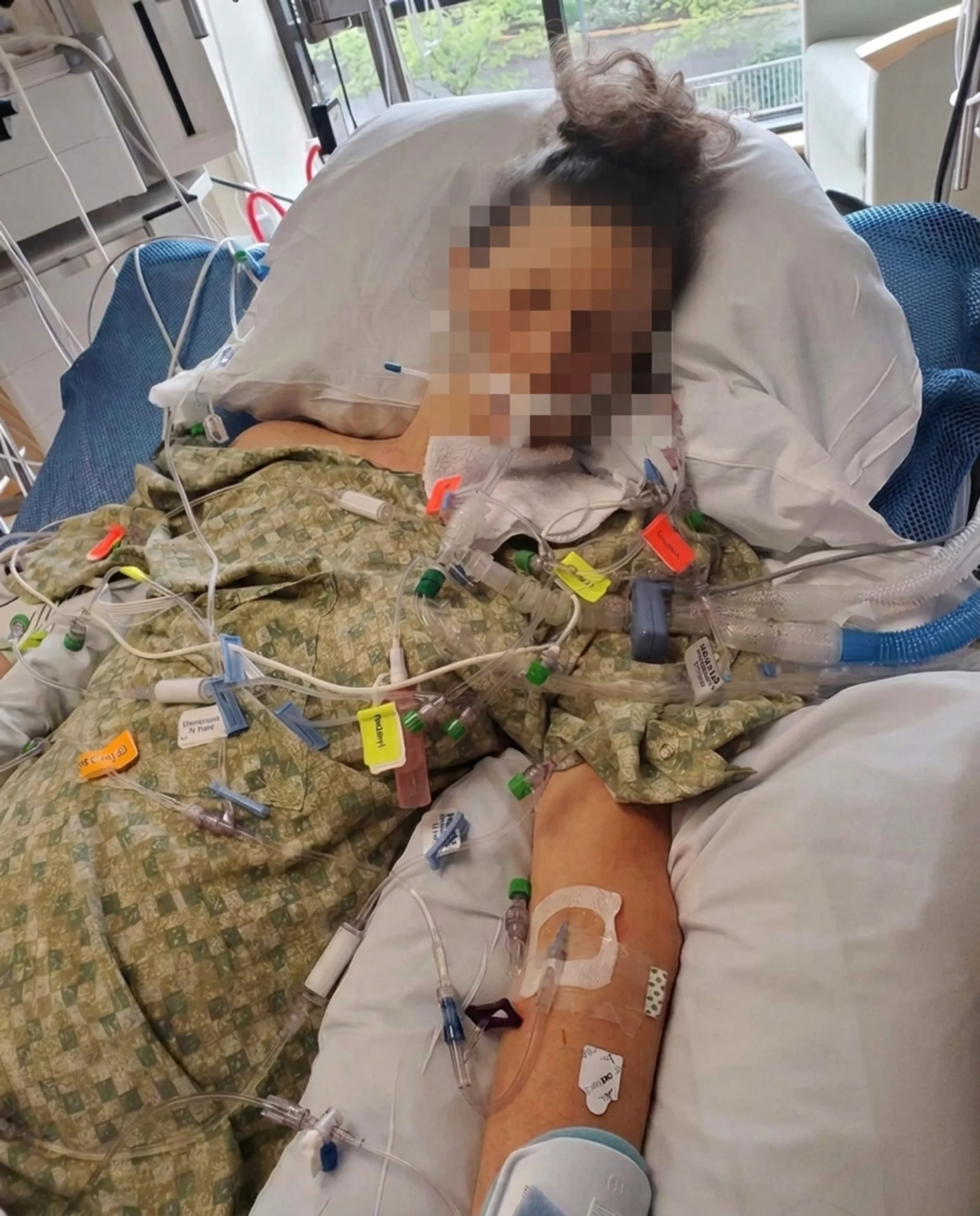
My sister took Imodium every morning for 7 years. She died of a heart attack at 56. The diarrhea never stopped. It just took more pills to hide it. The bloating got worse every year. She looked six months pregnant by lunch. She knew every public bathroom between her house and mine. Her doctor told her to bring the dose down. She said if I bring it down I can't leave the house. If your Imodium stopped working and your bloating is getting worse, read every word of this. I need to tell you what happened to Linda. Because I'm reading the IBS forums and I'm seeing the same thing over and over. "Imodium is over the counter, it's safe." "My doctor said I can take it every day." "I've been on it for years and I'm fine." That's what I was saying three years ago. Before Linda's dose hit four tablets a day. Before the first ER visit. Before the call from the paramedics. If you take Imodium before you leave the house every morning. If your dose has been going up. If your doctor has told you "it's just IBS." Please read this entire thing. Seven months ago I would have given everything for someone to tell me what I'm about to tell you. Linda was diagnosed with IBS seven years ago. She did everything right. Took her Imodium every morning. Cut dairy, gluten, fried food. Kept a food journal in a little notebook she carried in her purse. Gave up coffee. Gave up wine. Stopped eating after 7 PM because it made the next morning worse. Year one, one Imodium every morning. Year two, one and a half. Year three, two. Year four, three. Year five, four. Her GI doctor said "I want to run an EKG. Your heart rate has been elevated." "Loperamide can affect your heart rhythm," she told me on the phone that night. "Especially at the doses I'm taking." The first episode happened that fall. She called me at 9 PM. Heart pounding. Chest tight. Couldn't catch her breath. The ER doctor said her heart rhythm was irregular. He asked how much Imodium she was taking. "Four a day. Sometimes five." "Loperamide at those doses can cause a dangerous heart rhythm," he said. "It's called QT prolongation. Your heart's electrical system isn't resetting properly between beats. You need to bring that down." "If I bring it down, I can't leave the house," she said. He didn't have an answer for that. She didn't bring it down. She couldn't. Without the Imodium, she couldn't make it through a shift at work. Couldn't sit through a dinner. Couldn't drive 20 minutes without pulling over. I watched my sister's life get smaller over the next two years. She stopped going out to eat. She said she wasn't hungry. But I knew she was afraid of what would happen between the table and the bathroom. She stopped coming to Sunday dinner. She said she was tired. But I knew she was doing the math. How far is the restaurant. How many minutes from the parking lot to the door. Whether there's a bathroom she can get to in time. She bloated after everything she ate. I watched her button her pants in the morning and unbutton them by noon. She stopped buying anything with a zipper. She was 55 years old and she looked six months pregnant by 2 PM every single day. She kept a mental map of every public bathroom between her house and mine. She carried a change of clothes in her car. I didn't know that. I found out when I cleaned out her trunk after the funeral. The second ER visit was four months later. Same thing. The third was seven months after that. They kept her overnight. Her GI doctor came to talk to me in the hallway. When the GI doctor comes to talk to you in the hallway, the situation has changed. He said something I didn't understand at the time: "The bigger concern isn't just the Imodium. It's what the Imodium is covering up. Her gut isn't just irritated. Something is producing a systemic load her body is struggling to clear. The heart doesn't fail in a vacuum." By then my own Imodium was at two tablets a day. Climbing. I hadn't told anyone. Five months later, Linda was dead. March 12th. Wednesday afternoon. She'd called me that morning to come over for lunch. She was trying a new low-FODMAP recipe. I told her I'd be there at noon. I was at the grocery store when the phone rang. Sandra. Her neighbor. "Susan, you need to come now." The paramedics were in the kitchen. Sandra had heard Linda fall through the wall. They worked on her for 19 minutes. 19 minutes. The ER doctor told me Linda had suffered sudden cardiac arrest. I told him about the Imodium. Four tablets a day, sometimes five, for over two years. He wrote it down. He didn't look surprised. I sat in the parking lot of that hospital for an hour. When I finally drove home, Linda's Imodium box was on my bathroom counter. Open. Three tablets still in the blister pack. The funeral was a week later. My brother came in from Tampa. Linda's daughter Megan brought the kids. Sandra came. Two of the nurses from Linda's GI doctor's office came. After everyone left, I sat in the recliner and tried to understand how a woman who went to every appointment, kept a food diary for seven years, did every elimination diet, took her medication every single morning, could end up dead on her kitchen floor at 56. The GI visits over seven years. The ER bills. Three overnight stays. The medications. The special foods. The ambulance. The funeral. I haven't added it all up. I don't want to. And every day I read the comments. "Imodium is safe, it's over the counter." "I've taken it every day for three years." Some of them will end up where Linda ended up. Not in a hospital for something rare. In a kitchen making lunch. On a regular Wednesday. With four tablets in their stomach and a heart that finally couldn't take it. And some of them will end up where I am now. In the recliner. With an open box of Imodium on the counter that belonged to a woman who isn't here anymore. I couldn't just sit in this house and watch it happen. I started researching. Not because I wanted to. Because if Linda died for nothing. If I can't slow this down for even one person, including myself. Then I can't live with that. NIH data. Gastroenterology journals. Everything I could find about IBS and what actually happens when you suppress the symptoms for years. Here is the thing nobody told me. It's not just the Imodium that kills you. It's what the Imodium is hiding. Your small intestine is supposed to be relatively clean. Most bacteria belong in the colon. But when the gut's cleaning cycle stops working, bacteria migrate up into the small intestine and stay. The cleaning cycle is called the migrating motor complex. A wave that runs every 90 minutes between meals and sweeps bacteria back down. When that wave stops, the bacteria colonize. They ferment your food. That's the bloating. The cramping. The urgency. The diarrhea. But here's the part that changed everything. The bacteria don't just steal your food. They produce toxic waste. It's called endotoxin. And your small intestine absorbs everything that passes through it. That's its job. So instead of absorbing nutrients, it absorbs the bacteria's toxic waste. Directly into your bloodstream. Every day. Every meal. For years. Your body treats it like continuous low-grade poisoning. Because that's exactly what it is. That's why the bloating never goes away. That's why the diarrhea keeps getting worse no matter what you cut from your diet. The bacteria keep producing endotoxin, your gut keeps absorbing it, and your body keeps reacting. Years of endotoxin in the blood creates chronic inflammation. The heart works harder. The blood vessels tighten. And when you add Imodium on top, a drug already stressing the heart's electrical system, the heart is under assault from two directions at once. The Imodium was the match. The endotoxins were the gasoline. They'd been soaking Linda's system for years. That's what the GI doctor meant in the hallway. He knew. He just didn't say it plainly enough. And every day Linda swallowed her Imodium, the bacteria upstream kept producing endotoxin. The dose had to keep climbing because the bacteria kept growing. And the growing bacteria kept producing more poison. And the poison kept weakening her heart. She was putting out the fire in the living room while someone was pouring gasoline in the basement. Then I went through Linda's cabinet. Probiotics. Two brands. Fiber supplement. Digestive enzymes. An Amazon gut health blend. She'd been taking these every day for years. Probiotics add bacteria. Linda's problem wasn't missing bacteria. Bacteria were already in a place they didn't belong, producing the endotoxin that was poisoning her blood. Every capsule made it worse. Fiber feeds bacteria. For a gut overrun with bacteria in the wrong place, it was fuel. Digestive enzymes. Wrong target entirely. Her problem was bacteria breaking down food first and producing toxic waste. Enzymes didn't touch that. The $45 Amazon blend. Maltodextrin. Inulin. Chicory root fiber. Fermentable fillers. The exact sugars the bacteria eat and thrive on. I sat on the edge of Linda's bathtub with her supplements in my lap and I cried harder than I cried at the funeral. Because she had been TRYING. Every morning. And none of it addressed what was actually happening inside her. She'd been throwing pebbles at a flood. At 2 AM, three weeks after Linda died, I was sitting in the recliner with my laptop. I typed "what actually fixes IBS when everything else fails" into Google. It took me to a gut health forum. A woman had posted something that stopped me cold. IBS eight years. Chronic diarrhea. Imodium every day. Bloating so bad she wore maternity clothes to work. Eight years later she was symptom-free. No Imodium. No bloating. She said: "I stopped trying to treat the symptoms. I cleared the bacteria that were causing them and restarted the wave that was supposed to keep them out. Two things. That's it." Two things. After seven years of Linda's food diaries and ER visits? But she'd been symptom-free for years. Not weeks. No relapse. No Imodium. Linda's symptoms only got worse over seven years. Two things. That's it. Step one. Clear. The bacteria aren't just floating around in the small intestine. They build a shield around themselves. It's called a biofilm. A physical barrier that protects them from everything you throw at them. Antibiotics hit the shield and bounce. Probiotics sit on top of it. Supplements can't get through. That's why nothing Linda tried ever worked. Nothing ever reached the bacteria. Oregano oil at clinical concentration dissolves the biofilm. Clove oil with a compound called eugenol kills the bacteria exposed underneath. Shield down. Bacteria dead. Endotoxin production stops. Step two. Restart. Killing the bacteria is only half of it. The gut's cleaning wave, the migrating motor complex, is still broken. Without it, new bacteria migrate right back up into the small intestine within weeks. Ginger extract at high concentration and artichoke leaf extract restart the migrating motor complex. The wave runs again. Bacteria get swept back down where they belong. They can't recolonize. Without both steps, you're stuck in a loop forever. Clear, then restart. I found one product that did both. Biora. Liquid drops, not capsules. The liquid bypasses the damaged gut lining entirely. Makes direct contact. Oregano oil and clove oil to break the biofilm and kill the bacteria. Ginger extract and artichoke leaf to restart the migrating motor complex. Black walnut hull to hit parasites antibiotics miss. Zero fermentable fillers. Nothing the bacteria can use as fuel. I went to a new GI doctor. Not Linda's. I brought my laptop and showed her everything. She was quiet for a long time. "The data on endotoxin translocation from small intestinal bacterial overgrowth is well-documented. The inflammatory cascade is systemic. And the connection between long-term high-dose loperamide and cardiac events is in the FDA's own safety communications." Then she paused. "If your sister's bacterial overgrowth had been addressed earlier. If the cleaning wave had been restarted. The Imodium escalation might never have been necessary. And without the escalation, the cardiac stress might never have reached the point it did." I sat in the parking lot and cried harder than I cried at the funeral. A doctor just told me my sister might still be alive if the bacteria had been cleared and the wave restarted. If we'd just known. I ordered Biora that night. When it arrived I took the first dropper at the same counter where Linda's Imodium box is still sitting. Here's what happened to my body. Week 1. The cramping started quieting. Week 2. I ate lunch and nothing happened. No urgency. No running. First time in over three years. Week 4. One normal bowel movement every morning. Formed. Bloating gone by breakfast. My pants fit. Imodium: zero. Stopped at the end of week 3. Forgot one morning and nothing happened. So I didn't take one the next morning. Or the next. At 3 months, a new GI doctor reviewed my chart and stopped. "Your symptoms have normalized. That's unusual after years of chronic IBS-D." "I stopped the Imodium three months ago." "You stopped?" "I found something else. Compounds that break the biofilm bacteria hide behind, then restart the gut's cleaning wave. Once the bacteria cleared and the wave started running, the symptoms stopped." "I'm not familiar with that specific approach. But the results speak for themselves." My coworker Denise. 48. IBS five years. Imodium twice a day. She started Biora two months ago. Last week she wore a tucked-in shirt to work for the first time in three years. Imodium: zero. My neighbor Pat. 61. Chronic diarrhea eight years. Two rounds of Rifaximin, each worked six weeks then came back. She started Biora and grabbed my hand last week: "It's the first time since my diagnosis that I feel like I'm doing something other than waiting for the next flare." Linda's best friend Maria. 54. Same symptoms. Same Imodium creep. She called me three weeks ago: "Janet, I haven't taken an Imodium in six weeks. I ate pasta at a restaurant last Friday. Nothing happened." I'm not a doctor. I'm not a scientist. I'm not selling anything. I'm a 52-year-old woman sitting in a recliner across from a bathroom counter with an open Imodium box on it that belonged to a woman who isn't here anymore. Here's what I know because I lived it: There is no pill that fixes IBS. Imodium slows the exit but never addresses the cause. The bacteria keep growing. The endotoxin keeps absorbing. The dose keeps climbing. Long-term imodium at high doses is linked to cardiac arrhythmia and sudden cardiac arrest. The FDA has issued warnings about this. Two things fix it. Break the shield and kill the bacteria. Then restart the wave so they can't come back. I wish someone had told me this before March. Before the ER visits. Before the fourth tablet. Before the paramedics in the kitchen. I can't go back. Linda can't come back. But you can still go forward. I know what it's like to take Imodium every morning and plan your entire life around bathrooms. And I know what it's like to clean out your sister's medicine cabinet three weeks after her funeral and find a shelf full of supplements that did nothing for what was actually killing her. If you've read this far, you already know something isn't right. You already know the Imodium isn't fixing anything. You already know the dose is going up, not down. I'm not telling you what to do. I sat in the same place you're sitting right now. Scared. Exhausted. Not sure who to trust after years of trying things that didn't work. All I can tell you is what I did. I tried Biora. I didn't believe it would work. Not after Linda's cabinet. Not after everything we'd been through. I ordered it expecting to be disappointed again. I wasn't. It comes with a 90-day money-back guarantee. Full refund if nothing changes. I almost didn't believe that part either. But it meant I had nothing to lose except the three months I would've spent taking Imodium anyway: https://trybiora.com/products/biora-gut-complex-drops That's the same link I sent to Denise. And Pat. And Maria. P.S. Her Imodium box is still on my counter. Every morning I walk past it and for one second I forget. For one second I think she's going to call me and say "don't forget to take yours before we go." She's not. If putting this on the internet helps one person. Just one. Then at least something good came from the worst thing that's ever happened to me. P.P.S. Seven years of GI visits, three ER stays, an ambulance, a funeral. And a daily dropper that costs less than a cup of coffee. Please. Don't end up here. P.P.P.S. I don't work for Biora. I don't get a penny from this. Share this with anyone you love who takes Imodium every day. Please.
Where the ad sends people
trybiora.com
Support Healthy Digestion Naturally
Biora, a complete microbiome support formula to soothe you digestion and pain.
Learn more: trybiora.com(opens in a new tab)