
Inactive· since Mar 2, 2026
- 79
- days it ran
- 0
- relaunches
Ad copy
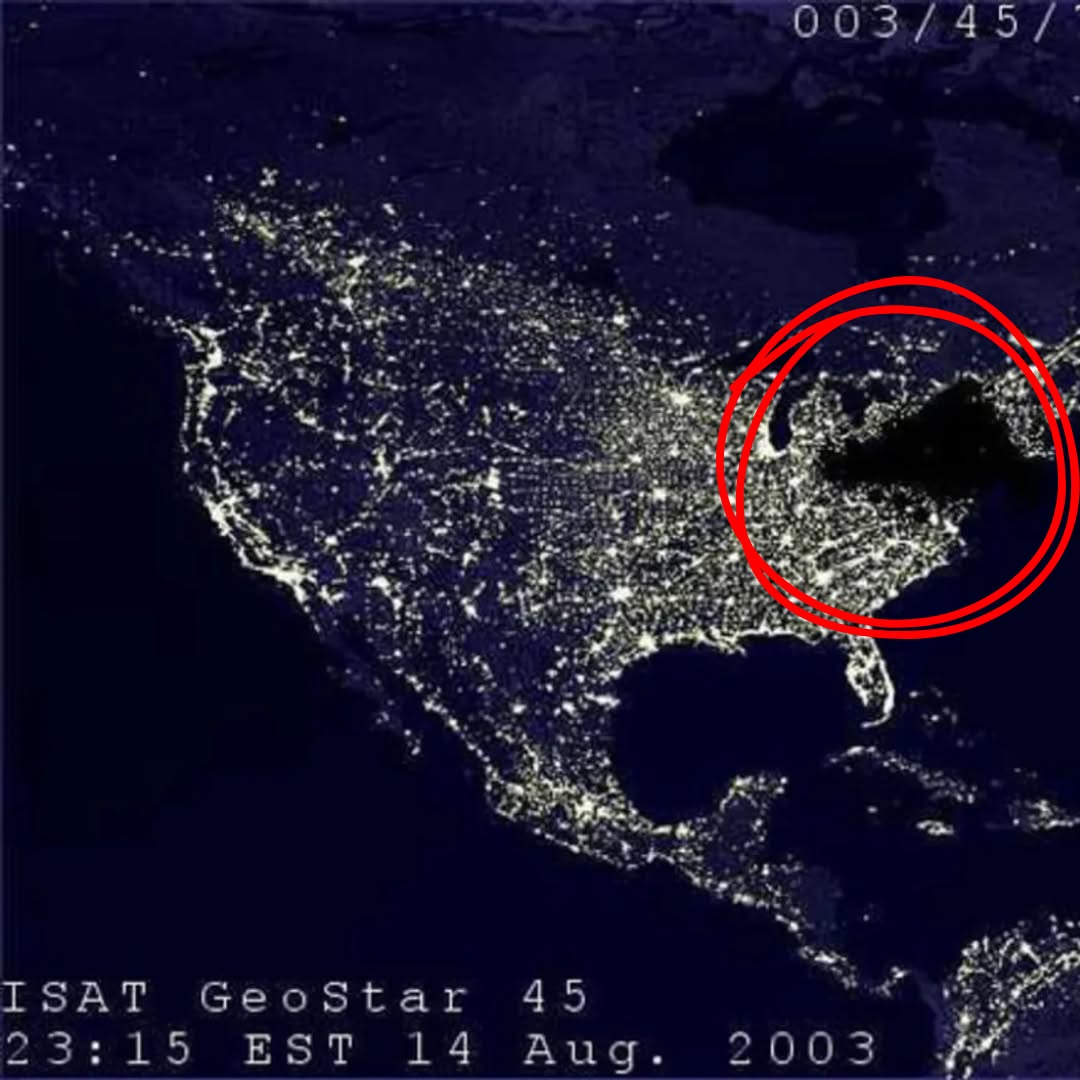
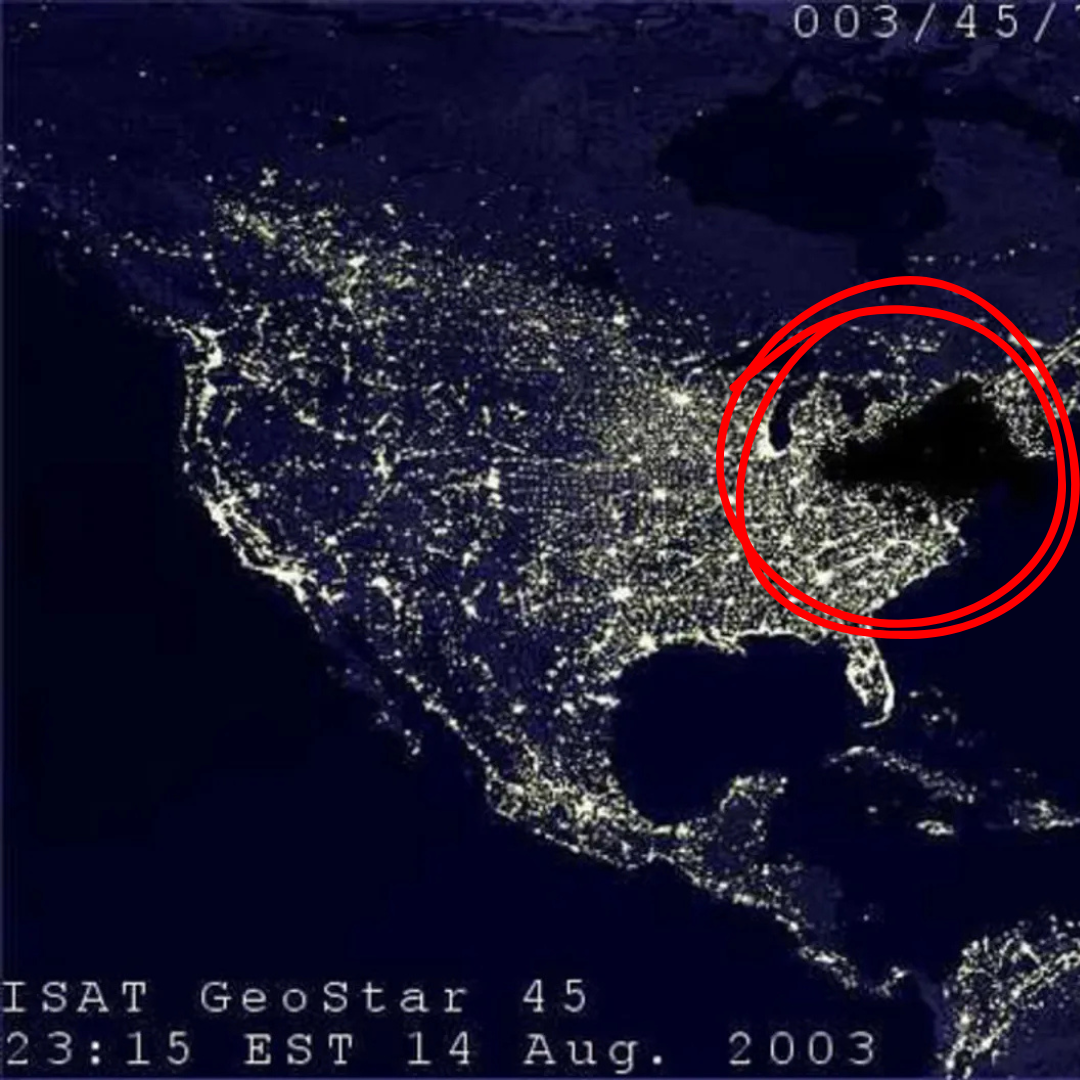
My father designed power grids for 40 years...what he told me two weeks before he died I'll never forget. My father was an electrical engineer for 42 years. He designed power distribution systems for rural communities. Small towns that needed reliable electricity to survive. He retired in 2019. Passed away in 2021. Two weeks before he died, we were sitting on his back porch. He was weak. The treatments had stopped working. He had worked hard all of his life. But his mind was still sharp. He looked out at the power lines running behind his property—the same lines he'd helped design thirty years earlier—and said something I'll never forget. "Son, those lines are rated for 25 to 30 years maximum. They're almost fifty now. And nobody's replacing them." I didn't really understand what he was getting at. "They're still working though, right?" He gave me this look. Half sad. Half frustrated. "Working and safe aren't the same thing. The equipment out there... transformers from the 1970s, transmission lines from the 1960s, substations built when Nixon was president... it's all decades past its design life." He took a slow breath. "I spent years trying to get people to understand. The grid is going to fail. It's failing because it's old. And the money to fix it doesn't exist." I thought he was just being pessimistic. An engineer worried about the state of things. But then he said something that made me stop. "When it finally goes down—and it will—most people won't understand what's happening. They'll think it's temporary. That help is coming. That their stored supplies will last." He turned to look at me. "The first thing they'll lose is water. Not because of panic. Because municipal water systems run on electricity. And when fifty-year-old materials fail under load they weren't designed for, the water stops." My father died two weeks after that conversation. I thought about what he'd said during the funeral. During the weeks after. But eventually life moved on and it became just another memory. Then last year, I was going through his files. He'd kept everything. Decades of project documents. Design specifications. Maintenance reports. I found a folder labeled: "Grid Equipment Analysis & Replacement Costs." Inside were many documents he had written in 2019. I started reading. "79% of transmission infrastructure was installed between 1950-1980. Operating 15-30 years beyond rated capacity and design life. Insulation degradation, conductor fatigue, structural stress from loading patterns infrastructure was never designed to handle." There was a handwritten note in the margin: "We built this system for 1970s demand patterns. Now we're running 10x the demand on equipment from the Eisenhower administration." I kept reading. He'd documented the problem in detail. The U.S. power grid was built primarily between 1960 and 1980. That's when suburban expansion happened. When electricity demand exploded. They built for projected demand through maybe 2000. 2010 at the latest. Now it's 2026. That equipment is 40 to 70 years old. And it's not just that it's old. It's that it's being used in ways it was never designed for. I read more at the bottom… Equipment Age: Infrastructure operating 15-30 years past design life. Failure rates increasing exponentially." Grid is designed for steady, predictable loads from centralized generation. Now, grid is experiencing massive loads from frequent natural disasters and data centers. "Equipment is experiencing stress cycles it was never engineered to handle." Then at the bottom of that page, in red pen: "This is an engineering problem. And it has no solution because replacement would cost $5 trillion minimum." I sat there staring at that number. $5 trillion. The entire federal infrastructure bill everyone celebrated was $1.2 trillion. For everything. Roads, bridges, water, internet, all of it. The grid alone needs more than double that. And that's just to replace what exists. Not to upgrade it. Not to harden it. Just to replace 50-year-old equipment with new equipment that does the same thing. I couldn't stop reading his files. "This is not theoretical. This is documented in Texas 2021, California rolling blackouts, Northeast blackout 2003. Aging equipment + unexpected stress = cascading failure." Then he'd written something that made my stomach drop: "In a cascading failure scenario with aged infrastructure, restoration time is not measured in hours or days. It's measured in weeks to MONTHS. "Coordinated failure across aged infrastructure—whether from simultaneous equipment death, heat wave, or grid stress—means no regional mutual aid. Rolling blackouts become permanent blackouts in affected areas." Then I found the part about water. "Municipal water infrastructure analysis: "Water infrastructure failure is not a secondary effect of grid failure. It is the guaranteed, physics-based consequence. And restoration takes longer than power restoration because water systems require pressure testing, contamination verification, pipe integrity checks before restart." I walked to my kitchen sink. Turned on the faucet. Water came out. Cold. Clean. Instant. Like it always does. I'd never thought about it. But my father had spent forty years thinking about it. Thinking about what happens when the grid finally collapses under load it was never designed to handle. I tried talking to my wife about it a few days later. "Sarah, did you know the power grid is basically running on equipment from the 1960s?" She looked up from her phone. "What?" "My dad's files. Transformers, transmission lines, all of it. It's decades past when it should've been replaced." "But it still works, right?" "Barely. But when it fails... the water stops too. Treatment plants need electricity. Pumps need electricity. When the grid goes down, water goes down with it." She looked worried. "For how long?" "The Texas Freeze lasted four to eight weeks." "But that was weather, right? They fixed it." "Yeah. With help from neighboring states. Federal resources. Supply trucks." I showed her my father's notes on cascading failures. "So our stored water..." We had maybe 15 gallons. I'd bought it thinking I was being responsible. "Four days. Maybe five if we really stretch it." "Then what?" I didn't have an answer. I bought more cases. Got the stockpile up to 30 gallons. Felt better. For about a week. Then I did the math my father would've done. Four to eight weeks until water infrastructure is restored after a major grid failure. That left thirty+ days with no water and no way to get more. I was preparing for a 1 week problem. My father had been warning about a two-month problem. And I had no plan after day 8. Three weeks later, I was helping my neighbor work on his truck. Mike. Retired from the Army Corps of Engineers. Twenty-two years doing infrastructure assessments in Iraq and Afghanistan. We were taking a break in his garage. I mentioned what my father had told me. About the aging grid. About how equipment was decades past its design life. Mike nodded slowly. "Your dad was right. I've seen it happen overseas." "Equipment failure?" "Infrastructure collapse from aging systems pushed beyond capacity. Happens faster than people think. Nothing we can really do about it but prepare." "But how are you going about it? Because water storage won't last after a month. Or say it gets so bad we have to evacuate elsewhere. Then what?" He stood up. Walked to his workbench. Opened a drawer. Pulled out a small case. Inside were four or five blue tubes. Each maybe six inches long. "What are those?" "Water filters." I picked one up. Surprisingly light. "Why do you have them?" He pointed out his window toward the creek behind our neighborhood. "That creek. The retention pond two streets over. All drinkable if you filter it properly." I looked at him. "Mike, that creek water is contaminated." "Can't drink it straight, no. But with proper filtration?" He held up the tube. "Clean." "You actually drink from that creek?" "Once a month for the last four years. Testing. Making sure it works. Never gotten sick." "Your father understood systems better than most people. He knew that equipment fails. That infrastructure has finite lifespans. And when fifty-year-old systems finally break, you need backups that don't depend on those same systems working." He handed me the filter. "When the grid goes down—whether from equipment failure or just old infrastructure dying under stress—water systems go down with it. Immediately. Not because of panic. Because pumps need electricity. Treatment needs electricity. Distribution needs electricity." "So you store water, right?" "Some. Maybe forty gallons. But that's four, five days. Then I need another solution." He gestured toward the creek. "That creek never stops flowing. The pond has half a million gallons. The lake has billions. The water doesn't disappear when infrastructure fails. The engineered systems that treat and deliver it disappear." Then he said something that sounded exactly like something my father would say. "Your dad spent his career managing electrical systems. He understood that infrastructure isn't guaranteed—it's a risk. And when you're managing fifty-year-old equipment past its design life under loads it was never built for, that risk catches up. When it does, you need solutions for you and your family. Because no one else will come and save them but you. Mike passed me the filter and told me to keep one. I went home. Spent the evening reading through more of my father's files. Found his section on "Water Infrastructure Dependency." He'd mapped it out completely. "Day 0: Grid failure from transformer cascade. Day 0-2: Water pressure drops as towers drain. Day 2-7: No water pressure. Treatment plants on backup generators. Day 7+: Backup fuel exhausted. Zero water production. Week 4-8: Grid restoration in progress. Water still offline. Week 8-10: Water system testing and clearance. Week 10+: Water restoration begins by zone." I thought about my stored water. 1 week if we rationed carefully. Then what? The creek behind our neighborhood flows year-round. The retention pond has half a million gallons. The water is there. All around me. I just couldn't safely drink it when the treatment infrastructure stops working. That's when I understood what my father and Mike were trying to tell me. I looked up the filter Mike had given me. HYDRA-X1. Primitive Labs Research. Started reading the technical specifications. Hollow fiber membrane filtration. 0.1 micron pore size. If the filter pores are 0.1 microns, contaminants physically cannot pass through. The same engineering principles my father worked with his entire career. Removes 99.9999% of bacteria. Removes 99.999% of parasites. No electricity required. No batteries. No moving parts. Rated for 400 gallons per filter. For one person: over a year. For my family of four: three months per filter. I thought about storing 400 gallons. That's eighty 5-gallon jugs. Where would I put that compared to this filter that weighs two ounces and fits in my jacket pocket. My family would have plenty during a grid failure, or any other potential emergency. My father would have understood this immediately. He spent four decades warning that aging infrastructure would eventually fail. This is a backup that doesn't need that infrastructure to work. That weekend, I tested it. Filled a bucket with water from the creek. Murky. Particles floating. Smelled like algae. I attached the filter to a standard water bottle. Filled it from the bucket. And I drank. Tasted like tap water. Not perfect. But normal. I waited 24 hours. Nothing. No stomach issues. No problems. Two days later, I tested it with Sarah watching. Filled a glass with tap water. Added dirt. Stirred it until it looked disgusting. She watched like I'd lost my mind. I filtered it. Drank it. "That's gross." "Tastes normal." I handed her the bottle. She took a small sip. Her eyes went wide. "That actually works." "Yeah." I explained everything. What my father had documented about aging infrastructure. What Mike showed me. How water systems fail not from attacks but from physics when fifty-year-old electrical equipment finally breaks. "So if the grid fails..." "We can drink from the creek. The pond. The lake. Anywhere there's water." She was quiet for a long time. "Your dad knew this was coming." "Yeah. He did." That night I ordered six more filters. We still have water stored. Maybe 40 gallons. For convenience. For the first few days. But I don't obsess over it anymore. Because I've shifted from storage to access. Before: stressed. Counting days. Knowing I probably didn't have enough. Knowing I couldn't store enough. Now: I know when those 40 gallons run out, I'm not out of water. I just switch to filtering. The creek's still there. The pond's still there. As long as any water source exists, my family has access to clean drinking water. I wish I could tell my father I finally understood. That I finally listened. That when fifty-year-old equipment finally fails—and like he said, it will—my family will have water. Systems fail. Equipment ages. And when infrastructure breaks, you need backups that don't depend on that infrastructure working. My father died three years ago. But what he told me is more true now than ever. The grid is going to fail. The infrastructure is 40 to 70 years old. Decades past its design life. Replacement would cost $2.5 to $5 trillion minimum. Infrastructure experts have documented this for years but the fixes are slow and underfunded. So the equipment keeps running. And aging. And getting pushed harder. Until it fails. And when it does—whether from a winter storm pushing old transformers past their limit, or cascading failures as aged equipment dies under stress, most people won't understand what's happening. They'll think it's temporary. They'll think help is coming. But my father's timelines show 4-12 weeks for grid restoration after equipment failure. And 2-3x longer for water infrastructure. Stored water runs out in days. The creek in your neighborhood flows year-round. The retention pond has half a million gallons. The lake has billions. Mike and I ordered the filters from Primitive Labs Research: primitivelabsresearch.com/products/hydra-x1-portable-filtration-unit Military grade. Lifetime warranty. Store some water. For convenience. But understand what my father understood. Storage is finite. Access is renewable. Infrastructure isn't guaranteed. It's managed risk. And when fifty-year-old systems fail, you need solutions that don't depend on those systems working. My father spent forty-two years trying to warn us. I'm listening now. Don't wait until aging transformers fail to wish you'd listened too. https://try.primitivelabsresearch.com/cmlzrfdnm022zm3cxh24flc51
Like this ad? Make it yours.
Crush rebuilds this exact creative around your product — your brand, your colors, your offer — in about a minute.