
Inactive· since May 25, 2026
- 109
- days it ran
- 0
- relaunches
Ad copy
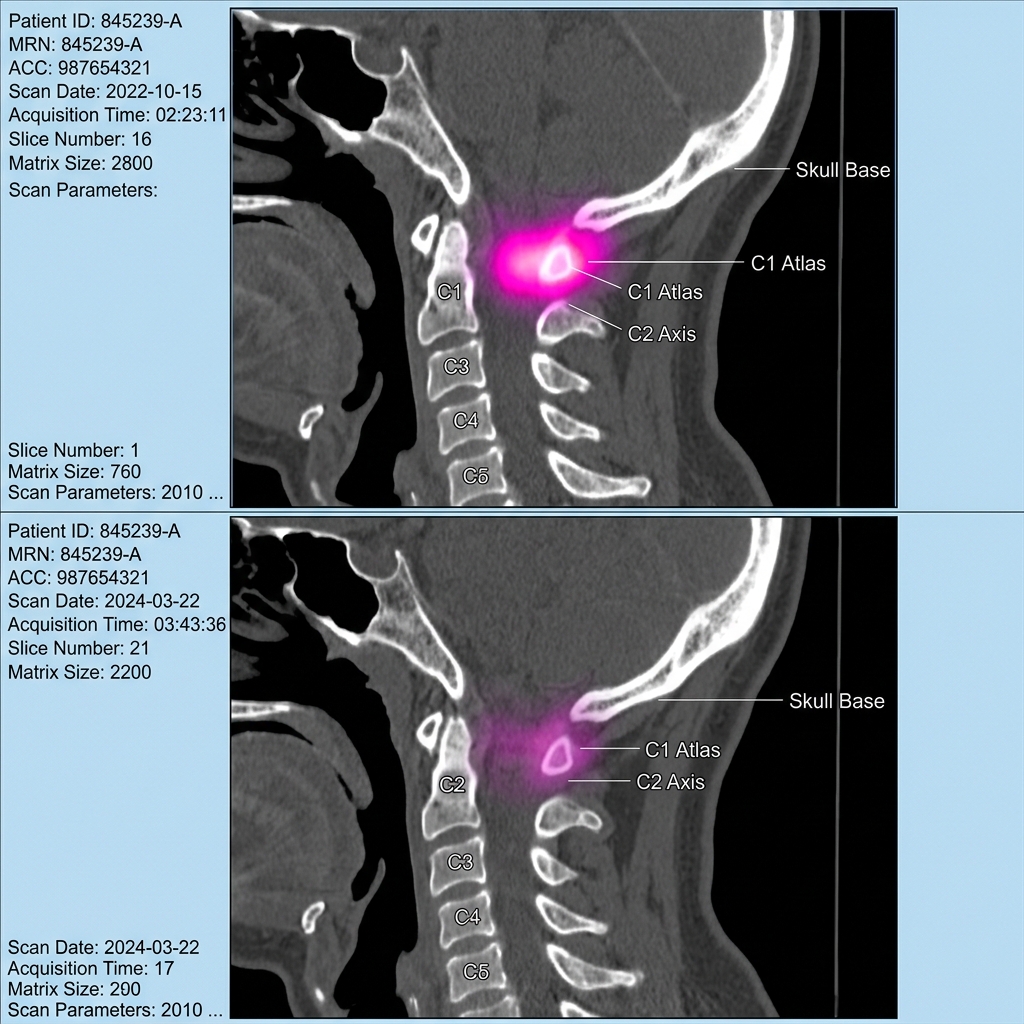
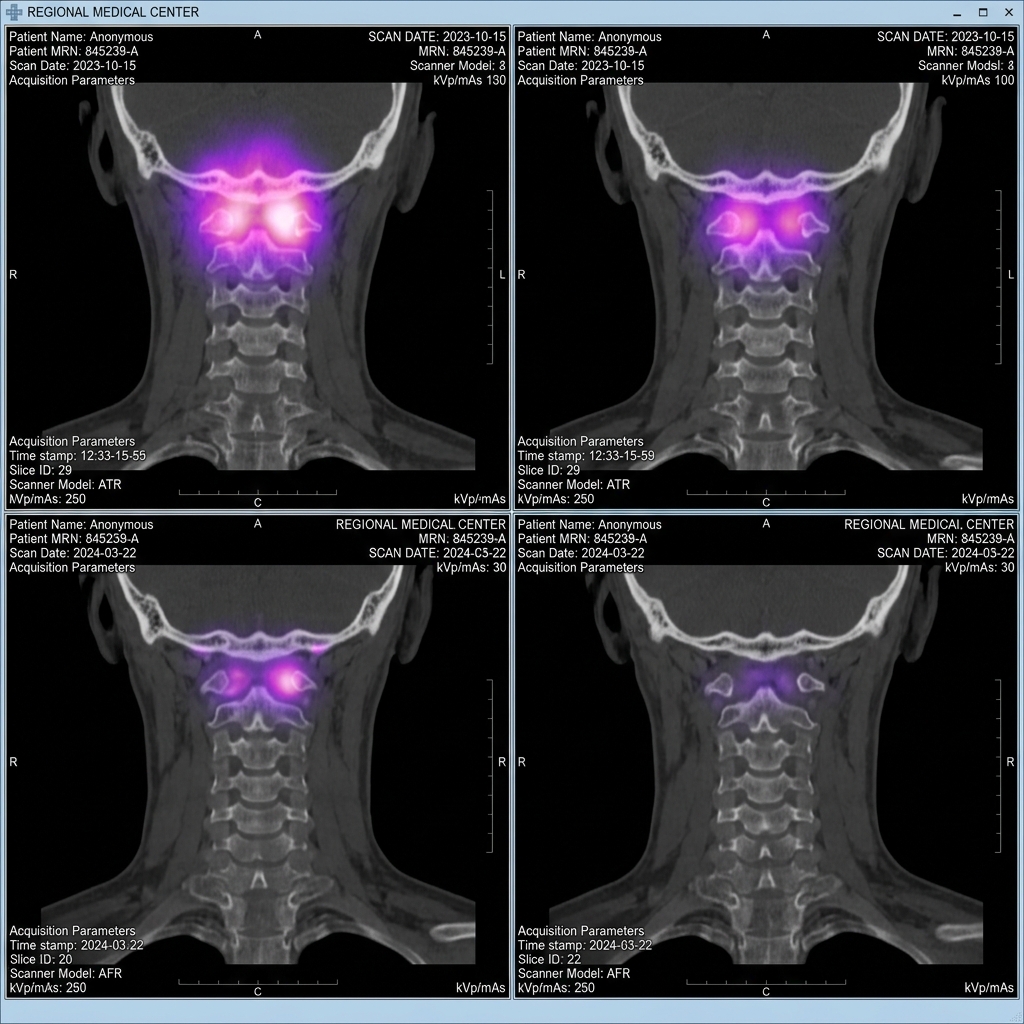
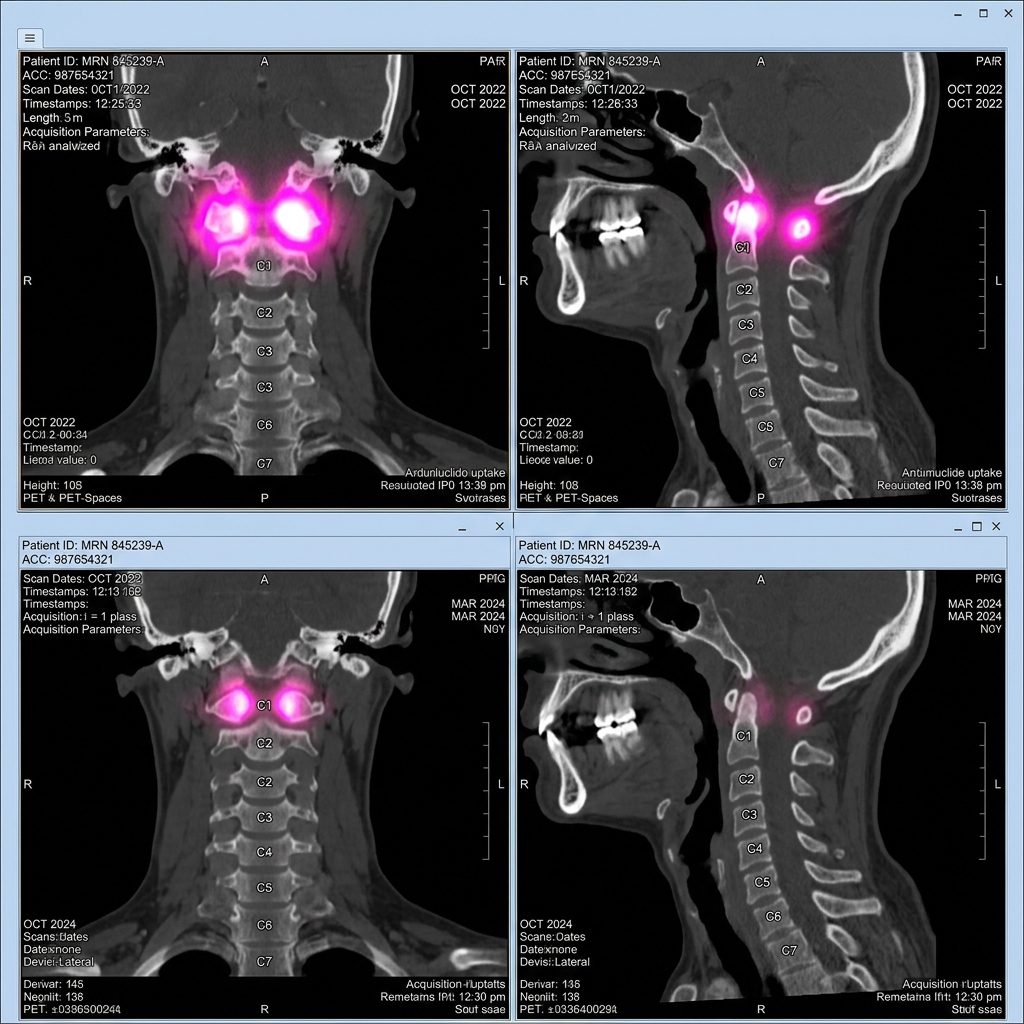
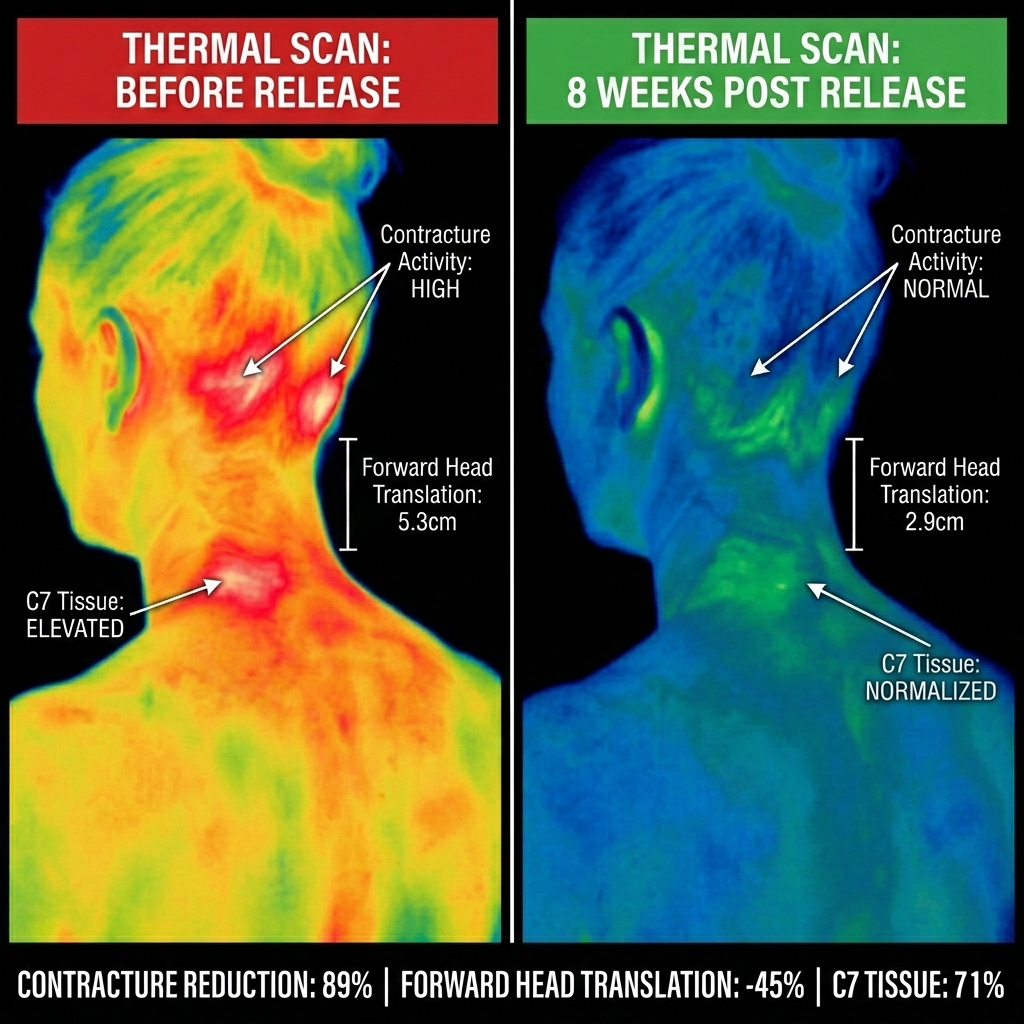
I've assessed too many progressing neck humps to stay quiet about this. If you're on a twice-weekly adjustment protocol right now, I need to tell you something your chiropractor isn't saying. I've treated 3,000+ cervical cases in 25 years as a manual therapist. And when a woman walks into my practice already on her second or third management escalation, I already know exactly where she's heading. 18 to 24 months before the tissue is established enough that her wardrobe has completely reorganized itself around one problem. Turtlenecks year-round. Hair always down. Standing at the back of every photo. And her cervical structure? Still building underneath. I'm Carol Bennett. Manual therapist, PT. 25 years in practice. I still see patients who've come from intensive management programs, but only when it's truly necessary. Established consolidation. Complete wardrobe reorganization. Women in their 70s whose tissue has been building for decades unchecked. What I see every day? Women in their 60s being escalated to intensive management who should never have gotten there. Women whose ease in the world ended years before the escalation even happened. And I was part of the system sending them. I've been recommending twice-weekly adjustment for 25 years. I've seen thousands of women start it. Thousands who felt some initial improvement and thought their problem was being handled. And I've seen what happens 3, 4, 5 years later when they come back. The 63-year-old who attended adjustment faithfully for three years. Never missed a session. Did everything her chiropractor told her. Ended up with tissue so established that she'd stopped appearing in any photograph. A wardrobe of five outfits she rotated because everything else required a calculation she couldn't face at 7 AM. Her tissue had been building the entire time she was attending. And so had her disappearance from her own life. The 67-year-old. Six years of twice-weekly adjustment. "Just managing it." The tissue slowly establishing while her wardrobe quietly reorganized itself. Open necklines gone. Then the intensive management stopped producing any measurable change at all. The 71-year-old. Her chiropractor escalated to three sessions a week. Still building. Still calculating. Still stepping back from every camera. I see these women in follow-up. They're grateful. They don't complain. But I know what they've lost. They had years to address what was actually happening at the suboccipital level. Years to release the contracture before it became established. Years to save themselves from a wardrobe reorganization that left their ease in the world permanently reduced. Their neck hump was giving them a warning the entire time. Adjustment just turned down the urgency while the real problem kept building underneath. When my own cervical progression started at 54, I knew something my patients don't. Tissue building at the base of my skull. That constant forward pull. The calculation starting to creep into my morning routine. My colleague looked at my assessment and said what manual therapists say to every patient. "Standard protocol. Start with twice-weekly adjustment. Should help with the tissue." I knew it would help the measurements. That wasn't the point. I'm a manual therapist. I started researching what was actually happening inside my suboccipital structure. Because I know what neck hump tissue actually is. And I knew adjustment wasn't going to release it. I spent months going through the research. Journal after journal. Study after study. What I found made me furious that I'd been recommending adjustment for two decades without addressing any of it. Here's what manual therapists don't tell you, because we were never trained to. Your neck hump isn't building randomly. It's the same problem operating through three simultaneous mechanical failures. The first is the suboccipital contracture. After years of accumulated forward load — screens, reading, driving — the suboccipital muscles at C1-C2 stop releasing after every forward movement. They lock. That lock pulls the head forward continuously. The body builds compensatory tissue at the cervical base to absorb the unrelenting stress. That tissue is the hump. And it keeps building as long as the contracture keeps pulling. The second is the joint-above problem. Standard adjustment mobilizes the cervical joint above the contracture. The joint moves. The tissue feels slightly different for a session. Then the contracture below re-engages within 24 to 48 hours. The head returns to forward. The tissue keeps building. The adjustment is working at the wrong address. The third is the release-signal failure. The suboccipital contracture won't release from mobilization above it. It requires three specific simultaneous inputs at the exact C1-C2 anatomical address: exact placement, gravity-assisted sustained delivery through the patient's own head weight, and minimum eight to ten minutes of uninterrupted hold. Below threshold on any one — the release signal never fires. Adjustment addresses none of these three at the contracture level. Zero. It mobilizes the joint above your suboccipital muscles for the duration of the session. Then it wears off. The contracture is still pulling your head forward and building tissue. The joint above is still being addressed instead of the lock below. The release signal has still never fired at C1-C2. Your tissue keeps building while you feel just enough improvement to think you're being treated. That is not treatment. That is a management model. November 3rd. 1:14 AM. I was reviewing manual therapy research after a late shift. My own progression was getting harder to ignore. The morning calculation taking longer. The tissue visibly more prominent in side profile. I was frustrated and getting angry about it. I was going through studies on suboccipital biomechanics and contracture release. Not looking for anything specific. Just determined to find something that made sense. Then I found it. A 2024 study from a manual therapy biomechanics institute. Direct suboccipital compression at C1-C2 — delivered at the precise anatomical address of the contracture, with gravity-assisted sustained force through the patient's own head weight, held for the minimum duration required for proprioceptive receptor activation — triggers sustained neurological release of the suboccipital contracture. The exact mechanism for all three mechanical failures simultaneously. Direct compression reduced forward head translation by an average of 34%. Decreased contracture re-engagement markers. Improved proprioceptive receptor response. Inhibited tissue accumulation simultaneously. And restored natural head positioning by re-establishing the neurological release signal. All three root causes. One mechanism. I sat there at 1:14 AM looking at what I had been missing for 25 years of practice. At 1:31 AM I searched for a tool that delivered all three inputs simultaneously. Not a foam roller. Not a cervical pillow. Not a general posture tool. Real direct suboccipital compression. Two precision nodes at exact C1-C2 placement. Gravity-assisted delivery through the patient's own head weight. At the hold duration the research actually supports. I found Cevera. Two precision foam nodes at exact C1-C2 placement. Gravity-assisted delivery through your own head weight. Ten-minute protocol before sleep. With an engineering standard designed for the minimum hold duration the research requires. Not a support cushion. The real contracture release mechanism. I ordered it at 1:43 AM. I began using it November 4th. Ten minutes before bed. Day 10. I woke up and reached for my usual high-collar blouse — then stopped. I stood there for a moment just processing it. I had reached for that blouse automatically without calculating. First time in months. Week 3. Stood in front of the mirror getting dressed on a Saturday morning. What I saw was different. The cervical line. Noticeably smoother. No pushing or checking. Just a different line. I stood there genuinely noticing it. I had forgotten what that looked like. Week 4. Stood at the front of a family photo. Without positioning myself. I didn't think about it. Didn't calculate. Just stood where I was. Month 2. I ordered my own follow-up assessment. Forward head translation down from 2.8cm to 1.6cm. Tissue at cervical base visibly reduced. Suboccipital pressure response measurable for the first time. My colleague looked at the numbers and said: "Carol, what are you doing? These don't move like this without intensive management. And your tissue is reducing?" "They do," I told her. "When you actually address all three mechanical failures at the same time with direct suboccipital compression. The contracture releases, the tissue stops building, both problems resolve." I started recommending it to patients in my practice who were heading toward established consolidation. Women whose ease in the world was already significantly reduced. Margaret. 72. Had intensive management scheduled. Hadn't worn an open neckline in 18 months. Two weeks, nothing. Week 3, got dressed in eight minutes without calculating. Week 4, stood at the front of a photo at her granddaughter's birthday. By week 6 her forward head translation had reduced measurably and she'd returned to her full wardrobe. She called and cancelled the intensive management. Patricia. 71. Her chiropractor was skeptical when she mentioned trying direct suboccipital compression. Maximum-frequency adjustment, tissue still building. Wardrobe fully reorganized. Six weeks later her translation had improved significantly. Morning ease returned. Her chiropractor asked her to write down what she was using. Dorothy. 67. Six years of twice-weekly adjustment. The wardrobe calculation had quietly ended her morning ease. Tissue established. Couldn't choose freely even when she tried. She worked with me to reduce adjustment frequency while using Cevera. Now getting dressed in ten minutes. Sometimes less. Her tissue reduced measurably. Full wardrobe restored. "I got that part of my morning back. That's not nothing when you're 67." In 25 years I had never seen results like that without intensive management. And I had never seen tissue and morning ease restore simultaneously. I am not telling you this because I am against adjustment. It manages cervical measurements. It gives temporary relief. It works exactly as designed. But it does not release the suboccipital contracture. It does not deliver direct gravity-assisted compression at C1-C2. It does not hold the position for the minimum duration required for the proprioceptive release signal to fire. It does not activate the three simultaneous inputs the contracture requires. It does not stop tissue accumulation. It temporarily mobilizes the joint above the contracture for the duration of the session while all three mechanical failures keep building underneath. And I see what happens to the women who stay on it long enough. A 2024 manual therapy outcomes study found that 57% of women on twice-weekly adjustment for more than five years saw no significant tissue reduction. More than half. After years of sessions, protocol escalations, management changes. No significant tissue reduction. And the tissue that had established during those years? Significantly harder to address afterward. Your tissue buildup right now — the calculation, the wardrobe, the positioning in photos — is your warning system. And you have two choices. Keep mobilizing the joint above the contracture while your tissue keeps building underneath. Or deliver the three inputs directly to the contracture while there is still time. I think about what I almost did. Not just accepting an adjustment prescription. That is not the point. I almost spent years managing cervical measurements while my contracture kept pulling and my ease in the world quietly disappeared toward the point where the tissue would be too established to address easily. I almost became the patient I was escalating to intensive management, wishing someone had told them earlier that there was another way. Because once the tissue is fully consolidated, once intensive management becomes the only conversation, the trajectory is harder. Established tissue takes longer to address. The wardrobe reorganization becomes permanent. The ease in the world doesn't come back the same way. And the morning calculation? It becomes automatic. You do not get a warning before that point. Your tissue buildup right now is the warning. Use it. Cevera costs $44.95 for a tool that lasts for years. Works out to cents a day. Compare that to hundreds a year on adjustment that only mobilizes above the contracture while your tissue keeps building. Or thousands for intensive management programs that address the joint while the contracture keeps pulling. It comes with a 90-day money-back guarantee. Use it for three full months. If your forward head translation hasn't reduced, if your morning calculation hasn't quieted, if your tissue hasn't measurably changed, return it for a full refund. No questions asked. I have never seen an adjustment clinic offer that. I have never seen a management protocol come with a money-back guarantee. And I have never seen a tool that addresses the contracture at the exact anatomical source with the exact mechanical inputs required. That is how confident I am in what direct suboccipital compression actually does. Save your cervical structure and your morning ease now, while you still can. 👉 https://trycevera.com/pages/adv-womens-wellness-report — Carol M. Bennett, PT Manual Therapist, 25 Years in Practice P.S. Give it 60 to 90 days. See the difference for yourself. You have nothing to lose except $44.95 and 8 to 12 weeks. The upside is saving yourself from escalated management that progressively establishes the tissue — and getting your morning ease back. P.P.S. You are not too late yet. You are still managing your measurements, even with building tissue. You are still making wardrobe decisions, even if they take twenty minutes. That means your contracture has not completely consolidated the tissue. Please deliver the three inputs now, before it does. Before the adjustment stops producing any measurable change, before your morning calculation becomes completely automatic, and before intensive management goes from being an option to being the only conversation left.
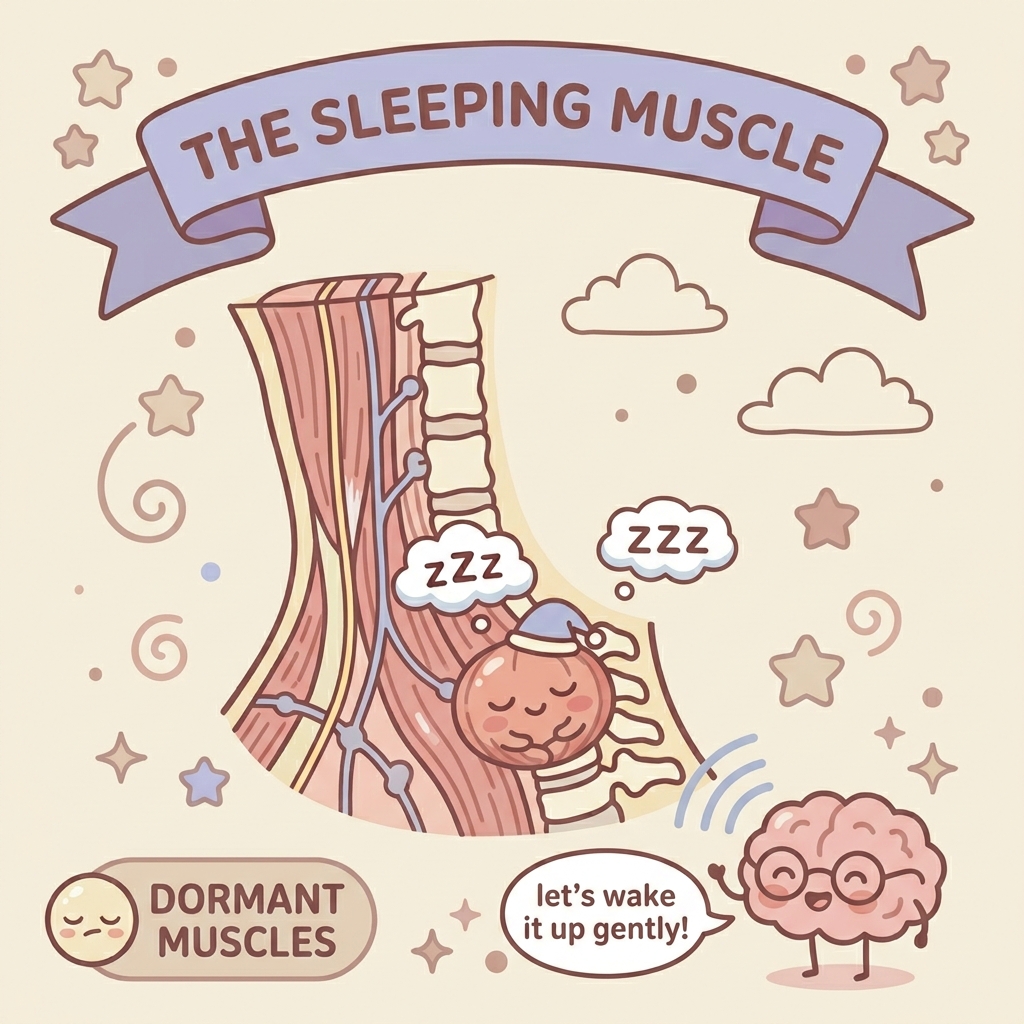
57% Of Women On Adjustment Still See Their Hump Keep Building
Restore your cervical release mechanism with direct suboccipital compression at C1-C2 — the three-input protocol that reaches the contracture adjustment never touches.
LEARN MORELike this ad? Make it yours.
Crush rebuilds this exact creative around your product — your brand, your colors, your offer — in about a minute.