Children Parenting Advices
Children Parenting Advices Facebook ad: “read this if you have a child or grandchild”
Ran for 10 days, from May 16 to May 26, 2026, the last day Crush saw it.
Run by Children Parenting Advices on Facebook. Crush is not the advertiser and does not verify its claims. See this ad in Meta's Ad Library(opens in a new tab)
Want an ad like this for your product?
Crush makes new ad images for your product from this ad: your logo, your product photo, your offer.
Trials from $19.95 USD, then $79.95 USD a month. Cancel anytime.
About this ad
- Meta Ad Library ID
- 2256248558480099
- Platforms
- Facebook, Instagram, Audience Network, Messenger and Threads
- Relaunches
- 0
- Niche
- Parenting & Kids
Ad text
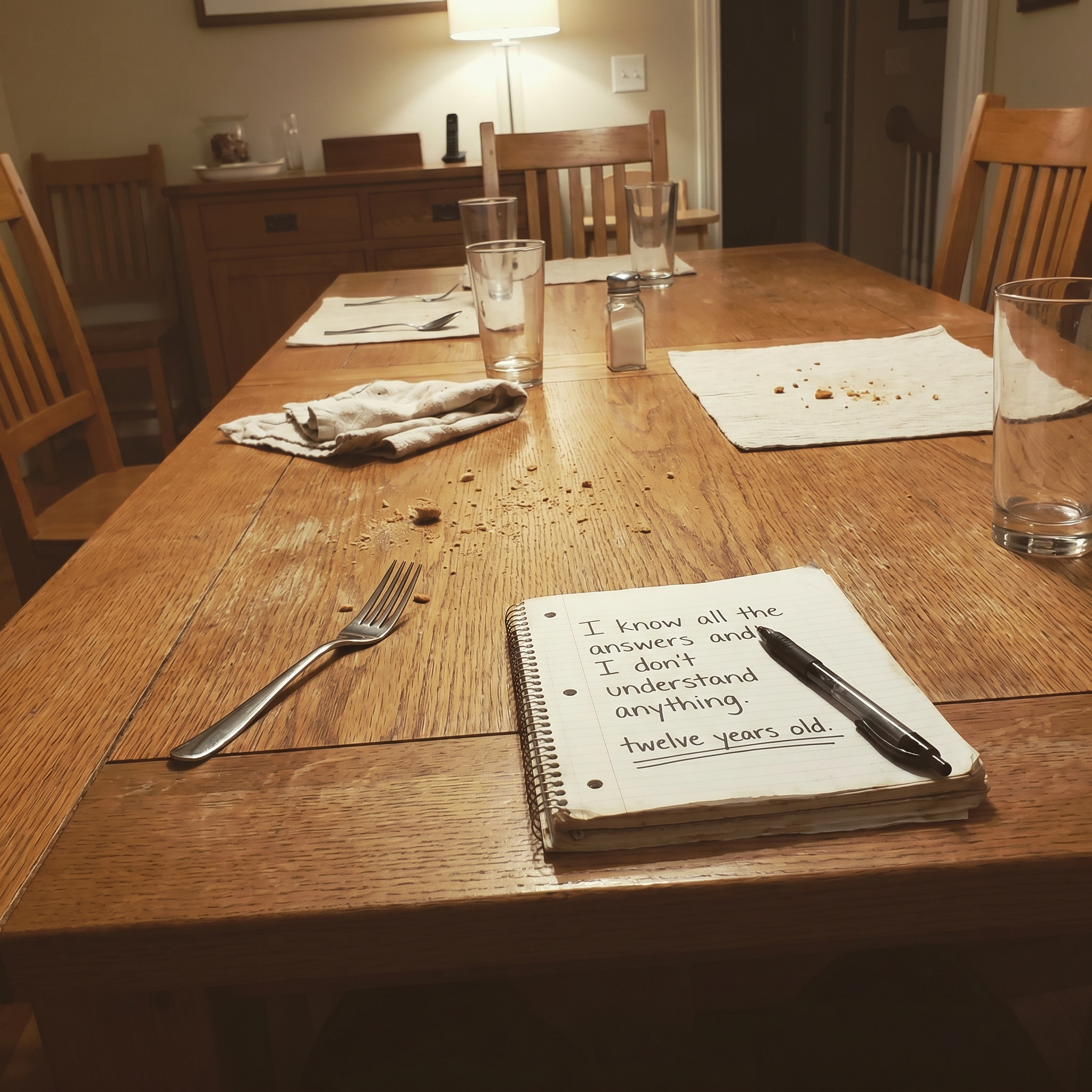
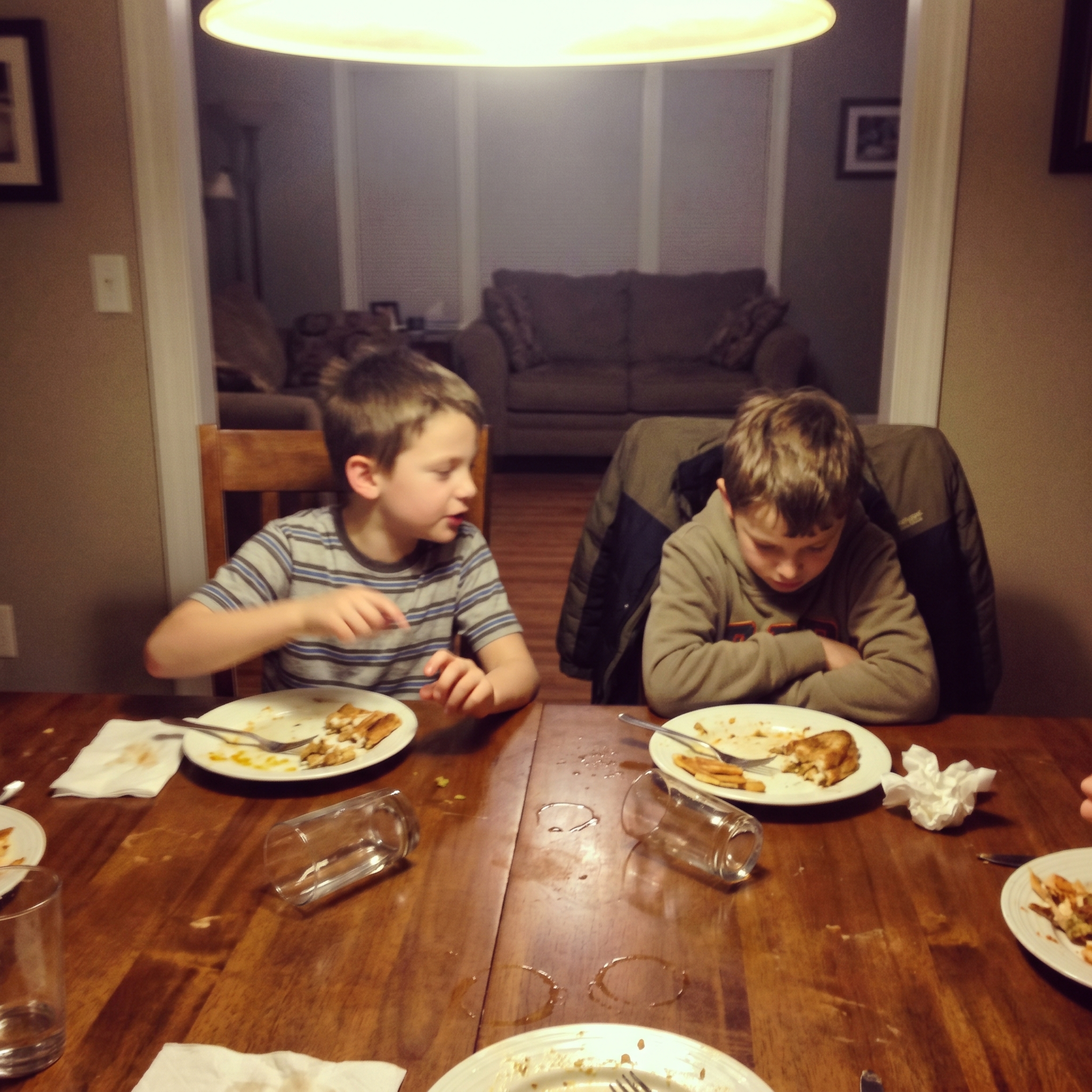
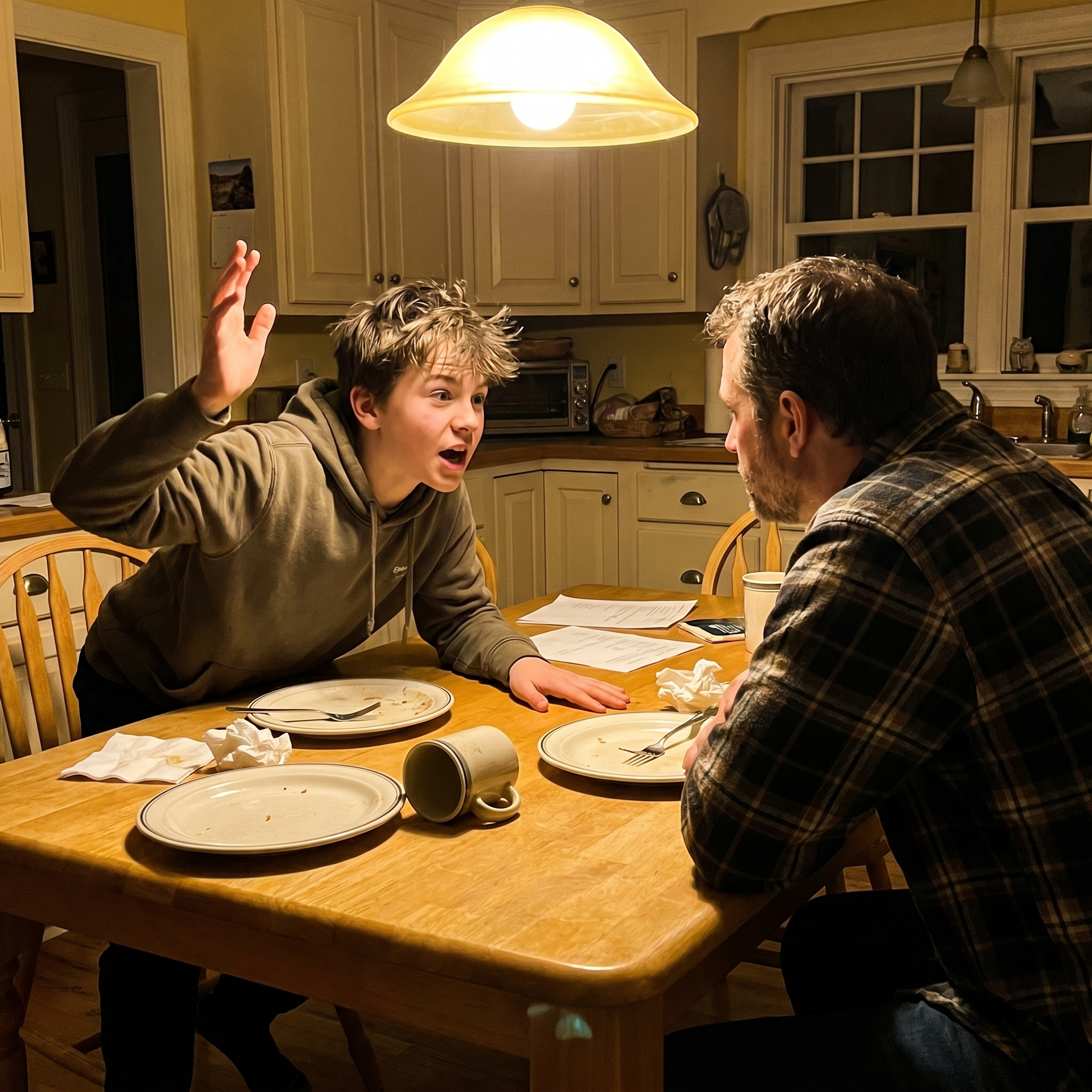
My son's school report said he was "withdrawn and reluctant to contribute." I've never once seen him withdrawn. At home he's loud, funny, ridiculous. I called the school. His teacher said he seemed like he didn't believe his thoughts were worth saying out loud. I didn't know he thought that. I've been raising this kid for thirteen years. I missed that completely. I've been Jamie's dad for thirteen years. He is the loudest person in any room he's comfortable in. Ridiculous voices. Elaborate stories. Arguments about nothing that somehow become the funniest conversations I've ever had. Last month his school report arrived. I read it at the kitchen table. Jamie is a pleasure to have in class but remains withdrawn and reluctant to contribute to group discussions. I read it twice. Withdrawn. My son. Who once spent forty minutes explaining to me why a specific type of cloud was unfairly underrated. I called the school the next morning. His form teacher Mrs. Clarke answered. I asked what withdrawn meant. She was careful. She said Jamie rarely volunteered answers. That when asked directly he'd give the minimum. That he seemed like a boy who had thoughts but didn't trust them enough to say them out loud in front of other people. She said: "He seems like he doesn't believe what he thinks is worth hearing." I sat at my desk. He doesn't believe what he thinks is worth hearing. The kid who explains cloud classifications to his dad at the dinner table. Doesn't believe his thoughts are worth hearing. That night I sat with Jamie and asked him the questions that actually mattered. Why don't you talk in class? What do you think happens if you say the wrong thing? Do you think your thoughts are worth saying out loud? Why is home different? Jamie looked at the table. Jamie: shrug. Jamie: "I don't know." Jamie: quiet. Then: "What if I say something and it's wrong and everyone thinks I'm an idiot?" Jamie: "At home it doesn't matter if I'm wrong." At home it doesn't matter if I'm wrong. Thirteen years of him being loud and funny and ridiculous. He'd been doing it in the only place it felt safe. He didn't know the outside world was safe enough too. That night I sat at the kitchen table. I thought about every dinner conversation. Every elaborate theory. Every ridiculous argument. Every voice he'd done. He trusted me with all of it. He hadn't been taught to trust anyone else with it. That was on me. I've spent £4,200 on Jamie's education this year. The tutoring. The school trips. The revision materials. Everything pointed at his performance. Not one conversation about why he wouldn't perform. The following week I was at a football match. A dad named Steve was on the touchline next to me. His son was in Jamie's year. I told him about the report. He nodded slowly. "Tyler's said the same thing for two years," he said. "What did you do?" He reached into his jacket. A small card deck. "My wife found these. QuestKids. Tyler picked one the first night. Told us something he'd been thinking about for months. Something he'd never said out loud because he didn't know if it was worth saying." He showed me one. "What's something you think about that you're not sure anyone else would find interesting?" Tyler had talked for thirty minutes. "He thought nobody would find it interesting," Steve said. "Turned out it was the most interesting thing he'd said in years. He didn't know that until he said it." He put the card away. "He started putting his hand up the following week. First time in two years." I ordered them before the second half started. Week 1: Jamie at the kitchen table. Box between us. He picked a card without being asked. "What's something you think is true that most people would disagree with?" He launched. Fifteen minutes. An argument about something I'd never considered. Specific. Detailed. Funny. Wrong in places and right in others and completely his own. When he finished I said: "You should have said that in class." "Nobody wants to hear that in class," he said. "How do you know?" I said. He stopped. "I don't," he said. "Then you don't know they don't," I said. He looked at the card. "What if they think I'm an idiot?" "What if they think you're the most interesting person in the room?" I said. He sat with that. "That seems less likely," he said. "It seemed unlikely to me too," I said. "Then you talked for fifteen minutes and I changed my mind." Week 3: Jamie asked me what I thought about when I was his age. I told him the real version. That I'd had thoughts I didn't say out loud for years. That I'd spent most of secondary school editing myself before I spoke. That I wished someone had told me earlier that the edited version was worse than the original. He was quiet. "That's what I do," he said. "I know," I said. "How do I stop?" "Practice," I said. "Start here. Every week. Say the unedited version. Get used to hearing it out loud. Then it gets easier to say it other places." He picked up the next card. "Okay," he said. "Ask me another one." Week 6: Mrs. Clarke emailed on a Thursday. Jamie had answered a question in class. Unprompted. She said the class had gone quiet afterward. Not because it was wrong. Because it was the most interesting answer she'd heard to that question in eleven years of teaching it. She asked what had changed. I told her we'd been practising saying things out loud at home. She said: "Whatever he's been saying — keep encouraging it. He has a mind worth hearing. He just needed to believe it." I sat at my desk. A mind worth hearing. He'd had it his whole life. In my kitchen. He just hadn't known it counted anywhere else. Last Sunday: Jamie came downstairs with the card box. He sat across from me. He had one already picked. "What's something you said recently that surprised you by coming out right?" He smiled. "In English on Friday," he said. "Mrs. Clarke asked what the author was trying to say. I had an answer. I said it. She wrote it on the board." He looked at the card. "She wrote it on the board, Dad." I looked at my son. Thirteen years of him being loud and funny and ridiculous in my kitchen. Now he was being loud and funny and ridiculous in front of thirty people. And someone was writing it on a board. "That's what I've been trying to tell you," I said. "I know," he said. "I believe it now." A present dad isn't one who tells his son his thoughts are worth hearing. It's one whose son believes it. If your kid is one person at home and a different one everywhere else... If the funniest most interesting version of them only comes out in your kitchen... If they've been editing themselves before they speak because they don't know the outside world is safe enough... The problem was never ability. It was belief. Before another report says withdrawn when you know they're not. Before they spend another year editing themselves down to the minimum. Before the thoughts worth hearing stay in your kitchen forever. I've been raising the loudest kid I know for thirteen years. A £34.90 card showed him the outside world was worth being loud in. The cards are called QuestKids. 150 questions for the kitchen table. The ones that practise saying the unedited version out loud. The ones that show him his thoughts land. The ones that build the belief that what he thinks is worth hearing. He's not withdrawn. He just doesn't know yet that the rest of the world is ready. Show him.
Where the ad sends people
eduquestkids.com
read this if you have a child or grandchild 👆
INTELLECTUAL ADVANTAGE DAILY QuestKids 150 Cards ➡ Top Educator Exposes the 'Emotional Window': Why Most Children Stop Sharing Their Inner World With Parents Before Age 12 - And the 15-Minute 'Ritual' That Gets It Back By David Sterling, Retired Academy Director April 05, 2026 at 10:24 am EDT Betw...
Shop now: eduquestkids.com(opens in a new tab)