Nutragrace
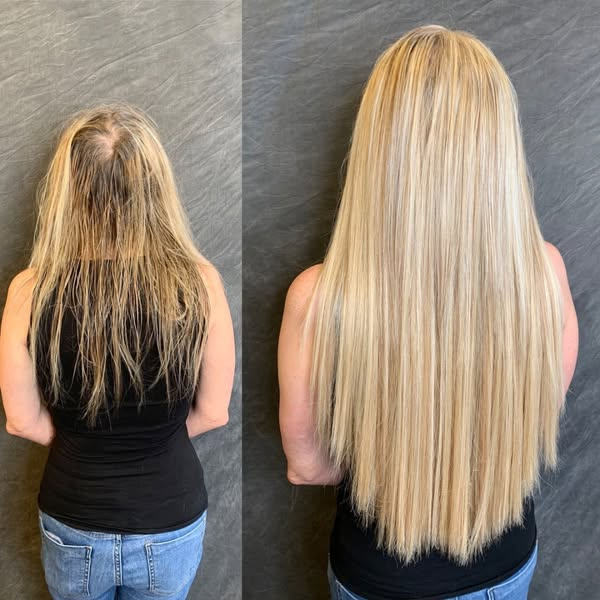
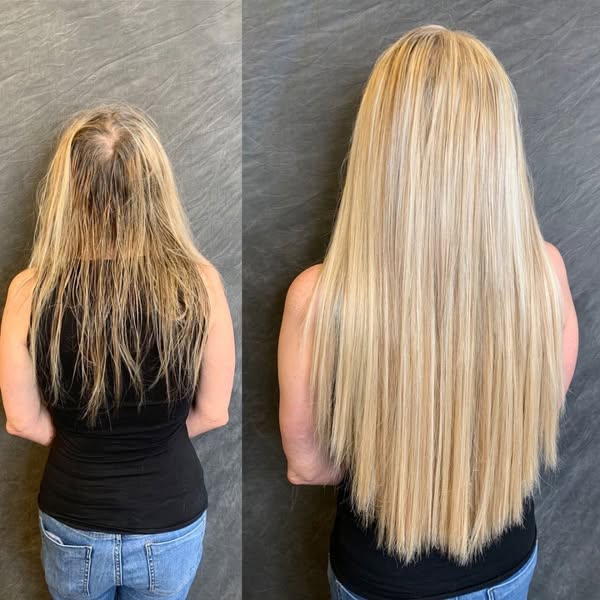
 Facebook ad: “Support healthy hair and bladder control every day”
Ran for 11 days, from November 5 to November 16, 2026, the last day Crush saw it.
Run by Nutragrace on Facebook. Crush is not the advertiser and does not verify its claims. See this ad in Meta's Ad Library(opens in a new tab)
Make your own version of this ad
Crush makes it, launches it in your own Meta ad account, scales the winners and pauses the losers.
About this ad
- Meta Ad Library ID
- 2261536371295081
- Platforms
- Facebook, Instagram, Audience Network, WhatsApp and Threads
- Relaunches
- 0
Ad text
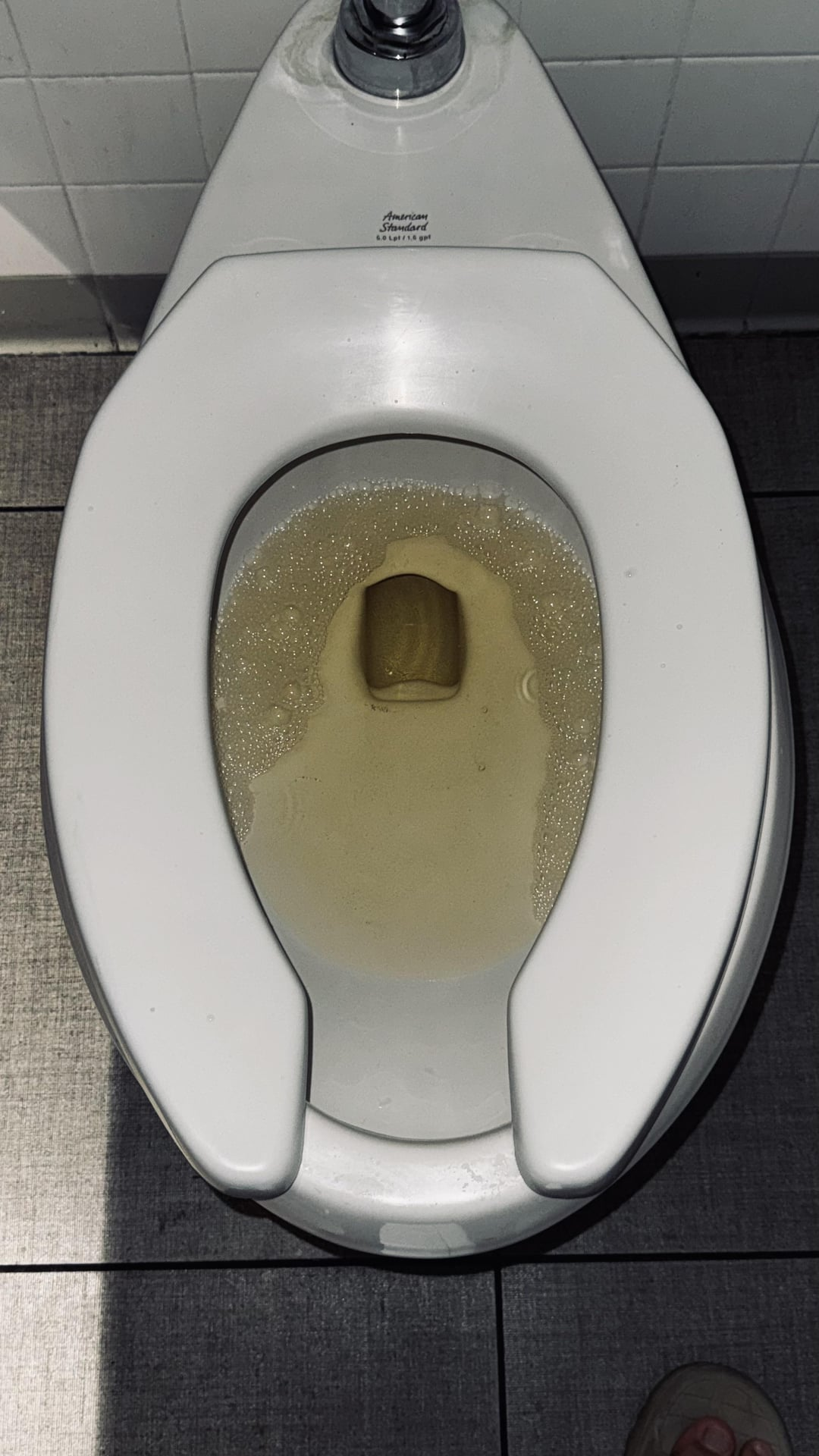
The bubbles in my toilet bowl didn't pop for eleven minutes on a Tuesday in October and I timed it because I didn't know what else to do. That's the part nobody prepares you for. Not the diagnosis. Not the lab results. Not the doctor visit. The standing alone in your own bathroom at 5:47 in the morning, watching foam float on top of your urine like somebody poured dish soap in the bowl, and knowing in your gut that your body is telling you something your doctor won't say out loud. My name is Curtis. I'm 61 years old. I live in a three bedroom ranch on Prescott Street in Memphis, about ten minutes south of the FedEx Forum, with a chain link fence I keep meaning to replace and a carport that leaks on the driver's side when it rains hard. My wife Gloria passed in 2021. Pancreatic. Fast. She went from planting tomatoes in the backyard in April to a hospital bed in the living room by July. The hospice nurse told me most people have months. Gloria had eleven weeks. I still grow the tomatoes every summer because she asked me to. I eat them standing at the kitchen sink with salt, the way she used to, and I pretend she's standing next to me. I drove the Number 50 bus for Memphis Area Transit for 29 years. Downtown loop. Beale Street to the medical district and back, eight times a day, five days a week. I retired in 2022, six months after Gloria. I couldn't sit in that driver's seat anymore without looking in the rearview and expecting to see her get on at the Poplar stop with her lunch bag like she used to every Thursday when she worked at the clinic. I have one brother, Jerome. Jerome is 64 and lives in Southaven with his wife Patricia. Jerome has been on dialysis since he was 58 years old. Three times a week, four hours a session, at the DaVita clinic on Goodman Road. I drive him on Mondays because Patricia works. I sit in the waiting room with a Styrofoam cup of coffee and a crossword puzzle and I listen to the machines hum through the wall and I think about what Jerome used to be and what he is now. This story is about Jerome. And it's about an eleven minute foam test in my bathroom on a Tuesday morning. And it's about what happened in a barber's chair on Lamar Avenue that changed everything I thought I knew about my own body. But I need to start at the beginning. I started noticing things about two and a half years ago. Small things. Things you brush off when you're 58 and retired and you figure this is just what getting old feels like. The first thing was the bathroom. I started getting up at night. Not once. Not twice. Three, four, sometimes five times between midnight and six. I'd shuffle down the hallway in the dark, do my business, shuffle back, lie down, and twenty minutes later my bladder would be screaming again like I'd just drank a gallon of sweet tea. I told myself it was the prostate. Every man my age figures it's the prostate. The second thing was the swelling. My ankles. By noon they'd be puffy. By evening they'd be round. I stopped wearing my good shoes to church because I couldn't get them on by Sunday morning. I switched to the slip-on ones that Gloria used to call my "old man shoes" and I hated them but at least they fit. The third thing was the tired. Not sleepy. Tired. The kind of tired where you sit down in the recliner after breakfast and wake up two hours later and you don't know where the morning went. The kind where you're standing in the kitchen waiting for the microwave and you lean against the counter because standing for two minutes feels like standing for twenty. The kind where your brother calls and says "you sound different" and you say "I'm fine" and you both know you're lying. I went to my doctor. Dr. Okafor. Good man. Been seeing him since I moved to Prescott Street in 2006. He listens. He looks at the chart. He orders the labs. He sends you home. He ran a metabolic panel. He ran a urine test. He took my blood pressure. He looked at the results and he said, "Your creatinine is a little elevated. Your eGFR is at 58. There's a small amount of protein in your urine. This puts you at Stage 3a CKD." I said, "What does that mean?" He said, "It means your kidneys aren't filtering quite as efficiently as they should be. It's common at your age. We'll want to monitor it." Monitor it. I said, "What do I do?" He said, "Cut back on sodium. Stay hydrated. We'll recheck in three months." I said okay. Three months later my eGFR was 55. He said, "Slight decline. Could be normal variation. Let's check again." I said okay. Three months after that. 52. He said, "Still Stage 3a. We're watching it." I said, "It's going the wrong direction." He said, "These things can fluctuate. Try to stay active. Keep the sodium low." Three months later. 49. He said, "We might want to think about seeing a nephrologist at some point." At some point. My brother Jerome's eGFR was 48 when they told him to "keep watching." Two years later he was sitting in a dialysis chair with a fistula in his arm and a look on his face like somebody had stolen the rest of his life. I want to tell you what was happening to my body during those months of "monitoring," because Dr. Okafor never asked me. He asked about the number. He asked about the creatinine. He never asked what it felt like to be the person attached to the numbers. It felt like I was rusting from the inside. I'd wake up at 5 in the morning after getting up four times in the night and my legs would feel like they were filled with wet sand. I'd swing them over the side of the bed and my ankles would already be tight. Not swollen yet. Just tight. Like the fluid was already gathering, getting ready for the day. I'd make my coffee and sit at the kitchen table and by the time I finished the cup I'd have to go to the bathroom again. And every time I went, I'd look down at the bowl. And every time, there they were. The bubbles. Floating on the surface like a layer of soap scum. Not dissolving. Not popping. Just sitting there. I started timing them. I don't know why. I think I needed to know if it was getting worse. I'd flush, do my business, look at my phone, and wait. In the beginning they'd dissolve in about three minutes. Then five. Then seven. Then one morning in October, I stood there and watched them float for eleven straight minutes before I finally flushed again because I couldn't stand looking at them anymore. Eleven minutes of bubbles that wouldn't pop. That's what protein in your urine looks like when nobody tells you what it means. I stopped going to the diner on Saturday mornings with my friend Ray because the walk from the parking lot to the door made me short of breath and I didn't want him to see me leaning on the parking meter. I told him I was busy. He stopped asking after a while. I stopped mowing my own lawn. Hired the kid from two doors down. Told him my mower was broken. It wasn't. I just couldn't push it a full pass without stopping. I stopped visiting Jerome on Mondays. Told Patricia I had an appointment. I didn't have an appointment. I just couldn't sit in that waiting room listening to the machines anymore because every time I heard them I'd think: that's going to be me. That chair is going to have my name on it. I'm going to be the one with the tubes in my arm while my brother sits in the waiting room pretending to do the crossword. The thing about watching a number go down is that nobody treats it like an emergency until it's too late to do anything about it. When it's 58, they say it's common. When it's 52, they say let's keep watching. When it's 49, they say we might want to think about a specialist. And somewhere between 49 and 30, the word "dialysis" starts showing up in the conversation like an uninvited guest that everybody was expecting but nobody wanted to acknowledge. I want to tell you about the barber now. Because that's where everything changed. My barber's name is Leroy. Leroy Carter. He's been cutting hair on Lamar Avenue for 33 years. Same chair. Same mirror. Same talk radio playing from a clock radio on the shelf behind the Barbicide jar. Leroy knows everything about everybody in the neighborhood because a barber's chair is a confessional and nobody can keep their mouth shut when somebody's holding a straight razor near their ear. I was in Leroy's chair on a Saturday in early November. He was lining me up. We were talking about the Grizzlies. Normal stuff. Then he said, "You look tired, Curt." I said, "I'm always tired." He said, "Nah. You look tired tired. You look like Jerome looked." That stopped me. I said, "What do you mean I look like Jerome looked?" He put the clippers down. He turned my chair so I was facing him instead of the mirror. And he said, "Jerome sat right where you're sitting about six years ago and he looked exactly like you look right now. Gray in the face. Puffy. Moving slow. I told him the same thing I'm about to tell you." I said, "What's that?" He said, "Your kidneys are in trouble." I said, "I know they're in trouble. My doctor's been monitoring them for a year and a half." He said, "Monitoring isn't doing. Monitoring is watching you fall and writing down which stair you hit." I didn't say anything. He told me about his cousin, Darlene, who lives in Little Rock. Darlene's eGFR was 42 three years ago. Stage 3b. Her doctor had her on a low protein diet and a blood pressure pill and told her to come back in six months. Darlene's niece, who works at a health food co-op in Hot Springs, sent her a bag of something in the mail. Didn't even tell her what it was for at first. Just said, "Auntie D, take two of these every morning with your coffee. Just try it for three months." I said, "What was it?" He said, "Pumpkin seed oil." I'd eaten pumpkin seeds before. Roasted. Salted. Out of a bag on the couch watching football. I didn't think of them as medicine. I didn't think of them as anything except a snack you eat in October and forget about. Leroy told me what Darlene told him. That pumpkin seed oil had been used in parts of Europe and central Asia for centuries for kidney and urinary health. That it was one of the most studied natural seed oils for supporting kidney function. That there was actual research behind it, not internet rumors, not TikTok claims, but clinical studies published in real journals. I asked him how Darlene was doing. He looked at me for a long time. Then he said, "Her eGFR went from 42 to 61 in fourteen months." I didn't say anything for about thirty seconds. Leroy went back to my fade. The radio was playing an ad for a car dealership on Summer Avenue. I could hear the buzzer at the laundromat next door going off. Then I said, "Say that again." He said, "42 to 61." I said, "That's not possible. They told Jerome kidney function doesn't come back." He said, "They told Darlene the same thing." I went home that afternoon. I sat down at the kitchen table with my laptop. And I went down a hole I didn't come out of for five hours. I'm going to tell you what I learned, because Dr. Okafor never told me any of this and I think every person with kidney numbers going the wrong direction deserves to know it. Your kidneys have about a million tiny filters in each one. They're called glomeruli. Each one is a microscopic knot of blood vessels wrapped so tight that they can separate what your blood needs to keep from what it needs to throw away. They do this about 50 times a day. Every drop of blood in your body passes through those filters roughly once every 30 minutes. That's their whole job. Filter. Sort. Keep the good stuff. Flush the bad stuff. When those filters are healthy, they hold onto protein. Protein is supposed to stay in your blood. It's not supposed to end up in your toilet bowl. When you see foam in the bowl, what you're looking at is protein that leaked through filters that are too damaged to hold it in. The question is: why are the filters damaged? The answer, in most people who aren't diabetic and don't have a genetic condition, is two things. Oxidative stress and chronic inflammation. Oxidative stress is what happens when your cells produce too many free radicals and don't have enough antioxidants to neutralize them. It's the same thing that rusts iron, browns a cut apple, and corrodes a car battery. Inside your kidneys, it damages the delicate membranes of the glomeruli. It makes them leaky. It makes them stiff. It makes them less able to tell the difference between what should stay in the blood and what should leave. Chronic inflammation is the slow burn that happens when your immune system stays activated at a low level for years. It's triggered by processed food, excess sugar, environmental toxins, stress, lack of sleep. Inside your kidneys, it attacks the tissue around the filters and causes scarring. That scarring is called fibrosis. And fibrosis is what shrinks a kidney over time and turns a Stage 3a into a Stage 4 into a dialysis chair. The medications they give you for kidney disease don't address either of those things directly. ACE inhibitors reduce the pressure inside the glomeruli so less protein leaks through. That's useful. But it doesn't fix the oxidative damage. It doesn't calm the inflammation. It doesn't repair the membranes. It puts a smaller hose on a leaky faucet. The faucet is still leaking. They just made the puddle smaller. Pumpkin seed oil does something fundamentally different. It's been studied in renal research, mostly in Europe and parts of Asia, for over a decade. The studies show that pumpkin seed oil contains an unusually dense combination of compounds that work on the two root causes of kidney filter damage. First, the antioxidants. Pumpkin seed oil is rich in tocopherols, which are forms of vitamin E, and carotenoids, which are the pigments that give pumpkin its orange color. These are potent scavengers of the free radicals that cause oxidative damage to the glomerular membranes. They don't force anything. They neutralize the rust at the cellular level. They protect the filters from the inside. Second, the anti-inflammatory fatty acids. Pumpkin seed oil contains a high concentration of linoleic acid and oleic acid, both of which have been shown in studies to modulate the inflammatory pathways that lead to kidney fibrosis. They calm the slow burn. They reduce the scarring. They help the tissue around the filters stop attacking itself. Third, and this is the part that made me sit back in my chair, the phytosterols. Pumpkin seed oil contains beta-sitosterol and other plant sterols that have been shown to support healthy urinary function, healthy prostate tissue in men, and healthy bladder muscle tone. They address the bathroom trips. The urgency. The nighttime waking. Not by numbing anything. By supporting the actual tissue that controls the flow. Fourth, the zinc. Pumpkin seeds are one of the richest natural sources of zinc, which is critical for immune regulation and for reducing the overactive immune response that drives chronic inflammation in the kidneys. What all of this means in plain English is that pumpkin seed oil doesn't try to paper over the number on your lab report. It goes after the fire behind the smoke. It protects the filters that are leaking. It calms the inflammation that's causing the scarring. It supports the tissue that's making you get up four times a night. And it gives your body the raw materials it needs to support kidney function the way it was supposed to work in the first place. I sat at that kitchen table until 10:30 at night reading. I read studies from the Journal of Medicinal Food. The European Journal of Clinical Nutrition. Research out of universities in Germany, Austria, and Turkey where pumpkin seed oil has been used in clinical settings for urinary and renal support for years. Real research. Published. Peer reviewed. Sitting right there in plain sight. And nobody at Dr. Okafor's office had ever mentioned a single word of it. Not once. Four days after I sat in Leroy's chair, I ordered a bag of Everly Pumpkin Seed Oil softgels. I picked Everly because the sourcing was clean, the softgels were cold-pressed, and because when I read the reviews I saw people who sounded like me. People with numbers going the wrong direction. People watching foam in their toilet. People afraid of the chair. Two softgels a day. With breakfast. That was it. The first week, I didn't notice much. Maybe a little less pressure in my lower back. Maybe I slept a little deeper. I almost talked myself into thinking it was nothing. The second week, I noticed the bathroom trips. I got up twice instead of four times on a Wednesday night. I thought it was a fluke. Thursday night, twice. Friday, twice. By the following Monday I was sleeping from 11 to 4:30 without getting up at all. I hadn't done that in over a year. Three weeks in, I walked to the mailbox and back without my ankles aching. A small thing. But I stood at the mailbox holding an electric bill and I realized I wasn't leaning on anything. I was just standing there. Like a person. Five weeks in, I walked into the bathroom at 6 in the morning and I did what I always did. I looked down at the bowl. And I stood there. And I watched. The bubbles dissolved in under a minute. I flushed. I went again. Under a minute. I stood there in my bathroom in my underwear at six in the morning with my hands on the edge of the sink and I cried. Not loud. Not dramatic. Just the kind where your chin shakes and your eyes burn and something inside you lets go of a thing it's been holding for a long time. Seven weeks in, I mowed my own lawn. The whole thing. Front and back. Didn't stop once. Nine weeks in, I drove to Southaven on Monday morning and I sat in the waiting room at the DaVita clinic with my crossword puzzle and my Styrofoam cup and I listened to the machines through the wall and for the first time in two years I didn't think: that's going to be me. I went back to Dr. Okafor in January. He ran the full panel. He took the results off the printer and he looked at them and then he looked at me and then he looked at them again. eGFR: 64. He said, "What changed?" I said, "Pumpkin seed oil." He didn't write it down. He took his glasses off and rubbed the bridge of his nose and then he said, "I don't know what to tell you, Curtis. Whatever you're doing, don't stop." I haven't stopped. I told Leroy at the next cut. He said, "Told you." He's been telling everybody in the chair. Half the neighborhood is on it now. Ray, my friend from the diner, started taking it after I told him. His nightly bathroom trips went from five to two in three weeks. He called me at 7 in the morning to tell me he slept six hours straight for the first time since his wife's funeral. I told Jerome. That's the part I want you to sit with for a minute. I sat in Jerome's living room in Southaven on a Sunday afternoon in February and I told him everything. About Leroy. About Darlene. About the pumpkin seed oil. About my numbers. About the foam dissolving in under a minute. Jerome listened without saying anything for a long time. Patricia was in the kitchen. I could hear her loading the dishwasher. Then Jerome looked at me and he said, "Curt. They told me kidney function doesn't come back." I said, "I know what they told you." He said, "They told me I'd be in that chair for the rest of my life." I said, "I know." He said, "You think it would have made a difference? If I'd known about this six years ago? Before it got to 15? Before the fistula?" I didn't answer him. Because I didn't know. And I couldn't lie to my brother. But I thought about it all the way home. I thought about it at every red light on 55 North. I thought about Jerome sitting in that chair three times a week while the machine cleaned his blood because his kidneys gave up doing it. I thought about whether a cold-pressed seed oil from a gourd could have given him back the years that machine took. I'll never know. But I know this. My eGFR was 49 and heading for the chair. Now it's 64 and I mow my own lawn. I sleep until 4:30 without getting up. My ankles fit in my good shoes again. I walked into the sanctuary on Sunday morning and Deacon Harris said, "Curtis, you look ten years younger." I said, "I feel it." If you've been standing in your bathroom watching bubbles that won't pop and timing them on your phone because nobody else will tell you what they mean, I want you to know something. Those bubbles are protein. Protein is leaking through your kidney filters because those filters are damaged. They're damaged by oxidative stress and chronic inflammation that has been building for years while your doctor has been writing numbers on a chart and telling you to come back in three months. Your eGFR is not the disease. It's the score. The game is being played inside your glomeruli, in the membranes and the tissue and the blood vessels that are supposed to filter 50 gallons of blood a day and hold onto the protein your body needs. Everly Pumpkin Seed Oil delivers the antioxidants, anti-inflammatory fatty acids, phytosterols, and zinc that support those filters at the source. Not by forcing anything. Not by papering over the number. By giving your body what it needs to protect the filters, calm the inflammation, reduce the scarring, and support the kidney function that's been declining while everyone watched. Two softgels a day. With breakfast. I'm not a doctor. I'm a 61 year old retired bus driver who timed the bubbles in his toilet for eleven minutes on a Tuesday morning and cried in his bathroom five weeks later when they dissolved in under a minute. I'm telling you the same thing Leroy told me in his chair on Lamar Avenue. Your kidneys are not done. Your body is not done. The number on your lab report is not a death sentence. It is a smoke alarm. And the fire can be addressed. Stop watching. Start doing. 👉 https://get.shopeverly.shop/pumpkin-seed-oil/subtxt/mm-sht-ps P.S. Jerome started taking Everly Pumpkin Seed Oil in March. It's been five months. He's still on dialysis. His doctor hasn't changed anything about his treatment. But last week Patricia called me and said something I haven't heard her say in six years. She said, "Jerome mowed the front yard yesterday." He hadn't done that since before the chair. He told her he woke up and his legs didn't feel like cement and he just went outside and did it before he could talk himself out of it. I'm not making any claims about what that means. I'm just telling you what happened. And I'm telling you that when Patricia told me, I had to pull the car over because I couldn't see the road. P.P.S. I think about the timing a lot. I think about what would have happened if I'd found this a year earlier. If my eGFR was still at 58 instead of 49 when I started. I think about how many months I spent "monitoring" while the number crept down and the bubbles lasted longer and my ankles got tighter and nobody offered me anything except the same appointment in three months. Every day you spend watching is a day your filters are taking damage that doesn't have to happen. I wasted 18 months. Don't do what I did. P.P.P.S. If your husband is in the bathroom four times a night and he won't talk about it, if your mother's ankles are swollen and she says it's just the heat, if your father's numbers have been "borderline" for two years and the doctor keeps saying "let's watch it," if you yourself have been staring at bubbles in your toilet bowl at 6am wondering what they mean and whether your body is telling you something nobody else will say out loud — it's telling you your filters are leaking. It's telling you protein is going where it shouldn't. It's telling you the oxidative damage and the inflammation are winning and the clock is running. Two softgels. With breakfast. Cold-pressed pumpkin seed oil with the antioxidants, fatty acids, phytosterols, and zinc your kidneys have been starving for while everyone watched. You don't have to be the next person in the chair. You don't have to watch the number fall one more time and hear "let's monitor it" one more time and walk back to your car one more time feeling like nobody is doing anything because nobody is. This is doing something. 👉 https://get.shopeverly.shop/pumpkin-seed-oil/subtxt/mm-sht-ps
Where the ad sends people
get.shopeverly.shop
Support healthy hair and bladder control every day
"I've been taking this for three months. I used to pull out handfuls every time I washed my hair. Now I barely shed at all, and my stylist actually asked me what I changed. My part looks fuller than it has in years."
Learn more: get.shopeverly.shop(opens in a new tab)