
Stopped· since Jul 1, 2026
- 10
- days it ran
- 0
- relaunches
- 9
- EU reach
Ad copy
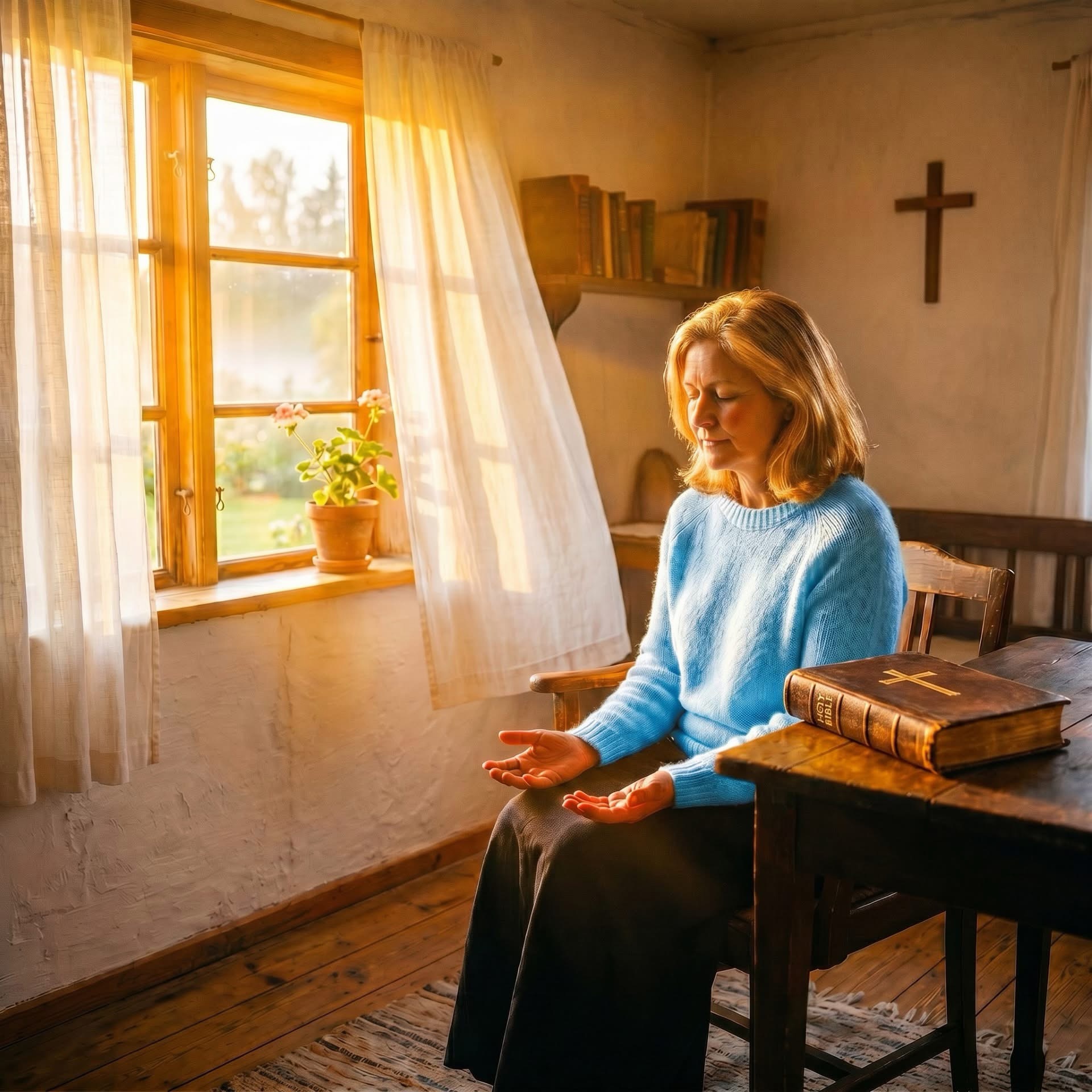
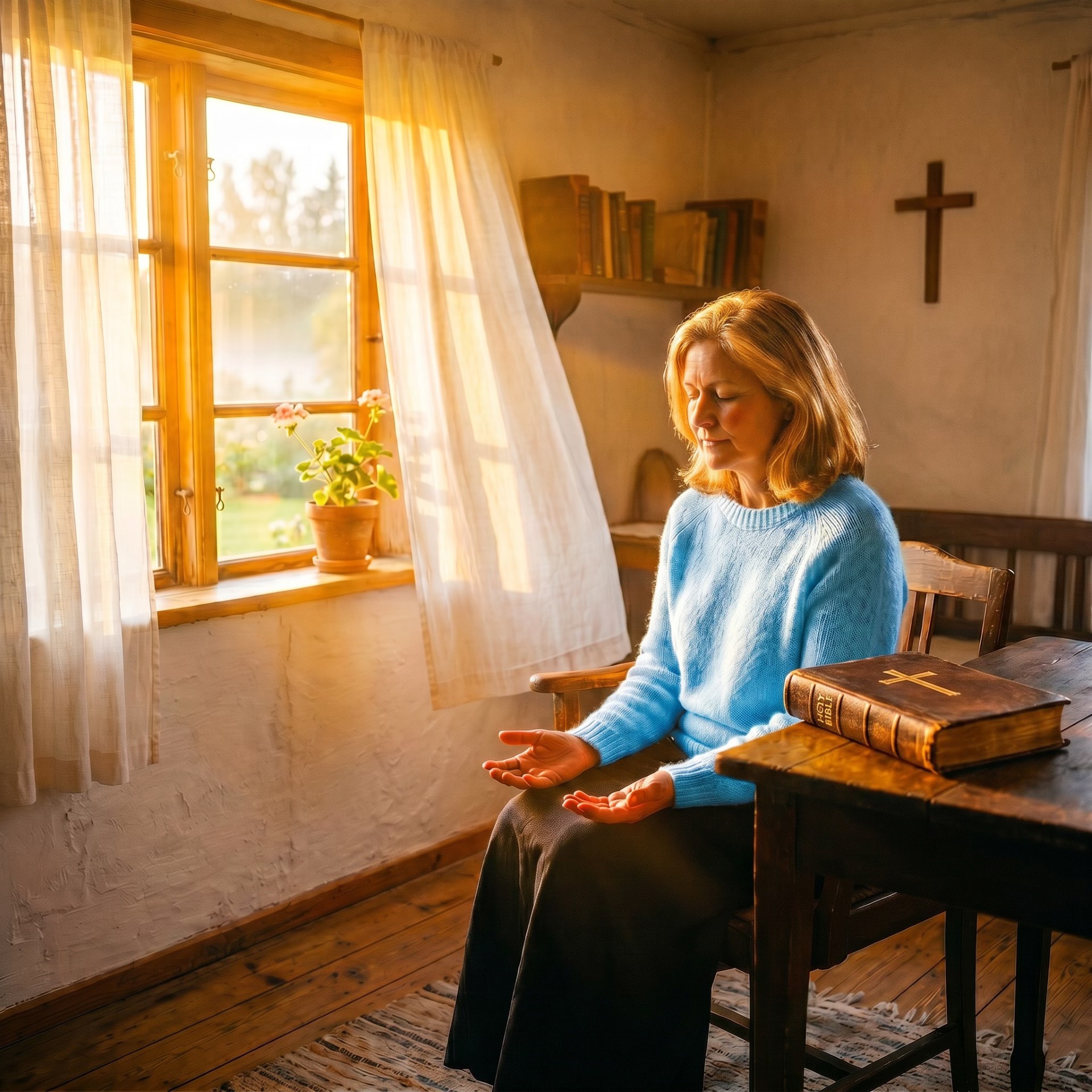
Nearer than Breath (On Christian Contemplation) By Sam Yau I. The God I was Taught I was taught God in hymn and scripture, in the hush before bread was broken, in bowed head, folded hands, the spoken Name, the love upon the cross. I learned to speak to God, the mind climbing its ladder of words. Yet even then I longed to walk beside Him, close, and in silence. II. The Hidden Room Over the years I learned there is a hidden room within the house of faith: the desert’s stillness, the prayer of the heart, the cloud of unknowing, the secret chapel where the soul, silent and still, comes naked before God. III. The Ancient Stream That silence had not vanished. It had gone underground— like water under stone, like fire under ash— kept by the desert fathers, monastics, wounded saints, nameless souls, until, in our restless age, it rose again through common doors: a chair before dawn, a room made bare, a heart grown tired of noise. IV. Entering Silence So one sits. One grows still. One closes the eyes. One offers a sacred word— not as striving, but as consent, to say, without speech: Here I am. Let Thy presence do in me what I cannot do. And when the mind wanders, as sparrows do, as weather does, one returns to the word— not with the fist, but with an open hand. V. Silence Reveals the False Self Then begins the seeing: the mind’s crowded market, its old rehearsals, its griefs and bargains, its hunger to be approved, its fear of being nothing without achievement, its ceaseless stitching of a self from memory, praise, wound, and want. Silence reveals how much of me was scaffold and mask, how much was only the false self asking to survive. VI. The Gentle Return But the way through is not to wrestle each thought to earth, but to release, and release again— to let each burden fall back into the hands of God, returning, returning by the thread of the sacred word, until the clenched heart learns the humility of surrender. And there— beneath the noise, beneath the self that performs and defends— Christ is already present. VII. God Nearer than Breath Not far off, not high above in heaven, but nearer than breath, a flame in the heart’s night, a well beneath words, Christ living where the self gives way. There the soul is not examined, but known, not measured, but loved. Prayer becomes less saying than abiding— branch in the vine, child in the arms, wound in the balm, thirst in the water. Love is no longer only preached, or believed, but felt, known, inhabited. What falls away is not the soul but its disguises. VIII. True Self and Communion in Christ And what appears is the true life— deep-rooted, beloved— the hidden self in Christ, beneath fear, beneath shame, beneath every borrowed name. Then the world, too, is altered. Stone, tree, bird, stranger— all lean toward one mercy. Boundaries soften. Creation shines less as object than as communion. IX. Fruits of Contemplation Prayer does not end in silence alone, but in a life made kinder by it. The soul returns not to withdraw from the world, but to remain more deeply in it. The heart, once driven to defend, to prove, to prevail, learns another strength: to listen, to soften, to yield without fear. Then even the stranger is no longer met as threat or rival, but as one also held in longing, sorrow, dignity, and grace. So peace begins not in dominion, but in surrender; not in certainty, but in love; not in the power to overcome, but in Christ alive within us— stilling the violence we carry, and making of us a quieter love. Endnote: This poem arises from the renewed contemplative movement within Christianity, especially the streams of Centering Prayer and spiritual formation that have helped many rediscover the depth of silence, surrender, and inward communion with God. In an age of noise, speed, and spiritual fragmentation, these teachings have invited seekers back to the hidden heart of the Christian tradition: a life rooted not only in belief and spoken prayer, but in stillness, consent, transformation, and love. I offer this poem in gratitude for those who helped reopen that path for our time — Thomas Merton, who revealed the contemplative life as living, spacious, and deeply human; Thomas Keating, who gave renewed language and practice to the way of Centering Prayer; and Richard Rohr, whose contemplative reading of the Gospel and expansive vision of Christ, helped many see Christ as greater than fear, division, and religious narrowness. This poem is not a theological argument, but a witness: from words into silence, from striving into surrender, from the false self into the deeper life hidden in God.
Like this ad? Make it yours.
Crush rebuilds this exact creative around your product — your brand, your colors, your offer — in about a minute.