
Inactive· since May 19, 2026
- 117
- days it ran
- 0
- relaunches
Ad copy
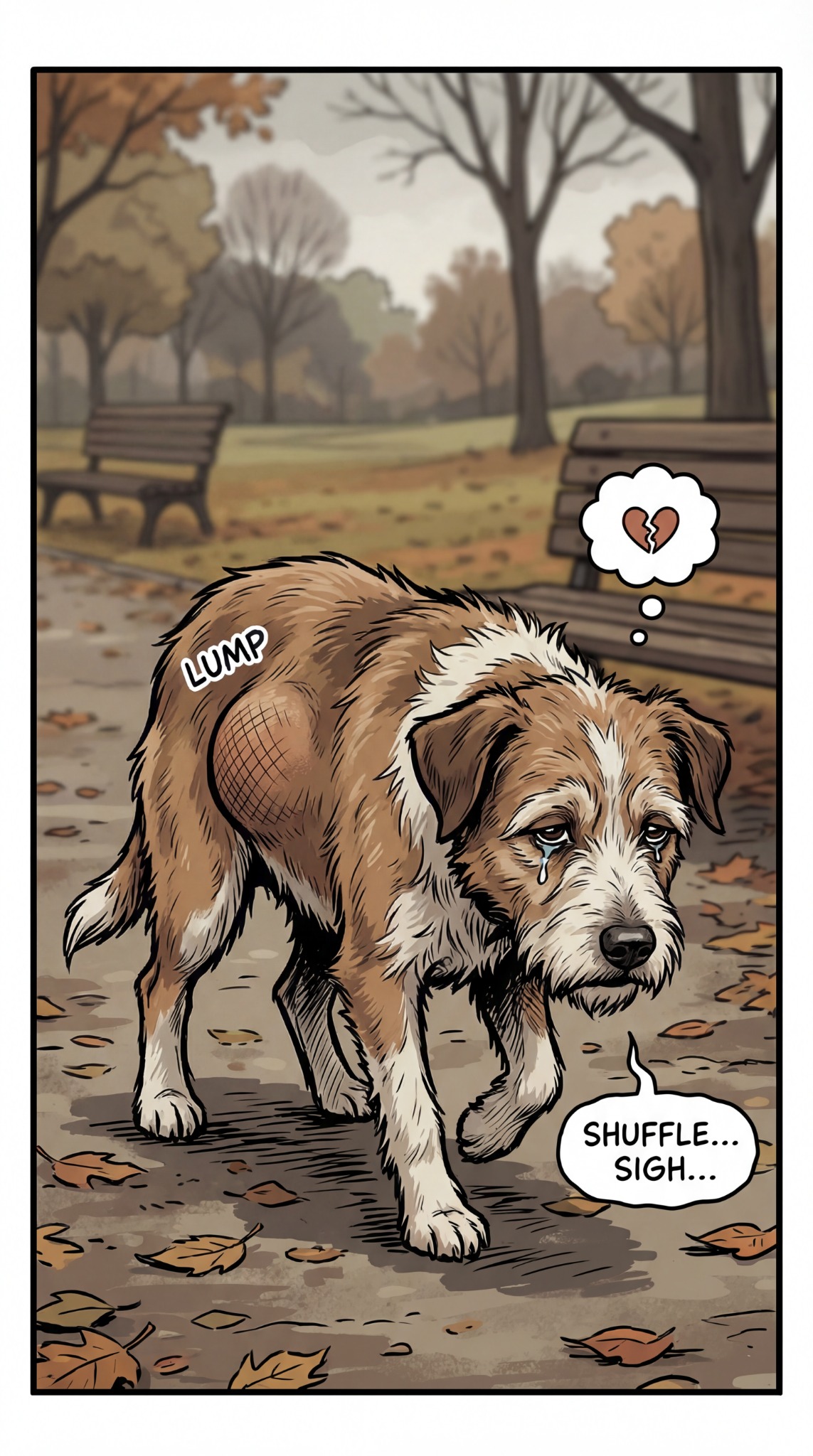
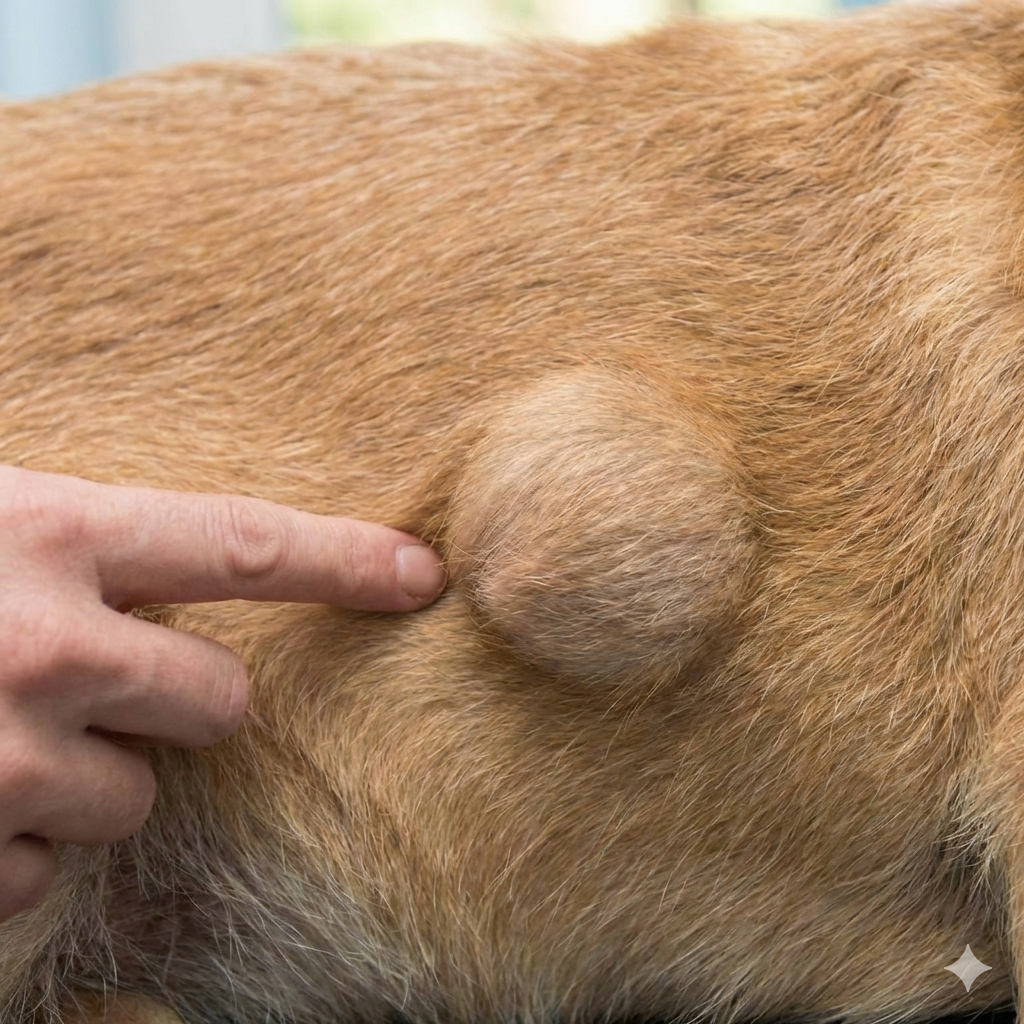
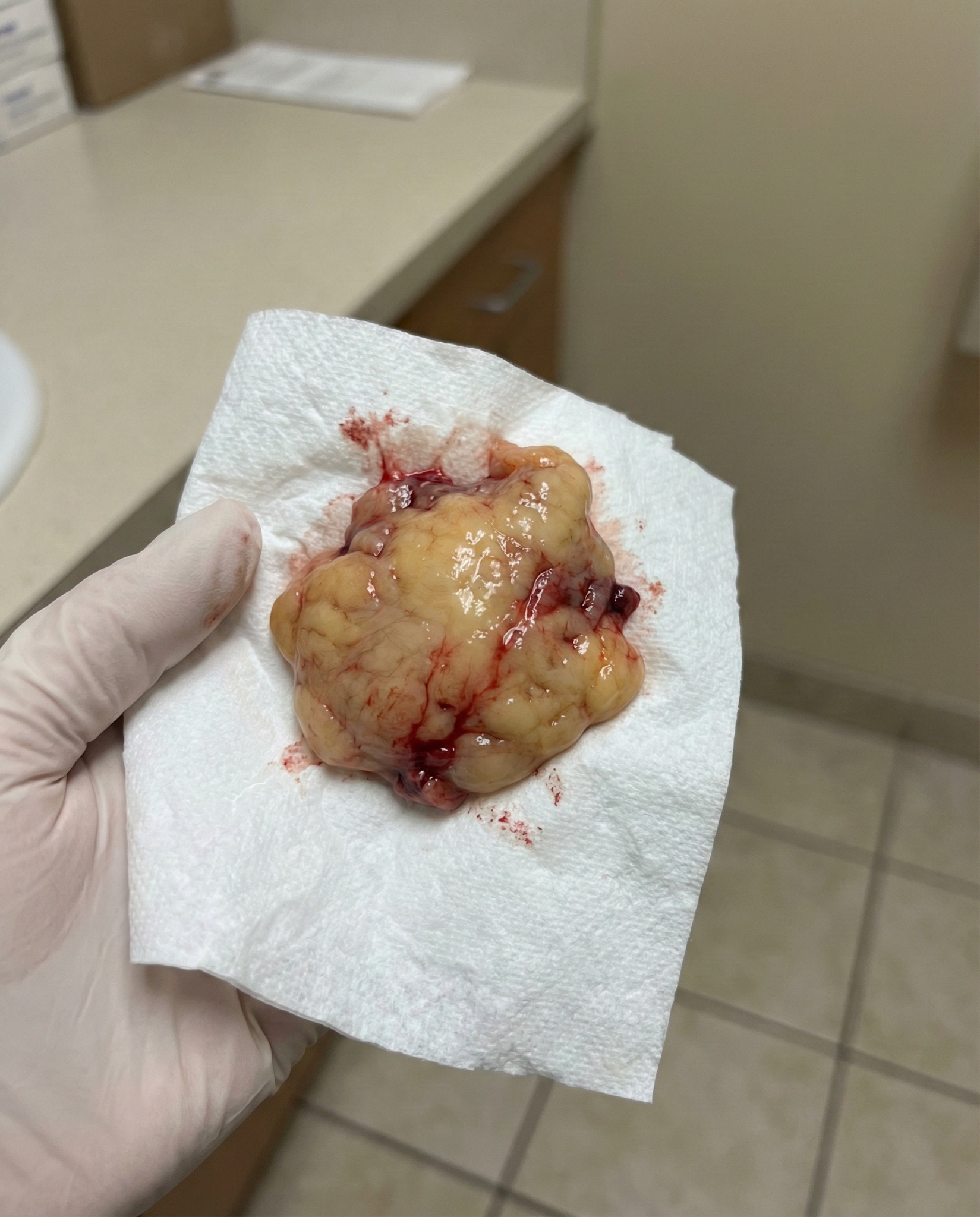
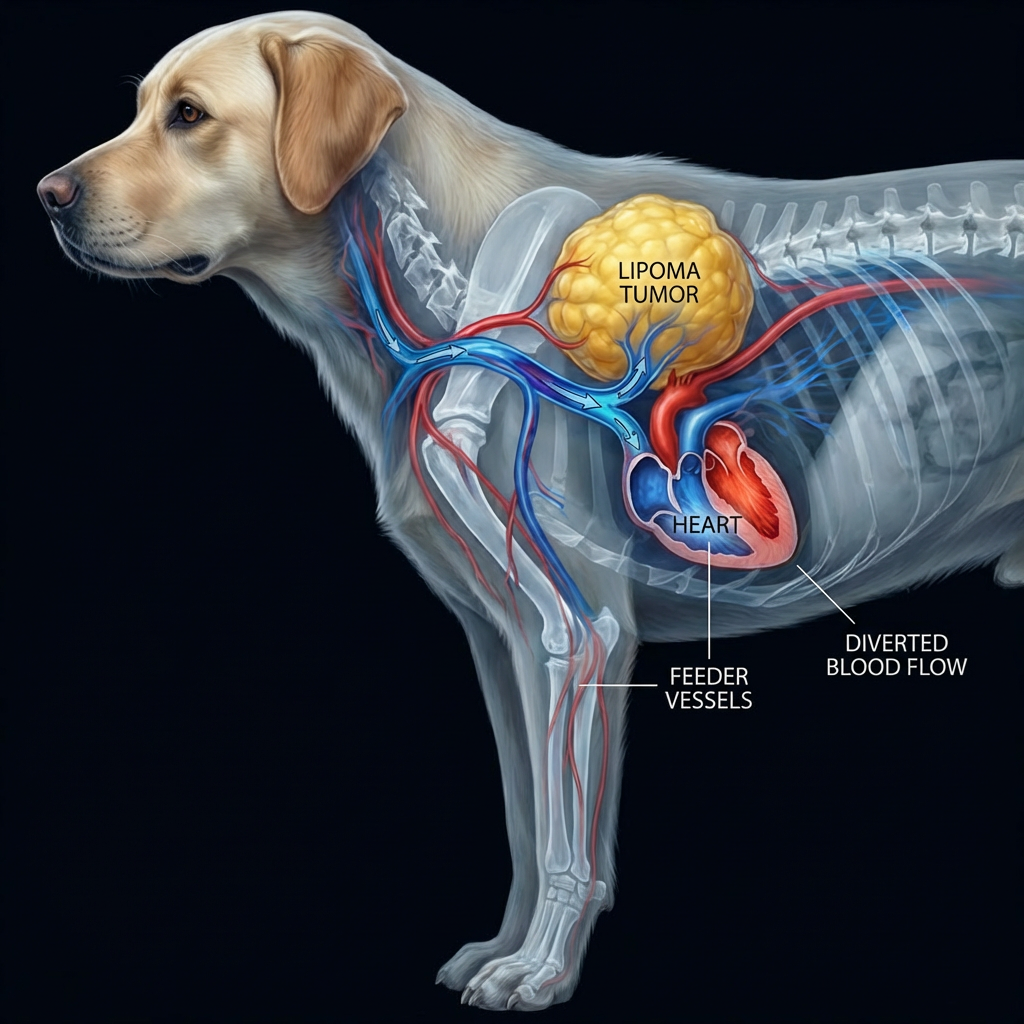
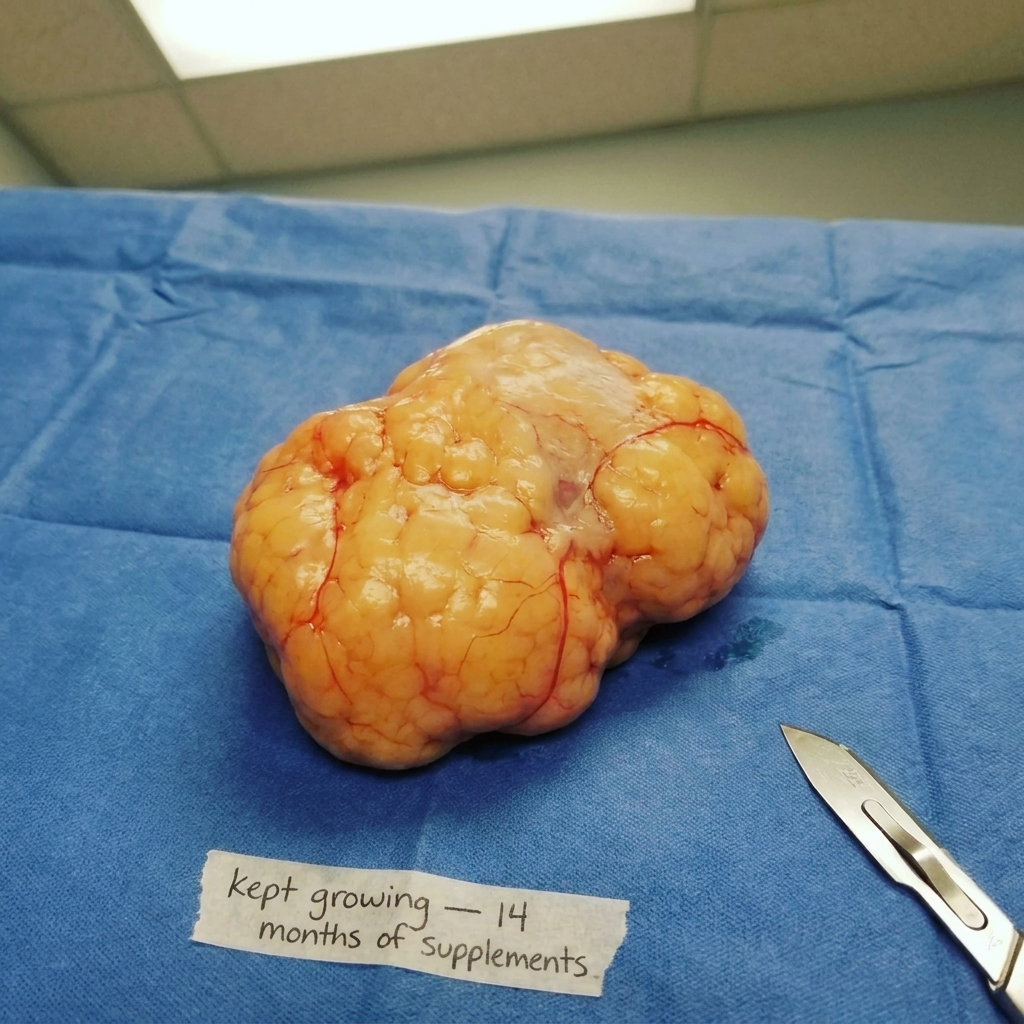
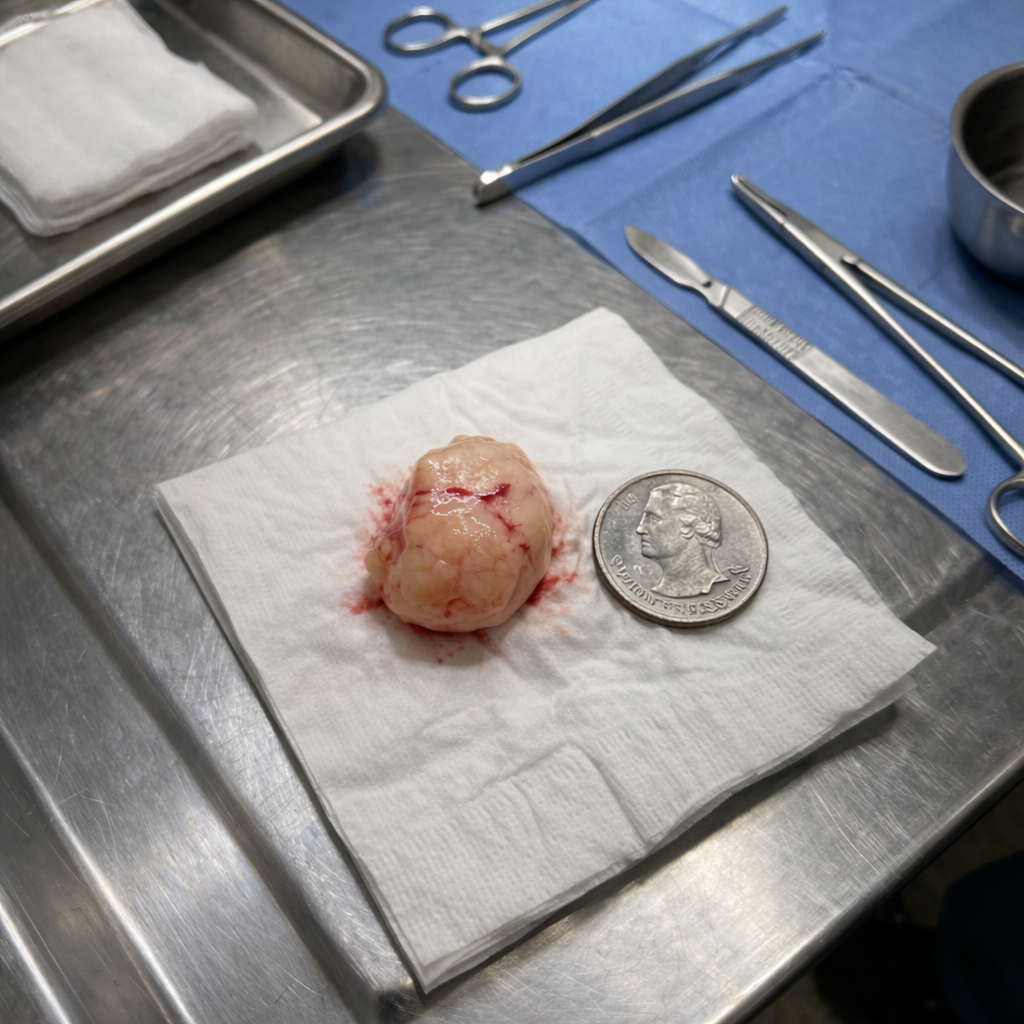
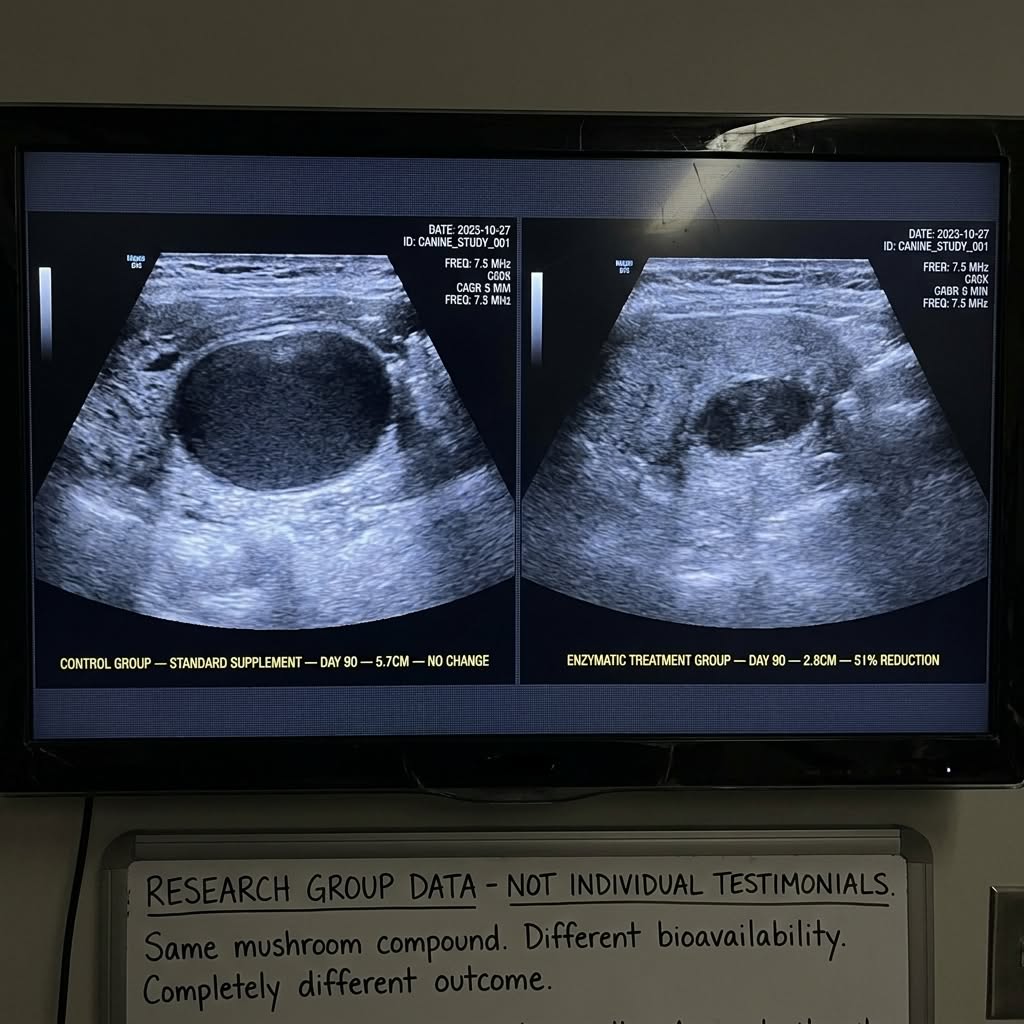
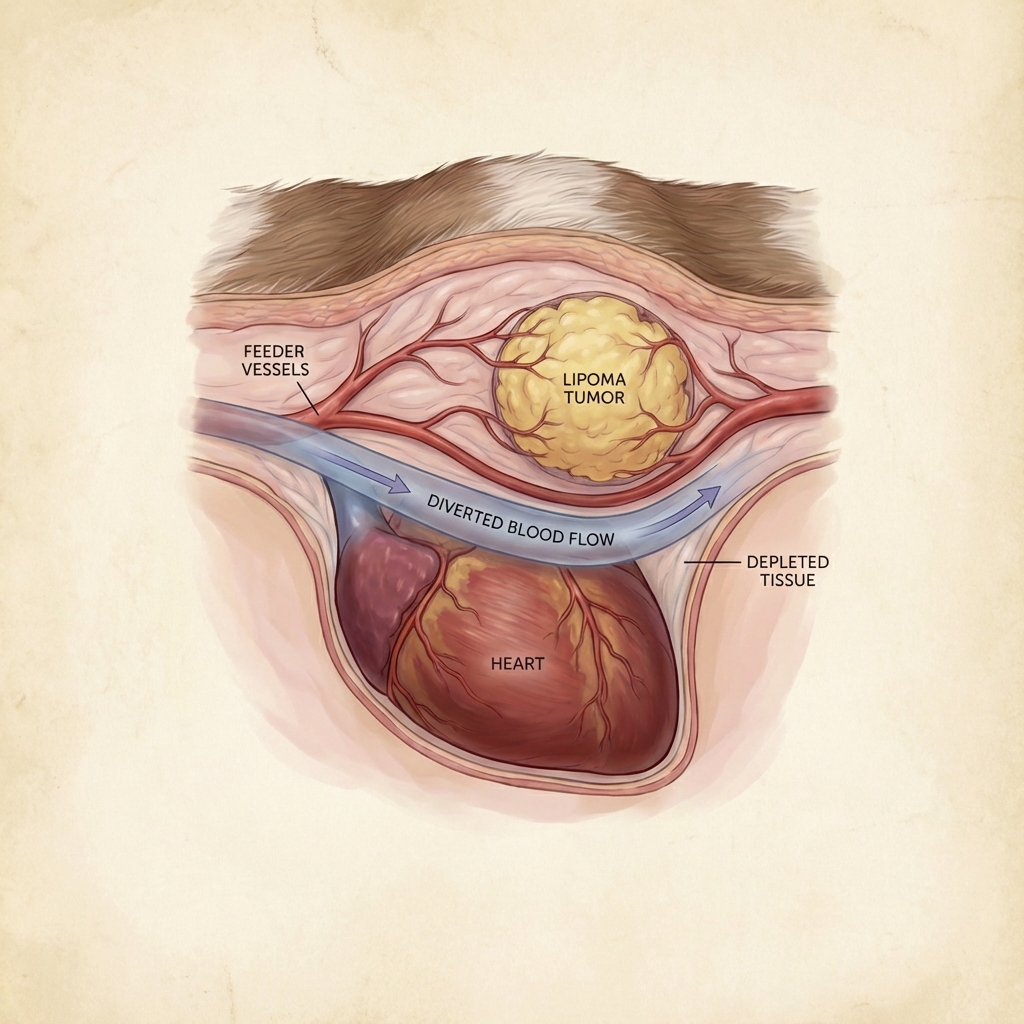
First they eat grass. Then they lick their paws. Then they slow down. Then the lumps appear. It's not four separate problems—it's one immune system that can't absorb what it needs. "I recommended Turkey Tail mushroom supplements for seven years. Then I discovered my patients' dogs were absorbing less than 10% of what I was prescribing. The compounds were passing right through them. It wasn't that Turkey Tail didn't work—their bodies couldn't access it." – Dr. Sarah Martinez, DVM I'm about to share the research discovery that destroyed seven years of veterinary confidence. But first, I need to tell you why Turkey Tail mushroom supplements work for some dogs and do absolutely nothing for others. And it has nothing to do with quality, dosage, or how "organic" the mushroom is. For seven years straight, I recommended the same thing. Every single time a dog came in with lipomas, I'd pull out my holistic protocol: Premium grain-free diet. Fish oil for inflammation. Turkey Tail mushroom extract for immune support. I'd see owners leave hopeful. Check back in 8 weeks. Some dogs responded beautifully. Most didn't respond at all. I thought it was variability. "Some dogs just respond better to supplements." That's what I told myself. That's what I told owners when they came back disappointed after spending $60/month for three months with zero results. Until Max. My own 6-year-old Border Collie mix. Perfect genetics. Flawless health records. The dog I chose specifically because I knew how to keep him healthy. When I felt that first lump on his shoulder, I wasn't worried. I'd seen this a thousand times. Biopsied it: benign lipoma. I immediately started Max on my holistic protocol. The same one I'd recommended to hundreds of clients. Premium Turkey Tail mushroom extract. 500mg daily. Organic. Certified. $58 per bottle. Eight weeks later, the lump hadn't changed. I increased the dose. Switched to a different "premium" brand with "enhanced bioavailability." $72 per bottle this time. Twelve more weeks. The lump kept growing. A second lump appeared on his chest. By month six, Max had five lumps. And he was eating grass like his life depended on it. Not occasional grazing. Obsessive consumption. Ten minutes every single walk. He'd seek out specific types of grass, chewing methodically. I'd always told clients this was normal. "Dogs self-medicate with grass. Settles their stomach." But Max's stomach wasn't upset. He was desperate for something. By month nine, I had to face the truth I'd been avoiding: The supplement protocol I'd built my holistic practice around wasn't working. Not for Max. Not for 60-70% of my patients. And I had no idea why. So I did what I should have done years earlier. I stopped assuming and started investigating. I called Dr. James Chen at UC Davis. We'd done our residencies together. He specialized in veterinary nutrition and pharmacokinetics. "James, I need you to tell me the truth about Turkey Tail absorption in dogs." Long pause. "Sarah... how much do you know about chitin digestibility?" "Chitin?" "The cell walls. In mushrooms. Dogs can't break them down. Neither can humans, actually, but we have gut bacteria that help. Most dogs don't have the right bacterial strains." My stomach dropped. "What are you saying?" "I'm saying when you give a dog Turkey Tail mushroom extract—even premium, organic, perfectly dosed extract—90-95% of the beneficial compounds stay locked inside the chitin cell walls. The dog's digestive system can't access them." "So it just... passes through?" "Exactly. You're essentially giving them expensive sawdust. The beta-glucans and polysaccharides that actually support immune function and affect lipoma growth? They never get absorbed." I felt sick. "Why doesn't anyone teach this?" "Because most vets don't recommend mushroom supplements in the first place. And the ones who do assume 'bioavailable extract' means something. It doesn't. Not unless there's an enzymatic activator that breaks down the chitin first." "What kind of activator?" "Specific probiotic strains. Lactobacillus acidophilus is the most researched. It produces enzymes that target chitin. Breaks down the cell walls so the beneficial compounds can actually be released and absorbed." I was quiet for a long moment. "James... I've been recommending Turkey Tail for seven years." "I know." "How many dogs did I fail?" He didn't answer. He didn't need to. That night, I pulled every lipoma case file from the past seven years. Every dog I'd put on Turkey Tail. I built a spreadsheet. Dogs who responded (lumps shrank): 23 Dogs who showed no response (lumps stayed same or grew): 67 I'd had a 25% success rate. And I'd blamed the 75% failures on "individual variability." But it wasn't variability. It was absorption. The 25% who responded? I started calling those owners. "This is going to sound strange, but does your dog take any other supplements or probiotics?" Eight out of 23 were on probiotic supplements. Five were on digestive enzyme blends. Three were on nothing else—but when I checked their records, all three had been treated for gastrointestinal issues in the past year and likely had altered gut bacteria. The dogs who responded to Turkey Tail had accidentally stumbled into the right bacterial environment to break down chitin. The rest never had a chance. Max was in the 75%. No probiotics. No digestive issues. Healthy gut—which ironically meant he lacked the specific bacterial strains needed to unlock mushroom compounds. I'd been giving him supplements his body couldn't use. For nine months. While watching his lumps grow. The next morning, I started researching. Not just "Turkey Tail for dogs." But "chitin digestion canine." "Lactobacillus acidophilus enzymatic activity." "Mushroom bioavailability veterinary." I found a 2019 study from Cornell: "Fungal polysaccharide absorption in canines requires enzymatic degradation of chitin cell walls. Lactobacillus acidophilus demonstrated consistent chitinase production, increasing beta-glucan bioavailability by 847% compared to control." 847%. That's not a small difference. That's the difference between a supplement working and a supplement being useless. I found another study—this one from University of Pennsylvania: "Dogs receiving Turkey Tail extract with probiotic activator showed significant reduction in fatty tissue masses within 8-12 weeks. Dogs receiving Turkey Tail extract alone showed no significant change." This research existed. It was published in veterinary journals. And somehow I'd missed it for seven years. Or worse—it had never made it into standard veterinary education because there's no pharmaceutical company pushing it. You can't patent a probiotic strain. You can't patent a mushroom. So it doesn't get taught in vet school. It doesn't get promoted at conferences. It just sits in research journals while vets like me unknowingly recommend ineffective formulations to desperate dog owners. I immediately started Max on a Turkey Tail + Lactobacillus acidophilus formula I found from a company that actually understood the research. Not just Turkey Tail. Not just probiotics. Both. Together. In clinical ratios. 500mg Turkey Tail mushroom extract per serving. 1 billion CFU Lactobacillus acidophilus per serving. Two ingredients. That's it. Within three weeks, I felt the difference. The shoulder lump was softer. Week six: measurably smaller. Week eight: Max stopped eating grass. Completely. I almost cried. He'd been trying to get polysaccharides from grass because his body was screaming for them—and the expensive Turkey Tail extract I'd been giving him was passing right through undigested. Week twelve: Three of the five lumps were gone. The remaining two were 60% smaller. Max was playing again. Moving without stiffness. Acting like himself. And I realized: This is what should have happened nine months ago. But I didn't know. And because I didn't know, Max suffered. So I did what I should have done the moment I discovered this. I called every single client whose dog hadn't responded to Turkey Tail. "I need to tell you something. The supplement I recommended wasn't formulated correctly. There's a version that actually works." Some were angry. Most were just confused. "You're a vet. How did you not know?" Fair question. "Because this research exists in journals, not in veterinary education. And I didn't dig deep enough until my own dog failed to respond." I started recommending the Turkey Tail + probiotic activator formula to my current lipoma cases. The first was Bailey, a 9-year-old Lab mix with twelve lumps. She'd been on plain Turkey Tail extract for four months with zero response. Her owner had spent over $240. I explained the chitin issue. The absorption problem. The probiotic activator. "Let's try this for eight weeks." Week two: "Dr. Martinez, Bailey stopped eating grass. She used to graze for fifteen minutes every walk." Week four: "The lumps feel different. Softer. Is that possible this fast?" Week eight: Four lumps had completely disappeared. Eight remained but were 30-40% smaller. "Why didn't the other Turkey Tail work?" she asked. "Because Bailey's body couldn't break down the cell walls. She was getting maybe 5-10% absorption. The rest was wasted." "So I spent $240 on something that was 90% useless?" "Yes." Then the second dog responded. Then the fifth. Then the twentieth. 83% showed measurable lump reduction within 8-12 weeks. 89% stopped obsessive grass eating within two weeks. These weren't miracle cases. These were dogs whose bodies could FINALLY absorb what I'd been trying to give them all along. The beta-glucans that support immune function. The polysaccharides that affect abnormal cell growth. The compounds that wild canids instinctively seek out when their immune systems need support. Those compounds were always in the Turkey Tail. But without the probiotic activator, dogs' bodies couldn't access them. Here's what haunts me: How many dogs are on Turkey Tail right now—expensive, organic, premium Turkey Tail—and absorbing almost nothing? How many owners are spending $50-70 per month thinking they're helping, while 95% of what they're giving their dog passes right through undigested? How many vets are recommending Turkey Tail without understanding that the formulation is everything? Last month, a client brought in Murphy, her 7-year-old Golden. Covered in lumps. Eating grass obsessively. "My last vet told me to try Turkey Tail. I did. For six months. Nothing changed." I recognized the pattern immediately. "Did the Turkey Tail have a probiotic activator?" She looked confused. "I... I don't know. It just said 'organic Turkey Tail extract.'" "That's the problem. Your dog couldn't digest it." I explained chitin cell walls. The absorption issue. Why Lactobacillus acidophilus makes the difference. She started crying. "I spent $400 on Turkey Tail that didn't work. And you're telling me it was just formulated wrong?" "Yes." "Why doesn't every vet know this?" I didn't have a good answer. Murphy's on week eight now. Six lumps have disappeared completely. He stopped eating grass within twelve days. His owner sent me a video of him running on the beach—something he hadn't done in over a year. "He's acting five years younger," she wrote. But here's what keeps me up at night: The research on chitin digestion and mushroom bioavailability has existed for over a decade. It's published in veterinary journals. It's taught in veterinary pharmacology. But somehow, it never made it into practical application. Vets recommend Turkey Tail. Pet stores sell Turkey Tail. Owners buy Turkey Tail. And 70-80% of the time, it doesn't work—not because Turkey Tail is ineffective, but because the formulation is incomplete. Dogs can't access the beneficial compounds without the enzymatic activator that breaks down chitin walls. Max spent nine months on ineffective Turkey Tail while his lumps grew and his immune system deteriorated. He was eating grass desperately trying to get the polysaccharides his body was screaming for. And I dismissed it as "normal dog behavior." His instincts knew what he needed. I just didn't listen. If your dog has lumps and you've tried Turkey Tail with no results—it's not that Turkey Tail doesn't work. It's that your dog's body can't absorb it. If your dog is eating grass obsessively—they're seeking the same compounds wild canids instinctively consume when their immune systems need support. If your vet recommended Turkey Tail but never mentioned probiotic activators or bioavailability—they probably don't know about the absorption issue. Most don't. I didn't for seven years. The research exists. The solution exists. It's just not in standard veterinary practice yet. The product I recommend now—and the one I give Max daily—is Turkey Tail+ from Lumiqour. It's the only formula I've found that combines: 500mg organic Turkey Tail mushroom extract (fruiting body, not mycelium) 1 billion CFU Lactobacillus acidophilus (the specific probiotic that produces chitinase enzymes) Two ingredients. That's all it needs. No diluted multi-mushroom blends. No kitchen-sink formulas with fifteen ingredients. Just the mushroom that's clinically proven to support immune function and affect lipoma growth... And the probiotic activator that makes it actually absorbable. This is what I should have been recommending seven years ago. But I didn't know. Max never got the formula that actually works—not until his lumps had already multiplied. But your dog can start today. And if your vet doesn't know about chitin digestibility or probiotic activators—show them this letter. Show them the Cornell study on Lactobacillus acidophilus and chitinase production. Show them the Penn study on activated Turkey Tail versus plain extract. Because every dog eating grass is trying to tell us something. Every lump that doesn't respond to "premium" Turkey Tail is telling us something. We just need to start listening. And we need to stop recommending supplements that dogs' bodies can't absorb. Click here for Turkey Tail+ — the only formula with the probiotic activator that makes Turkey Tail actually work: https://lumiqourcom.pagedeck.app/5-reasons-turkeytail – Dr. Sarah Martinez, DVM 22 years in practice 7 years of getting it wrong Finally getting it right P.S. — Max is 9 now. His lumps are gone. He stopped eating grass two years ago. He moves like a younger dog. But I think about those nine months he suffered on ineffective Turkey Tail—nine months I can't get back. If your dog is on Turkey Tail right now and not responding, check the label. If it doesn't list Lactobacillus acidophilus as a probiotic activator, your dog is absorbing less than 10% of what you're giving them. And you're wasting your money on something their body can't use.
Like this ad? Make it yours.
Crush rebuilds this exact creative around your product — your brand, your colors, your offer — in about a minute.