How Things Break
How Things Break Facebook ad: “A Repair Tech's Warning About Your Washing Machine”
Ran for 3 days, from June 19 to June 22, 2026, the last day Crush saw it.
Run by How Things Break on Facebook. Crush is not the advertiser and does not verify its claims. See this ad in Meta's Ad Library(opens in a new tab)
Make your own version of this ad
Crush makes it, launches it in your own Meta ad account, scales the winners and pauses the losers.
About this ad
- Meta Ad Library ID
- 2396930687720385
- Platforms
- Facebook, Instagram and Messenger
- Relaunches
- 4
- Niche
- Pets
Ad text
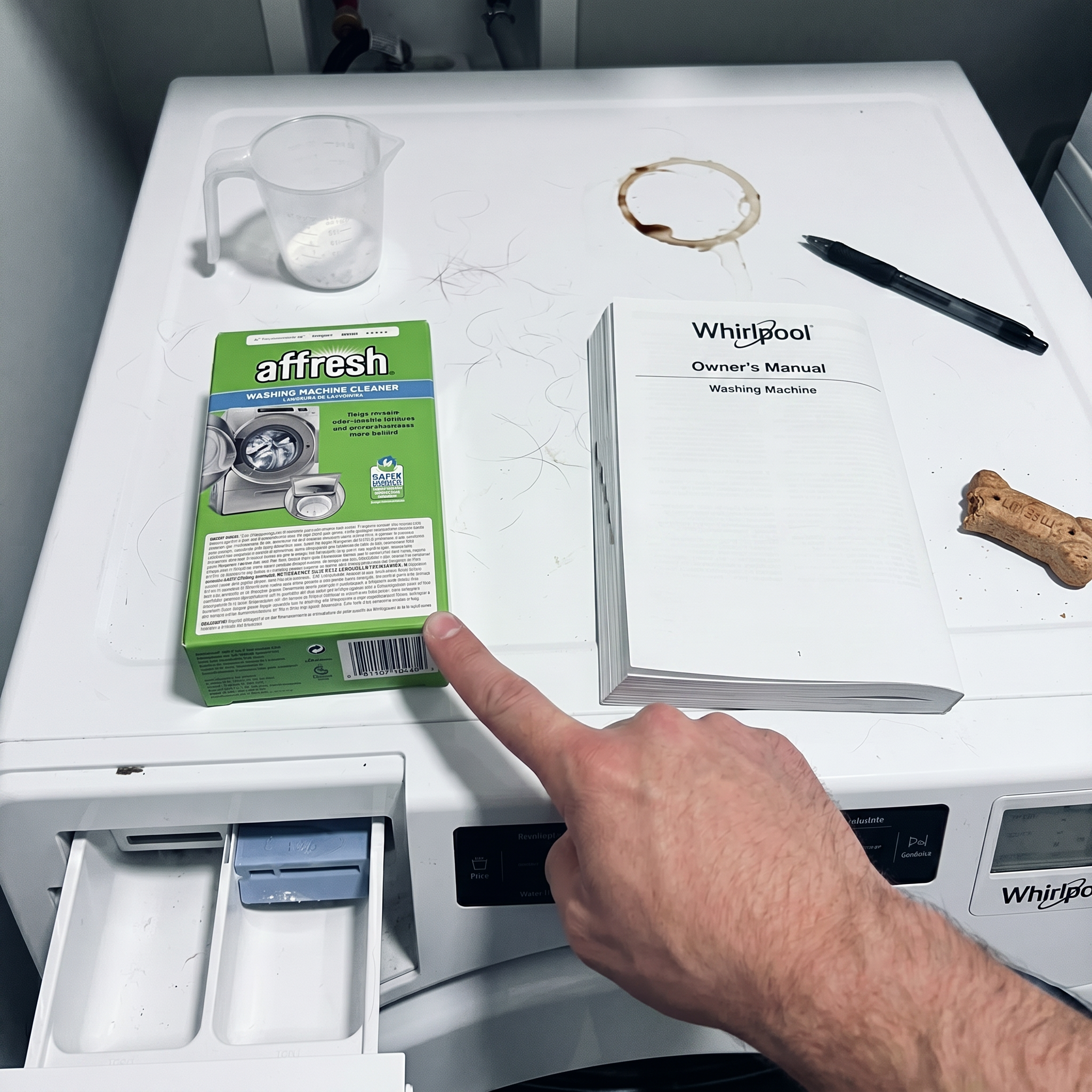
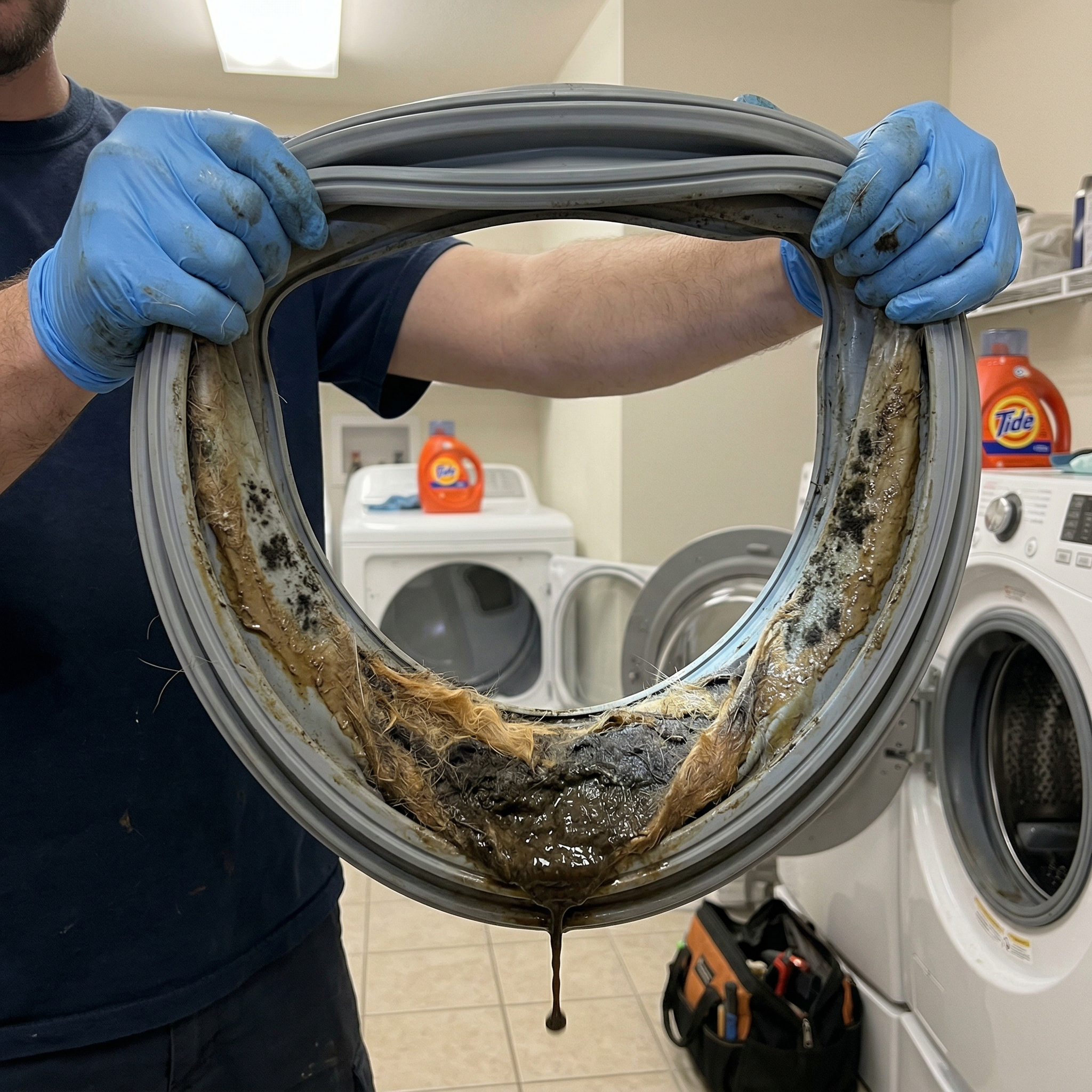
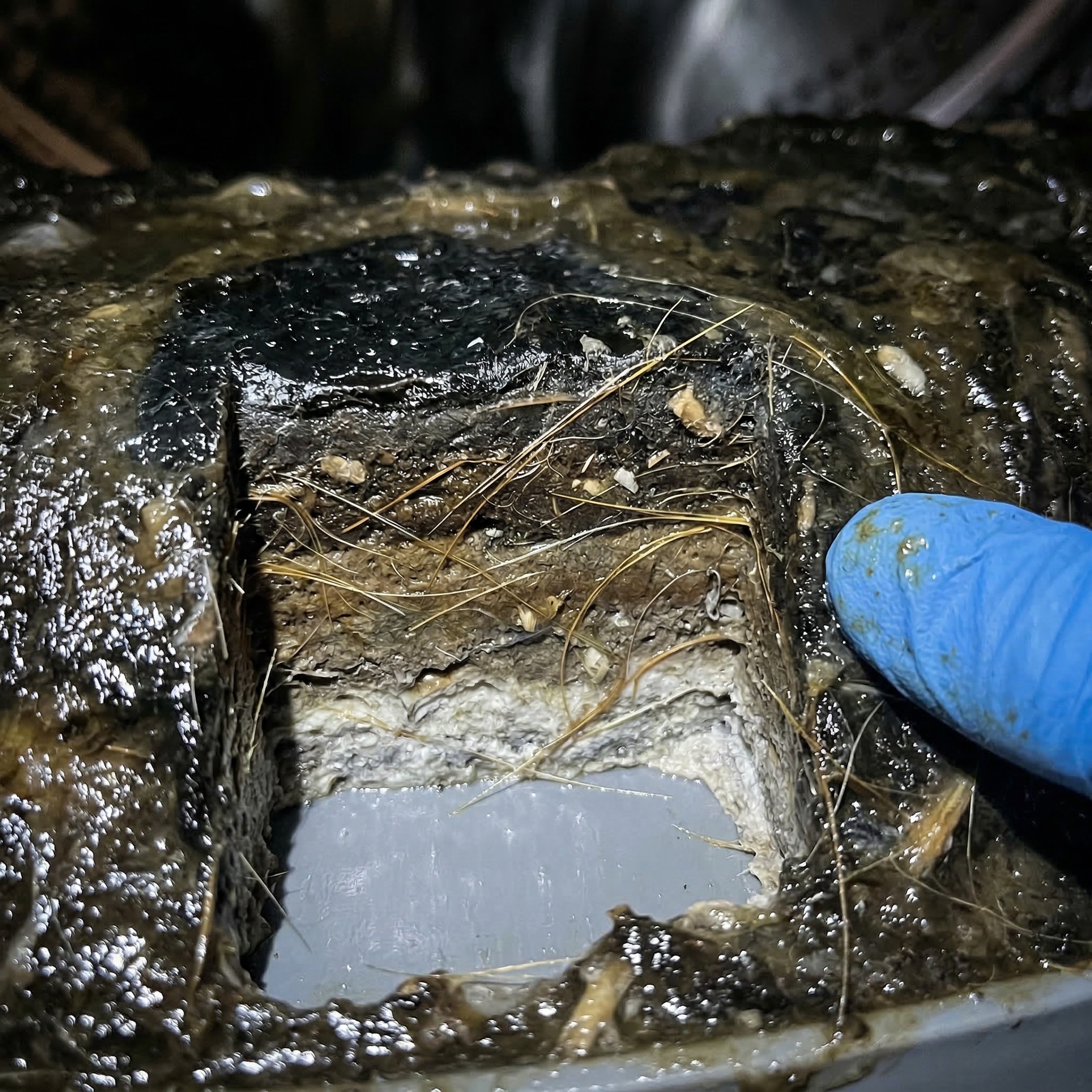
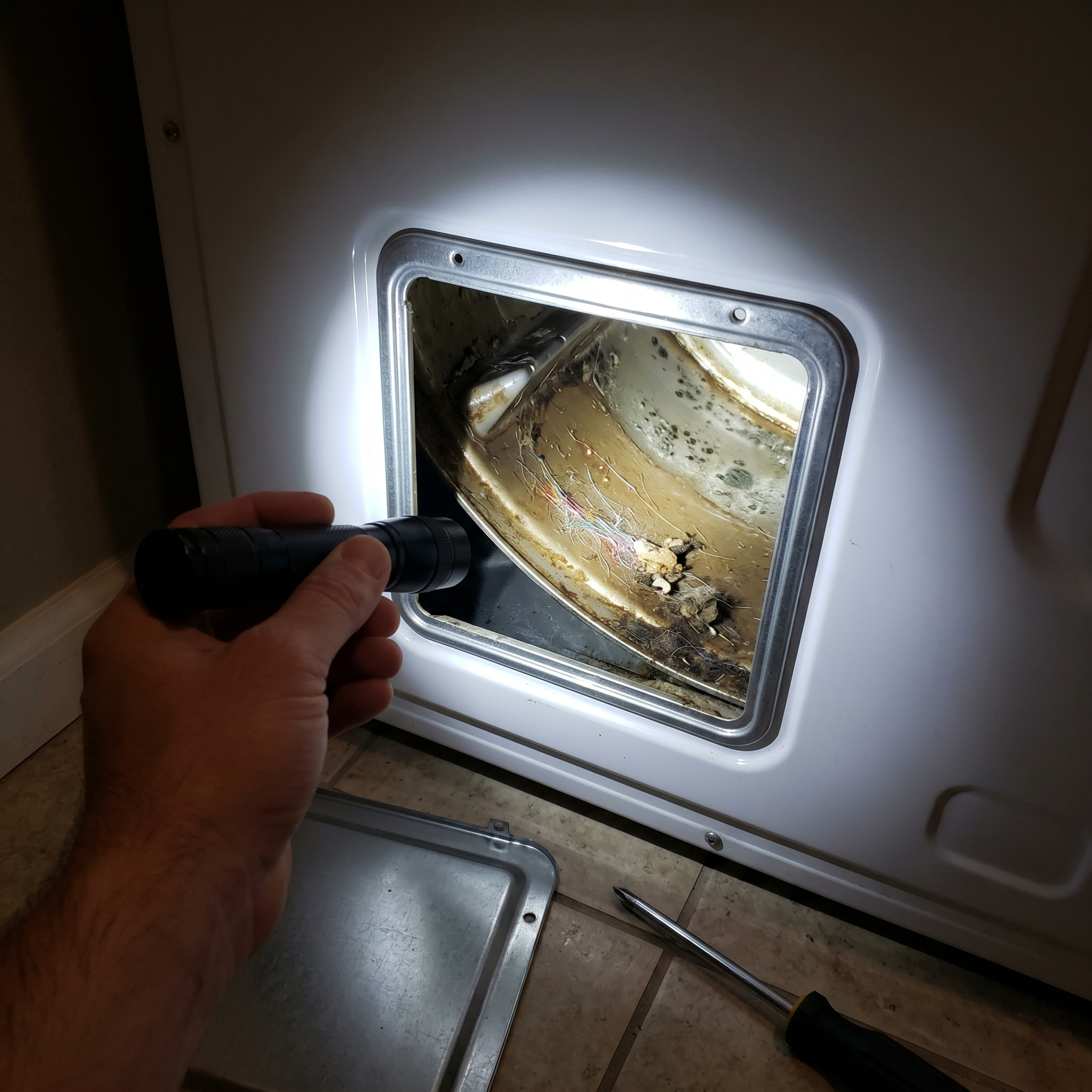
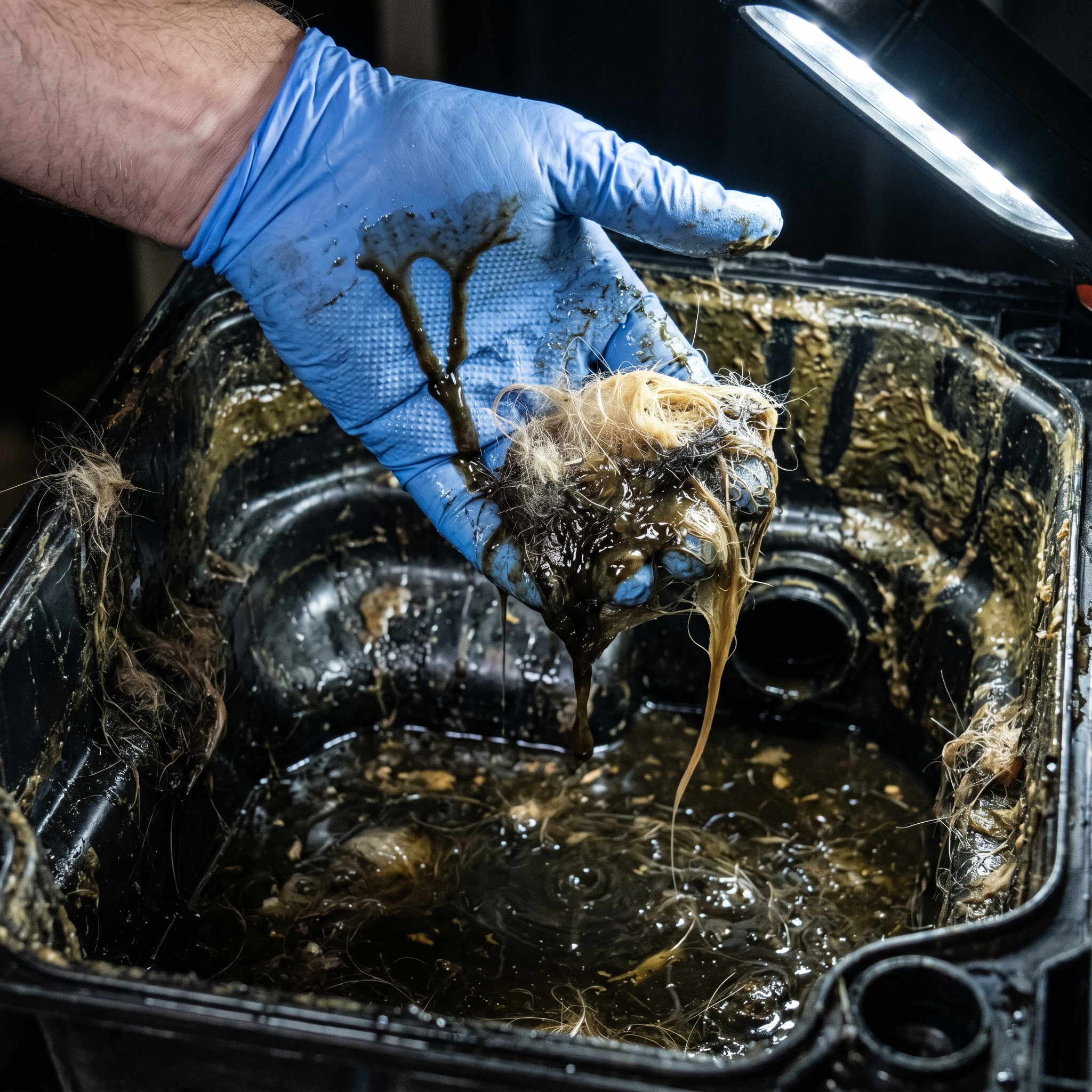
After 15 years pulling apart washing machines, I can tell you exactly what's inside yours right now - especially if you have pets. I fix washing machines for a living. Have for 15 years. Independent shop, mostly residential, mostly the same 20-mile radius. I've pulled apart somewhere north of 4,000 machines in that time, and I want to tell you what I actually see inside them, because I don't think most homeowners have any idea. Specifically, I want to talk to you if you have pets. When you look at your washer, you see a clean white drum. Maybe a rubber gasket up front if you've got a front-loader. Maybe a center agitator if you've got a top-loader. That's the part the manufacturer wants you to see. That's the part they polish for the showroom floor. But that drum is not one solid piece. Behind it, around it, underneath it, there's a whole second world. There's an outer tub the drum sits inside. There's a sump at the bottom where water collects before it pumps out. There's a detergent dispenser with channels that run all the way down to the tub. There's a gasket on a front-loader with a fold in it that traps everything. There's space behind the drum that, on most models, you cannot access without taking the entire machine apart. I can access it. That's my job. And I'm going to describe what I find when I open one up, especially in a home with dogs or cats. It looks like the inside of a pond. There's a black, slimy film coating the back of the drum, the inside of the outer tub, the sump, and the underside of the gasket. It smells like a wet basement. In bad cases, when I pull the drum, the film comes off in sheets. I've had it stick to my gloves. I've had homeowners standing next to me literally gag when they see it. That film is biofilm. It's a colony of bacteria, mold, and mildew that anchors itself to wet surfaces and grows. It builds a sticky matrix that protects the microbes inside it from anything you pour into the drum from the top. It's not dirt. It's not soap scum. It's alive. Here's what feeds it. Every wash cycle leaves behind a little detergent residue. A little fabric softener. Body oils from your skin. Lint from your clothes. And in pet households, an enormous amount of organic material, hair, dander, skin flakes, saliva, oil from your dog's coat, and sebum. All of that gets pulled into the seams and the hidden spaces during the spin cycle, and it sits there in warm, dark, humid conditions. Which is exactly what bacteria need to thrive. So the colony grows. And here's the part you need to understand. It doesn't just sit there politely. Every time you run a load, water splashes through that biofilm and picks up little bits of it. Tiny microbial particles. Then that water hits your clothes. So your "clean" laundry comes out coated in microscopic bacteria and the byproducts they produce. The musty, wet-dog smell? That's not a soap smell. That's not residue. That's the odor those bacteria literally manufacture. There's a compound responsible for the wet-dog scent - won't bore you with the chemistry - and the bacteria that produces it has a name worth knowing. Moraxella osloensis. It loves damp fabric and damp machines. Pet households grow more of it because pets shed more organic material into the wash. It's not your imagination. It's not your detergent. It's a colony. Now, here's where I owe my customers an apology, because for years I told them the wrong thing. I told them to run a tub clean cycle every month. I told them to wipe down the gasket. I told them to leave the door open between loads. I told them to try Affresh, or one of the OxiClean tabs, or even bleach if they were brave. And for a regular load in a regular household, that advice isn't terrible. It buys you a couple of weeks. But for a pet household with a real biofilm problem, none of it works. And I want to be specific about why, because the "why" is the whole point. Tub clean cycles are just hot water and agitation. They rinse. They don't dissolve anything biological. The biofilm doesn't care. Wiping the gasket gets you the visible scum on the front lip of the rubber. The colony underneath, in the fold, and behind the drum, never sees your towel. Vinegar is a weak acid. It can take off some surface mineral scale, but biofilm is built specifically to resist acid attack. That's literally the evolutionary function of the matrix. The microbes inside it are protected. Bleach is a surface killer. It can knock down what's on top, but biofilm matrices are designed to keep oxidizers out. Within a few days, the survivors rebuild. Affresh, OxiClean, Tide Washer Cleaner, the store brand tabs, they're all built around the same chemistry, sodium percarbonate, which is basically oxygen bleach. Same problem as chlorine bleach. They foam, they smell strong, they make you feel like something is happening. But they don't have the one thing the biofilm is actually vulnerable to. And buying a new washer doesn't save you either, which is the part that breaks my heart. I've had customers spend $1,400 on a brand new front-loader because they were convinced the old one was just broken. Within four months, the new machine smells the same. Because the colony didn't live in the old machine. The colony lives in the residue you keep feeding it. New machine, same residue, same dander, same hair, same outcome. The one thing biofilm is actually vulnerable to is enzymes. This is the part I didn't know for the first 13 years of my career, and I wish I'd known it sooner. Enzymes are biological molecules that break other biological molecules apart. There are three of them that matter for a washing machine. Protease breaks down proteins, which means hair, dander, skin oil, saliva, sebum - all the stuff your pets contribute. Lipase breaks down fats, which is the body oil and the softener film. Amylase breaks down starches, which is a big part of detergent residue. When you put all three into a hot wash cycle inside an empty drum, they don't rinse the biofilm. They digest it. They eat the matrix and they eat the food source feeding it. And once the food is gone, the colony has nothing to rebuild from. It collapses. That word, digest, is the one I want you to hold onto. Every other product I used to recommend was a rinse product or a mask product. They tried to wash the smell away or cover it. Enzymes don't do either. They take it apart at the molecular level. I learned this because a customer of mine, an older woman with three rescue dogs, was on her fourth service call in eight months. Same complaint every time. Sour smell, wet-dog smell, towels that came out worse than they went in. I had nothing left to offer her. I'd already recommended every product on the shelf at the hardware store. She looked at me on that last visit and said, "I've spent more fixing this than the washer cost me." And I didn't have a good answer. So I went home that night and actually read. Not appliance manual … Microbiology papers. Commercial laundry research. Hospital sanitation protocols, because hospitals deal with biofilm in their machines too, and they figured this out a long time ago. That's where I learned the enzyme story. The same enzyme chemistry NASA originally pioneered for cleaning astronaut clothes in zero gravity got picked up by hospitals and commercial laundries because it's the only thing that breaks down biological soil. It's not new science. It's just science the consumer aisle never caught up to. I went looking for an enzyme tablet built for home washers, and most of what I found was repackaged oxygen bleach with a sprinkle of enzymes on the label for marketing. The one I kept coming back to is from a small company in Florida called Uproot Clean. Their Washing Machine Cleaner Pro is built around a real enzyme blend, protease, lipase, and alpha-amylase, paired with sodium percarbonate to handle the loosened debris, citric acid to take out the limescale that bacteria like to hide behind, and an anti-redeposition polymer that keeps the broken-down gunk in suspension so it actually flushes down the drain instead of resettling on the drum. I bought a sleeve and went back to that older woman's house on my own time. I dropped a tablet in the empty drum, ran a hot cycle, and called her the next morning. She told me her laundry room hadn't smelled that neutral in two years. The machine was clean after one cycle. The towels took a couple of weeks to fully reset because they'd been re-coated load after load for years I keep these tablets in my truck now. When I do a service call in a pet household, and the customer mentions the smell, I hand them one before I leave. I tell them what I'm telling you. Your machine isn't broken. The colony living inside it has been winning the chemistry fight for years because everything you've thrown at it was the wrong category of cleaner. You don't need a stronger surface cleaner. You need a biological one. If you've been fighting this for months or years, if you've tried the vinegar and the bleach and the Affresh and the hot cycles, if you've even bought a new washer and the smell came back, this is the reason. And it's fixable. Uproot is running a deal on their Washing Machine Cleaner right now, and they back it with a 60-day money-back guarantee, which is more than fair. If it doesn't work, send it back. You're out nothing but a cycle of hot water. Drop one tablet in your empty drum. Run a hot cycle. Open the lid when it's done and smell the inside of your machine. After 15 years and 4,000 service calls, that's the test I trust. https://uprootclean.com/products/uproot-washing-machine-cleaner-pro
Where the ad sends people
uprootclean.com
A Repair Tech's Warning About Your Washing Machine
Uproot Washing Machine Cleaner Pro
Shop now: uprootclean.com(opens in a new tab)