
Inactive· since Mar 26, 2026
- 11
- days it ran
- 0
- relaunches
Ad copy
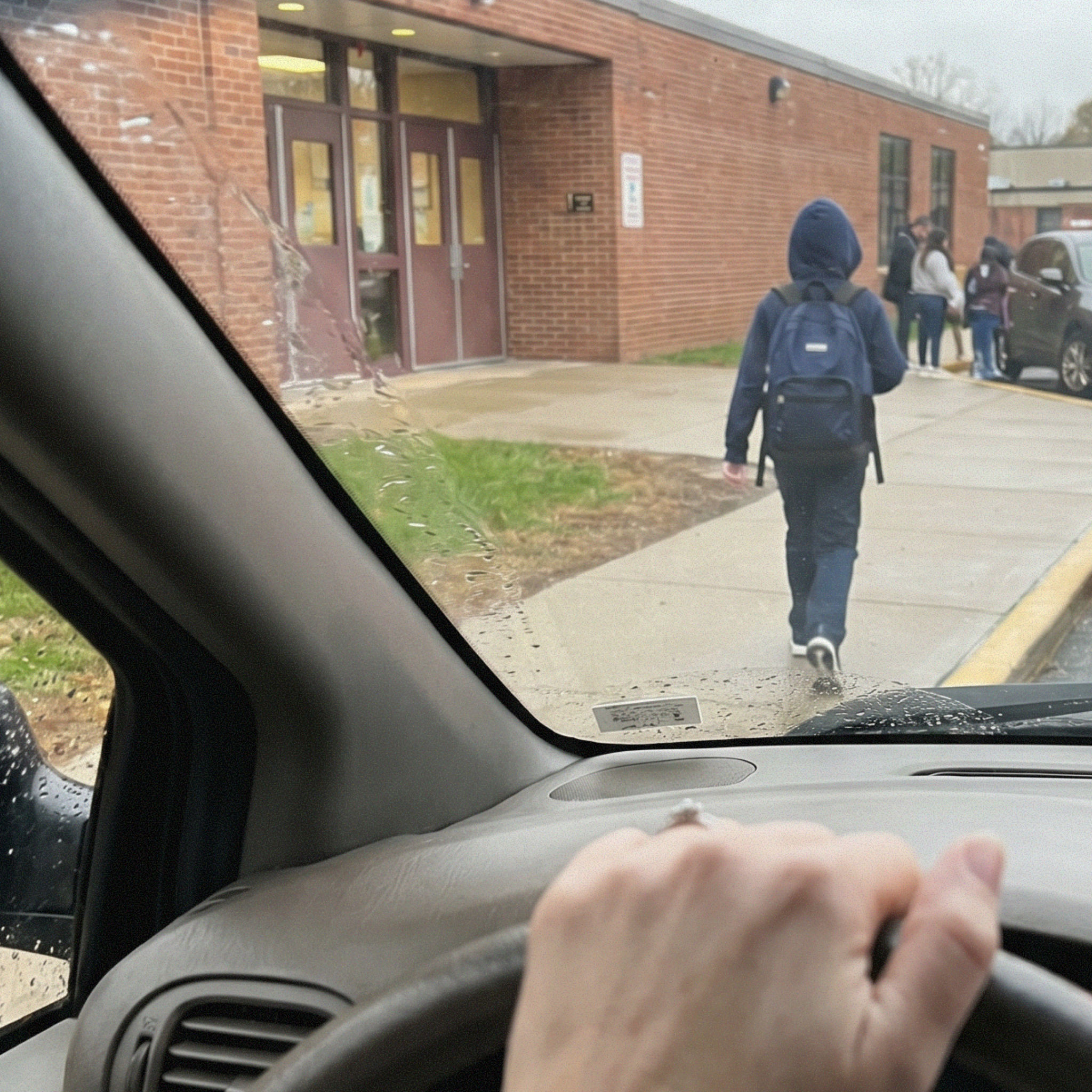
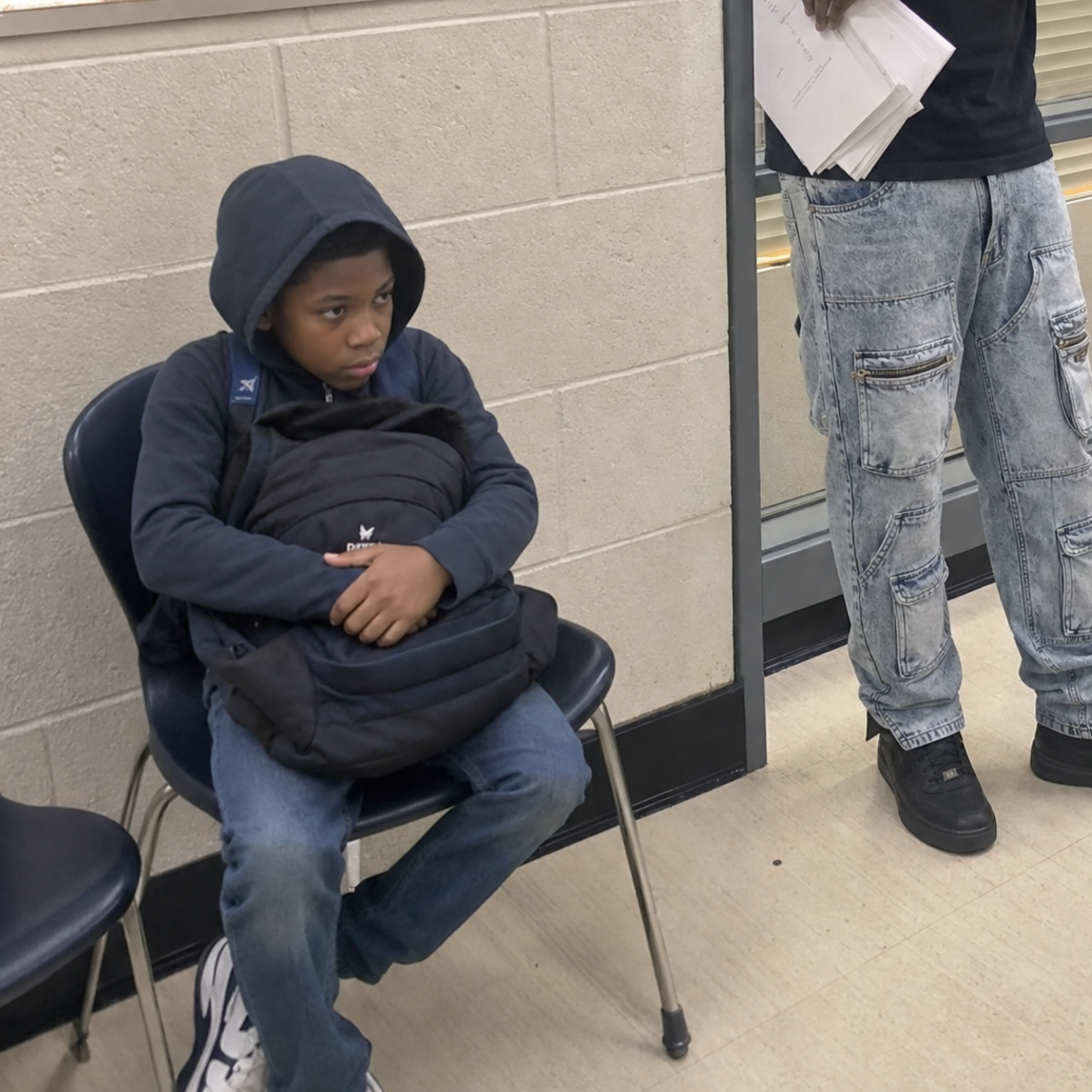
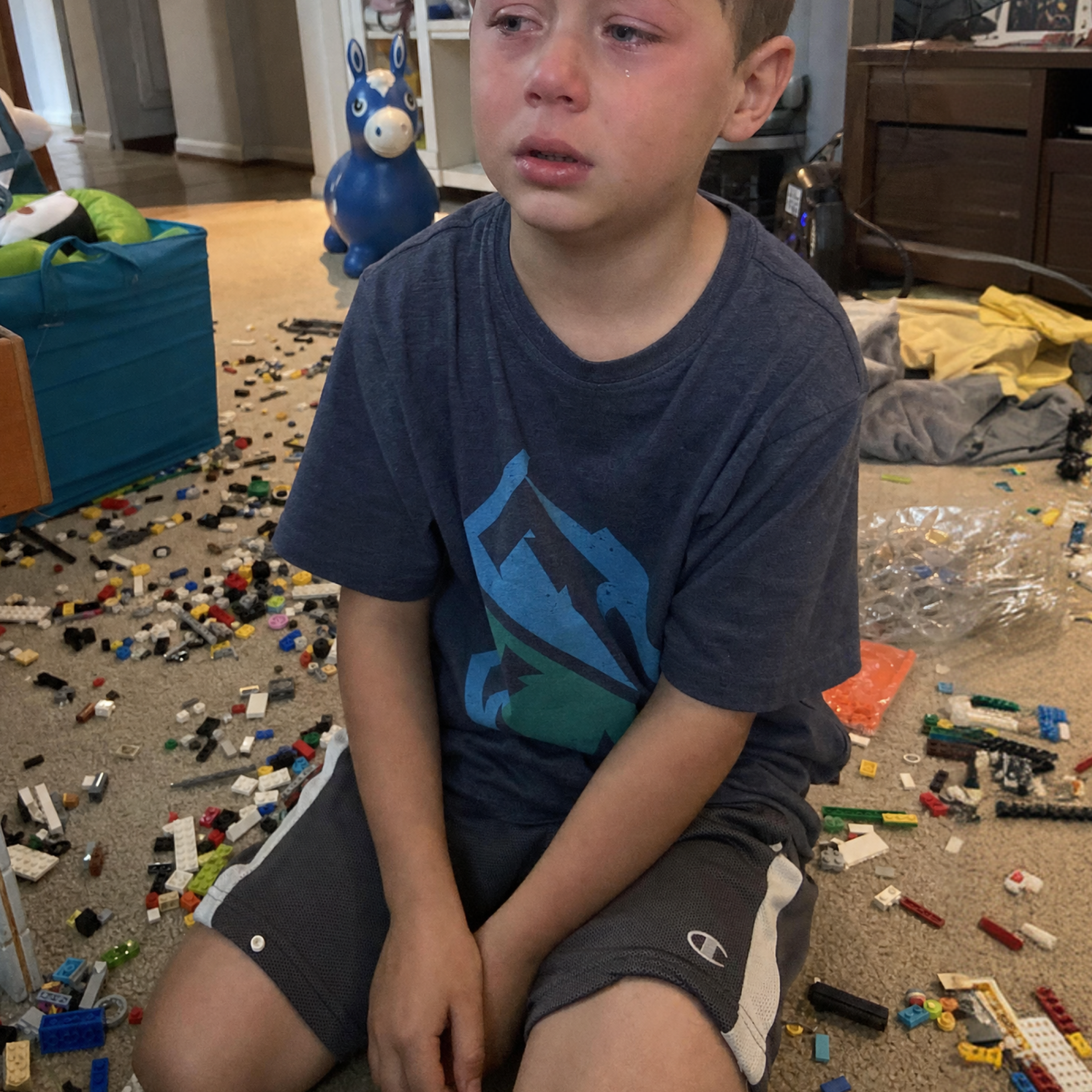
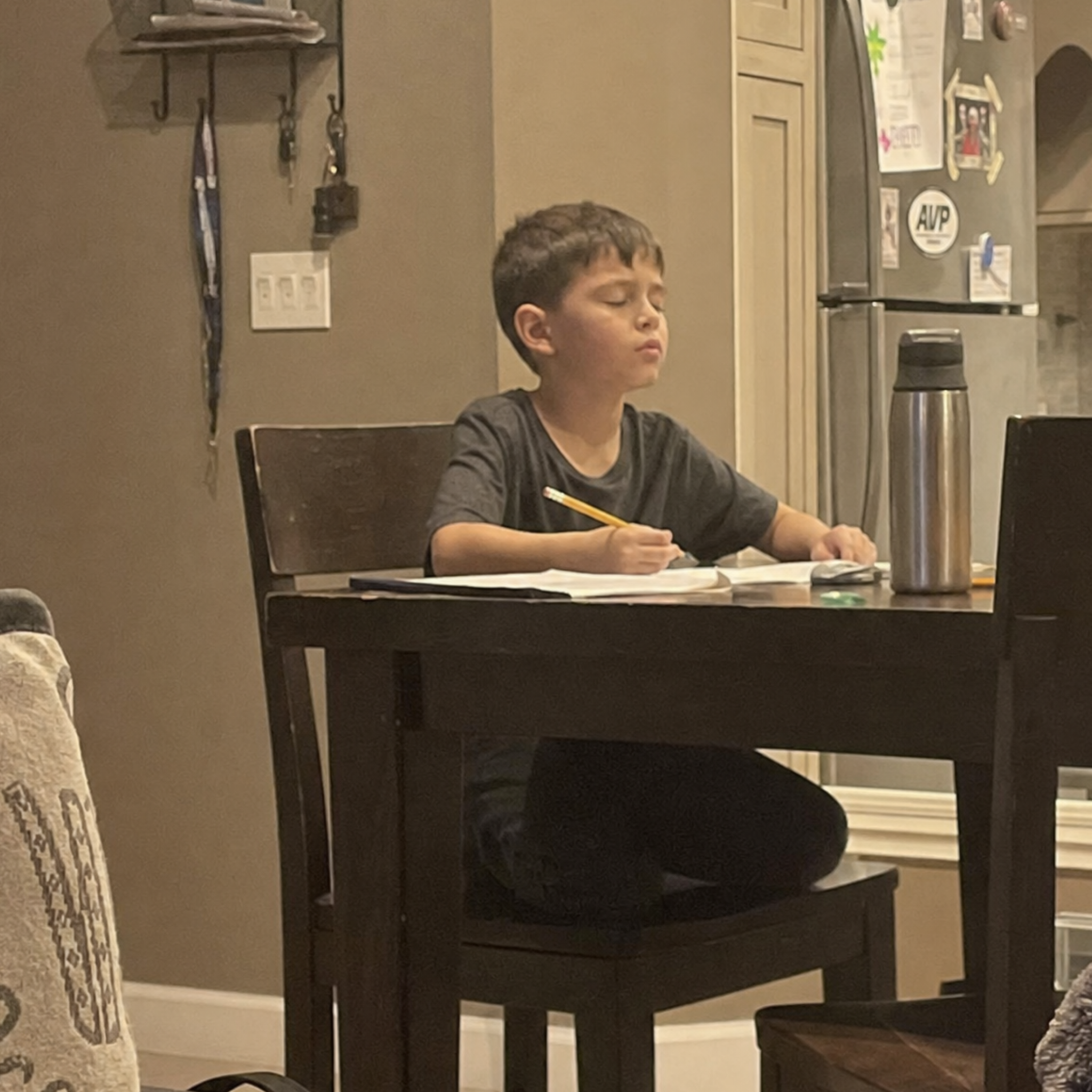
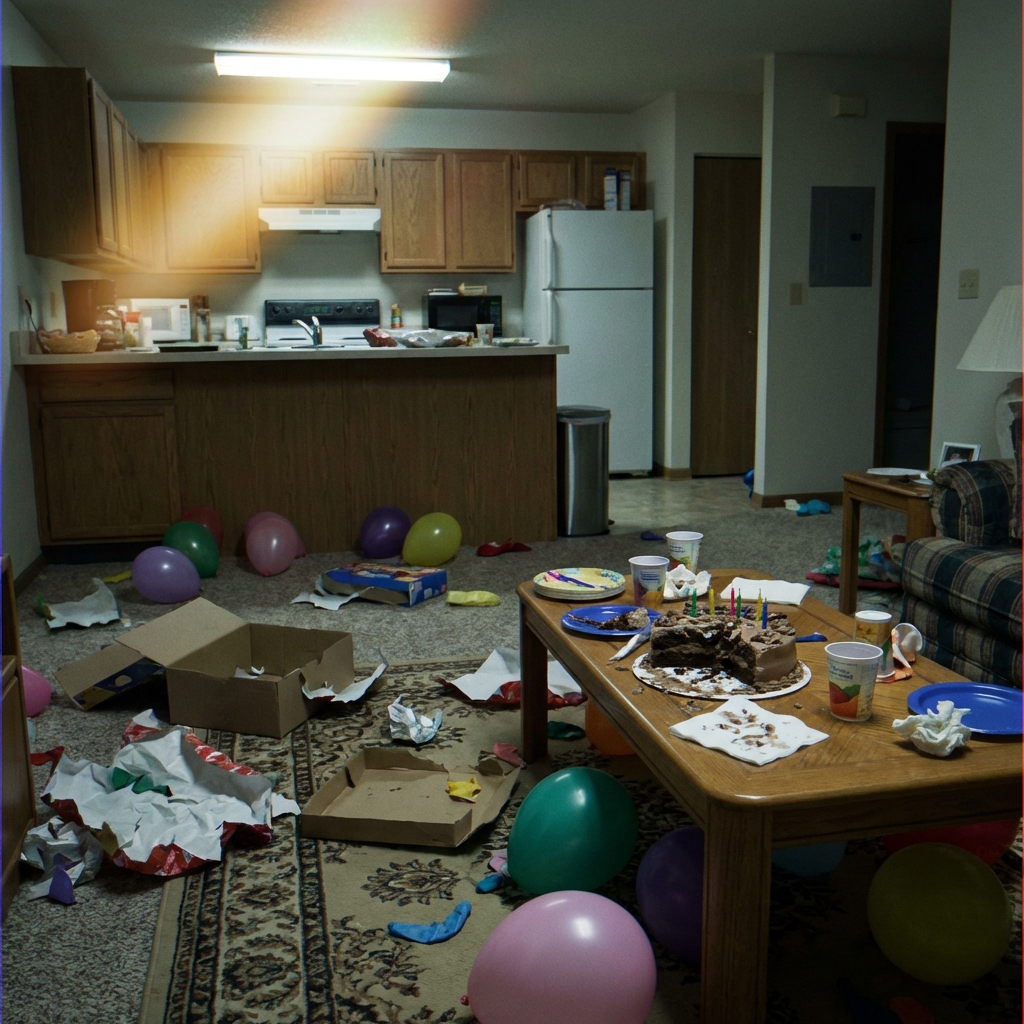
My son's stuffed dog was still in the hallway when I went to bed. I stepped over it on the way to the bathroom at 2am. Didn't pick it up. Just stood there looking at it in the dark. That dog has slept in his bed every single night for four years. Tonight it was on the hallway floor because I asked him to try on soccer cleats. Not wear them outside. Not kick a ball. Just see if they fit. He screamed that he didn't want to do soccer anymore, threw the dog into the hall, and slammed his door. He was in there for an hour and a half. And the worst part? He was the one who begged us to sign him up. That was last month. But if I'm being honest, the picture I should have taken was three years ago. Because that's when the pattern started. That's when I first noticed him flinching, just slightly, before he tried anything new. He signed up for piano because he heard a song in a movie and fell in love with it. Four lessons in, he couldn't play it the way it sounded in his head. He quit. Swimming the following spring. We went twice, then he quit. His bike has been in the garage since he fell off it fourteen months ago. He quit that too. My husband and I stopped mentioning it. Same way we stopped mentioning piano. Same way we've learned, without ever discussing it, to let certain things quietly disappear, because bringing them up means watching something go out behind his eyes. There's a look he gets. Right before the shutdown. A split second where you can see him decide that whatever this is, it isn't worth the risk. He's eight. The morning after the cleats, he came downstairs still puffy-faced, sat down at the table, and asked me if he had soccer practice this week. Like nothing happened. Like the dog hadn't spent the night on the hallway floor. I said yes. He nodded and ate his eggs. I stood at the counter with my back to him so he wouldn't see my face. Because I was crying into the dish soap and trying to remember the last time he'd finished something. And I couldn't. I did what any concerned parent would do. I started Googling. "How to help a child who quits everything." "Fear of failure in kids." "Eight year old gives up too easily." Every result said the same thing. Encourage him. Praise the effort, not the outcome. Let him lead. Don't pressure him. So I tried harder to do all of that. I bit my tongue when he said he wanted to quit. I cheered for the smallest things. I stopped signing him up for anything without asking him first, three times, if he was sure. It didn't work. If anything, he got more cautious. More avoidant. Like the less pressure there was, the less reason he had to push through anything. Everyone kept suggesting therapy. And I want to be clear, therapists are good people who genuinely care. But finding one who took our insurance took weeks. The waitlist was months. And when we finally got there, something felt off about the whole thing. He was eight. And I was sitting in a waiting room outsourcing the most important job I had. I wanted to be the one to fix this. I just didn't know how. I remember driving home after his third session thinking: this isn't it. This can't be it. There has to be something I can actually do, something that happens at home, with me, that doesn't require dropping him off and hoping for the best. I just had no idea what that looked like yet. Then another soccer mom said something to me on the sideline that stopped me cold. Her son had gone through the same thing. The quitting. The shutdown. The "I'm the worst" before he'd even tried. And she'd spent two years trying to talk him out of it, the encouragement, the reframes, the patient conversations about how mistakes are how we learn. "None of it worked," she said. "Because the fear wasn't in his head. It was in his body." I didn't fully understand what she meant. But she kept going. She explained that her son wasn't choosing to quit. His nervous system was making that choice for him. He'd get excited about something, his brain would immediately project forward to the moment he might fail at it, and before he could take a single step, his body had already decided: not safe. Shut it down. The smarter the kid, she said, the worse it can get. Because a sharp mind is very good at imagining exactly how failure will feel, long before it happens. I felt something shift in my chest when she said that. Because that was him. That was exactly him. He wasn't being difficult or dramatic or weak. His brain was working against him, running threat calculations on soccer cleats, on piano lessons, on a bike at the end of the driveway. And here was the part that hit hardest: all the encouragement in the world can't reach a nervous system that's already decided something isn't safe. You can't talk a child out of a feeling that doesn't live in their thinking brain. You have to train it out. The same way you'd build any other skill, through small, repeated doses of trying, falling short, and surviving it. Until the body learns, through actual experience, that failure isn't the catastrophe it keeps predicting. That was the first time in three years I felt like I was looking at the right problem. She told me about Legends. A confidence-training program for kids, five minutes a day, done together with your child, built on research from Harvard and Yale. Not a therapy app. Not a meditation tool. Not another thing to download and forget about in a week. Actual confidence training, the same way you'd train any other skill, through daily reps, until the behavior changes because the belief underneath it has changed. I'll be honest. I was skeptical. We'd tried things before. But two things got me. First, five minutes. That's it. No waitlists, no drop-offs, no $200 sessions. Five minutes at home, with me, before bed. Second, I was the one doing it with him. Not handing him off. Not hoping someone else would reach the part of him I couldn't. Me. That was the thing I'd been looking for without knowing I was looking for it. Each session starts with a short story about a real person, an athlete, a musician, someone he actually knows, who faced failure, felt like quitting, and pushed through anyway. Then comes a quick exercise. Something concrete. Something he actually does, not just listens to. The first night, he asked if we could do it again. I can't remember the last time he asked to do something twice. It's not a magic fix. I knew that going in. But for the first time in three years, I wasn't outsourcing this to someone else or waiting for him to outgrow something I was starting to think he never would. I was doing something. Every night. With him. And I was starting to actually see a difference. Day 1: The first session ended and he looked up at me and asked if we could do it again. I said yes. We did it twice. Week 1: He started using the phrase "catch and replace" on himself. I heard him mutter it under his breath after he missed a shot in the driveway. He didn't come inside. He kept shooting. Week 5: His coach pulled him aside after a drill he kept getting wrong. I braced myself from the sideline. He listened, nodded, tried it again. No spiral. Just tried it again. Week 10: I put his soccer cleats by the door before practice. He picked them up, shoved them in his bag, and grabbed a snack from the counter. He didn't say anything. Neither did I. But I stood there in the kitchen thinking about the stuffed dog on the hallway floor, and the dish soap, and the three years of quietly letting things disappear. And I thought: he just picked up his cleats. His coach texted me that night. Said he'd never seen a kid turn it around mid-season like that. The door stays open now. I kept waiting for it to wear off. For him to have a bad week and slide back. For the old pattern to reassert itself. It didn't. And I started wondering if other families were seeing the same thing. I went looking. What I found stopped me. Thousands of parents. Same story, different kid. A mom whose son had quit three sports in a row wrote: "We are on day 6 and my child asks for this each night. He's more willing to try new things and better able to cope when things don't go his way." A dad who described his daughter as someone who wouldn't even attempt something unless she already knew she'd be good at it: "Just finished Level 1 with my 10-year-old. It's lifted her spirits after tough days and I get to hear more about how she thinks of herself." A single mom of twin boys who said nothing had ever worked, who almost didn't try it: "THANK YOU LEGENDS YOU'VE GIVEN ME HOPE. My boys LOVE this. I am beyond grateful." A parent whose son had ADHD and had been redirected so many times he'd stopped trying anything new: "The payoff we've seen in his self talk, self control and improved relationships is immeasurable." A mom six months in, the one that hit me hardest: "We started Legends to help my son with his negative self talk. It has truly improved his ability to handle stressful situations. His confidence has greatly improved. These are life lessons he will take with him." These weren't outliers. This was thousands of families who had tried everything, hit the same wall, and found the same thing on the other side of it. If any of this sounds like your kid, I want you to think about two paths. Path one: you keep doing what you're doing. The encouragement, the backing off, the waiting. Maybe it gets better on its own. Maybe it doesn't. But another year goes by, and you watch him decide, over and over, that trying isn't worth the risk. Path two: you try this. Five minutes tonight, with your kid, before bed. No waitlist. No drop-off. No hoping someone else figures out the part of him you can't reach. Just you and him. Five minutes. And you let the reps do what words never could. Legends is offering a free 5-day trial right now. No credit card games, no commitment. Just five days to see if what happened in our house can happen in yours. Start your free trial here: https://try.buildlegends.com/listicle1/giftedKids If you don't see a difference in five days, you've lost nothing. But if you do… You'll think about the stuffed dog on the floor. And you'll be glad you didn't step over it one more time. P.S. He still has soccer practice twice a week. Last Tuesday he laced up his cleats at the door, turned to me, and said "I think I'm getting better." He said it the way kids say things when they actually mean them. Not performing. Just noticing. That's what ten weeks of five minutes a day looks like. Don't wait another season: https://try.buildlegends.com/listicle1/giftedKids
Like this ad? Make it yours.
Crush rebuilds this exact creative around your product — your brand, your colors, your offer — in about a minute.