
Inactive· since Mar 25, 2026
- 4
- days it ran
- 4
- relaunches
Ad copy
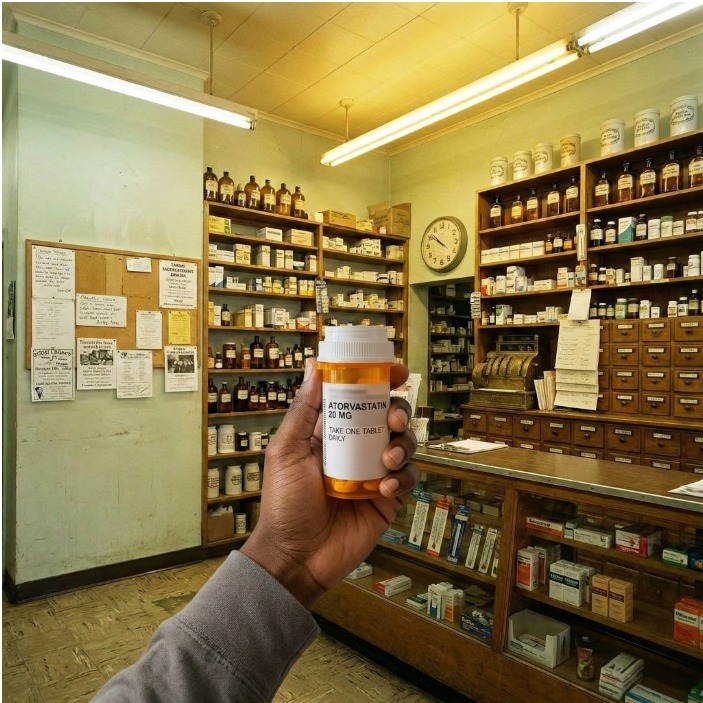
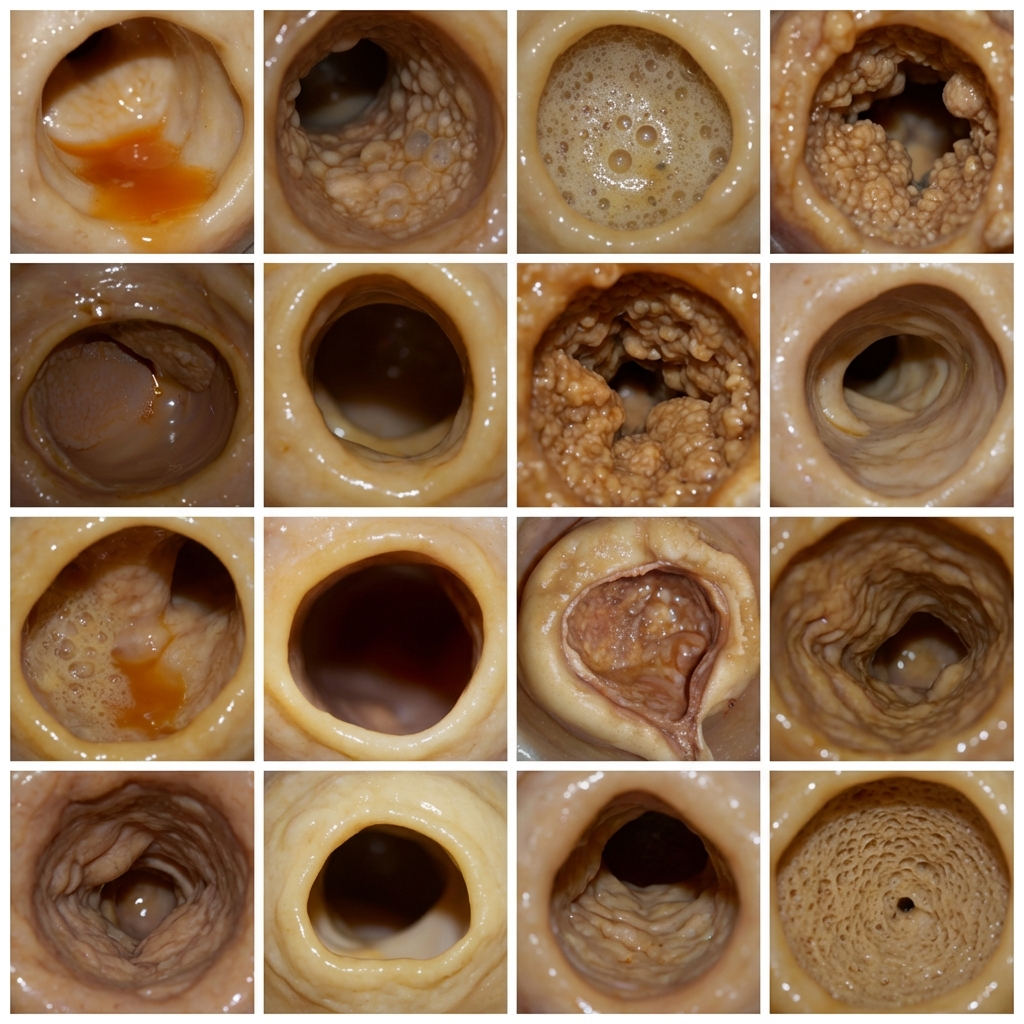
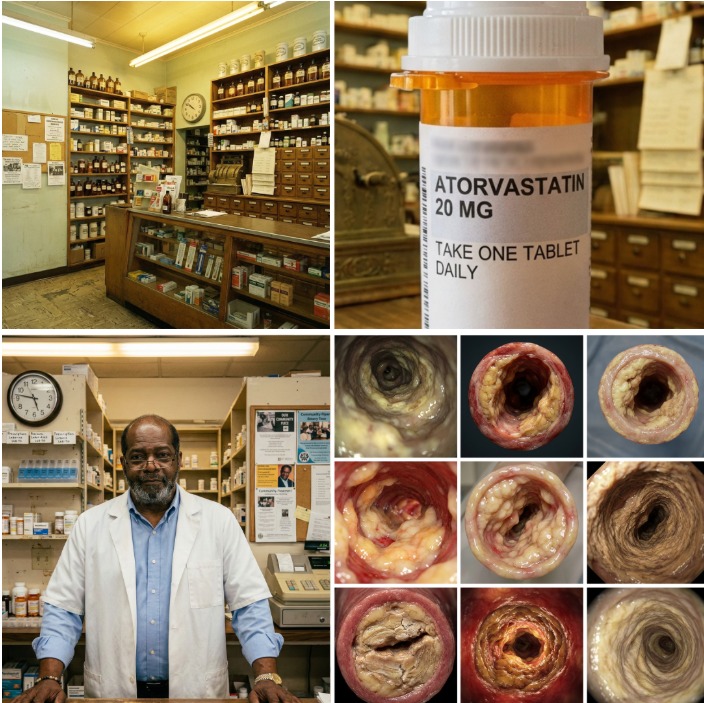
I've been a pharmacist for 28 years. A husband for 25. A father for 21. I've filled over 300,000 prescriptions. I carry 400 patients in my head — their names, their medications, their allergies, their histories. Three hundred thousand prescriptions and I remember almost every one. But there's one I can't stop thinking about. One I filled every 90 days for nine years. The one I put in my wife's hands. The one I wish I could take back. My name is Marcus. I'm 54 years old. I own a pharmacy in a neighborhood I've served since I was 26. Not a chain. No drive-through. No robot counting pills. I'm the pharmacist who knows your name. Knows your mother's name. Knows your medications, your allergies, your dosages, and the drugs your doctor prescribed that I had to call and question because the interaction would have put you in the hospital. My wife Sandra has worked beside me since the beginning. Not as a pharmacist — as everything else. The books, the insurance claims, the inventory, the front counter. But that makes it sound like a job description. It wasn't. Sandra was the reason people came back. I'm the one who checks the interactions. Sandra was the one who kept a mental calendar of every regular's life. She knew Mrs. Henderson's husband died in March and that the anniversary was harder than the funeral. She knew the Williams family was two months behind on their eldest's tuition and never mentioned it because they didn't want anyone to know. She knew the young mother two blocks over was drowning and needed someone to look her in the eye and say "how are you really doing" — and Sandra would say exactly that, every Tuesday, without fail. She wrote birthday cards for our regulars' milestones. Kept a drawer of them behind the counter. Hand-addressed. She used to sing along to whatever was on the radio while she sorted inventory — Anita Baker, Sade, sometimes gospel if it was a Monday and she needed the boost — and customers would hear her voice before they saw her face and already be smiling when they reached the counter. I made the pharmacy accurate. Sandra made it home. Which is why what I did to her — what I let the system do to her through my own hands — is the thing I carry now. Heavier than 400 patients. Heavier than 300,000 prescriptions. Heavier than 28 years of everything I thought I knew. Sandra's doctor found her cholesterol at 252 when she was 44. LDL was 168. He prescribed Atorvastatin, 20 milligrams. She came home with the prescription and set it on the kitchen counter. Looked at me and said, "Should I take this?" I'm a pharmacist. She wasn't asking casually. She was asking the way you ask the person you trust most in the world to tell you the truth. I said yes. I said yes because I understood the mechanism. I'd dispensed thousands of statin prescriptions. I knew the clinical profile better than the doctor who wrote it. I filled it for her myself. Peeled the label, stuck it on the bottle, put it in her purse. The same motion I'd made ten thousand times for strangers. Except this time it was for the woman who built everything beside me. Ninety days later her LDL was 114. Total cholesterol 201. Numbers responded exactly the way the pharmacokinetics predicted. Her doctor was pleased. I was satisfied. The system was working. For three years, I believed that. The laughing stopped first. Not all at once. Not in a way that makes you sit up and say something is wrong. It left the way color leaves a photograph left in sunlight. So gradually you don't realize what's gone until you find an older picture and the difference hits you in the stomach. Sandra was the woman who laughed at everything. Not politely. Loudly. The kind of laugh that made strangers in the grocery store smile without knowing what was funny. Our daughter used to say her mother's laugh was the loudest thing in any room and the thing she'd miss most if it ever stopped. It stopped. Not completely. She still smiled. Still went through the motions. But the sound was different. Shorter. Thinner. Like something behind it had been unplugged. I'd say something that would have had her doubled over three years ago and get a half-smile and a quiet "that's funny, baby." I told myself she was tired. The pharmacy is hard work. Sixteen-hour days some weeks. Of course she's tired. Then the singing stopped. The radio still played behind the counter. Anita Baker still came on at 2 PM the way she always did. Sandra didn't sing along. She'd mouth the words sometimes. Or just stare at the shelf she was stocking like the music wasn't there. Customers stopped smiling on their way to the counter because there was nothing to hear before they arrived. Then the kitchen went quiet. Sandra cooked the way some people pray — with her whole self. Sunday dinners were an event. Collard greens simmering by noon. Cornbread from scratch. A kitchen so full of smells and sounds and music that our daughter's friends would show up unannounced just to sit at the table. Sandra used to say her mother taught her that a kitchen isn't a room — it's an invitation. For 20 years, that invitation was open every Sunday without exception. By year four on Atorvastatin, the Sunday dinners were gone. The kitchen that used to smell like a hymn smelled like nothing. She'd stand in front of the open refrigerator and stare. Not choosing. Just standing. Like the thread between wanting to cook and knowing how to start had been cut somewhere she couldn't reach. I asked her once. "You okay, baby? You want me to help with dinner?" She closed the refrigerator and said, "I'm just not hungry." She said that four Sundays in a row. The woman who fed everyone wasn't feeding herself. The hands came next. Sandra has beautiful hands. Quick hands. She used to do inventory in our pharmacy faster than anyone — opening boxes, sorting bottles, labeling shelves with handwriting so clean it looked printed. Those hands built our business next to mine. Those hands addressed 400 birthday cards a year. Those hands braided our daughter's hair every morning for twelve years without once being late for the school bus. I noticed her shaking out her fingers one morning. Flexing them the way you do when something's stiff. Then I noticed it the next morning. And the next. She started dropping things. A bottle off the counter. A coffee mug that shattered on the kitchen floor. She stood over the broken pieces and I saw something I'd never seen on her face before. Not frustration. Fear. The look of a woman who doesn't recognize what her own hands are doing. Then the birthday cards stopped. The drawer behind the counter stayed closed. Mrs. Henderson's March anniversary came and went without a card for the first time in fifteen years. Sandra didn't forget the date. I believe that. I think she forgot the habit. The impulse. The automatic thing inside her that said "someone is hurting and I should reach out" — that signal had gone dim. And nobody noticed except me. Because Sandra had been doing it so quietly, for so long, that the absence looked like nothing to anyone who wasn't paying attention. I was paying attention. And I said nothing. Because I didn't know what I was looking at yet. I just knew the woman beside me was becoming someone quieter, slower, dimmer. And I kept handing her a bottle every 90 days. The day that broke me was a Saturday in October. Our daughter Keisha brought the grandkids over. Amara is four. Jaylen is two. Sandra loves those kids with everything she has. She's the grandmother who gets on the floor. Who does the voices during story time. Who knows every stuffed animal's name because Amara named them all and Sandra memorized every single one. Amara ran through the front door the way she always does — full speed, arms out, screaming her arrival like a little hurricane. "GRANDMA SANDY! GRANDMA SANDY!" Sandra was in the kitchen. She came around the corner. Amara crashed into her legs. And Sandra looked down at this child — this child she has kept every weekend for two years — and I saw it. The flicker. The search. The half-second that stretches into something terrible when you watch it happen to someone you love. Sandra smiled and said, "Hey, sweet girl." Not "Hey, Amara." Not "There's my Amara." Not the name. Just "sweet girl." Amara didn't notice. She's four. She just wanted to be picked up. Sandra picked her up and held her and looked at me over Amara's shoulder and I saw in her eyes that she knew. She knew her granddaughter's name hadn't come. And she was terrified. She covered it. The way women cover things. Seamlessly. No one in the room knew anything had happened except the two people who'd been married for 25 years and could read each other without words. Keisha stayed for three hours. Sandra called Amara by name six times after that. Every time, I watched her face for the flicker. It wasn't there for the rest of the visit. Maybe it was a blip. Maybe it was nothing. But I'd stood behind a pharmacy counter for 28 years. I'd watched hundreds of patients go through the same sequence. The blips are never blips. They're the first crack in a wall that's been weakening for years. And by the time someone else notices the cracks, the wall is already compromised. That night, after Keisha left, Sandra sat on the couch and stared at nothing. I sat next to her. "You okay?" "I couldn't remember her name, Marcus." She didn't cry. She said it flat. Like a fact. Like a diagnosis. "I looked at my own grandbaby and her name wasn't there. For three seconds. Maybe five. It felt like a year." I took her hand. The hand that was stiff. The hand that used to braid hair and address cards and sort bottles faster than anyone. And I didn't say "It's okay" because it wasn't okay. And I didn't say "It's probably nothing" because I'd said that to 400 patients and it was almost never nothing. I said: "I'm going to figure this out." She went to her doctor that Monday. Told him about the fatigue, the fog, the stiffness in her hands, the heaviness that had settled into her body like wet sand. Told him about the name. About Amara. He ran bloodwork. "Sandra, your cholesterol is 196. LDL is 109. These are excellent numbers." She said: "I'm not asking about my cholesterol. I'm asking about why I feel like I'm disappearing." He didn't look up from the screen when she said that. She told me later. He was typing while she told him she was disappearing. Typing notes about her excellent numbers while the woman attached to those numbers was telling him something was wrong. He said it was probably perimenopause. Hormonal changes. Very common at her age. Completely normal. She said: "My hands shake. I can't remember things I've known for years. I don't have energy to cook. I don't feel like myself." He nodded. Said the hormonal transition can affect cognition, mood, energy levels, and joint stiffness. Said it was textbook. Suggested an antidepressant for the fatigue and mood changes. Wrote a prescription for sertraline. Spent more time on the prescription pad than he'd spent looking at her face. He never asked what medications she was taking. She told me that too. A doctor prescribing an antidepressant to a woman on a statin and he never reviewed her active medication list. Never considered that the drug she'd been on for nine years might be producing the symptoms he was medicating. She brought the sertraline home. Laid it on the kitchen counter. The same counter where she'd laid the Atorvastatin nine years ago. "Should I take this?" Same words. Same counter. Same look in her eyes. The woman I married asking the person she trusts most to tell her the truth. And this time — God forgive me — I almost said yes again. Almost let the system answer for me a second time. A pharmacist who fills 300,000 prescriptions on autopilot almost automated his own wife into a second drug to treat the side effects of the first one. While her doctor typed notes about excellent numbers with his eyes on a screen instead of the patient. I looked at that sertraline prescription and then I looked at my wife. Really looked at her. Not at a patient. Not at a chart. At the woman I'd been married to for 25 years. The woman whose laugh used to fill rooms. Whose hands used to fly. Whose singing used to greet customers before her face did. Whose Sunday kitchen was the center of our family. Whose birthday cards made people feel remembered. That woman was gray. Muted. Like someone had turned her volume down to a setting I didn't recognize. And her cholesterol was "excellent." I said, "Don't fill this yet. Give me a week." I didn't sleep that night. I sat at her kitchen table — the one surrounded by empty chairs on Sundays now — and opened my laptop. I didn't search "Atorvastatin side effects." I already knew those. I could recite them alphabetically. What I searched was different: "Why do compliant statin patients still have cardiac events." Because I'd seen that too. From behind my counter. Patients on statins for a decade — compliant, consistent, trusting — suddenly disappearing. Then a family member coming in with a new stack of prescriptions. Post-cardiac event. Blood thinners. Beta blockers. The statin still on the list, plus four new drugs. Perfect compliance. Excellent numbers. ICU anyway. Then I searched something else: "Statin side effects misdiagnosed as menopause." The results made me physically sick. Study after study showing women's statin side effects systematically attributed to hormonal changes. Cognitive fog labeled perimenopause. Fatigue labeled depression. Muscle pain labeled fibromyalgia or "deconditioning." Women on statins being prescribed antidepressants, sleep aids, hormone therapy — an entire pharmaceutical cascade built on top of a misdiagnosis. Women telling their doctors "I don't feel like myself" and being handed a second prescription instead of someone reviewing the first one. I thought about Sandra sitting in that exam room. Telling her doctor she was disappearing. And him typing. Typing his notes about excellent cholesterol while she sat there asking for help and getting a prescription she didn't need for a condition she didn't have. I wasn't angry at her doctor. Not yet. I was angry at myself. Because I was a pharmacist. I'd watched this exact pattern unfold behind my own counter for years. Women specifically. Coming in with statins. Coming back with antidepressants. Coming back again with sleep aids. The cascade. And I'd filled every single one of those prescriptions and never once said "Has anyone considered that the statin might be causing this?" Not once. In 28 years. And then I'd let it walk into my own home. Sit down at my kitchen table. And slowly erase the woman I loved. With a drug I handed her myself. Every new fact I found that night was another prescription I wished I could take back. Here's what pharmacy school taught me: High LDL is dangerous. Statins block it. LDL drops. Risk drops. Simple. Here's what pharmacy school never mentioned: regular LDL cholesterol is not inherently pathogenic. Your body produces LDL on purpose. It carries essential lipids to your cells. Your brain is roughly 25% cholesterol by dry weight. LDL is a delivery truck. Not a bomb. The problem — the thing that actually initiates arterial plaque — is what happens when LDL gets OXIDIZED. Free radicals attack LDL particles and warp their structure. Your immune system no longer recognizes oxidized LDL as your own cholesterol. It treats it as a foreign invader. White blood cells engulf it, become foam cells, embed in your arterial walls. That's plaque. That's the blockage. That's the heart attack. Not LDL. OXIDIZED LDL. And Atorvastatin — the drug I'd peeled, labeled, and put in my wife's purse thirty-six times — does absolutely nothing to prevent LDL oxidation. It lowers the total amount. Carpet bombs everything. But the oxidation process continues. Unchecked. Untested. Unmentioned. Every sentence I read was another year I'd wasted. Another refill I'd processed on autopilot. Another time I'd watched Sandra get quieter and told myself it was age. In 28 years of pharmacy practice, nobody — not a drug rep, not a CE course, not a single prescriber — ever explained the distinction between LDL and oxidized LDL to me. And nobody was testing for it. Not on my patients. Not on Sandra. Not on anyone. I thought about every time I'd peeled that label and stuck it on her bottle. Every 90 days. Thirty-six times. Thirty-six times I handed my wife a drug that was treating a number while the actual threat to her arteries went completely unaddressed. And every six months, a doctor who spent more time typing than looking at her would say "excellent numbers" and send her home. And I — the pharmacist, the man behind the counter, the professional she trusted above all others — never questioned it. I was learning at 2 AM what I should have known before I ever put that first bottle in her hands. Then the CoQ10 research turned the guilt into something sharper. Statins block the mevalonate pathway. Every pharmacist knows that. What I'd never fully sat with — never let myself sit with — was that the SAME pathway produces Coenzyme Q10. The molecule your mitochondria need to produce cellular energy. Your heart runs on it. Your brain runs on it. Your muscles run on it. Every cell in your body depends on it. Statins reduce CoQ10 production by up to 40%. Forty percent. Sandra's fog. Sandra's hands. Sandra's laugh that went thin. Sandra's singing that went silent. Sandra's kitchen that went cold. Sandra looking at Amara and reaching for a name that should have been automatic. Her doctor calling it perimenopause. Writing sertraline. Never once — not ONCE — considering that the statin might be draining the cellular energy her brain and muscles needed to function. Never once checking CoQ10 levels. Never once asking what other drugs she was taking before prescribing a new one. And when cells are under oxidative stress, the body produces MORE cholesterol as an emergency defense. More cholesterol under those conditions means more gets oxidized. More oxidation means more damage. A vicious cycle. The statin was suppressing one part while the root cause kept spinning underneath. Like turning down the smoke alarm while the house burns. Every supplement I'd recommended to customers over the years was doing the same thing. Fish oil in the bloodstream. Oatmeal in the gut. Plant sterols in the intestine. All working DOWNSTREAM. None reaching inside cells where the oxidative damage was actually happening. None crossing the blood-brain barrier to address the stress that was draining my wife from the inside out. I'd been recommending downstream solutions with upstream confidence. And Sandra paid for it. The research that changed everything — that broke the cycle — was on molecular hydrogen. I found it in Nature Medicine. One of the most prestigious medical journals in existence. Japanese researchers had studied it for decades. Over 2,000 peer-reviewed publications. More than 80 clinical trials. More published research than most drugs on my shelf. And in 28 years of pharmacy practice — three hundred thousand prescriptions, four hundred patients, a career built on knowing what every compound on my shelf does — nobody had ever mentioned it. Not once. Not a drug rep. Not a journal. Not a CE course. Not a colleague. Nothing. Molecular hydrogen is a selective antioxidant. That word — selective — is the reason everything else had failed. Failed Sandra. Failed my customers. Failed every person who tried to fix cholesterol from the outside in. Traditional antioxidants are carpet bombs. They neutralize ALL free radicals — including the ones your body needs for signaling, immune function, and cellular communication. They wipe the board clean. Good and bad. Hydrogen does something no other antioxidant does. It targets ONLY the most destructive radicals — hydroxyl radicals and peroxynitrite — the exact ones that oxidize LDL cholesterol. Neutralizes them. Converts them to water. Leaves beneficial free radicals completely intact. Smart missile. Not carpet bomb. And hydrogen is the smallest molecule in existence. Smaller than oxygen. Smaller than water. It penetrates every cell, every tissue, every organ in the body. It crosses the blood-brain barrier — something almost no other antioxidant can do. Into the brain cells where nine years of CoQ10 depletion had been quietly dimming the brightest woman I'd ever known. Into the mitochondria — the power plants of every cell — where no statin, no fish oil, no supplement on my shelf had ever reached. Where Sandra's doctor never thought to look because he was too busy typing about excellent numbers. When oxidative stress drops inside the cell, the body stops overproducing cholesterol as an emergency response. The vicious cycle breaks. Without blocking enzymes. Without depleting CoQ10. Without the pharmaceutical cascade that had Sandra one signature away from an antidepressant she didn't need. A 24-week randomized controlled trial — gold standard research — showed hydrogen tablets reduced total cholesterol by 18.5 mg/dL and improved the cholesterol-to-HDL ratio by 7.2%. Not by suppressing production. By removing the oxidative trigger that was causing the overproduction in the first place. Then the second piece hit even harder: every hydrogen tablet is produced through a reaction with elemental magnesium. Every single dose delivers molecular hydrogen AND bioavailable magnesium simultaneously. 75% of Americans are magnesium deficient. Magnesium is required for over 300 enzymatic processes — including the ones that regulate cholesterol metabolism, muscle function, nerve signaling, and mood. Sandra's stiff hands. Sandra's flat affect. Sandra's fatigue that a doctor who never looked up from his screen wanted to treat with sertraline. All consistent with magnesium depletion that nobody had ever tested for. In 28 years of pharmacy practice — in a community where cardiovascular disease kills more of my customers than any other cause — I had never ONCE seen a doctor order a magnesium level alongside a lipid panel. Never. Not for Sandra. Not for anyone. I closed the laptop at 3:47 AM. Sandra was asleep upstairs. The house was silent. And I sat at that kitchen table understanding, for the first time, that I had spent nine years trusting a system that measures one number, ignores the mechanism, dismisses the woman, and calls it excellence. The product that matched the research was PrimeCell. Made by Amala Health. 12 parts per million of molecular hydrogen — up to eight times what most products deliver. Plus 80mg of bioavailable magnesium per tablet. One tablet. One glass of water. Both fronts addressed simultaneously. The oxidative stress the statin ignores. The mineral foundation the statin depletes. I want to be honest about what I felt when I found it. I didn't feel hope. Not yet. I felt something closer to dread. Because if this was real — if the mechanism was sound and the research was legitimate — then the answer had existed for YEARS while I was filling Sandra's Atorvastatin every 90 days like clockwork. Peeling labels. Sticking them on bottles. Telling her the drug was doing what it was supposed to do. Watching her go quiet and blaming age. I evaluated PrimeCell the way I evaluate anything. I'm a pharmacist. I don't take things on faith. I pulled every study I could find. Traced the clinical trial methodology. Examined the dosage. Compared the hydrogen concentration to every competitor on the market. Checked the magnesium form and bioavailability. Spent three nights on it. The same obsessive verification I'd done for 300,000 prescriptions — except this time the stakes were personal. The mechanism was different from anything I'd ever dispensed. Not different the way bergamot is different from fish oil — both working downstream, both missing the cellular target. Different at the fundamental level. Working upstream. Inside cells. At the mitochondria. Where the damage actually begins. Where Sandra's doctor never looked. Where nothing I'd ever put on my shelf could reach. I tapered Sandra's Atorvastatin with monthly bloodwork. Ordered PrimeCell the same night. That night I stood in the bathroom and looked at myself in the mirror. A pharmacist. Twenty-eight years. Three hundred thousand prescriptions. The man the neighborhood trusted. And I was taking my own wife off a drug the entire system said she needed, based on research the entire system had never mentioned, using a product no drug rep had ever put on my counter. If I was right, I was going to give Sandra back what I took. If I was wrong, I was the most reckless pharmacist in the city. And I'd done it twice. Day three — nothing I could see. I watched her the way you watch a wound you caused, hoping it'll close. Searching her face for signs of something shifting. Nothing yet. The guilt had no relief valve. Not yet. Day five — she was up before me. That doesn't sound like anything to anyone reading this. But Sandra hadn't been awake before me in over a year. I came downstairs and the kitchen smelled like coffee. She was standing at the counter with the mug in her hand. Holding it steady. No shaking. No flexing. I poured my own cup and sat down. Didn't say a word. Because I wasn't ready to believe it and I wasn't ready to ruin it. Week two — I was in the pharmacy counting a prescription. Sandra was unpacking a shipment. I heard her open the box. Tape ripped clean. Seal broken. Bottles being sorted on the shelf. Quick. Smooth. The rhythm I used to hear eight hours a day for 20 years before it slowed to something I pretended not to notice. She was humming. Low. Under her breath. Not quite singing. But the melody was there. Something by Anita Baker. The first music I'd heard from her in I don't know how long. I stopped counting. Just listened. A pharmacist who miscounted a prescription for the first time in 28 years because his wife was humming again and the sound of it mattered more than anything in that bottle. Week three — the hands. I watched her addressing an envelope at the front counter. Not a birthday card — we weren't there yet. A shipping label. But the handwriting. Clean. Fluid. The pen moved without the hesitation I'd been watching for two years. She dotted the i and crossed the t and didn't shake out her fingers afterward. I walked into the back room and sat on a supply crate and put my face in my hands. Not sadness. Relief so heavy it felt like grief in reverse. Week five — Saturday morning. Keisha brought the grandkids. Amara came through the door at full speed. Same as always. Arms wide. Voice at maximum. Sandra came around the corner. Amara hit her legs. "Hey, Amara baby. Hey, my girl. Where's your brother? JAYLEN. Come see Grandma Sandy." Both names. No pause. No flicker. No search. Just the grandmother who knows every stuffed animal's name reaching down and scooping up the child she'd blanked on two months ago and holding her like she was trying to memorize the weight. I was standing in the hallway. Sandra looked at me over Amara's shoulder. The same way she'd looked at me that day in October. Except this time her eyes weren't terrified. They said: "I'm here." Week seven — Sunday. I came downstairs and the kitchen smelled like collard greens. Like cornbread. Like the kitchen I'd been walking through for nine years that had gone cold and quiet while I stood behind a counter telling other people's wives their numbers looked excellent. Sandra was at the stove. Music playing. Wooden spoon in one hand. She was singing. Not humming. Singing. Full voice. The voice that used to greet customers before her face did. She looked at me and said, "Call Keisha and tell her to bring the kids." I didn't call Keisha right away. I stood in the doorway of my own kitchen and watched the woman I married come back to life in the place where she'd always been most alive. The collard greens simmering. The cornbread in the oven. Anita Baker on the speaker. Sandra's voice above it. I made a promise standing in that doorway. That I would never hand anyone — anyone — a drug without understanding what it takes. Not just what it gives. What it TAKES. Because what it took from this kitchen, from this woman, from this family — it almost didn't come back. And it would have been my fault. That evening, after dinner, after Keisha and the grandkids went home, Sandra and I sat on the porch the way we used to before 7:45 bedtimes and silent Sundays. She reached over and took my hand. She hadn't done that in over a year. Her hands used to find mine everywhere — in the car, at the table, walking through the neighborhood. Then they'd stopped. Because they hurt. Because she didn't have the energy. Because the woman who reached for people her whole life had stopped reaching. She held my hand on that porch and neither of us said anything for a long time. We didn't need to. Her hand was warm and steady and strong. And it was reaching for mine again. Bloodwork at twelve weeks. Completely off Atorvastatin for the last four. Total cholesterol: 199. On Atorvastatin it had been 201. LOWER without the drug. LDL: 115. Optimal range. Without a single pharmaceutical molecule suppressing it. HDL: 61. On Atorvastatin it had been 42. A nineteen-point increase. The protective cholesterol. The one the statin never moved in nine years. Nineteen points in twelve weeks. Triglycerides: 122. Down from 189. Better than any result her statin had ever produced. Her numbers were better in twelve weeks than they'd been in nine years. Which means for nine years, I was reading a chart instead of reading my wife. I took the labs to her doctor myself. Sat in the chair across from his desk and put the numbers in front of him. He looked at the results. Looked at me. Looked back at the results. "Her numbers are better than they've been in nine years." I said: "I know. And she's laughing again. And she's cooking again. And she's singing behind the counter. And her hands work. And she remembers her granddaughter's name without flinching. Is any of that in the chart? Or just the number?" He didn't tell her to go back on Atorvastatin. First time in nine years. I'm writing this for every husband watching it happen and calling it age. For every wife feeling it happen and being told it's menopause. For every woman who sat in a doctor's office and said "I feel like I'm disappearing" and got a prescription for something she didn't need instead of someone reviewing the drug she was already on. And I'm writing it for every person who handed someone they love a pill because a professional said to — the way I said to. The way I told my own wife. The way I told her because I trusted the system more than I trusted what I could see with my own eyes. Maybe it's not aging. Maybe it's not hormones. Maybe it's not depression. Maybe it's the drug. And maybe the number your doctor celebrates every six months has nothing to do with whether you're actually protected — or whether the person you love is actually okay. I put that drug in Sandra's hands. Thirty-six refills. Nine years. I trusted the system because I WAS the system. And the system gave her a number while it took her laugh, her voice, her hands, her Sunday kitchen, her birthday cards, and almost took the name of her own granddaughter right out of her head. And her doctor called it menopause. And I called it age. And both of us were wrong. And she's the one who paid for it. PrimeCell gave it back. One tablet. One glass of water. The hydrogen reaches inside the cell and neutralizes the specific radicals that oxidize LDL — the ones the statin never touched. The magnesium restores what the statin drained — the foundation for 300 enzymatic processes the body can't run without. No CoQ10 robbery. No cascade. No fog. No stiff hands. No sertraline for a condition she didn't have. No doctor typing notes about excellent numbers while the woman behind those numbers disappears. Her numbers are better off the drug than they ever were on it. Her HDL moved for the first time in nine years. Her laugh is back — the loud one, the real one. Her kitchen is back. Her hands are steady. Her granddaughter's name is right where it belongs. And the woman I married is right here. Where she was the whole time. Underneath a drug I should have questioned on prescription number one. I didn't question it until prescription number thirty-six. She forgave me before I ever asked. That's the kind of woman she is. I haven't forgiven myself yet. I don't think I'm supposed to. I think the guilt is the thing that keeps me from ever trusting a number more than I trust the person standing in front of me. From ever filling a prescription on autopilot. From ever watching someone dim and blaming time. Don't wait like I did. Don't be me. Please. shop.getamalahealth.com/pch/ch/mm/ps P.S. — I started carrying PrimeCell in my pharmacy. Not because anybody asked me to. Because I owed it. I owed it to every woman I'd watched walk out with a statin and come back with antidepressants and sleep aids stacked on top. The first person I told was Mrs. Patterson — been on Crestor for twelve years. She started PrimeCell alongside it three weeks ago. Came in last Tuesday, leaned across the counter, and said the morning stiffness in her hands was gone. Said it quietly. The way women say things when they've been dismissed so many times they're afraid to trust their own experience. Then she said, "Marcus, I feel like myself again." Three more customers started after she told them. I didn't push it. I just put the information where people could see it. That's what a good pharmacist does. Sandra and I have been the wrong kind of good for over two decades — accurate, careful, trusted, but inside a system neither of us questioned. Now we're the right kind. I owe Sandra that. I owe every woman who's sat in a doctor's office and been told she's "just getting older" that. P.P.S. — Here's my pharmacist challenge. Drop one PrimeCell tablet in a glass of water. Wait 90 seconds. Drink it. Set a timer for 20 minutes. If you don't feel something shift — a clarity, a sharpness, like someone cleaned a window you didn't know was smudged — then maybe this isn't for you. But if you feel it — and almost everyone I've given it to feels it — that's not placebo. That's the smallest molecule in existence crossing your blood-brain barrier for the first time. Something your statin has never done and never will. Something every supplement on my shelf can't do because they never reach where the damage lives. Sandra felt it on day five. I know because I came downstairs and she was up before me holding a coffee mug with steady hands. She didn't say "I feel different." She didn't have to. The coffee was made. The mug wasn't shaking. And for the first time in longer than I want to admit, she looked like the woman I married instead of the woman the drug had left behind. That was enough. That was everything. P.P.P.S. — If your doctor told you it's perimenopause, and you're on a statin, read that sentence again. Then look at the prescription timeline. When did the symptoms start? How long after starting the statin? Did anyone — your doctor, your pharmacist, anyone — ever consider the statin as the cause? Or did they hand you a second prescription to treat the side effects of the first one? Sandra was one signature away from sertraline. One. If I hadn't been a pharmacist — if I hadn't known enough to stop and ask the question her own doctor didn't ask — she'd be on two drugs right now instead of zero. And her cholesterol would still be "excellent." And she'd still be disappearing. If that sounds like you, or like someone you love, don't wait for a pharmacist husband to intervene. The information is right here. P.P.P.P.S. — PrimeCell has a 90-day money-back guarantee. If her numbers don't improve — or yours don't — every penny back. No questions. In 28 years of pharmacy, I have never seen a pharmaceutical company offer to refund your money if their drug doesn't work. Your Atorvastatin comes with a lifetime commitment, guaranteed CoQ10 depletion, and a doctor who reads one number on a chart and types notes while you talk. PrimeCell comes with a guarantee. The drug that took nine years from my wife came with nothing but a refill reminder. P.P.P.P.P.S. — PrimeCell is a small company. They sell out. I'm telling you this as someone who manages inventory for a living — I had to wait 9 days for a restock and had customers asking every morning. If her next blood draw is in 30 to 60 days — or yours is — and you want real numbers instead of statin-managed results a doctor has been rubber-stamping while typing with his eyes on a screen, check if they have stock now. Not next week. Now. Every day you wait is another day the vicious cycle keeps spinning. Another day the statin keeps draining CoQ10 from the brain and muscles and mitochondria that need it most. I waited nine years. I handed her the bottle thirty-six times. The guilt doesn't go away just because the results came back good. It stays. Because the time doesn't come back. Don't let that be your story. P.P.P.P.P.P.S. — Do not forget about the 90-day money-back guarantee. shop.getamalahealth.com/pch/ch/mm/ps
Fix Yourself at the Cellular Level
“Three months on PrimeCell. Doctor looked at my numbers and said something he's never said in six years: 'let's talk about coming off the statin.' Best appointment of my life."
LEARN MORELike this ad? Make it yours.
Crush rebuilds this exact creative around your product — your brand, your colors, your offer — in about a minute.