
Inactive· since Mar 27, 2026
- 40
- days it ran
- 0
- relaunches
Ad copy
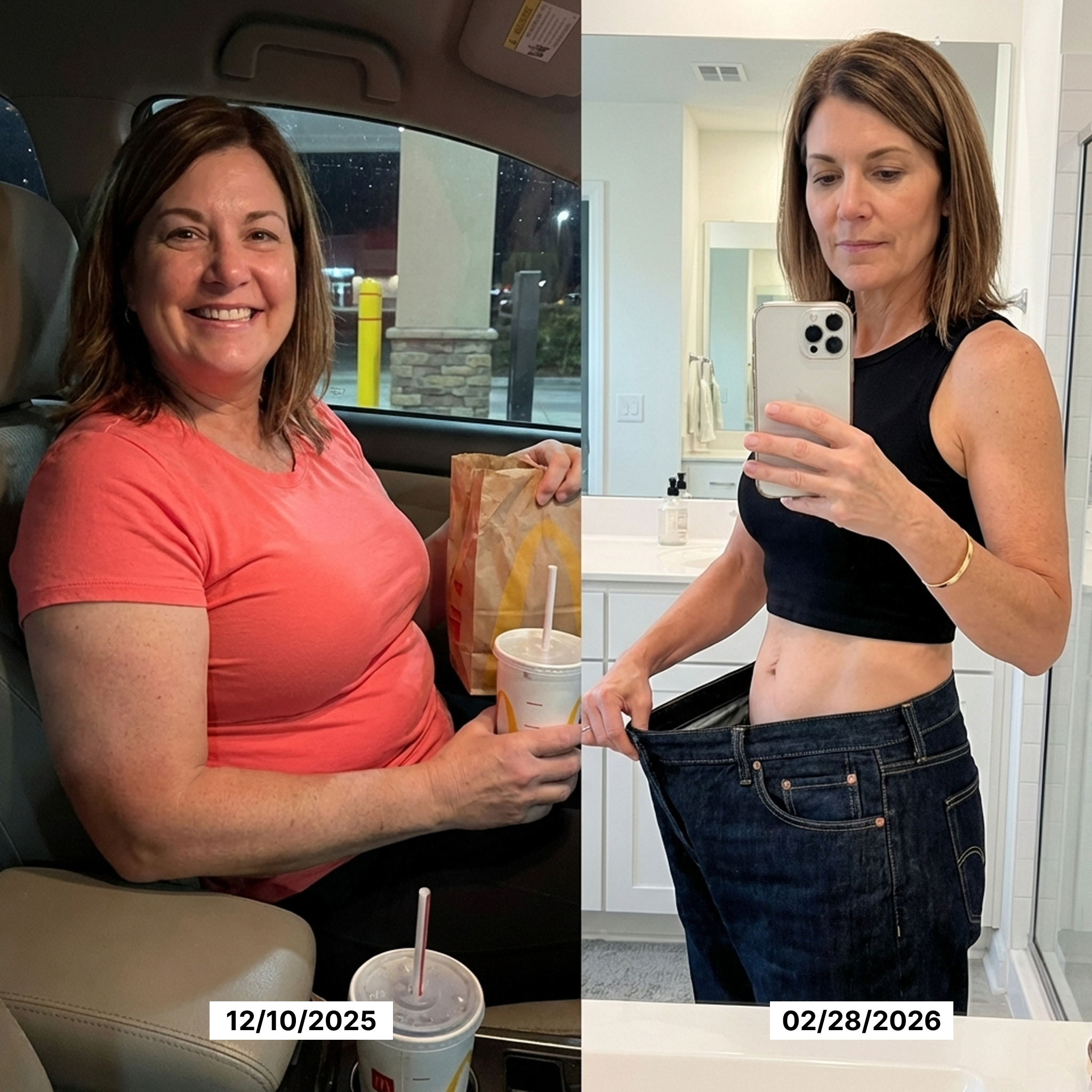
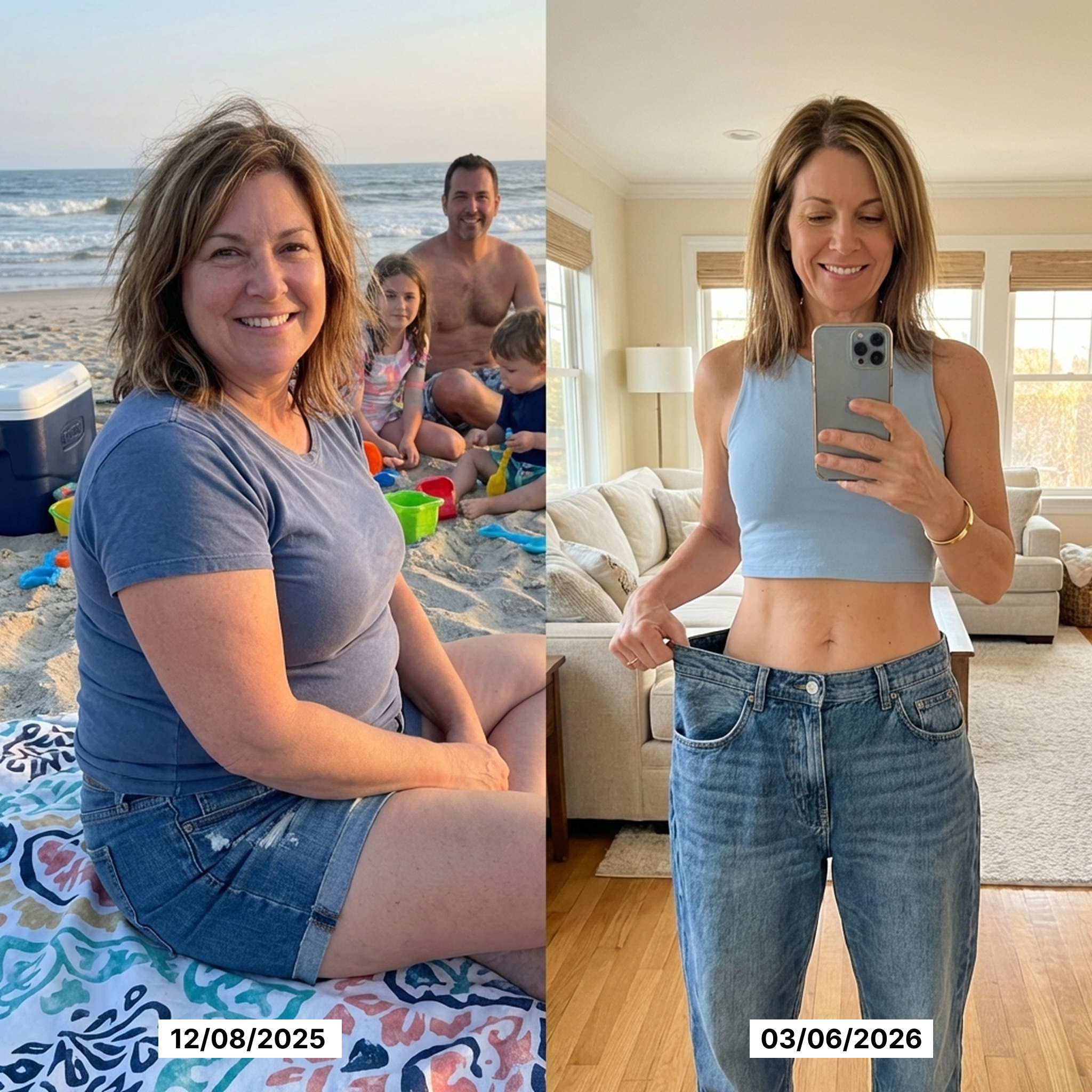
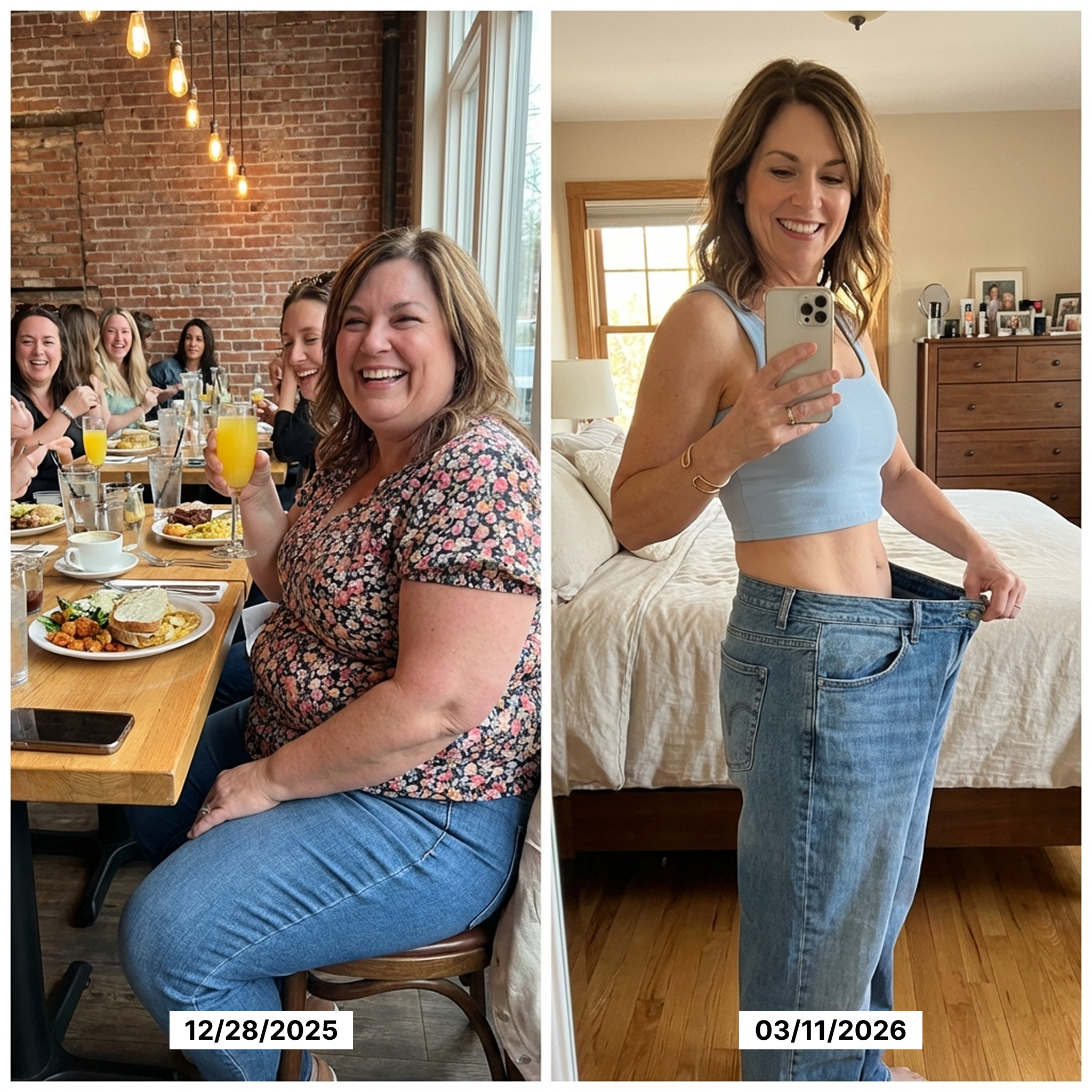
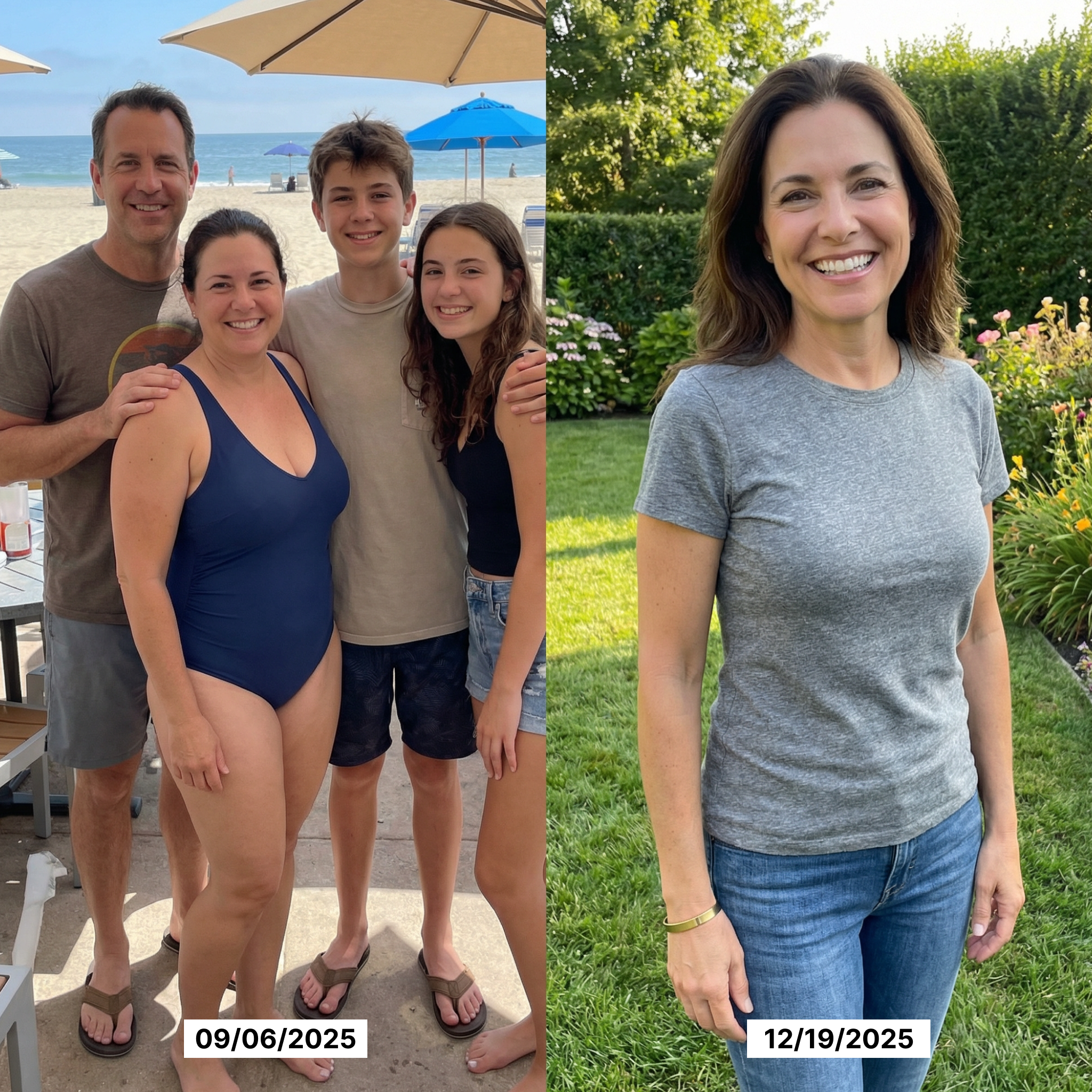
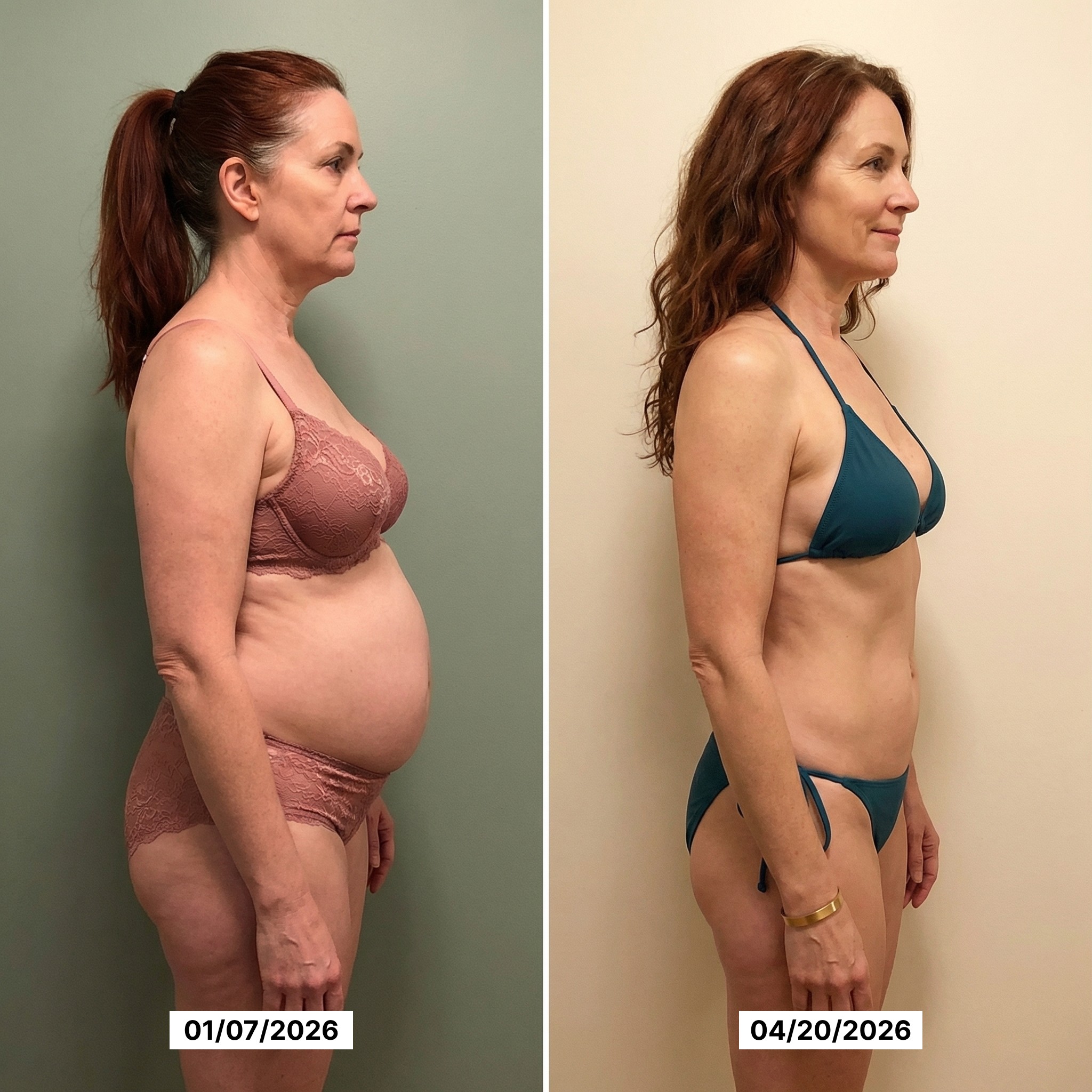
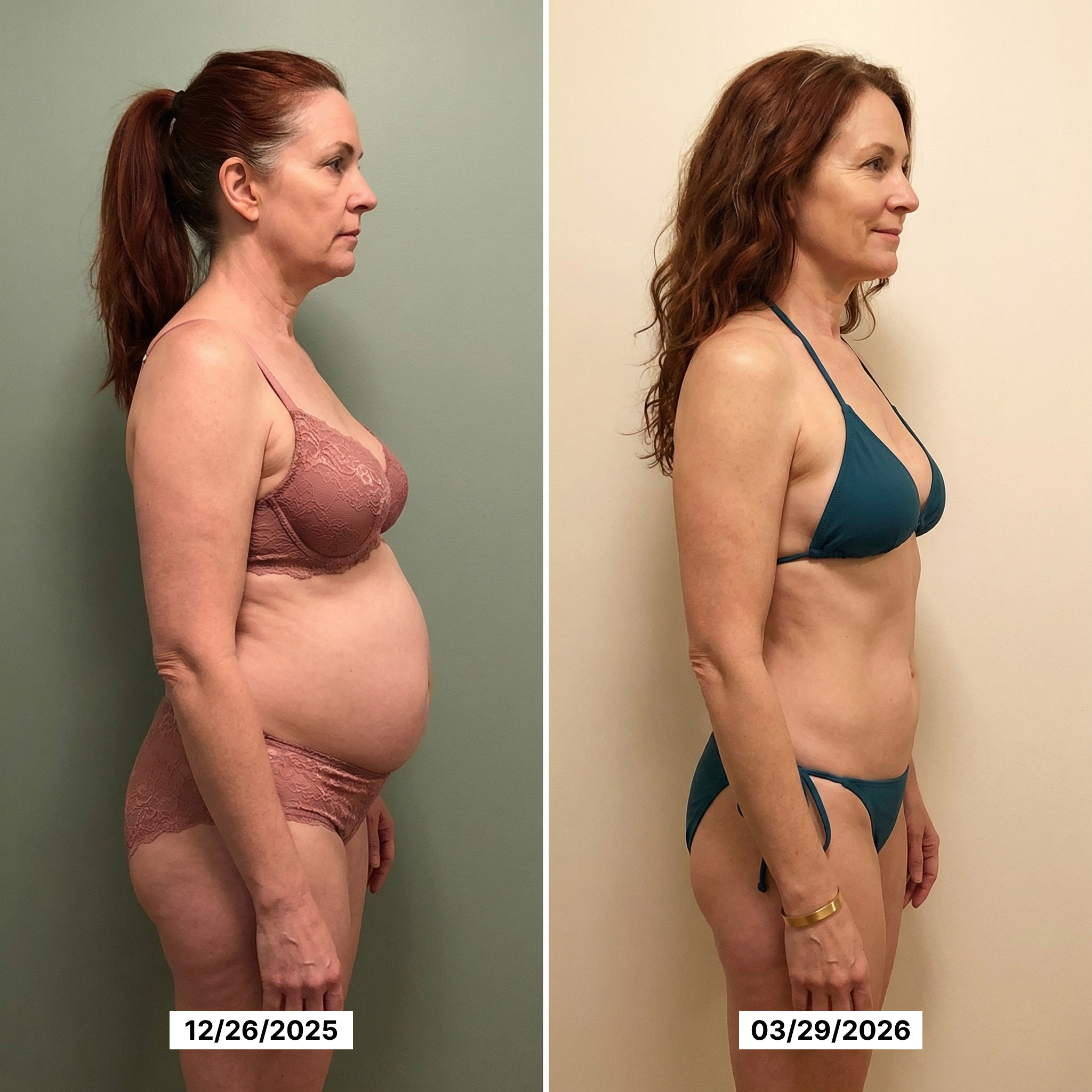
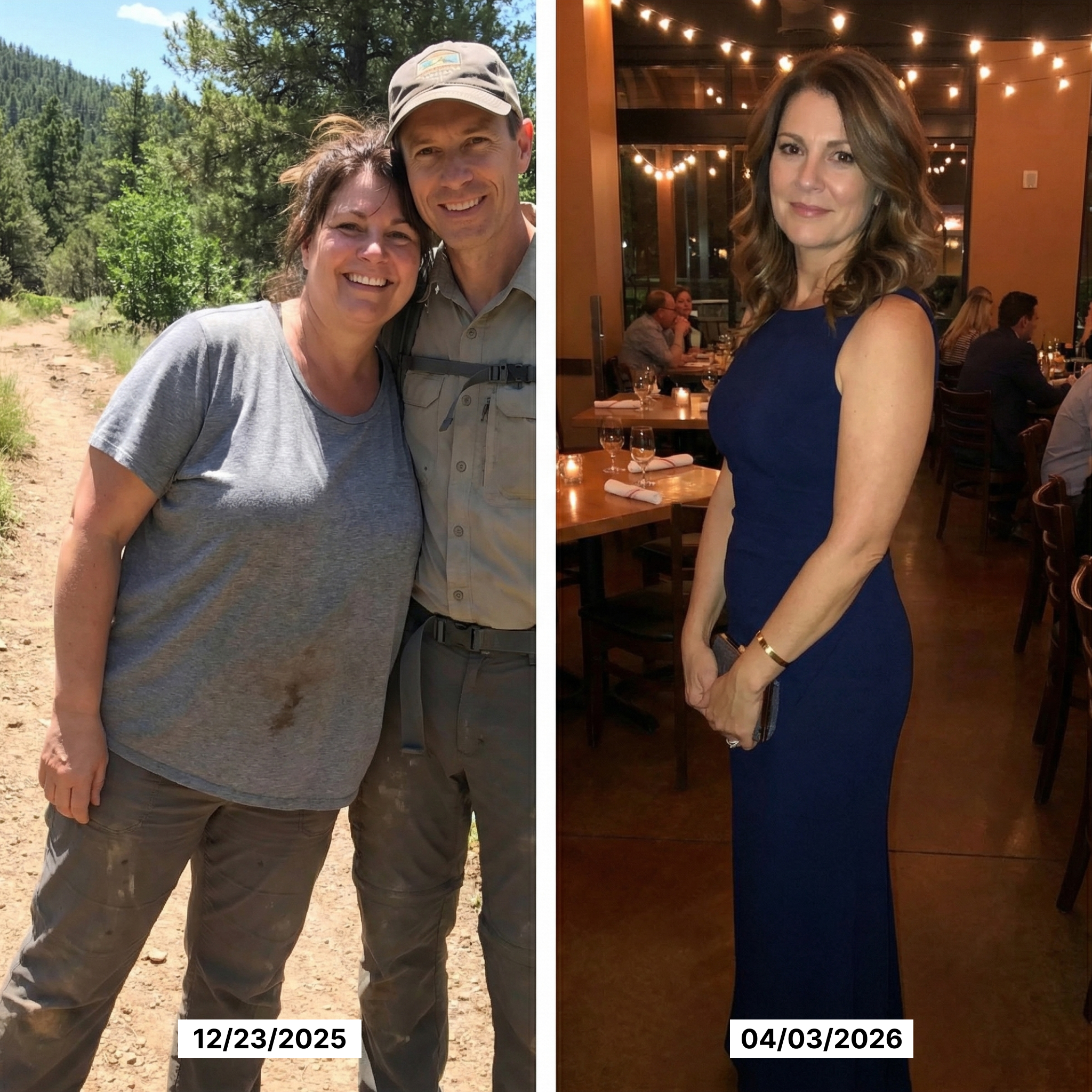
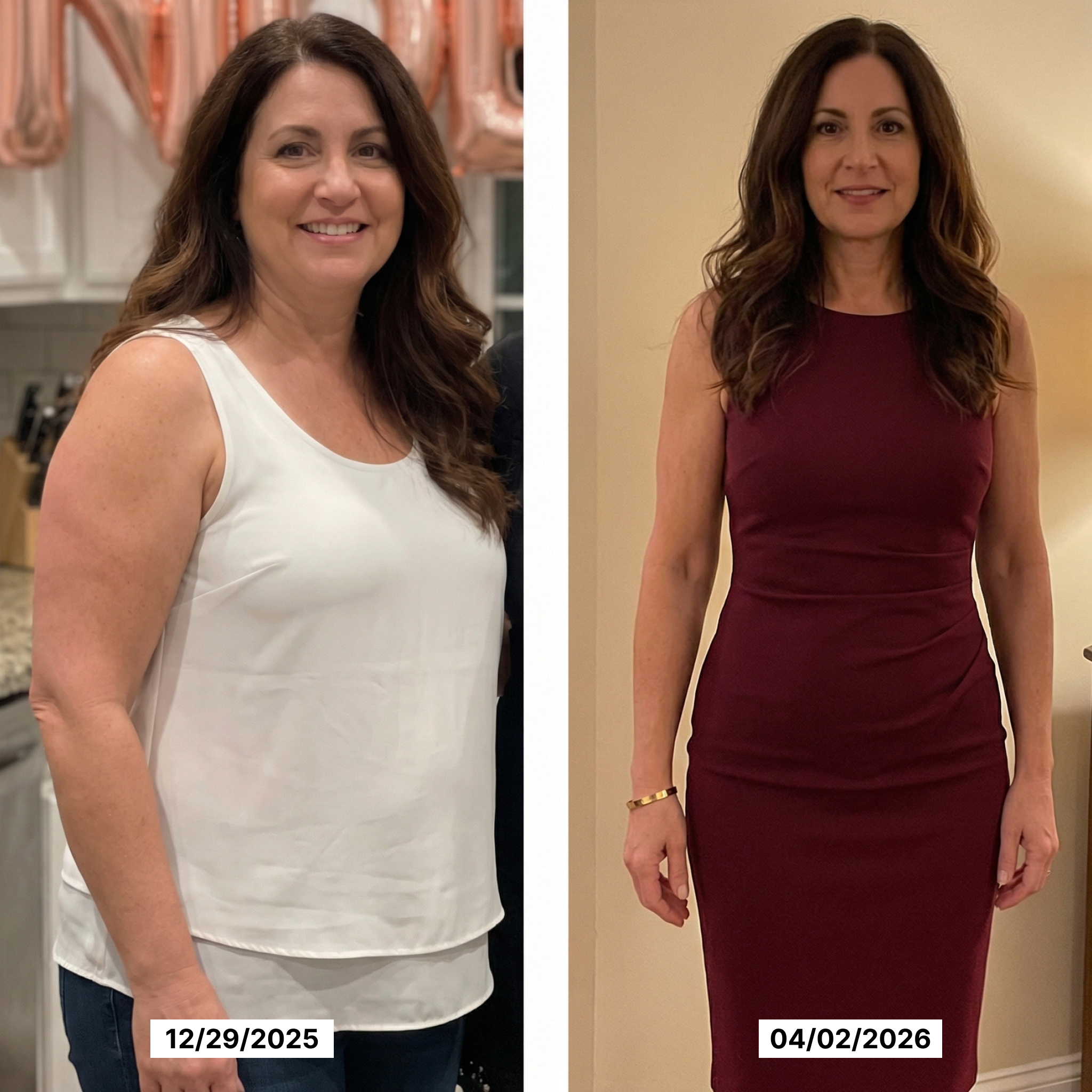
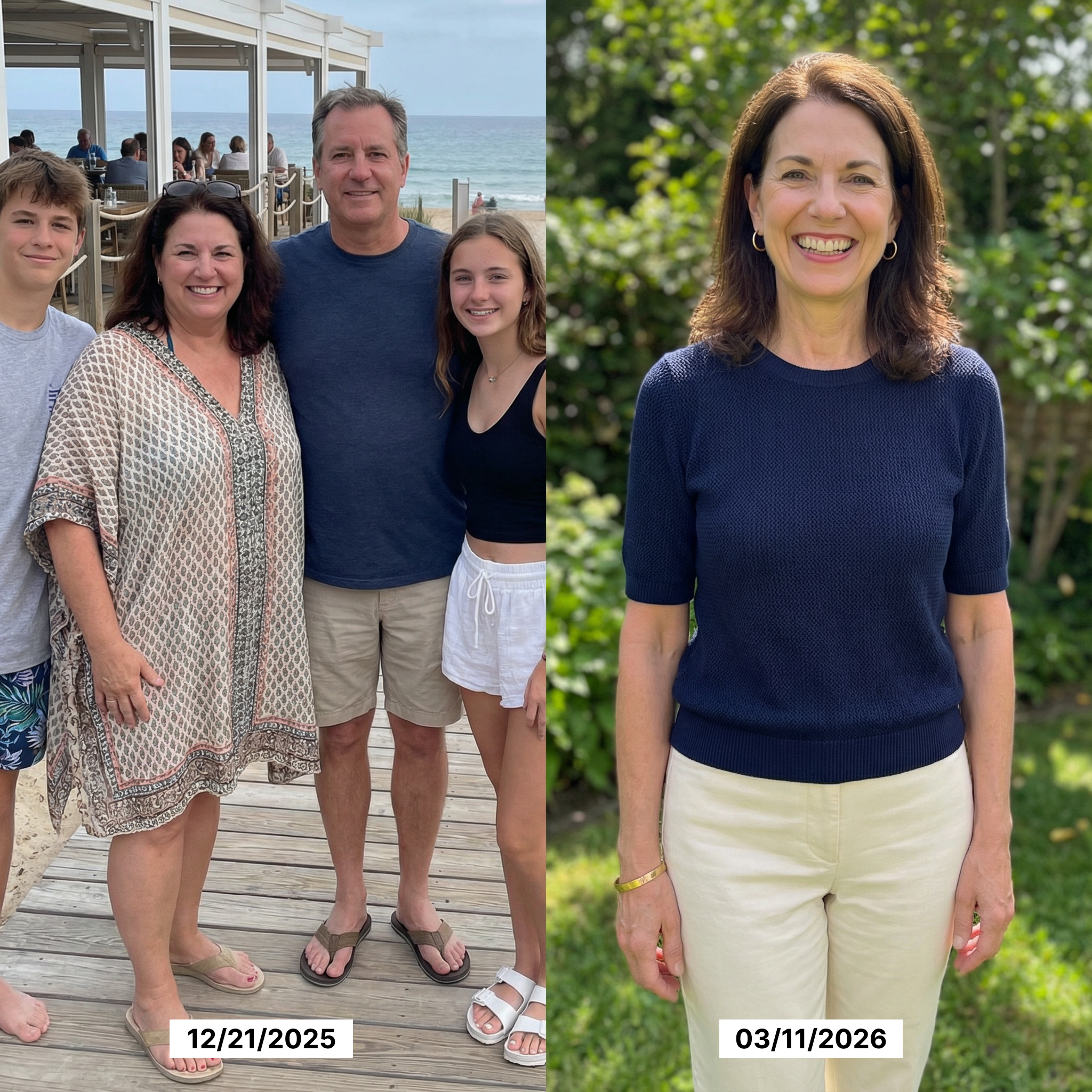
My cardiologist called me three times in one week. She said in 30 years of practice, she'd never seen a 56-year-old woman lose 47% of her visceral fat that fast. She ran every test she could. Everything came back clean. 34 pounds gone. She still has no explanation. I'm a cardiac rehabilitation exercise physiologist. I've designed and supervised post-cardiac-event recovery programs for 21 years. Dr. Sonia Haddad has managed my cardiovascular care since my first abnormal lipid panel nine years ago. She's meticulous. She documents everything. She doesn't call patients outside of scheduled appointments unless something is wrong. So when my phone rang on a Monday evening and it was her, I assumed there'd been a billing error. "I'm looking at your imaging from Friday," she said. "Your visceral fat measured 97 cm2. Four months ago it was 183 cm2. That's a 47 percent reduction. I need you to come in tomorrow for a full workup. I'm ordering tumor markers, thyroid function, and a complete inflammatory panel." I went in Tuesday. Bloodwork, scans, everything she could think of. She called Wednesday. "Every test came back normal. Thyroid fine. Tumor markers negative. Inflammatory markers clean. I've consulted with two colleagues and neither of them has a clinical explanation for this rate of visceral fat loss without surgical or pharmacological intervention. I'm ordering a repeat scan." She called again Friday. "The repeat scan confirmed it. 97 cm2. It's not a measurement error. I still don't have an explanation. I need to see you next week." Three calls in one week. In nine years as her patient, she'd never called me once outside of a scheduled appointment. The Meno Belly That Was Killing Me Twenty-one years in cardiac rehab, and you become the person everyone assumes has it figured out. I write the exercise prescriptions. I calculate the target heart rate zones. I teach post-MI patients how to rebuild their cardiovascular systems one monitored treadmill session at a time. I'm the one who explains to a 60-year-old man why his belly is more dangerous than his blocked artery. And the whole time, my own belly was growing. From 48 to 56, I gained 34 pounds. My waist went from 29 inches to 39 inches. All of it midsection. My lab coat stopped buttoning. I started wearing it open over my scrubs, which is something I'd always told myself I'd never do because I'd seen what it meant on other women my age in the clinic. It meant you'd given up on your own midsection. Every morning I stood in front of a cardiac rehab class and coached patients through exercises designed to reduce visceral fat. Then I'd sit down at my desk and feel my own belly press against the drawer. The professional humiliation was quiet and constant. Nobody said anything. Nobody had to. The Labs That Made My Cardiologist Stop Being Polite My last full workup with Dr. Haddad before the bracelet: Visceral fat: 183 cm2 (high risk is >100 cm2) Waist-to-hip ratio: 0.94 (high risk is >0.85) Fasting glucose: 116 (prediabetic) Triglycerides: 226 (elevated) Blood pressure: 140/90 (stage 2 hypertension) Fibrinogen: 418 mg/dL (elevated) She closed my chart and took her glasses off. "I'm going to be direct with you because you understand these numbers better than most of my patients. You are a cardiac event waiting to happen. Your visceral fat is nearly double the threshold. Your fibrinogen tells me your blood is already in a pro-thrombotic state. You design rehab programs for people who've already had the heart attack you're heading toward." My father dropped dead of a massive MI at 58. No warning. No prior diagnosis. He was grilling steaks on a Sunday afternoon and collapsed in the backyard. My brother found him. My aunt had a stroke at 63 that left her unable to speak. She lived another seven years without ever saying another word. I build cardiac recovery programs for a living. And my own body was running the same playbook I'd spent two decades trying to help patients survive. The Rehab Gym Shows You What's Coming Twenty-one years supervising cardiac rehabilitation, and certain patients stay with you: 51-year-old woman, visceral obesity, post-MI, made it through rehab, hit every target. Came back 11 months later with a second MI. Died in the ambulance. Her visceral fat had never come down enough. The belly was still there. 58-year-old man, metabolic syndrome, central adiposity so pronounced I had to modify every piece of equipment for him. Completed his 36 sessions. Graduated the program. Fatal arrhythmia at home three months later. 55-year-old school counselor, prediabetic, visceral fat and hypertension, referred to us after an episode of unstable angina. She did everything right in rehab. Walked every day. Changed her diet. Her visceral fat dropped 12 percent. Not enough. Massive stroke 14 months after graduation. Her daughter called me to tell me. Every one of them had worked hard. Every one of them had done what I told them to do. And the visceral fat had outlasted all of it. I'd finish the last patient's discharge paperwork, pull up my own chart on the screen out of habit, and stare at my numbers next to theirs. Same visceral fat range. Same metabolic markers. Same risk category. Except I was the one writing their recovery plans. The $3,940 I Spent Trying to Practice What I Preach I tried everything an exercise physiologist with cardiac rehab credentials would try: Cardiac rehab visceral fat reduction program ($1,300 for 16 weeks) that helped marginally but didn't eliminate the risk. Prescription omega-3 and magnesium glycinate protocol ($700 over 8 months) that Dr. Haddad hoped would address the inflammatory markers without full statin therapy. Anti-inflammatory Mediterranean meal program with registered dietitian oversight ($1,300 for 13 weeks) targeting visceral fat through dietary intervention. Supervised periodized strength and metabolic conditioning ($640 for 18 sessions) that I designed myself based on the latest visceral fat reduction research. My waist went from 39 inches to 37 inches. Visceral fat from 183 to 170 cm2. I moved my own numbers more than most of my patients achieve. Still not enough. Still in the danger zone. Dr. Haddad didn't schedule a follow-up discussion. She scheduled what she called a "treatment decision." Her words: we begin statin and metformin therapy, or we discuss GLP-1 medication. She wasn't asking anymore. What a Patient's Husband Taught Me During Cooldown Then Arthur Brennan changed everything. Arthur was 69, post-bypass, eight weeks into his 36-session cardiac rehab program. He was one of my strongest recoveries. His exercise tolerance was improving faster than his chart predicted. His resting heart rate had dropped 14 beats per minute since Week 1. During his cooldown walk one Thursday, I told him: "Your progress is ahead of schedule. Whatever you're doing outside of here, keep doing it." He stopped walking and looked at me. "You want the truth? My wife thinks I'm crazy for telling people this." He pulled back his sleeve and showed me a bracelet. "My wife's acupuncturist in Rapid City gave this to her for hot flashes. She passed it to me after my surgery because she read something about it helping with circulation. I've worn it every day since." I asked him when he'd started wearing it. Six weeks before rehab began. His surgeon had documented unusually favorable post-operative healing and a visceral fat reduction from pre-surgical imaging to his six-week follow-up that wasn't consistent with surgical recovery alone. "How much was it?" Arthur shrugged. "My wife said $65. I told my surgeon it was the best post-op investment anyone ever made for me. He wrote it down." My 16-Week Transformation As a cardiac rehab exercise physiologist trained in cardiovascular recovery science, I documented everything: Week 1-4: Sleep quality transformed. Morning abdominal heaviness started to unwind. Lab coat buttoning comfortably for the first time in two years. Waist: 35.5 inches. Week 5-8: Post-meal belly distension gone. The constant low-grade ache in my hips from carrying the visceral weight disappeared. Lost 11 pounds. Waist: 33 inches. Week 9-12: Belly visibly flatter. Could demonstrate floor exercises in rehab class without modifications for my midsection. Lost 12 pounds. Waist: 31 inches. Week 13-16: Abdomen soft instead of hard and distended. Could stand in front of a cardiac rehab class and feel like I belonged there again. Lost 11 pounds. Waist: 29.5 inches. Total: 34 pounds lost. 9.5 inches off my waist. That's when Dr. Haddad started calling. The Scan That Proved Everything At my follow-up appointment the next week, I brought the bracelet. Dr. Haddad examined it without speaking. "Walk me through what you think is happening." I explained: "Chronic stress keeps the autonomic nervous system in sympathetic overdrive. Elevated cortisol drives visceral fat storage around organs. When you regulate the nervous system, cortisol normalizes. The body releases the stored visceral fat." She pulled up both scans side by side. Visceral fat: 97 cm2. Down from 183 cm2. A 47 percent reduction. Back within acceptable range. She leaned back in her chair. Then: "Andrea, in 30 years I've never had a patient reverse visceral adiposity at this rate without bariatric surgery or GLP-1 medication. I ran every test I could think of. Consulted two colleagues. Ordered a repeat scan. And your numbers are real. You eliminated the metabolic profile I was about to medicate." She pulled up my updated labs: Fasting glucose: 116 -> 84 Triglycerides: 226 -> 126 Blood pressure: 140/90 -> 118/74 Waist-to-hip ratio: 0.94 -> 0.78 Fibrinogen: 418 -> 286 mg/dL "Your fibrinogen alone tells the story. Your blood isn't in a pro-thrombotic state anymore. You addressed the cortisol and everything downstream corrected." Eight Weeks Later Dr. Haddad now recommends it to patients with visceral obesity before initiating statin or GLP-1 therapy. Seven patients have seen 28-50% visceral fat reductions in 12-20 weeks. I've recommended it to five cardiac rehab and exercise physiology colleagues with meno belly. Four are seeing measurable waist reduction and improved inflammatory markers. Last month, Dr. Haddad presented my case at the regional American Association of Cardiovascular and Pulmonary Rehabilitation conference: "Cortisol-Mediated Visceral Fat Reduction Through Autonomic Nervous System Regulation in a Post-Menopausal Cardiac Rehab Professional." The Professional Truth Here's what 21 years in cardiac rehabilitation taught me: You can't crunch away visceral fat. You can't diet away belly fat driven by chronic cortisol. We can medicate metabolic syndrome, metformin, statins, GLP-1s. But if chronic stress is driving visceral fat accumulation, we're treating symptoms. For most menopausal women, the dangerous belly fat is a problem of a dysregulated nervous system pumping cortisol 24/7. That cortisol drives fat straight to your abdomen, around your organs, creating cardiac risk. Fix the nervous system. The belly fat releases. For me and my patients, that started with a $65 bracelet that did what no rehab program or metabolic prescription had: calmed the stress response driving the visceral fat. I'm still a cardiac rehab exercise physiologist. I still design recovery programs for patients whose visceral fat nearly killed them. But now I understand: you can't out-medicate a stress-driven meno belly. 👉 If you have visceral belly fat that won't respond to diet or exercise, if you want to address the cortisol driving dangerous fat accumulation... Click below to discover the Kalm Bracelet. Just $64.90 at the official store. Wear it consistently and measure your waist every 2 weeks for 16 weeks. https://mykalm.co/original-bracelet
Reduces menopause symptoms naturally
Don't miss out! Get TWO original Kalm Bracelet for the price of ONE. These are our largest discounts of the year. and supplies are running low. Secure yours now while they last!
LEARN MORELike this ad? Make it yours.
Crush rebuilds this exact creative around your product — your brand, your colors, your offer — in about a minute.