
Inactive· since May 15, 2026
- 20
- days it ran
- 0
- relaunches
Ad copy
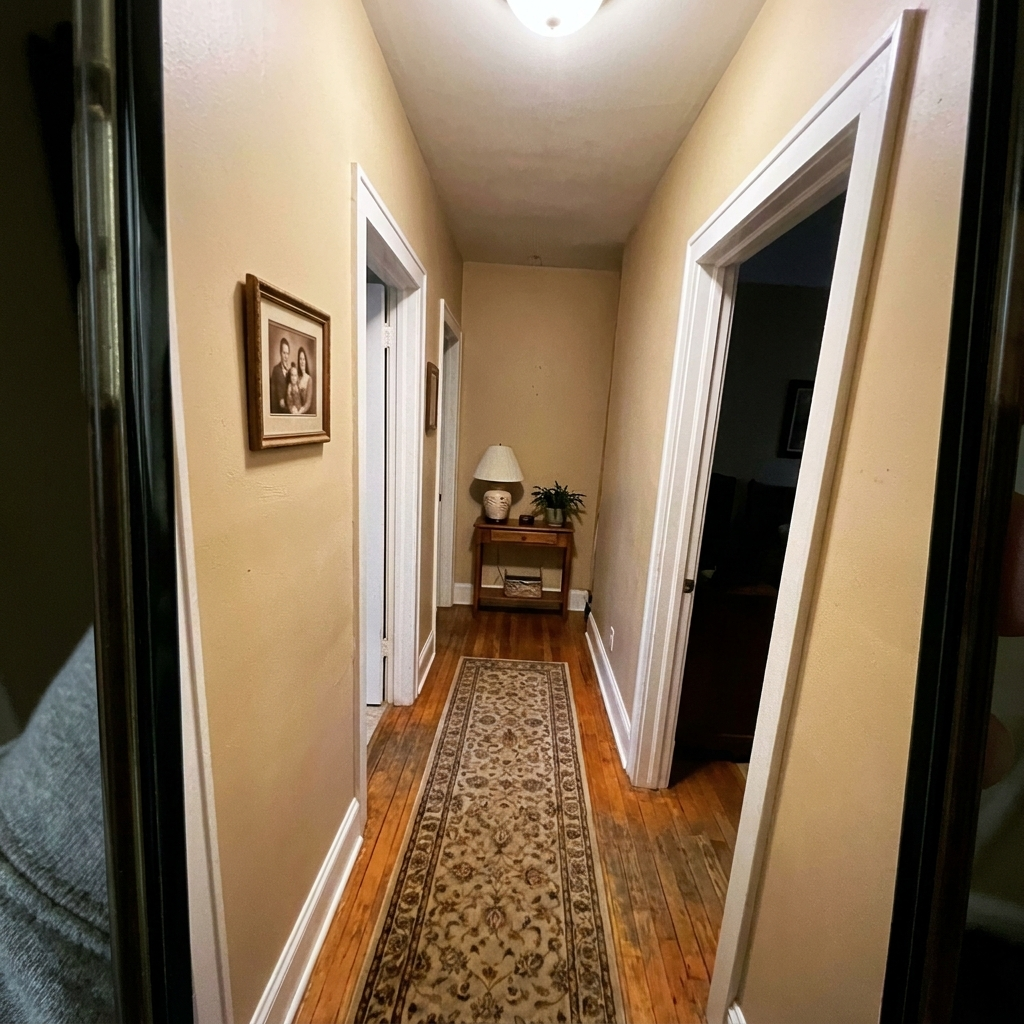
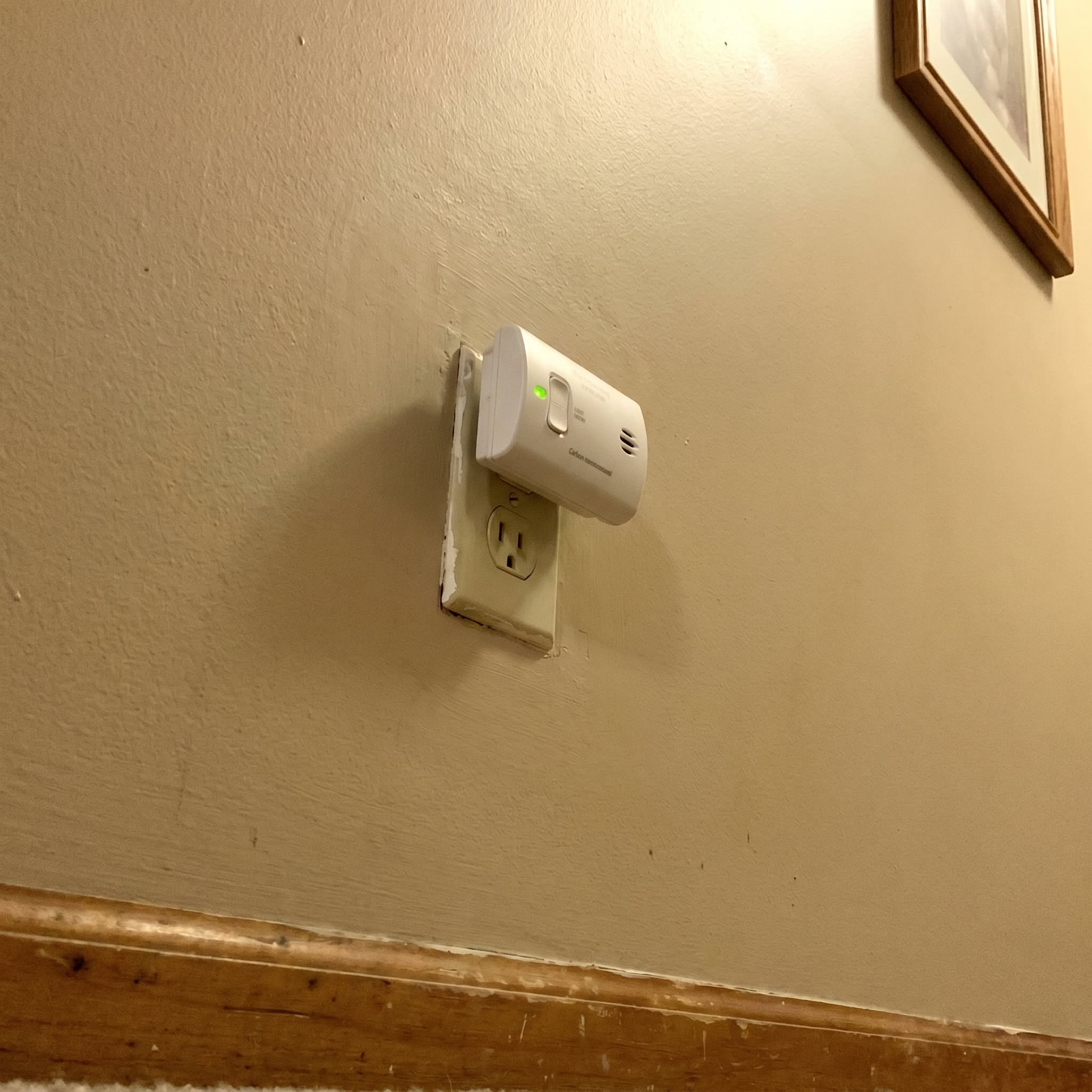
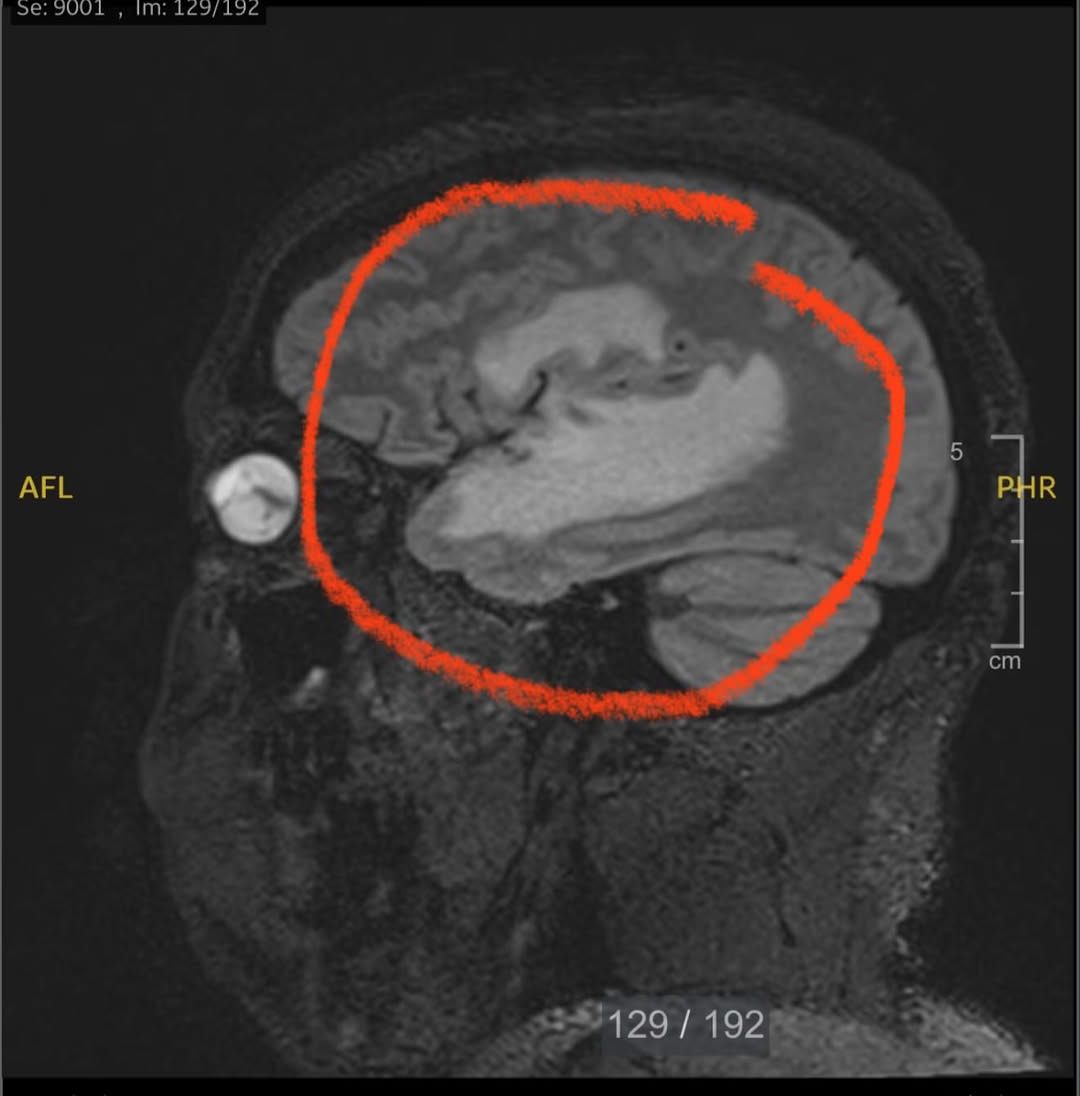
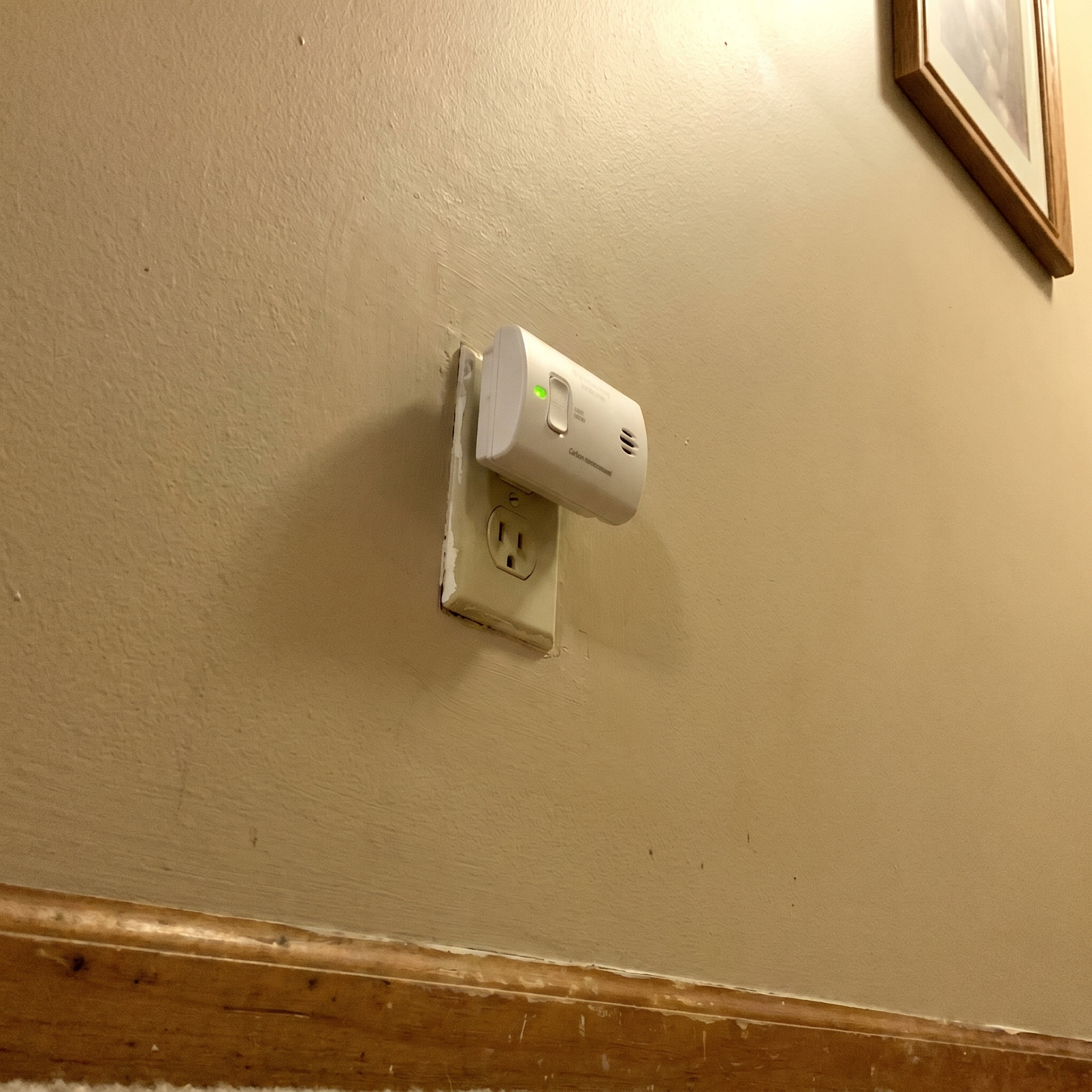
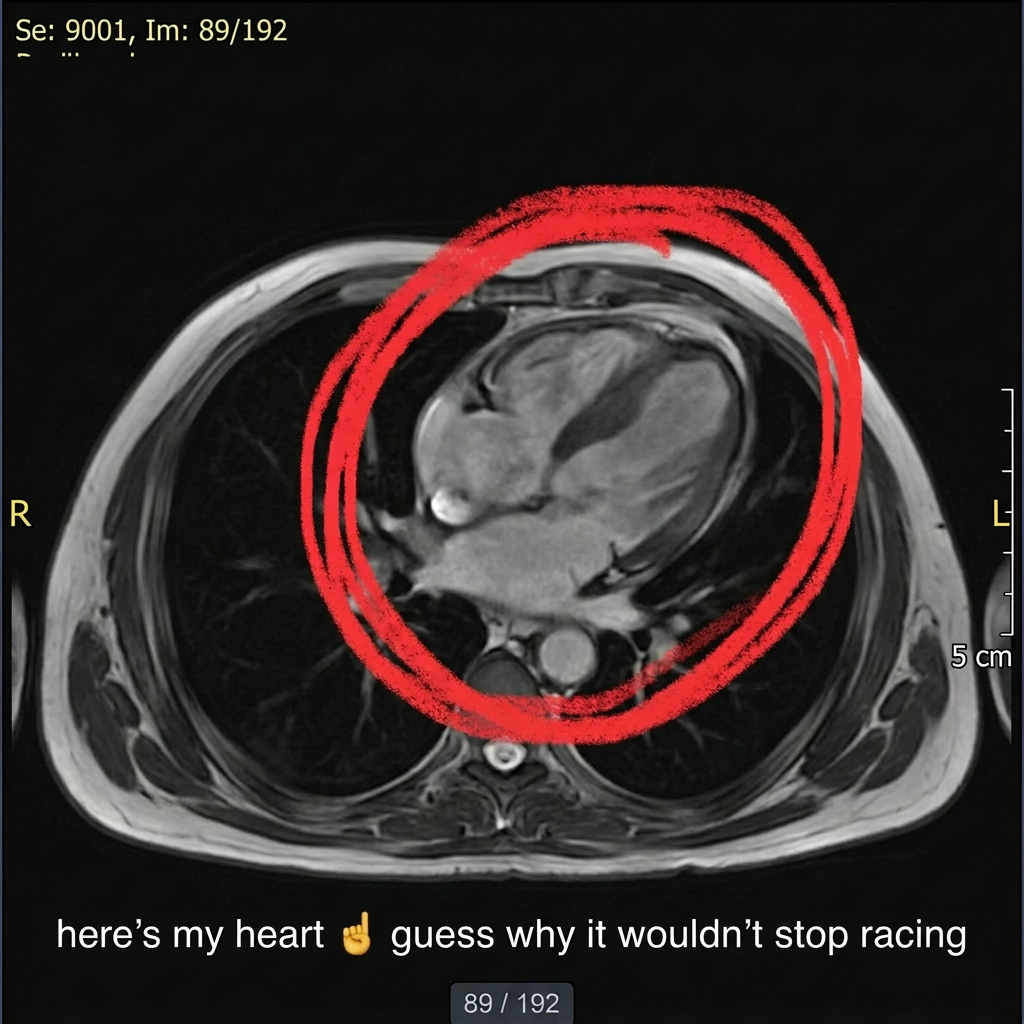
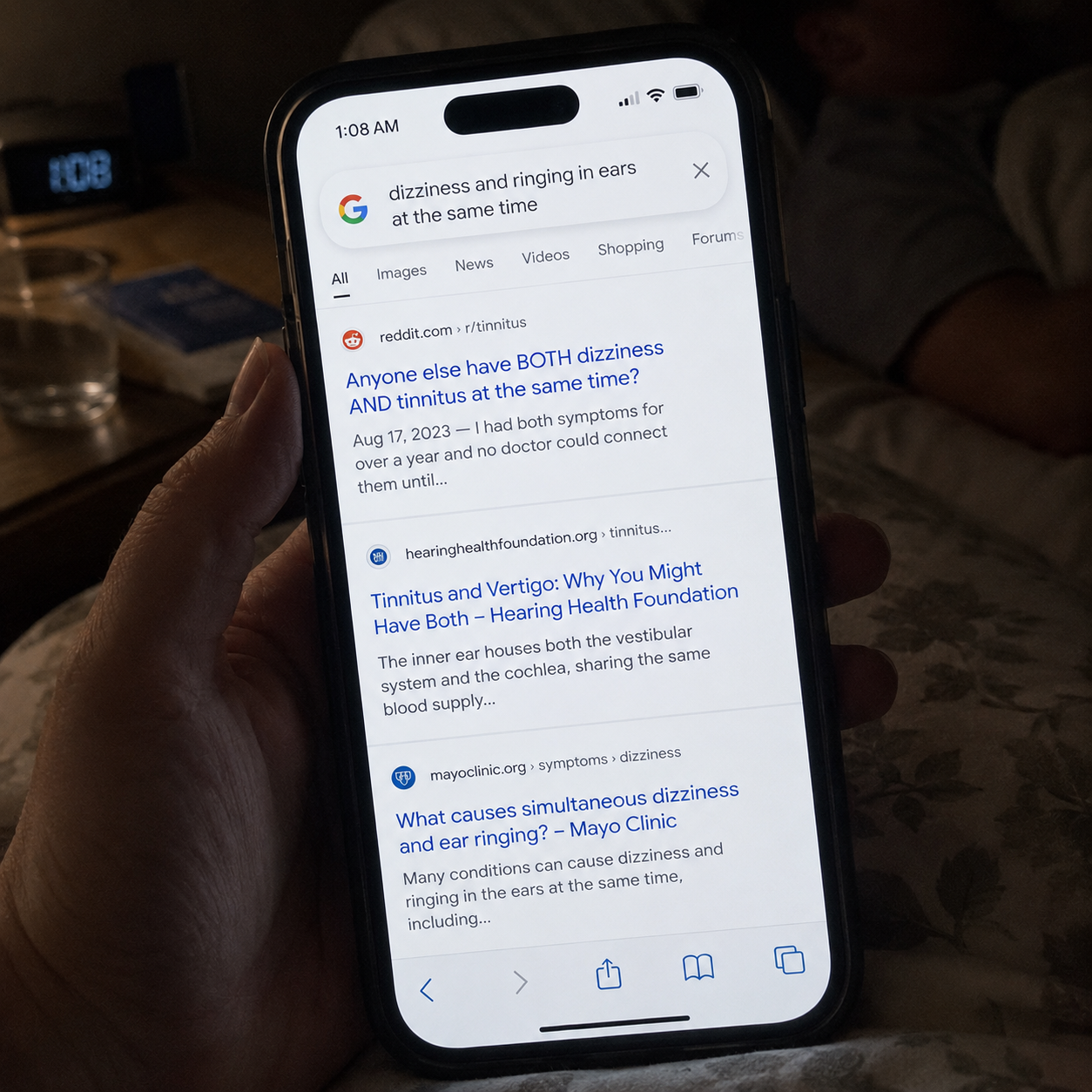
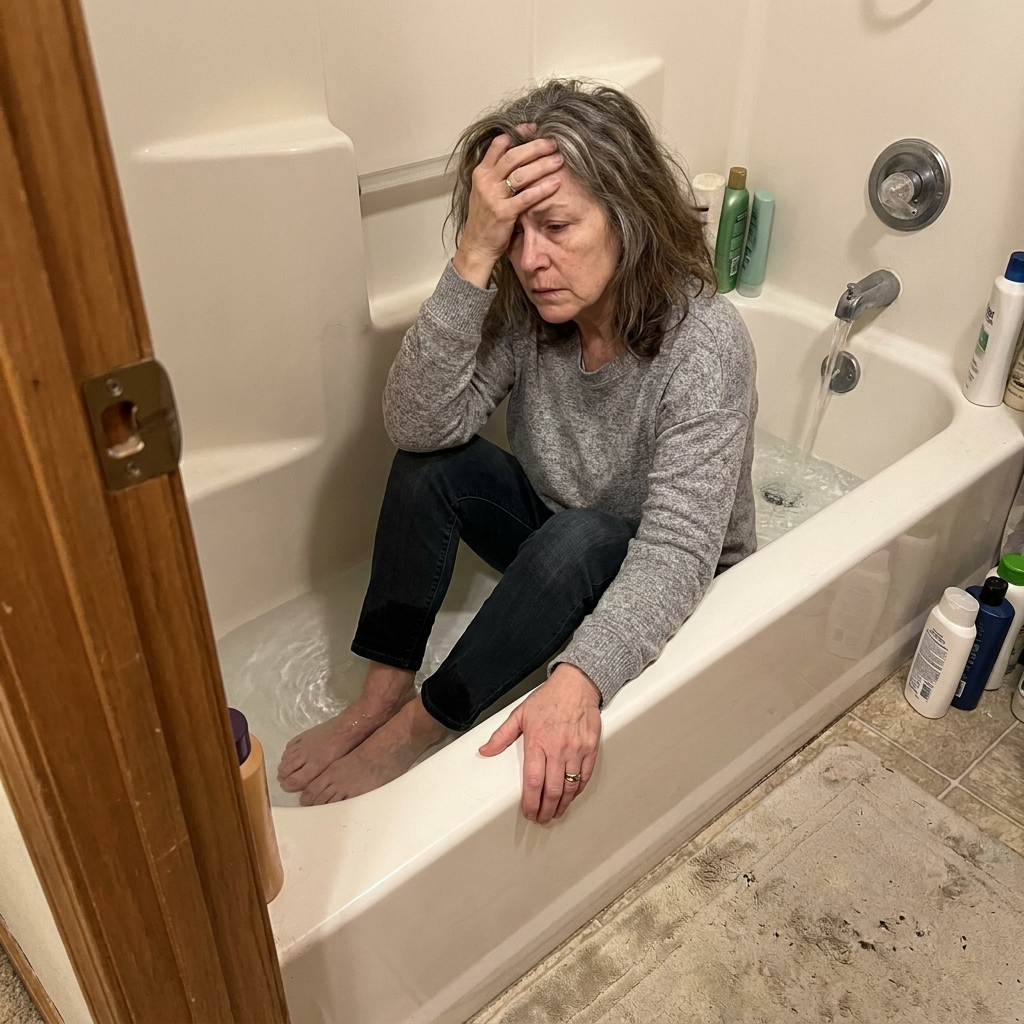
If you feel dizzy when you're at home… that's your brain begging for oxygen. ⠀ If you get that floating, on-a-boat feeling often… that's your brain begging for oxygen. ⠀ If you find yourself gripping the counter while you cook just to stay upright… that's also your brain begging for oxygen. ⠀ If the room tilts when you turn your head too fast, or bend down to grab something off the floor, or step out of the shower… that too is your brain begging for oxygen. ⠀ And if any of this gets noticeably worse the longer you stay at home — that's almost certainly your brain starving for oxygen, every day, while you have no idea. ⠀ So here's what I learned after 14 months of going to 5 different doctors and 3 specialists for my dizziness, and getting 2 MRIs that all came back "perfectly normal" while I felt like I was slowly losing my mind… ⠀ Dizziness is almost always an oxygen deprivation problem. ⠀ Not an inner ear problem… ⠀ Not "ear crystals" problem… ⠀ Not an anxiety problem… ⠀ An oxygen problem. ⠀ Here's why… ⠀ Your brain is the most oxygen-hungry organ in your body. ⠀ It uses about 20% of all the oxygen you take in, despite being only about 2% of your weight. ⠀ And inside your brain, the vestibular system — the part of you that keeps you balanced — is one of the most oxygen-sensitive systems you have. ⠀ Drop the oxygen reaching it even slightly, and it loses its calibration. ⠀ That's the boat feeling you get… ⠀ That's the room tilting. ⠀ It's your brain, quietly starved of the oxygen it needs, unable to tell up from down. ⠀ Now, what's causing this lack of oxygen? ⠀ So I researched this and there's a few possibilities… ⠀ Some people have sleep apnea they don't know about, where they stop breathing dozens of times a night and their oxygen drops while they sleep. That's a real cause. ⠀ Some people are anemic — their blood literally doesn't carry enough oxygen to begin with. ⠀ But you'd usually know that from bloodwork. ⠀ If your blood panel came back normal, anemia isn't it. ⠀ Mold is another one. ⠀ If you have mold in your home it could be irritating your lungs and reducing how much oxygen your blood is actually absorbing and delivering to your brain. ⠀ Also not super common, but real. ⠀ But for most people — including me, including my best friend, including thousands of other women I've come across going through the exact same thing — there's one cause that's far, far more common than any of those. ⠀ And literally nobody is talking about it. ⠀ If you have a gas stove in your home… ⠀ A gas water heater… ⠀ A gas dryer… ⠀ Or even an attached garage… ⠀ There is a real, statistically significant chance that what's been stealing your oxygen for the last months or years and causing your dizziness isn't sleep apnea, isn't anemia, and isn't mold. ⠀ It's low levels of carbon monoxide. ⠀ Not the kind that triggers alarms or sends people to the ER. ⠀ The kind that quietly seeps out of your gas appliances for months and slowly makes you sick. ⠀ Sitting in the air of your home... ⠀ Getting into your blood every single day. ⠀ And the reason almost nobody figures this out — even people who've been to 10 doctors — is because there are three things working against you all at the same time. ⠀ One: Your doctor isn't testing for CO. ⠀ Two: The appliance leaking it doesn't have to look broken from the outside. ⠀ And three: The cheap CO detector on your wall physically cannot pick it up. ⠀ I'm 49. ⠀ I spent fourteen months and $5,800 chasing this through ENTs, neurologists, vestibular specialists, an SSRI, six rounds of the Epley maneuver, vestibular therapy, and an acupuncturist. ⠀ All of them telling me I had stubborn ear crystals while I gripped my kitchen counter every time I tried to cook dinner. ⠀ And the thing that finally cracked it open for me wasn't a doctor. ⠀ It was a forum thread I stumbled onto a few weeks ago at 1AM, after another afternoon of barely being able to walk down my own hallway without holding the wall. ⠀ That's when I found it. ⠀ A forum thread. Real people describing exactly what I'd been feeling. ⠀ And they were all talking about the same thing. ⠀ Not ear crystals… ⠀ Low-level carbon monoxide poisoning. ⠀ And I want to stop you for a second… ⠀ Because when most people hear "carbon monoxide," they think of the news version. ⠀ The furnace explosion. The car left running in the garage. ⠀ Someone's whole family on the floor. ⠀ That's NOT this… ⠀ What I'm talking about is the slow version. The quiet version. ⠀ The one nobody warns you about. ⠀ It's small amounts of carbon monoxide leaking into your air every single day from your gas household appliances — building up while you sleep, while you cook, while you live your life. ⠀ Levels that won't kill you in an afternoon. ⠀ But levels that, over months and years, can absolutely break your body in ways no doctor will ever connect back to your home. ⠀ Now, the first thing I thought when I read this was: "okay, but I don't have carbon monoxide in my house. My appliances are fine." ⠀ Or so I believed… ⠀ See, gas appliances don't actually have to be broken to leak carbon monoxide into your air. ⠀ They don't… ⠀ After 5 to 7 years of normal use — sometimes less — small faults quietly develop inside them. ⠀ Water heater vents commonly develop micro-fault separations that emit small but constant amounts of CO every time the unit runs… ⠀ Gas range burners go subtly out of alignment over time, releasing CO with every meal you cook… ⠀ Heat exchangers develop hairline cracks you would never see with the naked eye… ⠀ Gas line fittings expand and contract with the seasons until they develop slow, almost invisible seepage… ⠀ None of it is dramatic. ⠀ None of it sets off a smell, or makes a noise, or gives you any kind of warning at all. ⠀ It just slowly puts carbon monoxide into your air every single time those appliances run. ⠀ And there's one more piece to this that almost nobody talks about… ⠀ A lot of people assume CO is a winter problem. ⠀ Furnaces running, homes sealed up tight in January. ⠀ But the second you close your windows and run the AC for the warmer months… ⠀ You've created the exact same sealed environment. ⠀ Whatever CO is leaking has nowhere to escape to. ⠀ It builds up in your air… ⠀ Recirculates through your vents… ⠀ Settles into your bedroom while you sleep, into your kitchen while you cook. ⠀ In a sealed home — AC running, windows closed — even the tiniest continuous emissions accumulate in the air over hours, to levels the World Health Organization classifies as harmful. ⠀ I'm not saying this happens in every house. ⠀ But I will say this — it happens in a lot more houses than anyone realizes. ⠀ And once it's quietly building up in your air… ⠀ What it actually does inside the body is what made everything I'd been going through finally make sense. ⠀ And this isn't some niche internet theory. ⠀ There's a study that was published in the Annals of Emergency Medicine where researchers screened patients who came into the ER with vague flu-like symptoms — dizziness, headaches, fatigue, brain fog, nausea — the kind of symptoms doctors usually shrug off as a virus or stress. ⠀ Nearly 1 in 4 of them tested positive for carbon monoxide poisoning. ⠀ Almost a quarter. ⠀ Which begs the question… ⠀ If 1 in 4 of the people with vague, unexplained symptoms walking into ERs are actually being poisoned without knowing it… ⠀ How many of them are walking around feeling like I've felt for fourteen months — and never even making it to an ER, because their symptom doesn't look like an emergency? ⠀ Probably a lot. ⠀ Probably millions. ⠀ Here's what I learned about how this actually works inside your body… ⠀ When you breathe carbon monoxide in — even tiny amounts of it — it doesn't behave the way most gases do. ⠀ It binds to the hemoglobin in your blood over 200 times more easily than oxygen does. ⠀ 200 times. ⠀ Which means even small amounts of CO in your air essentially crowd oxygen out of your bloodstream. ⠀ Your blood is still circulating. Your lungs are still working. ⠀ But the oxygen your organs depend on isn't getting where it needs to go. ⠀ And the organ that suffers first is always the one with the highest oxygen demand… ⠀ Your brain. ⠀ Your brain is the most oxygen-hungry organ in your body — it uses 20% of all the oxygen you take in despite being only about 2% of your weight. ⠀ And inside your brain, the vestibular system — the part that keeps you balanced and oriented in space — depends on a completely stable oxygen supply to function. ⠀ Drop the oxygen even slightly, and your vestibular system loses its calibration. ⠀ That's the feeling you get… ⠀ The boat-in-your-kitchen feeling. ⠀ The floor that seems to tilt under you. ⠀ The walls that feel like they're closing in. ⠀ That's not your inner ear failing. That's not crystals knocked loose in some canal. ⠀ That's your brain literally unable to tell up from down because oxygen isn't reaching it properly. ⠀ And here's the part that makes this even worse… ⠀ That same lack of oxygen doesn't just affect your vestibular system… ⠀ It hits everywhere in the body that depends on stable oxygen delivery. ⠀ Which is why so many people with "ear crystals" also have… ⠀ That bone-deep exhaustion no amount of sleep can fix… ⠀ The brain fog that makes you lose your train of thought halfway through a sentence… ⠀ The racing heart that wakes you up at 3 AM for no reason at all… ⠀ Anxiety that creeps in when nothing is actually wrong… ⠀ Headaches that come and go without a clear trigger… ⠀ Sleep that never seems to leave you actually rested… ⠀ That vague feeling of being "off" the second you walk through your own front door — that lifts the moment you're somewhere else. ⠀ If even two of those sound familiar… ⠀ It probably isn't a coincidence. ⠀ It's very likely all one thing — carbon monoxide. ⠀ Cascading out across your whole body, lighting up whichever system is most vulnerable in you specifically. ⠀ Now here's the next thing I asked when I started reading all of this… ⠀ "Okay. But if there's carbon monoxide in my house, why am I the only one feeling sick? My husband is fine. My kids are fine." ⠀ That was my exact thought. ⠀ But different bodies have wildly different sensitivities to low-level CO. ⠀ Pregnant women, anyone with reduced cardiovascular reserve, asthma or thyroid issues, kids, the elderly — all more sensitive than average. ⠀ The fact that you're the only one in your house feeling this doesn't mean it's not the air. ⠀ It just means you're the canary. ⠀ Everyone else in your house is being exposed too. ⠀ They just haven't hit their personal threshold yet. ⠀ And one more thing on this… ⠀ The reason your doctor never caught it isn't because they're a bad doctor. ⠀ It's because the test for carbon monoxide in the blood — a carboxyhemoglobin test — is not standard. ⠀ They don't run it unless they specifically suspect CO, and they almost never specifically suspect CO from someone walking in with dizziness. ⠀ So your brain MRI comes back clean… ⠀ Your vestibular tests come back fine… ⠀ Because there's nothing wrong with your brain or your inner ear. ⠀ Your blood panel looks perfect. ⠀ Because the standard panel doesn't measure what's actually wrong. ⠀ No part of standard medicine ever checks the air you breathe at home. ⠀ Now, what about our carbon monoxide detectors? ⠀ Aren't they supposed to warn us? ⠀ I thought so too… ⠀ I've had a CO alarm for years. ⠀ If there was carbon monoxide in my air, it would have gone off, right? ⠀ But it hadn't made a single sound in five years… ⠀ So how could any of this actually be happening to me without it telling me? ⠀ That's when I went deeper into the forum and learned something I genuinely cannot believe isn't on the news every single night… ⠀ The cheap carbon monoxide detectors that 90% of American homes have on the wall right now — the $25 to $40 ones you can grab off the shelf at Home Depot, Lowe's, or Walmart — use the cheapest sensors manufacturers can legally get away with. ⠀ And those sensors are physically incapable of picking up CO at low levels. ⠀ They are built to a legal minimum that says they don't have to alarm until carbon monoxide hits 70 parts per million in your air. ⠀ 70 PPM. ⠀ That's an emergency level. ⠀ Life or death… ⠀ By the time CO hits 70 PPM in your home, you are already losing motor function. ⠀ But the World Health Organization? ⠀ They classify health effects as starting at just 9 PPM. ⠀ 9!!! ⠀ Which means there's this enormous range — from 9 PPM all the way up to 70 PPM — where carbon monoxide is actively in your air, actively in your blood, actively breaking down your body… ⠀ And the device on your wall stays completely silent the entire time. ⠀ It isn't malfunctioning… ⠀ It's doing exactly what it was built to do. ⠀ Because the manufacturers have absolutely no reason to make a detector that does more than the law requires. ⠀ Better sensors cost more. ⠀ The cheap ones still pass the legal test. ⠀ So that's what's on every shelf in America. ⠀ Your detector isn't protecting you from low-level CO. ⠀ It was never designed to. ⠀ It's a smoke alarm for an emergency. ⠀ Not a monitor for what's actually in your air every day. ⠀ That's when somebody on the forum mentioned something I'd never heard of before. ⠀ A different kind of carbon monoxide detector. ⠀ Not the cheap kind at the hardware store. A different category entirely. ⠀ It uses an electrochemical sensor — the same type of sensor they use in hospitals apparently, and the same kind firefighters and HVAC technicians carry to actually measure CO in real time. ⠀ Yes, I did my research 😊… ⠀ Which means it can detect CO accurately starting at just 1 PPM. ⠀ Not 70. One! ⠀ And instead of a green light and a beep, it has a small digital screen on the front that shows you the exact number in your air at all times. ⠀ Updated every single second. ⠀ You don't have to wonder anymore. ⠀ You don't have to guess. ⠀ You can literally just walk over to it and see what your family is breathing right now. ⠀ It plugs into any outlet. ⠀ No drilling. No wiring. No installation. ⠀ You plug it in and within minutes it's reading your air. ⠀ It's called TrueDetect. ⠀ And reading what other people on the forum were saying after they plugged one in is what got me to order it that same night. ⠀ One mom said: "I had 'ear crystals' for two years. Did the Epley maneuver twelve times. Plugged this in and saw 17 PPM in our bedroom the first night." ⠀ I read that comment three times. ⠀ Then I opened a new tab, ordered 3 of them — one for the bedroom, one for the kitchen, one for the utility room next to the water heater — and went to bed at 2:08 AM with the kind of hope I genuinely hadn't let myself feel in over a year. ⠀ The package arrived on a Thursday afternoon. ⠀ I tore the first one open right there at the kitchen counter, plugged it in next to the bed, and went downstairs to start dinner. ⠀ I figured I'd come back up in twenty minutes to see what it said. ⠀ I almost didn't want to look. ⠀ Because part of me — the part that had spent fourteen months being told nothing was actually wrong — was bracing for it to read zero. ⠀ To see a clean number on the screen and have to start over from scratch. ⠀ Wondering what else could possibly be wrong with me. ⠀ I walked upstairs after dinner to change. ⠀ The screen read 16. ⠀ Sixteen PPM. ⠀ I just stood there… ⠀ That's almost double the level the World Health Organization says is harmful. ⠀ In the bedroom I'd been sleeping in for years. ⠀ I sat down on the edge of the bed and I genuinely think my brain just shut down for a second. ⠀ Because everything I'd been told for fourteen months — every "it's just stress," every "the tests look fine," every "we'll just do another round of the Epley" — collapsed in that single second. ⠀ The answer was sitting on a little screen on my nightstand. ⠀ Glowing in the dim light of the bedroom. ⠀ 16 PPM!!! ⠀ It had been there the whole time. ⠀ I called an HVAC technician first thing next morning. ⠀ He picked up on the second ring and said he could come by that afternoon. ⠀ He showed up around noon, asked me a few questions about the house, and got to work. ⠀ He walked through the house slowly. ⠀ Testing the gas stove. Then the water heater. Then the furnace. Then the dryer. ⠀ And after about twenty minutes, he came back into the kitchen and just said, "Yeah. Found it." ⠀ There was a slow leak on our gas stove. A small one. ⠀ The kind you'd never see, never smell, never hear. ⠀ He said it had probably been there at least a year, maybe longer. ⠀ He said he sees this kind of thing in homes constantly. ⠀ That it's actually really common. ⠀ And that most families have absolutely no idea. ⠀ He fixed it in under an hour. ⠀ By that evening, the number on the screen in the bedroom had dropped from 16 PPM to 1. ⠀ One. ⠀ I went to sleep that first night and I didn't really expect anything to be different. ⠀ Fourteen months of this dizziness had taught me not to hope. ⠀ But within a few days, things started shifting… ⠀ Day 3: the pressure behind my eyes lifted. I noticed it because I went to bend down to grab something off the floor and didn't have to brace. ⠀ Day 5: I stood at the stove cooking dinner without gripping the counter once. First time in over a year. ⠀ Day 7: I made the bed without sitting down halfway through. ⠀ Day 12: I bent over to load the dishwasher. The room didn't move. ⠀ I cried. Over being able to load the dishwasher. ⠀ Week 3: I could turn my head fully. Look up at a cabinet. Walk down the hall like a normal person. The boat-feeling was gone. ⠀ Three weeks in, I felt steady for the first time in fourteen months. ⠀ Not 80% better. Not "manageable." ⠀ Like the version of myself I'd been losing pieces of for over a year had quietly walked back into my body without me noticing. ⠀ I cried a few times during those three weeks. ⠀ That's how slowly this thing had taken me. ⠀ I hadn't even fully registered how much I'd lost until I started getting it back. ⠀ Week 4, I was making dinner when my husband walked into the kitchen. ⠀ He stopped in the doorway for a second. Just watching me move around the stove. ⠀ Then he said it… ⠀ "You seem like yourself again." ⠀ I didn't say anything back. ⠀ I just nodded and kept stirring, because if I'd opened my mouth in that second I would have started crying. ⠀ He hadn't said anything for fourteen months about how different I'd become. ⠀ Not because he hadn't noticed. ⠀ Because he didn’t want to make me feel worse than I already did. ⠀ He'd just been quietly watching me disappear. ⠀ And now he was watching me come back. ⠀ A few weeks later, my best friend Karen called me. She'd been dealing with the same dizziness for almost two years. Same medical runaround. Same answers. ⠀ I told her, "It's not your inner ear. Check your air." ⠀ She ordered 4 TrueDetects that night. She lives in a bigger house. ⠀ A few days later, she texted me a screenshot. ⠀ "13 PPM in our kitchen. HVAC tech is here right now." ⠀ That's when I really started to understand… ⠀ We were never broken. ⠀ We were not BPPV patients with stubborn ear crystals. ⠀ We were people quietly breathing low levels of carbon monoxide every single day in our own homes. ⠀ From appliances that looked completely fine. ⠀ With detectors on our walls that were never designed to catch what was actually happening. ⠀ And once you can see the number… ⠀ It's fixable. ⠀ If you're reading this — and you've spent any amount of time chasing the same dizziness through doctor after doctor with no real answer… ⠀ You're not a difficult case. ⠀ Your doctor isn't wrong that your inner ear looks fine on the tests. ⠀ They're just not looking in the right place. ⠀ The right place is the air you've been breathing every single day in your own home. ⠀ So here's what I'd do if I were you… ⠀ Don't wait for Epley session number 20. ⠀ Plug a TrueDetect into your bedroom. ⠀ Plug one near your gas stove. ⠀ Plug one near your water heater — or wherever the gas appliances in your home live. ⠀ Or get as many as you need to cover your whole house. ⠀ Then just look at the number on the screen. ⠀ If it reads 12, 17, 22 — and in homes with any kind of leak, those numbers are unfortunately not unusual — you've just found something every single doctor you've been to has been missing. ⠀ And one HVAC visit later… ⠀ It's fixed. ⠀ Your dizziness is real. ⠀ Your suffering is real. ⠀ The answer is real, too. ⠀ It just isn't where everyone has been looking for it. ⠀ You can spend another year going to specialists. ⠀ You can spend another few thousand dollars on tests, on medications, on supplements, on treatments. ⠀ You can keep being told that everything looks normal while you feel like you're disappearing. ⠀ Or you can spend less than the cost of one specialist appointment to actually see what's in your air. ⠀ And know for sure. ⠀ That's what changed everything for me. ⠀ Not hoping. Not guessing. Seeing the number on a screen. ⠀ I lost fourteen months of my life to the wrong diagnosis. ⠀ I don't want that to be you. ⠀ TrueDetect is what gave me my life back. ⠀ 49 years old. Zero ear crystals. Zero dizziness. ⠀ Just me. Steady. Believed. Alive again. ⠀ Check TrueDetect out here: https://truesafety.co/pages/broad-llco-2 ⠀ P.S. — If anyone in your home has been dealing with chronic dizziness, unexplained fatigue, brain fog, sleep that never feels restful, or any combination of those things… ⠀ And you have any gas appliances at home… ⠀ Please just check. ⠀ If your number is fine, your number is fine. ⠀ But if it isn't… ⠀ You'll finally have the answer.
Like this ad? Make it yours.
Crush rebuilds this exact creative around your product — your brand, your colors, your offer — in about a minute.