

Inactive· since Jun 10, 2026
- 7
- days it ran
- 0
- relaunches
- 7
- EU reach
Ad copy
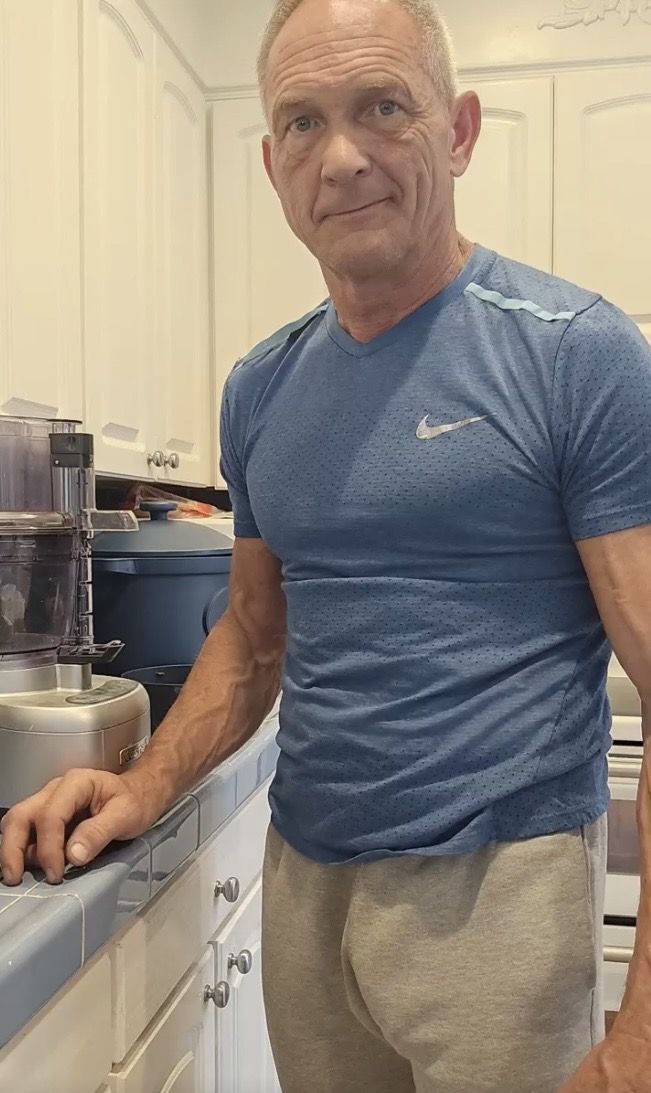
I spar boxing rounds with men in their thirties and I'm 58 — here's the vascular difference that's kept me medically cleared for combat sports while every man I trained with at 35 is on three blood pressure medications. My name is Victor Reyes. I'm 58 years old. I retired from professional fight training 18 months ago after 30 years in combat sports — boxing, kickboxing, and Muay Thai. Zero blood pressure medications. Zero ACE inhibitors. Zero calcium channel blockers. I sparred my last competitive round at 56 with the same heart rate recovery I had at 31. And the reason I could spar five rounds against a 32-year-old when men my age couldn't pass a stress test has nothing to do with genetics or testosterone or luck. It's vascular. It's about whether your endothelial cells recover in 90 seconds between rounds or need 48 hours between any kind of cardiovascular stress. --- Let me tell you what a combat sports session at 58 looks like. 5 AM, full warmup. 5:30, five rounds of mitt work at maximum heart rate. 5:50, four rounds of heavy bag at sustained 160 bpm. 6:15, three rounds of sparring against guys 25 years younger than me. 6:45, conditioning. 7 AM, cooldown. Two hours. Heart rate spiking to 170 and recovering to 90 between rounds. My annual physical clears me every single year for unrestricted contact sports. Most men my age get pulled from anything that spikes heart rate above 120 by medical necessity. Their cardiologists tell them to avoid HIIT, no sparring, no kickboxing classes, no MMA, walk only — and even then, watch the pulse. I'm at the 6 AM combat gym. They're being told to give up the rec league softball team. My boxing coach is 41. He calls me when he needs someone to spar his fighters because half my age peers can't keep up with his Tuesday night class. I get tagged in as the older guy who can actually still go. He told me last year: "Vic, your resting BP is 118 over 74. The kids I'm training have higher pressure than you do at rest. What are you doing differently?" I made the same answer I've made for fifteen years. It's not what I'm doing. It's what my endothelial cells are doing between every cardiovascular stress event. Not because I was born with better vessels. Because my blood vessels can perform the same job five times in one morning and theirs can't do it twice. --- Here's what most men don't understand. When you push your cardiovascular system — sparring a round, climbing stairs, sprinting up the driveway, even getting startled — your brain sends a signal that triggers nitric oxide release in the endothelial cells lining your blood vessels. Nitric oxide relaxes the smooth muscle. Vessels dilate. Blood gets where it needs to go. Pressure stays manageable. That's the process. But producing nitric oxide is metabolically expensive for endothelial cells. They burn through energy. They generate oxidative stress. They need cellular fuel — specifically NAD+ — to recover and do it again. In a young healthy endothelium with full NAD+ reserves the cells recover quickly. Ninety seconds and they're ready again. But as your endothelium ages and NAD+ collapses, those cells take longer to recover. A minute. Five minutes. An hour. Eventually 24 hours. Eventually they stop recovering between events at all and the pressure just stays elevated. That's what your cuff reading is showing you. That's why a 50-year-old man on lisinopril gets winded climbing his own stairs. His endothelial cells are exhausted. They can't produce nitric oxide on demand. The drug forces his cuff reading down but does absolutely nothing about the cellular recovery problem driving everything else. I could spar five rounds because my endothelial cells recovered in ninety seconds. Full recovery. NAD+ replenished. Ready to produce nitric oxide again. Ready to handle the next round. --- Why did my cells recover in ninety seconds when other men's cells needed two days? Because my endothelial cells were actively repairing themselves between rounds. Most men's cells were just sitting there depleted, waiting for time to pass. My cells were running a cellular energy restoration protocol in the background. And the thing driving that restoration was NAD+ — the molecule that powers the mitochondria inside every endothelial cell. Inside every endothelial cell there are mitochondria. Think of them as the engine room. They run on NAD+. When NAD+ is full, the cell can produce nitric oxide on demand and recover quickly between events. When NAD+ is depleted, the cell sits there exhausted. Between age 40 and 60, your body's NAD+ production falls by more than 50%. By 60 it can be down by 60-70%. Most men over 40 have endothelial cells running on a third of the cellular energy they had at 30. Mine were running full. All day. Every day. Between round one and round two, while my heart rate dropped from 170 back to 95, my endothelial cells were running a full repair cycle. NAD+ restoring. Nitric oxide pathway resetting. Vessel walls relaxing. By the time the bell rang for round two, those cells were fresh. Ready to go. No delay. No struggle. Pressure didn't stay elevated. It just worked. --- How did I keep NAD+ replenished when most men's cellular energy collapses by their mid-forties? NMN. Nicotinamide mononucleotide. The direct NAD+ precursor. Specifically, NMN via liposomal delivery. Because here's what most men get wrong — they buy a generic NAD+ supplement and 80% of it gets destroyed in stomach acid before it ever reaches their endothelial cells. Standard capsules don't work. The compound gets shredded in digestion. Liposomal NMN — the compound wrapped in a phospholipid carrier that survives stomach acid and delivers to endothelial cells at 13.6 times the concentration of standard capsules — is the only form that actually reaches the cells that need it. I didn't know this when I was 40. For the first ten years of my training I thought I was just genetically lucky. I'd watch men my age in the gym start having to skip class because their pressure was creeping up. I'd watch them go on lisinopril. Then add amlodipine. Then quietly disappear from the heavy sessions. I assumed that wasn't going to happen to me. Then at 43 I was training at a camp in Albuquerque. There was a guy there named Manuel. He was 55. Still sparring full rounds. Still cleared for contact. I asked him how. He said most men can't do this because their endothelial cells don't recover between cardiovascular stress events. The pressure stays up because the cellular mechanism that drops it is exhausted. He said: liposomal NMN. Then he explained the NAD+ cascade, the eNOS enzyme, the cellular recovery cycle, the L-citrulline-arginine combination that recycles nitric oxide, the KSM-66 ashwagandha that addresses cortisol-mediated constriction the standard drugs don't even acknowledge. He'd been taking the protocol for nine years. He told me to start because even though my vessels were recovering well at 43, that wouldn't last forever without intervention. He said by 50 I'd be on lisinopril like everyone else unless I restored endothelial NAD+ at the cellular level. I started the protocol that week. I was 43. Now I'm 58. My recovery time between rounds never changed. Same heart rate recovery at 56 that I had at 43. Same resting pressure. Most guys I trained with at 43 are gone from combat sports. Their cardiologists pulled them. They're on three medications. They walk for cardio because anything more spikes their pressure into dangerous territory. I sparred competitive rounds until the day I retired. --- Here's the thing. This isn't just about combat sports. The same endothelial cells that let me spar five rounds in a morning are the same cells that determine whether your blood pressure stays at 158 or drops to 120. The same cells that decide whether you can climb your stairs without your pressure spiking. The same cells that determine whether a cardiologist clears you for the active life you want to live or restricts you to a recliner and three medications. The same NAD+ that kept my vessels recovering quickly between rounds is the same NAD+ that prevents the cardiovascular events that take men in their sixties. When men in their forties start noticing their cuff readings climbing, when they need to stop halfway up a flight of stairs, when their cardiologist says "let's start a medication," they think it's just aging. It's not aging. It's endothelial NAD+ collapse. And it's reversible. Your endothelial cells have a cellular fuel source. Right now your NAD+ is probably at 40% of what it was at 30. Or 30%. Or 20%. That's why your pressure stays elevated. That's why the medication doesn't really fix anything — it just forces the number down on the cuff while the cells responsible for regulating it on their own keep getting more depleted. Your cells aren't repairing themselves between cardiovascular events. They're just sitting there depleted, waiting for time to pass, while the drug does the work they used to do for themselves. Liposomal NMN restores NAD+. Combined with the L-citrulline-arginine recycling pathway and KSM-66 for the cortisol constriction your drug doesn't touch. Your endothelial cells start recovering between events instead of staying depleted. Your vessels start responding to natural signals instead of needing pharmaceutical override. Your cuff reading drops from 156 to 138. Then to 128. Then to 120. Not because a drug is forcing it down, but because the cells responsible for keeping it there are working again. This is documented in research. A 2022 study published in npj Aging showed that adults supplemented with NMN had a 43% increase in blood NAD+ levels with significant systolic blood pressure reduction and measurable improvement in arterial stiffness markers. Vascular function improved by 31%. Recovery time between cardiovascular events decreased significantly. --- Now here's the problem most men run into when they try NAD+ supplements. They buy a cheap NAD+ capsule from a wellness store. They take it for a month. They don't notice anything. They conclude NAD+ doesn't work. But it's not that NAD+ doesn't work. It's that the delivery failed. NMN in standard capsule form gets destroyed in gastric acid. About 80% of the compound is degraded before it reaches absorption. You're swallowing NMN but almost none of it is reaching the target tissue. The delivery method that works is liposomal NMN — the compound wrapped in a phospholipid shell that survives stomach acid and delivers to endothelial cells intact. When the NMN is already protected by a fat-soluble carrier before you swallow it, your gastric acid can't break it down. More reaches your bloodstream intact. More reaches your endothelial cells. More restores NAD+. The product I used for the last 15 years of my training and still take every morning is Liposomal NAD+ Complex. Liposomal NMN at clinical concentration. Plus the L-Citrulline + L-Arginine combination — the specific pairing that creates the nitric oxide recycling pathway, shown to reduce systolic blood pressure by up to 7.54 mmHg through a mechanism standalone arginine can't replicate. Plus KSM-66 Ashwagandha — root-only extract standardized to 5% withanolides. The form shown in clinical research to reduce cortisol by up to 32% and address the alpha-adrenergic vasoconstriction pathway every blood pressure medication is completely blind to. Plus CoQ10 via liposomal delivery for mitochondrial stability in vessel wall cells. Resveratrol for sirtuin activation. Turmeric at 95% curcuminoids for inflammatory suppression. 14 active ingredients. Liposomal delivery throughout. Every dose at the levels the clinical research actually used. No proprietary blends. No fairy dust. The formula has one job. Restore NAD+ to endothelial cells. Recouple the eNOS enzyme. Release cortisol-mediated constriction. Reduce recovery time between cardiovascular events. Bring blood pressure down from inside the system instead of forcing it down chemically from outside it. One bottle is a 30-day supply. Most men do a 90-day protocol to see meaningful endothelial repair, because that's how long the cellular recovery cycle actually takes. If you stop at 30 days, you're stopping right when the repair process is starting to produce measurable results. --- Here's what you'll notice when you start taking it. Week one you probably won't notice much. The cells are starting to take up the NMN. Background work happening. Week two or three you'll notice morning energy is more consistent. Not necessarily dramatic. Just more reliable. Every morning instead of most mornings. Week four or five you'll notice cardiovascular response is faster. You climb a flight of stairs and your heart rate recovers in 30 seconds instead of two minutes. Your home pressure readings start dropping. 152 becomes 144. Then 138. Week six to eight you'll notice recovery time between cardiovascular events is shorter. If you used to get winded walking the dog and need ten minutes to settle, now it's two. If your pressure used to spike just from a stressful phone call and stay up for an hour, now it drops back to baseline in minutes. By week ten to twelve you'll notice the whole system just works the way it used to work when you were younger. Pressure comes down. Home monitor readings consistently below 130 systolic. Energy returns. The afternoon fog stops showing up. Cognition sharpens. The cardiologist looks at your numbers at the next visit and asks what changed. That's endothelial repair. That's NAD+ restoration. That's what liposomal NMN does when it actually reaches your endothelial cells at therapeutic doses. --- I'm 58 years old. I sparred competitive rounds at 56. Most men my age are on three blood pressure medications and have been pulled from anything more strenuous than walking. The difference isn't genetics. It isn't testosterone. It isn't luck. It's whether your endothelial cells have NAD+ at the levels they need or not. Mine did. Theirs didn't. That's the entire difference. --- You're at a decision point. You can do nothing. See if the readings keep climbing. Wait until your cardiologist adds the second medication. Then the third. Watch yourself slowly get pulled from the active life you used to have. Or you can stack another medication. Force your numbers down chemically while the cellular cause keeps progressing. Deal with the fatigue and the brain fog and the side effects. Watch the protocol escalate over the next few years until even the three-drug stack stops holding the numbers. Or you can restore endothelial NAD+. Repair the cellular mechanism. Get back the system that's supposed to be running this process naturally. I've been in combat sports for 30 years. I watched dozens of training partners burn out by their mid-forties because their vessels stopped recovering between sessions and their cardiologists pulled their clearance. I'm still here at 58 — still cleared for unrestricted activity, still passing every stress test, still resting at 118/74 — because I restored a cellular system most of them didn't know was failing. That cellular system is in your body too. Right now it's probably running at 30% capacity. Liposomal NMN restores it. The 60-day money-back guarantee means you find out whether your endothelium can still be repaired at zero financial risk. Most men's endothelium can still be repaired. The ones that can't are the ones that were left untreated for too long while the medications managed the cuff reading and the cells kept getting more depleted. If you're noticing climbing readings, slower stair climbs, longer cardiovascular recovery times, the afternoon fatigue — that's early endothelial NAD+ collapse. It's not going to fix itself. It's going to get worse. Two years from now it'll be worse than today. Four years from now you'll be on two medications. Six years from now the medications will be three and you'll be having the conversation about "let's keep watching this." Or you can restore NAD+ now while the cells can still respond. 👉 [](https://tryboostiva.shop/products/liposomal-nad-for-men-1)https://tryboostiva.shop/products/liposomal-nad-for-men-1 Two capsules a day. 60-day money-back guarantee. Manuel is 67 now. His cardiologist told him last year his vascular age tests at early forties. He's still in the gym four mornings a week. Same compound. Same cellular system. Same repair process. This isn't just about combat sports. It's about whether your endothelial cells are still capable of doing the job they were designed to do. Producing nitric oxide on demand. Recovering quickly between cardiovascular events. Keeping your pressure stable without a drug forcing it down from outside the system. Right now they probably can't do that. Not because you're old. Because NAD+ is depleted. Restore it. See what happens. Your vessels are waiting. 👉 https://tryboostiva.shop/products/liposomal-nad-for-men-1 — Victor Reyes 58 years old. 30 years in combat sports. Resting BP: 118/74.
The Most Potent Formula Ever Created
🔥 Boostiva Liposomal NAD+ for Men — Revive Your Energy, Focus & Vitality Unlock your peak performance with Boostiva Liposomal NAD+ for Men — the advanced men’s wellness formula engineered to support real energy, strong circulation, hormonal balance, stamina, and overall vitality as you ...
LEARN MORELike this ad? Make it yours.
Crush rebuilds this exact creative around your product — your brand, your colors, your offer — in about a minute.


