
Active· since Jun 2, 2026
- 107
- days running
- 0
- relaunches
Ad copy
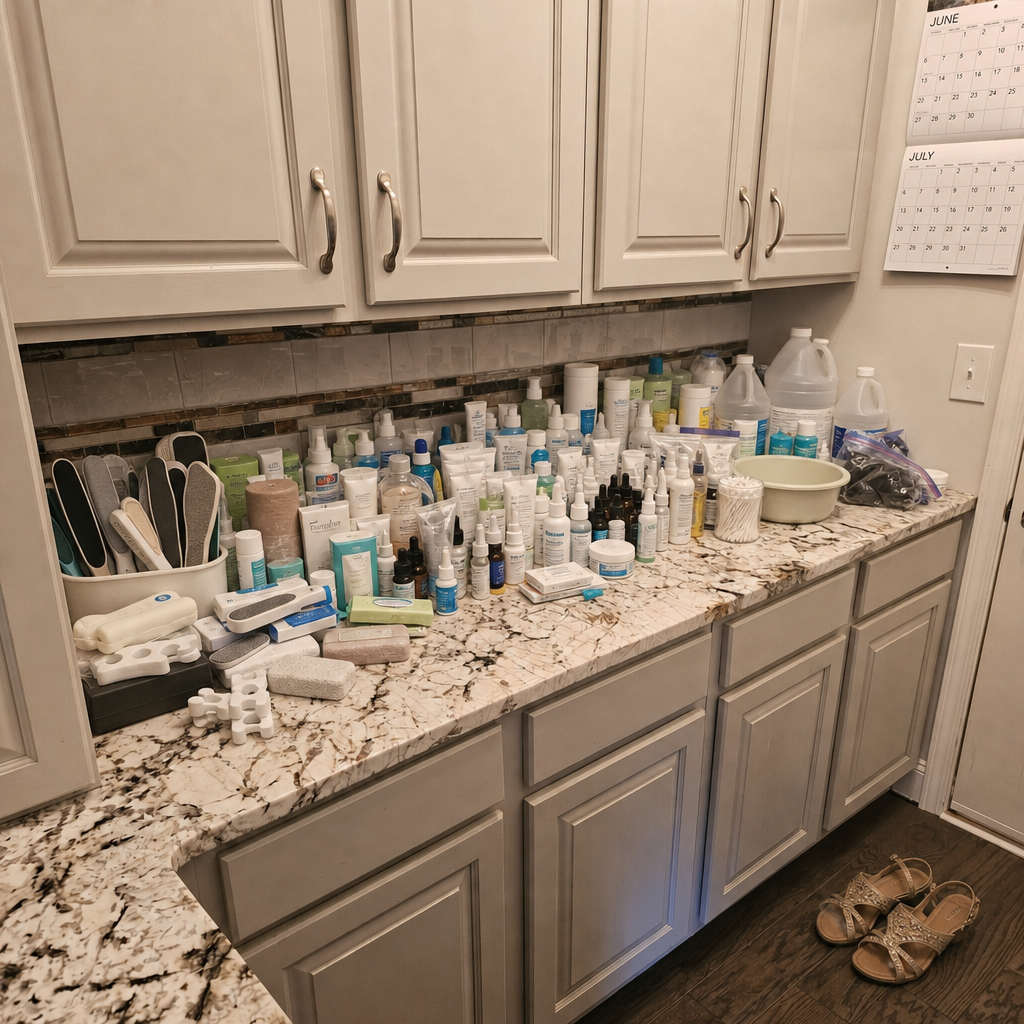
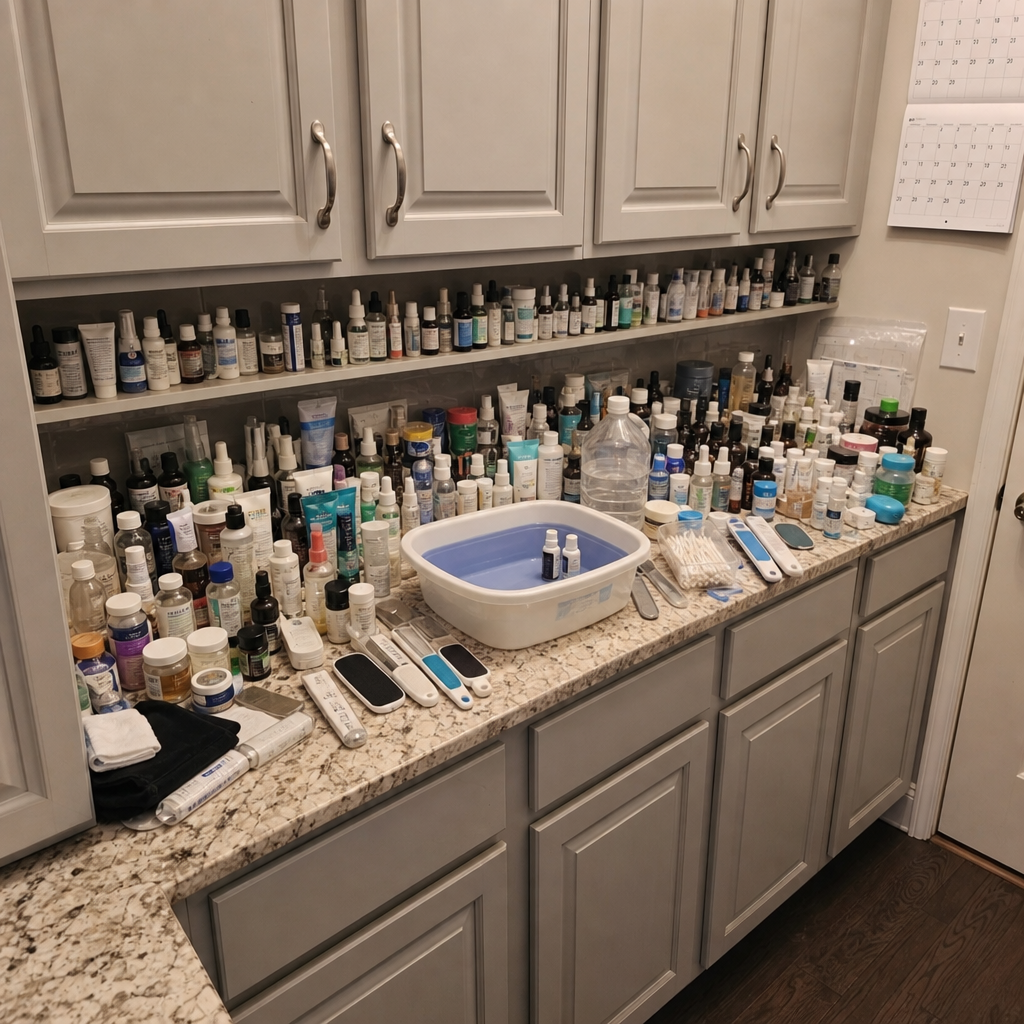
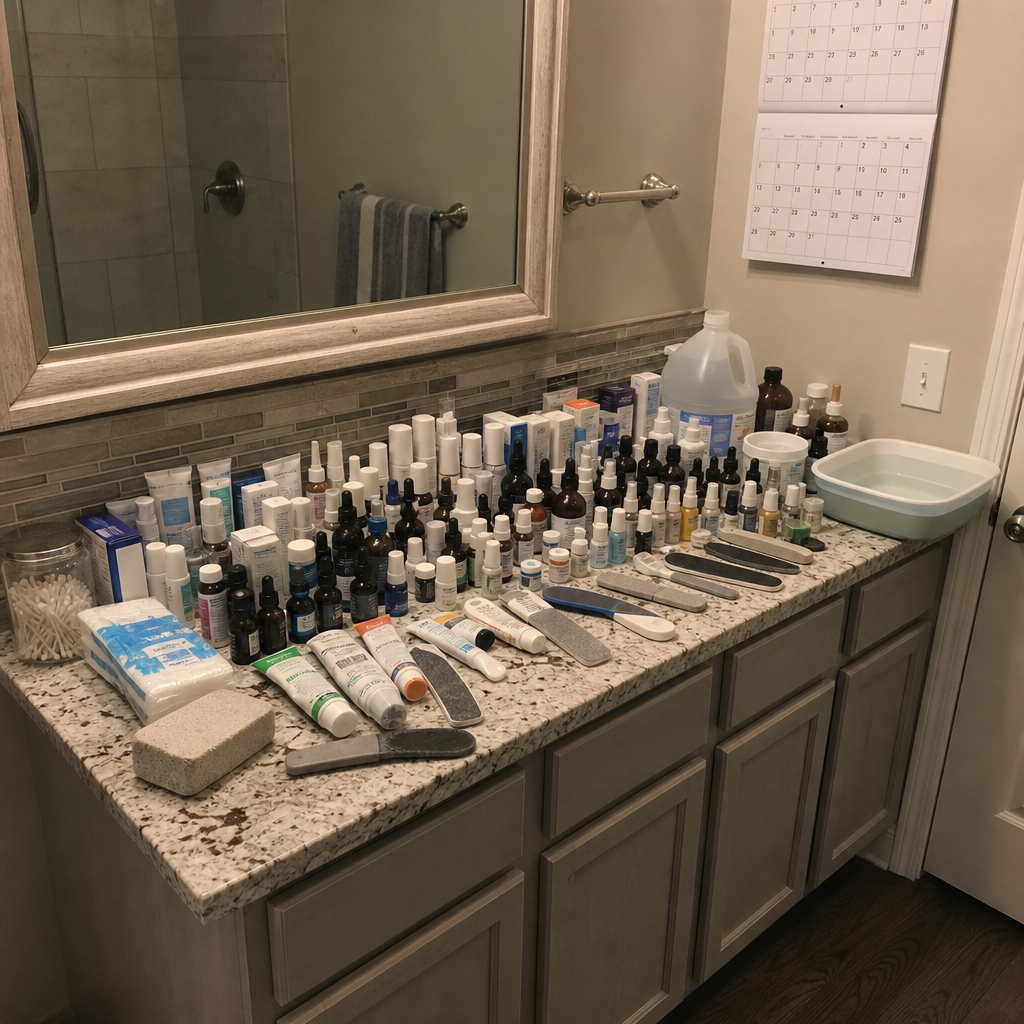
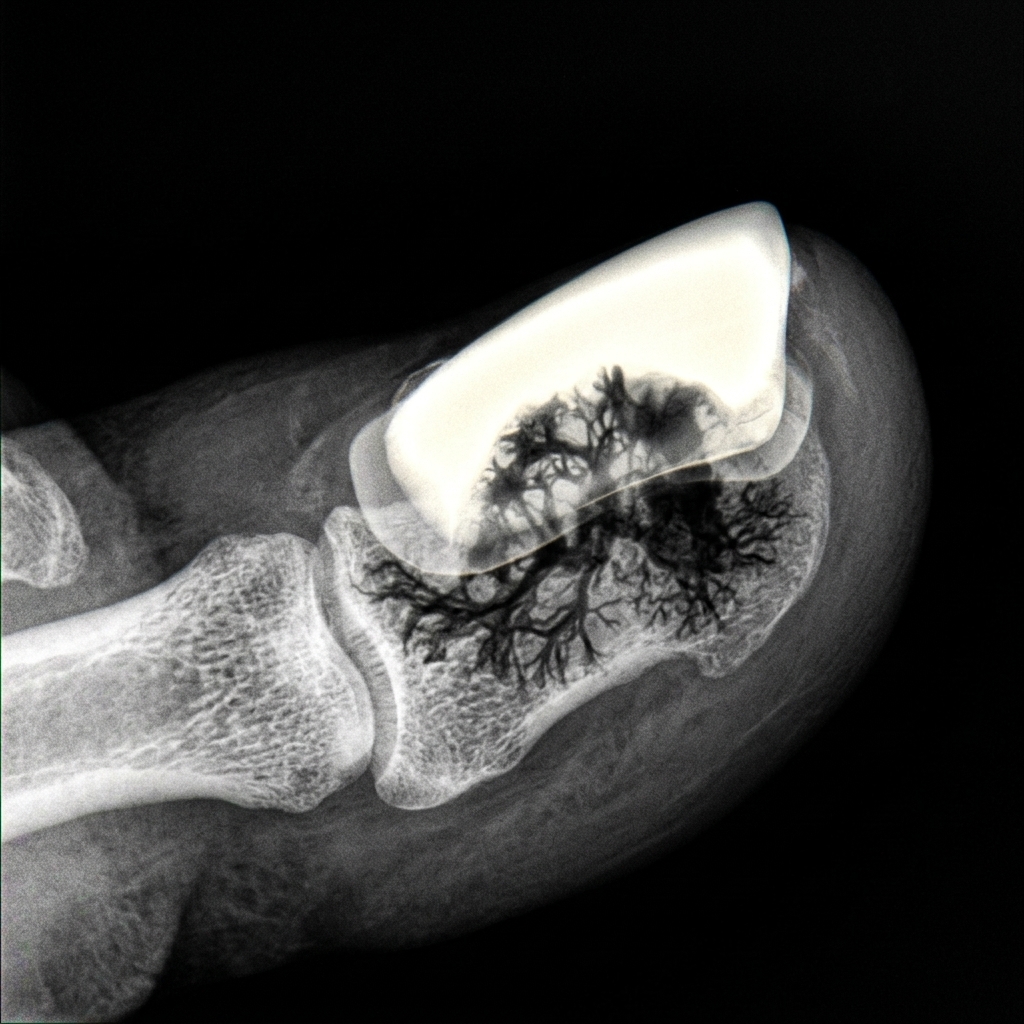
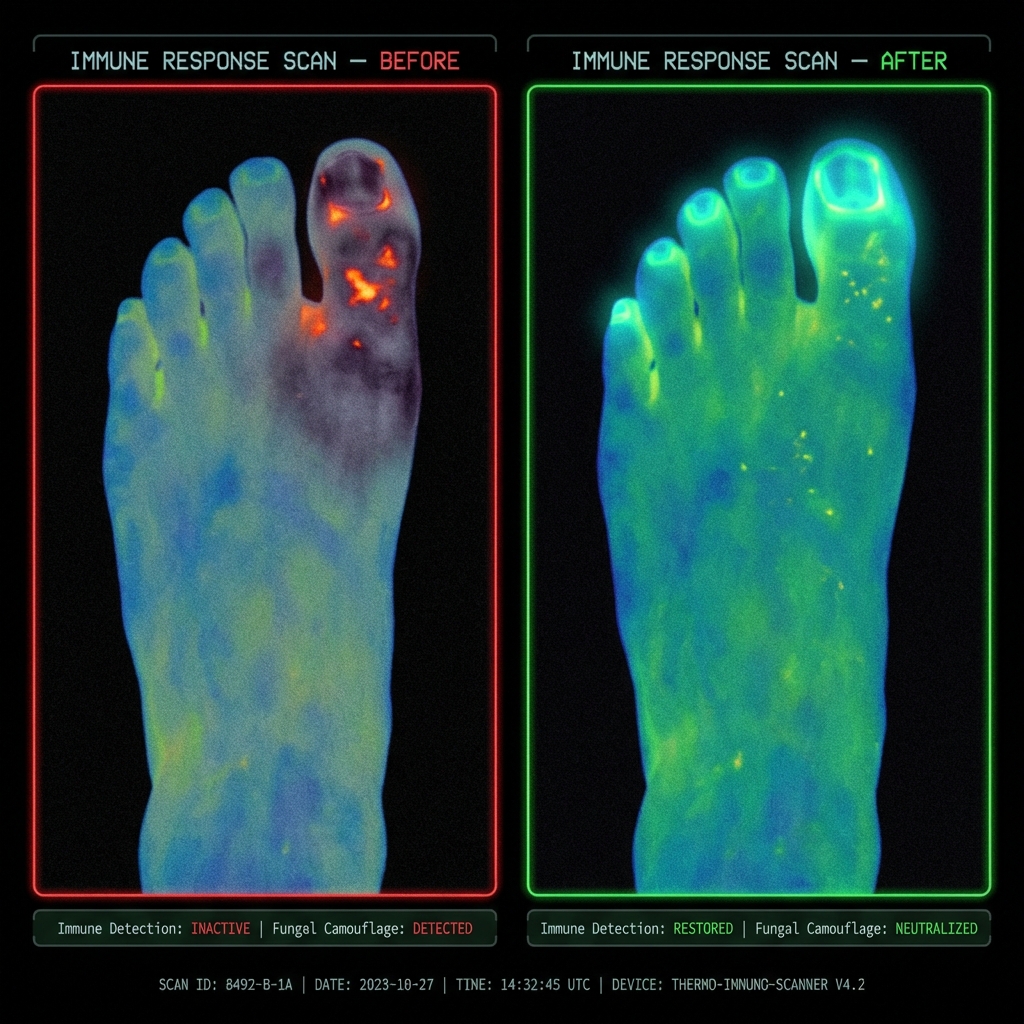
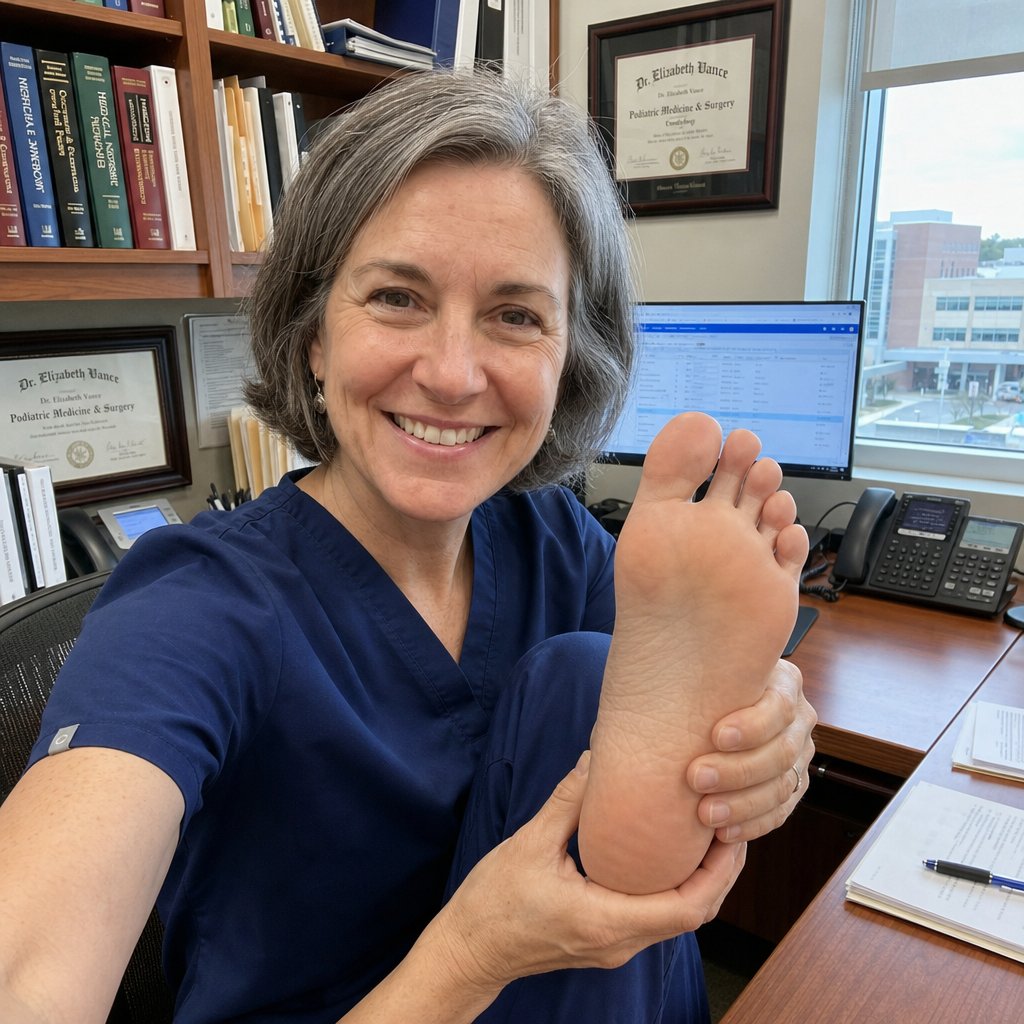
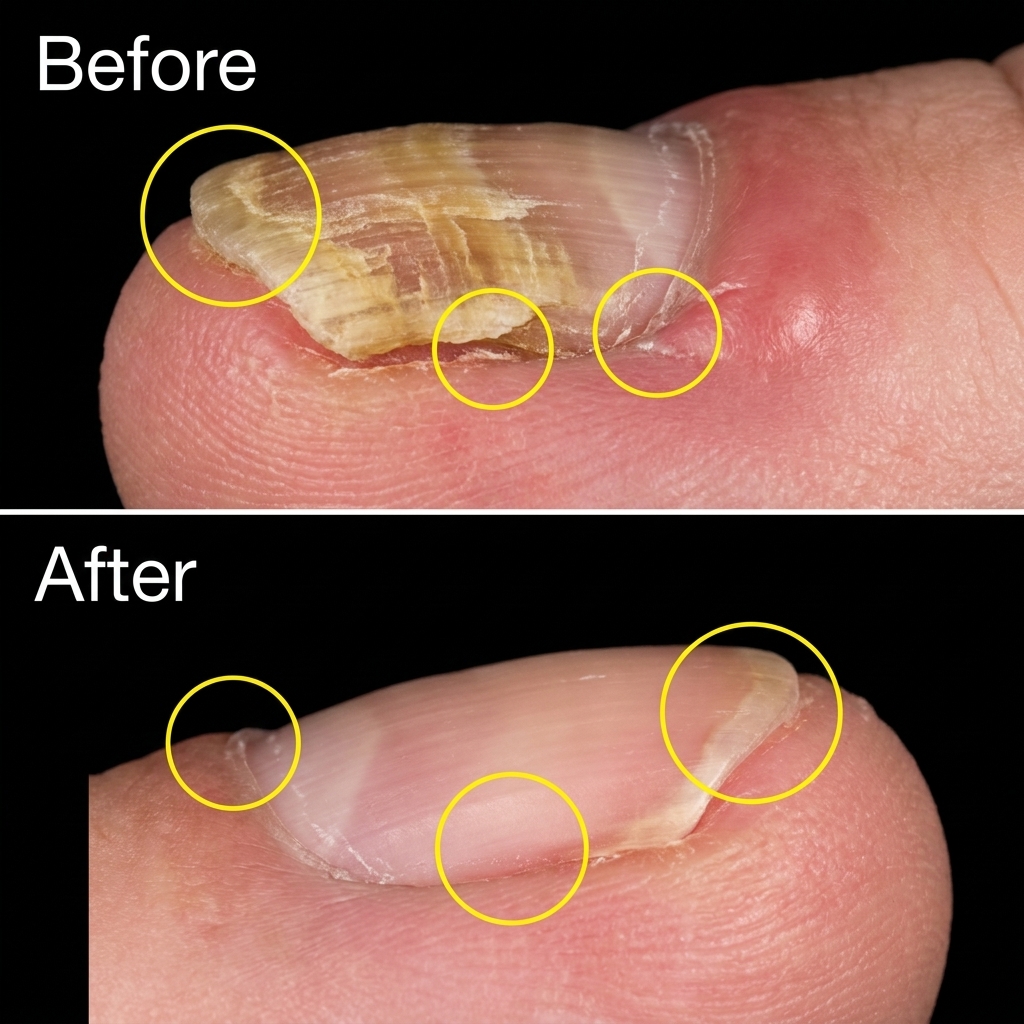
My podiatrist looked at my yellow toenails and said, "There's nothing more we can do except keep painting and monitor it" — but she was only seeing half the picture, and what I discovered three months later made her admit she'd never been taught to look at the other half. I sat in that chair, numb. Not from anything medical. From the word "monitor." Monitor means "watch it spread." Monitor means "come back every six months so I can photograph how much further the yellow has gone." I was 62 years old, and my podiatrist had just told me to accept that my toenails were disappearing under yellow. The worst part? I'd been doing everything right. I painted the prescription lacquer every single night. I dried between my toes after every shower. I changed my socks midday. I'd even done three rounds of medicated foot soaks at a specialist's office over the past year. And the yellow was still spreading. I could see it every morning. More nail turning opaque. The thickening getting worse. My big toenails looked like they belonged to someone twenty years older than me. My daughter was getting married in four months. I started practicing how I'd stand at the ceremony — the angle where my feet would be hidden behind the hem of my dress. The way I'd position my chair at the reception so nobody would see my toes under the table. The shoes I'd wear — closed, even in June, even at an outdoor wedding in Arizona. That's when I knew I'd already lost something more important than healthy toenails. I'd lost the ability to show my feet without thinking about it. Two weeks later, I was getting dressed for a dinner at my sister's house. She has a shoes-off-at-the-door policy. She has had one for twenty years. I stood in my closet for ten minutes trying to decide which socks would look the least strange with my dress. I wore the socks. My sister didn't say anything. My husband asked in the car on the way home why I'd worn socks with a dress to a dinner party in May. I lied and said the floors were cold. The truth was too humiliating: I was afraid of what my sister would think if she saw my toenails. I started googling at 11 PM. "Reverse yellow toenails naturally." "Fix nail fungus without surgery." Every article said the same thing: you can't reverse it with a topical. You can only manage it. If it gets bad enough, they'll remove the nail — a matrix ablation — and hope it grows back clean. The photos made me nauseous. The recovery time — eight weeks in a surgical shoe, months of regrowth — made me want to cry. I tried everything the "natural remedy" websites suggested. Tea tree oil every morning. (My bathroom smelled like a campsite and nothing changed.) Vinegar soaks. Vicks VapoRub. A $34 "nail repair" serum from Amazon that came in a bottle the size of my thumb and ran out in two weeks. Nothing worked. Six weeks later, I was back in the podiatrist's chair. "The yellow has reached a fifth toe," she said. "If it spreads to the sixth, we should discuss the ablation." I asked the question that had been haunting me: "Why is this happening? I do everything you tell me to do." She paused. "Some people are just more prone to it. It's chronic. And at your age, the nail plate thickens and the immune response slows. It's part of getting older." Part of getting older. Like I should just accept it. I left that appointment and cried in my car for ten minutes. Then I got angry. I'm 62. I'm not ancient. I go to yoga three times a week. I cook healthy meals. I take care of myself. Why was my body falling apart in the one place I couldn't hide? That night, I couldn't sleep. I searched something different: "Why does prescription lacquer fail for nail fungus?" Most articles gave the same useless answers. Drug resistance. Poor compliance. Genetics. Age. But one article stopped me cold. It was from a dermatology journal — dense, technical, filled with words I had to look up. But one sentence changed everything: "Topical antifungal agents achieve less than 3% transungual penetration through the nail plate, and the presence of fungal biofilm in the nail bed further reduces therapeutic efficacy at the site of infection." I read it three times. My lacquer wasn't failing because I was applying it wrong. It was failing because it could not physically reach the place the infection actually lived. The colony was underneath the nail, in the bed. It had built itself a shield — a biofilm — that blocked whatever tiny fraction of the lacquer managed to seep through the keratin. Like painting the outside of a locked door every night for five years. All the painting and drying and soaking in the world couldn't fix that — because I wasn't addressing the actual problem. I fell down a research rabbit hole that night. Study after study confirmed it: less than 3% of any topical antifungal penetrates the nail plate. And the colony underneath — the thing actually causing the yellow — is sealed behind a biofilm matrix that topicals cannot dissolve from the outside. No wonder the lacquer never worked. No wonder the medicated soaks never worked. The treatment was managing the surface while the infection lived untouched underneath. They were literally painting over a wall while the mold grew behind it. But here's what made me furious: Not one podiatrist had ever explained this to me in plain language. They treated my nails like the problem was on the surface. But the problem was never on the surface. It was structural. Underneath. Behind a shield. I found research on a compound called carvacrol — the active molecule in wild Mediterranean oregano oil. It was lipid-soluble. That meant it could travel through the bloodstream and reach the nail bed from underneath — from the inside — where the lacquer could not reach from the outside. The biofilm is made of lipids. Carvacrol dissolves lipids. Like dissolves like. It could get to the colony the lacquer had been locked out of for five years. But there was a catch. Carvacrol is heat-sensitive. Most commercial oregano products are heat-extracted — cheap, fast, and the carvacrol concentration drops to whatever survives the processing. Usually 20 to 30 percent, often not even listed on the label. The studies I was reading used concentrations of 70 percent or higher. The drugstore stuff wasn't even in the same conversation. That's when I found a small company called Orgatics. They cold-pressed their oregano at low temperatures — the slow, expensive way — specifically to preserve the carvacrol. They listed the actual concentration right on the label: standardized to 70 percent or higher. They paired it with black seed oil for the immune component. I ordered it that night. The pouch arrived three days later. The instructions were simple: two capsules in the morning with a glass of water. Every day. It felt almost too simple after five years of nightly lacquer rituals, the twenty minutes of drying, the socks before bed. But I had four months until my daughter's wedding, and nothing left to lose. The first week, nothing happened. The second week, I noticed the angry red around my cuticles had calmed. The skin that had been inflamed for three years looked quieter. I didn't trust it yet. By week three, the redness was gone. Not faded. Gone. For the first time in years I could touch the skin around my big toenail without tenderness. But in week five, my husband said, "Your feet look different. Did you do something?" I hadn't done anything visible. I was still painting the lacquer every night. But when I held my foot up under the bathroom light that evening, I could see it: a thin line of pink at the base of my big toenail. Healthy nail. Growing in from the matrix. The first clean nail I'd seen on that toe since before my daughter got engaged. I touched it gently. It felt smooth. Not ridged. Not thick. Smooth. Three months later, I went back to my podiatrist for my appointment. She photographed my feet like always. She ran the dermatoscope. Then she ran it again. "Huh," she said. "What?" I asked. "Your numbers improved. The big toes are showing six millimeters of clear regrowth at the cuticle. The spreading stopped. That's… not what I usually see." I told her everything. The late-night research. The biofilm studies. The carvacrol. The cold-pressed oregano I'd been taking every morning for three months. She was quiet for a long moment. "They didn't teach us to think about it that way in school," she finally said. "We focused on topical management and surgical intervention. Not on reaching the bed from the inside." All those years of lacquer, all that money on medicated soaks, all those nightly routines — And the answer was something she'd never been trained to look for. I kept taking the capsules every single day leading up to the wedding. By the time my daughter's big day arrived, I wasn't worried about my feet anymore. I wore open-toed silver sandals with a small heel. My feet were visible in every single photo. Not the careful, hidden-behind-the-hem positioning I'd been practicing. Real visibility. The kind where you're not thinking about your toes or your cuticles or the angle of your dress. The kind of standing that just happens when you're not ashamed. Here's what I wish someone had told me five years ago: Your nails aren't just turning yellow because you're getting older. They're turning yellow because a colony is living underneath the nail, behind a shield your lacquer can't get past. And every day you spend treating the surface — buying stronger lacquers, getting medicated soaks, using drugstore serums — is another day you're not addressing the real problem. I'm not a podiatrist. I'm not a scientist. I'm just someone who got desperate enough to ask a different question. If your toenails have been getting worse — if you're wearing closed shoes in summer, if you're practicing how you'll stand at your daughter's wedding, if you're terrified of what your podiatrist is going to say at your next appointment — You deserve to know what I found that night. Because you shouldn't have to accept "monitoring" as your only option. And you definitely shouldn't have to stop wearing sandals. 👉 P.S. Two capsules a day with water. That's it. No nightly painting routine. No twenty minutes of drying. No surgical shoe. I kept painting my prescription lacquer alongside it because my podiatrist told me to — but the morning capsule is the thing that finally reached where five years of lacquer couldn't. P.P.S. I called my pharmacist before I started. I was on a thyroid medication and I wanted someone who knew my chart to confirm the addition was safe. She said it was. The call took two minutes. If you're on any prescription medication, please make that call first. P.P.P.S. Orgatics has a 90-day money-back guarantee. If you're not satisfied for any reason, every penny back. No questions. That's a sensible policy for something your body needs time to show you. P.P.P.P.S. They're a small operation. They cold-press on their own schedule, so they sometimes run out. I keep a spare pouch in the house now. P.P.P.P.P.S. My podiatrist asked me to write down the brand name for her. She put it in her white coat pocket. She said she had three other patients she wanted to mention it to. That was the moment I knew the conversation about nail fungus treatment was missing something — and that I'd found the piece that was missing. 👉 https://tryorgatics.com/pages/nail-fungus
Orgatics™ Nail Support Capsules combine cold-pressed Mediterranean oregano oil, black seed oil, and 70%+ verified carvacrol with professional research and cold-press extraction technology.
SUMMARY: Experts estimate that one in four adults over 60 develop nail fungus... This cold-pressed oregano capsule could be their natural way to support healthy nail appearance from the inside, reaching the colony where topicals can't, supporting the body's own natural defenses... Order Orgatics™ ...
LEARN MORELike this ad? Make it yours.
Crush rebuilds this exact creative around your product — your brand, your colors, your offer — in about a minute.