Amanda Thomson
Amanda Thomson Facebook ad: “Drop the Lbs in weeks!”
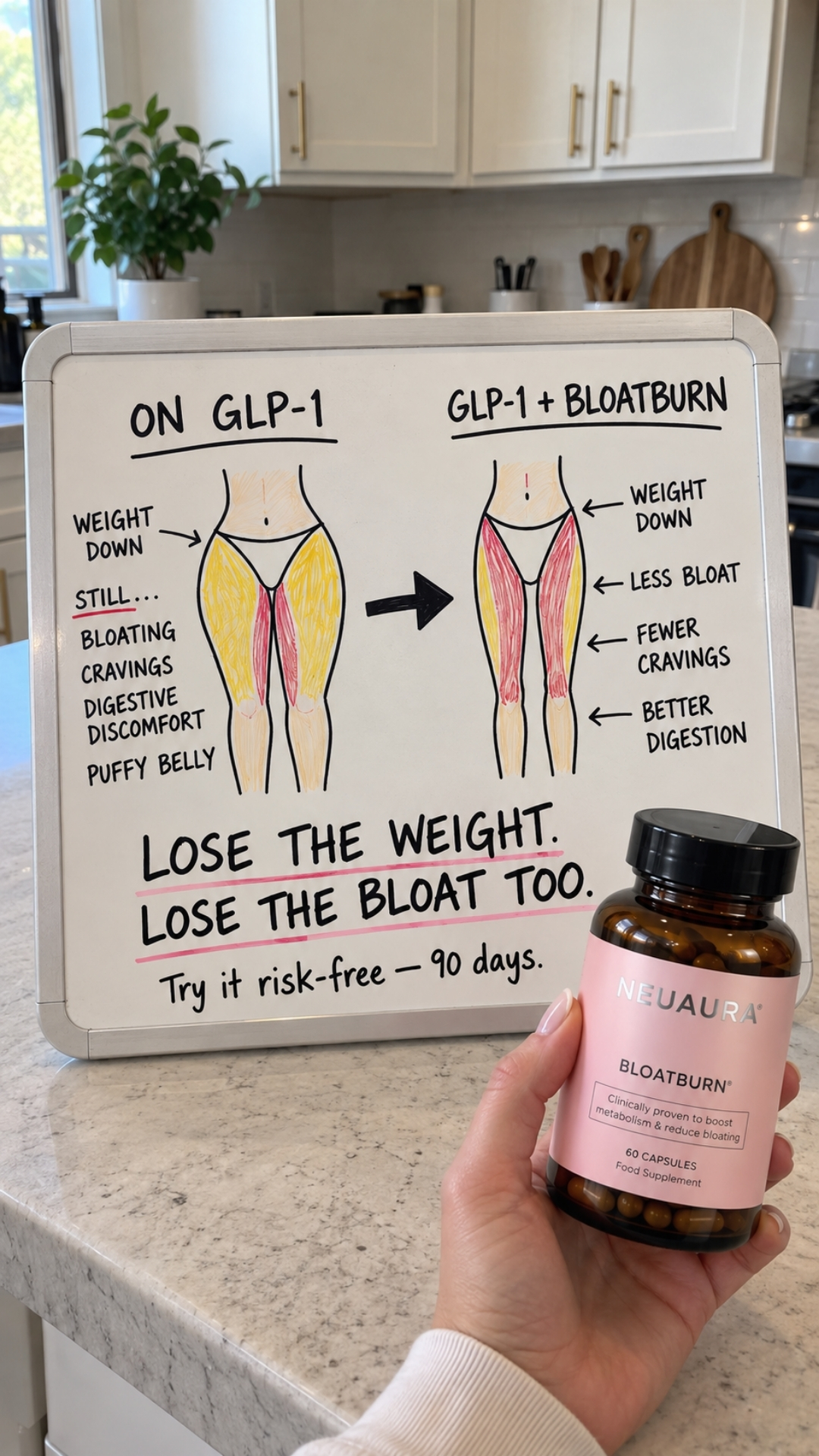
Ran for 1 day, from September 10 to September 11, 2026, the last day Crush saw it.
Run by Amanda Thomson on Facebook. Crush is not the advertiser and does not verify its claims. See this ad in Meta's Ad Library(opens in a new tab)
Want an ad like this for your product?
Crush makes new ad images for your product from this ad: your logo, your product photo, your offer.
Trials from $19.95 USD, then $79.95 USD a month. Cancel anytime.
About this ad
- Meta Ad Library ID
- 2516401848787326
- Platforms
- Facebook and Instagram
- Relaunches
- 1
Ad text
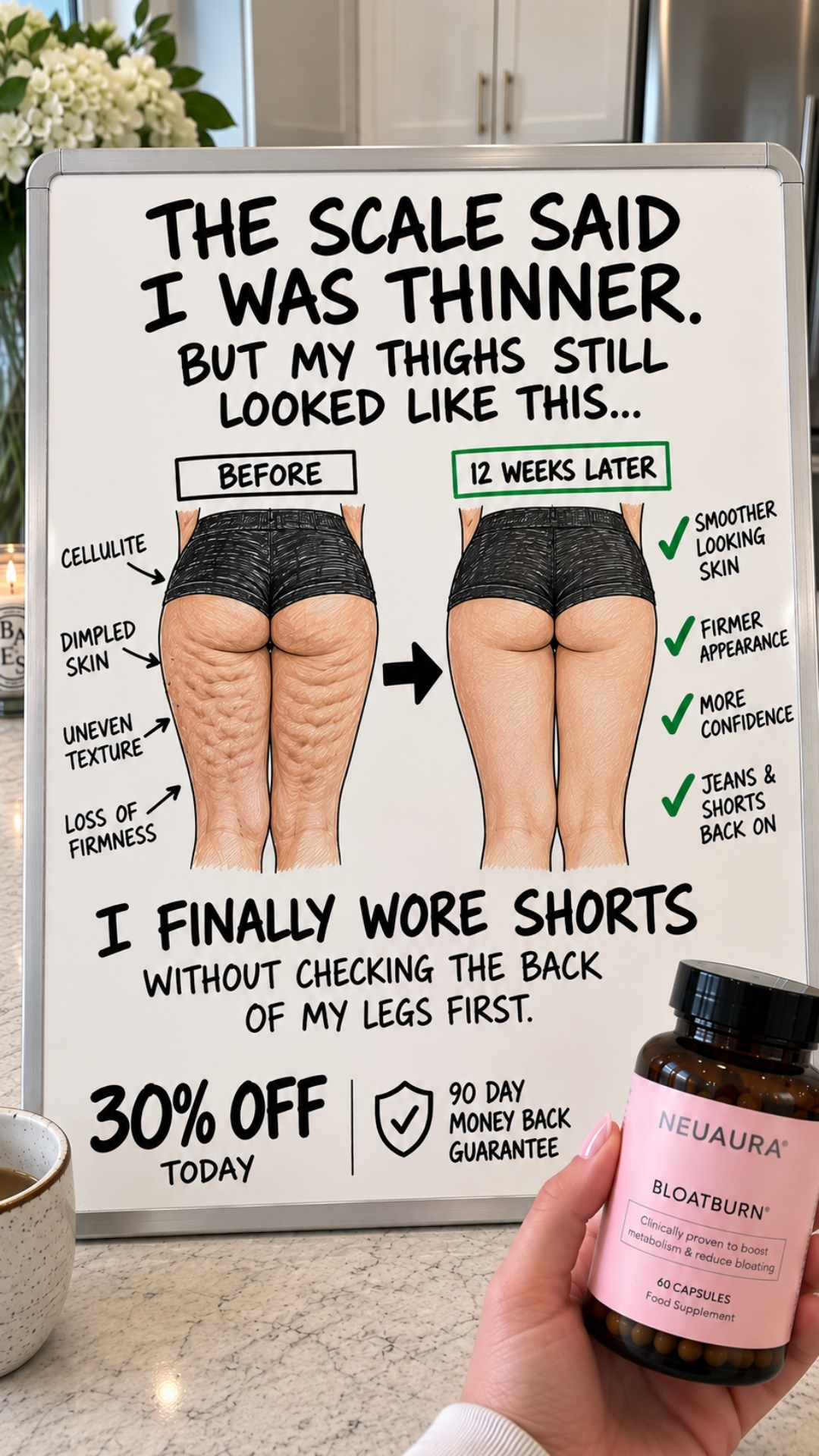
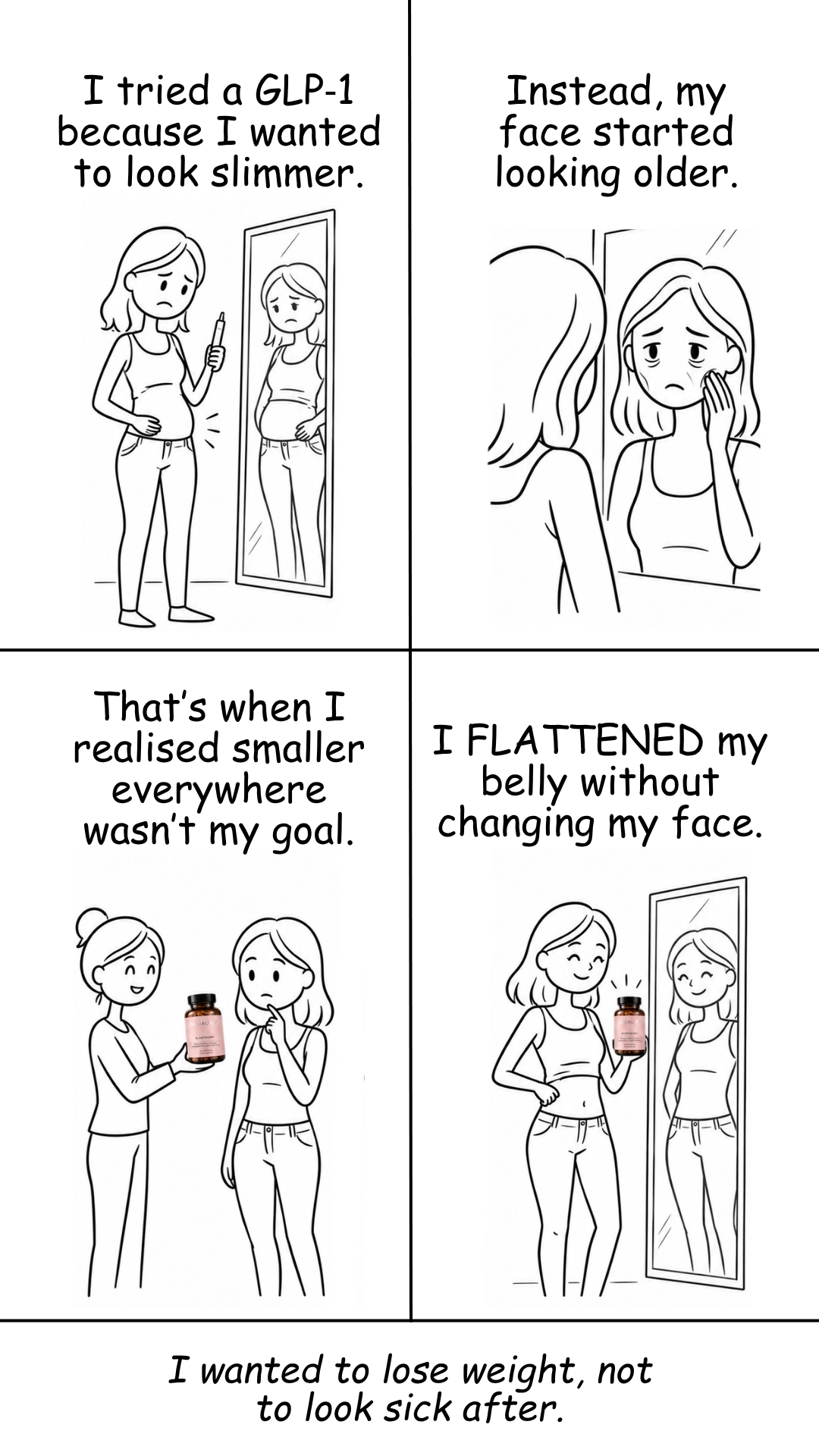
One of the most frustrating things I hear from women in their 40s is some version of this: “I’m eating less than I used to. I’m moving more than I used to. So why does my stomach seem to be getting bigger?” And often, they’re not exaggerating. They’ll show me the food logs. 1,200 or 1,400 calories a day. 10,000 steps. Very little alcohol. Hardly any dessert. Bread cut back. Sugar cut back. Portions watched carefully. They’re doing almost everything they’ve been told to do. Yet their waist feels different. Their jeans fit differently. And by the end of the day, their stomach may look completely different from the way it did that morning. That last part matters. Because one mistake I see women make is using one word — “weight” — to describe several things that may not actually be the same thing. A woman will tell me: “My stomach is getting bigger.” But when you ask better questions, you sometimes uncover several different patterns happening at once. For example: She wakes up and her stomach looks relatively normal. Then she eats breakfast. Lunch. Dinner. And by evening, she feels harder, fuller and noticeably more distended around the middle. That’s one pattern. But then there’s the part that doesn’t disappear overnight. The waist that has gradually changed over months. The softer lower-belly area. The jeans that consistently fit differently than they did several years ago. That’s another pattern. And then there’s something women mention less often until you specifically ask: “What happens to your appetite later in the day?” Because I’ll often hear: “I’m fine all morning.” “I’m disciplined all day.” “But around four or five o’clock, food suddenly gets louder.” A handful of something while cooking. A cookie with tea. A little chocolate after dinner. Not necessarily a dramatic binge. Just a persistent pull toward food at exactly the point when willpower is running low. And this is where I think many women become unnecessarily hard on themselves. They experience all three things around the same area of the body… so they assume they must all have the same cause. And therefore the same solution: Eat less. So they tighten the diet again. Cut another food. Fast another few hours. Add another walk. Skip another dinner out. But if what you’re experiencing involves several different patterns, it makes sense to ask whether one single strategy is really addressing all of them. I tend to separate the experience into three questions. First: What changes after meals? Does your stomach become noticeably fuller, harder or puffier as the day goes on? Second: What’s still there the next morning? In other words, what appears to be a more persistent change in your waist or body composition rather than something that fluctuates over several hours? Third: What happens to your appetite later in the day? Do cravings become more noticeable in the afternoon or evening, particularly after a day of restriction? Those are not identical patterns. And I wouldn’t treat them as though they were. That distinction is also why I’m cautious whenever I see a product positioned as though every frustrating inch around a woman’s waist comes from one single cause. If it’s marketed only as a “debloat” product, that tells me it’s addressing one category. If it’s marketed only around appetite, that’s another category. If it’s positioned only for weight management, that’s another. None of those approaches is automatically useless. But something doesn’t have to be useless to be incomplete. That’s an important distinction. Because many women I speak with have what I jokingly call the bathroom-cabinet graveyard. Half a bottle of probiotics. Digestive enzymes. A fiber powder. A “metabolism” supplement. Debloat tea. Something for cravings. Something else for weight management. And the experience is often the same: “One of them helped a little with one thing…but none of them really matched what I was experiencing as a whole.” That’s what made me take a closer look at BloatBurn. At first glance, I assumed it would be another standard bloating formula. Then I looked at the ingredient profile. Interestingly, there isn’t even a probiotic in it. Instead, the formula appears to be built around several different categories of support. On the digestive side, it contains ingredients such as bromelain, ginger, peppermint and fennel. It also contains dandelion, taking a different approach to the “puffy” feeling women often describe. Then you have chromium and Greenselect Phytosome®, a patented caffeine-free green tea ingredient that has been used in human weight-management research. The formula also contains turmeric, MCT and black pepper extract. What caught my attention wasn’t the idea that all of those ingredients are doing the same thing. Quite the opposite. It was that they aren’t. The formula seems to recognize something women often discover only after years of dieting: Your stomach can feel or look bigger for more than one reason at the same time. There can be the part that changes after eating. The part that feels more persistent from morning to morning. And the part connected to appetite and eating behavior later in the day. Same stomach. Different patterns. And once you see it that way, the goal can start to change too. Because when I ask women what they really want, the first answer is usually: “I want to lose weight.” Then: “I want my waist back.” Or: “I want to fit into my old jeans.” But if you keep talking, something deeper often comes out. They want to stop thinking about their stomach all day long. They want to go to dinner without mentally calculating whether they should skip lunch first. They want to put on a dress without immediately wondering how their stomach looks from the side. They want bread to be bread. Dinner to be dinner. A photograph to just be a photograph. They want to stop tugging at their shirt every time they stand up. And they want to stop waking up in the morning wondering: “What did I do wrong yesterday?” That’s the part I think gets missed when everything is reduced to discipline. For some women, the problem isn’t that they haven’t been trying hard enough. They’ve been trying incredibly hard. The problem is that they’ve been treating every change around their middle as though it were the exact same problem. So if you’re over 40 and thinking: “I’m eating less. I’m moving more. Why does my middle still feel like the one place getting worse?” I’d start with better questions. What changes noticeably after meals? What remains the next morning? And what happens to your appetite later in the day? Because those are different patterns. And they don’t automatically call for the exact same approach. Same stomach. Different problems. That’s the thinking behind why BloatBurn was formulated differently. ⭐ 4.8 stars from 280,000+ women ⭐ 300,000+ bottles sold — sold out 7 times ⭐ Backed by industry experts 🎁 What You Get Today: 💝 90-Day Money-Back Guarantee 🧬 Clinically Validated Ingredients ⭐ Trusted by 280,000+ Women 👉 See Why BloatBurn Takes a Different Approach — And Try It Risk-Free https://www.neuaura.co/pages/bloatburn-wl
Where the ad sends people
neuaura.co
Drop the Lbs in weeks!
90-Day Money-Back Guarantee
Learn more: neuaura.co(opens in a new tab)