
Inactive· since May 2, 2026
- 130
- days it ran
- 0
- relaunches
- 950
- EU reach
Ad copy
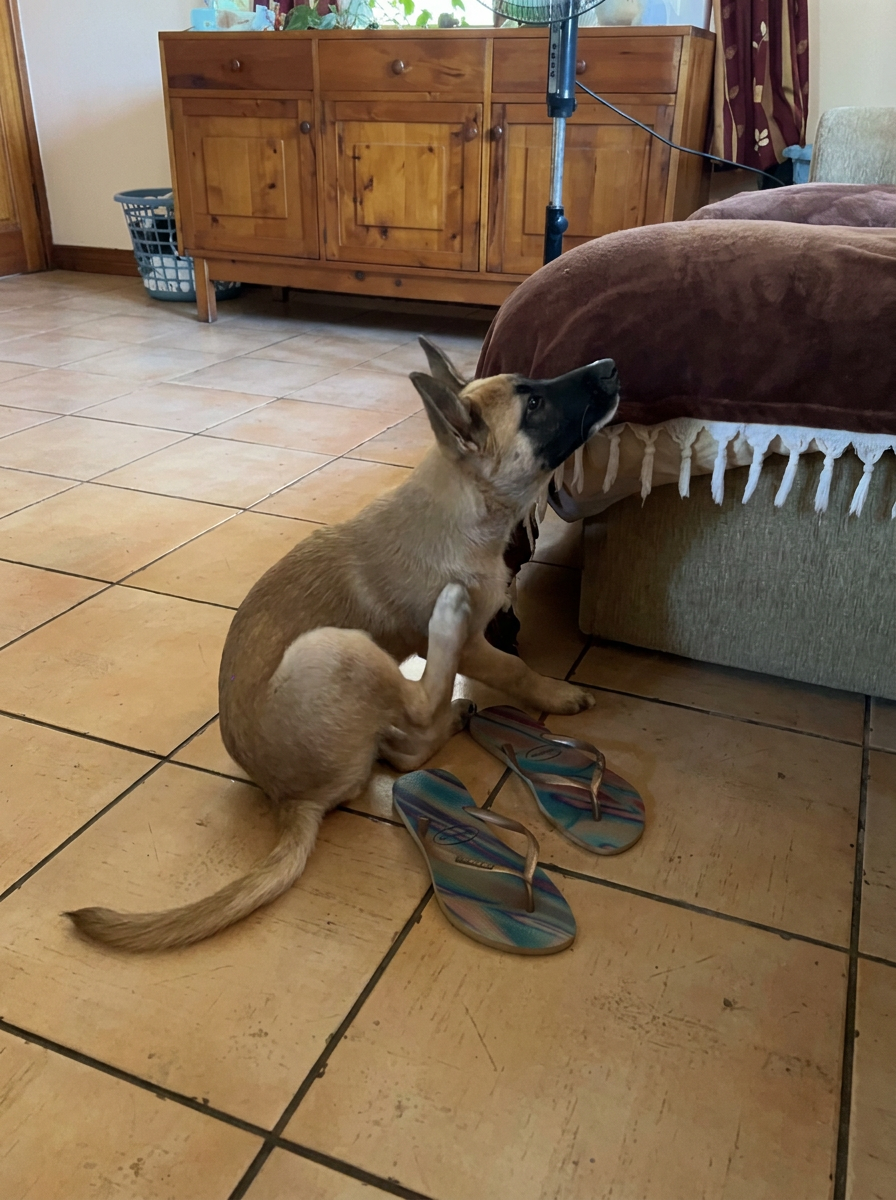
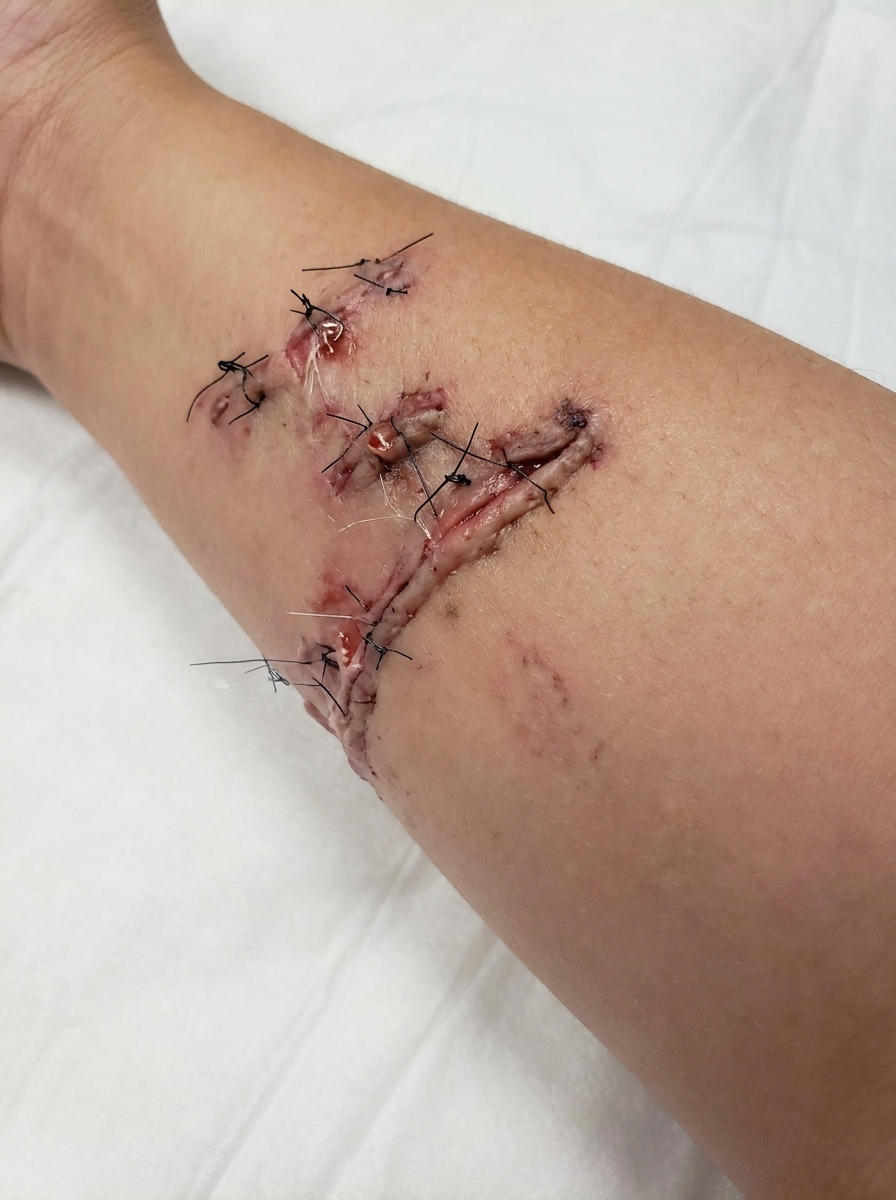
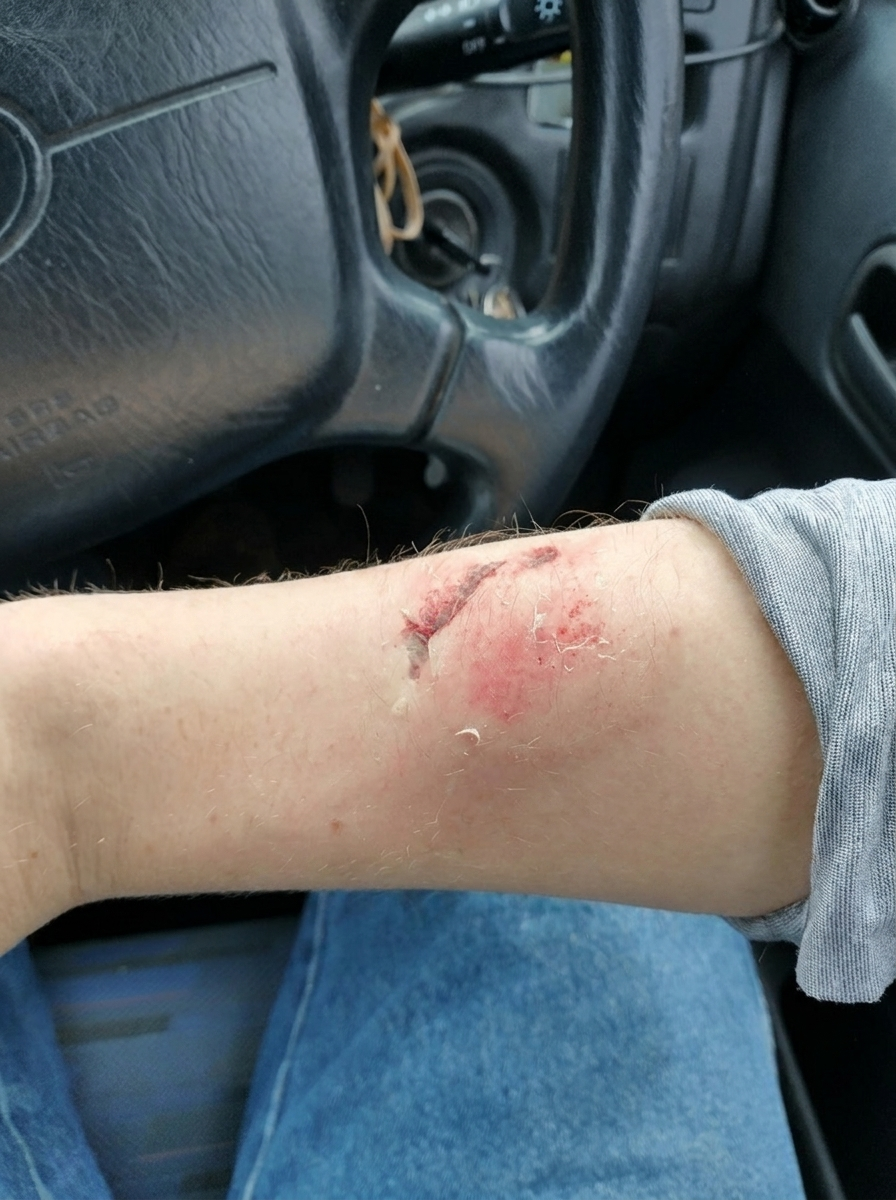
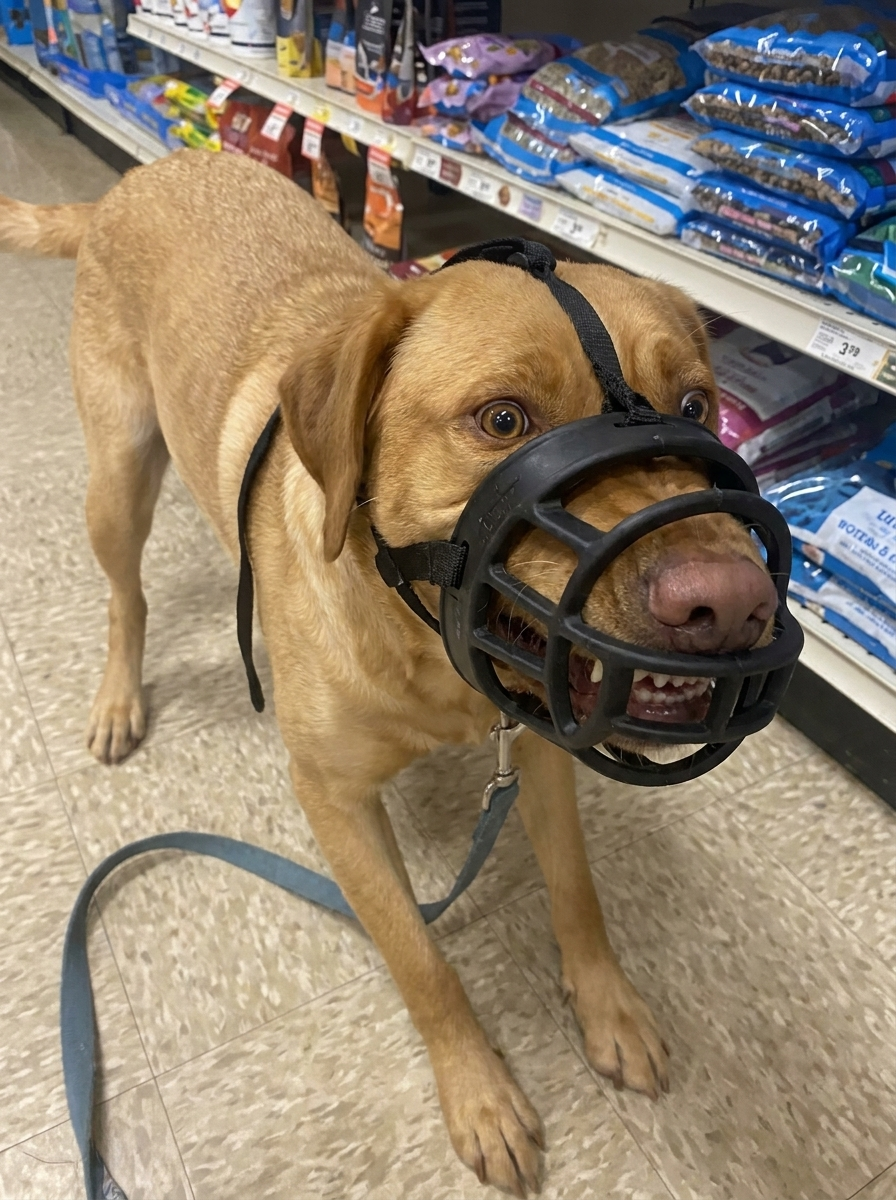
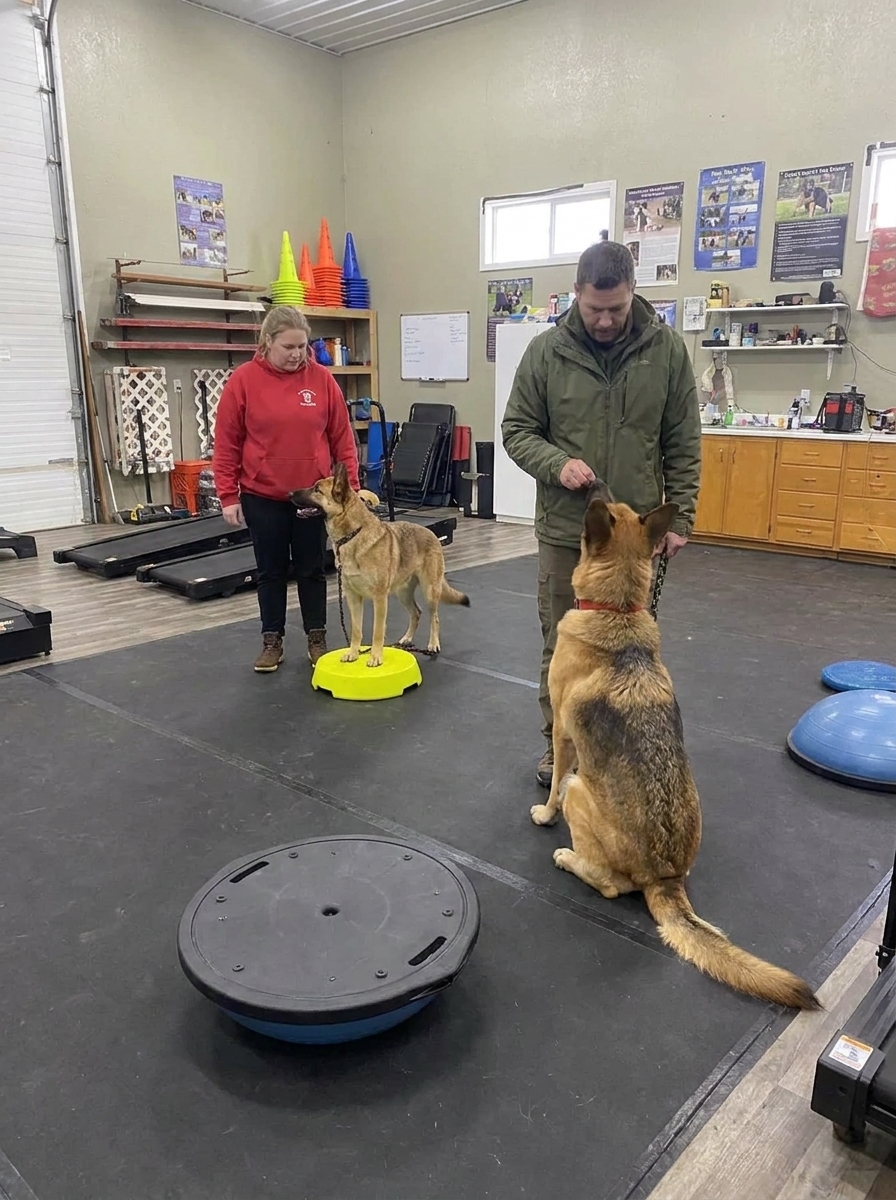
Every reactive dog I've put on a calming supplement protocol has failed to reach their potential. The first was a 4-year-old Shepherd mix named Beau. He came to our clinic after biting a child. Extensive training history. Two certified trainers. Prescription Prozac. Basket muzzle on every walk. His owner had spent $6,800 trying to help him. We assessed him, added behavioral recommendations, started him on a gut health supplement his previous vet had recommended. He showed slight improvement. Then plateaued. Six months later he bit again. He was euthanized the following week. Two years later, a Labrador named Sadie came through with almost identical history. We tried harder. Added a different supplement protocol. Adjusted the medications. Worked with her trainer directly. For a while she was doing well. Then she bit a jogger. Surrendered four days later. For almost a decade I told myself it was the severity of these cases. The history. The genetics. "Some dogs just can't be rehabilitated." Then a 3-year-old Pit Bull mix named Luna came in. Same early signs. Same behavioral pattern. Same training history that was producing the same plateau everyone else had hit. Her owner, Karen, looked at me across the exam table. "I've been through this twice before with other dogs. Tell me what we're missing." I didn't have an answer. And that was the moment I understood that something was fundamentally wrong — not with the training, not with the owners, but with the protocol I'd been recommending for twelve years. My name is Dr. Sarah Mitchell, DVM. Along with Dr. James Rodriguez and Dr. Rachel Moore, I've spent the last twelve years at Lakeview Animal Hospital treating dogs with behavioral conditions, anxiety, and leash reactivity. Between us, we've assessed over 22,000 dogs. What I'm sharing here is what I wish I'd known at the beginning of my career. Because Beau and Sadie didn't have to end the way they did. Here's what happened after Luna came in. Karen had done everything correctly with Luna. Two certified reactivity specialists. Counter-conditioning. BAT protocol. Precise threshold management on every walk. A board-and-train program that had cost $3,200 and produced real improvement followed by real regression. Prescription Trazodone. Calming supplements from the three brands I'd most commonly recommended. Slight improvement. Then a ceiling she couldn't break through. The inconsistency was what frustrated her most. "Some days she's almost normal," Karen told me. "Same route, same weather, same everything. Other days she's worse than she's ever been. I can't find a pattern." I ran every test we had. Thyroid: normal. Full blood panel: normal. Pain screening: negative. "She's healthy," I told Karen. "Continue with the training. Some dogs just have a higher baseline anxiety." The exact words I'd said before Beau was euthanized. The exact words I'd said before Sadie bit the jogger. I drove home that evening and sat in my kitchen for a long time. Dr. Rodriguez found me there. "Sarah," he said. "We test everything. Blood. Hormones. Pain. Thyroid." He paused. "Has anyone ever tested the gut?" The silence that followed was a long one. Neither of us could think of a single time. That evening, the three of us stayed late and started going through the research. Seventeen peer-reviewed papers published since 2019 on the canine gut-brain axis and behavioral dysregulation. Not one in standard vet school curriculum. Not one mentioned in any continuing education course any of us had attended. Here's what those papers showed — clearly, consistently, across thousands of dogs studied: The inconsistency Karen had described. The plateau every trainer hit. The days where the same dog in the same situation was completely different. It wasn't random. It was the gut. 95% of serotonin — the neurotransmitter that determines whether the brain can regulate emotional responses or defaults to panic — is produced in the gut. Not the brain. When the gut microbiome is compromised, serotonin production drops. The brain loses the neurochemical foundation it needs to hold regulation under pressure. And reactive dogs live in chronic stress — which is exactly what destroys the gut microbiome. Every reactive episode floods the system with cortisol. Cortisol damages the intestinal lining over time. A damaged lining produces fewer beneficial bacteria. Fewer bacteria means less postbiotic metabolite production. Less postbiotic production means less serotonin. Less serotonin means a more reactive dog — which means more cortisol — which means more gut damage. The cycle tightens over time. This was why the training kept hitting a ceiling. Counter-conditioning builds new regulatory pathways in the brain. Those pathways require serotonin to form and hold under real-world pressure. A brain in serotonin deficit cannot hold them when a trigger appears too fast, too close, too unexpected. The training works in the controlled session. Falls apart in the moment it matters most. And nobody — not the trainers, not the vets, not the supplement companies — had been addressing the one system that determines whether any of it can work. We understood this for the first time sitting in our clinic reading research papers we should have been given years earlier. The next morning, we changed our intake protocol. Every reactive dog presenting at our clinic would receive a gut microbiome analysis. Over the following five months, we tested 94 reactive dogs. 74 had severely compromised gut microbiomes and critically depleted postbiotic metabolite production. That's 79%. Dogs on raw diets. Dogs on prescription food. Dogs on premium grain-free kibble. Dogs whose owners had researched nutrition obsessively. It made no difference. Chronic stress was the driver — not food quality. And every training session that pushed dogs near or over threshold was generating more cortisol, causing more gut damage, making the underlying biological problem harder to address. We had been inadvertently contributing to the cycle we were trying to break. After we understood the problem, we needed to find out what we could actually do about it. I assumed postbiotic supplementation was the answer. But I needed to know what was available — and whether any of it was what it claimed to be. I've seen too many supplement categories fail reactive dog owners. So I did what I should have done years earlier. I ordered every calming and gut health supplement on the market. Fourteen brands. Products I had been recommending to clients. Amazon bestsellers. "Veterinarian recommended" labels. Thousands of five-star reviews. I paid for them out of my own pocket. And I sent all fourteen to an independent laboratory. What came back made all three of us furious. PawCalm (Amazon Bestseller, "Clinically Formulated"): Claimed 5 billion CFU of active probiotics. Independent test: 1.2 billion. 76% below advertised potency. VetriScience Composure Pro ("Veterinarian Recommended"): The active calming complex was 40% undisclosed rice flour filler. Zero measurable postbiotic content. Zesty Paws Calming Bites ("50,000 Five-Star Reviews"): The probiotics listed on the label were dead — confirmed bacterial contamination from improper storage. NaturVet Quiet Moments: L-theanine and melatonin. Addresses anxiety signals in the brain. Zero gut mechanism. Treating the wrong system entirely. Purina Pro Plan Calming Care ("Vet Recommended"): Single probiotic strain. No postbiotic metabolite content. Not designed for gut-brain axis support despite marketing language. Four more brands came back with undisclosed fillers, mislabeled potency, or inactive ingredients. I had recommended three of these products to clients this year alone. Products that were either mislabeled, dead on arrival, or addressing a completely different system than the one that was actually broken. I sat staring at that lab report feeling like I'd failed every reactive dog owner I'd seen in the last twelve years. Dr. Moore spent the following weeks calling every manufacturer directly. Requesting Certificates of Analysis. Demanding batch-specific independent testing documentation. Asking for the research underlying their gut-brain axis claims. Most wouldn't provide it. Most didn't return calls. The ones who did sent generic quality statements or certificates that couldn't be independently verified. Then she called CalmAxis. They answered on the first ring. She asked for their Certificate of Analysis. It arrived by email in forty minutes — from an accredited independent laboratory, batch-specific, covering purity, potency, and contamination across every active compound listed. She asked about their postbiotic formulation specifically for dogs with compromised gut microbiomes. They explained the mechanism precisely. Postbiotic metabolites — the beneficial compounds healthy gut bacteria produce — delivered directly to the gut lining. No colonization required. Specifically formulated for dogs whose chronic stress has already damaged the gut microbiome and compromised their ability to support live bacterial colonization. She asked about the serotonin production mechanism specifically. They walked her through it. The short-chain fatty acid postbiotics that restore intestinal barrier integrity. The neuroactive metabolites that support serotonin synthesis through the enteric nervous system. The butyrate content that reduces intestinal permeability and cuts the inflammatory cascade driving chronic cortisol elevation. She asked about batch testing frequency. Every production run. Independently verified. They were the only company that answered every question with specific, verifiable data. We sent it to the same lab. ✅ Postbiotic content over-delivered by 3% ✅ Short-chain fatty acid profile confirmed at therapeutic levels — butyrate, acetate, propionate ✅ Neuroactive metabolite profile confirmed ✅ Zero heavy metal contamination ✅ No fillers, no binders, no undisclosed ingredients ✅ Pharmaceutical-grade purity across all tested parameters For the first time in twelve years, I had a supplement I could recommend with full confidence. We introduced it into Luna's protocol alongside her existing behavioral management. Same trainer. Same sessions. Same management on walks. Just CalmAxis added. Here's what happened over the following eight weeks. WEEK ONE Nothing dramatic. Luna still reacted on most walks. I told Karen to give it six weeks minimum and to note any changes in recovery time — how quickly Luna came back after a triggered moment. WEEK TWO Karen called me after a session. "Her trainer noticed something before I did. She said Luna's recovery time after triggers has dropped significantly. She's coming back faster. More available." WEEK THREE Karen's husband joined their usual evening walk for the first time in months. A dog appeared at distance. Luna stiffened. Then looked back at Karen and took a treat. He'd never seen that happen. Neither had Karen. WEEK FOUR I saw Luna at a scheduled progress check. Something was different in her baseline before we even began the assessment. Lower arousal coming in. Less scanning. Less anticipatory tension. Her trainer, who'd been working with her for six months, pulled me aside after. "Whatever you added — don't change it. I don't know exactly what it is, but she's available in a way she hasn't been since I started with her." WEEK FIVE Karen sent me a video. Luna walking loose-leash on their usual route — head forward, body relaxed. No scanning. No tension. Not for an entire walk. But for moments. Stretches. Something she'd never seen before. WEEK SIX They walked the route where Luna had previously broken free of her clip and charged another dog. Same blind corner. Same bend in the path. A dog appeared. Luna stiffened. Held it for a moment. Then looked at Karen and took a treat from her hand. Karen sent me a message that evening. "I don't know how to explain what just happened. I've been doing this for six months and that's never happened." WEEK EIGHT I ran Luna's gut microbiome panel again. Dysbiosis index: 2.6. Down from 7.9. Postbiotic metabolites: near-normal range. I sat in my office and thought about Beau. About Sadie. About every reactive dog I'd put on a protocol that was addressing the wrong system for twelve years. Karen came in for the eight-week review. I showed her the numbers. She looked at them for a long time. "If you'd had this two years ago," she said. "Before her previous dogs. Would they still be here?" Honestly? I don't know. The histories were severe. The timelines might have been too far gone. What I know is that we owe it to every reactive dog we see to check the gut before we assume training and medication alone are enough. We've now put over 340 reactive dogs on CalmAxis alongside their behavioral protocols. 87% show measurable improvement in threshold and recovery time within 30 days. Marcus's dog Rex, 5-year-old German Shepherd, two bite incidents, recommended for euthanasia by previous clinic: Month 3 on CalmAxis alongside our behavioral protocol — reclassified from high-risk to manageable. Now in an ongoing behavioral program with adoption as the goal. Diane's dog Nora, 3-year-old rescue, severe multi-trigger reactivity, four failed training programs: Month 2 — first measurable threshold extension in six months of work. Month 4 — visiting a dog-friendly outdoor café with her owner. No incident over eight visits. These are not outliers. These are what we see consistently when the gut is finally addressed. If your dog's reactivity keeps hitting a ceiling despite training — if the progress plateaus, if some days make no sense, if the inconsistency never fully resolves — the gut is the first place to check. Not the last. Don't buy from Amazon — counterfeits confirmed. Only order directly: 👉 trycanislabs.com/products/calmaxis-chews P.S. Beau was euthanized two months before I understood what I've just shared here. His owner spent $6,800 doing everything right. The training was correct. The management was correct. The medication was correct. Nothing could hold because the biological foundation wasn't there. If your dog's reactivity is escalating despite everything you're doing — check the gut before you run out of time. P.P.S. None of us at Lakeview Animal Hospital receive compensation from CalmAxis. I recommend it because it's the only product that passed independent laboratory testing across every parameter I required — and because I've now seen, consistently, what changes when reactive dogs finally get the gut support their brains have been missing. After twelve years and 22,000+ dogs, this is the recommendation I can stand behind completely. EDIT: I keep getting asked in the comments which product specifically. It's CalmAxis — order directly from trycanislabs.com. Ask them for the Certificate of Analysis when you order. They'll send it. It's real.
Every calming supplement I've ever tested has failed reactive dogs. After twelve years and 22,000+ dogs, I finally found why — and what actually works.
I tested 14 brands. Most were garbage. One passed. Here's the full story.
ORDER NOWLike this ad? Make it yours.
Crush rebuilds this exact creative around your product — your brand, your colors, your offer — in about a minute.