Blood Pressure Balance Community
Blood Pressure Balance Community Facebook ad: “Ceylon Cinnamon 7200mg Equivalent with MCT Oil”
Ran for 9 days, from July 7 to July 16, 2026, the last day Crush saw it.
Run by Blood Pressure Balance Community on Facebook. Crush is not the advertiser and does not verify its claims. See this ad in Meta's Ad Library(opens in a new tab)
Want an ad like this for your product?
Crush makes new ad images for your product from this ad: your logo, your product photo, your offer.
Trials from $19.95 USD, then $79.95 USD a month. Cancel anytime.
About this ad
- Meta Ad Library ID
- 2530267040728808
- Platforms
- Facebook, Instagram, Audience Network, Messenger and Threads
- Relaunches
- 0
Ad text
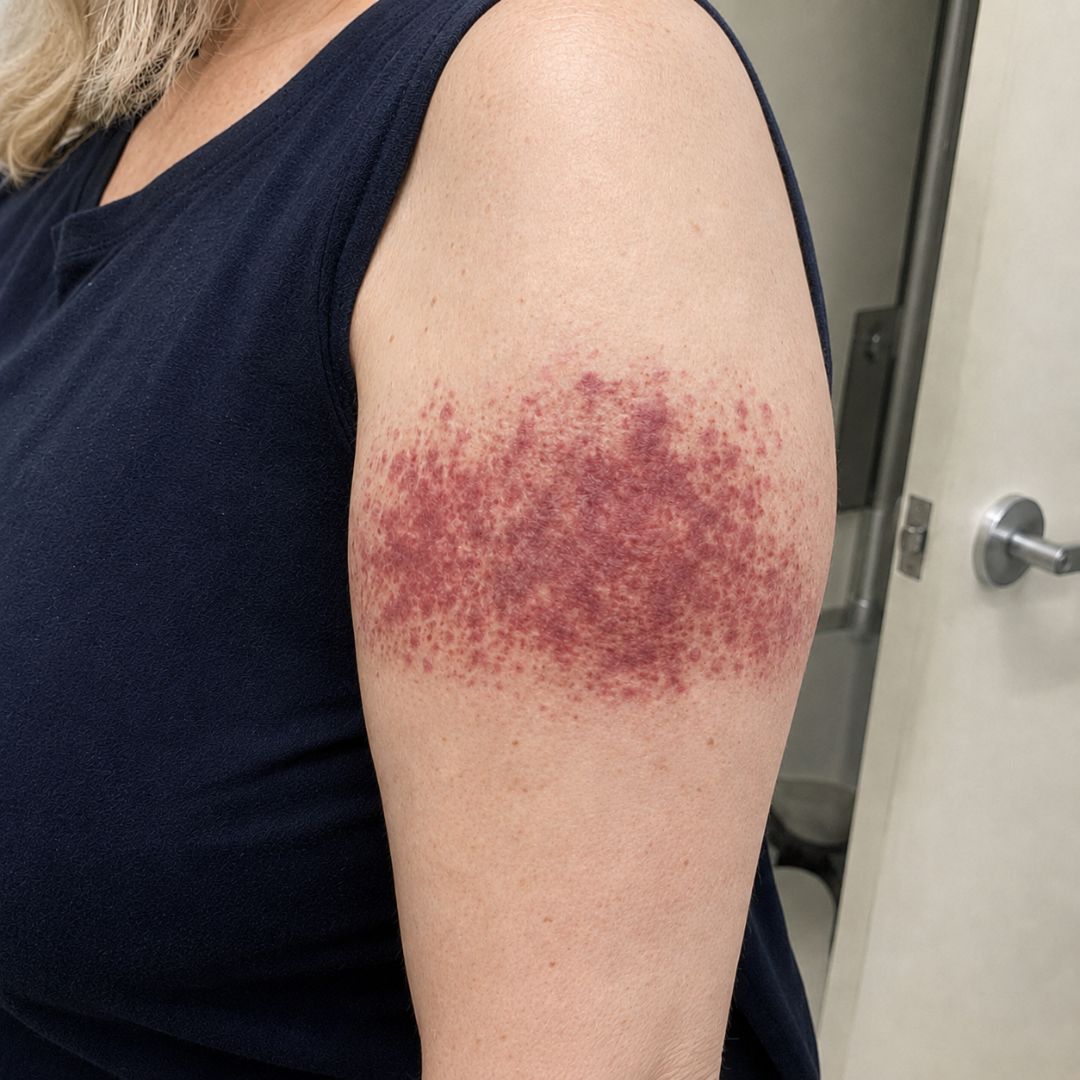
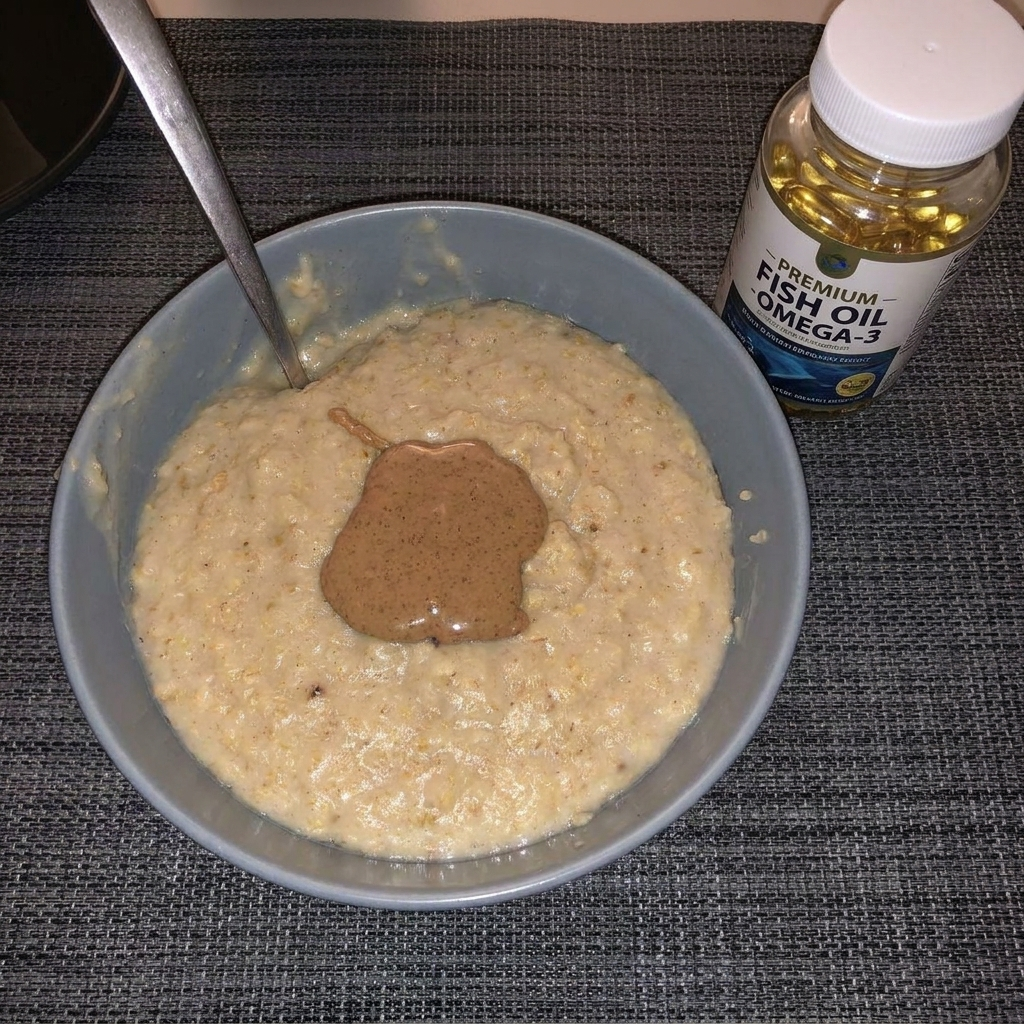
I'm so f*****g sick of people posting here saying oatmeal, fish oil, and red yeast rice will fix your cholesterol. They don't. Not really. I've tried all of them. So has everyone in my Facebook group. So has my brother. So has the guy at the supplement store who, by the way, is still on Atorvastatin. And here's what nobody in those posts ever mentions: my blood sugar had been creeping up too. Not diabetic. Not even prediabetic on paper. But my fasting glucose was sitting around 103 and my doctor had started saying, "Let's keep an eye on this." Nobody ever connected those two things. Let me tell you what two years of "natural cholesterol protocols" actually got me. Oatmeal every morning. $8 a bag. Standing over the stove at 5am stirring oats because somebody told me soluble fiber pulls cholesterol out of your gut. A full year. 365 bowls. My LDL dropped four points. Then crept right back up. Fish oil. $32 a bottle. Three bottles. Nothing for blood pressure. Just fish burps for half a year and a fridge that smelled like a pier. Garlic capsules. $24 a bottle. Six bottles. Six months. Nothing on LDL. Just a smell my wife couldn't stand and a sense that I was running out of time. Red yeast rice. Somebody at church told me it's a natural statin. $35 a bottle. Six months. Stomach cramps and nothing else. I was just swallowing expensive rice powder. Citrus bergamot at $40 a bottle. The blog called it "the breakthrough they don't want you to know about." Five months. My numbers actually got worse that cycle. LDL went up nine points. Niacin. The flush hit so hard my first week I thought I was having an allergic reaction. Switched to no flush. Three months. Nothing moved. Plant sterols. Berberine when someone on Reddit told me it works for "everything metabolic." Another $40. My fasting glucose barely budged. CoQ10 because somebody in my Facebook group swore by it. Add it all up. I sat down one night and actually did the math. Two years of natural protocols. Over $1,400 in supplements. And my LDL was four points lower than where I started, on a good blood draw. You know what they all have in common. They all kind of work. A little. For a few weeks. And then your body settles right back where it was, and you're sitting in the lab waiting room with your sleeve rolled up watching the same number come back on the report, and you're wondering if you're going to spend the rest of your life on this hamster wheel before you finally give in and take the pill your doctor has been waving in your face for three years. That was me in February. I'd lost 18 pounds. I was walking 40 minutes a day. I'd cut red meat to once a month. I'd stopped eating anything with palm oil in it. My fasting glucose had barely moved from 103. My A1C was 5.6. Technically fine. But my LDL kept sitting around 162 and my doctor had started saying, "We need to keep an eye on this. It could become a cardiovascular risk if this continues." LDL of 162. That was my number. After everything. I sat at the kitchen table with the lab report and I almost cried. Not from sadness. From rage. The kind of rage where you start to wonder if the whole "natural supplement" world is just a slightly cleaner version of the pharmaceutical world. Different bottles. Same scam. I'm writing this from the other side of that morning. My LDL was 108 on the draw I had three weeks ago. Triglycerides came down. HDL went up six points. No medication. No prescription pad. No daily dread when I see the lab portal email come through. What changed wasn't another supplement off the shelf. It wasn't a different brand of fish oil or a stronger red yeast rice or a fancier plant sterol. It was an entirely different theory of what was actually wrong with me. Something none of those bottles had ever touched. Something my regular doctor had never mentioned in three years of appointments. Something that connected two things I'd been treating as completely separate problems. I'm going to tell you exactly how I found it. Because if you're somewhere on the same wheel I was on, you need to hear this before you spend another six months and another four hundred dollars on the next supplement that promises to be the one. Back to that morning at the kitchen table. That night I couldn't sleep. I was scrolling our local community page on my phone in the dark. The one where neighbors post about lost dogs and which roofers not to call. A woman a few streets over had posted a long question. Her husband had been on three cholesterol medications. The last one gave him muscle pain so bad he could barely climb the stairs in their own house. She was asking if anyone knew a doctor who would actually listen instead of writing another prescription. Forty one comments. Most of them useless. But one comment near the top had thirty six replies under it. A guy I didn't know recommended a holistic doctor on the other side of the city. Said he'd gone in there with an LDL of 174, frustrated and out of options. Said the doctor had spent ninety minutes with him on the first visit and walked him out with a different understanding of what was actually wrong. Reply after reply under that comment. People I didn't know, but people from my own zip code, saying the same thing. He took his time. He explained things nobody else had explained. He didn't rush. I screenshotted the doctor's name and put my phone down. Forty five minutes across the city in traffic. Out of network. Three hundred dollars for the first visit, no insurance. I almost didn't go. Three hundred dollars on top of the $1,400 I'd already burned felt like another donation to the natural health industrial complex. But I kept thinking about that comment thread. Thirty six replies. From my own town. People who weren't trying to sell me anything. So two weeks later I drove across the city on a Tuesday morning and sat in a quiet office with bookshelves and no fluorescent lights, and a doctor with grey hair and reading glasses pulled my chart up on his laptop while I listed every supplement I'd tried. He let me finish. Then he closed the laptop. "You're treating the wrong thing," he said. I waited. "Your cholesterol numbers aren't the real starting point. For a lot of people, what's actually driving the pattern starts much earlier, at the level of how the body handles glucose. And nothing on that list touches it." He pulled out a notepad and drew a simple diagram. A cell. A door on the surface. Little glucose molecules outside. "Your cells need glucose for energy. But glucose can't just walk through the cell wall on its own. It needs a transporter to let it in. Think of them as tiny doors, called GLUT4 transporters. Their job is simple: when insulin signals them to open, they pull glucose out of your bloodstream and into your cells where it can be used." He tapped the page. "In a healthy metabolism, this works cleanly. You eat. Blood sugar rises. Insulin goes up. GLUT4 doors open. Glucose moves into the cells. Blood sugar comes back down within a couple of hours." He drew a second diagram. The doors stay closed. "But when insulin resistance develops, even early-stage, these transporters stop responding properly. Insulin is present. But the doors don't open the way they should. So glucose stays in the bloodstream longer than it's supposed to. Hours longer. And your cells aren't getting the fuel they need." He set the pen down. "Now here's what connects this to your cholesterol. When glucose stays elevated in the bloodstream for extended periods, it creates metabolic stress. Chronic low-grade inflammation. Oxidative pressure. And over time, those conditions may influence how your liver produces and processes cholesterol. The liver's ability to clear LDL particles efficiently can be affected. HDL function can be impaired. Triglycerides may rise." He looked at me over his glasses. "So your LDL keeps creeping up. Your triglycerides stay elevated. Your HDL stays flat. And you can't figure out why, because you're not eating badly and you're not technically diabetic. But the metabolic dysfunction was already running quietly in the background. The cholesterol pattern was the visible symptom of something upstream." I sat there for a long second. He let me sit with it. Then he counted on his fingers. "Now look at what you've been taking. Oatmeal works in your gut. It grabs some cholesterol before it enters your blood. Doesn't do anything about why your liver keeps producing more. Doesn't touch glucose regulation." "Fish oil nudges your triglycerides somewhat. Doesn't address what's happening upstream at the level of insulin sensitivity and glucose transport. You can nudge a number and still leave the mechanism running." "Red yeast rice works on your liver. Same basic pathway as a statin. Lowers production. Doesn't address why the liver is under metabolic pressure in the first place. Doesn't change how your body handles glucose." "Plant sterols block absorption in your intestine. The glucose still isn't clearing the way it should. The metabolic environment that influences cholesterol production hasn't changed." "Garlic, niacin, bergamot. Each one works on a different piece of the cholesterol picture. In the gut, in the bloodstream, on lipid levels directly. None of them address the upstream issue. None of them work on how efficiently your cells are pulling glucose out of circulation." He set the pen down. "Every supplement you tried was aimed directly at cholesterol. The amount, the production, the absorption. Nobody addressed the possible reason your liver keeps producing the way it does. Nobody asked why your cells weren't clearing glucose efficiently, and what effect that might be having on your cholesterol metabolism year after year." $1,400 over two years. Treating cholesterol directly. While the upstream metabolic driver kept running. I asked him about statins. Why my regular doctor kept pushing them. He nodded. He'd been waiting for that one. "A statin forces your liver to reduce cholesterol production. The number on the chart drops. Your doctor says great. But the underlying metabolic situation, the glucose staying in your bloodstream too long, the insulin signaling that isn't working efficiently, that's still running. The drug changed the number. It didn't address one possible upstream contributor to why the number kept climbing in the first place." "And the way it lowers production, by blocking a pathway in your liver, also blocks a molecule called CoQ10. CoQ10 is what your heart, your muscles, and your brain use for energy. That's the muscle pain people get on statins. That's the brain fog. That's the exhaustion. That's not aging. That's the drug." I asked him what actually addresses the upstream piece. He nodded like he'd been waiting for the question. He told me about true Ceylon cinnamon. Not the cinnamon in your spice cabinet. Not the capsules at the drugstore. True Ceylon, Cinnamomum verum, from Sri Lanka. The kind that barely anyone in the supplement world is using at the right concentration, in the right form, for the right reason. I'd heard of cinnamon. Of course I had. People in my Facebook group had mentioned it. But I'd written it off as the kind of thing people say when they run out of ideas. I had never looked at it seriously. Not once. Not on any cholesterol supplement comparison list. Not in any of the "best natural cholesterol supplements" articles I'd read for two years. Not from my regular doctor, who has a wall of diplomas. "The research on Ceylon cinnamon's effect on glucose regulation has been developing for years," he said. "What most people don't know is that specific compounds in true Ceylon cinnamon may support the activity of GLUT4 transporters, the same glucose doors I described. Some of the research suggests these compounds may help support insulin sensitivity and glucose uptake, including through pathways that operate independently of insulin." He pulled up several studies on his laptop and turned the screen toward me. Researchers had looked at Ceylon cinnamon and lipid panels across multiple trials. They observed meaningful directional improvements in LDL, triglycerides, and HDL alongside improvements in fasting glucose. Not overnight. But real, measurable, consistent. And they were working on the metabolic side, the upstream issue, not just the cholesterol numbers directly. "Here's what matters," he said. "When your cells are pulling glucose out of your bloodstream more efficiently, blood sugar doesn't stay elevated as long. The metabolic pressure that may be influencing your liver's cholesterol production eases. And when that upstream pressure eases, the cholesterol pattern may begin to shift on its own. Not because you forced the number down directly, but because the underlying metabolic environment that was driving it has improved." He looked at me over his glasses. "You didn't need another supplement that targets cholesterol. You needed to support the metabolic process that was contributing to the pattern in the first place." That was the moment two years of frustration finally made sense. "Why didn't my regular doctor know this," I asked him. He shrugged. "The connection between glucose regulation and cholesterol metabolism is in metabolic research and nutrition journals that most primary care doctors aren't reading. The standard cholesterol protocol focuses on the lipid numbers. It doesn't routinely look at whether early-stage insulin resistance or poor glucose clearance might be contributing to an unfavorable cholesterol pattern. That research is still making its way into mainstream clinical guidelines. For now, you just have to know it exists." Then he leaned back and said the part I want you to read twice. "Before you go looking for Ceylon cinnamon, you need to hear this. Not all cinnamon supplements are the same. Most of what you'll find at the drugstore or on Amazon isn't even true Ceylon. It's Cassia cinnamon, a different species that looks similar and is far cheaper to produce. Cassia contains up to 250 times more coumarin than Ceylon. Coumarin is a compound linked to liver stress with regular high-dose use. If you take the wrong cinnamon every day thinking you're supporting your metabolism, you may be stressing your liver instead." He paused. "Even among products labeled Ceylon, the concentration varies wildly. A low-dose cinnamon capsule without any carrier for absorption is like chewing on a piece of cinnamon bark and expecting a clinical result. The compounds that support glucose transport and insulin sensitivity are fat-soluble. Without a fat carrier, a significant portion of what you're taking may pass through without being absorbed." He told me what to look for. Verified Ceylon, not Cassia. Third-party tested for purity, potency, and coumarin content. A concentrated extract, not low-dose powder. Delivered in MCT oil for absorption. No fillers, no unnecessary additives. Softgel format so the oil and extract stay stable together. He told me he recommends Ceylon cinnamon to patients managing early metabolic concerns. Said he doesn't push any specific brand to patients because he's not in the supplement business. But if I matched everything on that list, I'd find one worth taking. He also told me what to expect from the timeline, because most people quit too early. He said the first two weeks the Ceylon cinnamon compounds begin supporting GLUT4 activity and insulin sensitivity. You won't see your cholesterol number move yet, but the metabolic environment is starting to shift. Some people notice their energy becoming more stable, or the afternoon slump easing. That's glucose being cleared more efficiently during the day. Weeks three and four, blood sugar patterns become more consistent. The metabolic pressure on your liver starts to ease. That's when cholesterol numbers may begin to respond on a draw. Not dramatically, but directionally. Weeks five through eight, more stable glucose regulation supports a healthier metabolic environment for cholesterol processing. LDL may continue to decline. Triglycerides may ease. HDL may begin trending up. That's the window where most people start to see meaningful movement on their lipid panel. Weeks nine through twelve and beyond, the metabolic support becomes sustained. Your body settles into a pattern that's closer to how it was designed to function. The cholesterol numbers hold because the upstream driver has been addressed. He said the people who give up early are the ones who check their cholesterol at week two and see nothing and stop. The biology takes time. Twelve weeks minimum to see what the body can do when it's actually supported at the right level. I drove home with two pages of his handwritten notes in my jacket pocket. That night I sat at my kitchen table with my laptop and started looking. Most of what came up on Amazon failed the criteria immediately. Cassia labeled as Ceylon. No third-party testing. No MCT oil carrier. No mention of coumarin testing. Long fillers list. Some delivering doses so low they couldn't possibly move the needle on anything meaningful. I looked at probably forty brands over two nights. The one that hit every single thing on his list was Metabolae Ceylon Cinnamon. Verified true Ceylon from Sri Lanka, not Cassia. Third-party tested for purity, potency, and coumarin. A 12:1 concentrated extract delivered in MCT oil for absorption, not low-dose powder in a capsule. No fillers. No unnecessary additives. Every box checked. I ordered a bag that night. One softgel with my first meal of the day. Week one and two, exactly like he said. Nothing on the lab. But by day ten my afternoon energy was different. The post-lunch slump I'd been pushing through for years had eased. I didn't connect it at first. I went in for a follow up draw at the end of week four. LDL was down to 142. My fasting glucose had moved too, from 103 to 97. Triglycerides had shifted. HDL had nudged up. Just like he said. The metabolic environment was beginning to change. Weeks five through eight my numbers kept moving. By the end of week eight my LDL was 122 and my HDL had climbed six points. The pattern he described, the one that had been grinding on me for years, had finally started to break. I went back to my regular doctor at the three month mark. He took the new lab report and read it twice. Looked at me. Asked what I was doing differently. I told him. He wrote it down. No prescription that visit. None. That was eleven weeks ago. I'm at 108 LDL on the draw three weeks ago. My wife and I had a steak last weekend. With butter on the asparagus. Here's what I want to say to you, because I'm guessing you're somewhere on the same wheel I was on. Maybe you've also added up what you've spent on supplements that didn't move your numbers. Maybe you're afraid to do that math. If you've been cycling through oatmeal, fish oil, garlic, red yeast rice, niacin, bergamot, plant sterols, you are not crazy and you are not failing at this. You were given the wrong tools. Every one of those supplements works somewhere on the cholesterol picture directly. None of them address what may be happening upstream: glucose not clearing the way it should, and the metabolic pressure that may be putting on your liver and your cholesterol patterns year after year. Metabolae Ceylon Cinnamon addresses that upstream piece. That's the difference. But only the right Ceylon cinnamon. Verified true Ceylon, not Cassia. Third-party tested for purity, potency, and coumarin. A 12:1 concentrated extract in MCT oil for absorption. No fillers. If a product fails any one of those, you'll think Ceylon cinnamon doesn't work, and you'll be right back where you started. Metabolae Ceylon Cinnamon is what I found that hit every one. One softgel with my first meal of the day. I've been taking it ever since. You don't need to scroll a community page at midnight or drive across the city and pay three hundred dollars and spend two nights comparing forty brands to find this out. I already did all of that for you. Metabolae Ceylon Cinnamon has a 90 day money back guarantee. Take it for three months. That's the timeline. The first two weeks your cells begin working with better glucose transport support. Weeks three and four your blood sugar patterns stabilize and cholesterol numbers may start to respond on a draw. Weeks five through eight the metabolic environment continues to shift and the numbers may really start coming down. Weeks nine through twelve your body settles into a healthier metabolic pattern it can hold. If your numbers don't improve in that window, full refund. No questions asked. The fact that a supplement company will offer that and the pharmaceutical industry won't tells you something. I hope this helps someone. I really do. Because nobody should spend two years and $1,400 feeling proud of a solution that was never designed to work where the problem actually starts. P.S. The metabolic upstream — glucose not clearing efficiently and the pressure that may be putting on your cholesterol patterns — is what most supplements on the market never address. Oatmeal, fish oil, red yeast rice, plant sterols, none of them touch it. Metabolae Ceylon Cinnamon is the only supplement I found built specifically around this mechanism, with verified true Ceylon at a 12:1 concentration in MCT oil for absorption. But it has to be the real thing, or you're just buying generic cinnamon. P.P.S. The 90 day money back guarantee covers the full timeline. Two weeks for glucose transport support to begin building. Four weeks for blood sugar patterns to stabilize and cholesterol to start responding. Around eight weeks for the metabolic environment to shift meaningfully. Twelve weeks to see what your body can do when the upstream driver is actually being addressed. After spending $1,400 on supplements that never touched the real issue, that guarantee is the first time the math has worked in my favor. P.P.P.S. Small batches sell out. If they're in stock when you check, grab a bag. The next batch usually takes a few weeks. Every week the upstream metabolic pressure keeps running is another week your cholesterol pattern has reason to stay where it is.
Where the ad sends people
metabolae.com
Ceylon Cinnamon 7200mg Equivalent with MCT Oil
Metabolae
Learn more: metabolae.com(opens in a new tab)