
Inactive· since Jun 13, 2026
- 6
- days it ran
- 0
- relaunches
Ad copy
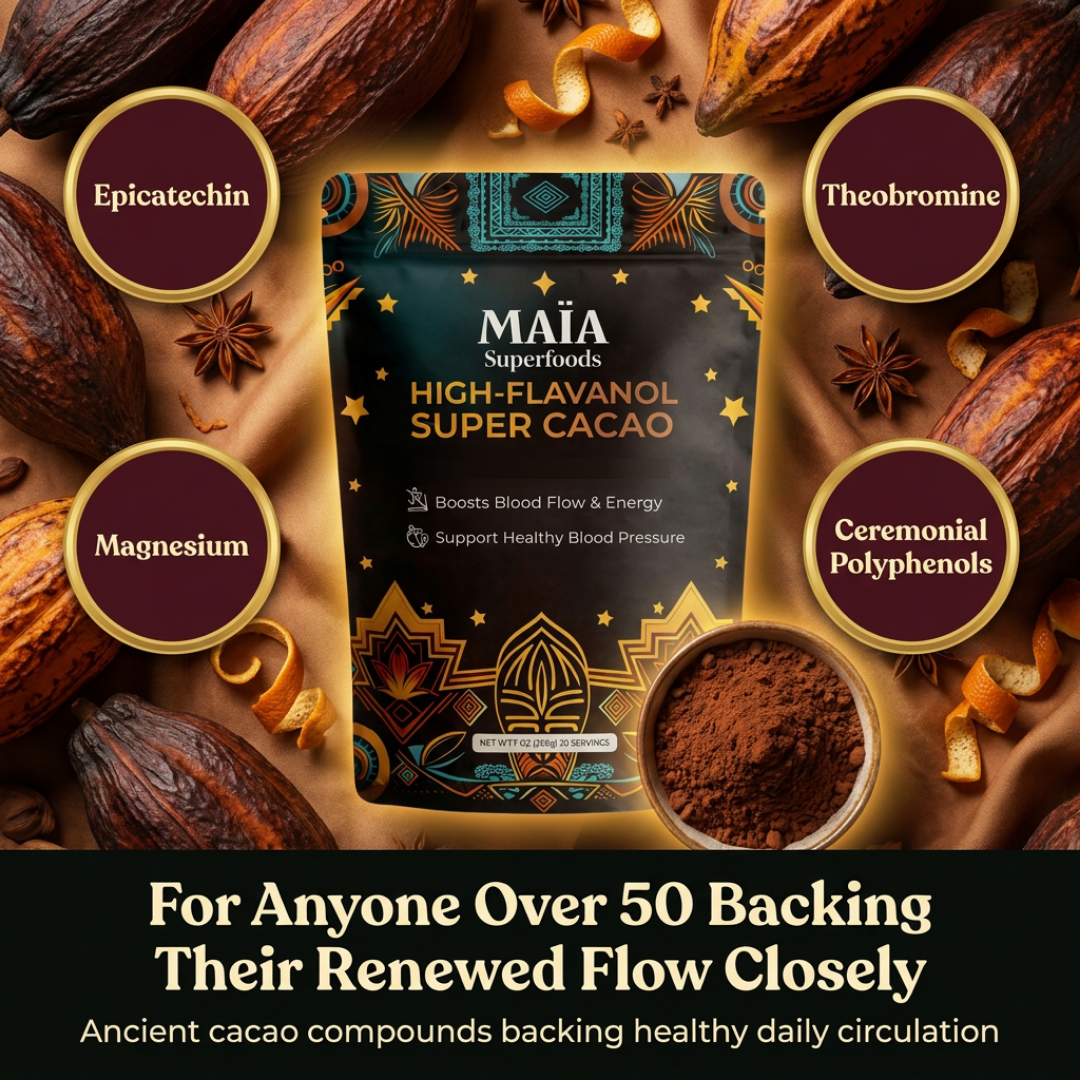
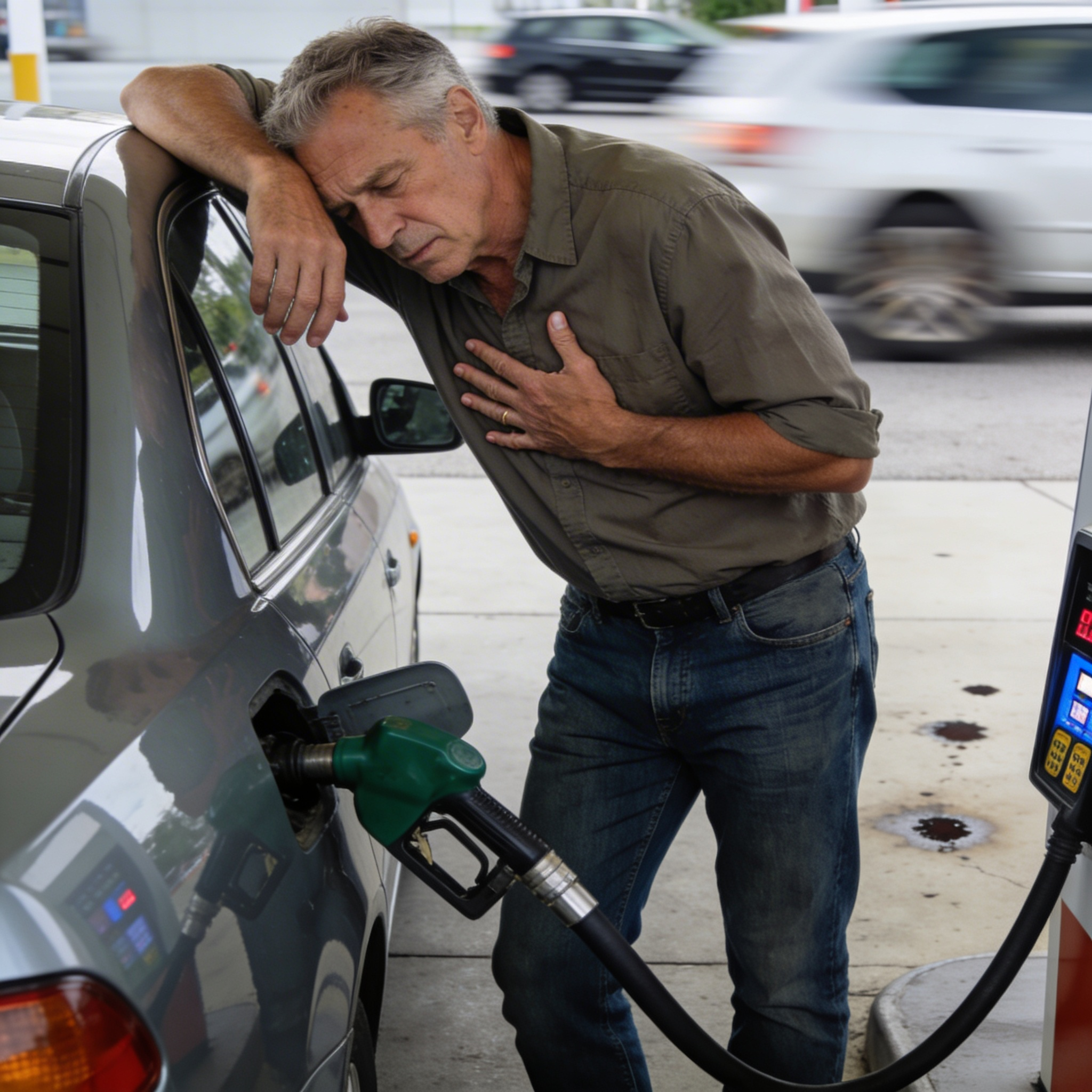
I was on the highway when I had to pull over. Not because of traffic. Not because of the weather. Because my hands had started doing something I didn't recognize and I didn't trust myself behind the wheel anymore. A kind of tingling. Starting in the fingertips of my left hand and moving slowly up toward the wrist. And underneath it, that pressure, the one I'd been living with long enough that I'd stopped naming it, sitting heavy across the back of my skull like something dense had settled there. I put on my indicator. Moved to the right lane. Pulled onto the shoulder and stopped the car. Put it in park. And sat there on the side of a highway I've driven at least four hundred times with my hazard lights blinking, both hands flat on my thighs, waiting for something to pass that I had no guarantee was going to pass. There were cars moving past me at 70 miles an hour. My wife was at home expecting me in 45 minutes. I was 64 years old and I was afraid to drive my own car. That's not a sentence I ever thought I'd say about myself. I'm not someone who frightens easily. I've been driving since I was 16. I've driven in conditions that would make most people pull over. I've always been the one who stays calm when things get difficult, the one other people count on to not fall apart. And I was sitting on the shoulder of a highway with my hazard lights on, not moving, for eleven minutes. I know it was eleven minutes because I watched the clock. I want to tell you what led to that afternoon. Not the drive itself but the two years before it. Because that moment on the shoulder didn't come out of nowhere. It was the visible end of something that had been building quietly for a very long time, in the specific invisible way that blood pressure problems build, without pain, without obvious warning, without anything dramatic enough to make you stop and pay real attention until suddenly you're parked on a highway shoulder watching your hazards blink and wondering what comes next. My numbers had been elevated for two years. Not catastrophically. That's the thing about this that nobody who hasn't lived it fully understands. It's not a crisis you respond to. It's a condition you manage. And managing it feels like doing something even when the management isn't actually working, even when the numbers keep sitting in a range your body is visibly struggling with. I'd changed everything they told me to change. Sodium cut down to almost nothing. Real weight lost, 24 pounds across 14 months. Walking every day without exception. Gave up things I liked. Adopted things I didn't. Monitored my readings with the diligence of someone who believes that attention alone can move a number. The number moved a little. Then it moved back. The symptoms, and I want to be clear that I'd been having symptoms for much longer than I admitted to anyone including myself, had been quietly escalating. The pressure behind the eyes in the late morning. The way a warm room would bring on a heaviness across my forehead that took hours to lift. The tingling in my hands that I'd been attributing to posture, to how I was sitting, to anything other than what it probably was. The highway that afternoon wasn't the first time something like that had happened. It was the first time I couldn't talk myself out of pulling over. I sat there for eleven minutes. The tingling faded. The pressure behind my skull eased from something acute to something dull and manageable. I drove the rest of the way home slowly, in the right lane, both hands on the wheel the entire time. Walked through my front door. Checked my monitor before I even took my jacket off. 167 over 104. I stood in my hallway and looked at that number and something shifted in me that hadn't shifted through two years of trying to handle this quietly. I was done pretending the approach I had was sufficient. Because the approach I had was treating the surface of a problem whose roots I didn't actually understand. Here is what I learned when I finally stopped managing and started actually trying to understand. Blood pressure that stays chronically elevated despite the standard lifestyle interventions isn't primarily a diet and exercise problem. For most men in their 60s it's a vascular problem. A structural one. The vessels themselves have changed. When you're younger, the walls of your blood vessels are elastic. They flex under pressure and they flex back. They respond to demand by opening wider. They adapt in real time to whatever your body needs. Heat. Exertion. A change in position. They handle all of it automatically because they were designed to. That responsiveness depends on a compound produced inside the lining of the vessels themselves. It's called nitric oxide. And its function is exactly what I just described. It signals the smooth muscle in the vessel walls to relax. To open. To stay responsive and adaptive. Nitric oxide production declines with age. Not suddenly. Not catastrophically. Gradually, over years, in a way that produces no single dramatic symptom but accumulates into a vascular system that is progressively less able to do what it needs to do. Less able to adapt to temperature change. Less able to maintain consistent blood flow to the brain during everyday activity. Less able to respond to the normal fluctuations of a normal day without pressure spiking in ways it never used to. The tingling in the hands. The pressure behind the eyes. The moment on the highway when something felt wrong enough that my body refused to keep going. All of it pointing to the same root. A vascular system that had lost the flexibility it needed to handle ordinary life. What I needed wasn't more dietary restriction. What I needed was something that addressed the mechanism itself. Something that supported the production of nitric oxide in the vessel lining. Something that gave my vascular system a chance to recover the responsiveness it had been quietly losing for years. That's what brought me to cacao. Not chocolate. Not cocoa powder from the grocery store. Ceremonial grade cacao. The real thing. Minimally processed, unalkalized, with the full flavanol content that modern processing systematically destroys before it reaches the consumer. Flavanols are among the most comprehensively studied natural compounds for their effect on vascular function. They activate specific pathways inside the endothelial cells, the cells that line the blood vessels, that produce nitric oxide. The research on this is not new and not fringe. It has been replicated across serious institutions for decades. The mechanism is understood. The effect on vascular flexibility and blood pressure is documented. The reason most people have never heard this, never made the connection between cacao and blood pressure, is that the cacao most people have encountered in their lives has had those flavanols destroyed in processing. You're consuming something that looks like cacao and tastes like cacao and has essentially none of the compounds that made traditional cacao a powerful daily ritual in the cultures that used it for thousands of years. Ceremonial grade keeps them intact. MAÏA is ceremonial grade. https://shop.trymaia.co/shocking-discovery-bp I started it the week after the highway. One scoop dissolved in hot water. Every morning. Before food. Before anything else. I want to describe what changed because I want to be precise about it rather than just telling you it worked. The first thing I noticed, before the numbers moved, was the mornings. That low pressure across my forehead that had become my standard companion through most of the morning hours started arriving later. Then not until afternoon. Then some days not at all. End of week two the tingling in my hands, which I'd been experiencing intermittently for months, stopped. I noticed its absence before I consciously registered that it was gone. I was driving to pick something up one afternoon and I realized halfway there that I hadn't thought about my hands once. Week three my resting readings started moving consistently in a direction they hadn't moved in over a year. Then 144. Then 141. Month two I drove to see my brother, three and a half hours each way. A drive I'd been quietly dreading for months. Long stretches of highway. Exactly the conditions that had put me on the shoulder. I drove the whole way there without incident. I drove the whole way back without incident. Stopped once for fuel. Ate something. Got back in the car. No tingling. No pressure building to something I couldn't manage. No moment where my body made a decision my brain hadn't approved yet. I pulled into my driveway at 7 in the evening and just sat in the car for a minute after I turned the engine off. Not because something was wrong. Because something wasn't. My numbers that night: 133 over 82. I'm now seven months past that highway afternoon. Last week I drove four hours to see my daughter and her family. Stayed two days. Drove back. The drive was completely ordinary in the way that drives are supposed to be completely ordinary. I listened to something on the radio. I stopped when I was hungry. I arrived without a story to tell. Current readings this week, averaged across five mornings: 121 over 77. I don't know precisely what that afternoon on the shoulder would have eventually become if I'd kept doing what I was doing. I know what direction things were moving. I know the symptoms were getting less ignorable, not more. I know that eleven minutes with my hazards on was not the bottom of that particular trajectory. I'm telling you this because I know there are men reading it who are further along that trajectory than they've admitted to anyone. Who are managing something that isn't being managed. Who are adjusting everything at the surface while the actual mechanism underneath keeps doing what it's been doing. I know because I was that man for two years. MAÏA is linked below. One scoop in hot water every morning. Thirty-day money-back guarantee. Nothing to lose in finding out whether your body responds. https://shop.trymaia.co/shocking-discovery-bp If it does, you'll stop pulling over. And you'll stop being afraid of the drives you used to take without thinking about them at all. EDIT: My wife knows about the highway now. I told her after month one when I was confident something had actually changed. She cried a little. Then she made me promise to tell her if it ever felt like that again. I promised. It hasn't. EDIT 2: Someone asked if I still check my numbers as obsessively as I used to. Honestly no. Not because I stopped caring. Because I stopped dreading what they might say. https://shop.trymaia.co/shocking-discovery-bp
The #1 Cacao for Heart Health
LEARN MORELike this ad? Make it yours.
Crush rebuilds this exact creative around your product — your brand, your colors, your offer — in about a minute.