
Active· since May 13, 2026
- 128
- days running
- 0
- relaunches
Ad copy
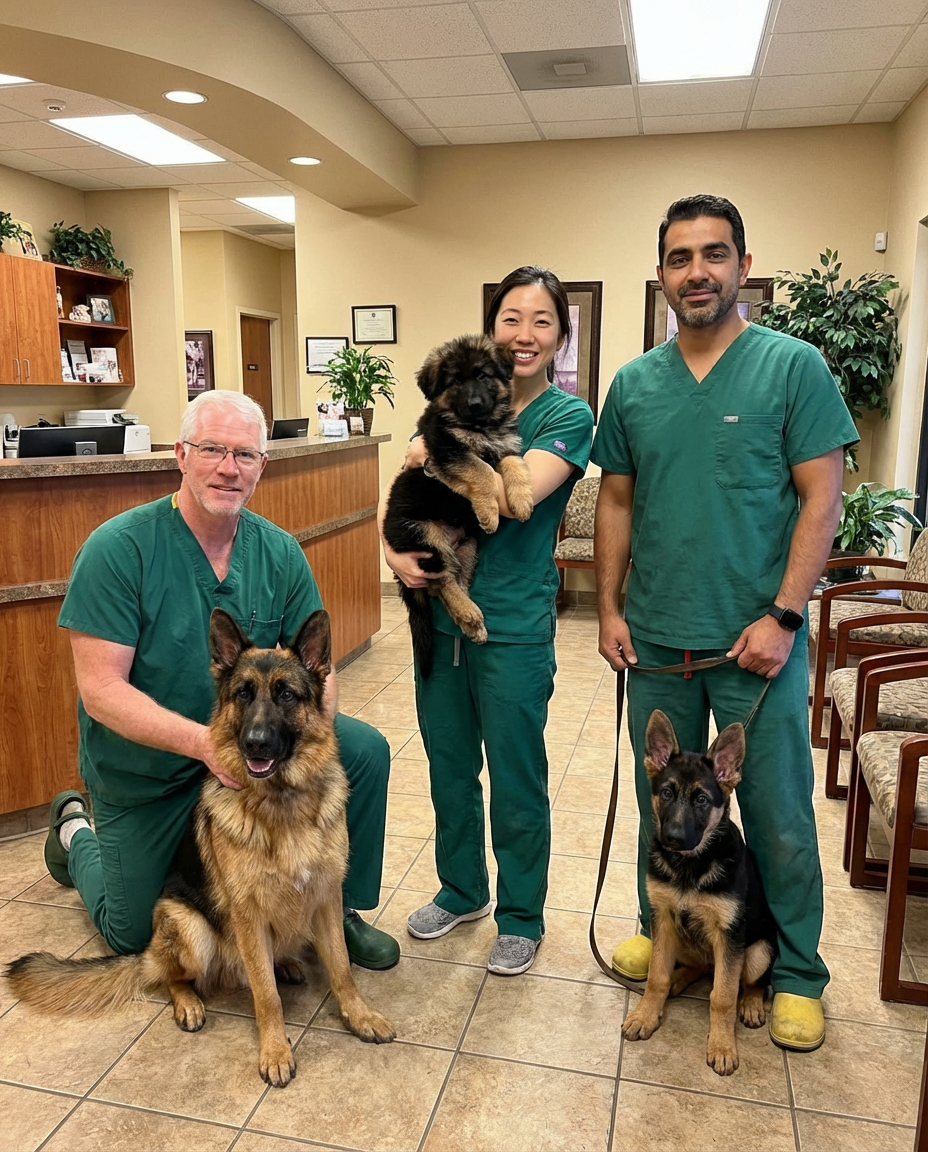
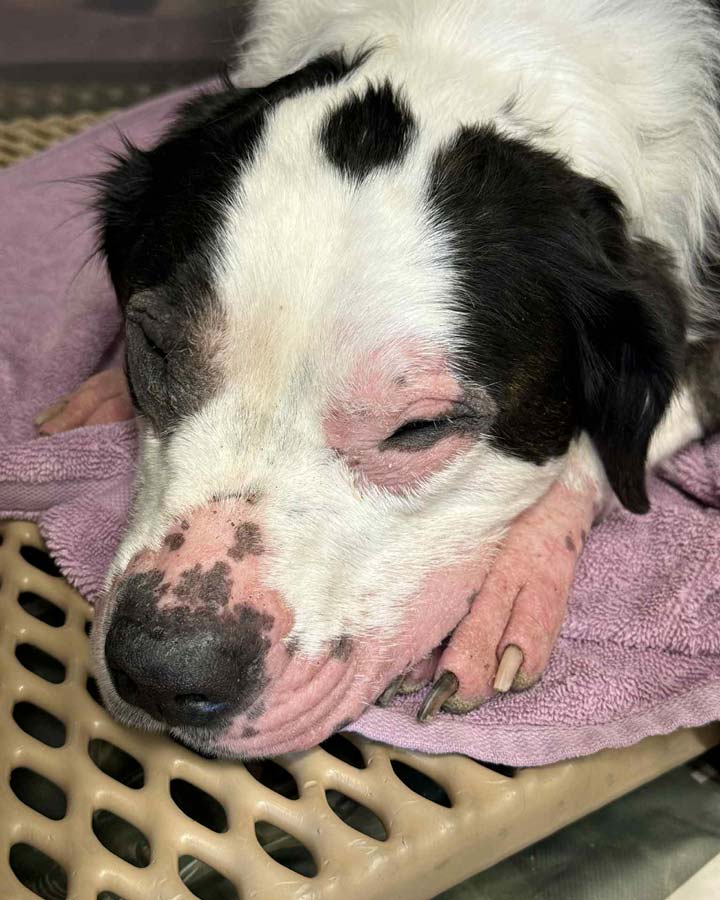
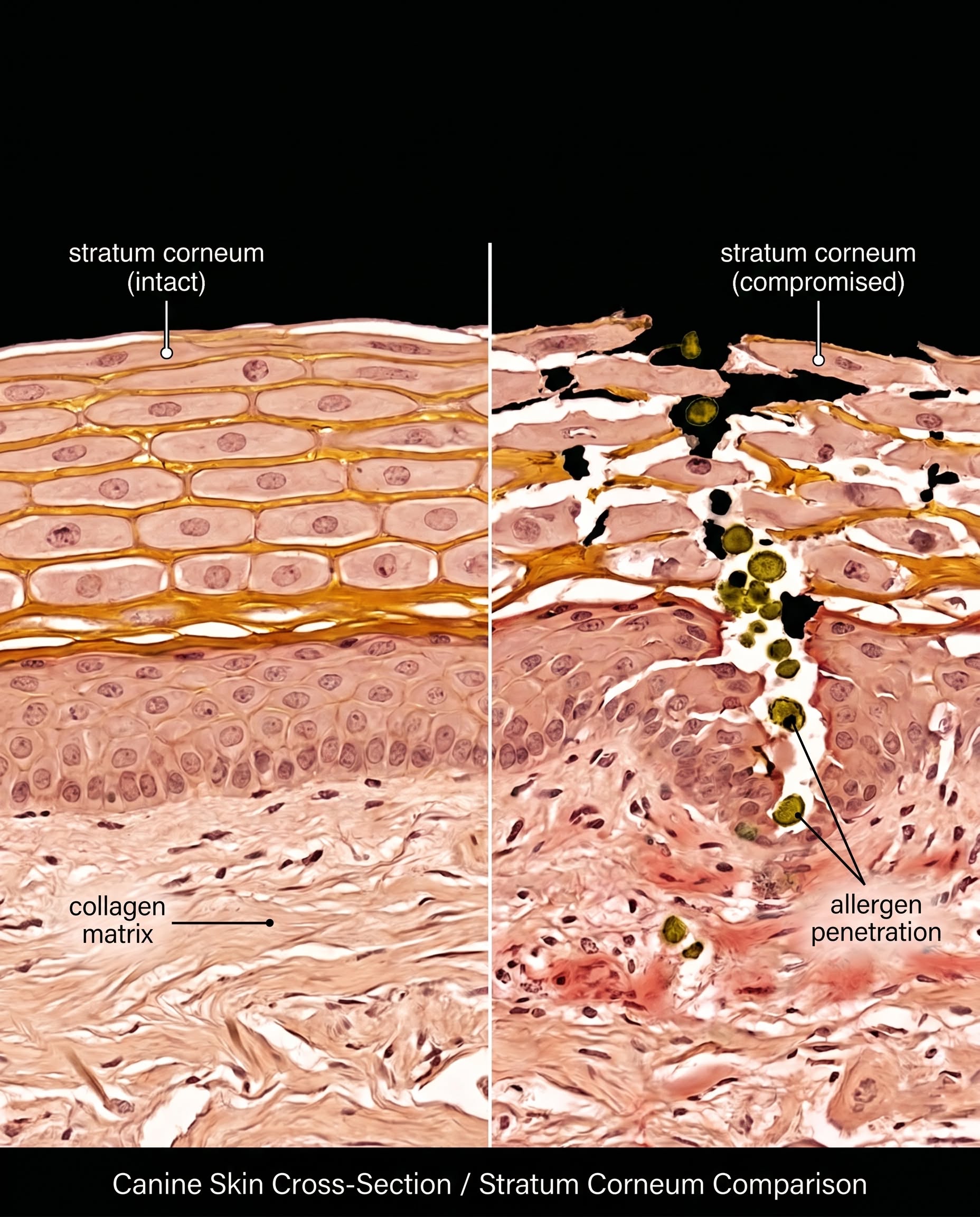
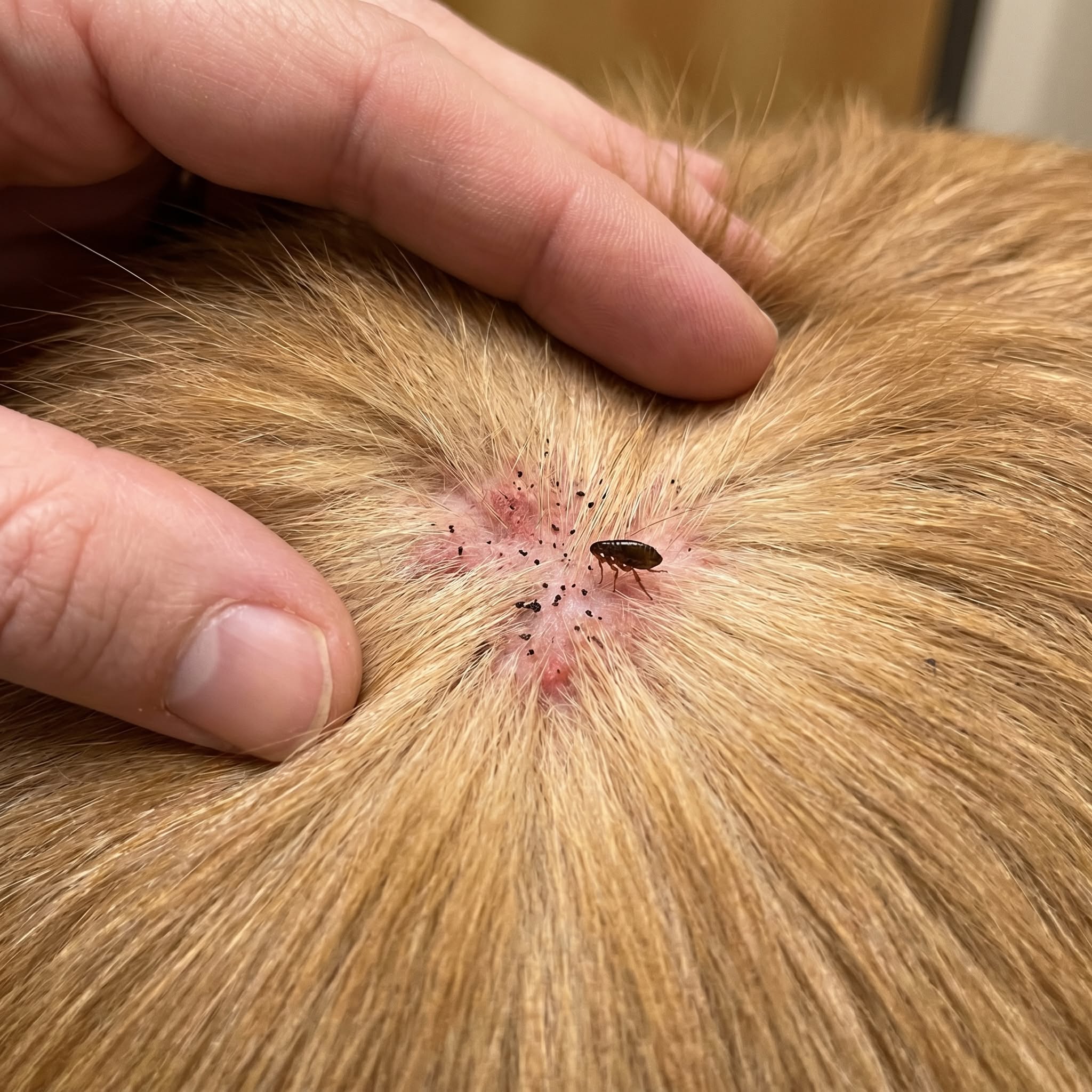
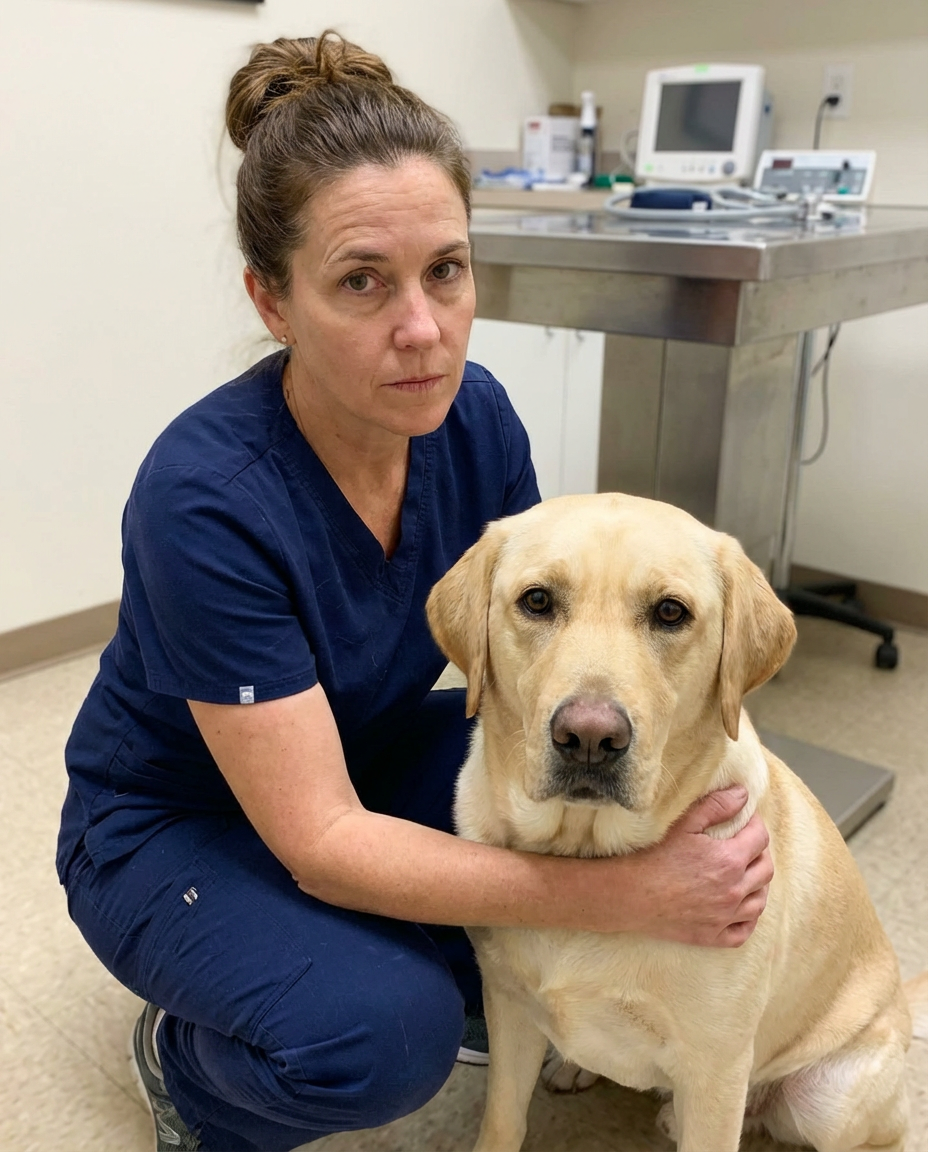
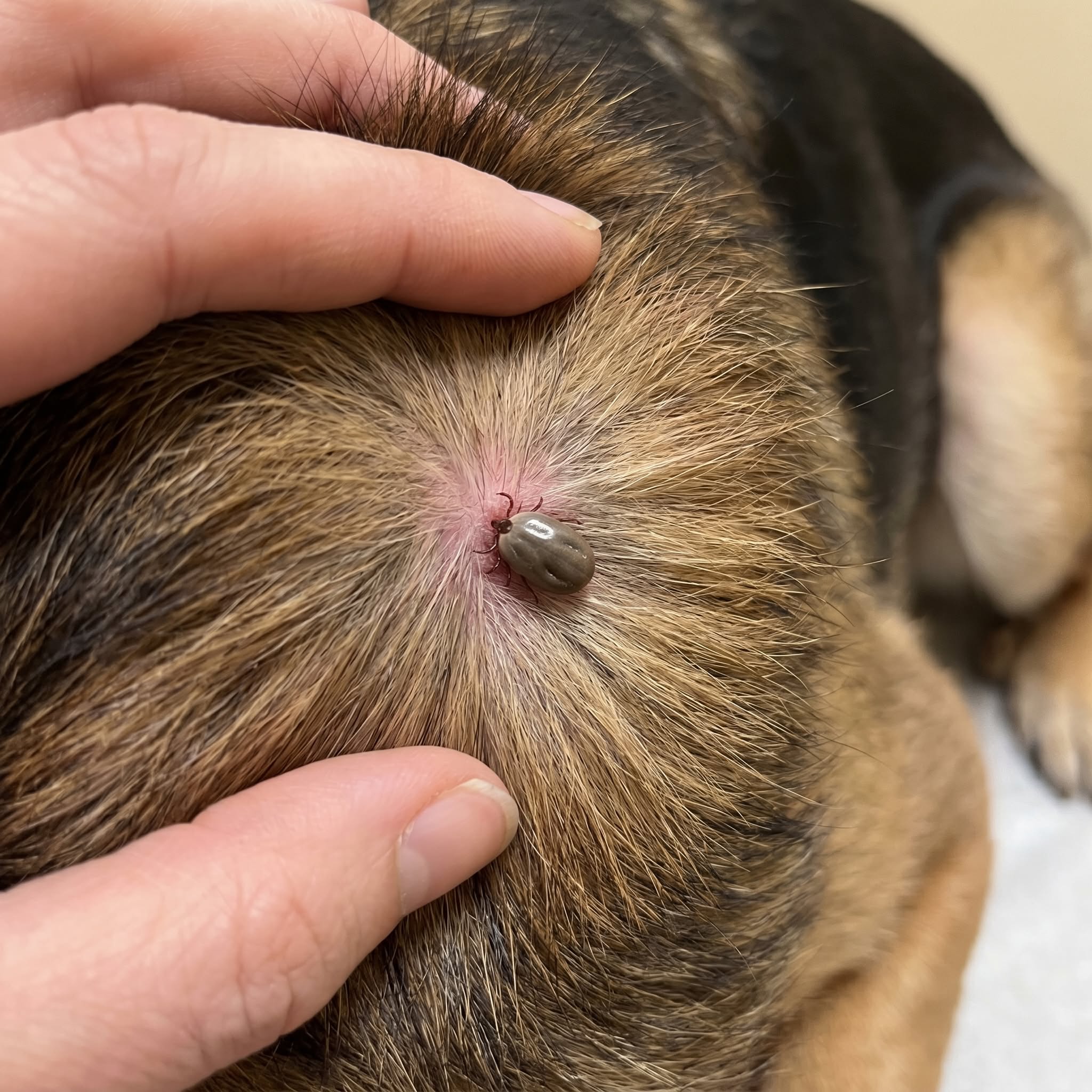
I'm going to lose my mind if one more dog owner tells me their dog is "protected this summer" because they're up to date on flea preventatives. No. You are not protected. Not from what's actually hurting your dog. Your flea preventative kills the flea. It does not address what your dog's skin does when one bites. And the dog you're seeing scratch through July and chew his paws by August and develop a third hot spot by Labor Day weekend — that dog isn't unprotected because the preventative failed. That dog is unprotected because the second half of summer defense is something nobody at your vet appointment told you about. My name is Dr. Susie Boyd. I'm a veterinarian at Whitmore Animal Hospital. I've been in practice for 15 years. And the conversation I need to have right now is the conversation general practice vets are not trained to have. Your dog has a wall in their skin. It's called the stratum corneum. It's made of skin cells held together by a lipid matrix that includes ceramides, fatty acids, and structural collagen. This isn't fringe science. It's the brick-and-mortar model that's been in veterinary dermatology textbooks for over a decade. The 2024 Veterinary Dermatology review by Santoro confirmed it again — skin barrier dysfunction is core to canine atopic dermatitis pathogenesis. When this wall is intact, here's what happens in summer: A flea bites. Injects saliva proteins. Those proteins sit on the surface. Minor local reaction. The dog scratches once or twice. Moves on. The dog walks through grass. Pollen and grass proteins make contact with the paw pads and belly. They sit on the surface. Nothing penetrates. Nothing escalates. Mosquito bite. Wasp graze. Ragweed exposure. Heat-trapped moisture under a thick coat. Same outcome. Surface contact. Minor reaction. Resolved within hours. Now here's what happens when the wall is compromised — and it is compromised in most dogs over age 3, faster in any dog on long-term Apoquel or Cytopoint, because chronic immune suppression also suppresses tissue maintenance: The same flea bite. The same saliva proteins. Only now they penetrate the gaps in the barrier directly into living tissue. The immune system detects foreign material inside the body. Responds with a full inflammatory cascade. That one bite is now a 2-3 week hot spot. Same grass walk. Pollen flooding through gaps. Paw chewing starts that night. Doesn't stop for a week. Ragweed in August. Ear inflammation. Heat trapping moisture against compromised skin underneath a coat the dog can't lick clean. Hot spot opens. Bacteria overgrow through the gaps. Now you're at the vet for a $300 ear infection visit again. 40% of dogs have flea allergy dermatitis. That isn't 40% who get fleas. That's 40% whose immune system goes into overdrive when a single bite penetrates compromised skin. 10-15% of all dogs have full atopic dermatitis. 17 million US dogs have allergic skin disease. The flea preventative reaches none of them. It kills the flea. It doesn't fix the barrier the flea's saliva is flooding through. The Apoquel reaches none of them. It blocks the itch signal downstream of the immune attack. It doesn't fix the barrier the allergens are entering through. The Cytopoint reaches none of them. It binds to one cytokine. It doesn't fix the barrier the trigger is bypassing. None of the standard summer protocol rebuilds the wall. That's why every summer it gets worse. That's why the medications need higher doses by August. That's why the Cytopoint interval shrinks every year. That's why some dogs sail through summer and other dogs spiral. It isn't that some dogs are "more sensitive." It's that some dogs still have a wall and other dogs don't. Last week a Golden's owner came in for the fourth summer in a row of the same flare cycle. She told me, "We're doing everything right. NexGard on the 15th of every month. Baths on Sundays. Wiping his paws after walks. And he's still on hot spot number 2 of the season and it's only the 7th of May." Her dog had been on Apoquel for 22 months. Cytopoint added at month 10. Dose climbing twice. She had spent over $9,000. I walked her through the wall mechanism. She stared at me for a full ten seconds. "Why has nobody told me this in 4 years?" I didn't have a good answer for her. Veterinary curriculum is heavily weighted toward pharmacological intervention. Barrier repair via nutritional support isn't taught in general practice. It's only beginning to be discussed in dermatology continuing education. But here's what I told her about the protocol going forward. The wall is built primarily out of collagen — types I and III. Plus ceramides and lipids. Plus a connective layer of type II collagen underneath. You cannot rebuild a wall that's missing collagen by giving the body more immune suppressants. You have to give the body the building blocks of what's actually missing. The form matters. Chews and powders lose 70-80% of the active material to stomach acid before any of it reaches the bloodstream. Liquid hydrolyzed collagen absorbs at up to 98% because the peptides are already broken down and the form bypasses most of the gastric degradation. This is the same reason hydrolyzed protein is used in prescription veterinary diets — same absorption principle. I recommend Healthy Petz Liquid Collagen to my patients now. All three types — I, II, III. Liquid hydrolyzed form. Combined with MSM, hyaluronic acid, and vitamin C as the cofactors the body uses to assemble the collagen into actual barrier tissue. One drizzle on food daily. The timeline is the part owners need to understand, and the part I need to write this post about right now. Barrier rebuilding takes 6-8 weeks of consistent supplementation to reach meaningful integrity. The stratum corneum regenerates roughly every 22 days in dogs — so you're looking at 2-3 full epidermal turnover cycles before the new barrier is structurally meaningful. Peak summer trigger load is July and August. Today is May 12th. If you start now, your dog has 8 weeks to rebuild before peak season hits. If you wait until your dog is already in a flare in July, you're treating the fire instead of building the wall. And the wall takes the same 6-8 weeks to build whether you start in May or July. The difference is whether your dog spends summer ahead of the cycle or buried under it. I'm writing this because I'm tired of having this conversation in my exam room one dog at a time. Every summer the same flare cycle. Every summer the same owner standing across the table from me asking why this keeps happening. And the answer is the same answer it was last summer. The wall. If your dog has spent 2+ summers in a flare cycle. If you're stacking flea preventative + Apoquel + Cytopoint + medicated shampoo + prescription kibble and still watching him spiral every August. If you've been told some version of "some dogs are just sensitive in summer" — please read this carefully. Your dog isn't unprotected from fleas. He's unprotected from his own immune system. And the only thing that protects him from his own immune system is a barrier intact enough to keep allergens on the surface where they were always supposed to stay. Healthy Petz Liquid Collagen. 60-day money-back guarantee. Multipack is around $17 a bottle. Start it today. Not next week. Not in August when he's already mid-flare. Today. Because the wall takes 6-8 weeks to build no matter when you start. The only question is whether peak season catches your dog with a wall or without one. — Dr. Susie Boyd, DVM Whitmore Animal Hospital shophealthypetz.com/products/liquidcollagen
The Structural Problem Behind Summer Allergies
LEARN MORELike this ad? Make it yours.
Crush rebuilds this exact creative around your product — your brand, your colors, your offer — in about a minute.