Julia Bennett
Julia Bennett Facebook ad: “Read This If You're Tired Of Scrubbing”
Ran for 15 days, from February 2 to February 17, 2026, the last day Crush saw it.
Run by Julia Bennett on Facebook. Crush is not the advertiser and does not verify its claims. See this ad in Meta's Ad Library(opens in a new tab)
Want an ad like this for your product?
Crush makes new ad images for your product from this ad: your logo, your product photo, your offer.
Trials from $19.95 USD, then $79.95 USD a month. Cancel anytime.
About this ad
- Meta Ad Library ID
- 25569035926121505
- Platforms
- Facebook, Instagram, Audience Network, Messenger and Threads
- Relaunches
- 11
Ad text
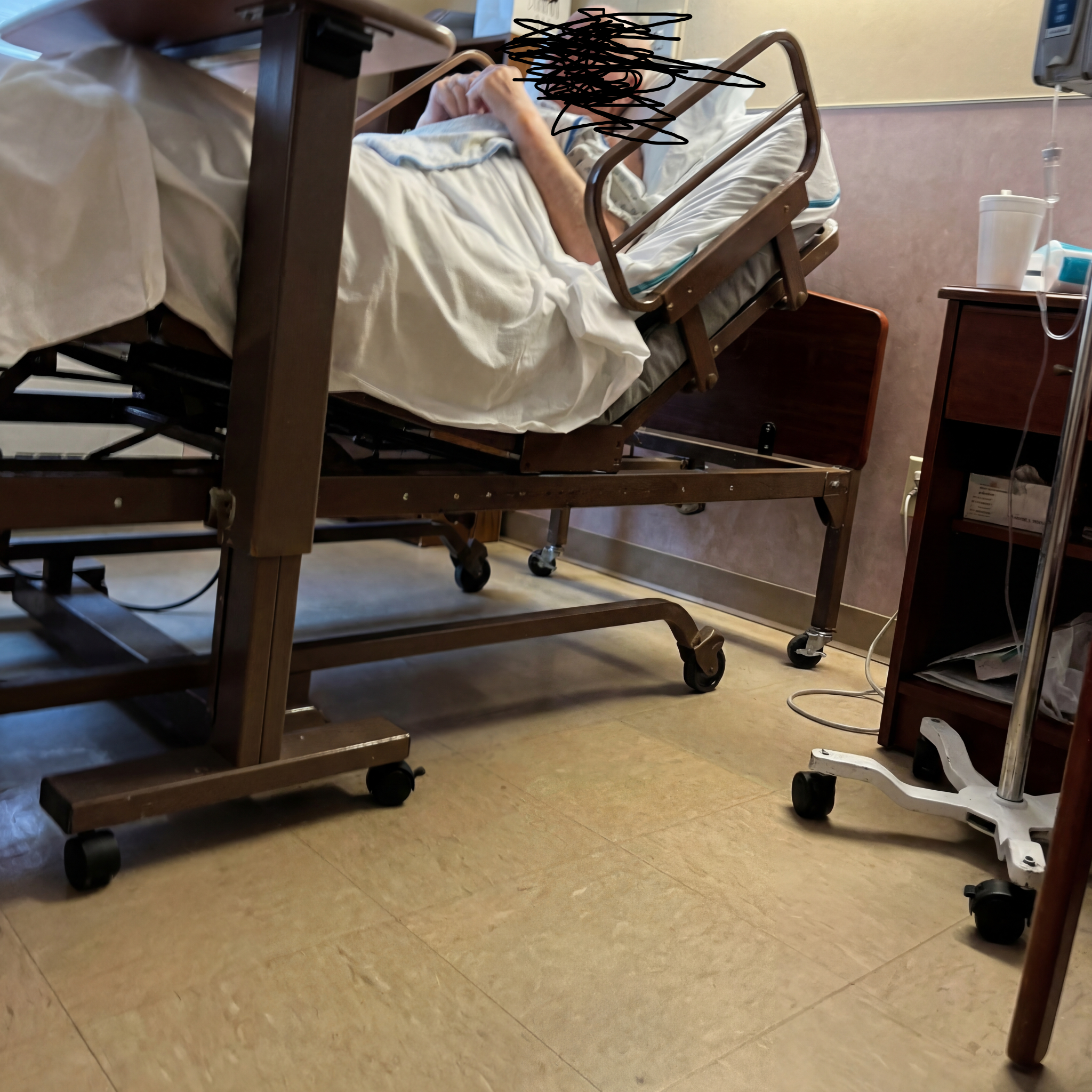
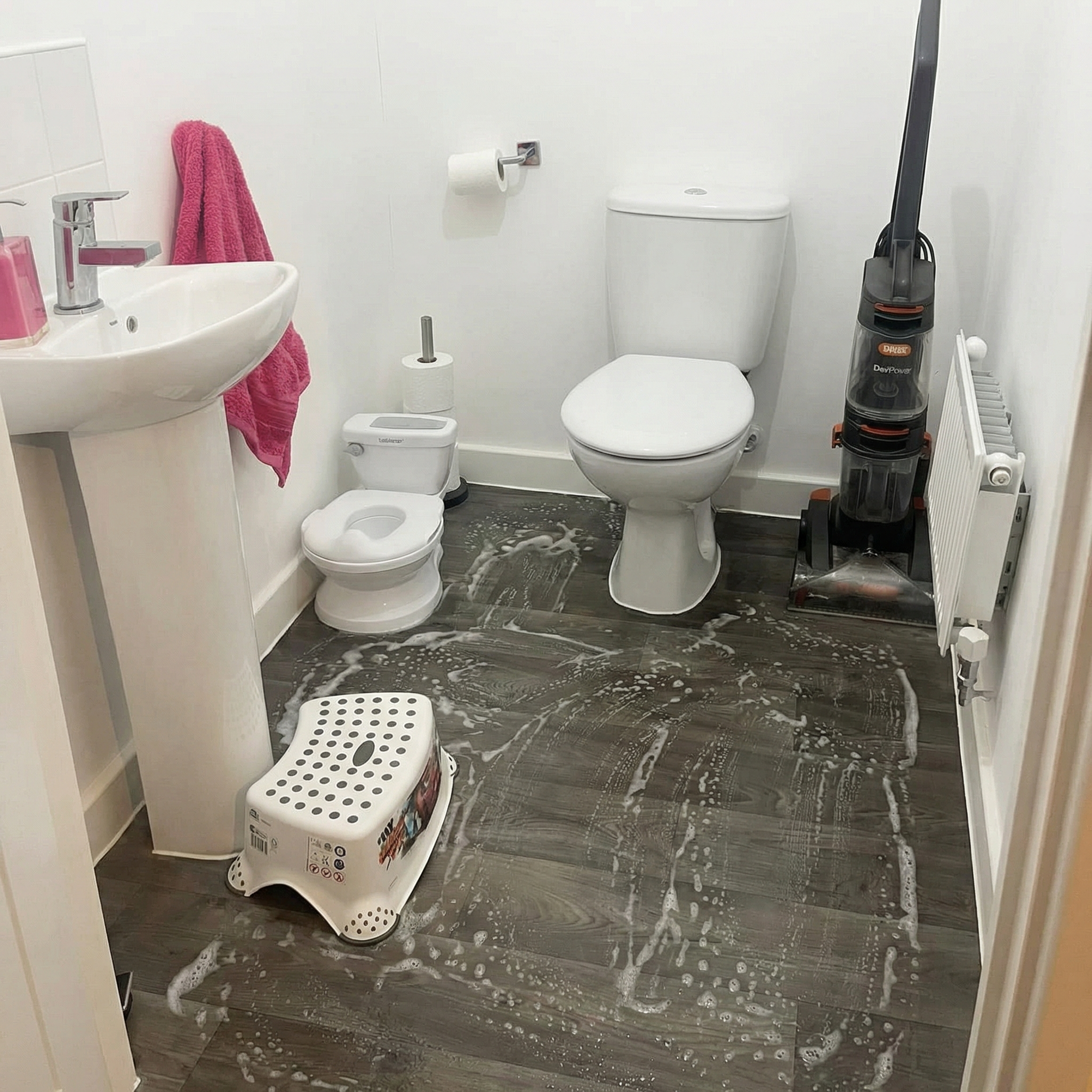
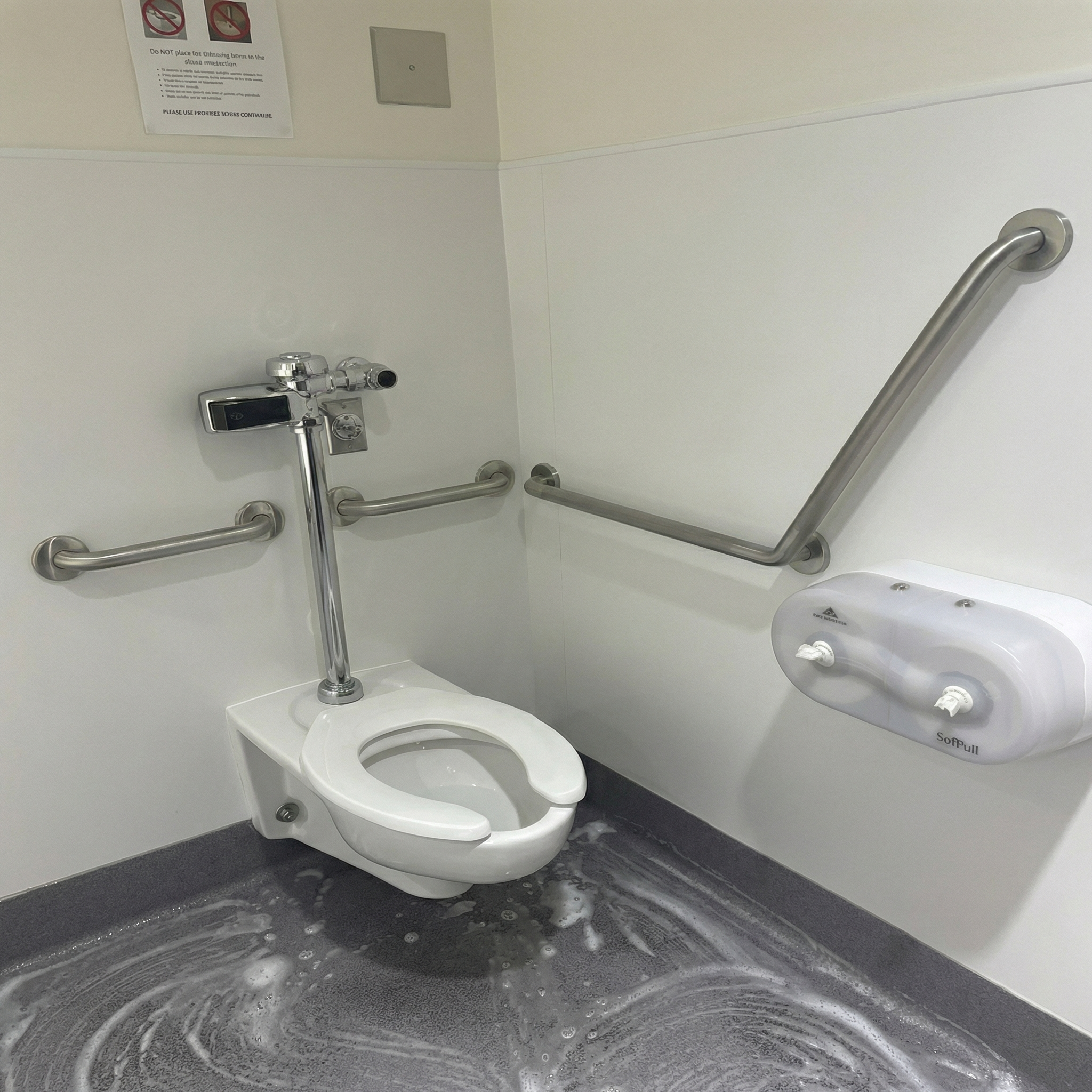
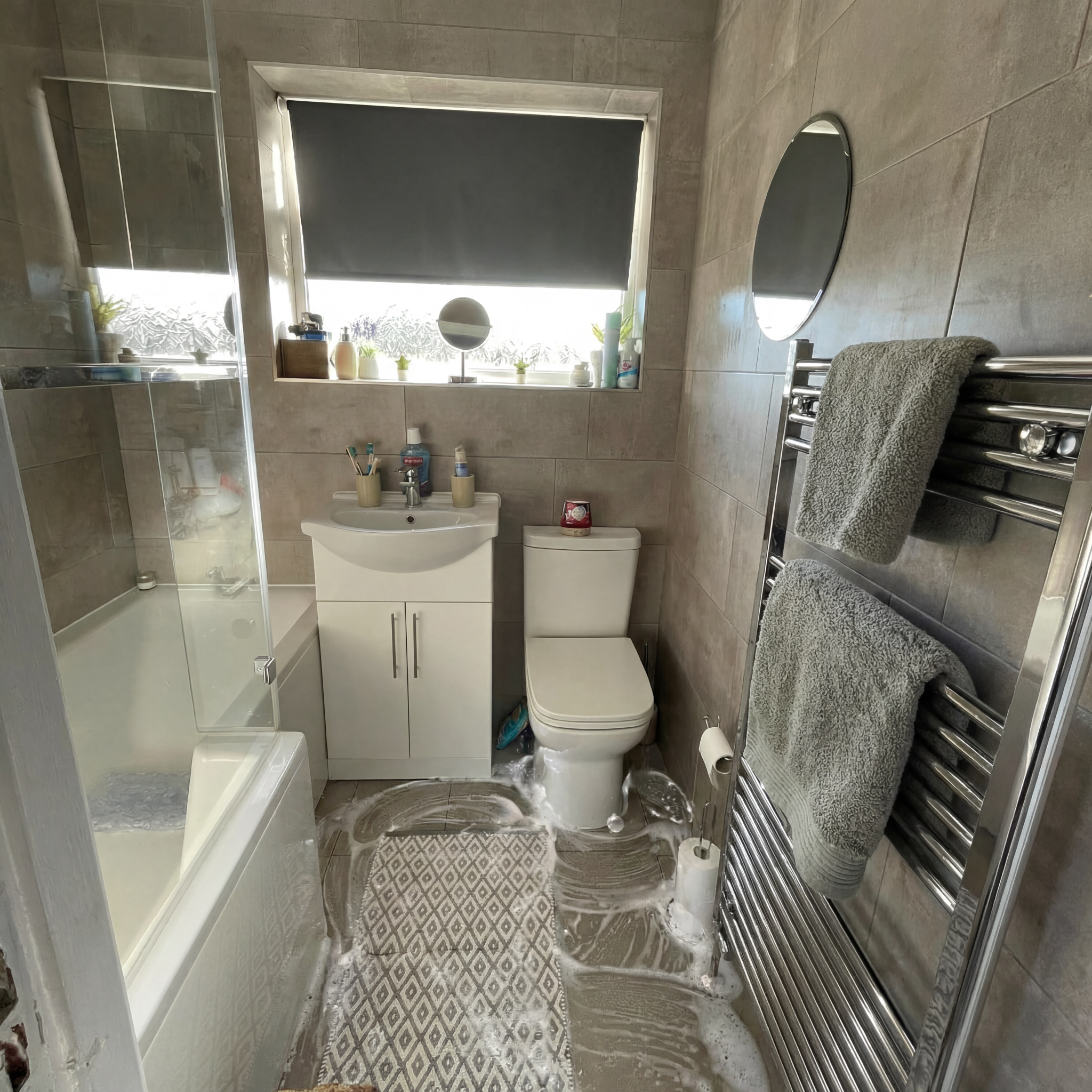
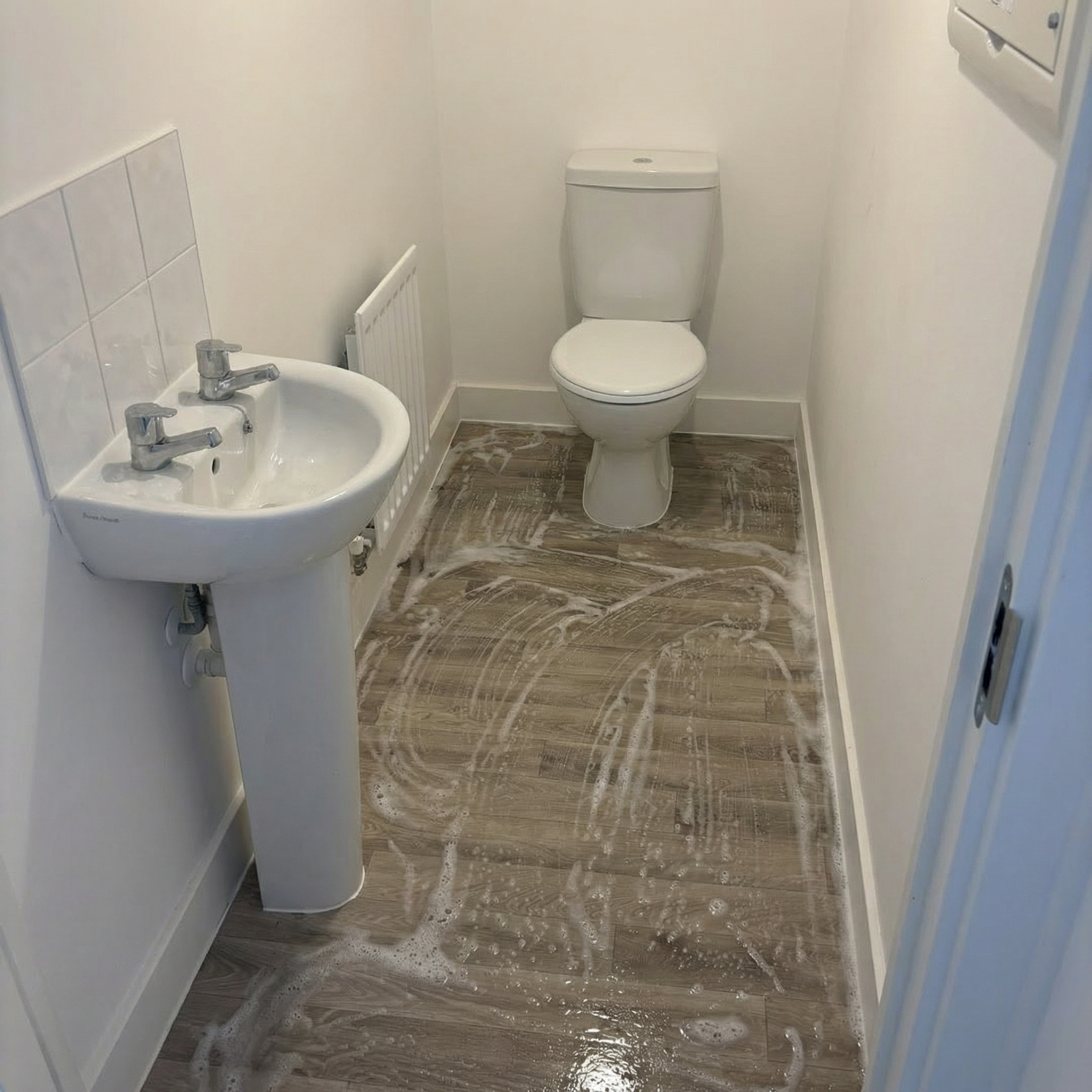
My mom's home health nurse asked why the bathroom still smelled like that after everything we'd done. When I told her I was driving over twice a week to deep clean the toilet myself, she said, "That's not what's going to keep your mother out of the hospital," and explained the real reason most of her elderly patients end up back in the ER — and why the families never see it coming. I thought I was doing everything right. Mom fell four months ago. Middle of the night. Getting up to use the bathroom. Broke her wrist catching herself on the edge of the vanity. Emergency room at 4 AM. Surgery the next morning. Six weeks in a cast. The ER doctor didn't soften it. Falls in elderly women are rarely isolated incidents. "Seventy percent of seniors who fall once will fall again within the year," she told me. "And the second fall is almost always worse. Broken hip. Head trauma. That's when we start having conversations about whether they can live alone anymore." That sentence rearranged my entire life. Seventy percent fall again within a year. Her doctor said the next fall could be the one she doesn't walk away from. So I did everything they told me to do. Moved in with her for two weeks after the surgery. Cleared the throw rugs from the hallway. Installed grab bars in the shower, next to the toilet, by the sink. Bought a shower chair. Non-slip mats everywhere. Raised toilet seat. Spent almost three thousand dollars between the contractor and the equipment. Mom hated all of it. "My bathroom looks like a hospital room." She refused to use the shower chair for the first week because it made her feel like we'd already written her off. "I'm not dying," she said. "I broke my wrist. Stop treating me like I'm in a nursing home." But she used it. Because she was scared too. Even if she wouldn't say it. And then I started cleaning her bathroom. Because here's the thing nobody tells you about caring for an elderly parent. The bathroom situation gets bad. Mom's aim isn't what it used to be. She has urgency issues. She doesn't always make it in time. She can't bend down to clean the way she once could. And she's gone completely nose blind. Swears it doesn't smell. But it does. The urine smell hit me the moment I walked in the first time after she came home from the hospital. That sharp ammonia sting that makes your eyes water. The floor around the toilet was sticky. The seat had yellow stains she couldn't see anymore. The grout at the base of the toilet had turned a color I don't want to describe. It smelled like a nursing home. No. It smelled worse. Because at least nursing homes have staff cleaning around the clock. So I became the secret janitor. Twice a week. Tuesday and Friday. Drove forty minutes each way after work. Let myself in while she was in the living room watching Wheel of Fortune. Went straight to the bathroom. Closed the door behind me. Rubber gloves up to my elbows. Toilet bowl cleaner. Disinfectant spray. A roll of paper towels. Scrub brush for the grout. Plastic bags for the evidence. Every time I walked in, the smell was waiting for me. That ammonia punch to the face that made my eyes burn. Four days of buildup since my last visit. Four days of an eighty-year-old woman using a toilet she couldn't properly clean. I'd kneel on the bathroom floor and start with the base. The part where the toilet meets the tile. Where the grout had turned a permanent shade of yellow-brown no matter how much I scrubbed. Then the seat. The rim. Under the rim — that's the part that really got me. I'd have to close my eyes sometimes just to push through. Then the bowl. Then the floor around the toilet. A two-foot radius of tile that needed to be scrubbed every single time because the splashing and the misses had become a constant. The floor was always sticky. Thirty minutes minimum. Sometimes forty-five if it had been a bad week. Gagging with the fan on and the window open, even in winter. Then I'd wipe everything down. Mop the floor on my hands and knees. Spray air freshener. Take the cleaning supplies and the trash bag down to the garbage can in the alley so she wouldn't see what I'd collected. Wash my hands three times. Check my clothes for splashes. Walk out to the living room. Sit down next to her on the couch. Pretend everything was normal. "Just tidied up the bathroom a little." "You don't need to do that, honey. I keep it clean." "I know you do, Mom. I just wanted to." She believed it. Or at least she let me believe she believed it. She never asked me to do it. I never told her how bad it actually was. Never told her that I'd started keeping a separate set of clothes in the car for cleaning days. Never told her I'd thrown up in her backyard once after a particularly bad session. Because how do you tell your mother that her bathroom smells so bad it makes you physically ill? That you've started breathing through your mouth the entire time? That you go home and get in the shower immediately, standing under water that's too hot, trying to get the smell off your skin and out of your hair? You don't. You just drive over. You clean. You drive home. You sit in your car in your own driveway for five minutes staring at the steering wheel before you can go inside and pretend to be fine. And you feel something that doesn't have a clean name. It's not anger exactly. It's not sadness. It's not resentment on its own. It's all of them. Braided together so tight you can't separate them. Love and duty and exhaustion and disgust and grief and guilt knotted into a ball that sits in your chest every single day. I love my mom. More than anything in this world. And I resented every minute of it. I was spending my weekends — the only time I had with my own family — scrubbing someone else's toilet. Missing my kids' soccer games. Canceling date nights with my husband. Coming home on Tuesday evenings too exhausted to cook dinner, too irritable to help with homework, too drained to be present for anyone. My daughter asked me once why I was always tired. "Grandma needs some help around the house." "Why can't Uncle Mike help?" I didn't have an answer for that. Because Uncle Mike lives twenty minutes closer but has never once offered. Because I'm the daughter. Because this is what daughters do. Because nobody else was going to. And then the guilt. Layer after layer of it. Guilty for resenting it. She's my mother. Guilty for gagging. She can't help it. Guilty for wanting it to stop. Because what kind of person wants to stop taking care of their own mother? The kind of person who's been doing it alone for four months with no end in sight. I was exhausted. Not just physically. The kind of bone-deep, soul-tired exhaustion that sleep doesn't fix. That weekends don't fix. That nothing fixes because the thing causing it starts again every three days. The home health nurse came for Mom's monthly check-in. Blood pressure. Medications. Mobility assessment. Her name was Sandra. Practical. No-nonsense. Twenty-two years working with elderly patients in home settings. She walked through the house. Checked the grab bars. Tested the shower chair. Looked at the non-slip mats. Then she went into the bathroom. I'd been there the day before. It was spotless. I'd spent forty-five minutes on it because I knew the nurse was coming. She came out and sat down at the kitchen table. "The bathroom looks clean. But I can tell from the grout lines and the base of the toilet that there's an ongoing bacterial problem. The discoloration doesn't lie. How often are you deep cleaning in there?" "Twice a week. I drive over and do it myself." She paused. "Eighty minutes round trip?" "Yes." "Twice a week?" "Yes." "How long has this been going on?" "Four months." She looked at me the way a doctor looks at you before they deliver news you're not ready for. "I want to be honest with you. And I need you to really hear this." I nodded. "What you're doing is unsustainable. And more importantly — it's not working the way you think it is." That stung. "What do you mean it's not working? I'm there twice a week. The bathroom is clean." "The bathroom is clean on Tuesday and Friday. What about Wednesday? Thursday? Saturday? Sunday? Monday?" I didn't answer. "In between your visits, that toilet is sitting with three, four, sometimes five days of bacterial buildup. Urine. Fecal matter. Your mother is using that toilet six, seven times a day. Multiple times at night. All of that bacteria is multiplying exponentially between your cleanings." "By the time you come back, the bacterial load on that toilet seat and bowl is enormous. You scrub it off. It starts building again the moment you leave." She pulled up something on her tablet. "Do you know what the second leading cause of hospitalization in elderly women is?" I didn't. "Urinary tract infections. And the most common environmental source is bacterial contamination on toilet surfaces. Compromised immune systems can't fight off what a younger person's body handles without even noticing." "A UTI in a healthy thirty-year-old is three days of antibiotics and cranberry juice. A UTI in an eighty-year-old woman with your mother's health profile can become a blood infection in forty-eight hours. Sepsis. ICU. I've had patients go from 'a little off' to intubated in less than a week." She let that sit. "And here's what happens after the infection. Even if they survive the acute phase. The hospitalization causes delirium. Confusion. They lose muscle mass lying in bed. Their balance deteriorates. Their confidence disappears. They come home weaker. More afraid. Higher fall risk." "Then they fall again. But this time, instead of a broken wrist, it's a broken hip. Because they're weaker. Less steady. More fragile." "One in three seniors who fracture a hip never return to independent living. Twenty percent don't survive the first year." "The infection starts the cascade. The fall finishes it." "And it all begins with bacteria on a toilet seat that nobody thought to address." I couldn't speak. Four months. Eighty round trips. Over fifty hours of scrubbing on my hands and knees. Missing my kids' events. Fighting with my husband about why I'm never home on weekends. And it wasn't enough. Not even close. "What am I supposed to do? Come every day? Move in?" "No. And I'd never tell you to. You're already burning yourself out. You're already giving more than is sustainable. What you need isn't more effort. It's a different approach." She turned the tablet toward me. "The facilities I rotate through — the good ones, the ones with the lowest infection rates — they use UV sanitization devices on their toilets. A UV-C light cycle runs automatically every time the toilet lid is closed. Hospital-grade sterilization. Kills 99.9% of the bacteria that causes UTIs." "It doesn't replace cleaning entirely. You should still do a regular wipe-down. But it eliminates the dangerous buildup that happens between cleanings. The buildup that sends my patients to the hospital." I was writing everything down. "But that's only half of what I wanted to discuss." She looked at Mom. Then at me. "What time did your mother fall?" "Around 3 AM." "And was the bathroom light on?" "No. She told the ER doctor she didn't want to turn it on because she'd be awake the rest of the night." Sandra nodded slowly. Like she'd heard this exact story a thousand times. "Every senior I work with does the same thing. They know they should turn on the light. Their families tell them to turn on the light. And every night, they choose the dark." "It's not stubbornness. It's not forgetfulness. It's biology. Bright overhead light at 3 AM triggers a cortisol response. Suppresses melatonin. They're wide awake for an hour, sometimes two. So they gamble. Walk in the dark. They've been using that bathroom for thirty years. They think they know where everything is." "But their depth perception has changed. Their peripheral vision has narrowed. Their reaction time is half what it was ten years ago. The bathroom they navigated fine at seventy is a minefield at eighty in the dark." "And your grab bars? Your non-slip mats? None of it matters if she can't see them to use them." "Eighty percent of nighttime falls in seniors happen in low-light or no-light conditions. Not because they can't walk. Because they can't see." She let that sit too. "The UV sanitizer I mentioned — the good ones come with a motion-activated night light built in. Soft glow. Doesn't disrupt the sleep cycle. Activates automatically when she gets up. Just enough light to see the path from the door to the toilet and back." "It solves both problems. The bacterial contamination that causes infections. And the low visibility that causes falls. One device." I stared at my notes. Two problems. Both invisible. Both deadly. Solved by one device that costs less than a single co-pay. "Why didn't anyone tell me this four months ago?" "Because the medical system focuses on mechanical modifications. Grab bars. Shower chairs. Raised toilet seats. Those matter. But they address daytime, waking-hours safety. They don't address what happens at 3 AM in the dark. And they don't address the bacterial environment between cleanings." "Families learn about these two things one of two ways. Someone tells them early. Or they learn in the emergency room after it's too late." She packed up her things. "Your mother is at a critical point. She's healed from the wrist fracture. She's stable. She's doing well. But the window is narrow. The next fall could be the one that changes everything. A hip fracture at her age is a completely different outcome than a broken wrist. And an infection could undo every bit of progress she's made." She looked at me one more time. "You're a good daughter. But you can't be her immune system. You can't sterilize that bathroom from forty minutes away. And you're running yourself into the ground trying." "A thirty-dollar device can do what you're killing yourself to do. And it does it better. Because it does it every single time." She said it gently. But it landed like a freight train. A thirty-dollar device can do it better than you can. She left. I sat at Mom's kitchen table and cried. Not because I was sad. Because for the first time in four months, I felt like I could breathe. Four months of guilt. Four months of resentment. Four months of driving and scrubbing and gagging and pretending it was fine. And there was a solution this whole time. I searched for it that night. UV toilet sanitizer with night light. Found the Nolara brand. Self Cleaning UV Toilet Sanitizer and Night Light. Thirty-five dollars. They had a deal. Buy one get one half off. I ordered two without hesitation. One for Mom's bathroom. One for our guest bathroom where she stays when she visits. The package came two days later. Drove over Saturday morning. Mom was in the kitchen. Having a good day. Moving well. Complaining about the grab bars, which I took as a sign of health. "What's in the box?" "Something your nurse recommended. Takes a minute to install." She looked at it suspiciously. "If it's another piece of hospital equipment, I don't want it. My bathroom already looks like a rehab center." "It's a light for the toilet. So you don't have to turn on the overhead when you get up at night." Her entire expression changed. "Really? Because I hate that light. Every time I turn it on I'm awake until dawn." "That's exactly what this fixes." I peeled the adhesive backing. Stuck it to the inside of the rim. Plugged it in to charge. Forty-five seconds. Maybe a minute. Showed her how it worked. Motion sensor detects when you walk in. Soft light turns on automatically. UV cycle runs every time you close the lid. "That's it?" "That's it." "And it cleans the toilet?" "It sanitizes it. Every single time you flush and close the lid." She looked at it. Considered it. "Huh. That's actually pretty clever." She didn't say "I'm not an invalid." She didn't fight me on it. Didn't push back. Because it doesn't look like medical equipment. It doesn't look like a disability aid or a concession or a white flag. It looks like something you'd see in a modern bathroom. A smart-home upgrade. Something you'd choose, not something forced on you. She called me that night. Almost giddy. "I got up at 2 AM and the whole thing lit up. I could see the floor. I could see where I was going. I could see the grab bar next to the toilet. Didn't have to touch the light switch." "And I went right back to sleep. Right back. Within five minutes. Do you know how long it's been since that happened?" I could hear it in her voice. She wasn't just relieved. She was proud. Like she'd solved something. "Before, I'd try to hold it as long as possible. Because I knew the second I turned on that overhead light, I was up for an hour. Sometimes two. Just lying there staring at the ceiling." "So sometimes I'd just not go. Even when I needed to. Even when it was uncomfortable. I'd lie there and wait until morning." "I'm not doing that anymore. I just get up. The light is already there. I go. I go back to bed. Simple." That was the first night in four months I went to bed without my stomach tied in a knot. Still listening. Still half awake. Still expecting my phone to ring at 3 AM with the call I'd been dreading since the first fall. But something loosened. Just a fraction. The next morning Mom sounded different on the phone. More energy. Less of that flat, depleted tone she'd had for months. Better sleep changes everything. I knew that intellectually. But hearing it in her voice made it real. She told her friend Dorothy about it that afternoon. I was dropping off groceries and heard her on the phone in the kitchen. "My daughter got me this light for the bathroom. It's wonderful. I don't have to turn on that awful overhead anymore. And it keeps the toilet clean somehow. Uses ultraviolet light. It's very high-tech." She was bragging about it. The woman who complained about the grab bars every single day. Who told me the shower chair made her feel like she was giving up. Who said the non-slip mats made her bathroom look like a hospital ward. She was bragging about the toilet light to her friend. That's the difference between something that makes a person feel like a patient and something that makes them feel like they're living in the future. One says "you're declining." The other says "your home just got smarter." She doesn't see it as a safety device. She sees it as a modern upgrade. And because she sees it that way, she uses it. Every night. Without being told. Without a fight. First week. I skipped my Tuesday cleaning. Not on purpose. Work was insane. Kids had back-to-back activities. I couldn't make the drive. Felt guilty about it all evening. Went Thursday instead. Braced myself for the smell. You know the one. That ammonia punch that hits the moment you cross the threshold. The one I'd been enduring twice a week for four months. The one that made me consider wearing a mask. Walked into the bathroom. Nothing. No smell. No ammonia. No sticky floor. No visible stains on the seat. Just a normal bathroom. Clean. Neutral. Unremarkable. I stood there for a full minute. This room had been my personal purgatory for four months. Every Tuesday and Friday, the smell greeting me like something alive. Making me question everything. Making me wonder how much longer I could keep doing this. And it was just gone. The UV sterilization was doing what I'd been destroying myself trying to do. But it was doing it every single time she closed the lid. Not twice a week. Not when I could make the forty-minute drive. Every single time. I skipped the next cleaning too. And the next. Went over the following week. Spent ten minutes in there instead of forty-five. A quick wipe-down. That was it. No scrubbing on my hands and knees. No gagging. No trash bag smuggling. No rubber gloves up to my elbows. Ten minutes. Normal cleaning. The way you clean a normal bathroom in a normal house. I got my weekends back. I got my Saturday mornings back. My Tuesday evenings back. My relationship with my husband back. My patience with my kids back. My daughter said, "Mom, you're not tired anymore." She was right. For the first time in four months, I had energy left over at the end of the day. I was present. I was there. I wasn't mentally calculating when I could get to Mom's bathroom next. I got myself back. And the guilt — that specific, corrosive guilt of resenting the person you love most in the world — it started to dissolve. Not all at once. But steadily. Because the situation that created it was gone. I wasn't the secret janitor anymore. I was just her daughter again. I could go visit Mom and sit on the couch and talk to her. Actually talk. Instead of timing my visit around a cleaning session. Instead of spending the whole drive over dreading what the bathroom would smell like. Instead of leaving exhausted and angry and hating myself for the anger. It's hard to explain what that shift feels like unless you've lived the other version. Unless you've been the one carrying it alone. The one who shows up. The one who does the thing nobody talks about at family dinners. If you know, you know. And if you know, you know how much it costs. Not in money. In pieces of yourself. My brother called two weeks later. "How's Mom doing?" "Good. Really good, actually." "How's the bathroom situation?" He knew. Everyone in the family knew. They'd all been to her house. They'd all smelled it. They'd all looked at me and said, "I don't know how you do it." They just never offered to do it themselves. "It's fixed." "What do you mean, fixed? You're still going over twice a week?" "I'm not, actually. Haven't done a deep clean in three weeks." Silence. "How?" I told him about the device. The UV sterilization. The night light. What Sandra the nurse said about bacterial buildup and UTIs and the cascade that starts with an infection and ends with losing independence. "You need to get one for Dad's house." He laughed. "Dad's bathroom is fine." "Mike. Dad fell last year. He gets up three times a night. You told me at Thanksgiving that his house smells the moment you walk in the door. That the bathroom smells like a gas station. Your exact words." He got quiet. "His doctor told you at the last appointment that one more fall and they're having the conversation about whether he can stay in the house. You told me that too." "How much is it?" "Thirty-five dollars." "Thirty-five dollars." "With a buy one get one half off deal. So you can put one in your own bathroom for when he visits." He ordered it that night. Called me the next morning to tell me he'd installed it at Dad's house over lunch. "Dad didn't even argue. I told him it was a night light. He said, 'Good, I'm sick of banging my shin on the tub in the dark.'" No pushback. No "I'm not an invalid." No fight. Because it didn't feel like an intervention. It felt like a practical solution to a problem he'd already acknowledged. Mom's three-month check-in with her primary care doctor was last Tuesday. Blood work. Urinalysis. Mobility assessment. Medication review. The full panel. Everything came back clean. Literally. No UTIs. No infections. No falls since the original incident. Wrist fully healed. Mobility improving. Sleep quality — she actually volunteered this to the doctor — "much better than it's been in years." The doctor pulled up her chart. Scrolled through the past few months of notes. "This is genuinely remarkable. No emergency visits. No infections. No complications of any kind. For a woman her age with her risk profile, I'd expect at least one hospitalization in this window. Usually a urinary tract infection. Sometimes another fall. Often the infection causes the fall." "I see patients every week who aren't this lucky. They come in stable after a fracture, and within two months they're back in my office with a UTI that's become systemic. Or they're not in my office at all because they're in the ER." "Whatever you're doing at home, don't change it." I glanced at Mom. She glanced at me. Neither of us explained. How do you tell a doctor that a thirty-five dollar toilet light might be the single biggest factor in his patient's recovery? That the thing keeping her out of the hospital isn't the three thousand dollars in bathroom modifications or the months of physical therapy — it's a device that clips onto the toilet rim and took forty-five seconds to install? You don't. You just nod and say, "We will." But I know. The nurse told me the two things that send elderly parents back to the hospital. Falls from poor nighttime visibility. And infections from bacterial buildup between cleanings. Both invisible. Both preventable. Both addressed by the same device. My sister-in-law called last week. "Your brother told me about the toilet light. I need one. Jim's mother is coming to stay with us next month. She's fallen three times this year. All at night. All going to the bathroom." "Her doctor said the next fall could mean a hip replacement. Or worse. She's terrified. We're terrified." I sent her the link. "Install it before she arrives. Don't make a big deal about it. She'll just think you have a nice bathroom." "That's the whole point, right? She'll use it because it doesn't feel like you're telling her she needs help." Exactly. The grab bars Mom tolerates. The shower chair she uses under protest. The non-slip mats she rolls her eyes at every single time she looks at them. The night light she brags about to her friends. That's the difference between a product that says "you're declining" and one that says "your home just got an upgrade." Here's what four months of being the person responsible for keeping my mother alive and independent has taught me. The medical system tells you to install grab bars. And you should. The hospital gives you a discharge checklist. Follow it. The contractor comes in and modifies the bathroom. Let him. But nobody tells you about the two things that actually send elderly parents back to the hospital. Falls from poor nighttime visibility. Because they refuse to turn on the overhead light. Because it destroys their sleep. So they gamble. Every single night. Walking in the dark through a bathroom they think they know. The bathroom they've used for thirty years. Only now their depth perception has narrowed, their balance has shifted, their reaction time is half what it was. And the bathroom that was safe at seventy is a death trap at eighty in the dark. And infections from bacterial buildup on toilet surfaces. Because no matter how often you clean — even if you're driving eighty minutes round trip twice a week to do it yourself, even if you're scrubbing on your hands and knees with hospital-grade disinfectant — three or four days of bacteria on a toilet seat used seven times a day is enough to start a UTI. A UTI that becomes a blood infection. That becomes sepsis. That becomes an ICU stay. That becomes the decline. That becomes the conversation about assisted living you swore you'd never have. Two problems. Both invisible. Both deadly. Both completely preventable. Compare the costs. I spent three thousand dollars on bathroom modifications. Grab bars. Shower chair. Raised toilet seat. Non-slip mats. Contractor labor. All of it necessary. None of it addressing what happens at 3 AM. I drove over a hundred and sixty round trips. Fifty-plus hours on my hands and knees scrubbing a toilet. Hours I'll never get back. Soccer games I missed. Dinners I wasn't home for. Arguments with my husband about why I was never available. Tears in my car in my own driveway because I was too exhausted to walk inside. And the costs if I'd missed it? If I hadn't met Sandra? If the next infection or the next fall had happened? Another surgery. A hip fracture this time. Forty thousand dollars. Hospital stay for a UTI turned sepsis. Sixty thousand dollars. Weeks in the ICU. Assisted living because she's no longer safe at home. Five thousand a month. Sixty thousand a year. A place she'd rather die than enter. Or worse. The outcome nobody puts a price on. And the thing that actually made the difference? The thing that's kept her out of the hospital for four months? The thing that ended my life as a secret janitor? Thirty-five dollars. Forty-five seconds to install. I'm not saying the grab bars don't matter. They do. But they work during the day. When Mom's awake. When she can see. When she's alert and oriented and the bathroom is well lit. At 3 AM, half asleep, shuffling to the bathroom in pitch dark — the grab bars might as well not exist. She can't see them. She can't reach for what she can't find. The non-slip mats don't help if she's already lost her footing because she misjudged the distance to the toilet in the dark. The night light exists at 3 AM. Every single time. Automatically. No switch to flip. No decision to make. She walks toward the bathroom and the light is already there. And the UV sanitization runs every single flush. Not twice a week when I can make the drive. Not three times a week if I'm lucky. Every flush. Every lid close. Twenty-four hours a day. Seven days a week. Whether I'm there or not. That's the gap nobody told me about. The gap between what the medical system recommends and what actually prevents the emergencies that take your parents away from you. It's called Self Cleaning UV Toilet Sanitizer and Night Light. Nolara brand. Link's here if you need it. The buy one get one half off deal is still running. If you're the person driving over to clean your parent's bathroom. If you're the secret janitor who doesn't talk about it at family dinners. If you're lying awake at night wondering if tonight's the night the phone rings. If you're exhausted and resentful and guilty about being resentful. I was you four months ago. Sleeping with one ear open. Living in a constant state of hypervigilance. Waiting for the other shoe to drop every single day. I can't promise this solves everything. Mom's still eighty. Still at risk. Still one bad night away from a conversation I'm not prepared for. But four months in. No falls. No infections. No hospitalizations. No emergency room trips. Her bathroom doesn't smell anymore. I don't drive over twice a week to scrub it on my hands and knees anymore. She's not afraid to get up at night anymore. She's sleeping better. Moving better. More confident. And I'm not drowning anymore. Three thousand dollars in modifications kept her safe during the day. Thirty-five dollars is keeping her alive at night. That's not dramatic. That's what the statistics say. That's what her nurse told me. That's what the last four months have proven. If your parent has fallen. If you're scared of the next fall. If you're the one carrying the weight of keeping them safe and it's breaking you. Don't wait until after the second fall. Don't wait until after the UTI. Don't wait until you're standing in a hospital hallway being told they can't go home anymore. I almost waited too long. Get one for their house. Get one for yours. Because the next time they visit, the next time they stay over, the next time anyone elderly uses that bathroom at 2 AM in the dark — you want it handled. Mom's still home. Still independent. Still herself. That's everything. And I finally stopped being the secret janitor.
Where the ad sends people
nolara.shop
Read This If You're Tired Of Scrubbing ☝️
The Ultimate Toilet Night Light Experience Experience effortless bathroom hygiene with the Nolara Self-Cleaning UV Toilet Sanitizer & Night Light. This innovative device uses medical-grade UV-C technology to automatically eliminate 99.9% of germs, bacteria, and odors after every use—no chemica...
Shop now: nolara.shop(opens in a new tab)