Olivia Hartwell
Olivia Hartwell Facebook ad: “Continue Reading”
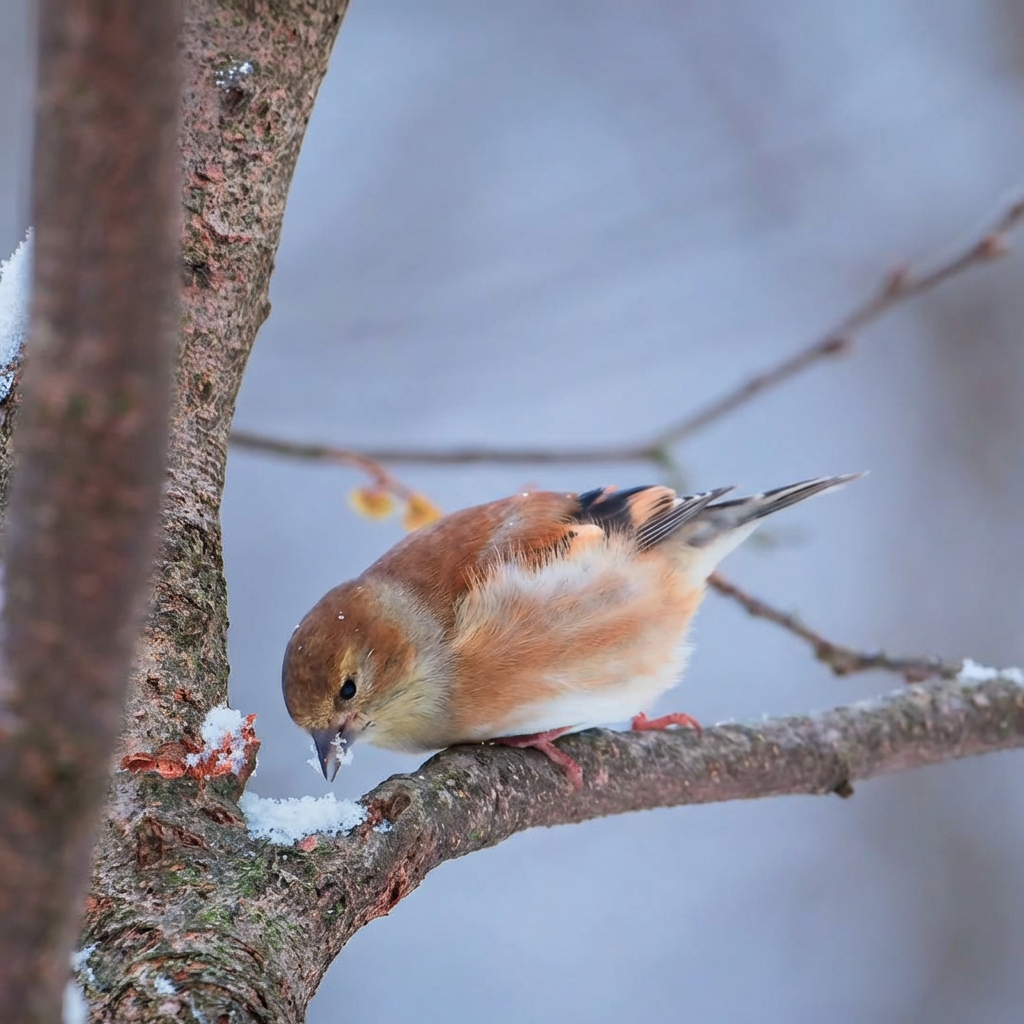
Ran for 18 days, from February 6 to February 24, 2026, the last day Crush saw it.
Run by Olivia Hartwell on Facebook. Crush is not the advertiser and does not verify its claims. See this ad in Meta's Ad Library(opens in a new tab)
Want an ad like this for your product?
Crush makes new ad images for your product from this ad: your logo, your product photo, your offer.
Trials from $19.95 USD, then $79.95 USD a month. Cancel anytime.
About this ad
- Meta Ad Library ID
- 25661647050196672
- Platforms
- Facebook, Instagram, Audience Network, Messenger and Threads
- Relaunches
- 0
- Niche
- Food & Beverage
Ad text
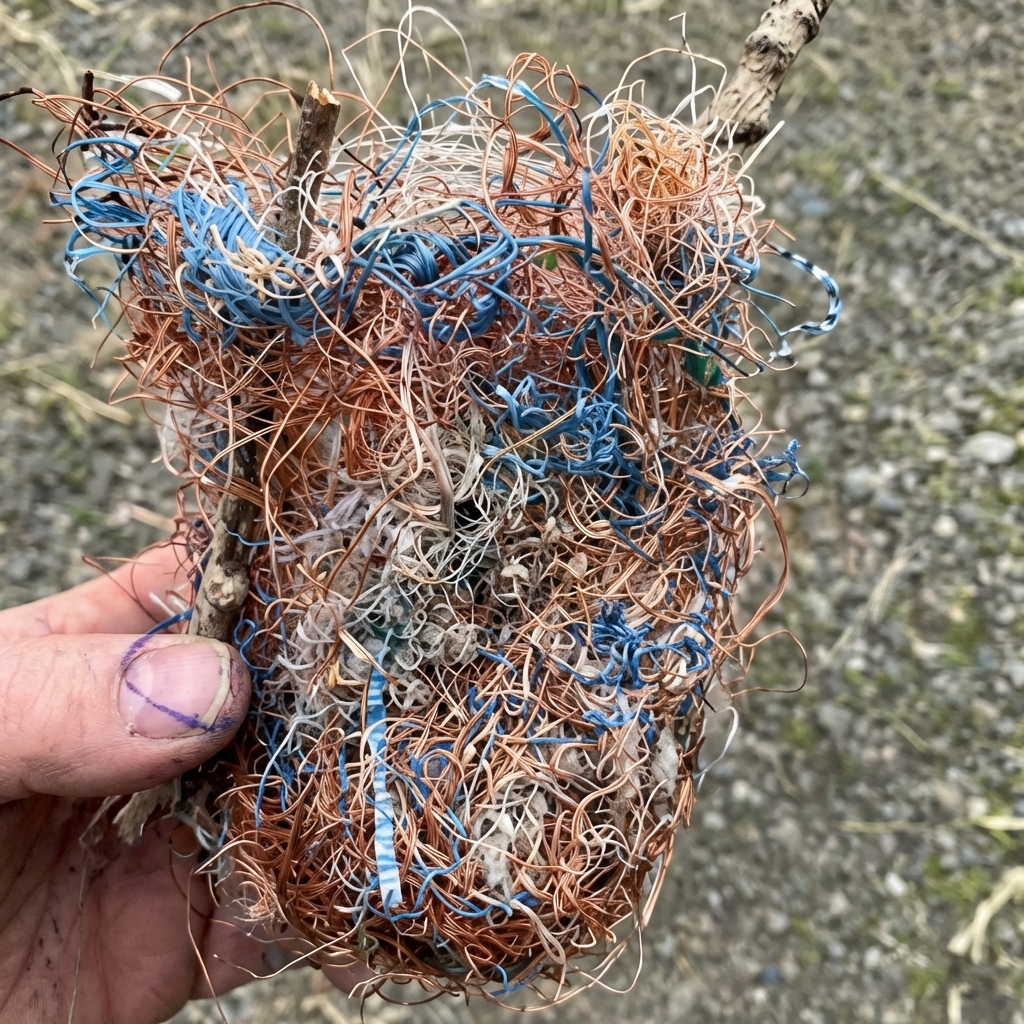
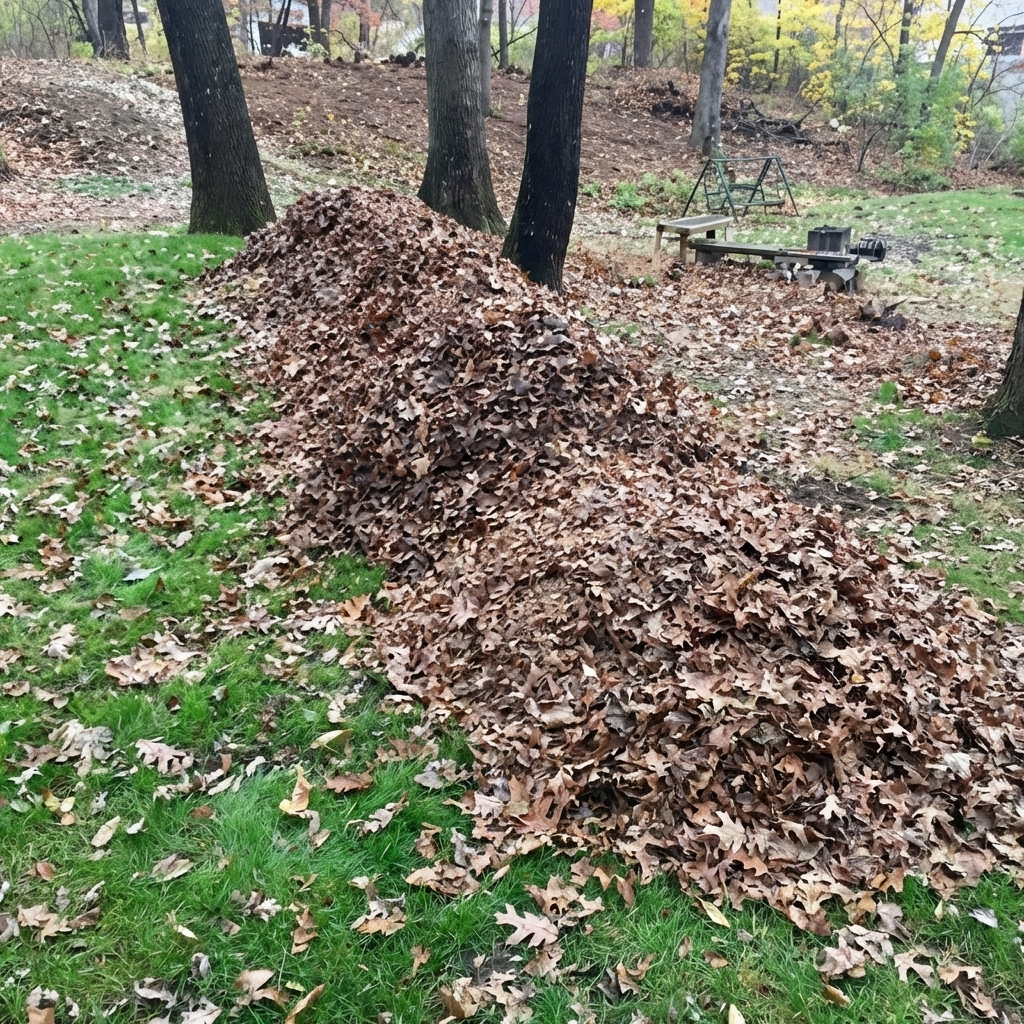
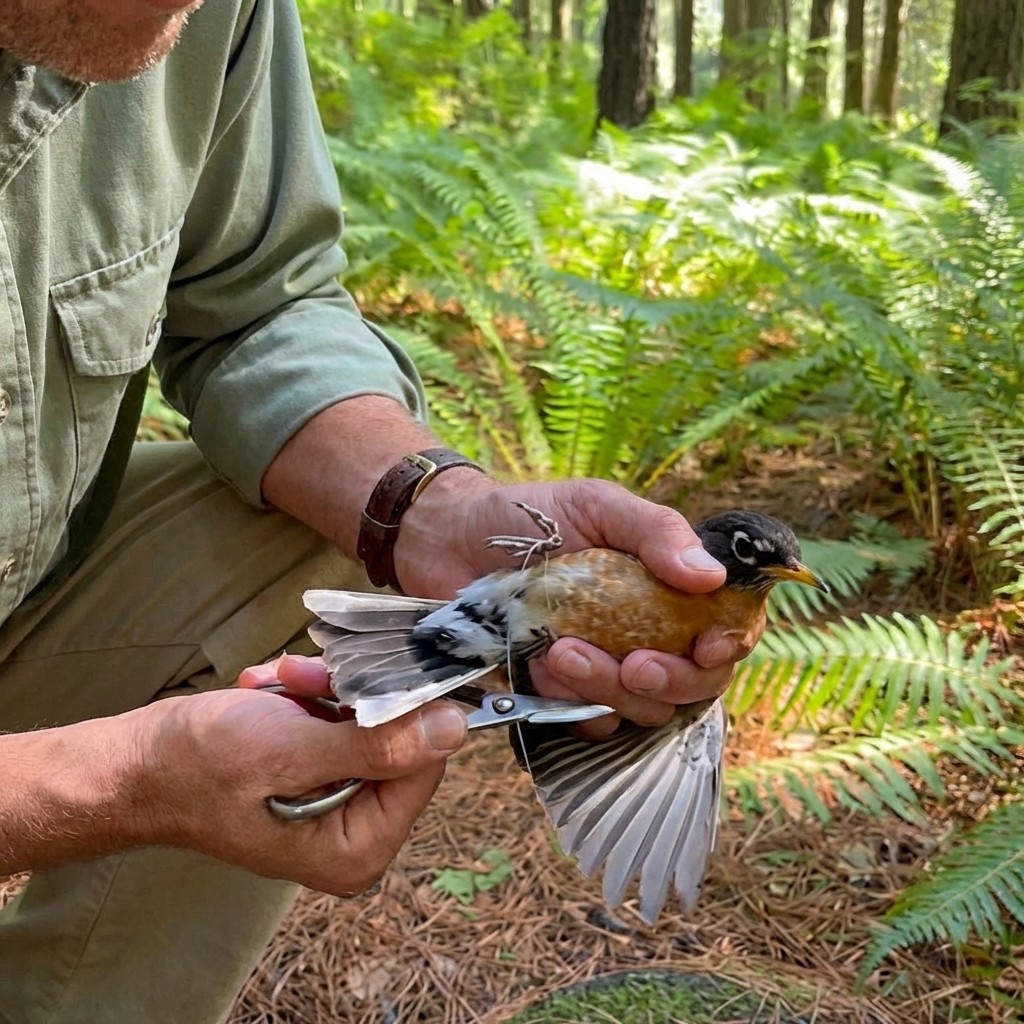
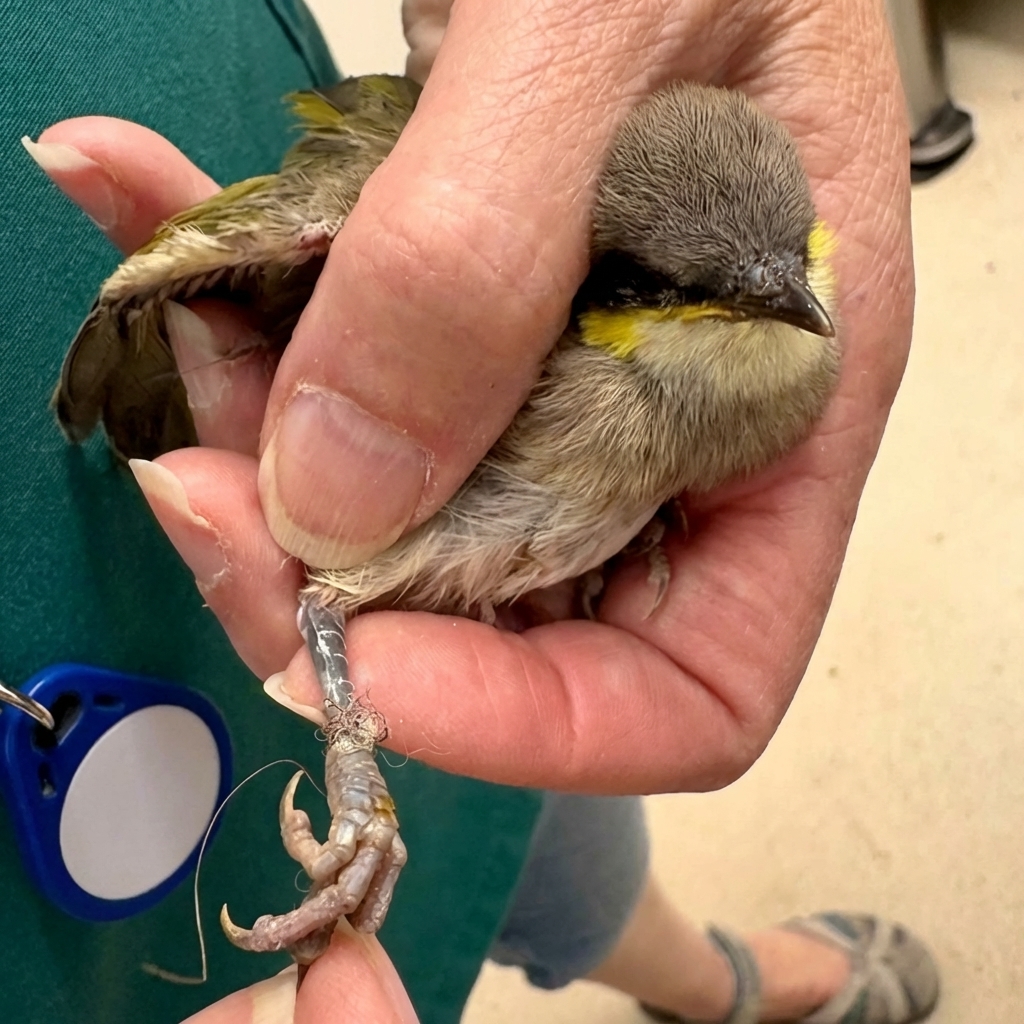
I killed baby birds for three years and didn't know it until a wildlife biologist pulled me aside after a lecture and said, "We need to talk about what you're putting in your yard." I felt sick. Because by then, my kids had been gone for almost four years. And I'd turned to birds to fill that silence. I'd been standing at my kitchen window every morning with coffee, watching my feeders, trying to create something alive in a yard that felt as empty as the house behind me. I thought I was being resourceful. Eco-friendly. Helpful. I'd been putting out nesting material for three springs — dryer lint, cotton scraps, bits of yarn. The same stuff I'd seen recommended on Pinterest boards and mommy blogs for years. "Eco-friendly! Don't throw it away — birds love it!" I thought I was doing everything right. Premium seed. Suet cakes in winter. A heated birdbath I scrubbed religiously. And those little mesh bags hanging from my serviceberry tree, stuffed with lint and yarn scraps. I felt resourceful. Like I was closing the loop. Giving back. But here's what nobody tells you about good intentions: they mean nothing if you're guessing. And I was guessing. The truth actually hit me twice. First from a wildlife rehabber whose backyard looked like an avian sanctuary while mine felt like a ghost town. Then from that biologist who pulled me aside and said we needed to talk. Let me tell you both stories. Because you need to hear them. --- The first wake-up call happened when I visited my cousin last spring. Her friend did wildlife rehabilitation, and I'd been complaining about my yard — how birds would visit my feeders and then leave, how nothing ever seemed to stay, how my neighbor's yard was full of activity while mine sat silent. The rehabber walked me over to a corner of her garden where a simple wire heart hung from a shepherd's hook. It was filled with some kind of soft, fluffy material that looked like raw cotton or wool. She told me something I'd never considered. She said feeding birds is wonderful. But it only solves one problem. It gives them calories. What most suburban birds are actually starving for — especially in neighborhoods like mine where everyone keeps their yards neat and tidy — is safe material to build their nests. I had never even thought about that. She explained that we rake up all the leaves. We pull out the dead plants. We trim back the bushes and haul away the brush piles. We basically sterilize our yards because we want them to look nice. But in doing that, we take away all the soft, natural stuff that birds have used for thousands of years to line their nests and keep their babies warm. I asked her what most people do instead. She got quiet for a second. Then she told me that a lot of well-meaning people put out dryer lint. Or yarn scraps. Or pet hair. I felt my stomach drop. Because I had been doing exactly that. She told me — gently, but firmly — that dryer lint is one of the worst things you can give nesting birds. I didn't understand. It feels so soft. She explained that dryer lint is mostly made of tiny broken fibers from synthetic fabrics. When it gets wet, which it always does during spring rains, it soaks up water like a sponge and falls apart. A nest lined with dryer lint turns into a cold, soggy mess right when the eggs or the babies need warmth the most. She said she had seen baby birds die from hypothermia in nests that looked perfectly fine from the outside. But inside, the lining had disintegrated and there was nothing protecting them from the cold. I thought I was being helpful. I thought I was giving them something soft and cozy. Instead, I might have been killing them. --- The second wake-up call was even worse. The biologist who pulled me aside after that lecture? Dr. Miriam Chen. She studied songbird reproduction in suburban environments. She didn't pull me aside to chat. She pulled me aside because she'd overheard me talking to another attendee about the "eco-friendly nesting material" I was so proud of putting out. Her face was serious. "I need to tell you something," she said. "What you're doing — what a lot of well-meaning people are doing — is actually one of the biggest threats to suburban nesting success." She wasn't being dramatic. She explained that dryer lint isn't just fiber. It's fiber saturated with residue from detergents, fabric softeners, and dryer sheets. Those residues contain chemicals that can be toxic to nestlings, whose skin is permeable and whose systems are incredibly fragile. The lint also becomes compacted when wet. Baby birds can become hypothermic. Eggs can fail to hatch. Nests can essentially become death traps. Then she moved on to yarn. "The fibers are too long," she said. "They can wrap around nestlings' legs and cut off circulation as the babies grow. We've documented cases of fledglings found dead, strangled by yarn their mothers wove into the nest." I pictured the rainbow acrylic yarn I'd been so pleased to "upcycle." "Pet hair can be dangerous too, if the pet has been treated with flea or tick medication. Those chemicals are designed to kill insects — and nestlings eat insects. Residue on the hair gets transferred to the nest, then to the babies, then to the food the parents bring." Our golden retriever was on Frontline. Had been for years. I left that lecture and sat in my car for twenty minutes. I had spent years trying to create something good outside my window. I'd been trying to build a sanctuary where life could happen. Something to fill the silence after my kids left. Something that proved I was still connected to the world. And I might have been making things worse. Not out of carelessness. Out of confidence. Out of the dangerous assumption that "natural-looking" meant "safe." That DIY was always better. That my good intentions would translate to good outcomes. Here's what nobody tells you: North America has lost 2.9 billion breeding birds since 1970. Nearly one in three. We're not going to bring them back with feeders and birdbaths alone. We need breeding success. We need nestlings that survive. We need habitat that actually supports reproduction, not just visitation. And that means being honest about what helps and what hurts — even when the truth is uncomfortable. --- When I got home, I took down every mesh bag. Threw away every scrap of dryer lint. Felt the full weight of what I might have done to the birds I'd sworn to help. Then I started researching what actually works. The answer was almost embarrassingly simple. Short-strand natural fibers. Cotton or wool. Unbleached. Undyed. Cut to lengths under half an inch so they can't tangle around tiny legs. Not dryer lint, which is contaminated. Not yarn, which is too long. Not random cotton scraps, which might have detergent residue. Purpose-made nesting material. Tested for safety. Designed for birds. The rehabber I'd met had told me about alpaca fiber — how the fibers are hollow on the inside, like tiny tubes. That means they trap warm air and insulate without absorbing moisture. Even if it rains, the fiber stays dry and fluffy. It doesn't collapse. It doesn't turn into a hard, crumbly mess. She said it's basically nature's perfect insulation. The birds seem to know it instinctively. I found a company called Warmed Homes that makes nesting hearts filled with alpaca and natural wool fiber. The kind the rehabber used. The kind that met every safety criterion Dr. Chen had described. It cost less than a bag of birdseed. I hung one outside my kitchen window. Right where I could see it during my morning coffee. For the first few days, nothing happened. Then one morning, I saw a titmouse land on the heart. It sat there for a second, tilted its head, then grabbed a strand of fiber and took off. I actually gasped. Over the next few weeks, I watched the fiber slowly disappear. A little bit at a time. And something shifted in me. The silence of the house didn't go away. But the silence outside my window did. Not because there were suddenly flocks of birds everywhere, but because I knew life was happening. Building. Growing. Even when I couldn't see it. That summer, I documented three successful nests in my yard. Chickadees in the hedge. A titmouse family in my nest box. And a hummingbird — the first I'd ever confirmed nesting on my property — in the dogwood by my bedroom window. Her nest was the size of a walnut. Held together with spider silk and soft white fibers I recognized. I watched her raise two babies. Watched them fledge. Watched her return to my nesting material station again and again, building what I later realized was a second nest for a second brood. My yard wasn't just a rest stop anymore. It was a maternity ward. --- Last week, a female cardinal sat on the nesting heart for almost a full minute, pulling fiber after fiber before flying off toward the hedge at the back of my property. I don't know where her nest is. I'll probably never see it. But I know she's out there. And I know her babies will be warm. That's what I had been craving all along. Not entertainment. Not distraction. Just evidence that I was still connected to something living. That my little suburban yard was actually doing something good. That my effort mattered. If you've been putting out dryer lint or yarn or random fabric scraps, I'm not here to shame you. I did it too. For three years. With pride. But now you know what I didn't. The window opens soon. Six weeks, maybe less. In my zone, that means late March through early May. In yours, it might be different — but it's coming. This year, when the mothers come looking for materials to build their nests, let's give them something that actually helps. The Warmed Homes Bird Nesting Heart is still hanging outside my kitchen window. And every time I see a tuft of fiber missing, it feels like a little message. The birds were here. They took what they needed. And somewhere nearby, something new is beginning. We owe them that much. Our good intentions aren't enough. The birds need us to get this right.
Where the ad sends people
homehavin.store
Continue Reading
WarmedHomes
Learn more: homehavin.store(opens in a new tab)