
Active· since Jul 22, 2026
- 54
- days running
- 0
- relaunches
Ad copy
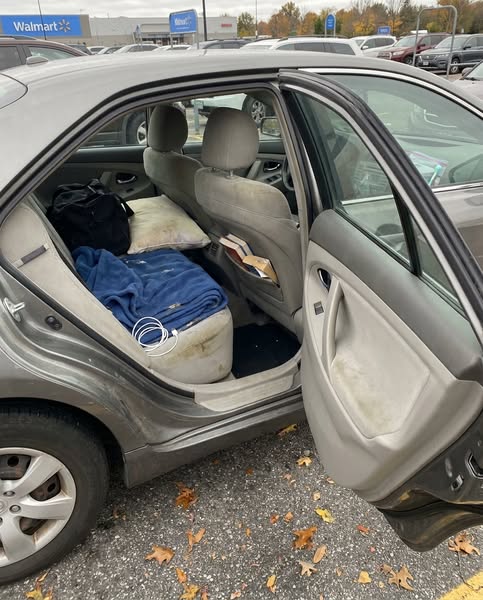
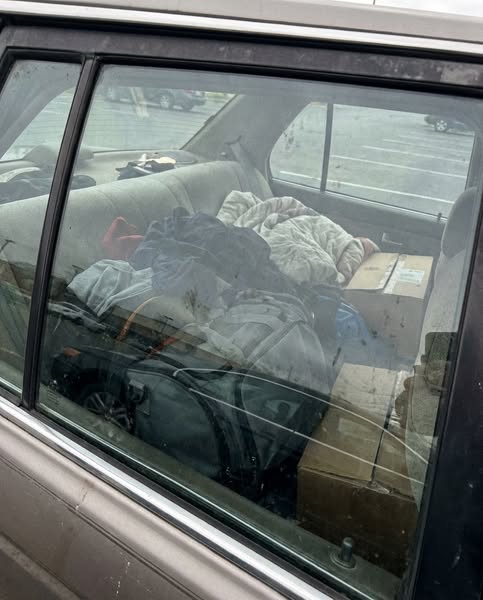
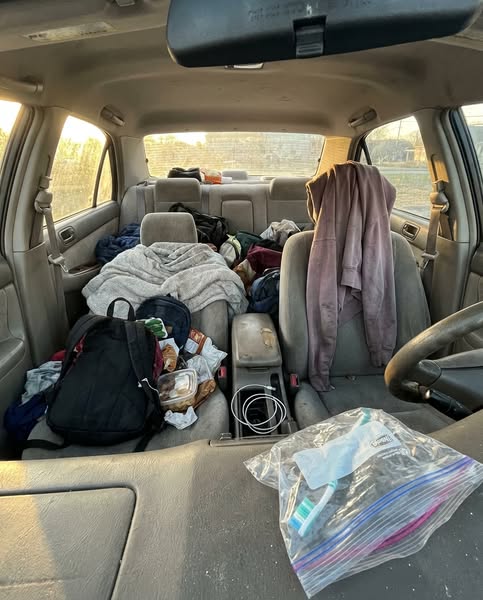
I was in line at the grocery store buying chicken and a bag of salad when the man in front of me asked the cashier if they were hiring. He didn't ask casually. He asked the way you ask when you've been asking the same question at every cash register, every gas station, every counter you've stood in front of for two months. His voice was steady but his hand was gripping the plastic card reader a little too tight. Like he was bracing for the answer before it came. The cashier — a kid maybe nineteen years old — looked up from her screen. "We're always hiring. Apply online. Link's on the receipt." He nodded. Said "thank you, ma'am." Even though she was half his age. Paid for his groceries in cash — exact change, which is the kind of thing you do when the cash in your pocket is the cash you have, not the cash you can spare. A package of ramen noodles. A jar of the cheapest peanut butter on the shelf — the store brand, the one nobody picks unless they're adding up every cent. A loaf of white bread. Bananas. That was it. That was his grocery run. He walked out of the store and I stood there with my chicken and my bag of salad and something tugged at me. The way he'd asked the question. The way he'd said "thank you, ma'am." The way the cash came out of his pocket like it meant something. I told the cashier I'd be right back. Left my groceries at the register and walked out the automatic doors. He was in the parking lot three rows over, loading his bag into the back seat of a dusty gray sedan. I slowed down before he saw me. Not to be weird. Just to look. The back seat of his car wasn't a back seat anymore. It was a life. A folded blanket. A pillow with no pillowcase. A duffel bag. A few paperback books stacked on the floorboard. A phone charger coiled on the center console. A toothbrush in a ziplock bag sitting on the dashboard. He was living in it. I'm going to be honest with you about what I did next because I want you to understand the kind of person I am — which is not a hero. I'm not someone who rescues people. I'm not someone who follows strangers into parking lots. I'm a woman who works part-time at a dentist's office and does crossword puzzles at the kitchen table and calls her daughter too often. I'm ordinary. But I stood in that parking lot and I thought about my own son. My son is 31. Same age as this man looked. And I thought: if my son ever ended up sleeping in his car, I would want somebody — anybody — to see him. Really see him. Not look away. Not pretend they didn't notice. Not tell themselves "it's not my problem." Somebody had to see him. I walked over. "Excuse me — sir?" He turned. Surprised. Defensive for half a second, then reading my face and softening. "Yes ma'am?" "I heard you ask the cashier if they were hiring. I don't mean to get in your business. But are you looking for work?" He paused. I could see him deciding whether to give me the polite answer or the real one. He went with the real one. "Yes ma'am. Been looking for two months. I've put in probably a hundred applications. Warehouses, grocery stores, construction, moving companies. Anything physical. I'll do anything." "What's your background?" "I worked in a warehouse down in Tennessee for seven years. Forklift certified. Shipping and receiving. I can run a dock. I can drive a truck. I'm not picky — I just need a shot at something." "What brought you up here?" He looked at the ground for a second. I could tell he wasn't used to anyone asking. Most of the time when you're in his situation people ask "are you hiring" and you answer and everyone moves on. Nobody wants to hear the why. "My grandpa. He raised me. He's 79 — lives alone about twenty minutes from here. He fell a couple years ago and never really recovered. I was down in Tennessee working and he'd call me and everything sounded fine but I could tell it wasn't. The voice gets smaller. You know?" I did know. I've watched it happen to my mother. "I called him on a Sunday a couple months back and he didn't pick up. Called again an hour later. Nothing. I got in my car and drove eight hours straight. Found him sitting in his recliner — he'd been sitting there since Friday night. Hadn't eaten. Hadn't been to the bathroom properly. He'd just... stopped moving. Said he was fine. He wasn't fine." His voice didn't crack but it thinned out. The way a voice does when a man is working hard to keep it steady. "I went back to Tennessee, gave two weeks' notice, packed up my apartment, and drove back here. Moved in with him. But his place is small — it's a one-bedroom trailer — and he's proud. He doesn't want me sleeping on his couch feeling like a burden. So I told him I got an apartment nearby. That's not exactly true. My apartment is this car. It's temporary. I just need a job and I can get a room somewhere." He looked at me and gave me a small embarrassed smile, like he was apologizing for telling me the truth. "I'm not a sob story, ma'am. I'm just a guy who needs a break. I'm working on it." I stood there looking at him and I thought about my husband. David is 64 years old. He's going to retire in two weeks. Not because he wants to. Because three weeks ago his cardiologist sat him down and said "you can't keep doing the physical work. Your body can't handle it anymore. It's time to slow down." David came home from that appointment and didn't speak for three hours. That night he told me he was going to announce his retirement at the end of the month. David owns a wholesale furniture business. Has for 35 years. He built it from one box truck and a rented storage unit. He was the guy who could lift a loveseat by himself. The guy who could load a moving truck in 90 minutes. The guy whose employees loved him because he worked harder than any of them — and he still shows up at 6 AM every day even now, even at 64, even with everything his body has been doing to him. But his body isn't cooperating anymore. His grip is gone. His energy is gone. He comes home so tired he falls asleep in his chair before dinner some nights. His foreman — a man named Hector who's been with him for 22 years — has been quietly covering for him for the last year. They both pretend I don't know. I know. And David was about to retire. Give up the thing he built. Walk away from the business and the men who depended on him and the warehouse that smelled like oak and cedar and hard work. Not because he chose to. Because his body forced him to. Unless. Unless somebody strong could do the physical work for him. Somebody young. Somebody who could lift and load and drive a forklift. Somebody who could let David stay involved without killing him. I looked at this man standing in the parking lot next to his car full of blankets and books. "What's your name?" "Marcus, ma'am. Marcus Wheeler." "Marcus, my husband owns a wholesale furniture business. He's announcing his retirement in two weeks because his health isn't letting him do the physical work anymore. But if he had somebody strong he could train — somebody he could trust with the loading and the deliveries — he might not have to retire the way he thinks he does. He might just have to change what his day looks like." Marcus stared at me like he wasn't sure I was real. "Ma'am —" "Let me give you my number. Call me tomorrow morning. I want to talk to my husband about you first — prepare the ground, tell him who you are, make sure this isn't just a cold call that gets lost. I want you to have a real shot at this. When you call tomorrow I'll give you his number and he'll be expecting you." I took a pen out of my purse and wrote my number on the back of a receipt. Handed it to him. He took it with both hands. Like it was something fragile. "Ma'am, I — I don't know what to say. I've handed out a hundred applications and nobody has even called me back. You just — you just walked up to me." "I walked up to you because I have a son your age. And because my husband needs someone like you as much as you need a job. This isn't charity. This is two people helping each other." He shook my hand. His grip was strong. The kind of grip David used to have before his body started taking it from him. I didn't tell David about Marcus that night. Not because I was hiding it — because I wanted to see what David would do with the information when it came as a phone call instead of a suggestion from his wife. David is a proud man. He doesn't like being handed things. He likes finding things himself. If Marcus called him and sounded like a good fit, David would believe he'd discovered him. And that would matter. I went to bed that night thinking about the blanket in the back seat of that car. The next morning at 8:47 AM, Marcus called me. Right on time. "Ma'am, it's Marcus. From yesterday. I didn't want to call too early." I gave him David's number. Told him to call in 20 minutes. Said I'd call David first and give him the heads up. Then I called David at the warehouse. "David, a young man is going to call you in about 20 minutes. His name is Marcus. I met him yesterday at the grocery store. I want you to hear him out." "Jan, what — " "Just listen to him on the phone. If he sounds like the real thing, bring him in. That's all I'm asking." Twenty minutes later David called me back. "Jan. I'll call you after he leaves." Marcus showed up at the warehouse at 1:45 PM. Fifteen minutes early. Wearing the cleanest clothes he owned — I found this out later from David. A collared shirt that had been washed so many times the collar was soft. Jeans. Work boots. He brought his forklift certification in a manila folder. David called me at 3:30. "I hired him." "What?" "I hired him. He's starting Monday. I had him run the forklift, load a half-truck, and walk me through an inventory count. He didn't slow down once. He asked good questions. He's the real thing." "David, he's sleeping in his car." "I know. I offered him an advance on his first two weeks' pay so he could get into a room. He said he'd pay it back out of his first check. I told him that's fine." A pause. "Jan. This kid walked into my warehouse and showed me I might not have to retire. He can do the lifting. I can do the rest. I don't have to quit." I sat at the kitchen table and cried. Not because I was sad. Because for the first time in three years I felt like my husband's life wasn't slipping through our fingers. David had been planning to announce his retirement that Friday. Instead, on Monday morning, he showed up at the warehouse with Marcus and started training him. Marcus started on Monday. By Friday he'd loaded 14 trucks by himself and learned David's entire inventory system. By the end of the second week, David was walking back into our kitchen at 6 PM instead of crawling in at 8 PM. He was eating dinner instead of falling asleep in his chair. He had energy to actually talk to me. He was laughing again at the stupid shows I watch at night. Marcus got a room in a boarding house three blocks from the warehouse. Paid his first month out of his first paycheck. David bought him a set of his own work gloves because Marcus was using beat-up ones that were falling apart. Marcus brought David a coffee every morning from the place on the corner because he said nobody had bought him coffee in a long time before David did and he wanted to pass it on. The two of them became something I didn't expect. Not just coworkers. Not just boss and employee. Something closer to father and son — a bond that filled a hole in both of them I hadn't realized was there. David's own father died when David was 19. Marcus's father left when Marcus was 6. Two men with matching wounds, working side by side, neither one saying anything about it, both of them feeling it. Three weeks in, Marcus came to our house for dinner for the first time. I made pot roast. He ate three servings and apologized for it and I told him to have a fourth. He insisted on washing the dishes afterward. While he was at the sink I sat at the kitchen table with him and I asked about his grandfather. And that's when Marcus told me the story that changed everything. "Grandpa's name is Earl. He's 79. He raised me after my mom couldn't anymore — she had a lot of problems, she's been sober now for a while but there were years when I lived with Grandpa because it wasn't safe at home. He was a mechanic. Had his own shop for forty years. The kind of mechanic who could listen to an engine and tell you which cylinder was misfiring. His hands were... I don't know how to describe them. They were like tools themselves. He could rebuild a carburetor blindfolded. I watched him do it once for a bet." He smiled at the memory. His back was to me but I could hear the smile. "But the thing about Grandpa — more than his hands — was his eyes. That man could see everything. He could spot a hairline crack in an engine block from across the shop. He could read the smallest print on a parts manual without glasses until he was past 70. He used to read to me every night when I was a kid — chapter books, not picture books, because he said I was smart enough for the real thing. He'd sit in his recliner with me on his lap and read out loud for an hour. Every single night. His eyes were sharper than anyone's I've ever known." He turned around. Dried his hands on a dish towel. Sat back down at the table. "He'd had type 2 diabetes since his early sixties. Managed it pretty well for years — took his metformin, watched what he ate most of the time. His doctor was always focused on the A1C number. Every visit: 'Earl, your A1C is 6.8, you're doing great.' Then 6.9. Then 7.1. But always 'controlled.' Always 'within range.' Always 'keep doing what you're doing.'" My chest was getting tight. I could feel where this story was going because I'd been watching a version of it unfold in my own house for the last two years. "Around 73 he started saying the light bothered him. He'd squint driving home from the shop in the afternoon. Then he started seeing little black specks — floaters, he called them. Told his doctor. Doctor said 'that's normal aging, Earl. Everybody gets floaters.' By 74 the floaters were worse and he was having trouble reading his parts manuals. The small print he used to read without glasses was a blur. He went to the eye doctor and they did a scan and found blood spots on his retinas. Little red dots. The doctor said 'this is early diabetic retinopathy. We'll monitor it.'" Marcus's voice hardened. "Monitor it. That was the plan. Come back in six months and we'll take another picture. Meanwhile the A1C was 'controlled' and the blood sugar was 'managed' and his eyes were bleeding on the inside and nobody was doing a single thing about it except taking pictures of the damage." "By 75 he couldn't read anymore. Not the parts manuals. Not the chapter books. Not the newspaper he'd read every morning for fifty years. The words swam. He'd hold the paper at arm's length and squint and then set it down and pretend he'd finished. He hadn't finished. He couldn't see the words." "He stopped driving at 76. Not because anyone told him to — because he ran a stop sign he didn't see. Came home white as a sheet. Put his keys on the kitchen counter and never picked them up again. This is a man who drove himself everywhere his entire life. To the shop. To church. To the hardware store on Saturday mornings. He just... stopped. Handed me the keys and said 'I think it's time you drove me places.' Like it was nothing. But it was everything." He paused. Looked at his hands on the table. "The eye doctor kept taking pictures. Every six months. 'More spots, Earl. The retinopathy is progressing. We might need to talk about injections if it gets worse.' Might. If. Meanwhile my grandfather was going blind in a recliner and his regular doctor was still celebrating the A1C number. 'Earl, your blood sugar is controlled. You're doing great.' Doing great. The man couldn't read his own mail." "That's when I knew I had to come back. I couldn't let him go blind alone in that trailer while his doctor told him his numbers looked fine on a chart." "Marcus — David's eyes have been getting worse." It came out of my mouth before I could stop it. He looked up at me. Really looked at me. His eyes narrowed the way a man's eyes narrow when he's connecting two things that should have been connected already. "Diabetic retinopathy?" "His doctor hasn't called it that yet. But the floaters started about two years ago. Then the night driving got bad — he can't see the lane lines anymore after dark. Last month he told me the faces in the congregation at church looked soft. Not blurry exactly. Soft. Like someone smeared Vaseline on his glasses. His A1C has been 'controlled' for years. His doctor keeps saying his blood sugar management is excellent. But Marcus — what you just described? That's David. That's exactly David. Year by year, symptom by symptom. The floaters. The squinting. The light sensitivity. The faces going soft." Marcus didn't say anything for a long moment. Then he reached into his work bag — the beat-up canvas bag he carries to and from the warehouse every day — and pulled out a folder. Not a fancy folder. A plain manila folder, dog-eared and soft from being handled. "Ma'am. After Grandpa stopped driving, I started reading. Not blogs. Not health websites. Actual research. I'd go to the public library twice a week after work because Grandpa's internet was spotty and I couldn't afford my own. I'd print out the studies I could find and read them at the kitchen table. I didn't understand half the words at first — I had to look them up. But I kept going because I needed to know why a disease that was supposed to be 'controlled' was taking his sight from him one piece at a time." He opened the folder. I could see printed pages inside. Some of them had notes written in the margins in pencil. "Can I tell you what I found?" I nodded. I couldn't trust my voice. "The doctor has been watching the wrong number the whole time. For Grandpa and for David." He slid one of the printouts toward me. "The A1C tells you what the average blood sugar has been over three months. That's it. It doesn't tell you what's happening inside the eye. And what's happening inside the eye is a completely different war on a completely different battlefield — and nobody is fighting it." "Your eye is full of tiny blood vessels. Thin little hoses that feed oxygen to the cells that let you see. Normally each one of those hoses is wrapped in a soft protective sleeve — a layer of cells called pericytes — that holds the vessel firm and strong. But high blood sugar, even 'controlled' high blood sugar, wears that sleeve away. Bit by bit. Year by year. It falls off. Now parts of the vessel are bare. Soft. Weak." "Your blood keeps pushing through that weak spot. With nothing to hold it firm, the spot starts to balloon out — like a bubble forming on an old tire. Then the bubble gets too thin. And it leaks. That little leak is the blood spot the eye doctor finds on the scan." He pulled out another printout. "And here's the part that explained why Grandpa was going blind even though his blood sugar was 'controlled.' The part nobody told us." "The spots aren't the real problem. They're a warning sign. They're telling you the blood vessels have gone soft and started to balloon. And while those vessels are leaking, they stop doing their actual job — which is feeding oxygen to the most important cells in your eye. The ones smack in the center of your vision. The macula. The bullseye. The part that lets you read, recognize faces, see detail, see the world in focus." "Those cells starve. And when they starve, they die. And when they die, the vision doesn't come back. The A1C can be perfect. The blood sugar can be 'managed.' And the cells in the center of your eye can be starving to death because the vessels feeding them are too damaged to deliver what they need." "Ma'am — that's not a complication of diabetes. That's a separate disease happening inside the eye. And controlling the blood sugar doesn't fix vessels that are already damaged. It's like turning off the faucet after the basement is already flooded. The water stops rising but nobody is pumping out the flood. Nobody is repairing the pipes. The doctor watches the A1C and celebrates the number while the eye falls apart on a battlefield he's not even looking at." I thought about David squinting at the hymnal in church last Sunday. Holding it at arm's length. Tilting it toward the light. And his doctor telling him his numbers were excellent. I stared at the printouts on the table. At Marcus's handwritten notes in the margins. At a man who was loading furniture trucks for a living and had taught himself retinal research at a public library because the man who raised him was going blind and nobody was willing to help him understand why. "Marcus — what did you do? For your grandfather?" He smiled. For the first time in the conversation. "I found something. Something I almost didn't try because I'd read about a hundred supplements by that point and I was exhausted from hoping things would work. But this one was different. The approach was different. Everything else I'd looked at was doing one thing — throwing antioxidants at the eye and hoping something stuck. General protection. Lutein. Zeaxanthin. The same ingredients in every eye vitamin on the shelf. But none of them were addressing the actual damage. None of them were fixing the vessels. This one worked on both problems at the same time — the leaking AND the starving. That's what made it different from everything else." He pulled out a third printout. This one was about the two-part problem most eye supplements completely ignore. "Here's what I didn't know until I found this. Diabetic retinopathy isn't one problem. It's two. And you have to fix both or you're not fixing anything." "The first problem is the vessels. They've lost their protective sleeve. They're soft. They're ballooning. They're leaking. You need something that actually firms those vessel walls back up — rebuilds the structural integrity so the balloons stop forming and the leaks stop happening. Not 'protects' the eye in some vague general way. Actually repairs the vessels." He tapped the printout. "Bilberry extract. It's the only ingredient I found that has been specifically studied on diabetic eyes that were actively leaking — and it helped. It firms the vessel walls. Strengthens them from the inside. And Vitamin C — not as a general antioxidant, but as the raw material your body needs to actually build strong vessel walls. Collagen synthesis. The structural protein that holds vessels together. Without enough Vitamin C, your body can't rebuild what the blood sugar destroyed. Together they address the first problem: stop the leaking. Firm up the balloons. Repair the hoses." "But here's where every other supplement I tried for Grandpa failed. They stopped at step one. Protect the vessels, maybe. Firm them up, hopefully. But nobody addressed what happened WHILE the vessels were leaking." He pulled out another page. This one had a diagram of the eye with the macula circled in pencil. "While those vessels were damaged and leaking, they weren't feeding the cells in the center of your vision. The macula. Those cells were starving. And starving cells need a shield — a layer of protection to survive until the blood flow comes back. Your eye builds that shield out of three specific pigments. Three colors. Lutein. Zeaxanthin. And the third one — the rarest one — is called Meso-Zeaxanthin." "Meso-Zeaxanthin sits right in the dead center of the macula. The exact spot. The bullseye of the bullseye. The precise point where your sharpest, clearest vision comes from. It's the last line of defense for the cells that matter most. And here's the thing that made me almost throw the folder across the room when I read it." "Your body can barely make Meso-Zeaxanthin on its own. You can't get meaningful amounts from food. It's not in carrots. It's not in spinach. It's not in any of the foods people think of when they think 'eye health.' And most eye supplements — even the expensive ones, even the ones doctors recommend — don't include it. They have lutein. They have zeaxanthin. But they leave out the one pigment that protects the exact center of your vision. The missing shield over the very cells that got hurt the worst." "Ma'am — that's like putting a lock on every door in the house except the front door. The one the burglar walks through." He looked at me. "I needed something that did both. Firm the vessels AND shield the center. Stop the leaking AND protect what got starved. I couldn't find a single supplement that did both until I found one from a small company that had put all of it together." "The company is called Visiovance. The supplement is Visiovance." He closed the folder. "Fifteen ingredients. Not a handful of generic antioxidants thrown into a capsule. Fifteen clinically studied compounds — each one chosen for a specific job. Bilberry for the vessel walls. Vitamin C for the collagen that rebuilds them. Meso-Zeaxanthin for the center of the macula where nobody else bothers to put a shield. Lutein and zeaxanthin for the surrounding pigment layer. Alpha-lipoic acid for the oxidative stress the blood sugar causes. Astaxanthin. Saffron extract. Ginkgo biloba for circulation to the eye. All of it working together. Two capsules a day with a meal." "And here's what mattered to me — it doesn't mess with blood sugar. It doesn't interfere with Grandpa's metformin. It works on the eye itself. On the battlefield the doctor isn't treating. On the damage the A1C number can't see." "I started giving it to Grandpa eight weeks ago. I didn't ask him. I just set two capsules on the kitchen table next to his morning coffee. Told him 'take these for me.' He took them because he trusts me. He doesn't ask questions when I ask him to do something. He'd walked through fire for me when I was a kid and he still would." "Day eight, he was watching television and he said 'Marcus, did you change the channel? The picture looks different.' I hadn't changed the channel. The picture hadn't changed. His eyes had. He was seeing the screen more clearly than he had in months and he didn't even realize it was him — he thought I'd done something to the TV." "Week three, he picked up the newspaper. He hadn't touched a newspaper in over a year. He didn't read the whole thing. He read the front page headlines. Out loud. To me. Standing in the kitchen. Reading headlines out loud like it was the most normal thing in the world. Like he hadn't spent the last year pretending he'd finished the paper when he couldn't see the words." "Last weekend, for the first time in three years, he asked me for his keys." Marcus stopped. His voice caught on that one. Just for a second. "Not to drive. He's not ready for that yet. He wanted to sit in his truck. He said he missed it. I walked him out to the driveway and he sat in the driver's seat and put his hands on the wheel and looked out through the windshield and he said 'the trees look sharp again, Marcus. I can see the individual leaves.' He sat there for twenty minutes. Just looking. Seeing the world come back into focus." Marcus looked at me across my kitchen table. "I ordered extra when I first bought it. A few bottles. One for Grandpa and the rest because I was scared of running out. I want you to take one. I want you to give it to David." He reached back into his work bag and pulled out a bottle. "Ma'am — you found me in a parking lot sleeping in my car. You made one phone call and gave me my life back. Your husband gave me a job when nobody else would even return my applications. He trusts me with his business. He's teaching me things I didn't know I needed to learn. I'm sitting at your kitchen table eating pot roast and being treated like family for the first time since I left Tennessee." "Taking this bottle and giving it to you is the smallest thing I can do. Please. Don't say no." He pushed the bottle across the table. I didn't say no. That night, after Marcus left, I sat with the bottle for a long time. I read the label. I read the instructions. I thought about Marcus at a public library printing out retinal research because the man who raised him was going blind and nobody else would help him understand why. In the morning, before David came downstairs, I set two capsules on the kitchen table next to his coffee mug. David came downstairs in his work clothes. Kissed the top of my head the way he always does. Sat down. Looked at the capsules. "What's this?" "Something new. Just take them. For me." "What are they?" "David. Just take them. Please." He looked at me. Looked at the capsules. Looked back at me. He's been married to me for 36 years. He knows when I'm asking him something that matters. He took them. Day five — a Friday — David was reading the invoice stack at the kitchen table before work. I was already awake. I'd been watching him from the doorway for a few minutes the way I've been watching him for two years, holding my breath every morning, waiting to see how bad it would be today. He was reading the invoices without holding them at arm's length. Without squinting. Without tilting the paper toward the light. Just reading. Like a man who trusts his eyes to do what he tells them to do. I stood there in the doorway. I didn't tell him I saw it. I didn't want to break whatever was happening. Week two, the driving was different. Not perfect — shifted. He was more confident at intersections. He wasn't leaning forward with his face six inches from the windshield the way he'd been doing for the last year. One evening he drove us home from dinner and he didn't ask me to read the street signs for him. Small things. Small things that used to be normal that had stopped being normal years ago. Week three, David came home from the warehouse at 5:45 PM and said "Jan, I want to read something tonight. Not watch TV. Read." He hadn't voluntarily picked up a book in over a year. I went to the bookshelf and handed him the Tom Clancy novel he'd abandoned eighteen months ago with a bookmark still on page 40. He read until 9:30. I sat across from him doing my crossword puzzle and I kept glancing up to make sure it was real. Week five, David was at the warehouse on a Saturday morning. He didn't have to be there. He chose to be there. When he came home at noon he said "I did the full inventory count myself today. Read every label on every box. Didn't need Hector to double-check a single one. Felt like I had my eyes back." He said that line in the kitchen and I had to turn away because I was about to cry and I didn't want him to think something was wrong. Week seven, David's eye doctor appointment. He'd been scheduled for his regular six-month retinal scan. David hadn't told the doctor about Visiovance — we decided together that he'd go in, get the scan, and then tell the doctor what he'd been doing. Full honesty but after the images were in. The ophthalmologist walked into the exam room with the scans pulled up on the monitor. Sat down. Studied them for a while. Visual acuity: 20/30. Improved from 20/50 six months ago. Retinal scan: No new hemorrhages. No new blood spots. The existing spots had not progressed. For the first time in three years of six-month scans, the retinopathy had not gotten worse. Macular thickness: Stable. No new swelling. No fluid buildup. The ophthalmologist set his notes down. "David. This is the best scan you've had since I started seeing you. Your acuity is significantly better. There's no new bleeding. I don't see progression. What have you been doing?" David told him. Everything. The research. Marcus. Visiovance. The bilberry. The Meso-Zeaxanthin. The vessel repair. The macular shield. All of it. The ophthalmologist listened without interrupting. When David finished, the doctor was quiet for a long moment. Then he said: "I'll be honest with you, David. Six months ago I was preparing to recommend injections. I'm not going to recommend that today. Whatever you're doing — I want to see you again in three months and compare." David walked out of that office and called me from the parking lot. He didn't say anything at first. Just breathed. Then he said: "Jan. My eyes aren't getting worse. For the first time in three years they're not getting worse. The doctor isn't talking about injections. I can read again. I can see again. I don't have to lose this." I was standing in our kitchen. I slid down against the cabinet until I was sitting on the floor. I cried the kind of cry you cry when something you thought was gone comes back. Not sad crying. The other kind. David had been dreading that appointment for weeks. Instead of the conversation he'd been bracing for — the one about needles in his eyes and slowing down and accepting what was coming — he got the first good news he'd heard about his vision in years. Marcus continued working at the warehouse. By the end of the second month he'd become indispensable — David said he ran the loading dock like he'd been doing it for a decade. By the end of the second month, David was walking back into our kitchen at 6 PM with clear eyes instead of bloodshot ones. He was reading invoices instead of having Hector read them to him. He had the confidence to drive to the warehouse himself instead of asking me to follow behind in my car in case he needed help. He was laughing again at the stupid shows I watch at night. Marcus got a room in a boarding house three blocks from the warehouse. Paid his first month out of his first paycheck. David bought him a good pair of safety glasses because Marcus was using scratched-up ones from a dollar store. Marcus brought David a coffee every morning from the place on the corner because he said nobody had bought him coffee in a long time before David did and he wanted to pass it on. The two of them became something I didn't expect. Not just coworkers. Not just boss and employee. Something closer to father and son — a bond that filled a hole in both of them I hadn't realized was there. David's own father died when David was 19. Marcus's father left when Marcus was 6. Two men with matching wounds, working side by side, neither one saying anything about it, both of them feeling it. Three months later I drove out to the warehouse on a Saturday afternoon to drop off lunch. David had told me he and Marcus were loading a big order for a customer who needed it Monday. I parked in the side lot and walked around to the open bay doors. I stood in the doorway for a minute before they saw me. I just watched. David was on the forklift, backing a pallet of dining chairs toward the truck. Marcus was at the loading dock directing him, calling out clearances, laughing about something. The sun was coming through the bay doors at an angle that made everything look golden. Two men working together. Moving fast. Moving strong. I thought about what I'd said in my head weeks earlier — two men with matching wounds. They didn't look wounded anymore. Or maybe they still were. But they weren't carrying it alone. David saw me and waved. Hopped down from the forklift. Walked over. He was sweating and covered in dust and his hair was sticking up and he looked — I can only describe it as alive. The way he looked years ago. The way I'd stopped expecting him to ever look again. "You brought lunch?" "I brought lunch." Marcus walked over. He'd put on ten pounds since I first met him in the grocery store parking lot. Good weight. The kind you put on when you're eating regular meals and sleeping in a real bed. He wiped his hands on a rag and took the lunch bag from me. "Thank you, ma'am. This is really nice of you." "How's your grandfather this week?" Marcus smiled. "He read a whole chapter out loud to my cousin's daughter last Sunday. First time in three years. Sat in his recliner with her on his lap and read to her for forty-five minutes. A chapter book — not a picture book — because he says she's smart enough for the real thing. Same thing he used to say to me. He had to stop once to rest his eyes but he finished the chapter. She fell asleep on his lap and he just sat there holding her and looking at the page like he couldn't believe his own eyes were working again. I couldn't believe it either." I drove home that day and I thought about how close everything had come to going differently. If I had paid for my groceries and gone home instead of following Marcus into the parking lot. If I had told myself it wasn't my business. If David had given up on his eyes before Marcus walked into his warehouse. If Marcus hadn't spent his nights at a public library printing out retinal research because the man who raised him was going blind and nobody would explain why. If I had said no to the bottle Marcus pushed across my kitchen table. Every one of those decisions was a hinge. A place where it could have gone the other way. A place where David would be sitting at home right now, vision continuing to fade, body continuing to decline, A1C looking excellent on a chart while the eyes attached to them deteriorated the way Marcus's grandfather's eyes deteriorated. And none of it would have happened without a young man in a grocery store asking if they were hiring. And an older woman behind him in line who decided to see him. I'm telling you this because I think you might be where I was three months ago. Watching someone you love lose their sight in small pieces. Watching their doctor celebrate a number while the person you married disappears behind a blur they can't blink away. Blaming aging. Blaming diabetes. Blaming everything except the one thing you've been trained to trust completely. If your husband has diabetes and his vision is getting worse — if the floaters are multiplying — if the night driving is dangerous — if faces are going soft — if his doctor says "your A1C looks great" while his eyes clearly aren't great — the number might not be the whole story. It wasn't David's whole story. It wasn't Earl's. If you're watching this happen to someone you love — or if it's happening to you — and something inside you knows this isn't right — that the blurriness shouldn't be this bad, the floaters shouldn't be this many, the reading shouldn't be this hard — trust that feeling. I sat across from a man who spent nights at a library reading retinal research because nobody would tell him why his grandfather was going blind. What he found is the reason my husband isn't losing his sight this year. Visiovance. Two capsules. Every morning with a meal. The bilberry firms the leaking vessels the blood sugar damaged. The Meso-Zeaxanthin shields the center of the macula — the exact spot most supplements leave unprotected. Fifteen clinically studied ingredients working on the battlefield your doctor isn't treating. No interference with blood sugar medication. No needles. No waiting for the damage to get bad enough to act. No man quietly watching the world go blurry because his doctor is watching a chart instead of watching his eyes. Marcus's grandfather read a chapter book out loud to a little girl last Sunday. David is reading invoices and driving himself to work and loading furniture trucks on Saturdays with clear eyes. I'm writing this at my kitchen table while my husband is out in the garage building a bookshelf for our daughter — reading the measurements off the plans himself. None of that was possible three months ago. All of it is possible now. https://visiovance.com/products/visiovance-15-in-1-advanced-eye-formula P.S. — If you're the wife reading this and your husband has diabetes and something in his eyes has been dimming for years — you're not imagining it. You're not being dramatic. You're not overreacting. You've been watching something real. You've been watching what I watched. Trust what your eyes have been seeing. The doctor has been watching the A1C chart. You've been watching the man. You're closer to the truth than the chart is. P.P.S. — Marcus moved out of the boarding house last month. He rented a small two-bedroom about ten minutes from his grandfather's trailer. The second bedroom is for Earl when he wants to stay over — which has been more and more often lately because Earl feels good enough to actually leave his house now. Marcus sent me a photo last week of the two of them at a bookstore. Earl was holding a paperback and grinning like a kid. Marcus's caption was "grandpa picked it out himself — read the back cover without his magnifying glass." Earl's most recent eye scan: no new hemorrhages, visual acuity improved to 20/30, macular pigment density up for the first time in years. His ophthalmologist asked him what changed. Earl said "my grandson knows things my doctors don't." P.P.P.S. — Here's what I'd tell you to do: take two capsules of Visiovance in the morning with breakfast. It takes thirty seconds. You're going to notice something shift within the first week or two — a crispness, a clarity, like someone cleaned a window you didn't realize was dirty. David noticed it. Earl noticed it. Marcus noticed it in both of them before they noticed it themselves. That's not placebo. That's fifteen clinically studied ingredients reaching the blood vessels and macular cells that have been starving — firming the vessel walls the blood sugar damaged and building the protective shield your macula has been missing. The scan improvements take weeks to show up at the doctor's office. But that first-week clarity? That's your eyes telling you: finally — something that actually addresses what's been going wrong. P.P.P.P.S. — Visiovance has a 90-day money-back guarantee. If the vision doesn't improve, every penny back. No questions asked. The diabetes medications your doctor prescribed didn't come with a money-back guarantee. Neither did the "monitoring" plan that watched Earl go blind for three years. Neither does the injection your eye doctor is preparing to recommend. Think about what that tells you about who's confident in their product and who's just confident in their billing code. P.P.P.P.P.S. — Visiovance is a small company. They sell out. Marcus told me he's had to wait for restocks twice since he started ordering for his grandfather. I keep extra bottles in the house now. If your husband's next eye appointment is in 30 to 60 days — or yours is — and you want to walk into that scan with real improvement instead of the same frustrating conversation about "monitoring," check availability now. They currently have a buy 3 get 2 free deal that I used to stock up. Not next week. Now. Every day without addressing the vessel damage is another day the leaking continues. Every day without the Meso-Zeaxanthin is another day the center of the macula goes unshielded. David almost lost his vision. Marcus almost lost his grandfather's sight for good. Don't wait for your almost. P.P.P.P.P.P.S. — Do not forget about their 90-day money-back guarantee. https://visiovance.com/products/visiovance-15-in-1-advanced-eye-formula
Like this ad? Make it yours.
Crush rebuilds this exact creative around your product — your brand, your colors, your offer — in about a minute.