Dr. Harrison Sam
Dr. Harrison Sam Facebook ad: “If you have prostate issues, read this.”
Ran for 1 day, from July 28 to July 29, 2026, the last day Crush saw it.
Run by Dr. Harrison Sam on Facebook. Crush is not the advertiser and does not verify its claims. See this ad in Meta's Ad Library(opens in a new tab)
Want an ad like this for your product?
Crush makes new ad images for your product from this ad: your logo, your product photo, your offer.
Trials from $19.95 USD, then $79.95 USD a month. Cancel anytime.
About this ad
- Meta Ad Library ID
- 26014332188264671
- Platforms
- Facebook, Instagram, Messenger and Threads
- Relaunches
- 0
Ad text
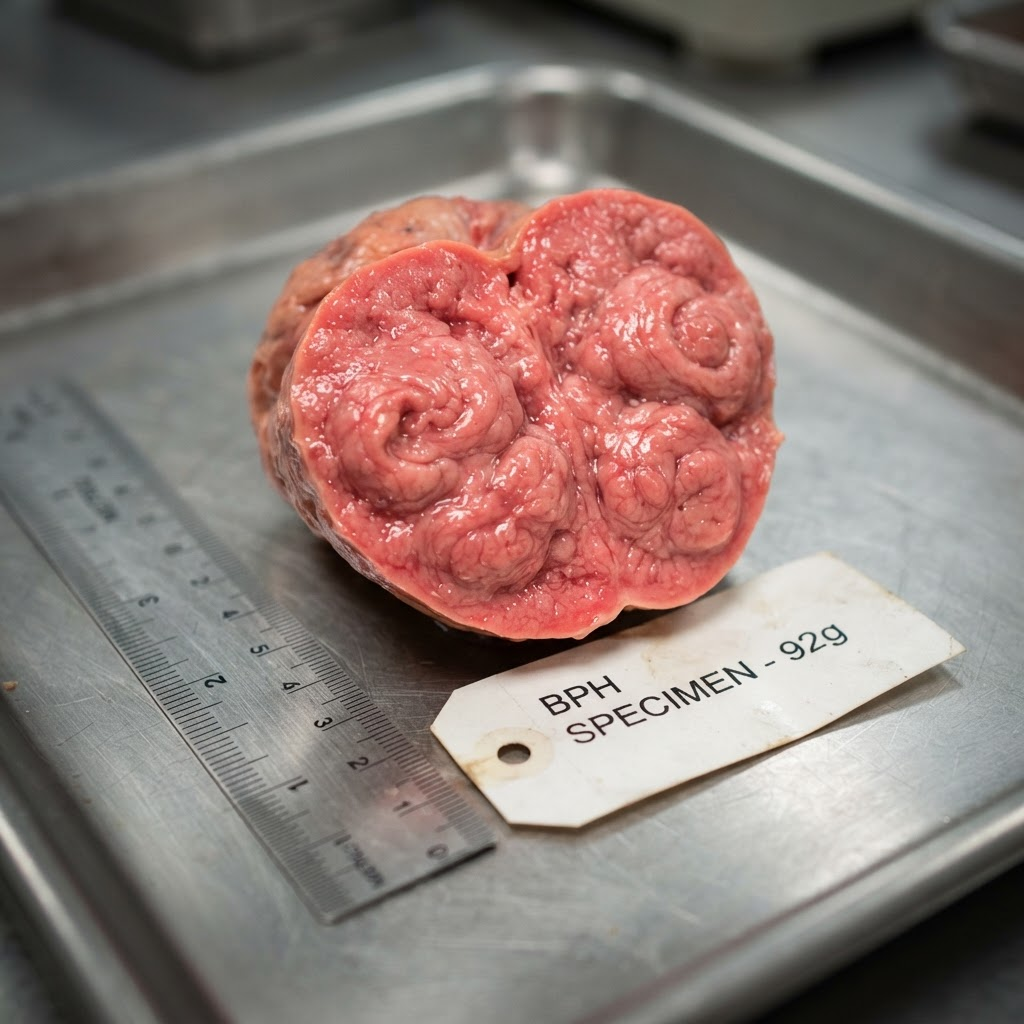
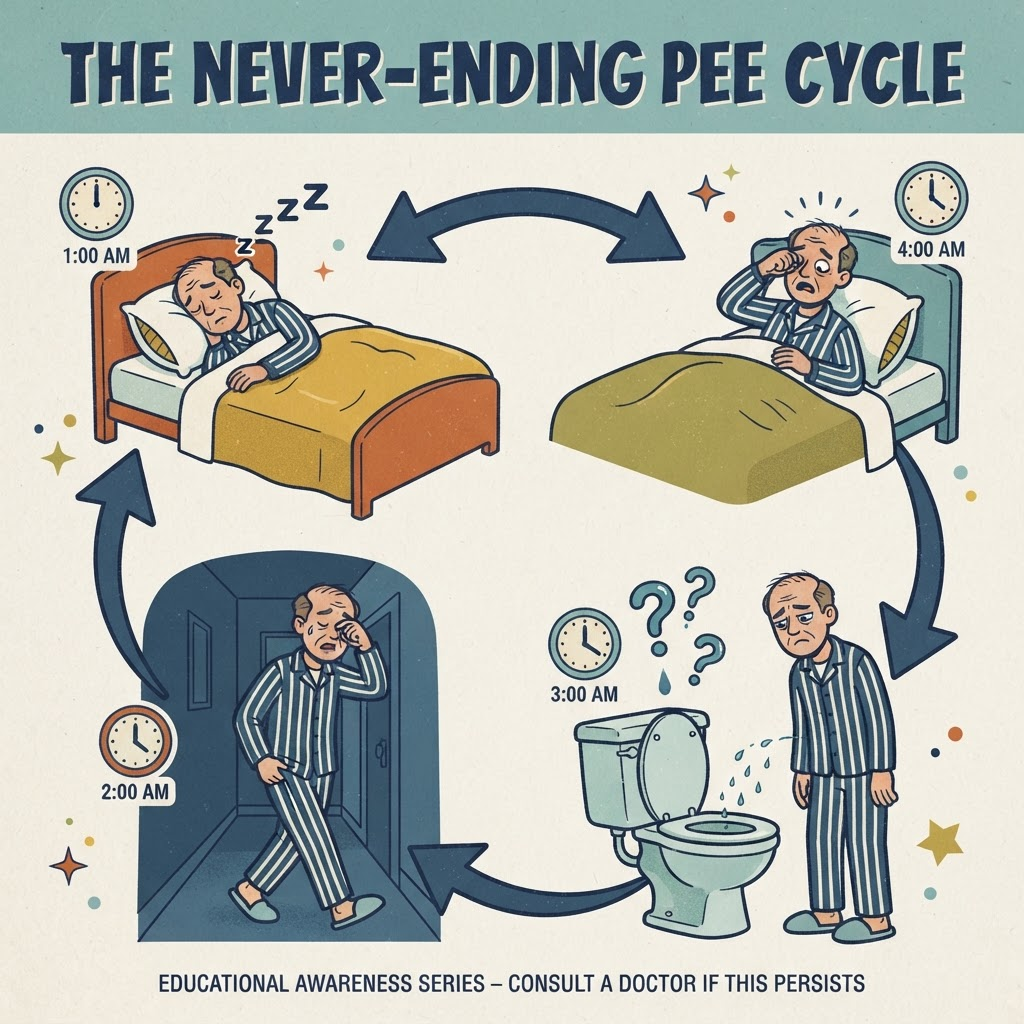
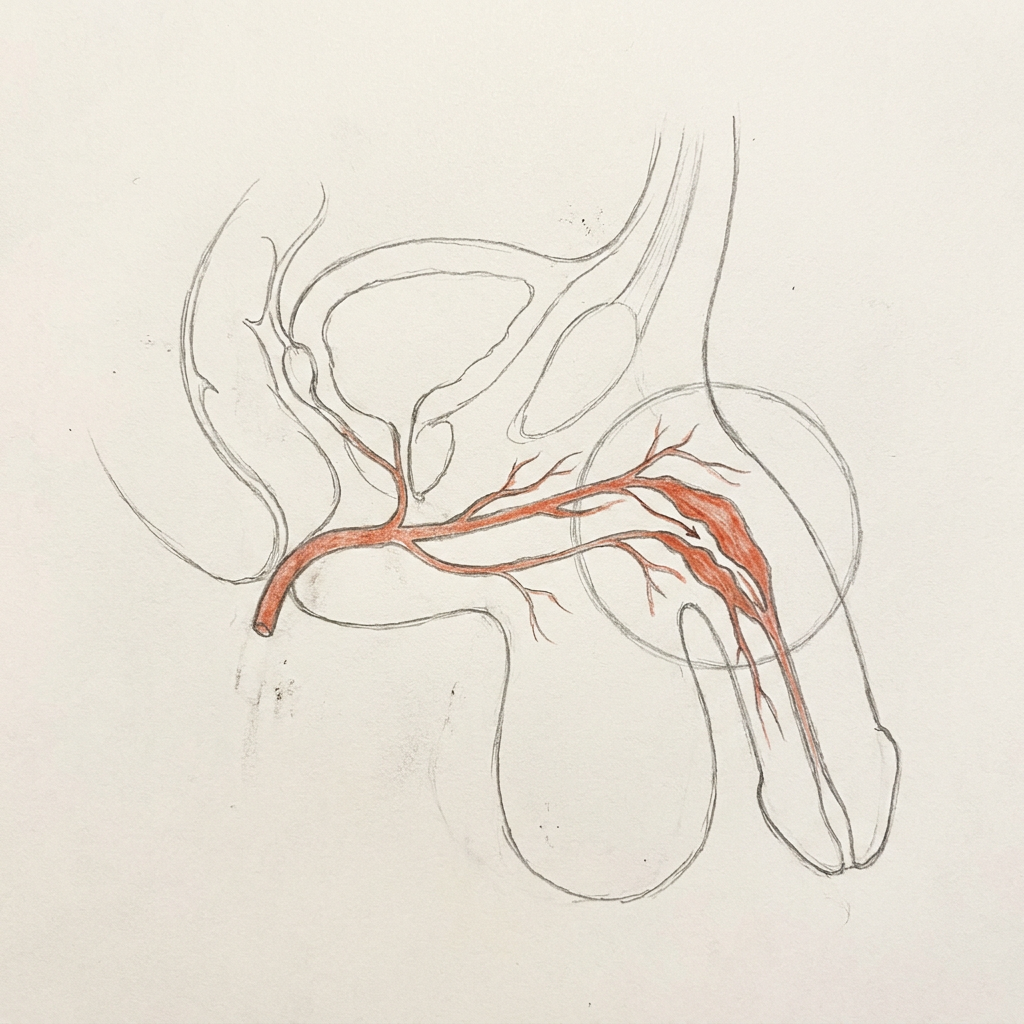
I refused Flomax for three years. Here's what happened to my nights. I've been a urologist for 24 years. I've sat across the desk from men whose bladders were quietly failing. I've watched their prostates grow year after year while I added medication after medication. I've charted the progression. The flow rates dropping. The residual volumes climbing. The scores getting worse. And I've said the same thing every urologist says. "This is what we use for this." Then my own prostate started growing. And I realized I'd been lying to my patients. I need to tell you about my father first. Because until you understand what I watched happen to him, nothing else I say will make sense. My father was diagnosed with an enlarged prostate at 56. His doctor started him on tamsulosin immediately. 0.4 milligrams every night. He was a good patient. The best kind. Took his medication every single day. Cut out coffee. Stopped drinking anything after seven. Did everything he was told. His symptom score came down from 24 to 11. His doctor smiled at the chart. "Looking good, Ray. Whatever you're doing, keep it up." Keep it up. For nine years, he kept it up. Nine years of tamsulosin. Nine years of "good numbers." Nine years of a doctor looking at a chart and calling it a success. There was one other thing. I only heard about it once. I was driving him home from a family dinner, maybe year three. He was quiet the whole way. Then at a red light, still looking straight out the windshield, he said, "Nothing comes out anymore. When your mother and I. Nothing comes out." And I said, "That's retrograde ejaculation, Dad. It's from the tamsulosin. It's harmless." He nodded. Said okay. Light turned green. He never brought it up again. Not once in six more years. Harmless. I used that word on my own father. Then his stream started slowing down again. At first he blamed the weather. Then the coffee he'd started sneaking back. Then sitting too long in the truck. By the time they scanned him, his prostate measured 96 grams. It had been 42 when they started. And his bladder had stopped emptying. 940 milliliters sitting in there that he could not pass. On a man whose symptoms had been "managed" for nearly a decade. I sat in a colleague's office with him. He pulled up the imaging. "Ray, your bladder has been decompensating for some time. The damage is consistent with long term outlet obstruction." My father looked at me. Then back at him. "But my numbers were good. My son said I was doing fine." He paused. "His symptom score has been in an acceptable range, yes. But symptom relief doesn't stop the gland from growing. The damage can progress even when the numbers look favorable." Even when the numbers look favorable. Nine years of medication. Nine years of perfect compliance. And the gland grew anyway. While everyone watched the number and called it protection. My father had a permanent catheter put in seven months later. The first time I drove him, I thought I was ready. I'm a urologist. I've placed hundreds of catheters. I've run the clinic that does this. I understood the procedure clinically. I wasn't ready. The unit smelled like iodine and something underneath it. Something warm and faintly sour that I've never been able to name. The chairs were grey vinyl recliners arranged in rows, and every one of them had a man in it with a bag hanging off the frame. Nobody talked. There was a television on the wall with the sound off. That was the whole room. A dozen men who had all quietly agreed not to look at each other. They put my father in chair four. A nurse worked the tube, still raw from the last change. He winced. Turned his head toward me. His eyes. That's what I wasn't ready for. Not the tube. Not the bag. His eyes. Looking at me the way he looked at me when I was six years old and scared of thunderstorms. Except now he was the one who was scared. And I was supposed to be the one who understood what was happening. The urologist son. The one who could explain it. Fix it. I couldn't fix it. Every six weeks for a change. More often once the infections started, and the infections always started. Watched the bag fill and get emptied and fill again. Watched him shrink. Not just thinner. Smaller. Like something was being taken out of him that nobody could put back. He stopped wearing his good trousers because the tube showed through them. He stopped going out on the lake because he couldn't manage the bag in a boat. He stopped going to the hall on Friday nights because one evening it leaked in front of his friends, and he never walked back through that door. He wasn't living anymore. He was being maintained. He died at 68. Urosepsis. Fourteen months after the catheter went in. I was holding his hand. The same hand I used to hold walking to school. Four years ago, at my own physical, I filled out the same questionnaire I hand my patients. Symptom score: 19. Prostate volume on ultrasound: 46 grams. Peak flow: 11. My doctor looked at me with that familiar expression. The one I'd given my own patients a thousand times. "Harrison, we need to start you on tamsulosin. 0.4 milligrams at bedtime. We'll recheck in 90 days." He reached for his prescription pad. I watched his hand move across the paper and all I could see was my father at that red light. Chair four. The bag on the frame. "I'd like some time to try managing it on my own." He looked at me the way doctors look at doctors who think they're the exception. "Harrison, your score is 19. That's not mild. That's moderate to severe. Every month you delay treatment increases your risk of progression." Progression. The word landed in my chest like a stone. I took the prescription. Folded it. Put it in my coat pocket. Never filled it. For three years, I tried everything else. Saw palmetto. 320 milligrams a day, four months. My score went from 19 to 17. Then stopped. Then climbed back to 20. Beta sitosterol. Six months. I knew the trial data. I'd quoted it to patients. My score moved one point, from 20 to 19, and then sat there like a rock. I was spending $38 a month on a number that would not move. Pygeum and nettle root together. Three months. Nothing changed except a taste at the back of my throat I couldn't get rid of. Then I did it the hard way. Nothing to drink after six. Double voiding before bed. Cut the wine, cut coffee after noon, lost 18 pounds over five months. On a very good night, I got up three times instead of four. I gave up every liquid I enjoyed, and my bladder still ran my entire life. I planned every drive around exits. I sat on aisles. I stood in the dark at 3am waiting eight or nine full seconds for something to happen. My doctor pulled my chart at the next annual. Looked at the results. Looked at me. "Your score is 22. It's been three years, Harrison. We need to start the tamsulosin. And honestly, we should be talking about a procedure." I almost gave in. I went home that night and found the prescription in my bedside drawer. The original one, from three years ago. Still folded. I smoothed it out on the kitchen table and stared at it. Tamsulosin 0.4mg. At bedtime. My name in his handwriting. I almost called the pharmacy. Then about two months ago, something happened. One of my own patients came in for his six month follow up. Good man, 66, on tamsulosin for seven years. I'd watched him struggle the whole time. The stop and start. The residual volume creeping up every visit. The night he told me he'd stopped travelling to see his grandkids because he couldn't do the drive. But that day he looked different. Rested. Straighter. Like someone had turned the lights back up inside him. I asked how he was managing. He said something I didn't expect. "I stopped the tamsulosin four months ago. My nights are better now than they were on it." I almost dismissed it. I've heard every miracle supplement story there is. Twenty four years of men telling me about pumpkin seeds. But he had a diary. Nine weeks of nights logged in a notebook. Mostly zeros. A few ones. So I ran him on my own equipment, right there. Peak flow 17.2. Post void residual 30 milliliters. For a man who had been sitting at 90 plus for years. "It's an enzyme," he said. "From fermented soybeans. My daughter in law sent it. It's not a prostate herb. It works on the blood." That same night I was up at 1:10. Then 2:55. Then 4:20. Then 5:40. I sat at my kitchen table at 5:45 in the dark and thought about my father. Chair four. The bag. The smell I still can't name. I opened my laptop and started reading about fibrin and prostate tissue. What I found made everything click. And it made me furious. Here's what they taught me in residency about an enlarged prostate: the gland grows as men age, it squeezes the urethra, alpha blockers relax the muscle at the bladder neck so urine can get past. Simple. Here's what they never taught me: Why the gland grows in the first place. Fibrin. Fibrin is a stringy protein your body makes to patch things up. Think of it like scaffolding on a building. It goes up, the repair gets done, and then it's supposed to come down. That last part is the whole thing. It's supposed to come down. When fibrin builds up inside the prostate and stays there, it acts like a sticky scaffold. And growth signals, the chemical messages that tell cells to divide, get caught in it and stuck to it. Those messages were only ever meant to be temporary. Now they're pinned to the frame, repeating the same order over and over. Build. Build. Build. So the cells build. Both the gland cells and the connective tissue cells start multiplying when they shouldn't. That triggers ongoing inflammation. Inflammation lays down more fibrin. More fibrin traps more signals. The gland gets thicker and heavier and starts pressing on the urethra. That squeeze is every symptom you have. The waiting. The weak stream. The stop and start. Never feeling empty. And what keeps fibrin from piling up in the first place? Your body's own system for breaking it down. But after 50, that system slows. The scaffolding keeps going up. It just stops coming down. And here's where the vicious cycle starts. And why Flomax takes pieces of you and hands nothing back. Tamsulosin doesn't touch the fibrin. It does nothing to slow the growth. It relaxes a ring of muscle at the neck of your bladder so urine can squeeze past the obstruction. It's like propping a door open in a hallway that keeps getting narrower. You can prop it all you want. The walls keep closing in. The symptom score on the chart goes down. But the gland keeps growing. Every month. Silently. And nobody measures it, because the score looks fine. And those receptors it relaxes are not only in your bladder neck. They're in the walls of your blood vessels. That's why you stand up and the room tips sideways and you put a hand on the wall. They're in the tubes that carry semen out. That's why your ejaculation goes backwards into your bladder instead of out. Dry orgasms. Nothing there. That is not aging. That is not your body failing. That is the drug doing exactly what it was designed to do, in every place in your body it can reach. That's what happened to my father. Nine years of a good symptom score. His chart looked acceptable. And the gland more than doubled in size while his bladder wore itself out pushing against it. Nobody addressed it. Nobody even looked. And I was the one who told him harmless. Then I found the fibrinolytic research. Nattokinase. An enzyme from natto, a fermented soybean food eaten in Japan for over a thousand years. It was isolated in 1987 by a researcher named Dr. Hiroyuki Sumi, who dropped it onto artificial clot in a dish and sat there watching the clot dissolve in front of him. Nattokinase works like your body's own clot busting system. It breaks down excess fibrin, the protein that makes blood thick and sludgy, so blood flows smoother and easier through your vessels. That's the piece nobody had ever offered me. Something aimed at the scaffolding instead of the doorway. And it explained something that had been bothering me for twenty years. I have handed out saw palmetto advice for most of my career. Every one of those bottles is aimed at hormones. Not one of them is aimed at fibrin. I hadn't tested the natural route and found it useless. I had tested one half of the problem and written off the whole category. But here was the catch: most nattokinase on the shelf is garbage. It's dry powder in a hard capsule, which is the worst way to get a fragile enzyme past your stomach. Half of them don't even print an FU number, which is the actual unit of enzyme activity, so you have no idea what you're swallowing. The ones that do print it are often sitting at 2000 FU or less, well under the clinically referenced range. I found one that was built the way I would have built it. 4000 FU. 200 milligrams of nattokinase suspended in MCT oil, in a softgel, not a dry capsule. The oil base matters more than almost anything else on that label, because it helps the enzyme absorb properly instead of getting torn apart in digestion. More of it actually reaches your bloodstream intact. 4000 FU sits at the higher, clinically referenced end. Not a dusting for the label. And it works upstream. Fish oil and niacin work on the fat particles floating in your blood. This works directly on the fibrin buildup itself, which is the root cause of thick, sludgy blood in the first place. It carries 50 milligrams of CoQ10, which supports the cells lining your blood vessels so they function properly and complements what the enzyme is doing. Plus 50 milligrams each of turmeric and ginger extract, 9 milligrams of olive extract, 6 milligrams of bromelain at 2400 CDU per gram from pineapple, and 5 milligrams of white willow. 120 softgels in the pouch. Three per serving. 40 servings. I ordered a pouch of Vesterial Nattokinase Complex that night. I didn't tell my doctor. Didn't tell anyone at the practice. Just started taking three a day. The first thing I noticed was the waiting. By day nine, I stood at the bowl at 2am and it just started. No count of eight or nine seconds. No standing there in the dark willing it to happen. It started when I wanted it to start. I said something out loud. I don't remember what. By week two, four wake ups had become two. Consistently two. I kept a diary because I didn't trust my own memory. By week three, something happened that wasn't on any chart. I opened my eyes and the clock said 5:52. I lay there for a full minute trying to work out whether I'd forgotten getting up. I hadn't. First unbroken night in six years. I sat on the edge of the bed in the dark and listened to my wife breathing. And for the first time in four years, I didn't think about chair four. That weekend I drove to my sister's place. Two hours and forty minutes. I have planned every drive I've taken since I turned 58 around where the bathrooms are. Which exits. Which gas stations. I could have drawn you the map from memory. I pulled into her driveway and sat in the car with the engine off for a minute. Not because I needed to go. Because I hadn't thought about it once the entire way. At eight weeks, I ran myself through my own clinic. Uroflow, post void residual, ultrasound. The whole workup. Symptom score: 8. Down from 22. Peak flow: 16.4. Up from 11. Residual: 28 milliliters. Down from 95. Prostate volume: 46 grams. Down from 51. In eight weeks. No tamsulosin. No prescriptions. I printed all of it. Walked into my doctor's office on my day off. He opened the file on his laptop. Looked at the screen. Scrolled down. Looked at me. Back at the screen. Scrolled again, comparing the history. Four years of numbers. The 19 at diagnosis. The 22 that wouldn't budge no matter what I tried. And now 8. He closed the laptop halfway. Took off his glasses. Set them on the desk. "You still haven't filled the tamsulosin." "No." "Your score is 8." "Yes." A long pause. He picked up his glasses. Put them back on. Opened the laptop again like he needed to verify what he'd just read. "Whatever you're doing, I want to see this hold for another 90 days. But Harrison, these are excellent. This is better than what I typically see at 90 days on the drug." He didn't ask me to stop. He didn't send the referral. I walked to the parking lot. Got in my car. Closed the door. Opened the glove box. The original prescription was in there. I'd moved it from my bedside drawer weeks ago. Still folded. Still in his handwriting. I held it for a long time. Then I put it back. Not because I might need it. Because I never want to forget how close I came. And I thought about my father. What if someone had told him about this nine years ago? Before the scan. Before chair four. Before his bladder gave out while his doctor smiled at a number on a chart. He'd be 76. He'd be alive. I'm not writing this to sell you anything. I'm a urologist. I don't sell supplements. I make my living writing the exact prescription I just told you the truth about. I'm writing this because I watched my father die from a condition everyone kept calling managed. And I almost followed the same path. If you're up three or four times a night and your doctor is already reaching for the pad, I hear you. I was in that chair. If you're already on tamsulosin and the dry orgasms, the room tipping when you stand, and the exhaustion by early afternoon are quietly taking pieces of you, and you mentioned it and got told it's expected, I hear you. It is not in your head and it is not your age. I'm the man who said the word harmless to his own father. If you've bought saw palmetto, beta sitosterol, pygeum, nettle root, pumpkin seed oil, and nothing ever held, I hear you. Every one of those is aimed at hormones. Not one is aimed at fibrin. You tested half the problem and concluded the whole category was worthless. So did I. Vesterial Nattokinase Complex. 4000 FU, 200 milligrams of nattokinase in MCT oil, with 50 milligrams of CoQ10. It goes after the fibrin scaffolding instead of propping the door open and hoping. https://vesterial.com/products/nattokinase-complex P.S. I told two colleagues and my brother in law. He's 63, seven years on tamsulosin, and he had never once said the words "dry orgasm" out loud to anybody, including his wife. He ran his numbers at seven weeks. Score dropped from 19 to 10. His urologist cancelled the procedure consult. He called me from his truck to tell me and I could hear it in his voice. P.P.S. The first thing you'll notice probably won't be the nights. It'll be the waiting. That eight or nine second stand at the bowl getting shorter, then starting to disappear. The nights follow after that. Flow numbers take longer, because those only show up when you go in and get measured. If you've taken cheap drugstore prostate blends and felt nothing, that's because they were aimed at hormones. This is a different target entirely. P.P.P.S. There's a 60 day money back guarantee. If it doesn't move your numbers, you get your money back. In 24 years of urology, I have never once seen a drug company offer a man his money back because their pill took his balance and his ejaculation and gave him a nicer number on a form. P.P.P.P.S. Every month that scaffolding stays up, the gland keeps building. That is not a scare line. That is just what the tissue does when nothing clears the fibrin out. If you've got a follow up or a urology appointment in the next 30 to 60 days, give your body a real shot at the root cause before you sit down in that room. I waited three years. My father waited nine. Don't burn your timeline the way we did. https://vesterial.com/products/nattokinase-complex
Where the ad sends people
vesterial.com
If you have prostate issues, read this.
Vesterial
See details: vesterial.com(opens in a new tab)