
Active· since Jan 19, 2026
- 241
- days running
- 0
- relaunches
Ad copy
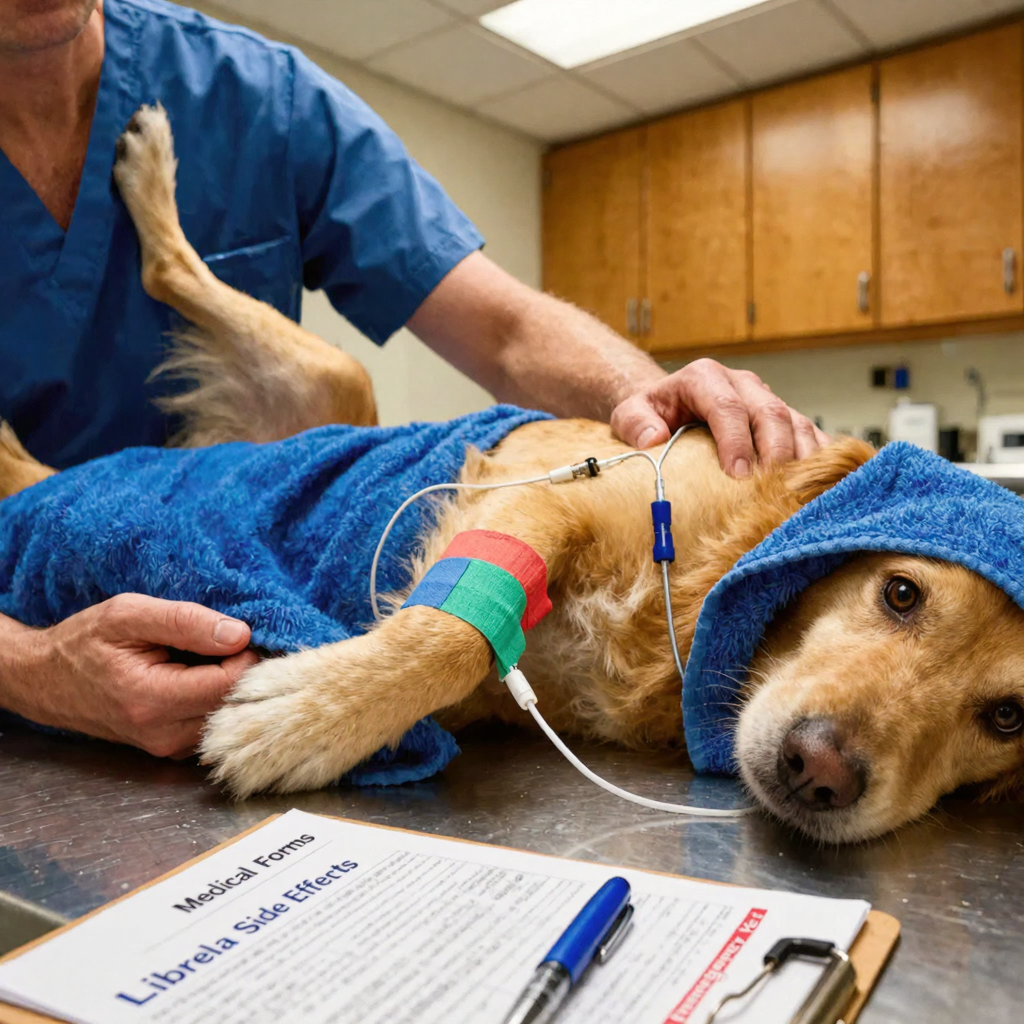
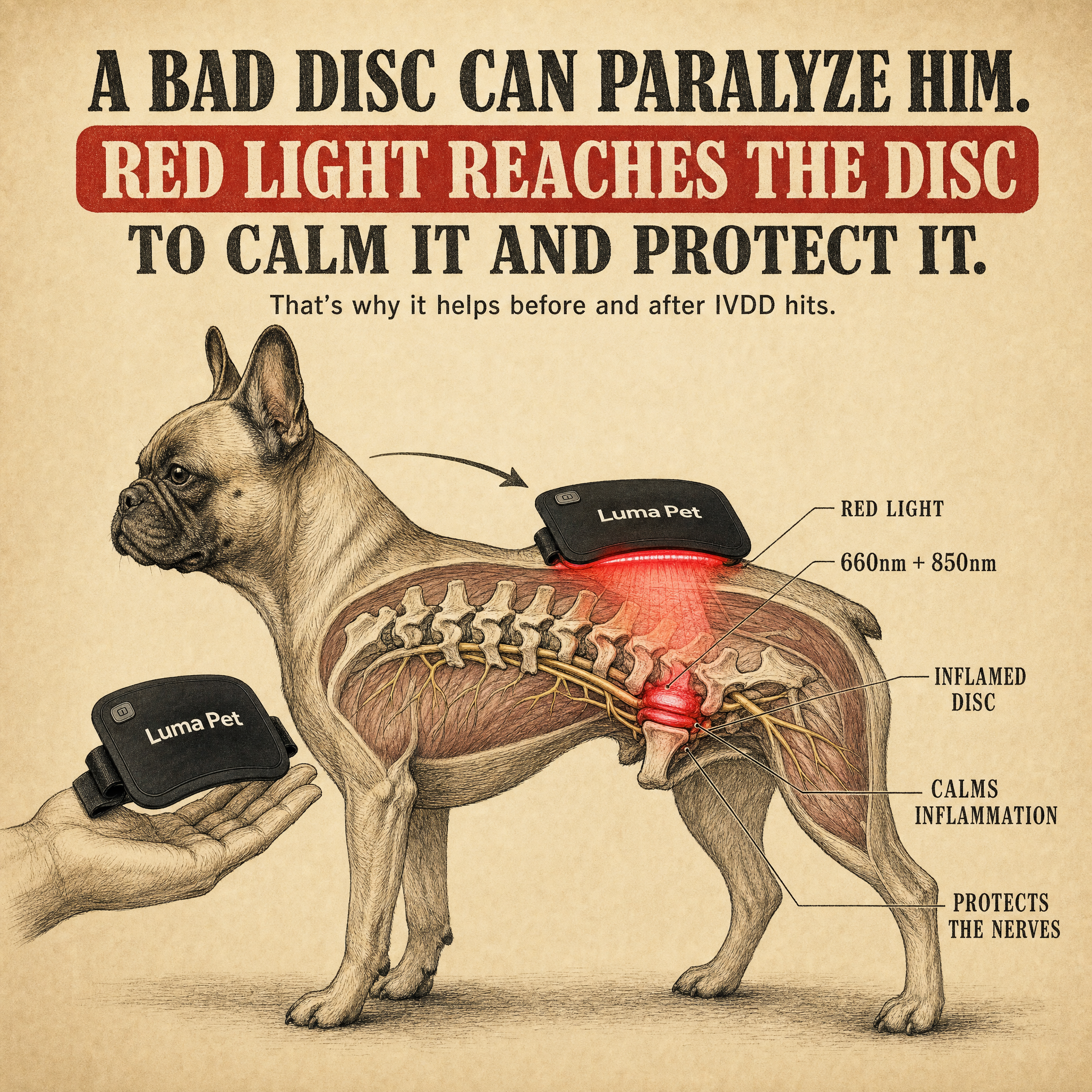
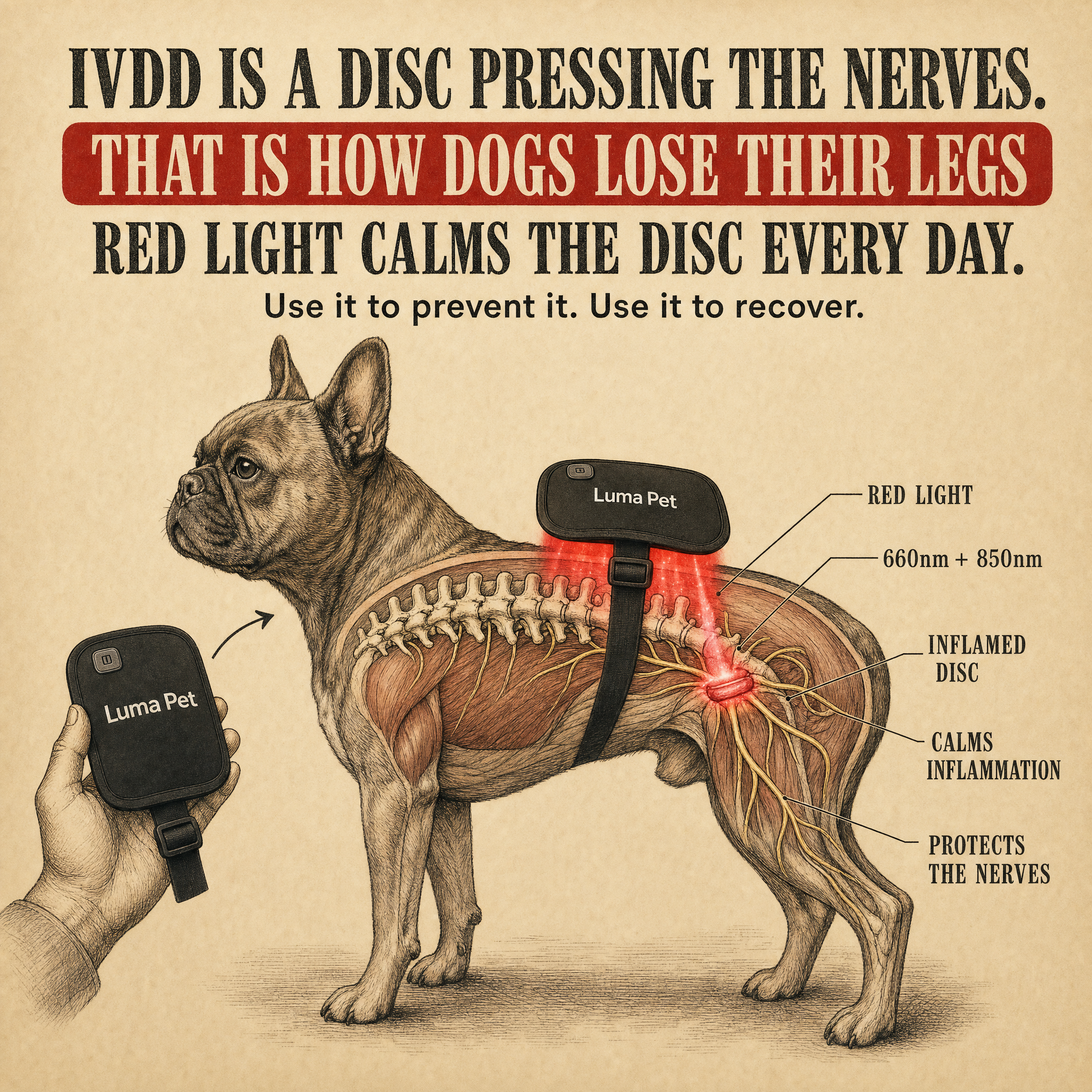
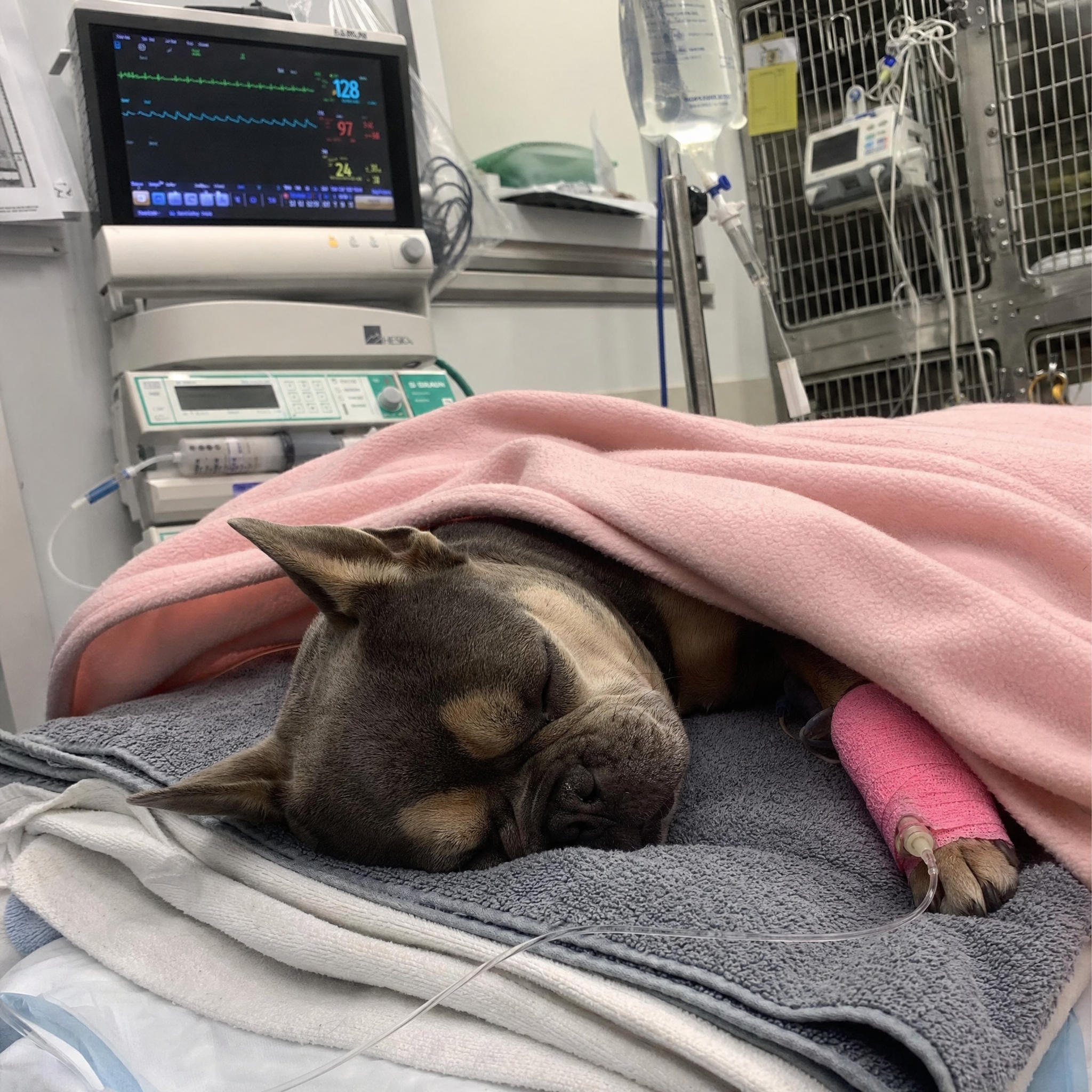
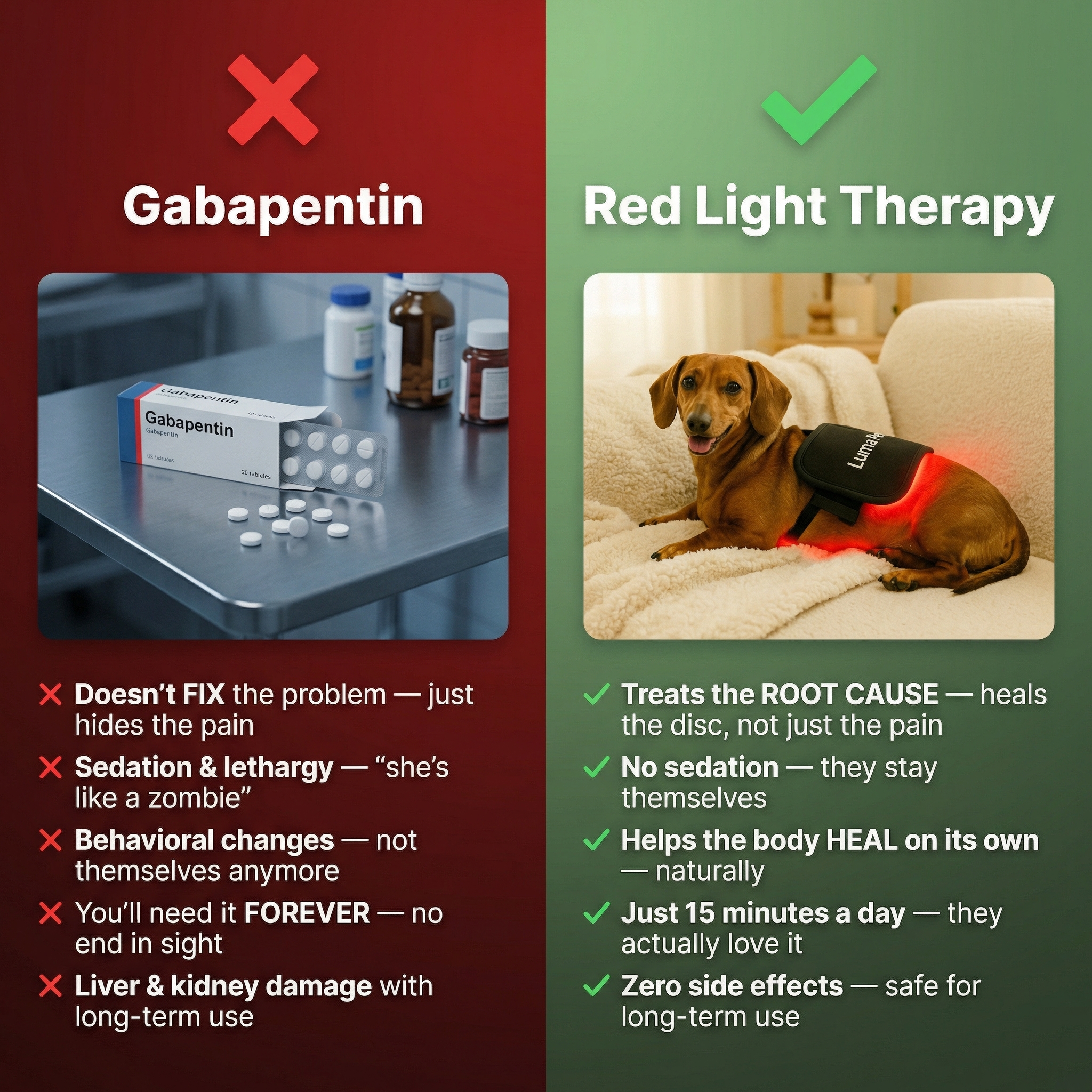
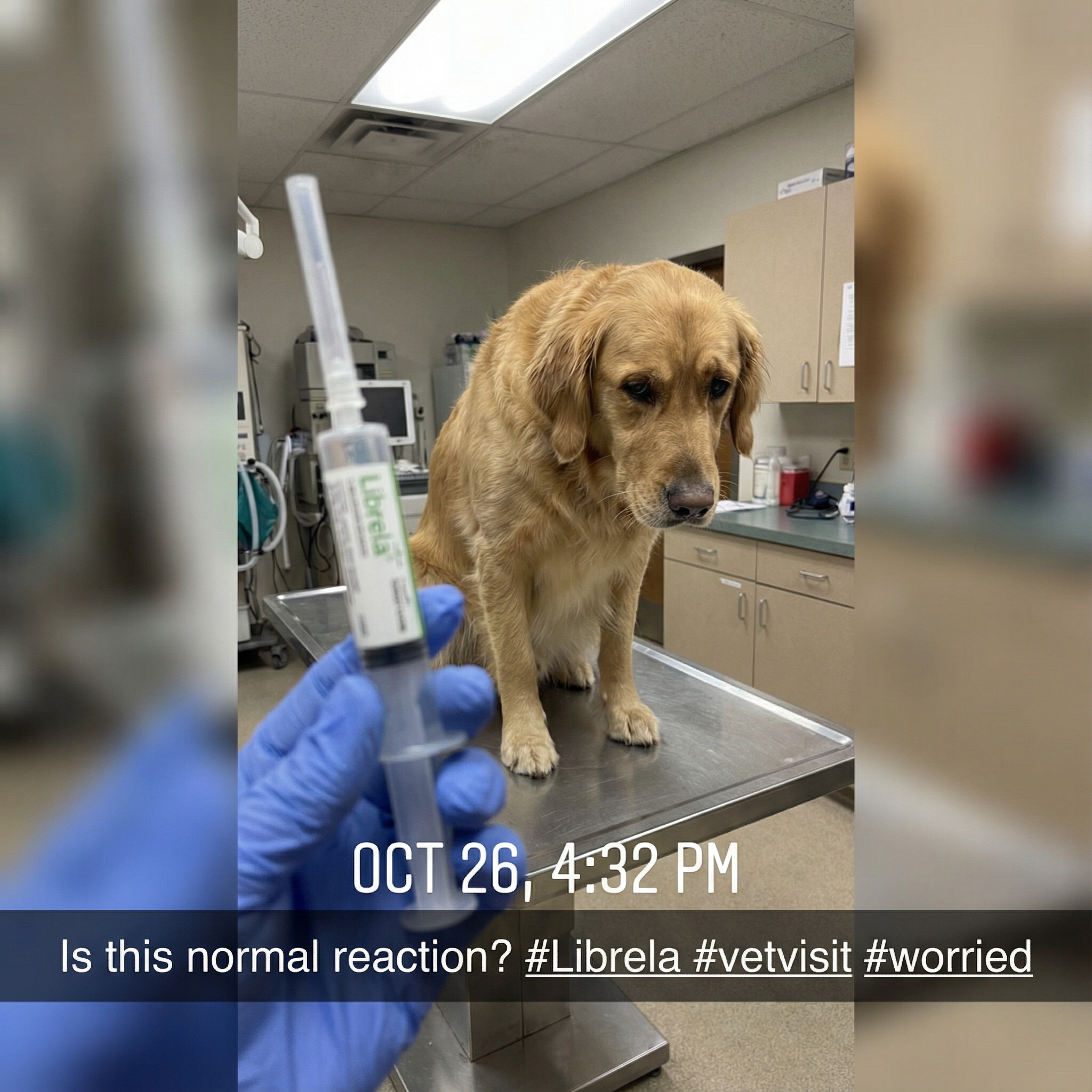
TO ALL DOG OWNERS GIVING LIBRELA OR RIMADYL FOR ARTHRITIS... Don't make my mistake. After 8 months, my dog developed severe liver damage and kidney problems. His name is Cooper. 10-year-old Golden Retriever. The gentlest soul you'd ever meet. For almost two years, we managed his arthritis with occasional Rimadyl. It helped somewhat. Not perfect, but it took the edge off. Then our vet, who we've trusted for 9 years, told us during our checkup last April about daily dosing. "If he's getting stiffer, daily Rimadyl is the way to go," she said. "Most Goldens do really well on it long-term." We trusted her. Why wouldn't we? Cooper started daily Rimadyl that week. Week 3: I thought we'd found the answer Cooper was moving better than he had in months. Getting up from his bed without that groan. Walking down to the mailbox. Even playing a bit with his rope toy. My 10 year old Golden Retriever seemed like a younger dog again. I remember calling my brother. "I think we finally found something that actually works." Month 5: Something felt wrong It started small. Cooper would drink water constantly. Like he couldn't get enough. His bowl was empty three times a day. Then one morning, I noticed he seemed... off. Lethargic. Not interested in breakfast. "Maybe he's just having a slow day," I told myself. Month 6: The vomiting started Cooper had always had an iron stomach. Never had issues. Not in 10 years. Now I was cleaning up vomit two or three times a week. At first, I thought maybe he got into something. Changed his food. Vet said to monitor it. "Could be a sensitive stomach developing," the vet said. But something in my gut said this wasn't normal. Then it got to the 8th month. It was a Thursday afternoon. I was working from home. Cooper tried to walk to his water bowl. His legs were shaking. He stumbled. Collapsed on his side. I dropped everything and sat on the floor with him for 20 minutes. He couldn't stand. His breathing was shallow. That's when I saw it in his eyes. Exhaustion. Confusion. He didn't understand what was happening to his body. And neither did I. I called the vet crying. They said to bring him in immediately. While I waited for my wife to get home, I did what any desperate dog owner does. I googled "Rimadyl long-term side effects." The official websites said the same thing the vet told me. "Generally well tolerated when monitored. Safe for long-term use." But then I tried something different. I searched "Rimadyl liver damage Reddit." My hands started trembling as I read Post after post. Story after story. "My Golden's liver values were elevated after 6 months on Rimadyl." "She was vomiting constantly. Turned out to be kidney damage." "His liver enzymes were through the roof. The damage was irreversible." "Excessive thirst started at month 5. By month 7, kidney failure." It was like reading Cooper's timeline over and over again. I found a Facebook group. Over 3,000 members. All dogs on long-term NSAIDs. All having the same problems. Liver damage. Kidney issues. GI bleeding. Lethargy. One owner wrote: "She was one week away from her next refill when I found this group." Another: "I do everything I can to keep my dog healthy and I feel like I poisoned him." That one broke me. Because that's exactly how I felt. They ran bloodwork. Full panel. Liver and kidney function tests. Everything came back alarming. Liver enzymes elevated 4x normal. Kidney values in early failure range. The vet looked at me and said: "We need to stop the Rimadyl immediately." "How long until it's out of his system?" I asked. "It can take 2-4 weeks. But the organ damage... we don't know if that will reverse." Four weeks. Four weeks of watching my dog struggle while we waited for this medication to clear and hoping his organs would recover. I started searching for answers Late nights. Google. Reddit. Veterinary journals. Arthritis support groups. I needed to understand what was actually happening inside Cooper's body. Why did Rimadyl seem to work at first, then cause all these problems? I tried everything I could find: Switched to CBD oil. Spent $95 on a "veterinary grade" brand. Gave it to him twice a day for three weeks. He was still struggling to walk. Tried a different supplement. Turmeric and boswellia. Gave it to him with every meal for a month. His joints still hurt. Still stiff. Looked into cold laser therapy at the vet. $85 per session. Three times a week. We couldn't afford $1,000 a month. And the vet said we'd need it indefinitely. Each failed solution made me feel more helpless. More guilty. Then I found something that changed everything It was 2 AM. I couldn't sleep. I was scrolling through research papers on canine arthritis. Desperate for anything that might explain what was happening. That's when I found a study from a veterinary university. The title stopped me: "Why Dog Arthritis Joints Can't Heal Themselves" I started reading. And suddenly, everything made sense. There was a lot of medical jargon but I'll explain what it said. You already know arthritis is about inflammation. Pain. Cartilage breaking down. Your vet probably explained all that. But there's something deeper. Something that explains why Rimadyl eventually stops working or causes new problems. Deep inside every joint, there are special cells. Their only job is to build and repair cartilage. Think of them like repair workers. These cells need energy to do their work. That energy comes from tiny power plants inside each cell. They're called mitochondria. Think of them like generators. A chemical called nitric oxide floods the joint. It sticks to those generators and won't let go. It's like cutting the power lines. The generators can't run. The repair workers run out of energy. They can't build new cartilage. Can't fix damage. They just... stop working. Rimadyl blocks the pain signals. Cooper felt better. Started moving more. But here's what was happening underneath: Those generators were still offline. The repair workers were still exhausted. The joint was still breaking down. Rimadyl didn't fix anything. It just turned off the pain alarm. So Cooper started moving more on joints that couldn't repair themselves. Without pain to tell him to take it easy, he wore his joints down even faster. And Rimadyl does something else. It's an NSAID. It stays in the bloodstream. Processed by the liver. Filtered by the kidneys. Day after day after day. That's why so many dogs develop organ damage. The body can't keep up with processing it long-term. The medication isn't just masking pain. It's slowly damaging vital organs while the joints keep deteriorating. Everything treats symptoms. Nothing restarts the generators. And if the generators don't work, the repair cells can't do their job. The joint can't heal. Then the article said this. There was one type of treatment that could restart those generators. Red Light therapy. Yeah I didn't believe it at first either but specific wavelengths of red light that could reach deep into the joint and remove that nitric oxide blockage. Let the mitochondria charge again. Give the repair cells energy to actually fix the damage. 660nm red light. 850nm infrared light. The red light increases blood flow. Wakes up cells near the surface. The infrared light goes deeper. All the way through fur, skin, fat... down to the joint itself. Down to those dead generators. When those lights hit the cells, the nitric oxide lets go. The generators start running again. The repair workers wake up and get back to work. It's not masking pain. It's restarting the power. I went straight to Amazon. I was so hopeful. Finally, something that made sense. Typed "red light therapy for dogs." I almost ordered one that night. Wrap-around device. Five-star reviews. But something made me stop. I looked closer at the specs. The wavelengths were wrong. It only had red light, no infrared. The power output was too weak to penetrate deep enough. I checked another one. "Veterinary approved." Same problem. Wrong wavelengths. Too weak. Every single device was either too weak, wrong wavelengths, or both. I felt that sinking feeling again. Then a few days later after I told my wife about what I discovered, she came to me. She was talking to a friend at work the next day. Mentioned what we were going through. Her friend said, "My cousin's Golden had terrible arthritis. She found this small company that makes red light therapy devices specifically for dogs." She sent us the link. The company was called LumaPet. I'd never heard of them. Small startup. Not a big corporate brand. The founder's dog started showing arthritis symptoms at an early age. With no signs of improvement. He knew if he didn't act fast his dog would only get worse. So he spent years developing a device that could deliver medical-grade red and infrared light directly to dog's cells - safely and effectively at home. It's called LumaPet. It's a pad with true 660nm and 850nm wavelengths. Medical-grade LEDs. High enough power to penetrate deep into joints. Designed specifically to wrap around hips, shoulders, wherever dogs need it most. Not a cheap Amazon device claiming to work. A real solution built by someone who lived this problem. I ordered it that night After everything we'd tried. Every failed solution. Every wasted dollar. But Cooper was still struggling. Still lethargic. Still looking at me with those tired eyes. I had to try. The first session, I wrapped it around his hips. Turned it on. 15 minutes. He just laid there. The warmth relaxed him. I didn't expect anything immediate. Week 2: Something changed Cooper got up from his bed without groaning. Just... stood up. Like it was normal. His legs didn't tremble. Didn't hesitate. It was small. But it was something. Week 4: The stiffness eased No more struggling to stand. No more limping for the first few steps. His joints were looser. Stronger. He walked to the end of the driveway on his own. No hesitation. Week 6: My dog came back Cooper played with his rope toy. Actually played. Tugged a little. The light in his eyes returned. He wasn't moving like a puppy. He's 10. He has arthritis. But he was moving like himself again. No trembling. No collapsing. No exhaustion in his eyes. The repair workers had energy again. The generators were running. His body was finally able to repair itself. It wasn't just physical. Cooper seemed happier. More present. Like a fog had lifted. His liver and kidney values started improving too. Now he was wagging his tail when I came home. Greeting me at the door. Sleeping peacefully through the night. And I was sleeping peacefully too. I had my best friend back. I use it every other day now 15 minutes on his hips. It's part of our routine. Like his morning walk or evening cuddles on the couch. He's been stable for five months now. No medications. No organ damage. No pain. Just consistent improvement and a dog who can move like himself again. I think about those 8 months on Rimadyl a lot. The $520 we spent on prescriptions. The emergency vet visit. The weeks of watching him suffer while it cleared his system. If I'd found this sooner, we could have avoided all of it. If you're reading this, your dog is probably on Rimadyl or you're considering it. Maybe your vet recommended it. Maybe you're desperate for something that will help your dog move without pain. I get it. I was there. But I also know what I know now. I'm not saying it doesn't work. It did help Cooper's pain at first. But I paid consequences I didn't know were possible. You don't have to make the same mistake I did. LumaPet, the company that makes the device, they're a small company. They don't mass produce. They refuse to cut quality to lower costs. Sometimes they run out of stock because they can only source so many medical-grade LEDs. But when they do have them available, they offer a 60-day money-back guarantee. That's what made me comfortable ordering. I'd wasted so much money on things that didn't work. At least if this didn't work, I could get my money back. But it did work. I don't have all the answers. I can only tell you what saved Cooper. What gave me my dog back. What let me sleep through the night without guilt eating me alive. I just know I'll never give Cooper another medication that masks pain while destroying his organs and his joints keep breaking down. I finally found something that restarts the generators. And for us, that changed everything. A few people have DM'd asking which device I use - here's the link: http://pdps.ivddprevention.com/
Stop Librela. Read This First
Keep Them Young, Longer: Helps maintain mobility, energy, and playfulness well into their senior years. Relief for IVDD, Arthritis & Back Pain: Reduces inflammation and eases discomfort so your dog can move freely again. Eases allergies & Skin Irritation: Boosts circulation and helps cells r...
LEARN MORELike this ad? Make it yours.
Crush rebuilds this exact creative around your product — your brand, your colors, your offer — in about a minute.